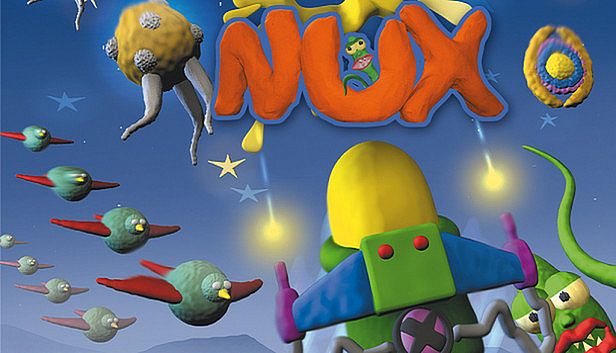











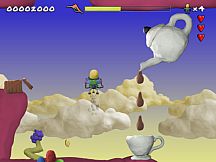
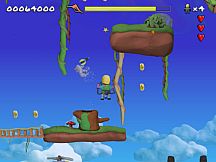
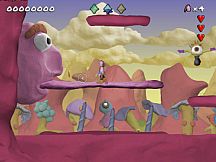
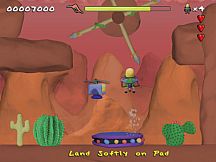
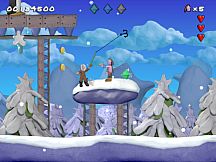
Nux is an action game developed for PC that puts players in the role of Nux, the last survivor of the Nexon warrior tribe. The story follows an invasion of the home world Nexolus by the creature known as Silthax, which has destroyed the village and taken the power crystals. The objective centers on tracking the invader across multiple locations, recovering the crystals, and ending the threat using a ship and blaster as primary tools.
Gameplay
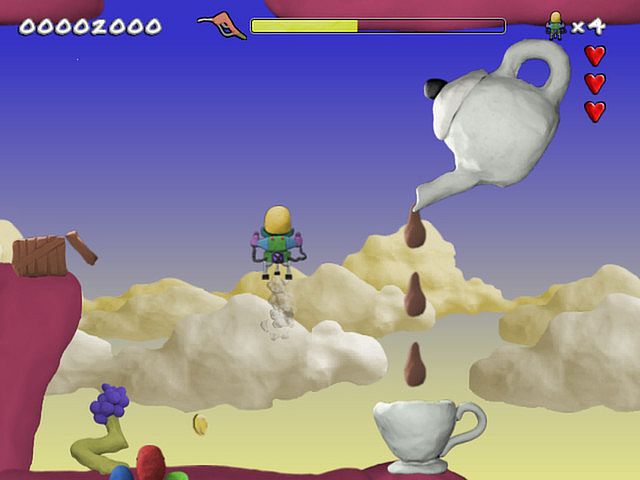
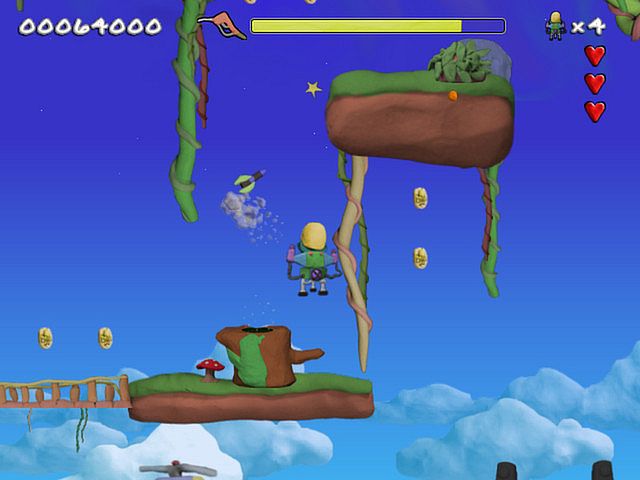
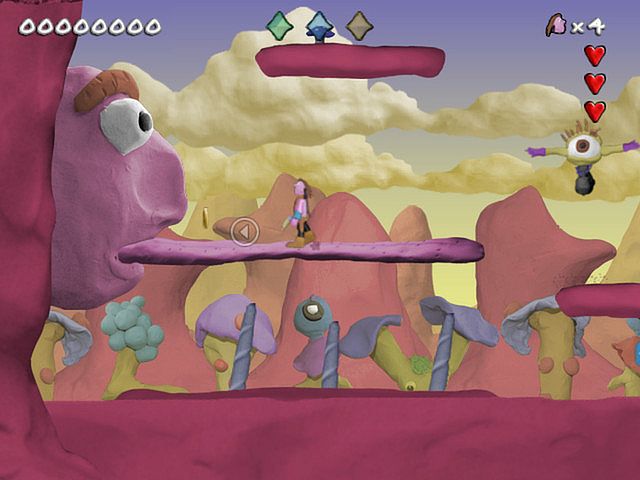
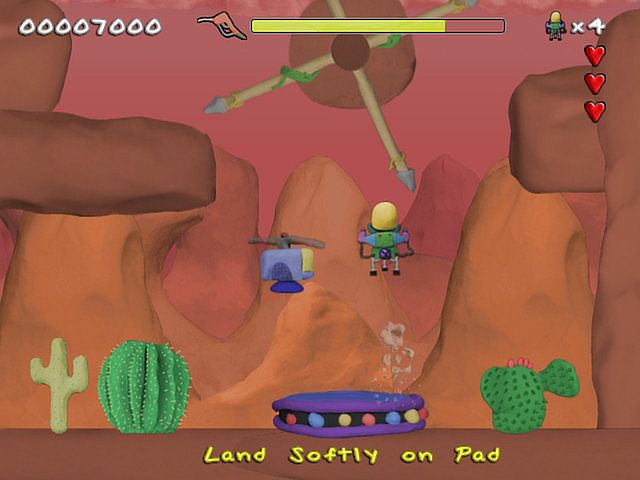
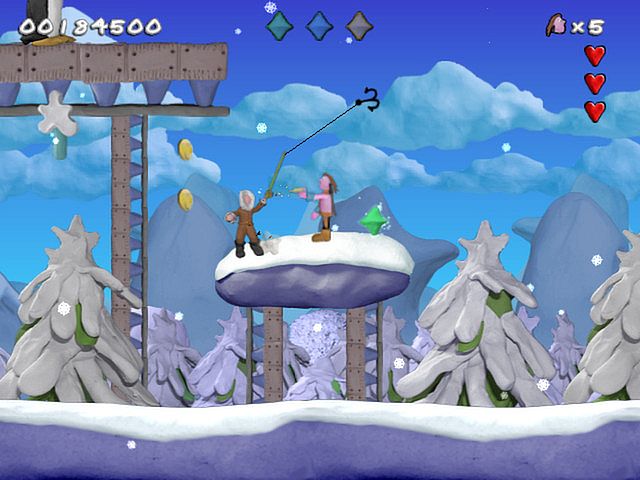
The core loop combines shooting with a blaster, piloting a ship for flight segments, and movement on foot for exploration. These elements shift across different sections of each stage to create variety within the campaign structure. Players navigate through environments on four distinct planets while progressing through a total of thirteen levels. The visual style relies on claymation models and animations, which give the game a distinctive handmade appearance despite its age and technical limitations from the 2006 release.
Controls focus on basic aiming and movement during combat encounters, with transitions between ship-based flight and ground-based sections requiring adjustments in handling. The single-player campaign forms the main experience, guiding players through linear objectives tied to the central conflict with Silthax. No additional mechanics such as upgrades, crafting, or branching paths appear in the confirmed features.
Game Modes
Three distinct game modes support the overall structure. Each mode integrates the available playstyles of shooting, flying, and on-foot exploration in different combinations to vary the pacing and challenges. The modes draw from the same set of thirteen levels spread across the four planets, allowing players to approach the content through separate formats without introducing new environments or story elements.
These modes emphasize the action focus of the title rather than competitive or cooperative play. Progression remains tied to completing objectives related to the power crystals and the main antagonist, keeping the experience contained within the single-player framework.
Visuals and Presentation
Claymation graphics serve as the standout element, applied to characters, enemies, and environments throughout the planets. The style attempts to deliver a tactile, stop-motion feel that sets the game apart from typical 3D action titles of its era. Sound design supports the action with basic effects and limited voice work, though the overall production values reflect the constraints of an independent release from 2006.
Performance on modern systems may encounter stability issues due to the original engine and compatibility with current operating systems. The game runs on older Windows versions as a baseline, with no confirmed patches or updates released in recent years to address these aspects.
Is It Worth Playing?
Player reception on Steam stands at mostly negative, with 39 percent positive ratings from 38 total reviews. Feedback often highlights the instability, dated controls, and limited depth as barriers to enjoyment. The claymation approach receives occasional mention as an interesting choice, yet it does not overcome the technical and design shortcomings for most players.
This title suits those specifically interested in obscure retro action games or claymation experiments from the mid-2000s. For broader audiences seeking polished gameplay or ongoing support, the experience falls short. Availability remains limited to the original PC release with no expansions or modern ports confirmed.