















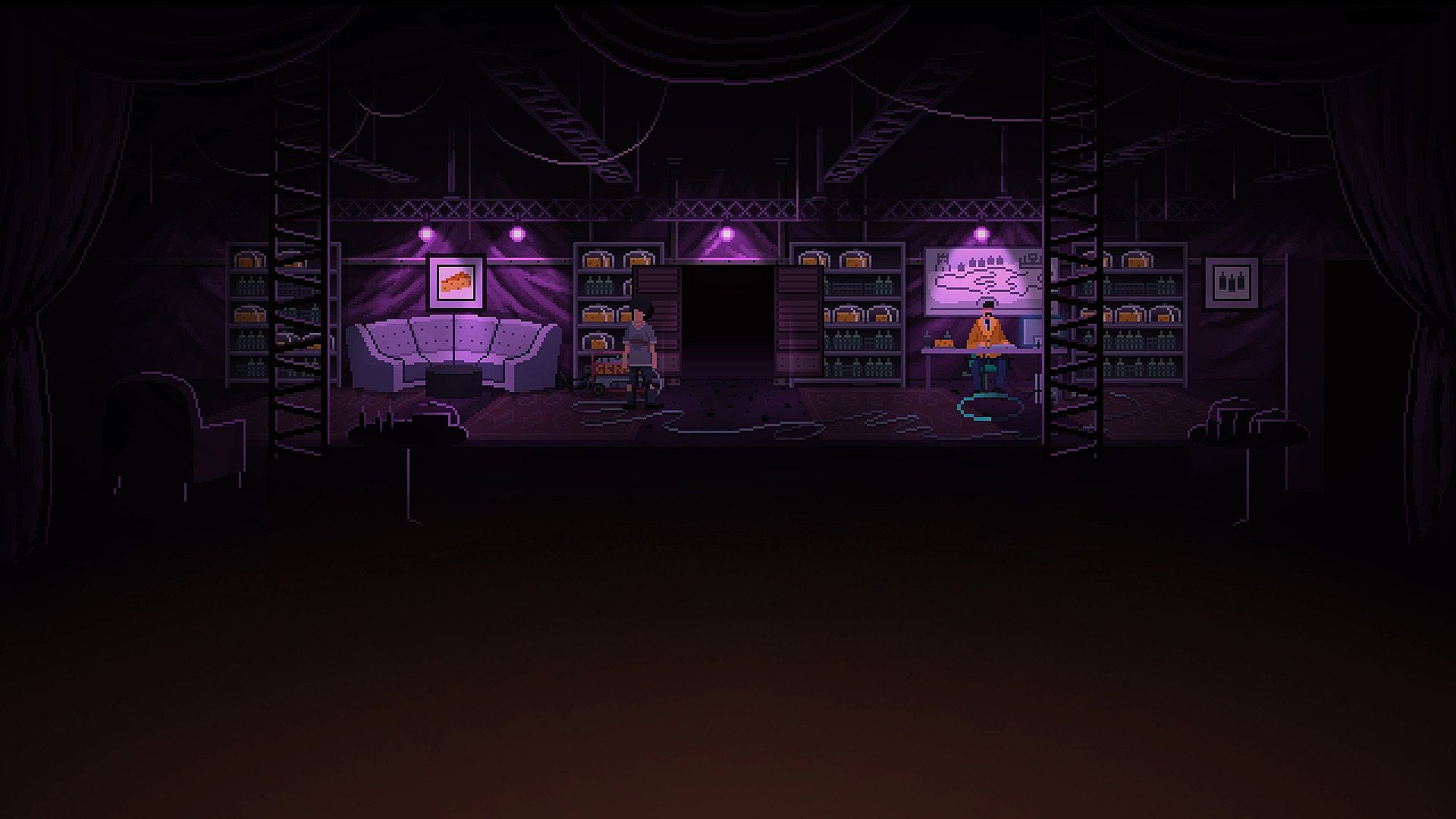
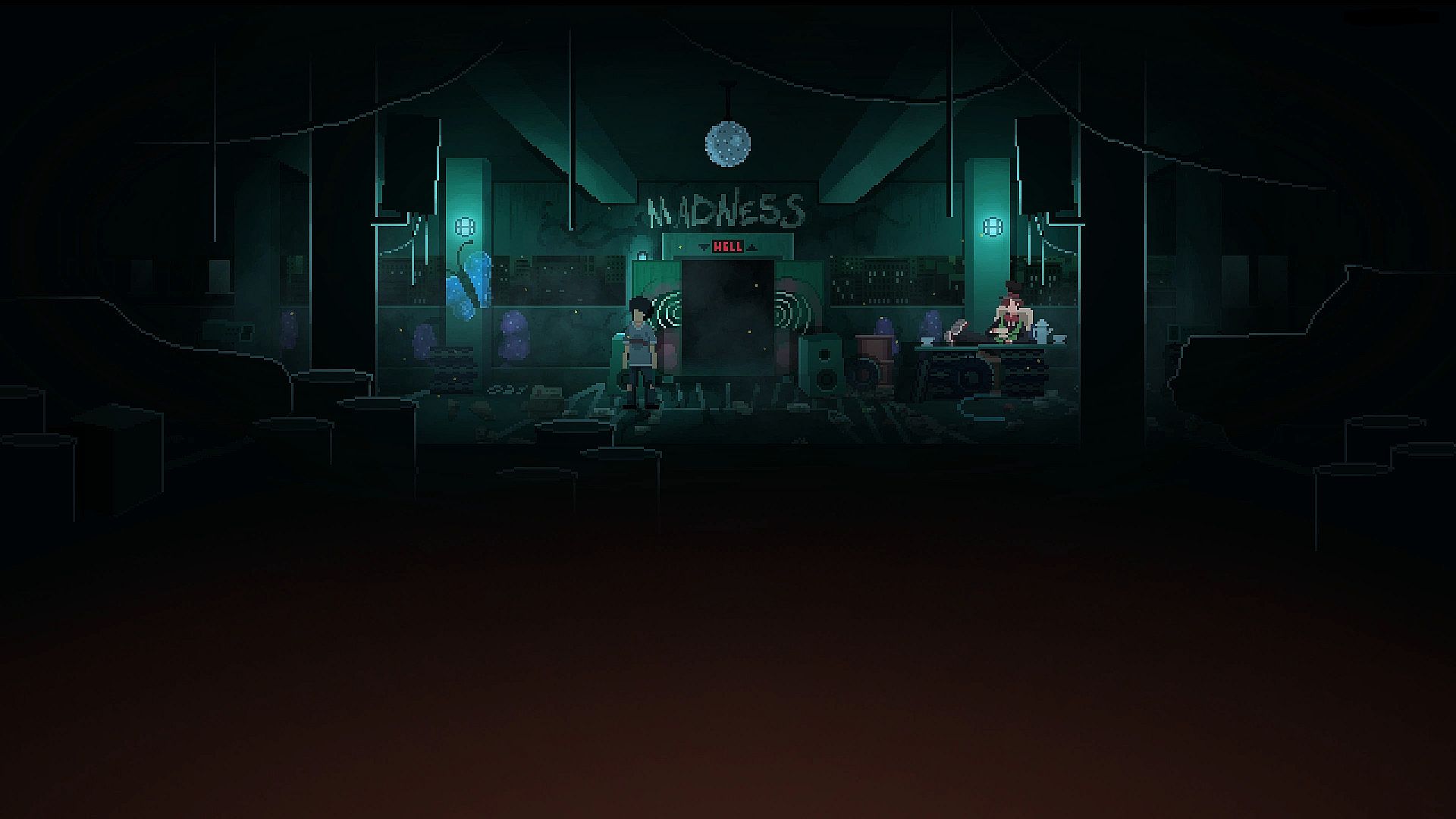
Not Tonight is a single-player RPG and simulation game that blends time-pressured document checking with narrative choices in an alternate post-Brexit Britain. Players take on the role of a person of European heritage stripped of citizenship and forced into the gig economy as a bouncer. The experience centers on surviving under an authoritarian regime while deciding whether to resist or endure.
Gameplay
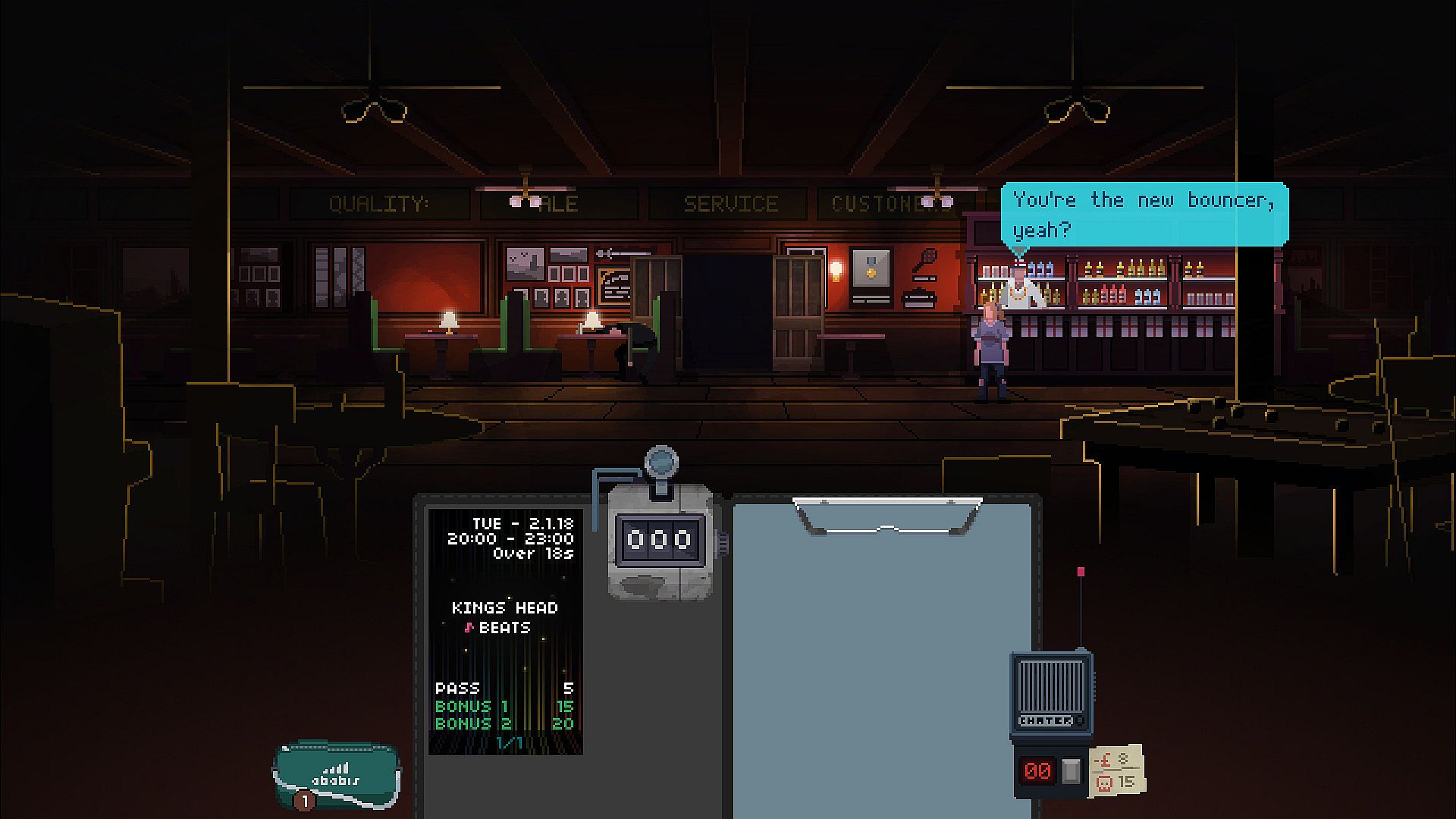
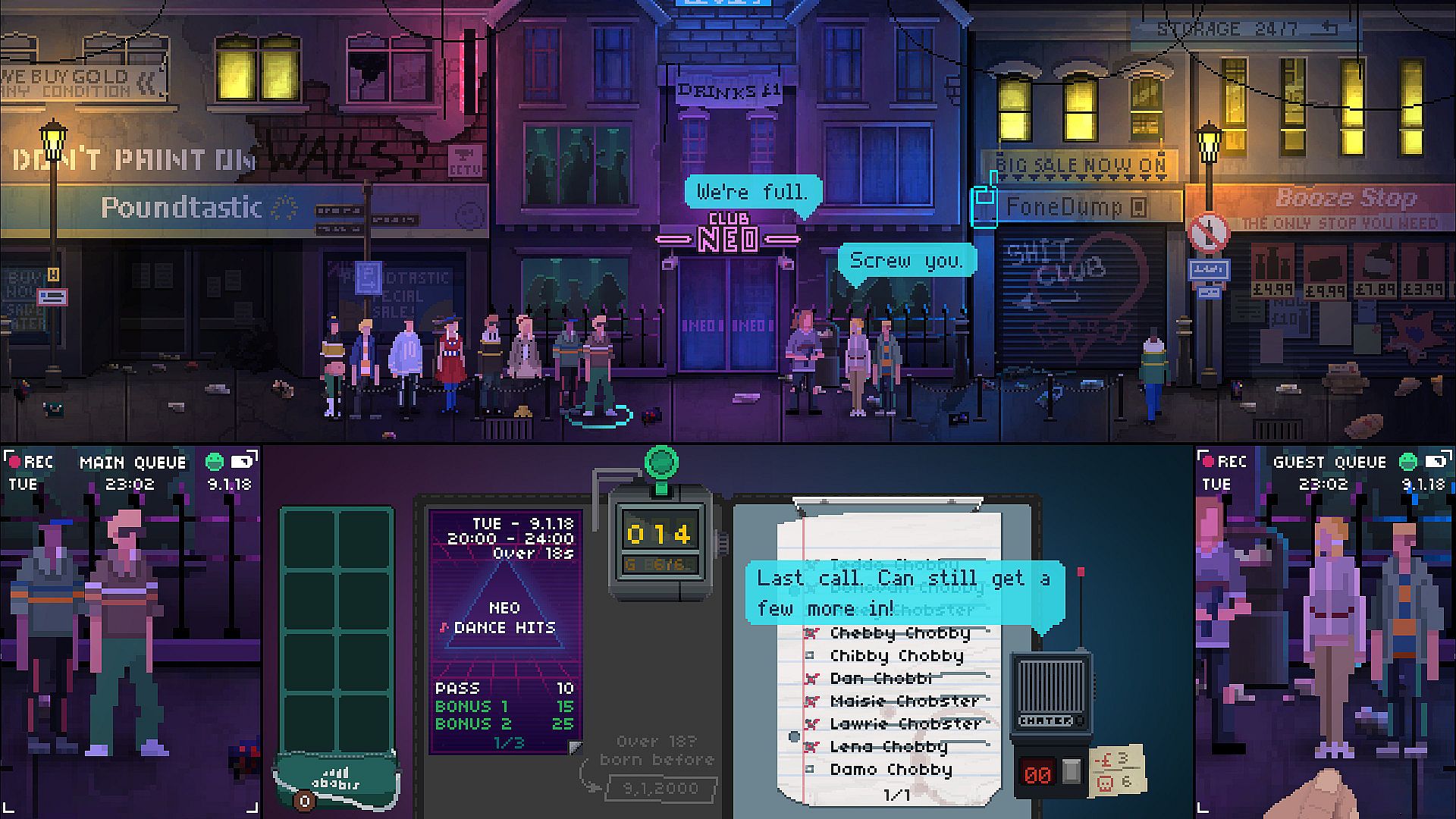
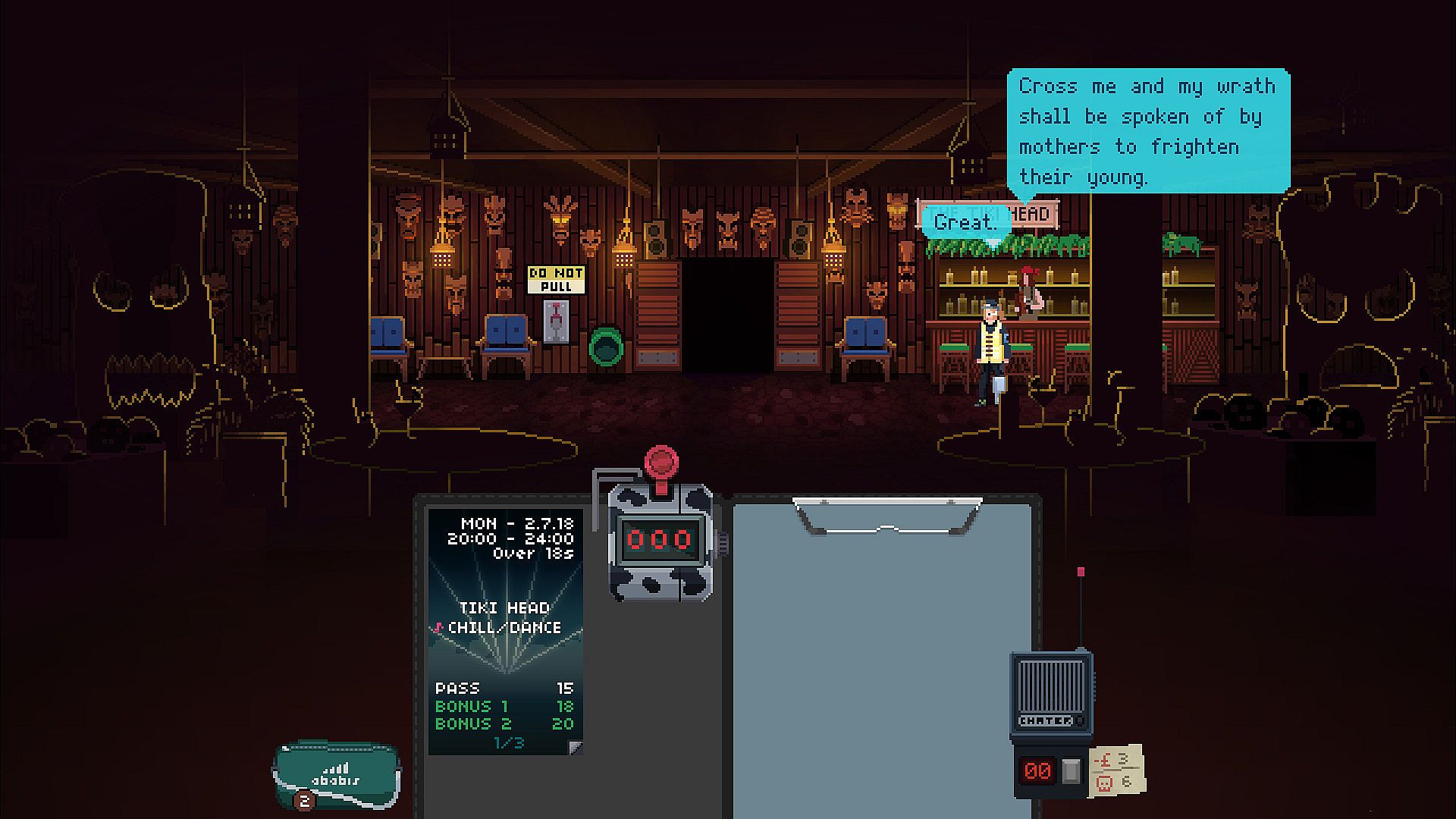
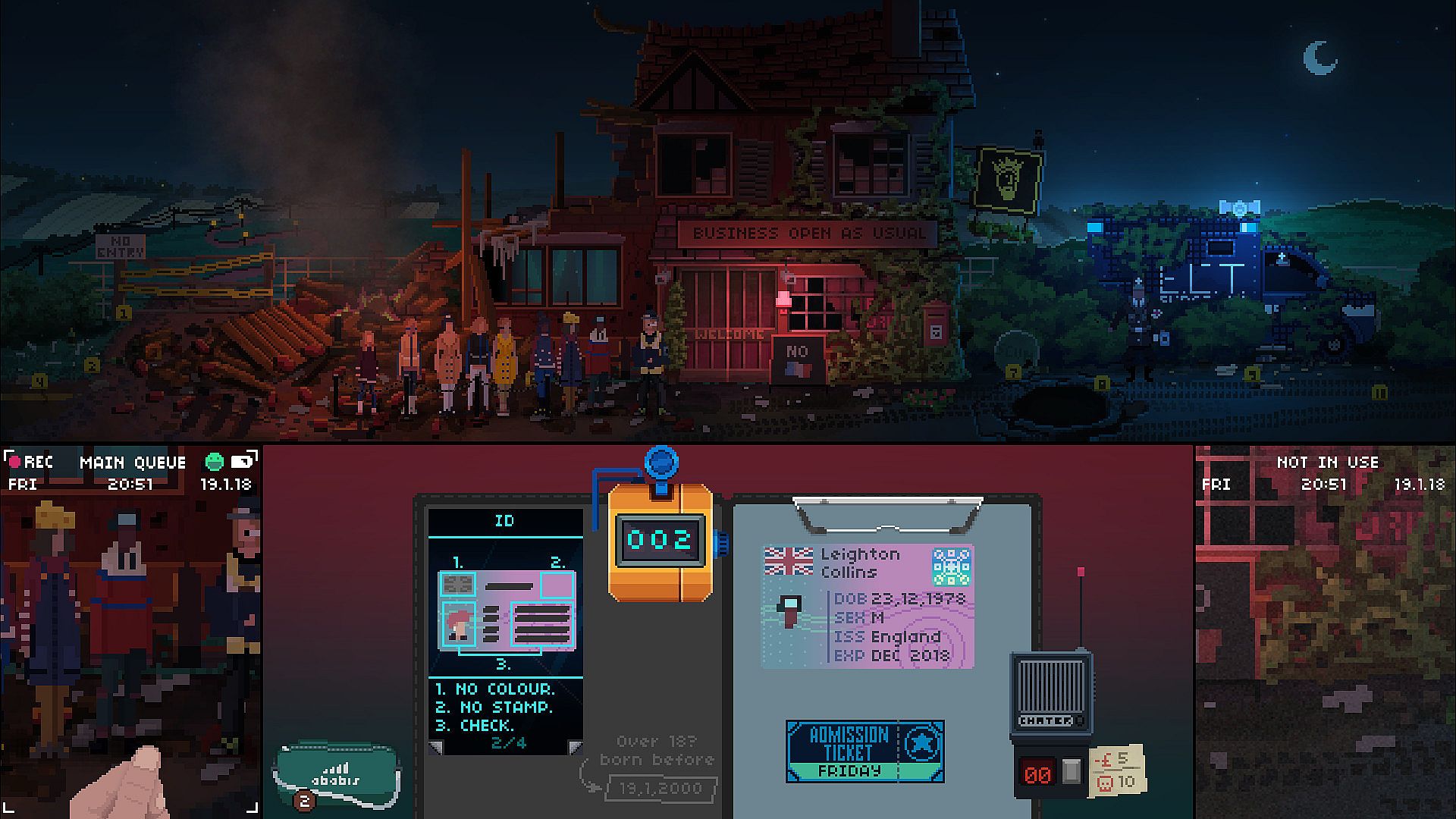
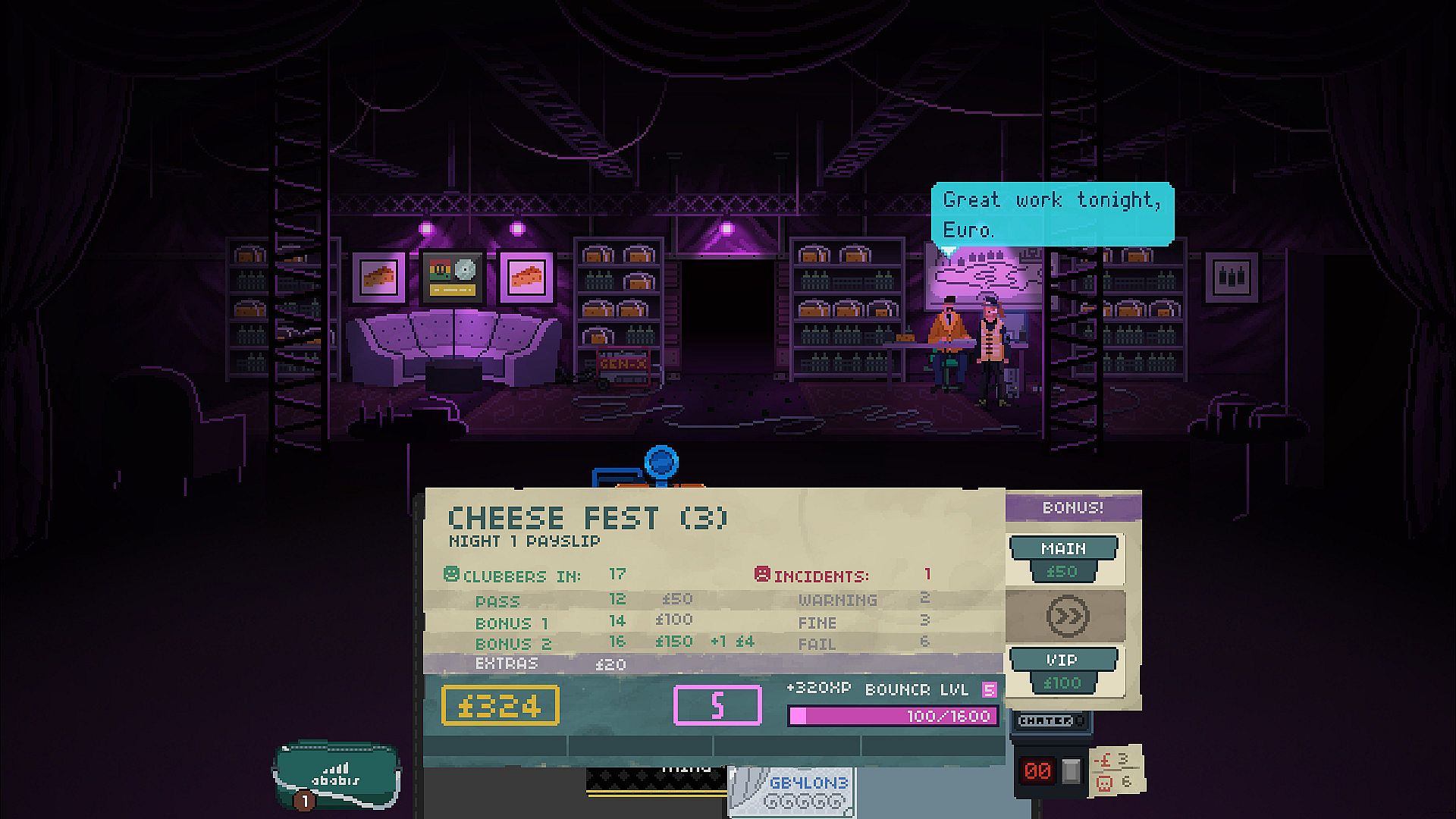
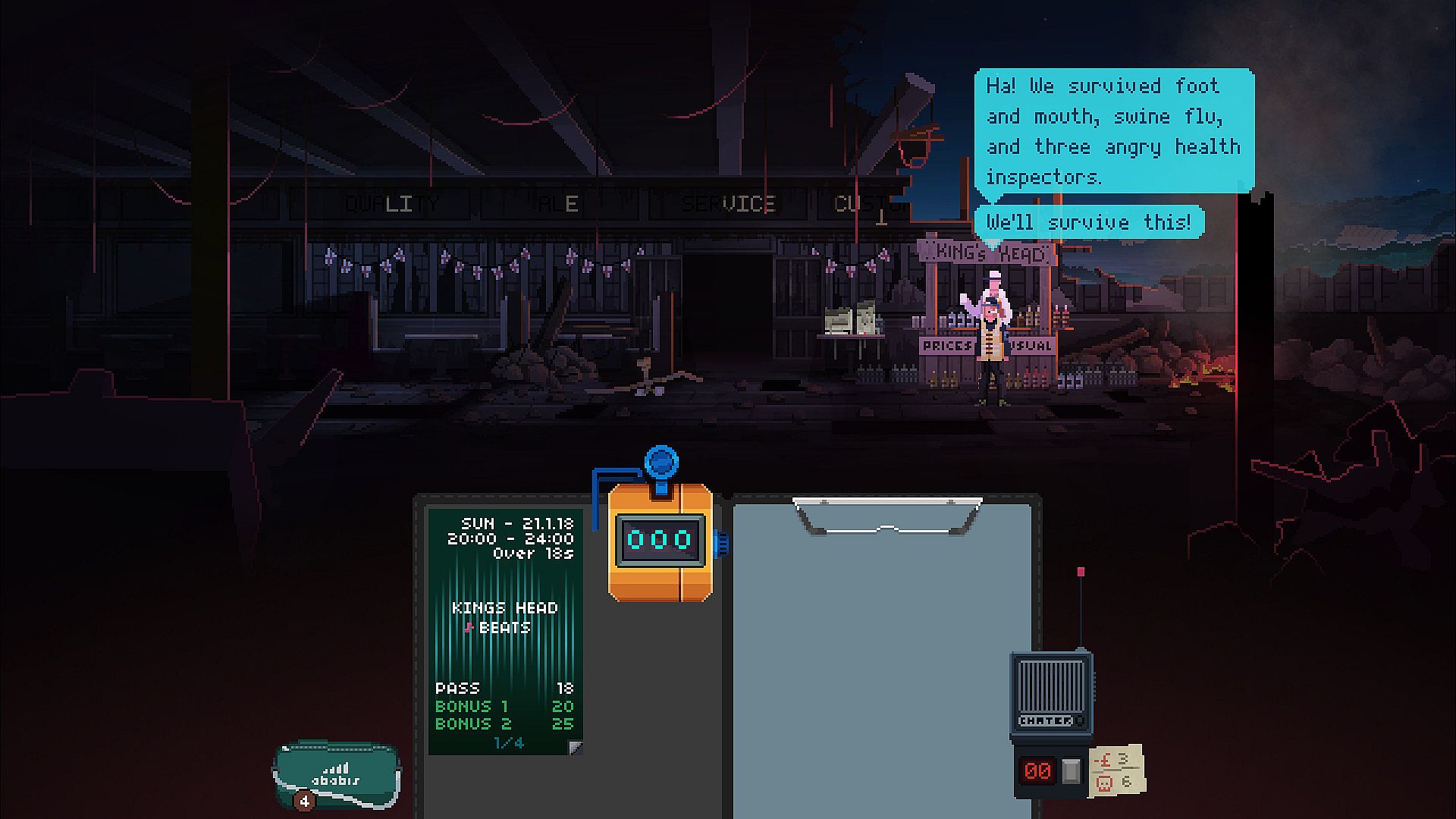
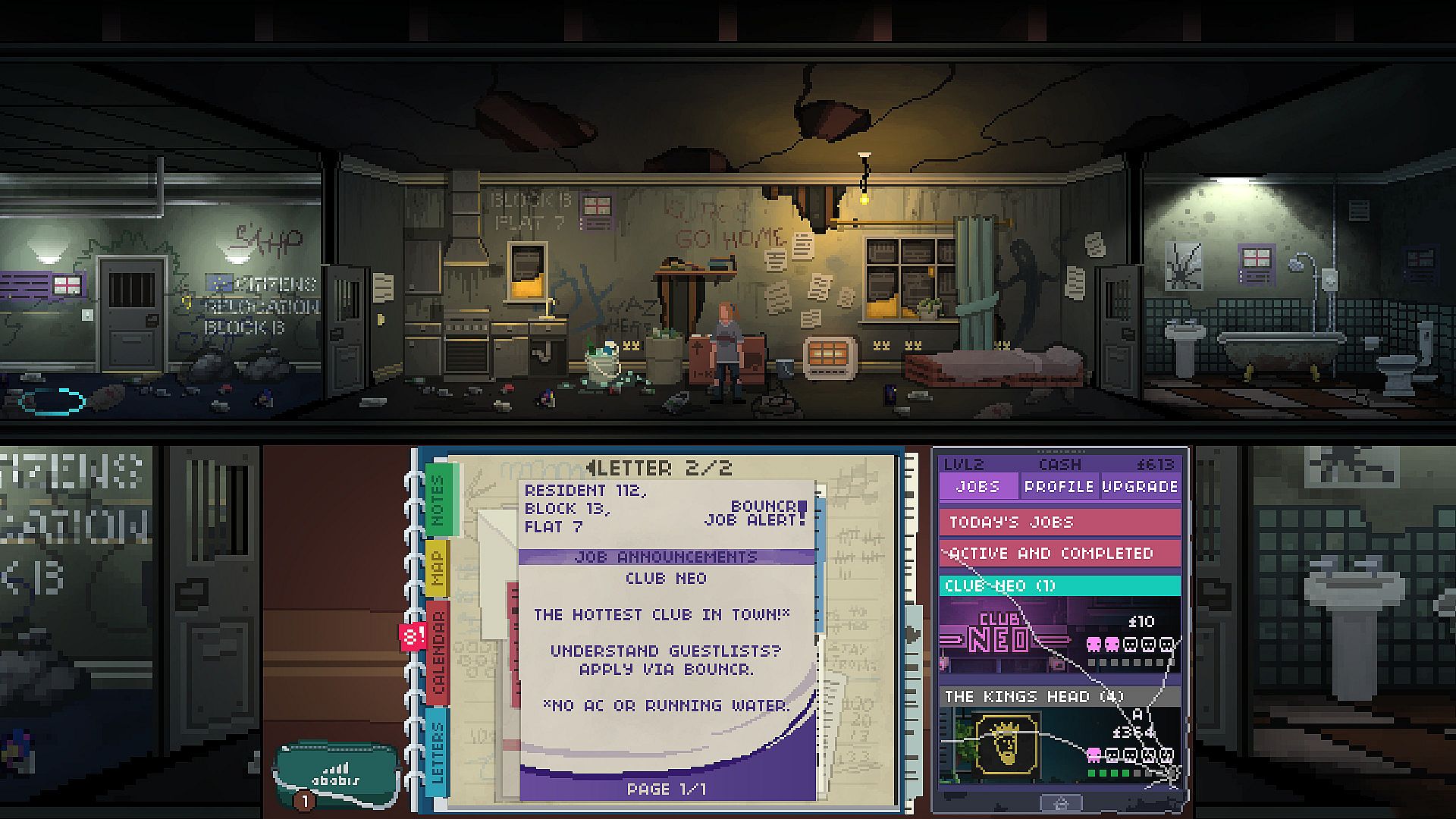
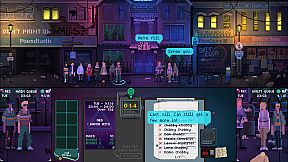
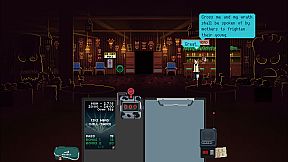
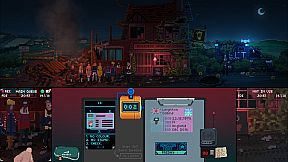
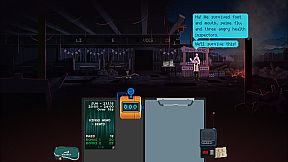
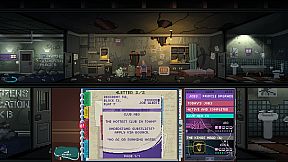
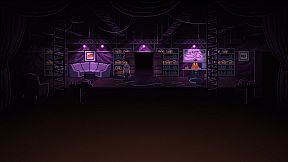
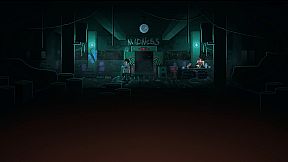
The core loop involves working shifts at pubs, clubs, festivals, and parties accessed through an in-game app. Each shift places the player at the door where they must inspect identification cards under a strict timer. Tasks include verifying ages, spotting expired or forged documents, matching photographs, detecting contraband, and enforcing guest lists or additional state-mandated restrictions that grow stricter over time.
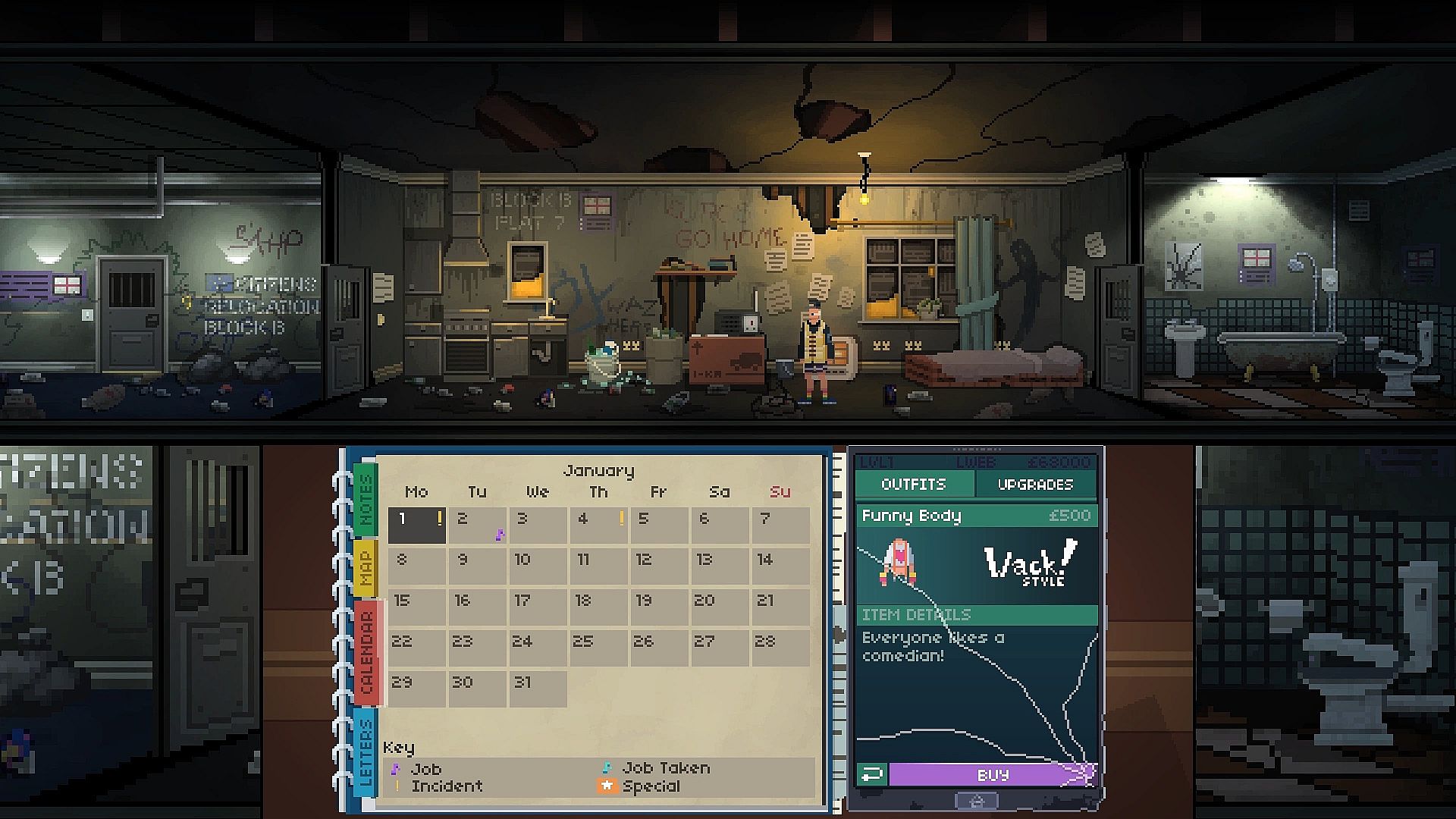
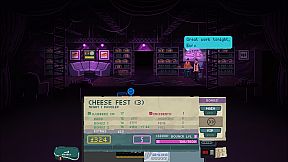
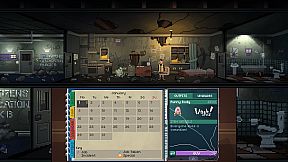
Success requires letting in enough approved guests to meet quotas while avoiding penalties for errors. Failing shifts reduces social credit, which can limit future job opportunities and risk deportation if the score reaches zero. Between shifts, players return to their apartment to pay rent, manage bills, and spend earnings on upgrades to living space, personal skills, or equipment that improve efficiency during future work.
Story branches emerge from encounters with other characters and choices about compliance or subversion. Accepting bribes or selling restricted items offers quick cash at the cost of credit, while refusing can open paths tied to resistance efforts. The system rewards careful observation and quick decisions rather than combat or exploration.
Game Modes
Not Tonight operates entirely as a single-player experience with no multiplayer components. The main structure follows a year-long narrative progression where players complete a series of bouncer jobs that advance both the story and personal circumstances. Jobs vary by venue type and introduce new rules or complications as the political situation escalates.
Progression ties directly to earnings and social credit, determining access to better-paying locations and influencing ending outcomes based on accumulated decisions. There are no separate competitive or cooperative modes; the focus remains on managing the daily routine while navigating the broader political plot through dialogue and actions.
Story and Setting
The game unfolds in an alternate Britain where Brexit negotiations collapsed, leading to an extreme far-right government. Citizens of European heritage face exile and relocation to blocks like the one described in the source material. Players start in Relocation Block B with the assigned role of bouncer and must scrape together income in a collapsing gig economy.
Political tension drives the narrative. Encounters with authorities, fellow exiles, and potential resistance contacts force ongoing choices about loyalty to the regime or efforts to undermine it. The tone mixes dark satire with personal survival stakes, emphasizing how small decisions accumulate into larger consequences for the protagonist and the world around them.
Is It Worth Playing?
Reception has been mixed, with praise for the writing, memorable characters, and timely political premise alongside criticism of repetitive mechanics and occasional frustration from timer pressure or random elements. Players who enjoy document-inspection games like Papers, Please often appreciate the bouncer simulation and the way upgrades gradually ease the workload.
The game suits those interested in narrative-driven simulations with meaningful choices rather than action or open exploration. Its single-player focus and self-contained story make it suitable for shorter play sessions once the core loop is understood, though some note the save system encourages longer sittings. Availability on PC allows easy access for those drawn to its blend of management, role-playing, and social commentary. If time-pressured puzzle elements combined with branching decisions appeal, it delivers a distinctive experience; otherwise, the repetitive nature of shifts may limit engagement.