





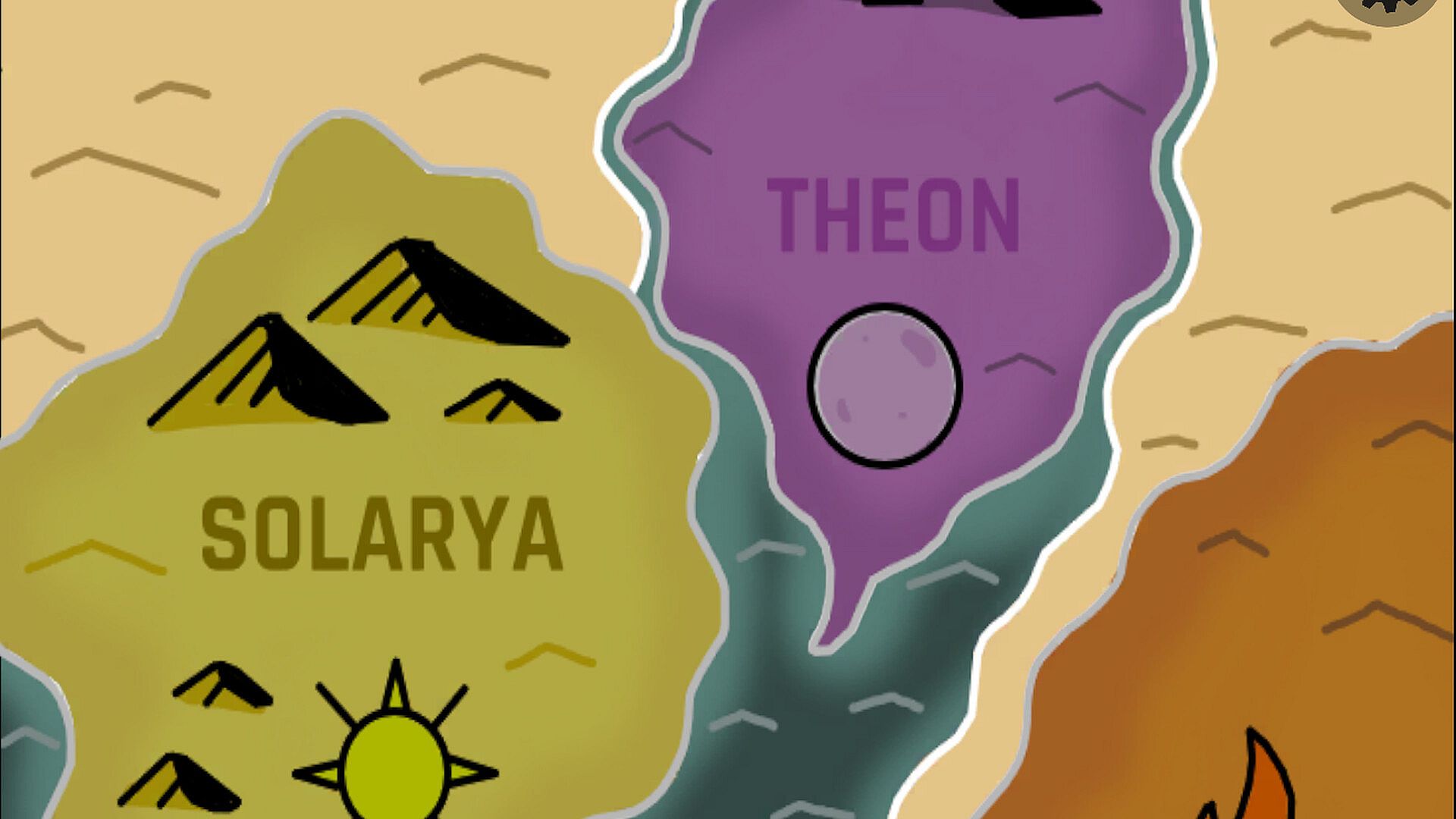












Nino: the Persuader stands out as a narrative strategy adventure game on PC that places language and negotiation at the center of its experience. Players step into the role of a diplomat without allegiance, using words to influence six rival nations and alter the balance of power through careful dialogue rather than direct confrontation.
Gameplay
The core loop revolves around conversations that present three primary approaches at each turn: persuade, pressure, or provoke. Behind every exchange sit three tracked variables for each nation: Trust, Faith, and Hostility. These values shift based on word choice and accumulate across interactions, creating ripple effects that reach beyond the immediate table. A decision made with one group can destabilize relations elsewhere, forcing players to weigh short-term gains against long-term stability.
Characters encountered include temple priests focused on prophecy, generals with limited patience, merchants who view every tension as potential profit, and civilians navigating divided loyalties. Each brings distinct agendas, and responses must account for how actions in one location influence perceptions in others. The system avoids traditional combat or resource management, emphasizing instead the weight of cumulative statements and the absence of any safety net for missteps.
Game Modes
The game operates as a single-player narrative campaign without separate modes or multiplayer components. Progression follows a structured sequence of negotiations across the nations, with dialogue paths that branch according to prior choices. Endings arise from the overall pattern of decisions rather than isolated pivotal moments, rewarding consistent attention to the hidden variables and their global impact.
Support for English and Turkish appears at launch, with Russian localization listed as in development. The structure remains focused on reading exchanges, selecting responses, and observing the resulting shifts in political standing.
Story and Multiple Endings
Events unfold across six nations, each with its own cultural and political character that reacts uniquely to the player's presence. A single agreement struck in one capital can trigger unrest in another, while a falsehood told to protect one party might shield or expose someone far away. The narrative builds through these interconnected consequences, revealing larger patterns only after several rounds of talks.
Multiple endings emerge naturally from the total weight of spoken words and maintained relationships. No single choice dictates the outcome; instead, the accumulated state of Trust, Faith, and Hostility across all nations determines the final resolution. This approach eliminates traditional fail states and places emphasis on living with the results of every exchange.
Is It Worth Playing?
Players drawn to strategy adventure titles that prioritize meaningful dialogue and consequence-driven storytelling will find a focused experience here. The absence of grinding, timers, or combat shifts attention entirely to negotiation mechanics and their long-term effects. Those who prefer action-heavy gameplay or clearly defined win conditions may find the deliberate pace less engaging.
The game rewards careful reading and foresight, with outcomes that feel earned through sustained attention to each nation's shifting stance. Its clean design suits those seeking a compact session built around political maneuvering and the quiet tension of every sentence. Availability on PC aligns with the described single-player focus, making it accessible for repeated playthroughs to explore different paths.