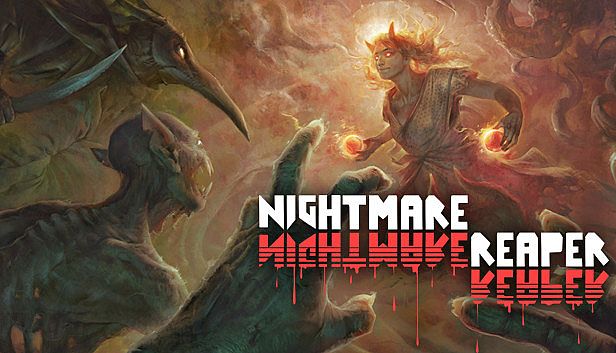











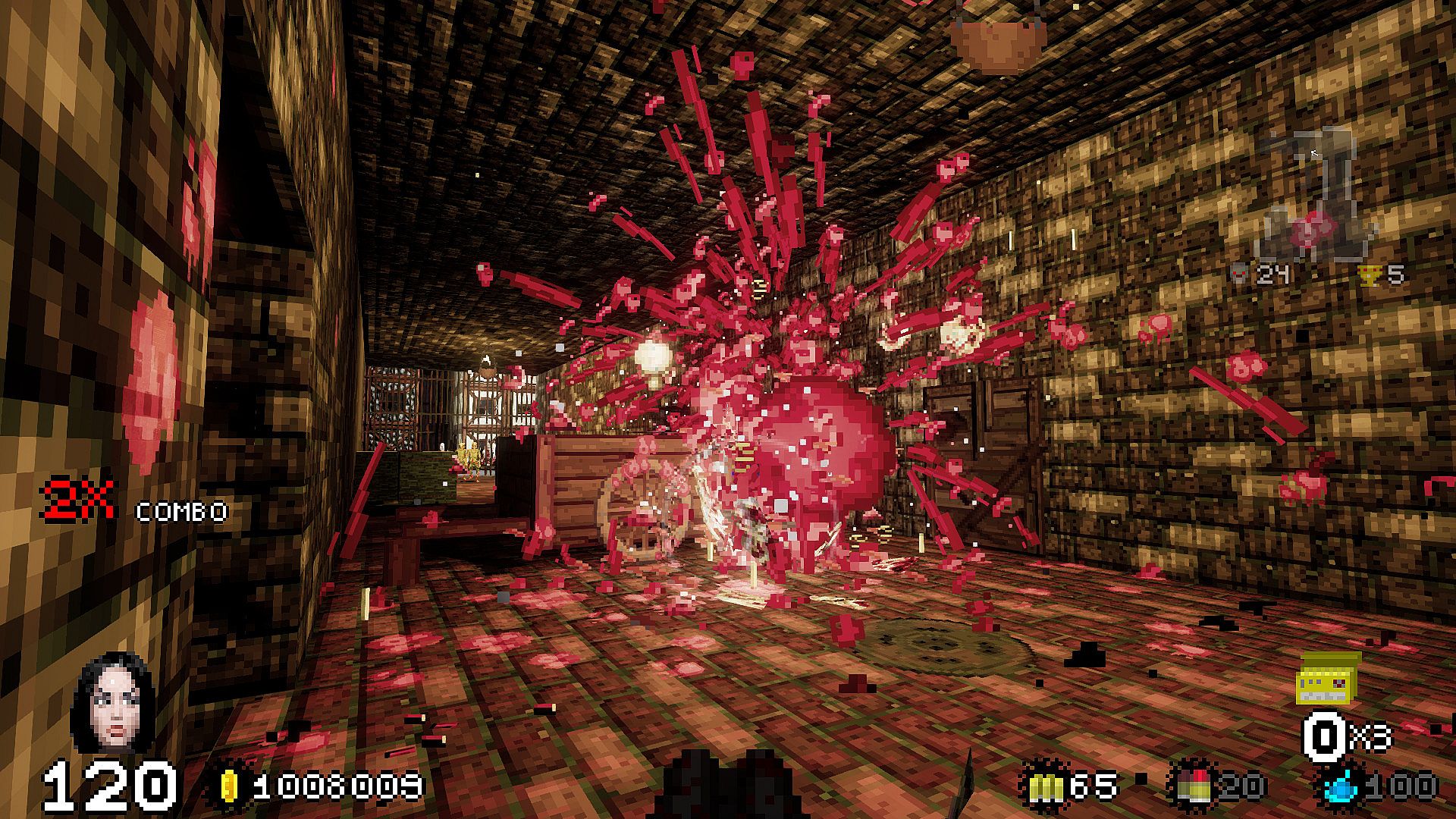
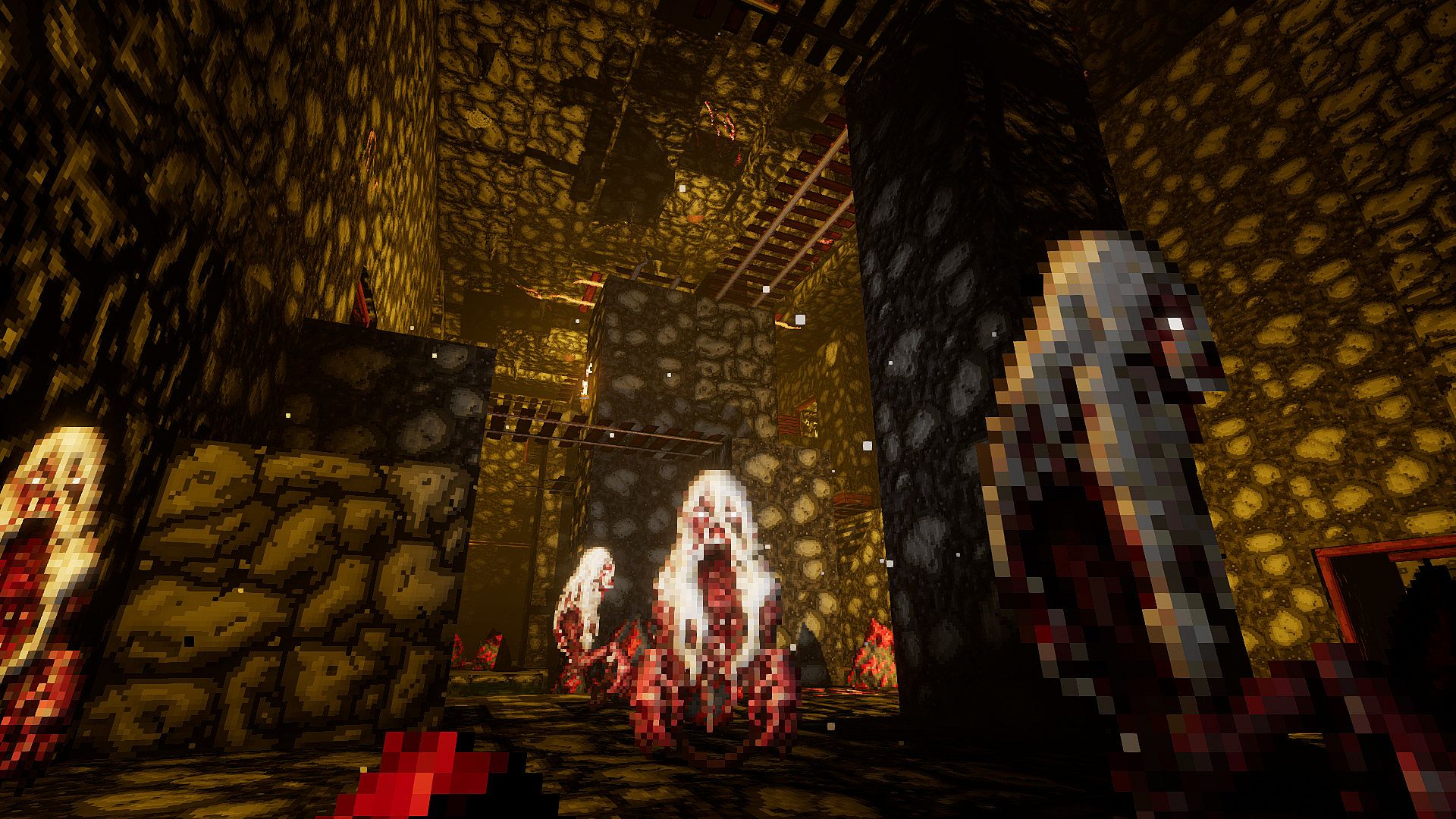
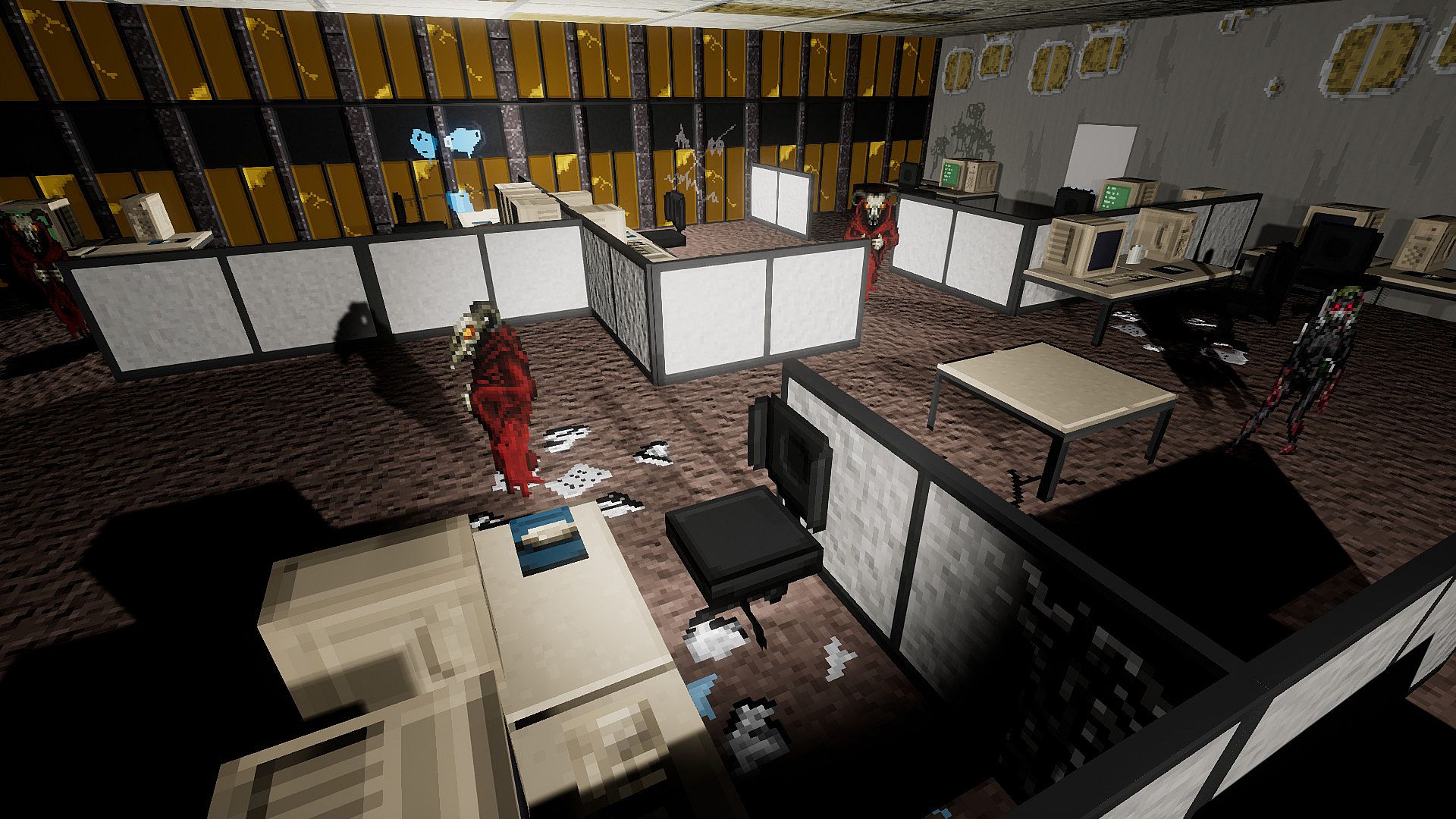
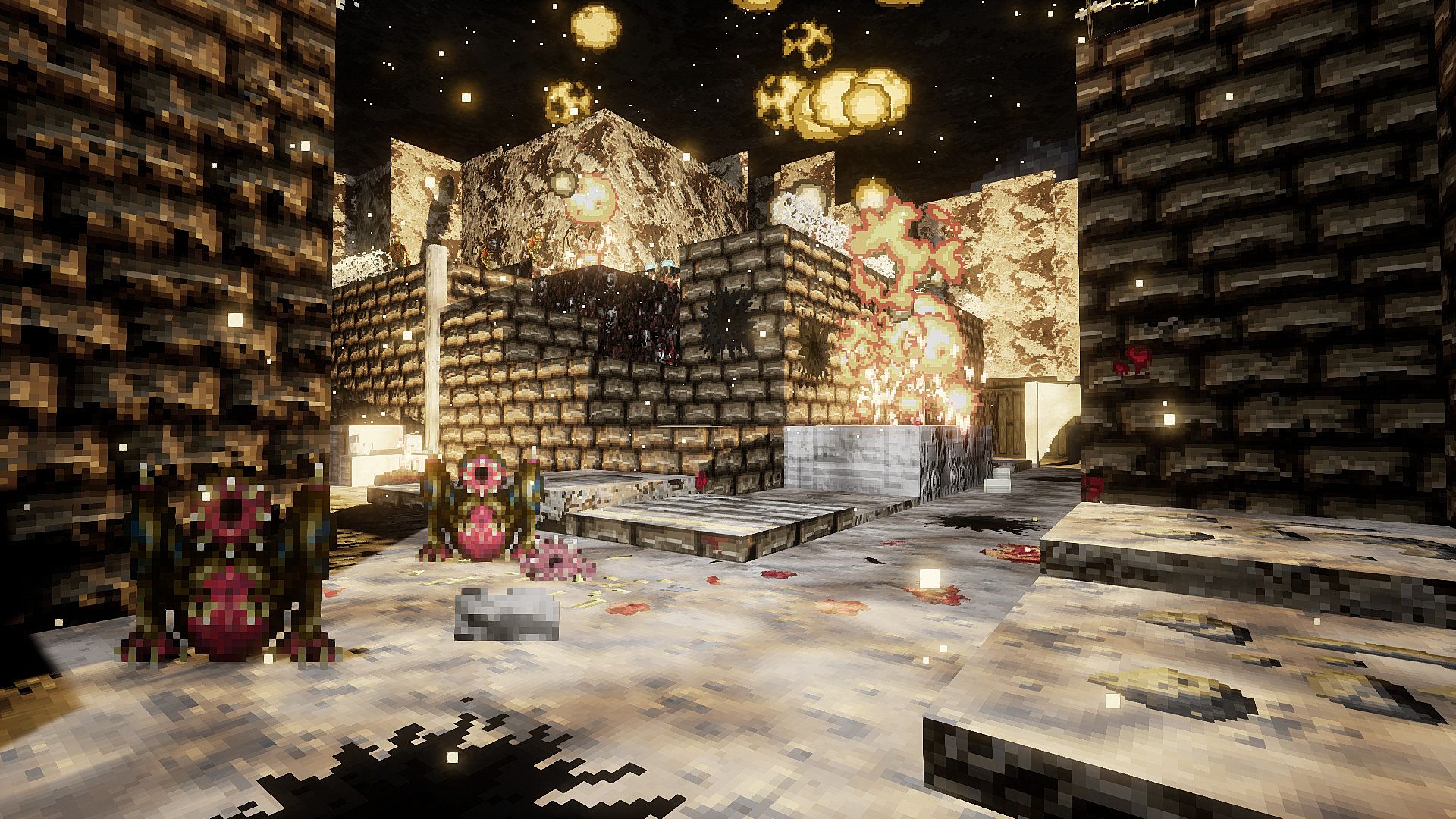
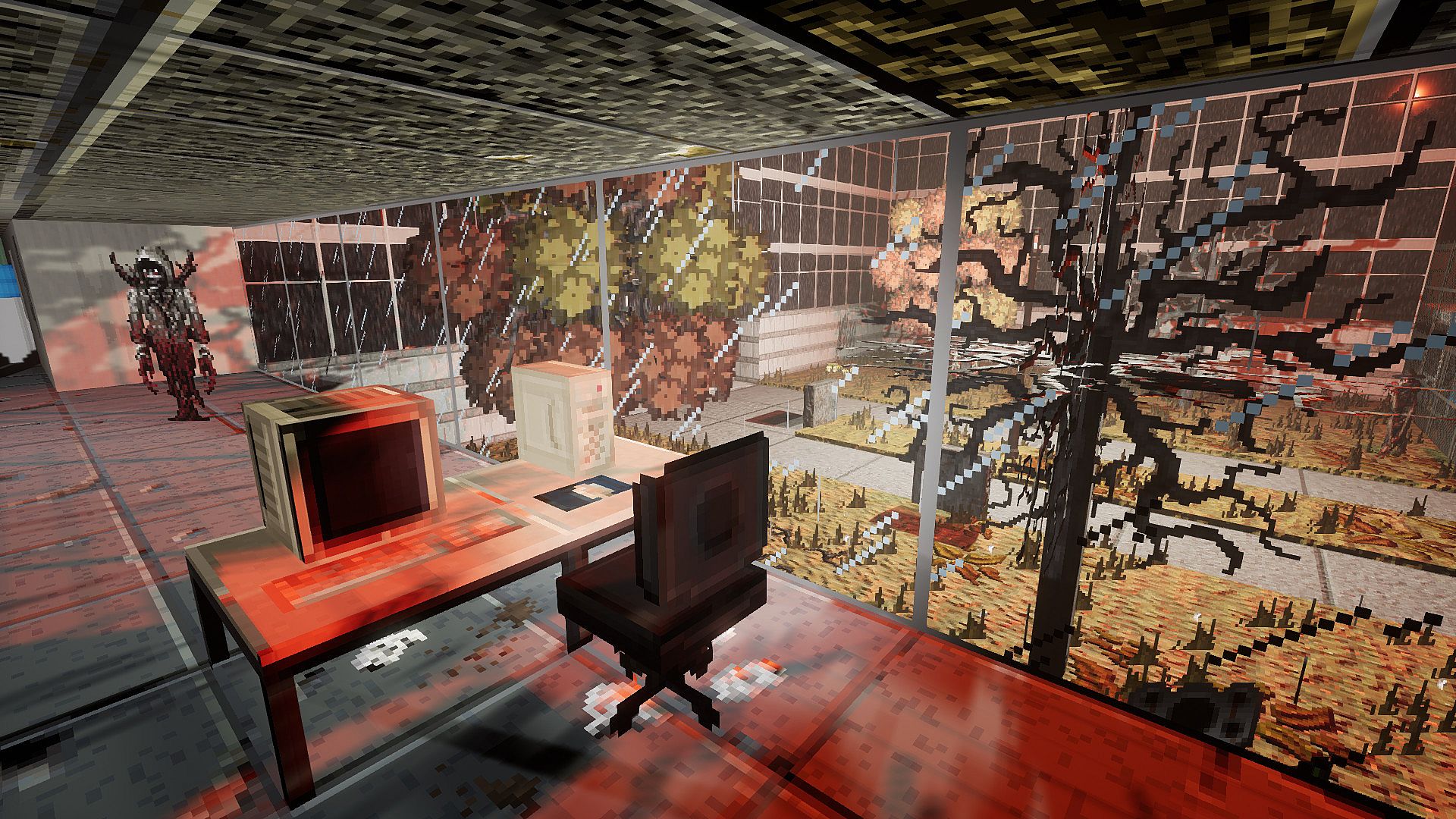
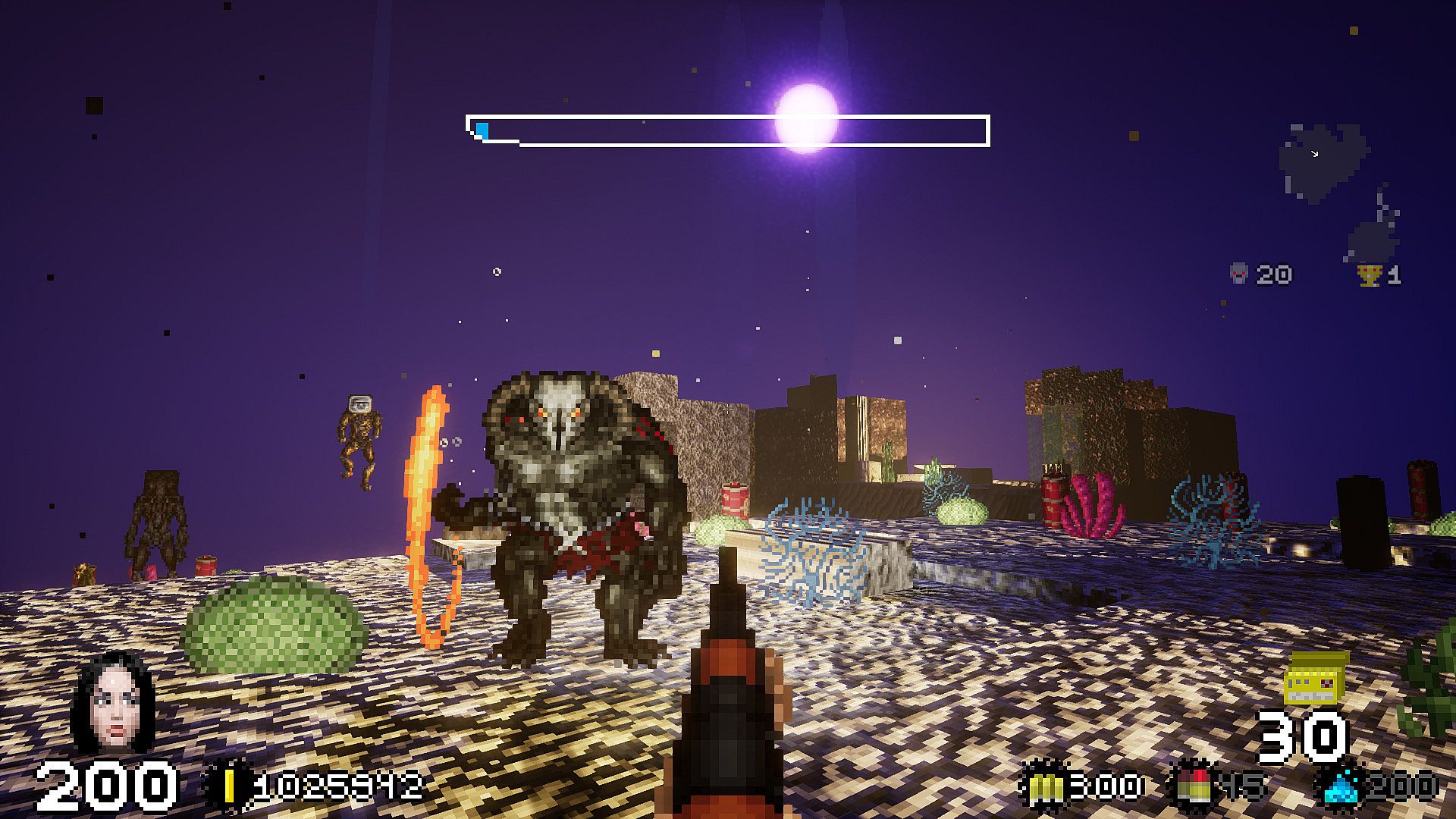
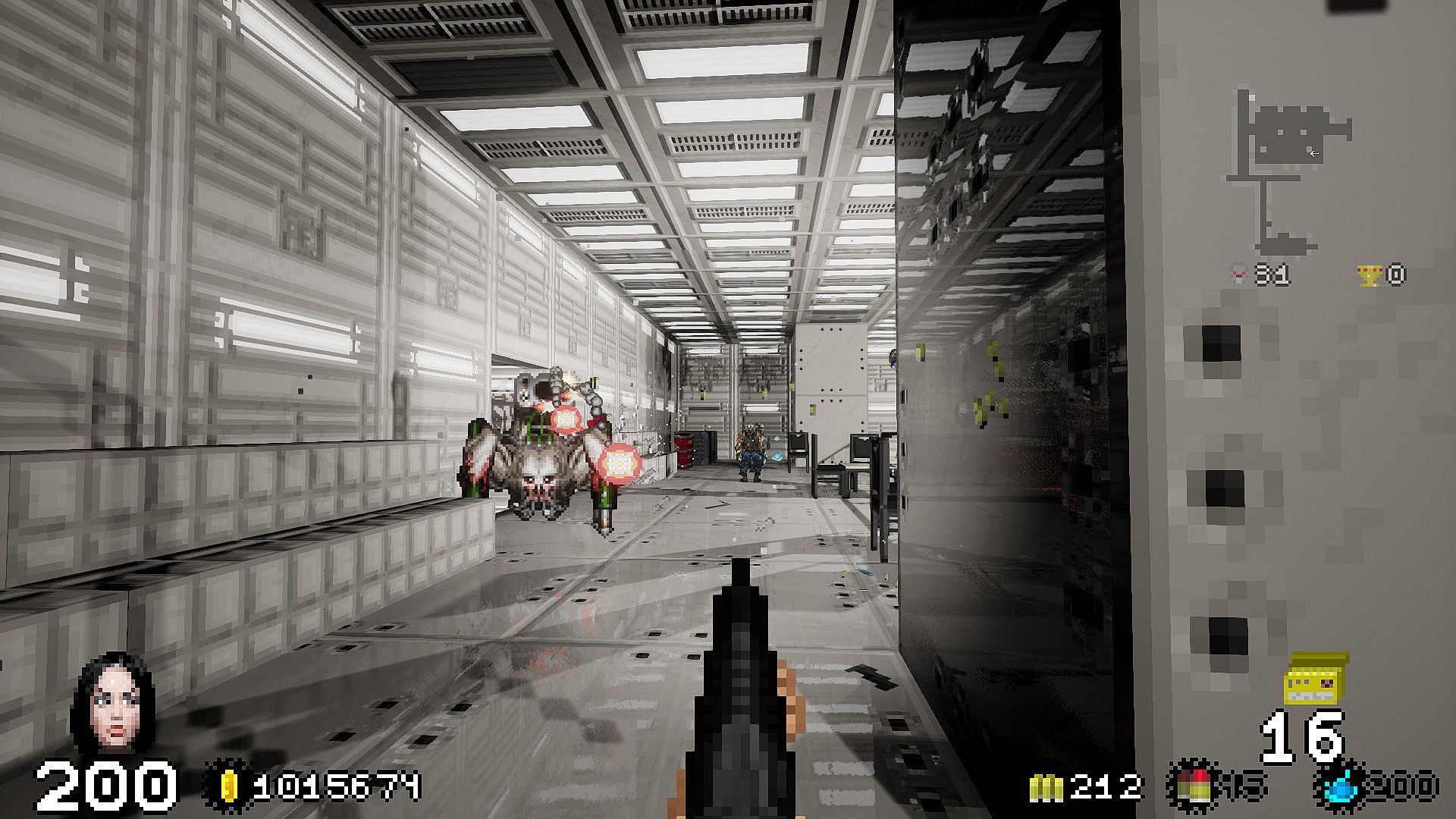
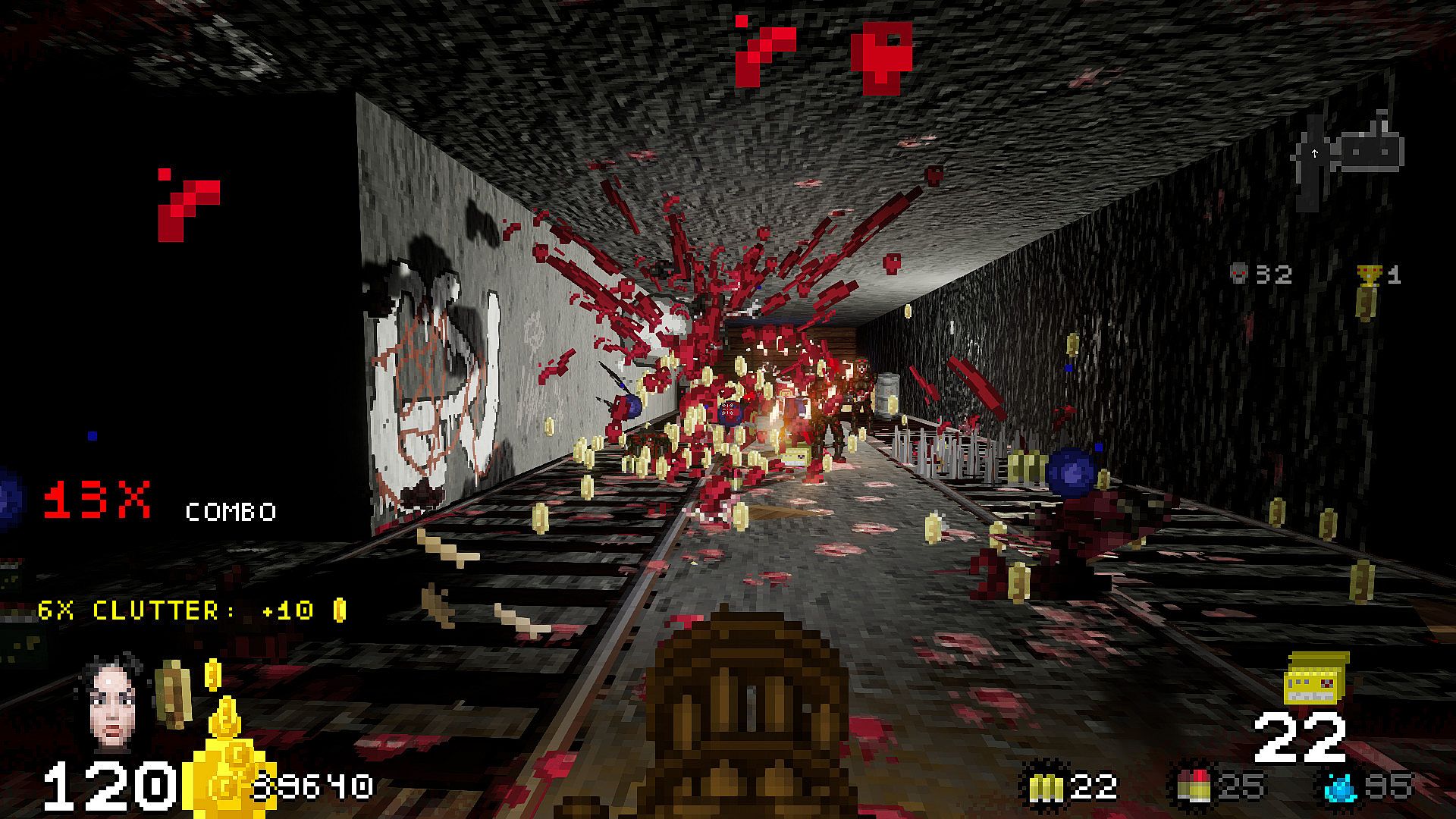
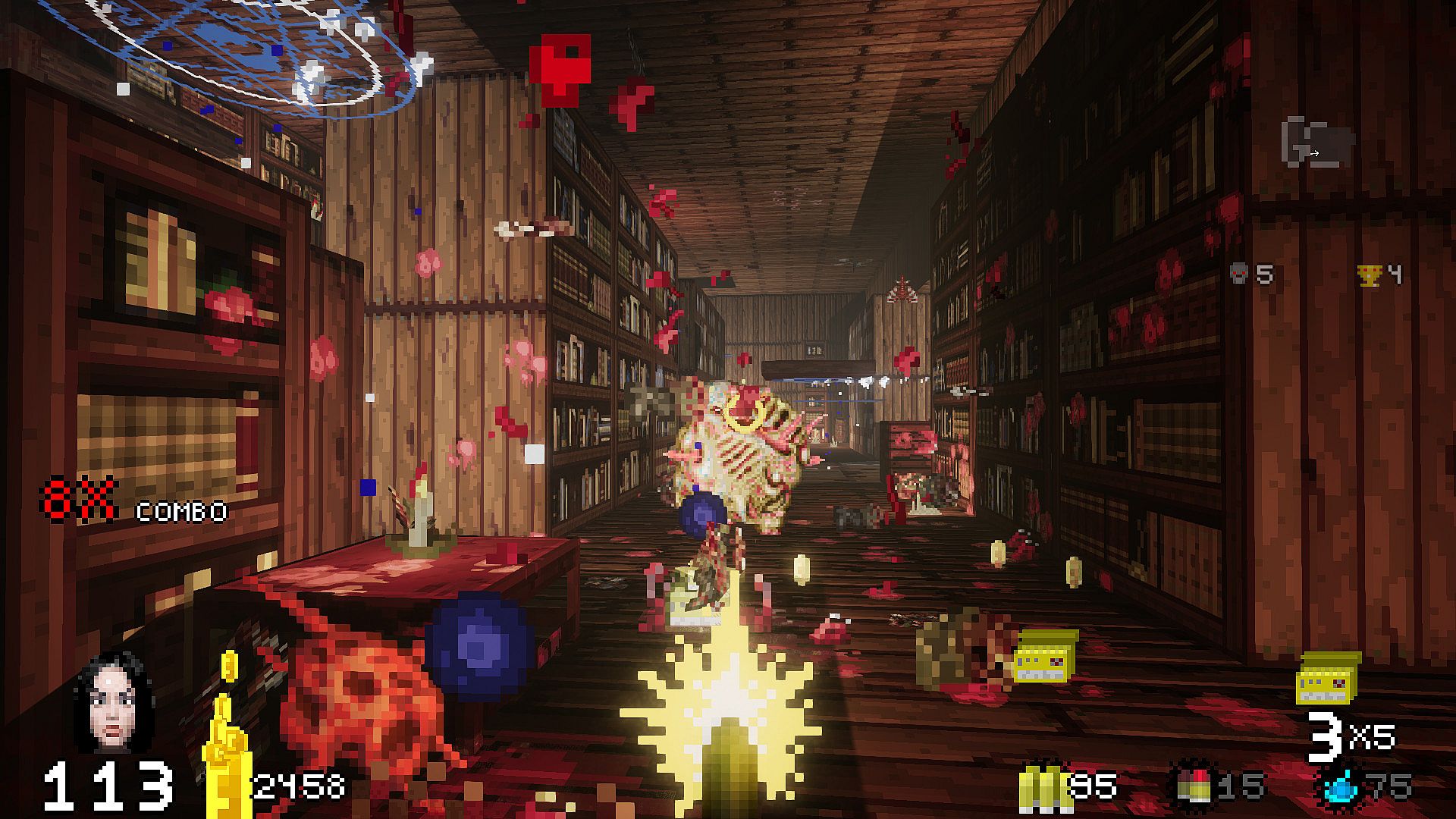
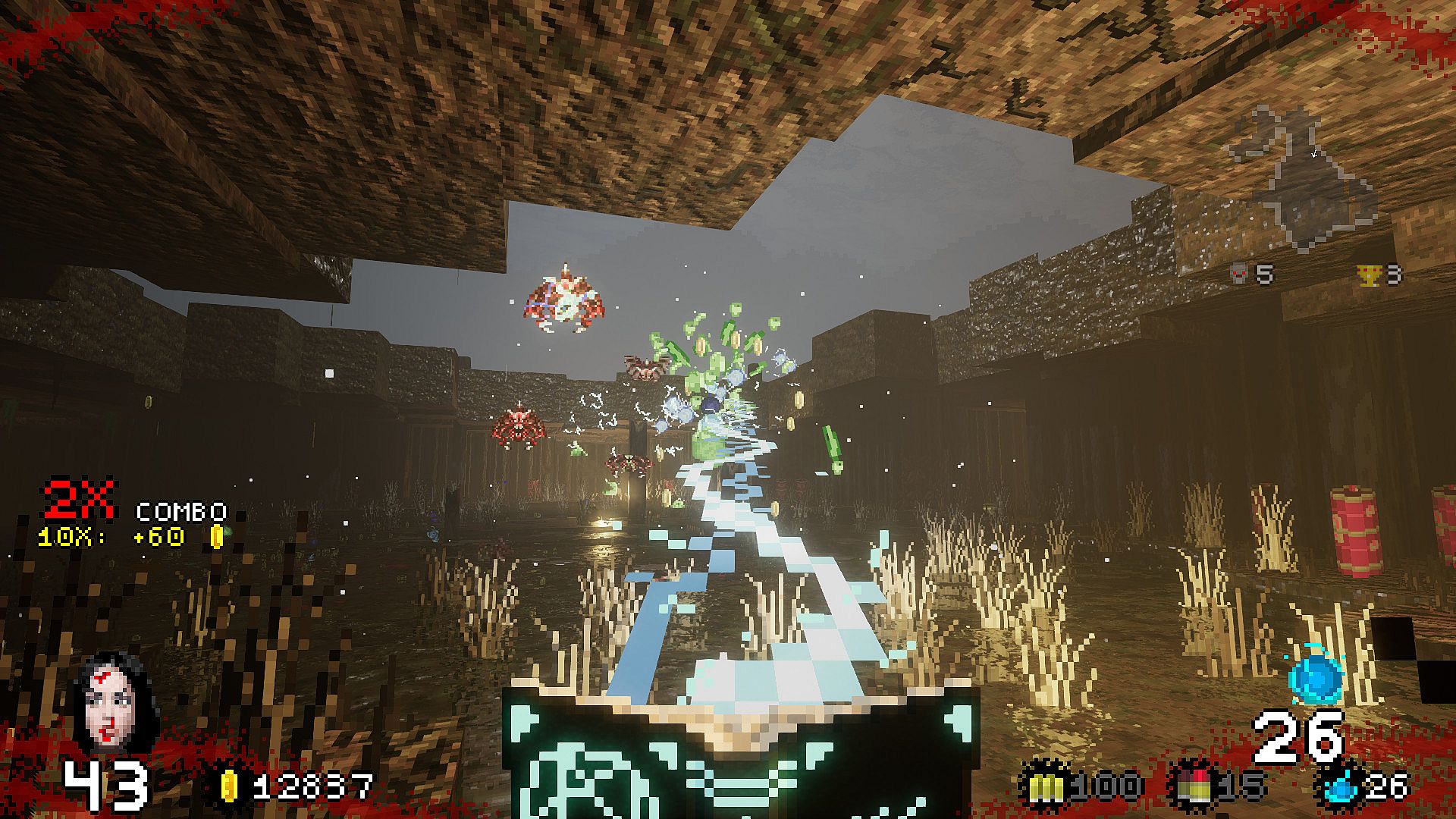
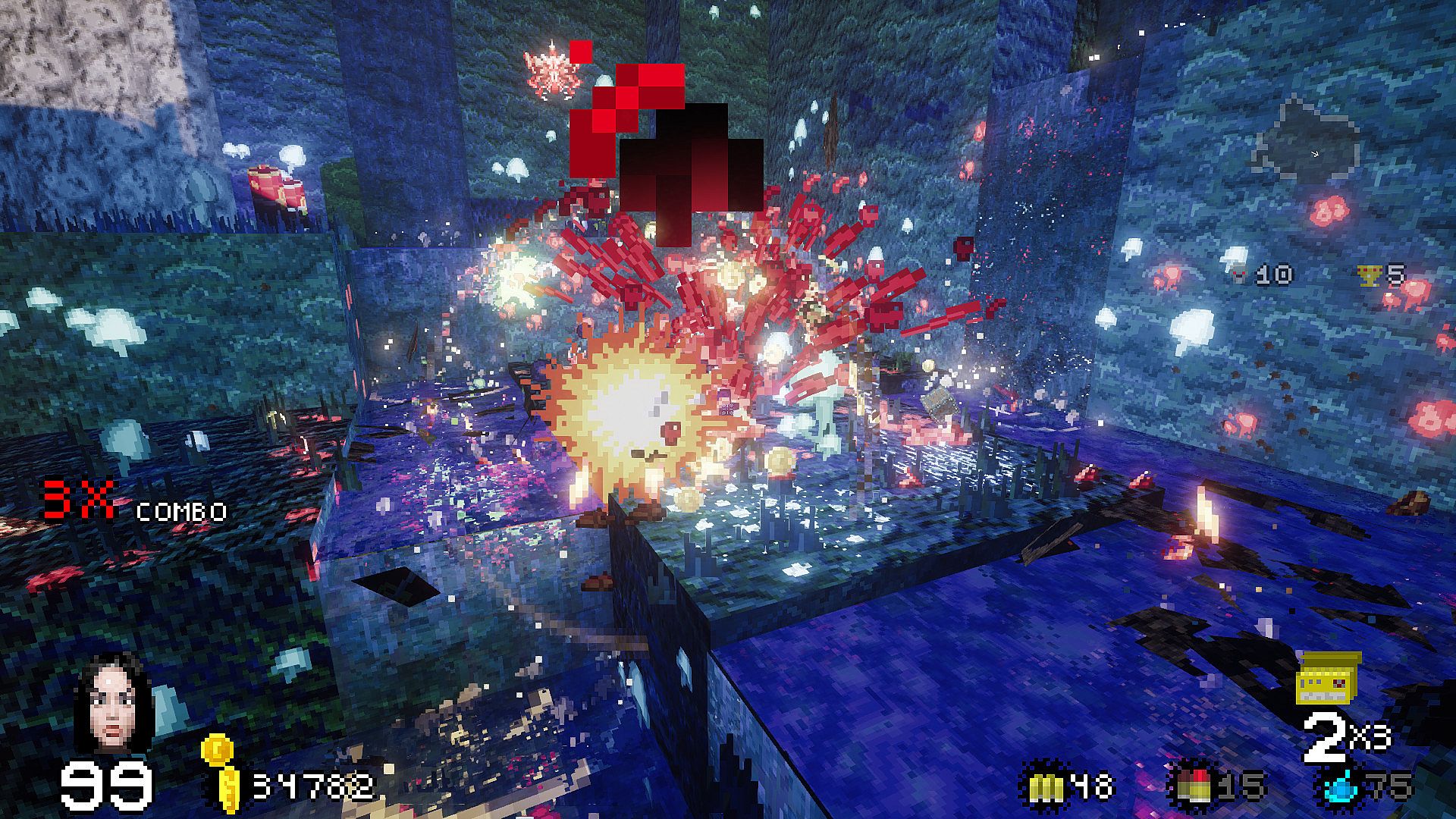
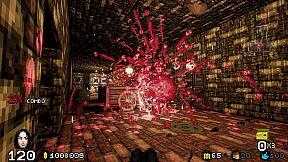
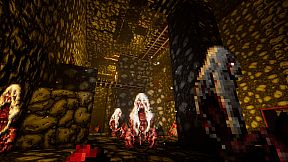

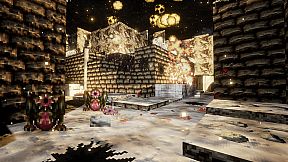
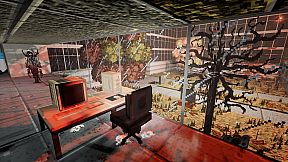
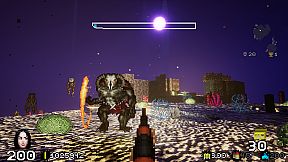
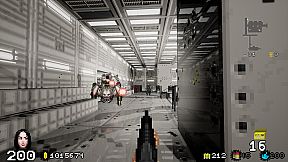
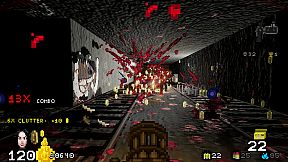
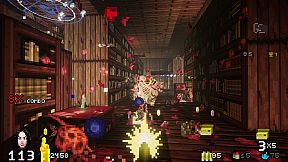
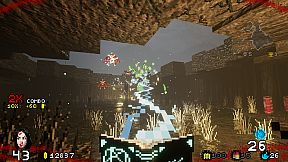
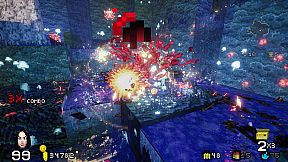
Nightmare Reaper is an action indie first-person shooter for PC that fuses the fast-paced style of 1990s 2.5D shooters with looter shooter weapon drops and rogue-lite progression systems. Players control a character who enters a cursed nightmare realm filled with hordes of enemies, collecting gold and loot while navigating open-ended levels packed with surprises, blood effects, and hidden rewards. The core loop revolves around intense combat sessions where movement feels responsive and modern, yet the visual presentation and level structure evoke classic boomer shooters.
Gameplay
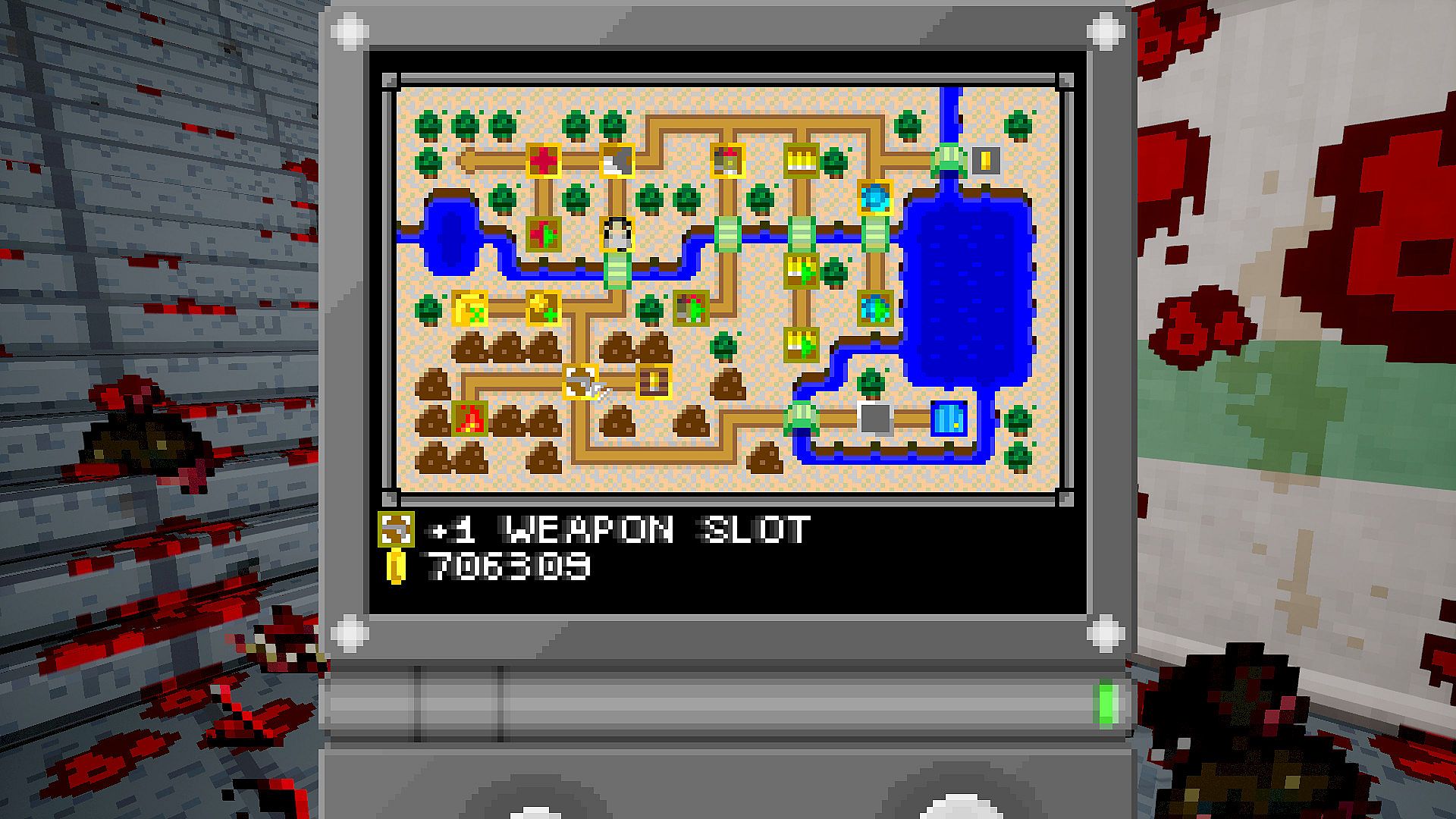
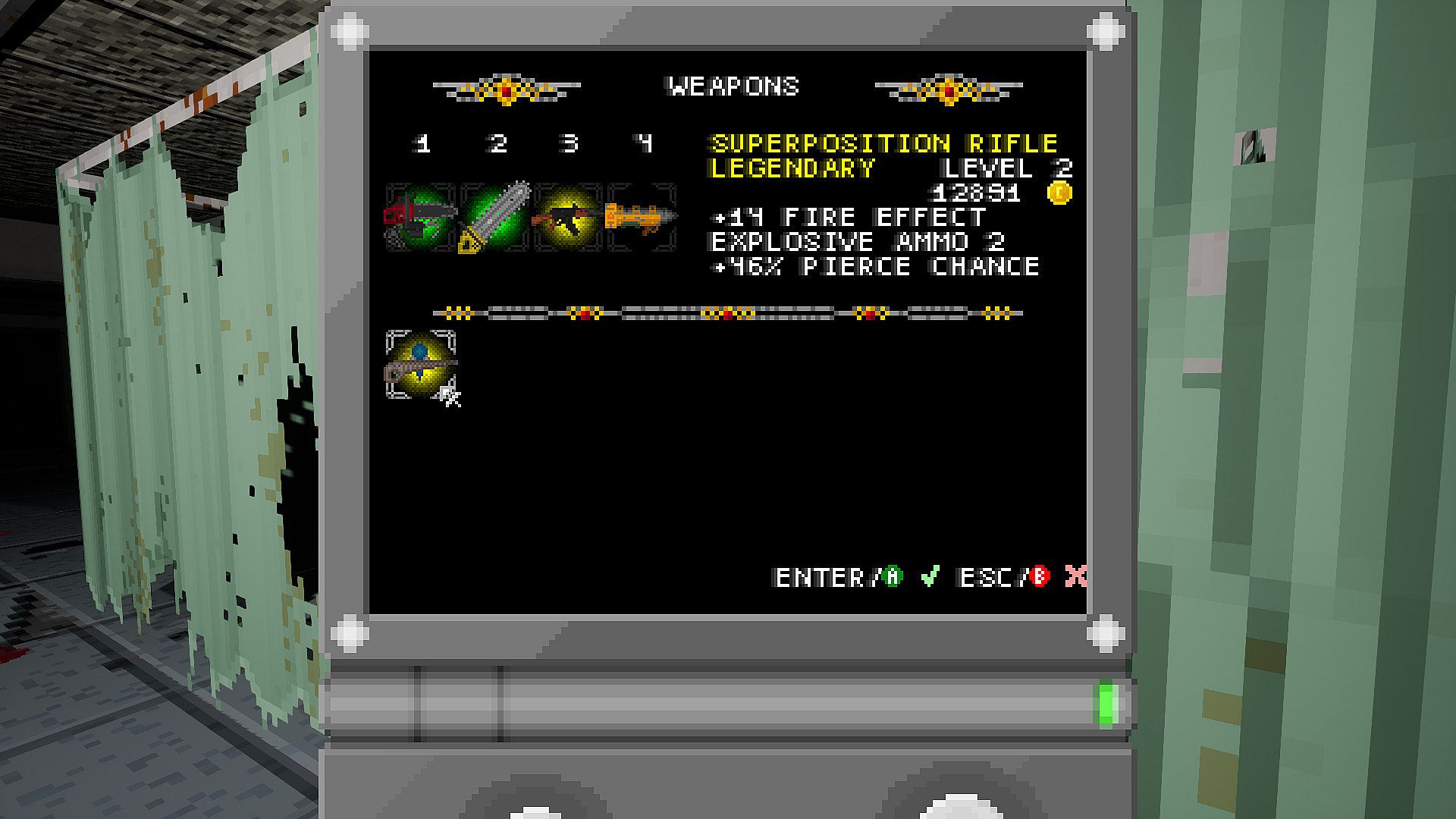
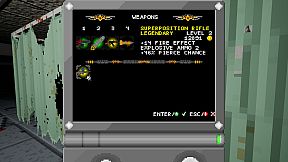
Combat emphasizes direct confrontation with large groups of foes in arenas that allow for exploration and backtracking. Enemies drop coins that fund upgrades, while weapons appear as loot with randomized attributes. The game features eighty distinct weapons, each capable of receiving one of more than thirty enchantment types that alter damage, effects, or handling in unpredictable ways. Progression occurs through gold spent on character improvements and new abilities unlocked via dedicated minigames rather than traditional leveling trees.
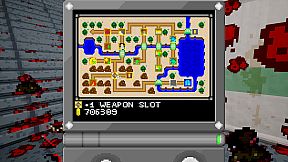
Levels combine hand-crafted sections with procedural elements, creating varied layouts on each run. Random events and secrets appear frequently, encouraging players to search corners and experiment with movement to uncover bonuses or shortcuts. The system supports both deliberate manual design and randomized generation, resulting in replayable environments that feel fresh without losing coherence. Gold collection drives the economy, turning successful runs into permanent power spikes that carry across sessions.
Weapon variety stands out as a highlight, with drops ranging from conventional firearms to bizarre hybrids that incorporate enchantments for elemental damage, projectile modifications, or utility functions. This loot layer integrates seamlessly with the rogue-lite structure, where death resets progress but retained upgrades and knowledge of enemy patterns improve future attempts. The overall pace stays frantic, rewarding aggressive play and quick decision-making in crowded spaces.
Game Modes
The title includes multiple distinct modes that alter how levels generate and how players approach objectives. Some emphasize structured campaigns with fixed layouts, while others lean heavily on randomization for greater unpredictability. A mix of manual and random level generation appears across these options, allowing creators to balance consistency with variety in each session.
Cooperative play supports up to four participants in the full campaign, enabling shared progression through the nightmare with friends. This mode preserves the core loot and upgrade systems while introducing teamwork elements against scaled enemy encounters. Additional modes focus on different pacing or challenge structures, such as endless survival variants or targeted runs that highlight specific mechanics like weapon experimentation.
Random events and secrets integrate into most modes, providing optional objectives or powerful temporary buffs that reward thorough exploration. The design keeps these elements non-intrusive, so players can focus on shooting or pause to investigate leads without breaking momentum. Overall, the mode selection caters to both one-off sessions and longer commitment runs.
Story and Presentation
The narrative remains understated and mysterious, serving mainly as atmospheric framing rather than a central focus. Players pursue a goal tied to preventing a specific doom, confronting nightmarish entities in a setting that blends psychological unease with visceral action. Pixelated visuals deliver gory effects and retro charm, while the audio design features original music and sound work by Andrew Hulshult that enhances the intense, chaotic atmosphere without overpowering the gameplay.
Levels incorporate environmental storytelling through scattered details and sudden encounters, reinforcing the dreamlike yet brutal tone. The presentation avoids heavy exposition, letting the action and random discoveries carry the experience forward. This approach suits the fast-paced nature of the shooter, where players spend most time engaged in combat rather than cutscenes or dialogue.
Is It Worth Playing?
Nightmare Reaper holds a Very Positive rating from nearly three thousand reviews on its primary platform, with recent feedback also leaning positive. The game launched in early access in 2019 and reached full release in 2022, later receiving a co-op campaign update that expanded accessibility for groups. It includes one hundred forty-nine achievements that track various combat, exploration, and progression milestones.
The title suits players who enjoy retro-inspired first-person shooters updated with modern loot and rogue-lite systems. Those seeking chaotic, replayable action with strong weapon customization and co-op options will find consistent engagement. The combination of open levels, frequent surprises, and permanent upgrades creates a loop that rewards repeated play without requiring prior knowledge of similar titles. Availability on PC makes it straightforward to try, particularly for fans of the genre who appreciate both classic movement and contemporary progression depth.