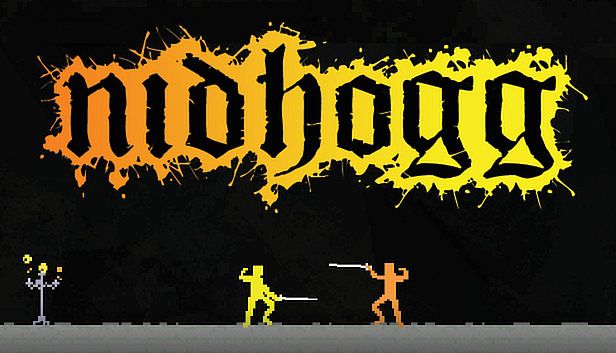









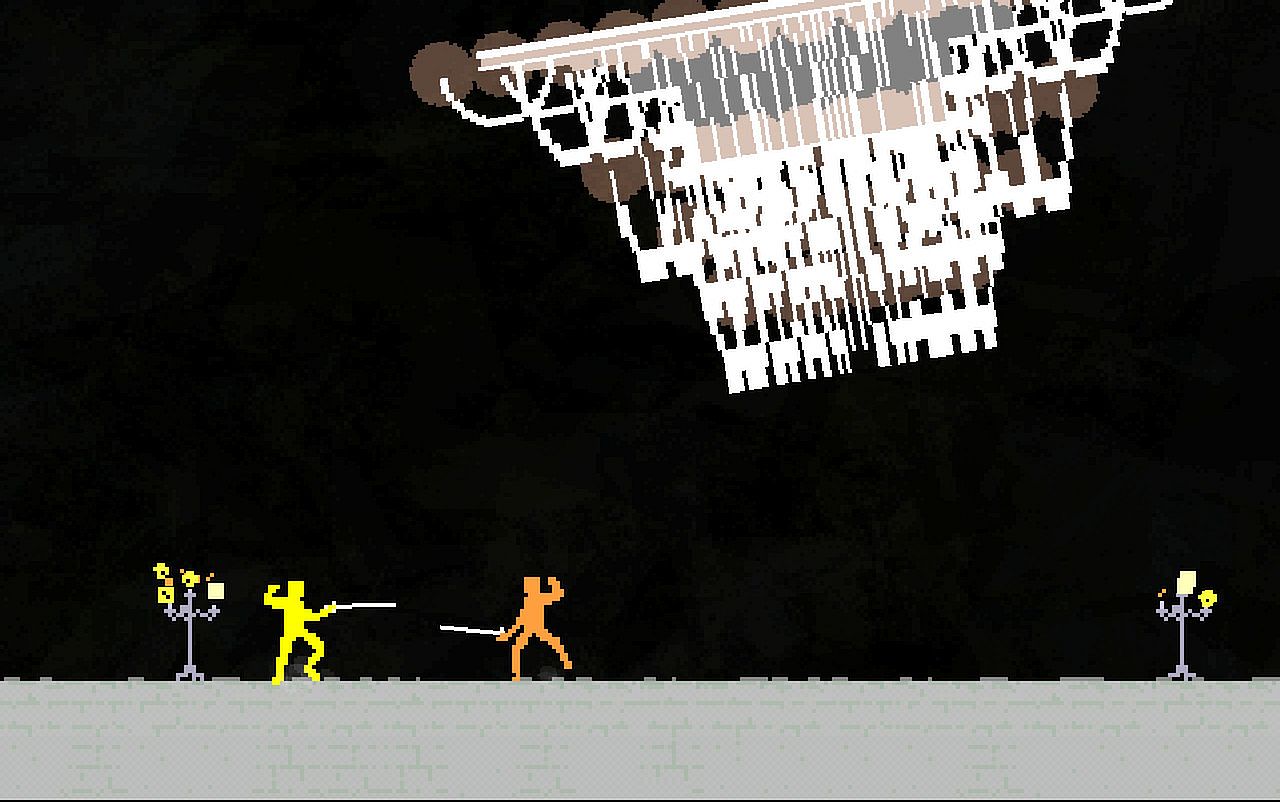
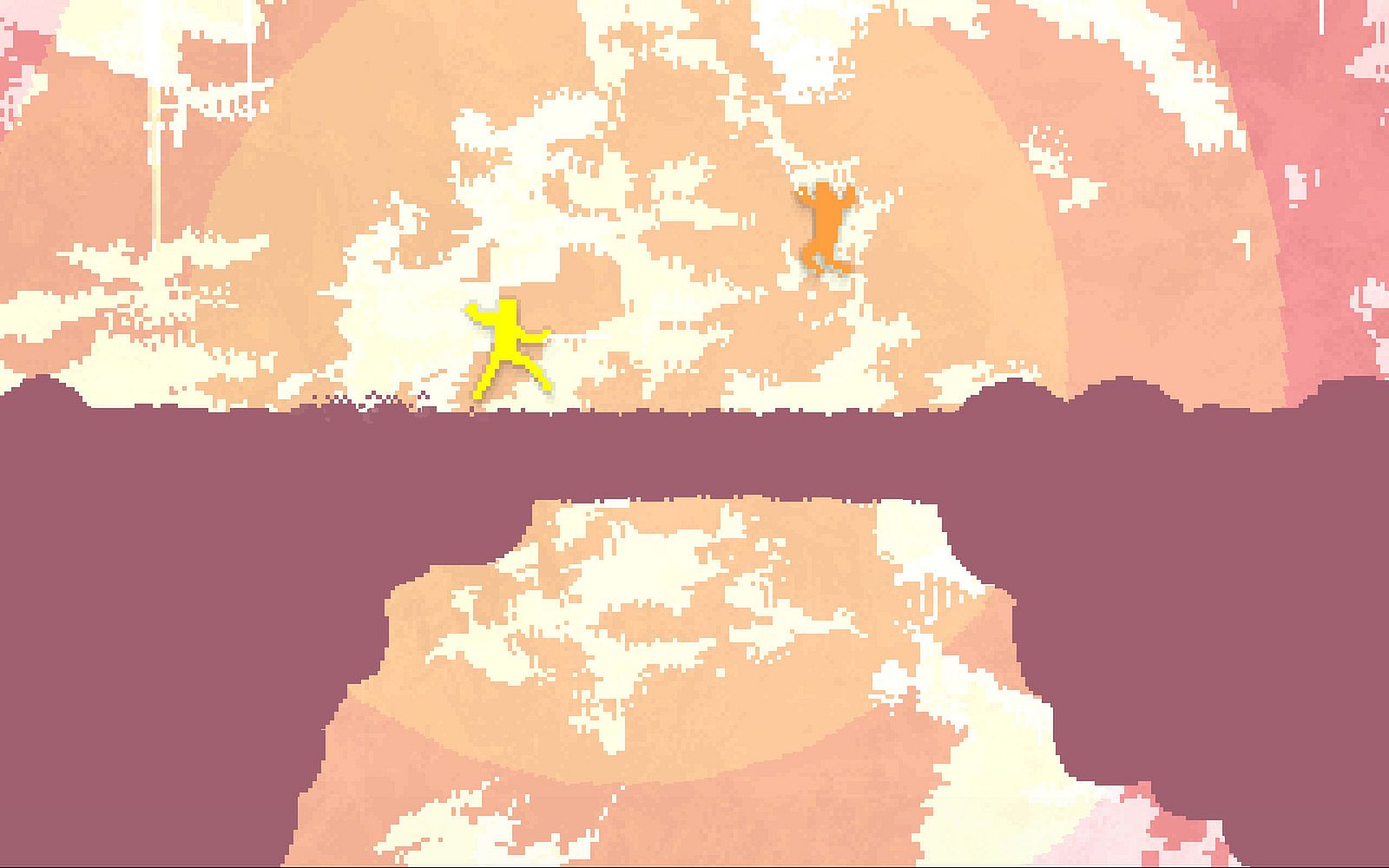
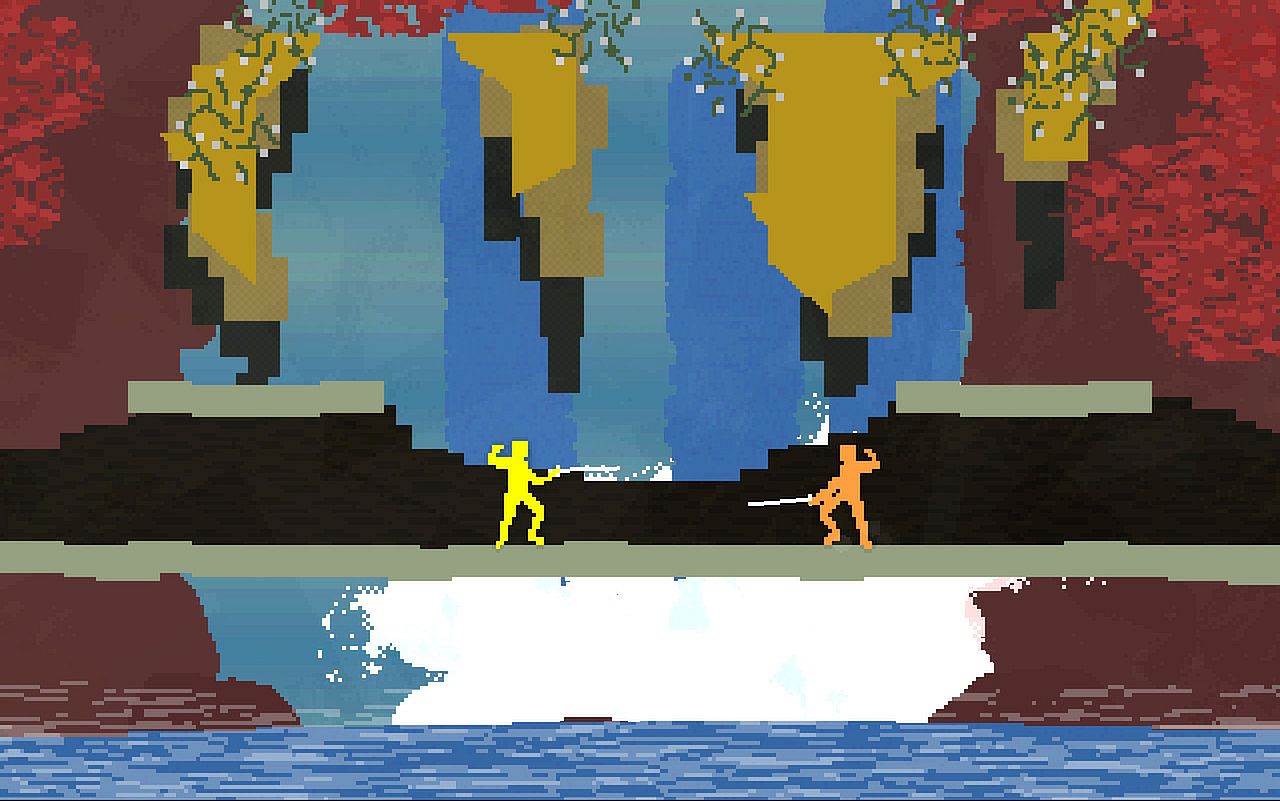
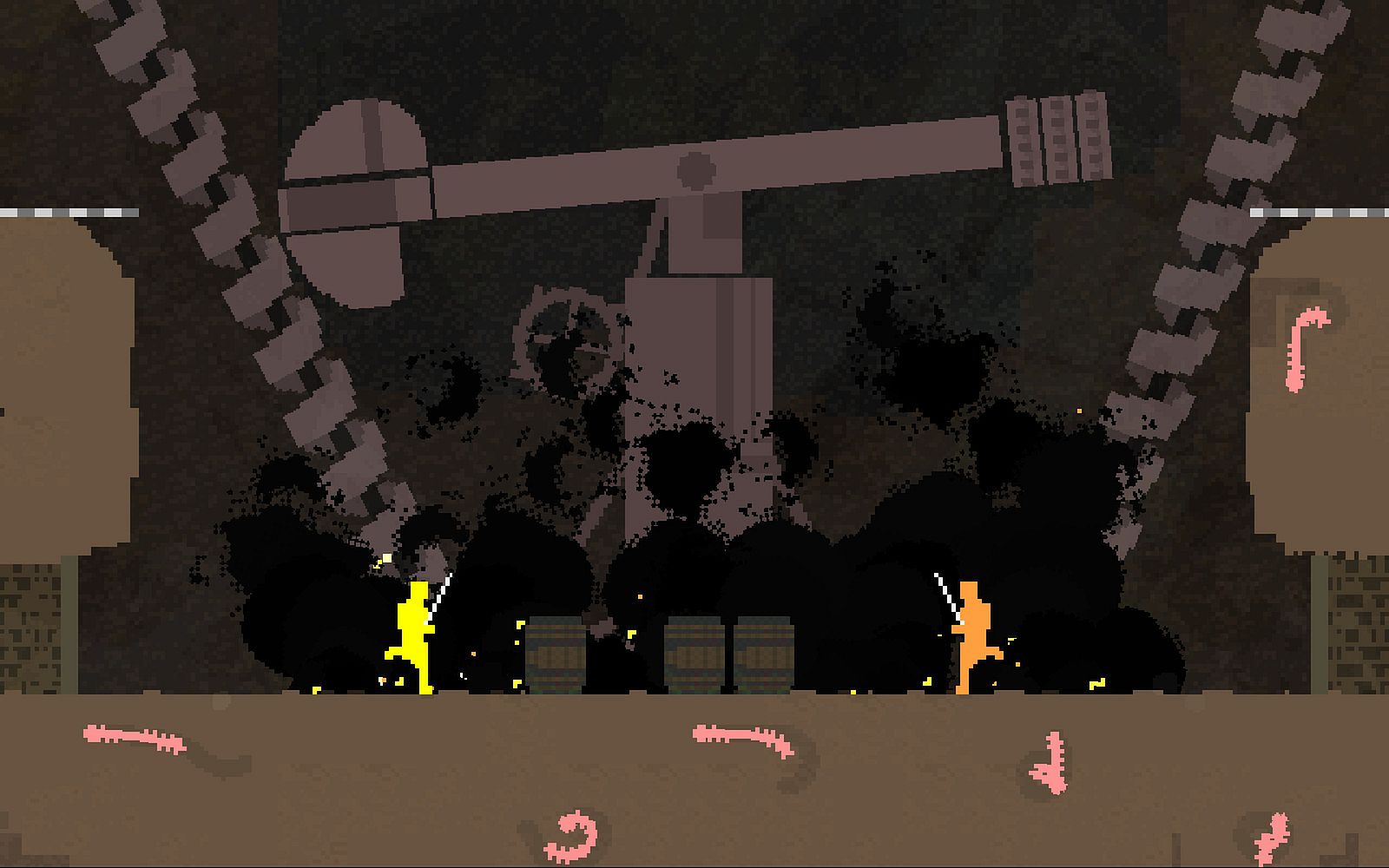
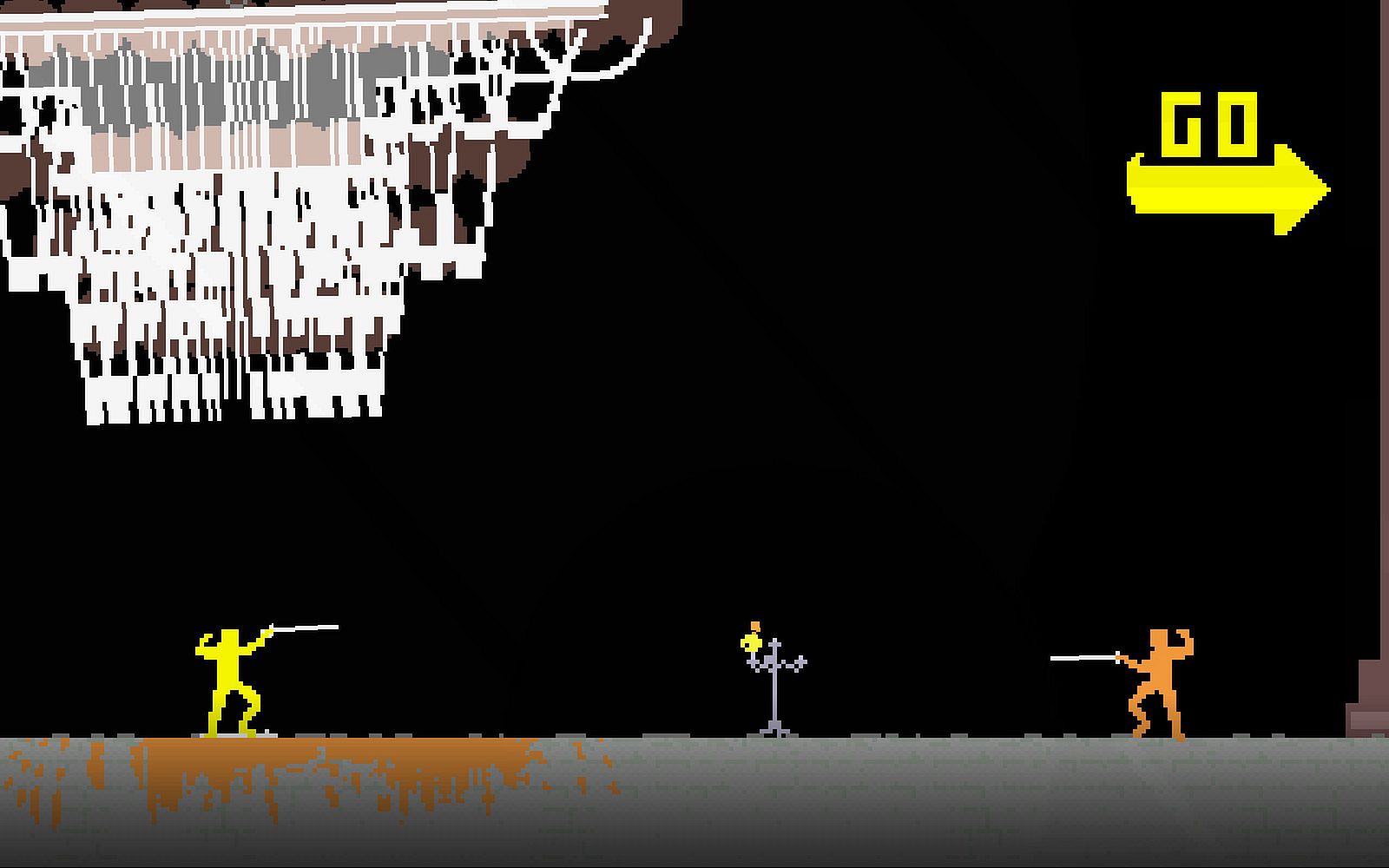
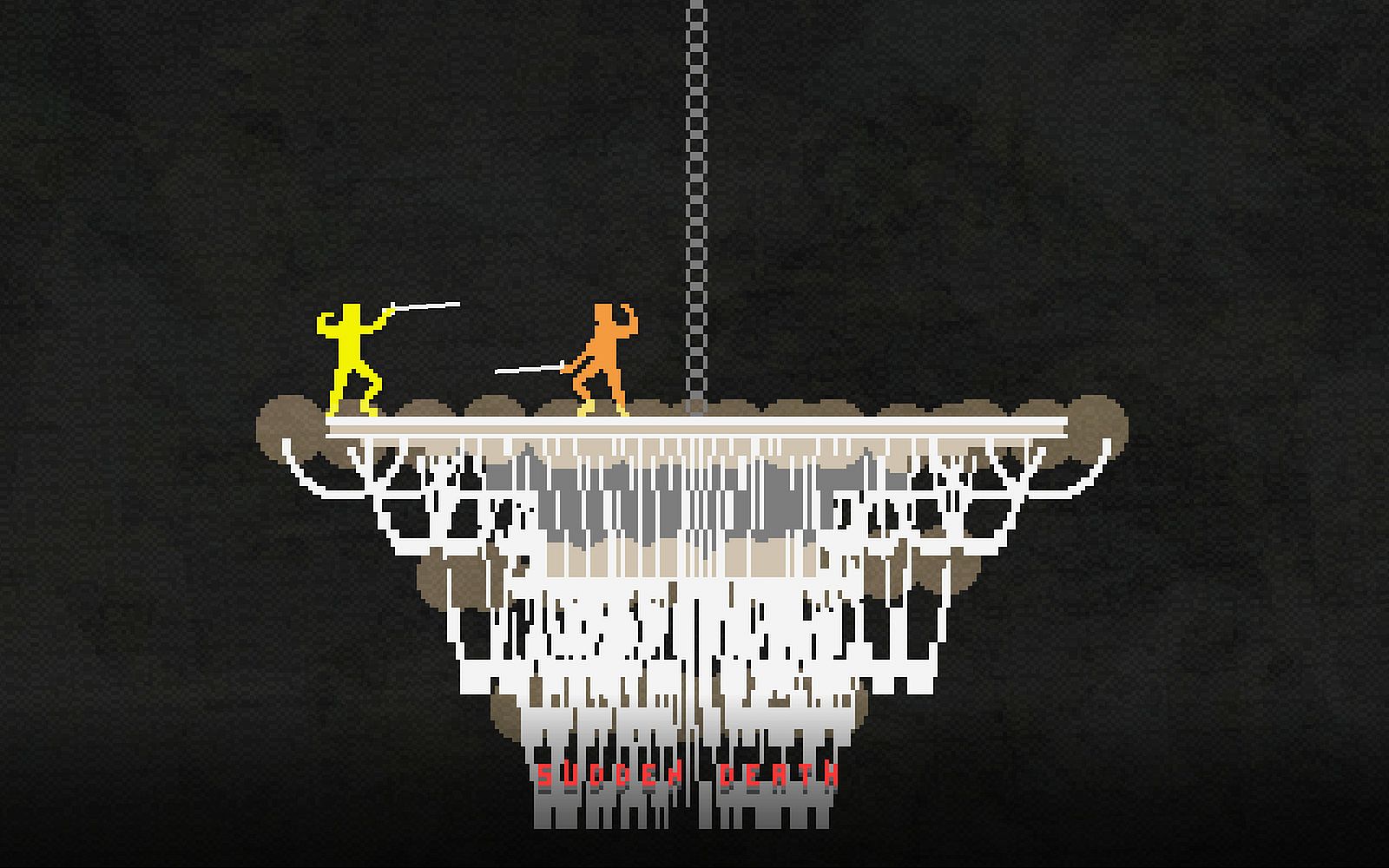
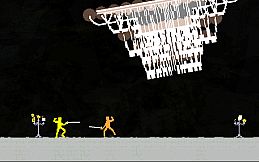
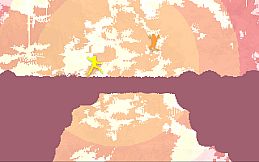
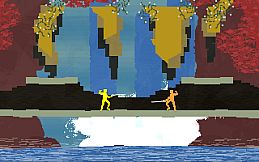
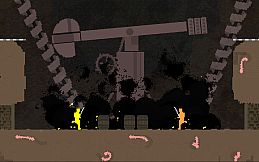
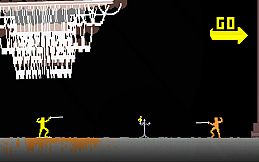
Nidhogg stands out as a distinctive two-player action game that combines fencing mechanics with a tug-of-war structure on PC. Players engage in fast-paced sword duels across side-scrolling arenas where the objective centers on advancing through kills rather than a single decisive strike. The pixelated art style and simple controls emphasize skill and timing in every encounter.
Gameplay
Core movement includes running forward, jumping, sliding, and executing wall jumps to navigate the environment. Combat revolves around a sword held in one of three positions: high, medium, or low. Matching the opponent's sword height disarms them, opening opportunities for follow-up attacks. Players can also throw the sword as a projectile or resort to unarmed options such as punches, sweep kicks, and dive kicks when disarmed.
Each death causes the opponent to respawn after a short delay, granting the surviving player a brief window to push toward the goal. The arena scrolls in both directions but progress only occurs by eliminating foes and advancing. Strategic use of chokepoints and formations within each level influences positioning and timing. Dirty tricks like sword throws add unpredictability to matches that reward quick adaptation over raw aggression.
Game Modes
Single-player mode pits the user against AI opponents of varying difficulty across the available maps, serving primarily as practice for core techniques. Local multiplayer supports shared keyboard play for direct competition on the same machine. Online multiplayer enables two-player matches over the internet for remote sessions.
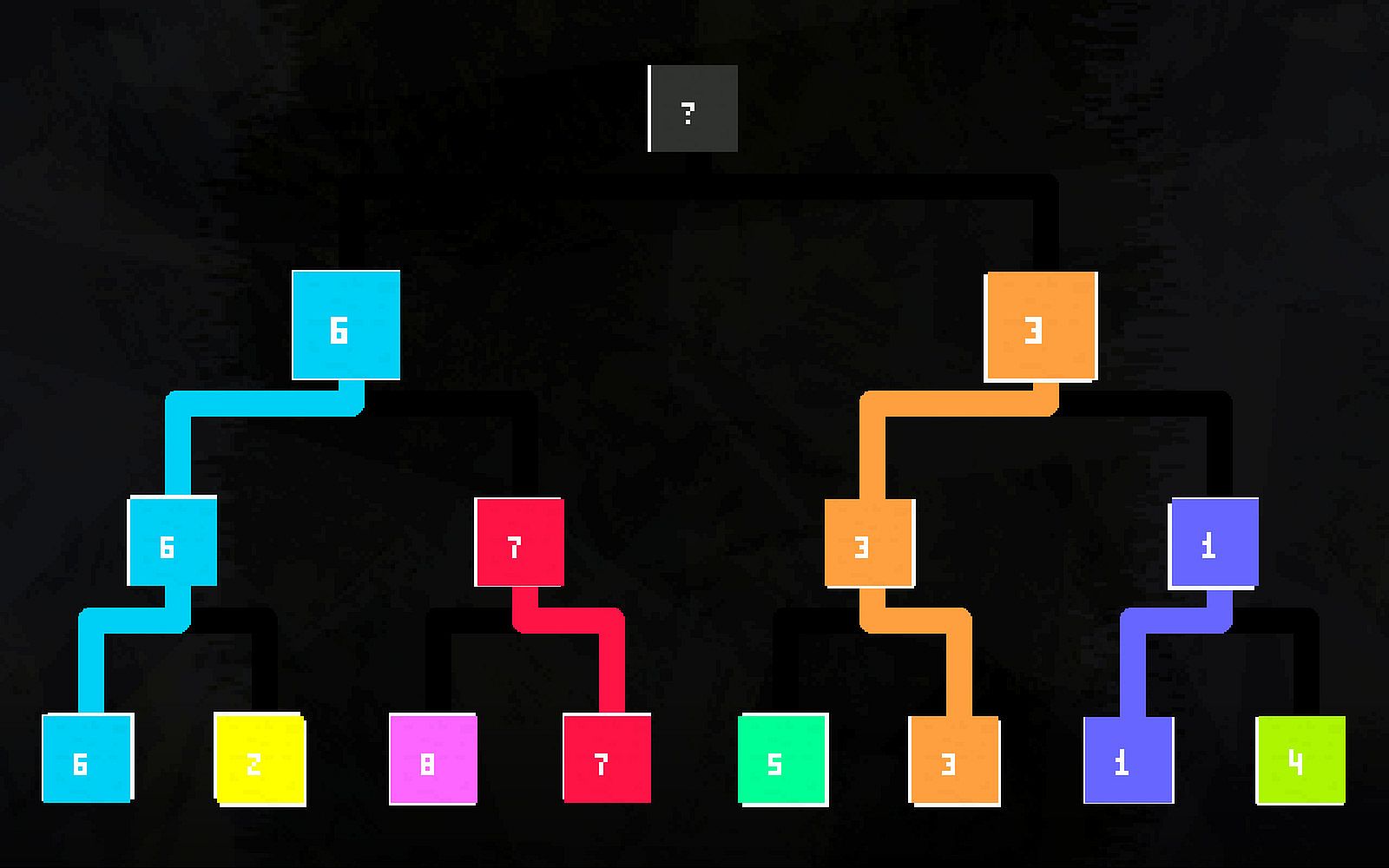
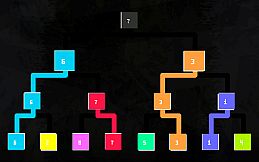
Tournament mode accommodates groups by organizing structured brackets or rounds. Additional variants modify standard rules, such as boomerang swords that return after being thrown. These options expand replayability without altering the fundamental loop of fencing and ground control.
Levels and Strategy
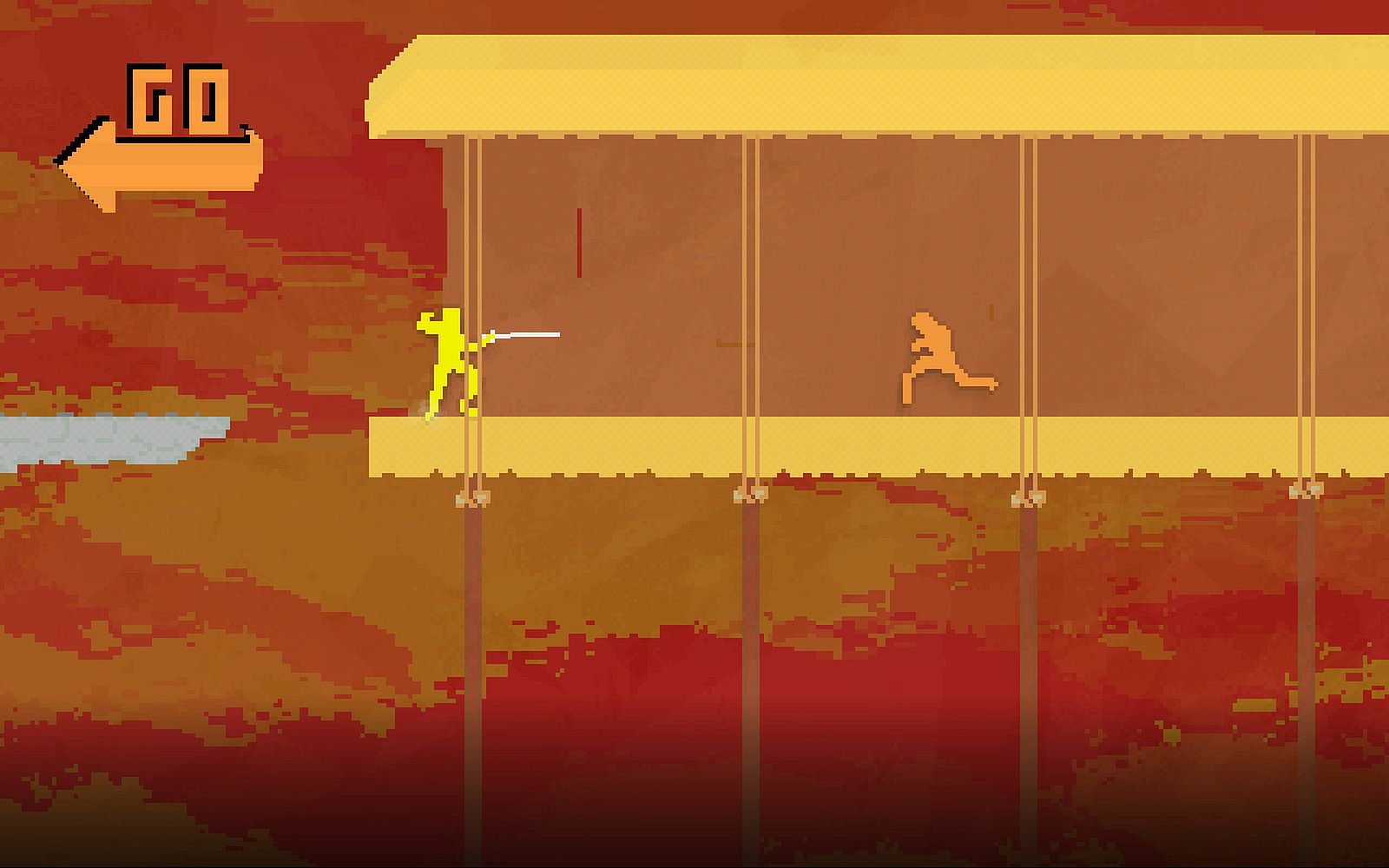
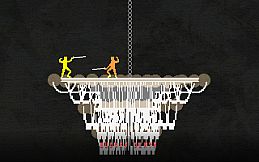
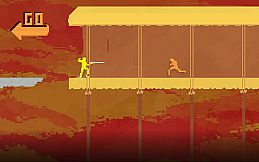
Four distinct arenas provide varied layouts with unique chokepoints and vertical elements. Each environment features multiple screens that test different movement and combat approaches. Players exploit ledges, narrow passages, and open spaces to gain temporary advantages before the opponent respawns.
Success depends on reading opponent patterns and maintaining momentum through successive kills. The tug-of-war nature means leads can reverse rapidly, keeping every match tense until one side reaches the goal zone.
Is It Worth Playing?
Nidhogg appeals most to those seeking intense local multiplayer sessions with friends. Its emphasis on precise timing and mind games creates memorable back-and-forth exchanges that encourage repeated play. The single-player component offers basic AI challenges but lacks the depth found in head-to-head matches.
Reception highlights strong balance in core fencing interactions and the addictive quality of short, decisive rounds. The game remains available as a complete title with no ongoing seasonal content or major updates required. Those who enjoy competitive indie action games focused on skill expression rather than progression systems will find consistent value in its straightforward yet layered duels.