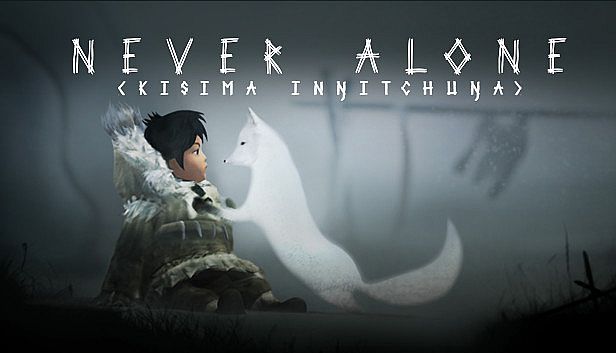





















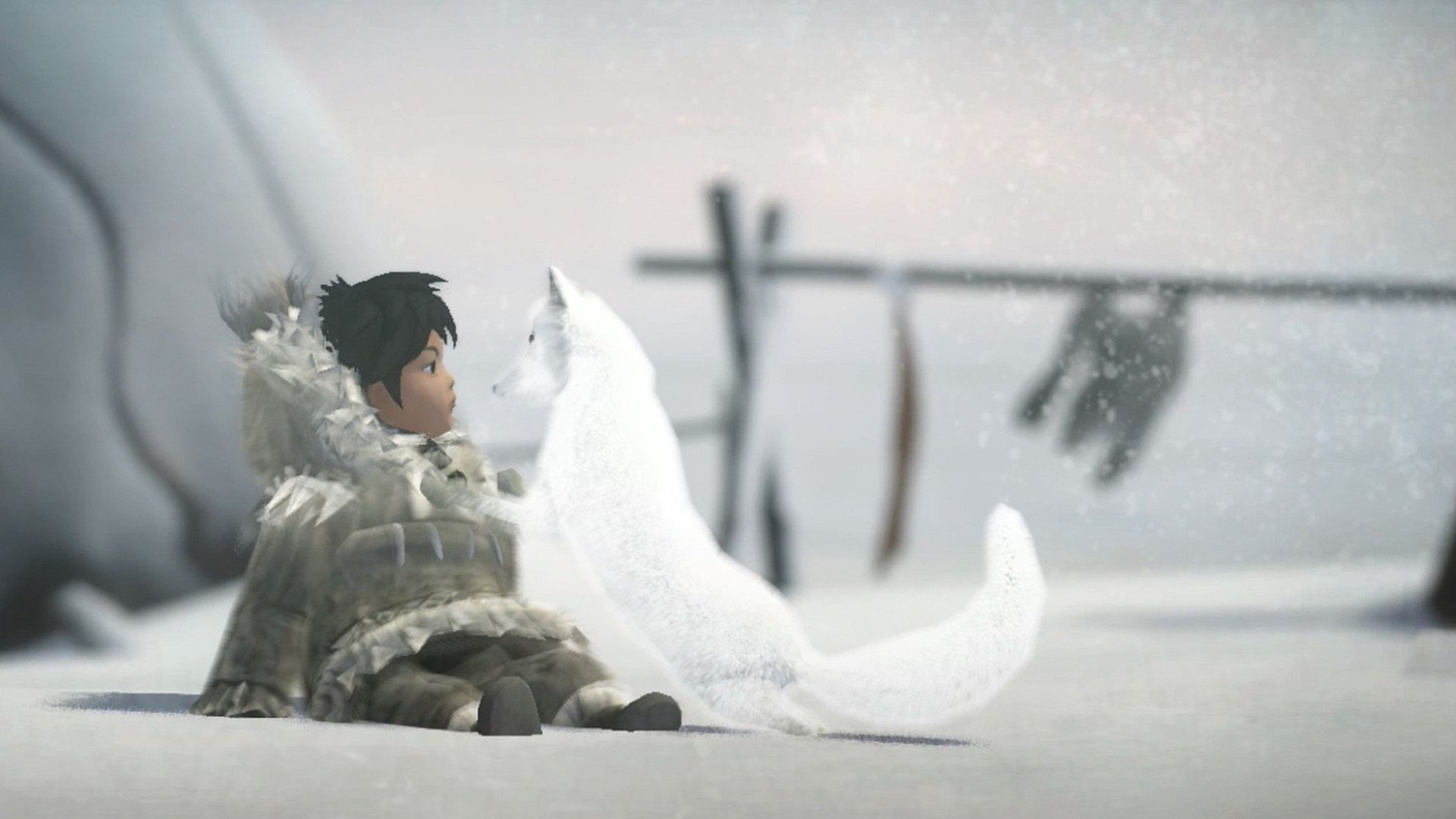
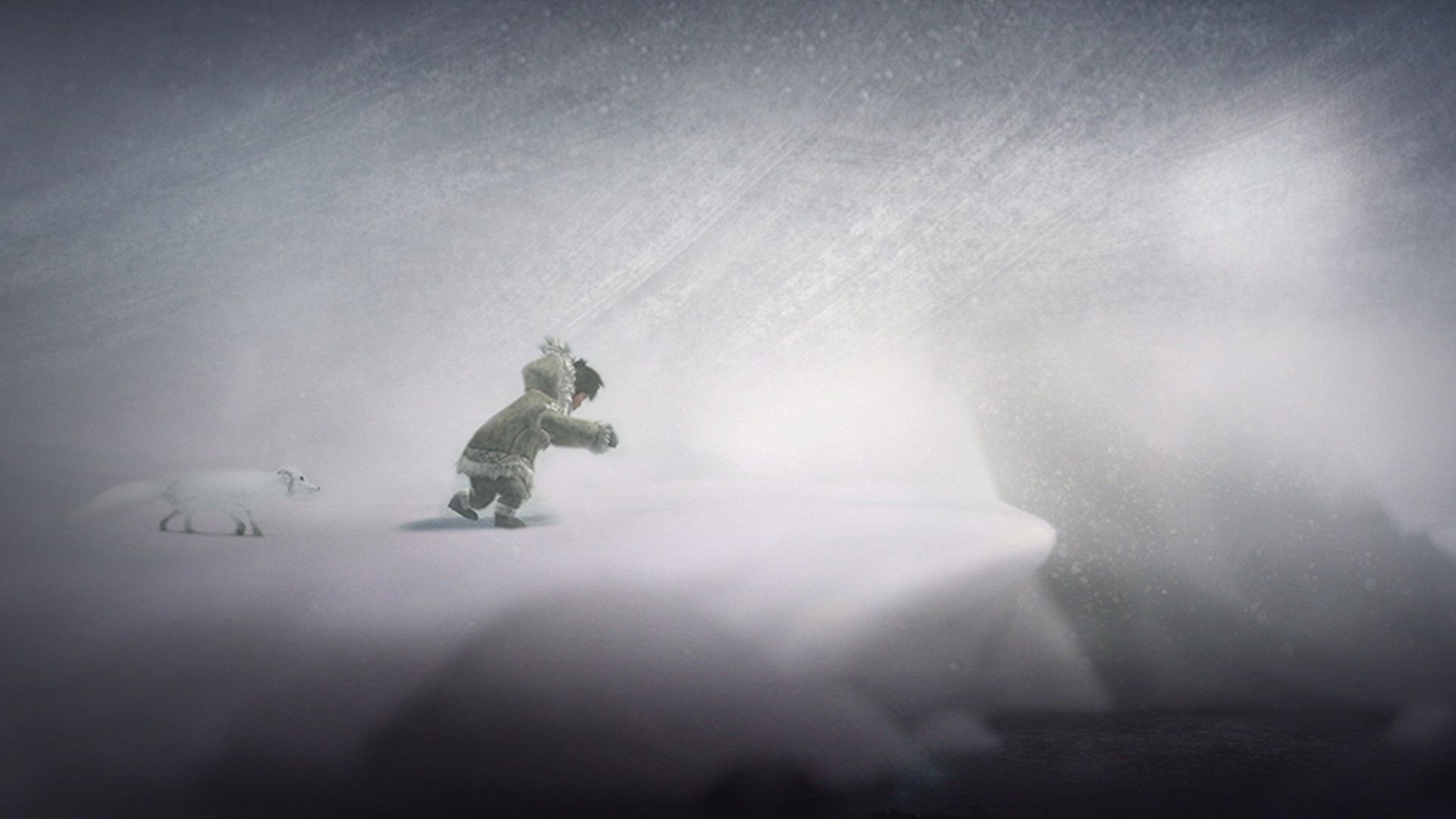
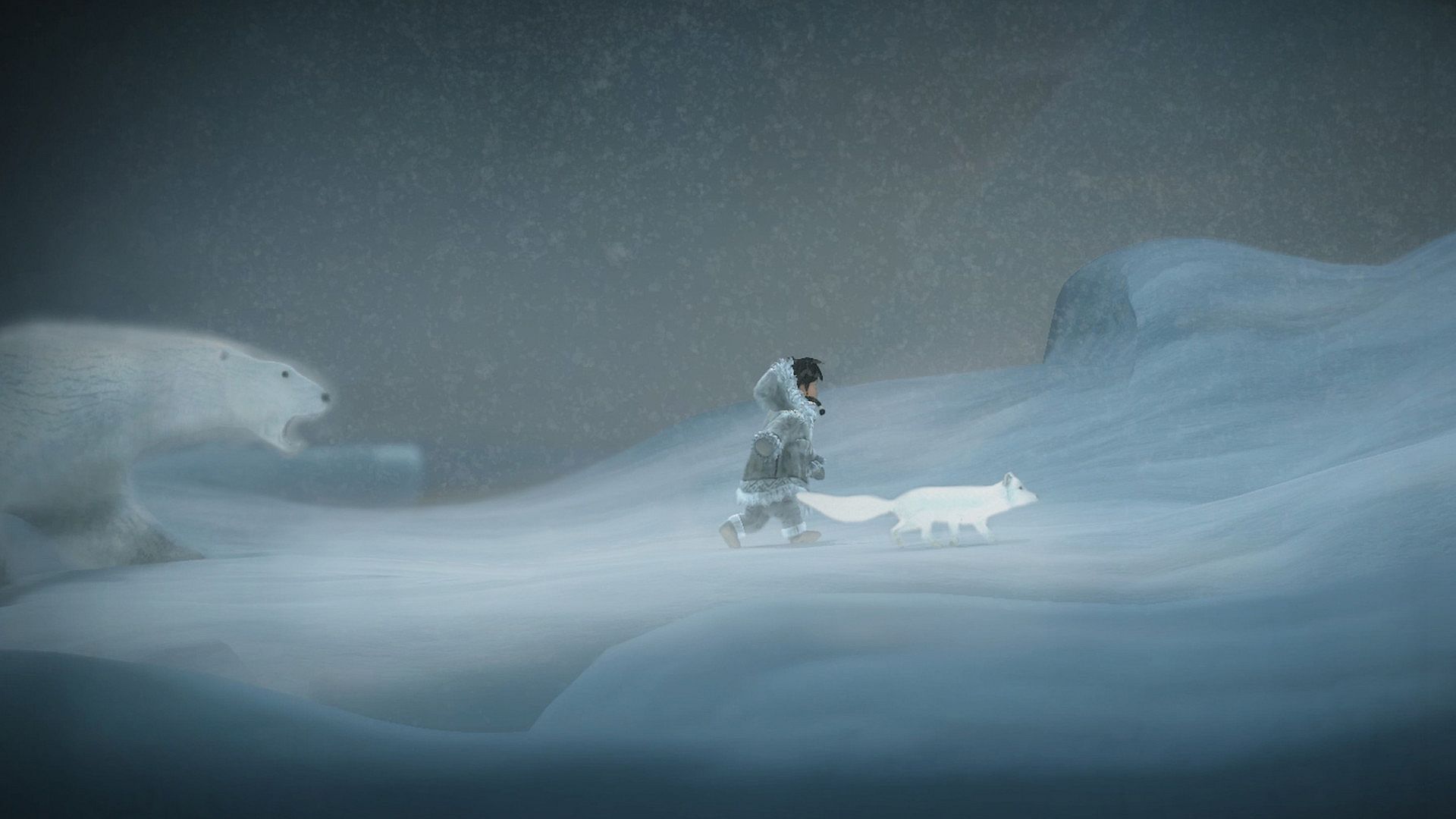
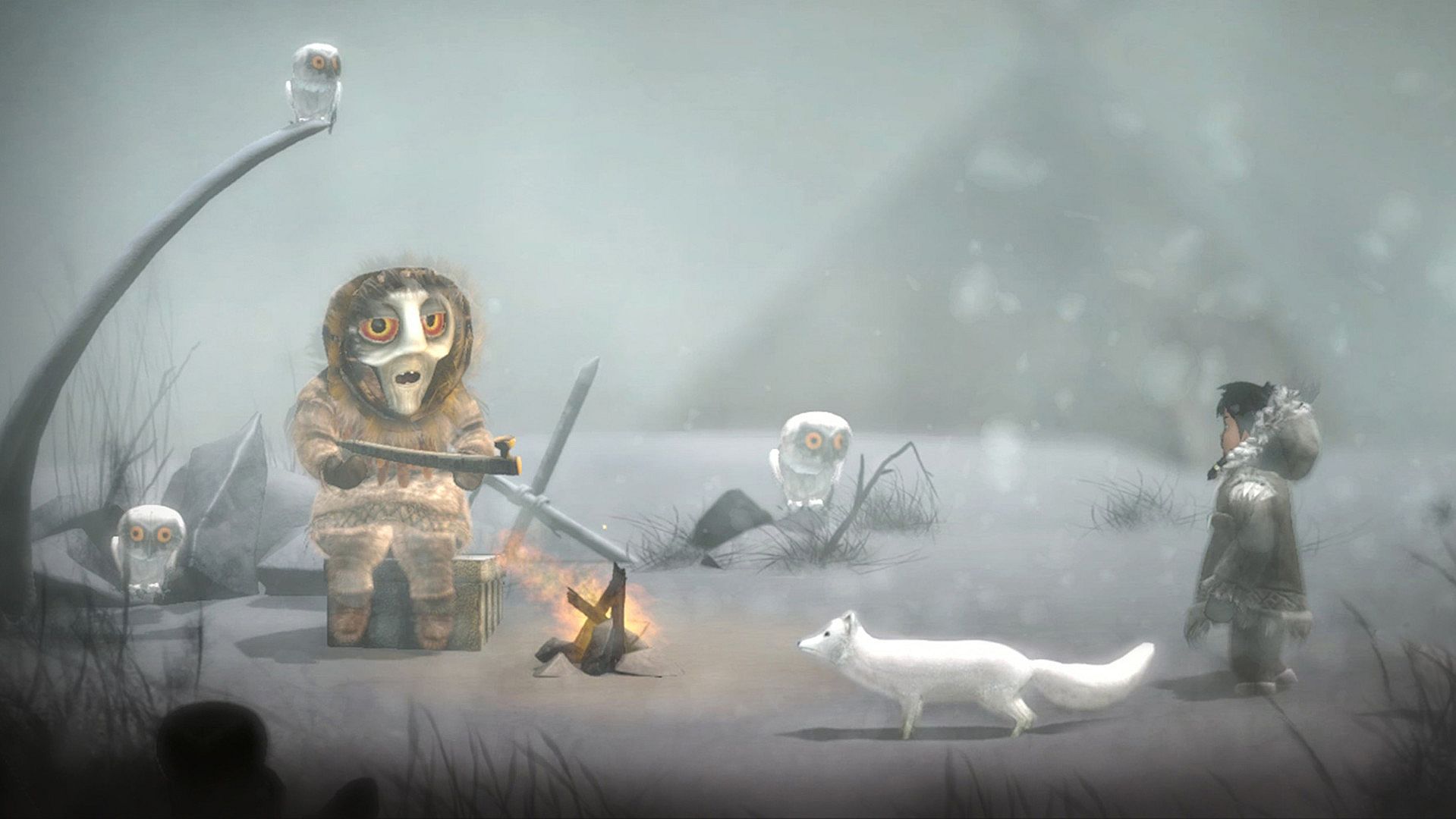
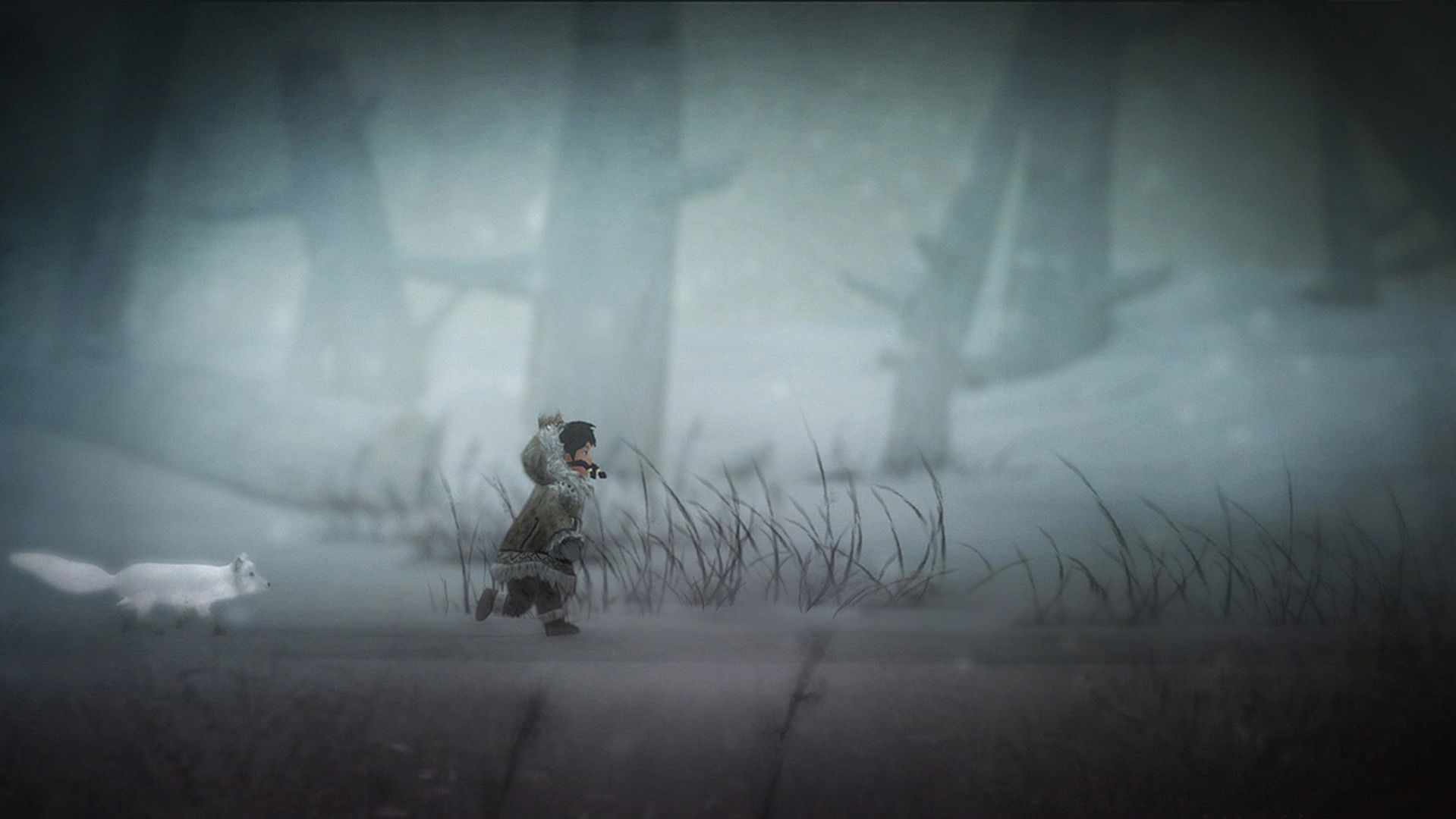

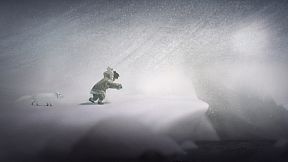
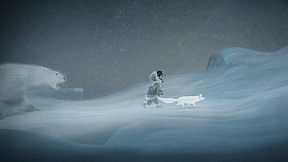
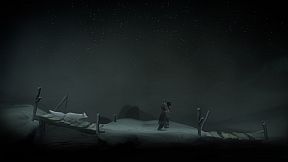
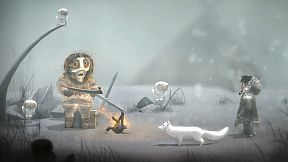
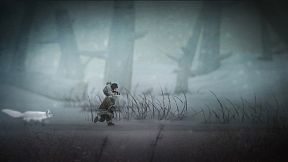

Never Alone (Kisima Ingitchuna) is a 2D side-scrolling puzzle platformer that blends action and adventure elements with a focus on exploration and problem-solving in harsh Arctic settings. Players guide a young Iñupiat girl named Nuna and her arctic fox companion through a story drawn from traditional Alaska Native tales, all while uncovering the cause of an endless blizzard.
Gameplay
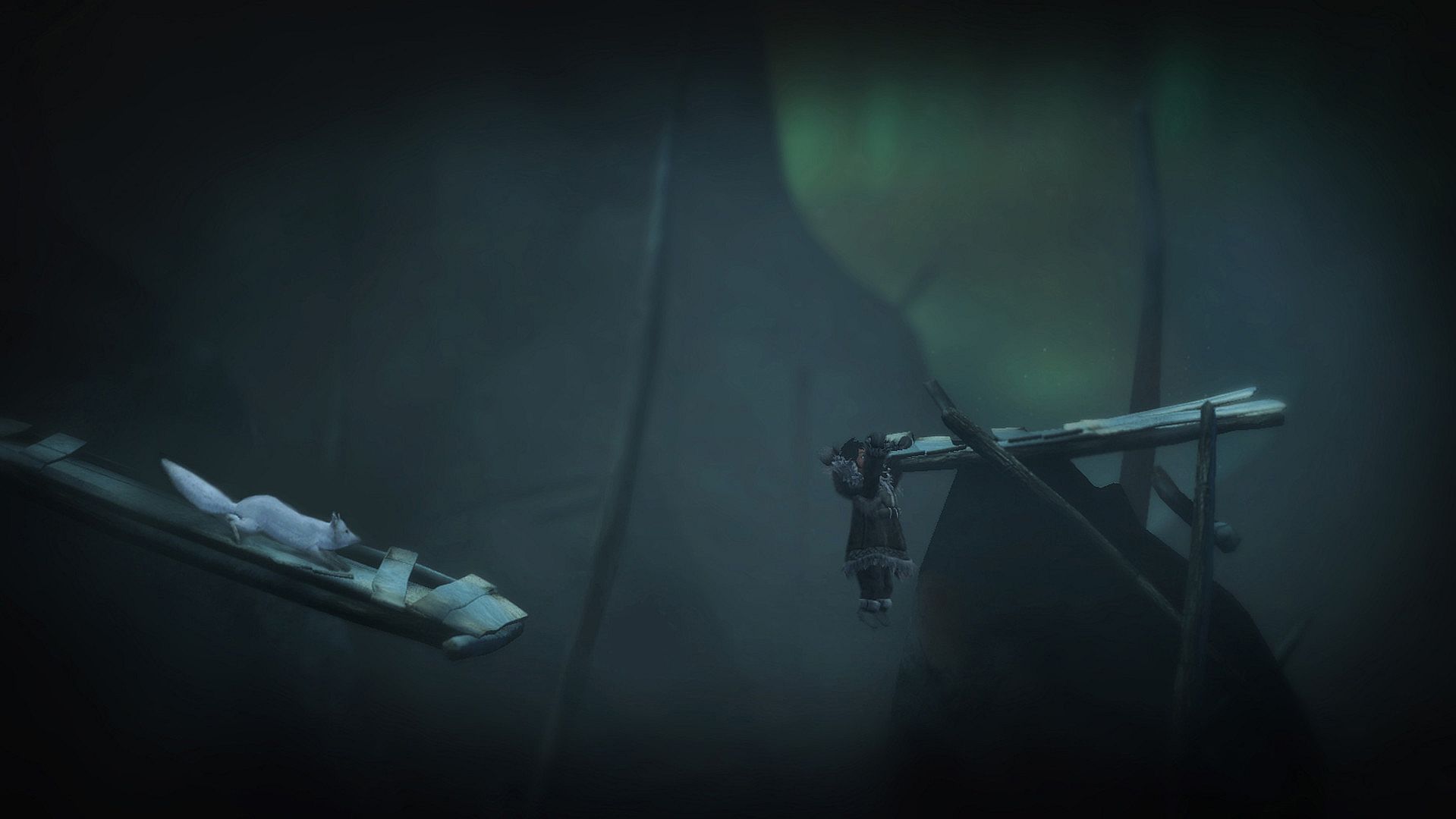
The core loop centers on precise platforming and puzzle resolution using the distinct abilities of the two protagonists. Nuna handles climbing ladders and ropes, shifting heavy objects, and tossing a bola to hit distant targets or activate mechanisms. The fox excels at squeezing through narrow gaps, scaling sheer walls, and making longer leaps that Nuna cannot manage. Switching between characters happens instantly with a single input, allowing seamless adaptation to each challenge without interruption.
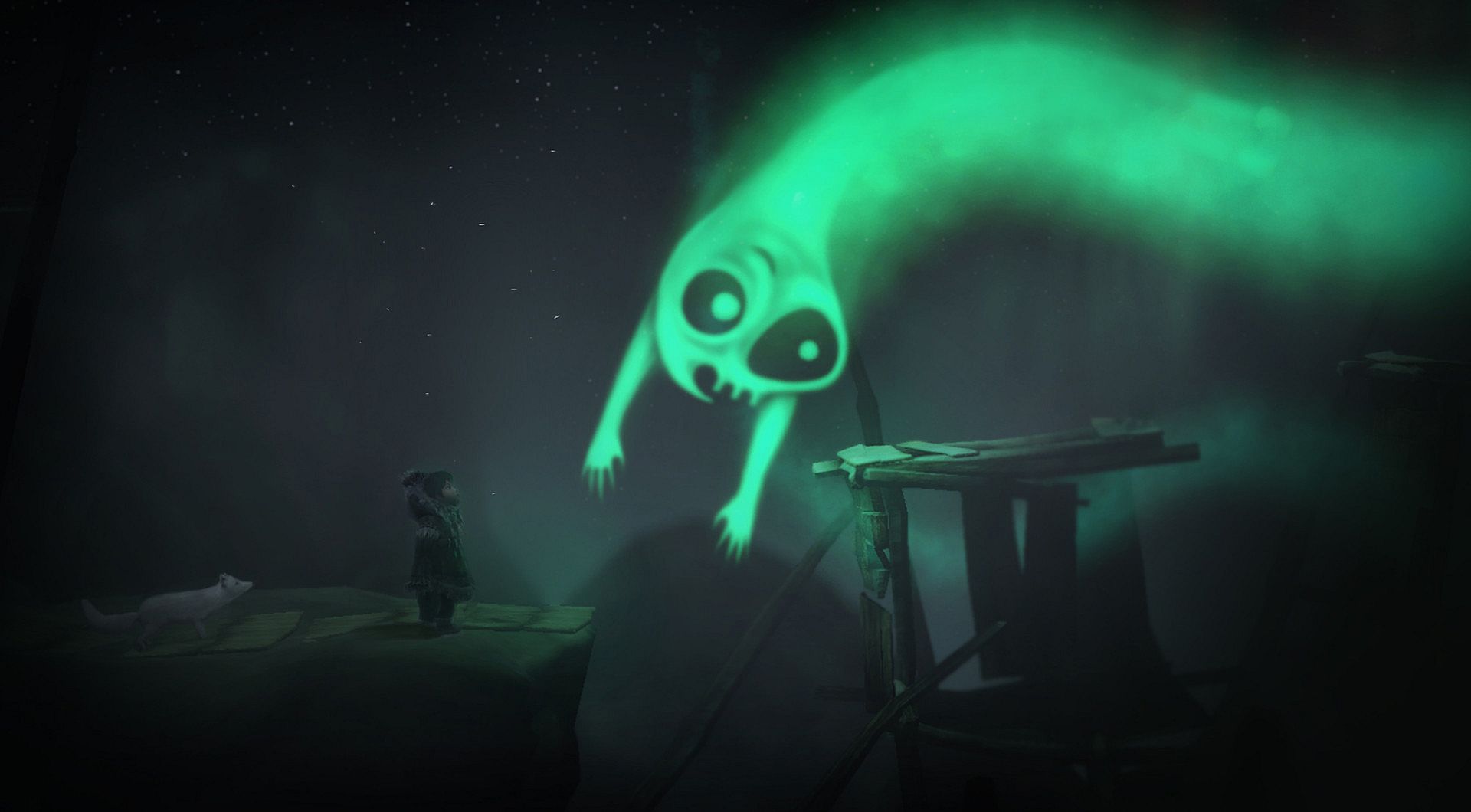
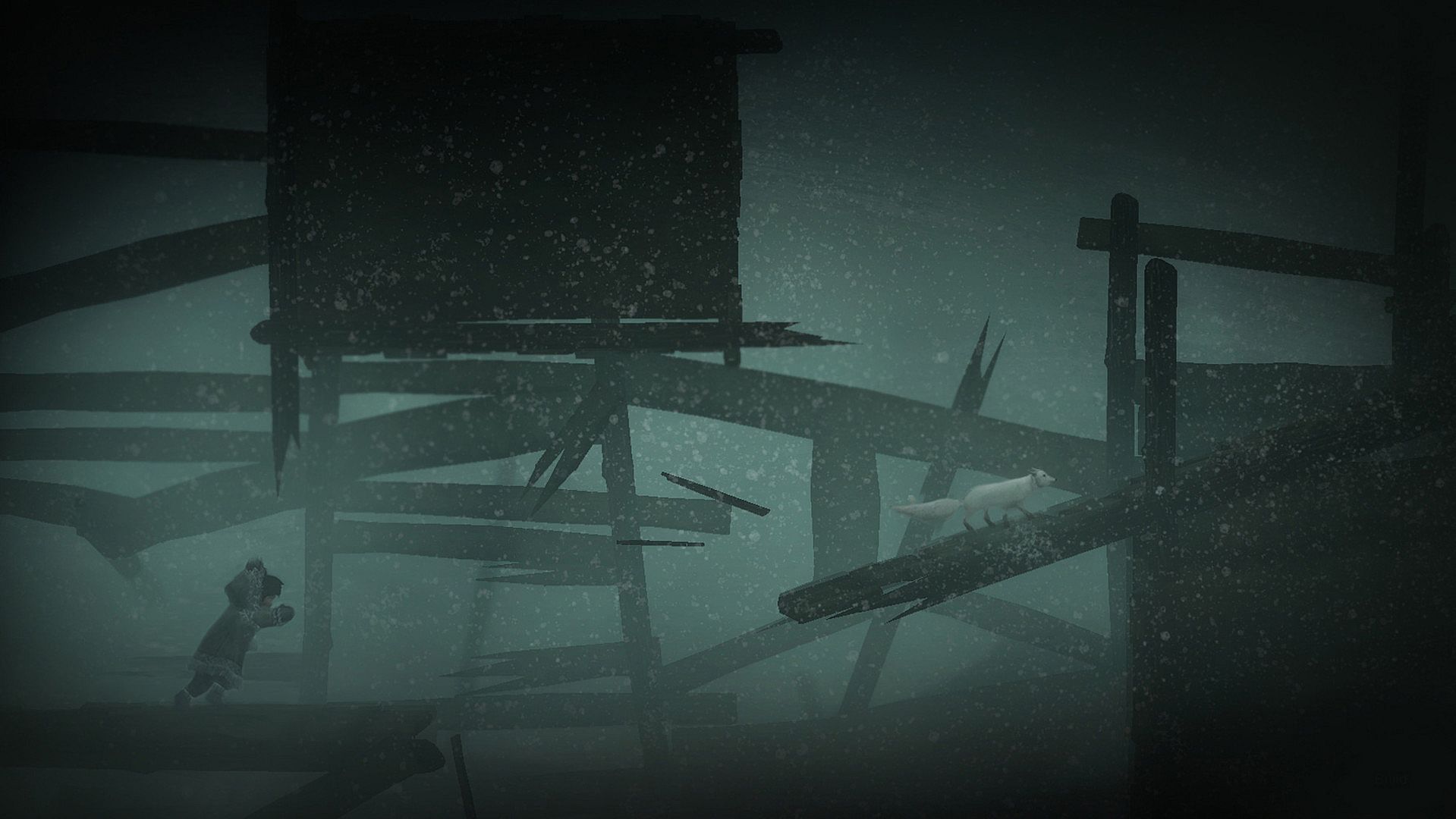
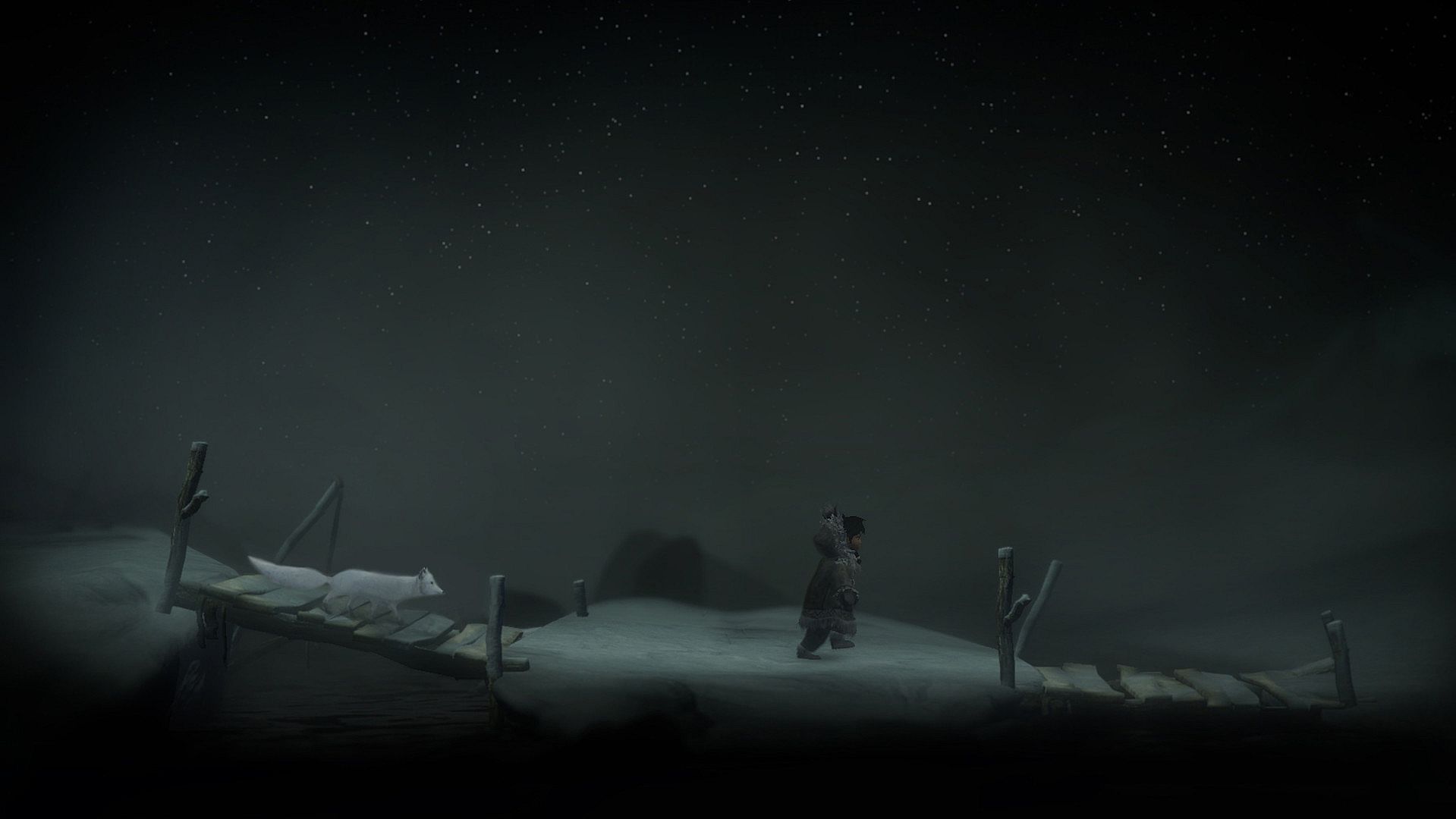
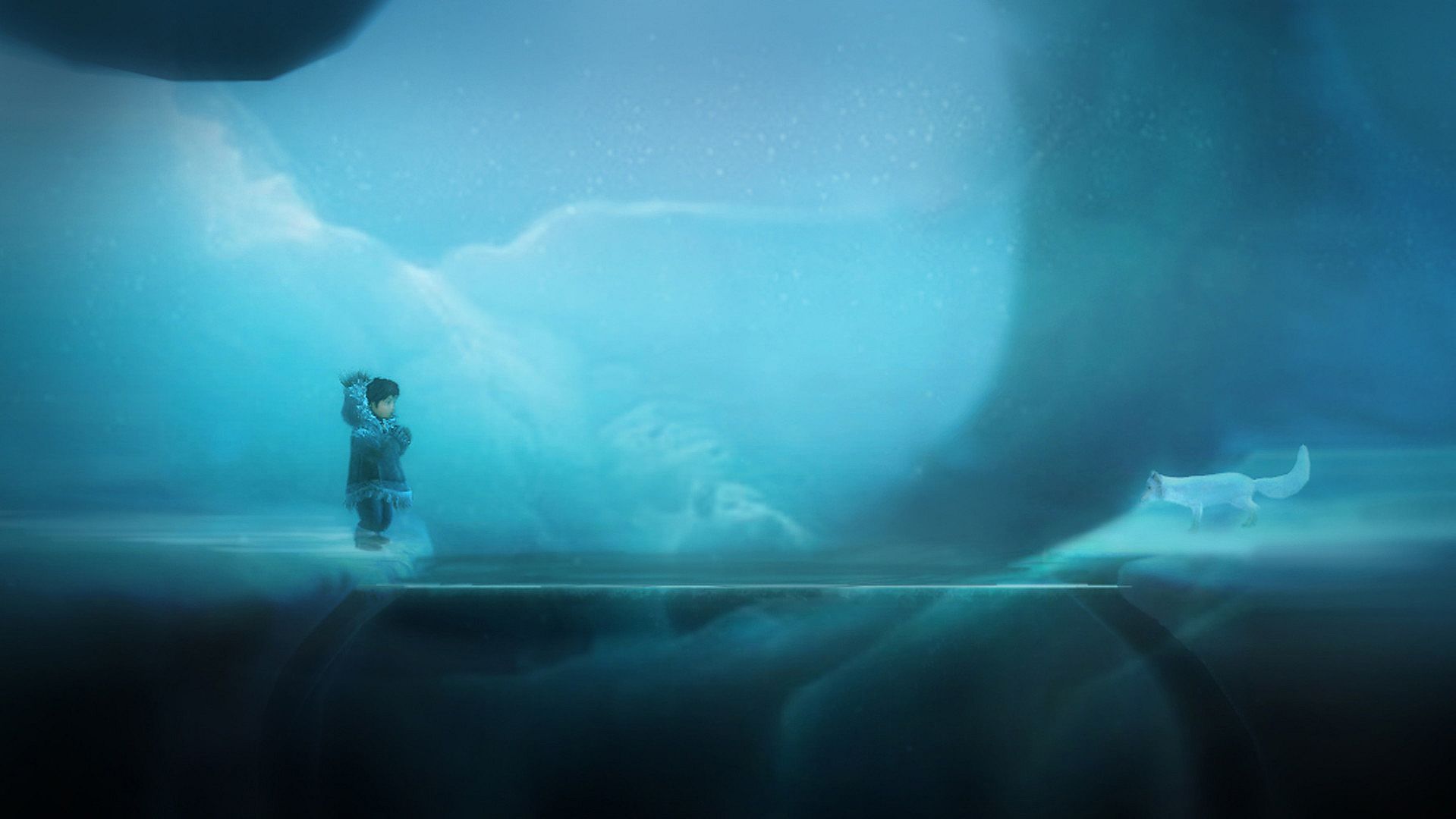
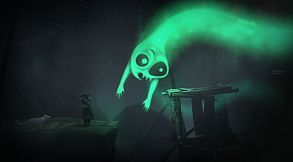
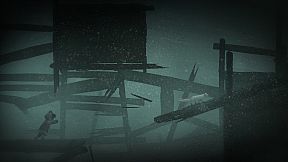
Levels unfold across unstable coastal villages, frozen forests, icy floes, and submerged caves. Players must time jumps carefully amid strong winds, avoid hazards, and collaborate with both characters to progress. Occasional encounters with strange creatures or environmental threats require creative use of the bola or positioning to overcome them. The design emphasizes observation and trial rather than combat, rewarding patience and spatial awareness.
Additional layers come from collectible cultural insights unlocked during play. These short video segments feature Alaska Native elders and storytellers discussing the real-world traditions, values, and Arctic environments that inspired the game's world. They integrate directly into the experience without pausing the action for long periods.
Game Modes
The game supports two primary ways to experience the journey. In single-player mode, one person controls both Nuna and the fox by switching between them as needed to solve puzzles and navigate terrain. This setup keeps the focus on individual decision-making and timing.
Local co-op allows two players to control one character each simultaneously on the same screen. The fox player and Nuna player must coordinate movements and abilities in real time, which adds a layer of communication and shared problem-solving. This mode requires at least one compatible game controller for the second participant and works only in a shared physical space.
No additional modes such as competitive play, online multiplayer, or separate challenge arenas exist. The entire experience remains tied to the main narrative path, with progress saved automatically at key checkpoints.
Cultural and Narrative Elements
The story follows Nuna and the fox as they seek the origin of the blizzard threatening their community. Along the way they encounter figures and settings drawn from Iñupiaq oral traditions, including helpful spirits that grant new capabilities. Narration in the Iñupiaq language accompanies key moments, delivered by a traditional storyteller, which adds authenticity to the atmospheric presentation.
Environments feel distinct and grounded, shifting from abandoned settlements battered by storms to quiet, snow-laden woodlands and dark underwater passages. Each area introduces new mechanical twists while maintaining the same core switching mechanic. The visual style uses clean 2D animation that highlights the cold, expansive feel of the setting without unnecessary complexity.
Is It Worth Playing?
Never Alone suits players who enjoy deliberate puzzle platformers with strong narrative and cultural focus over fast-paced action or extensive replay systems. Its short, self-contained campaign delivers a complete journey that highlights unique abilities and environmental storytelling without requiring ongoing updates or seasonal content.
Reception among players remains mostly positive years after release, with praise centered on the respectful integration of Alaska Native perspectives and the satisfying back-and-forth between characters. Some note occasional technical hiccups from its original development period, yet the core experience holds up for those drawn to atmospheric adventures. Local co-op adds replay value for pairs interested in cooperative puzzle solving.
Anyone seeking a thoughtful single-session or shared experience rooted in indigenous storytelling will find it rewarding. Those preferring competitive modes, large-scale progression, or frequent content drops may look elsewhere. The game stands as a focused title that prioritizes cultural depth and mechanical clarity within its compact scope.