




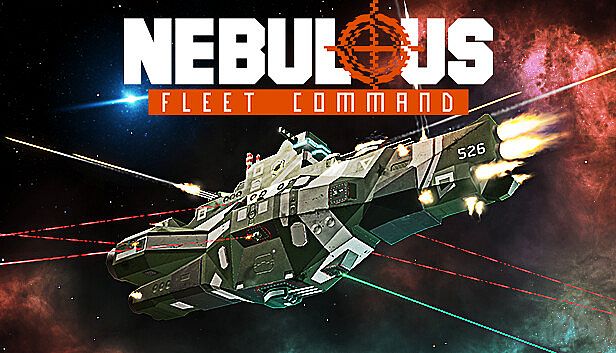



















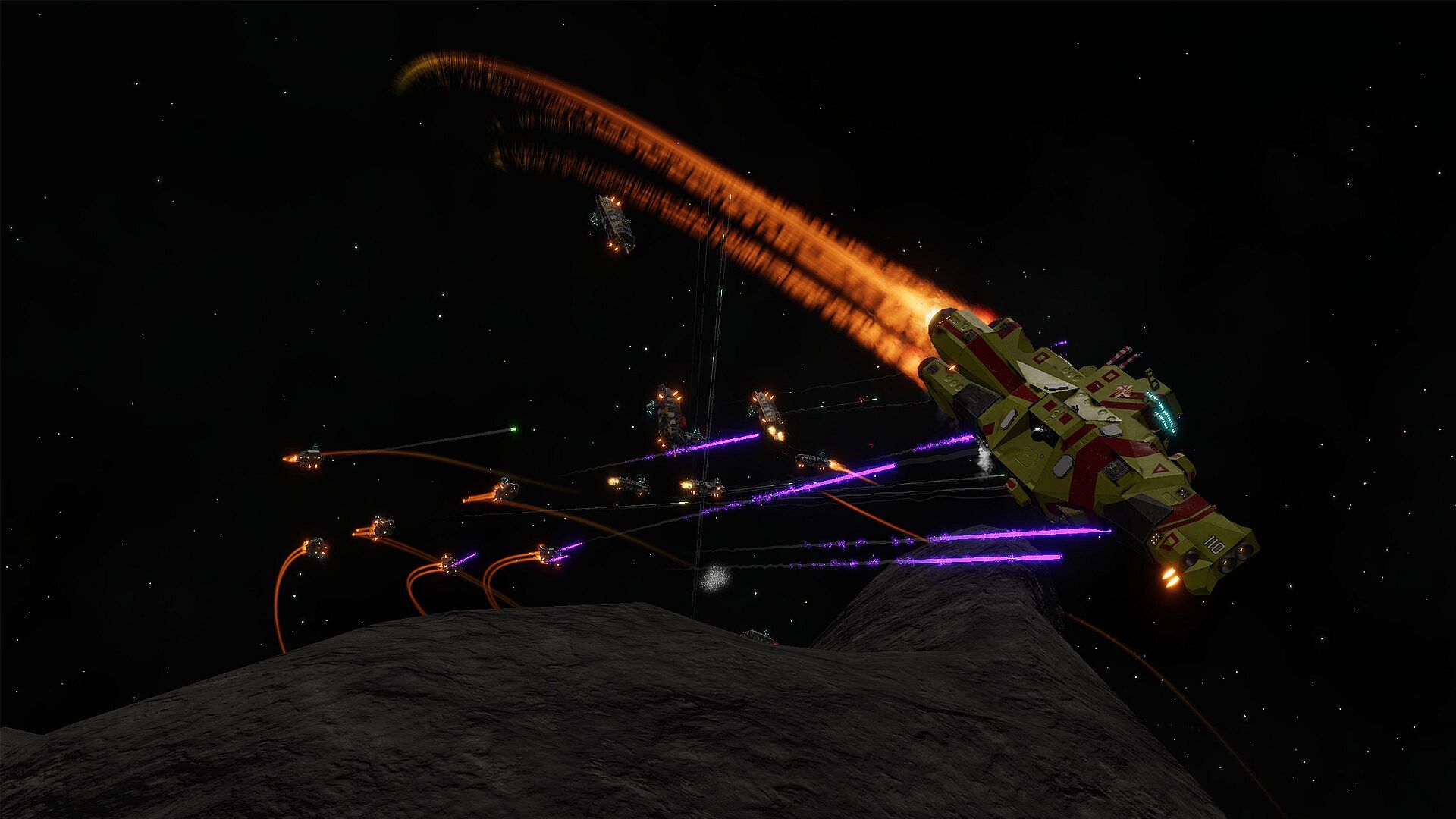
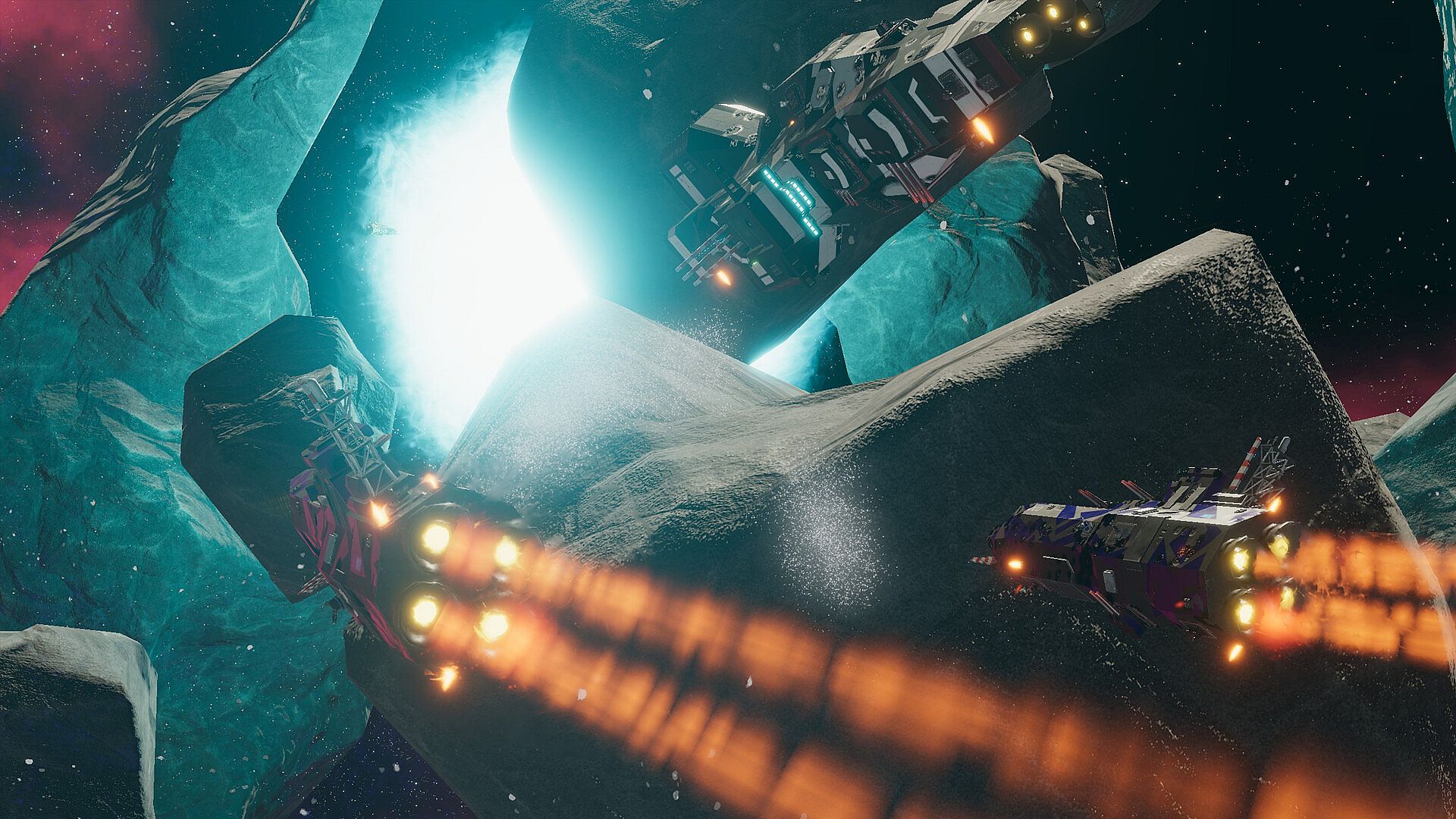
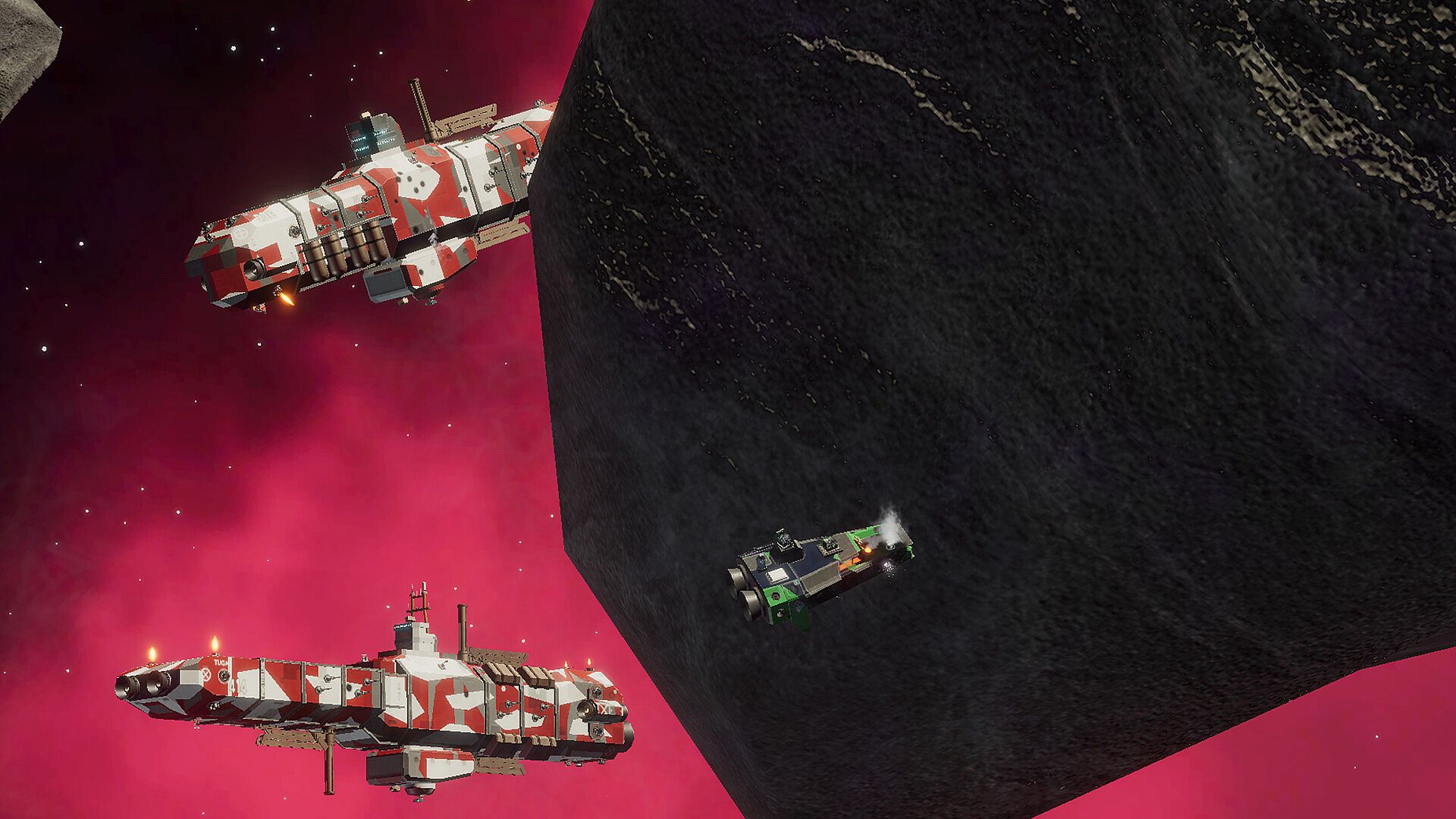
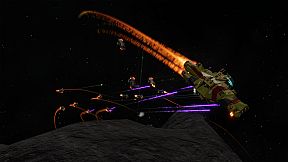
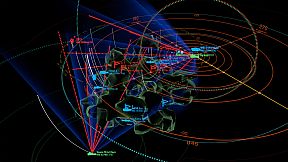
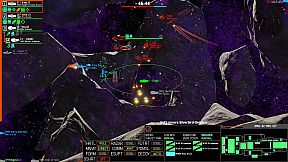
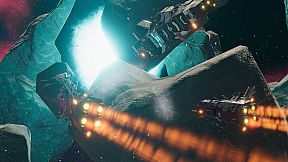
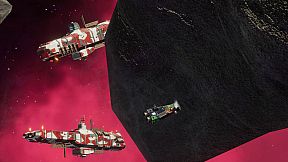
NEBULOUS: Fleet Command is a strategy and simulation game centered on commanding fleets of space warships in realistic, three-dimensional battles. The title emphasizes pre-battle planning, sensor management, and component-level damage modeling over quick reflexes, placing players in the role of a fleet commodore who must balance limited resources against evolving threats.
Gameplay
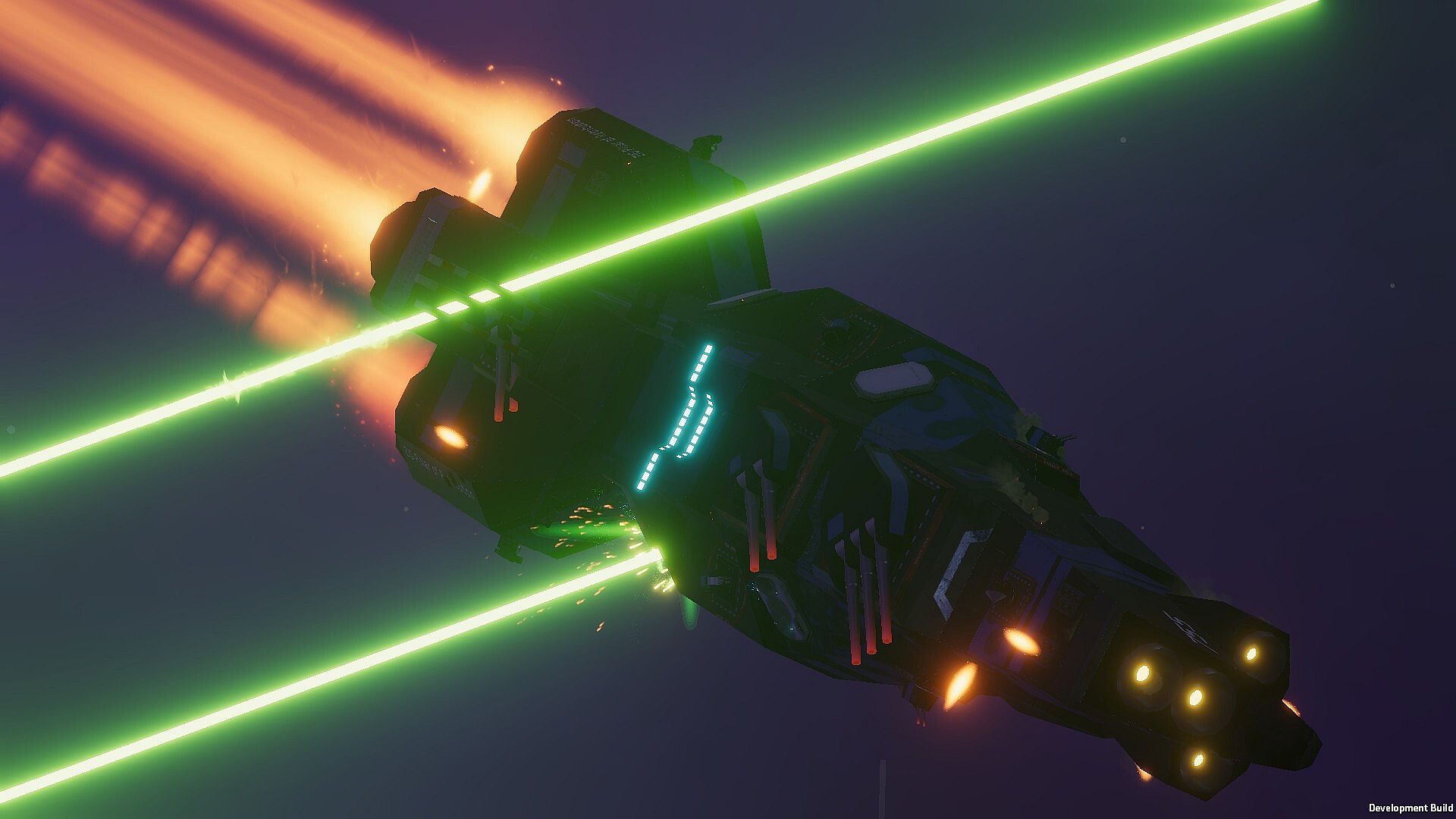
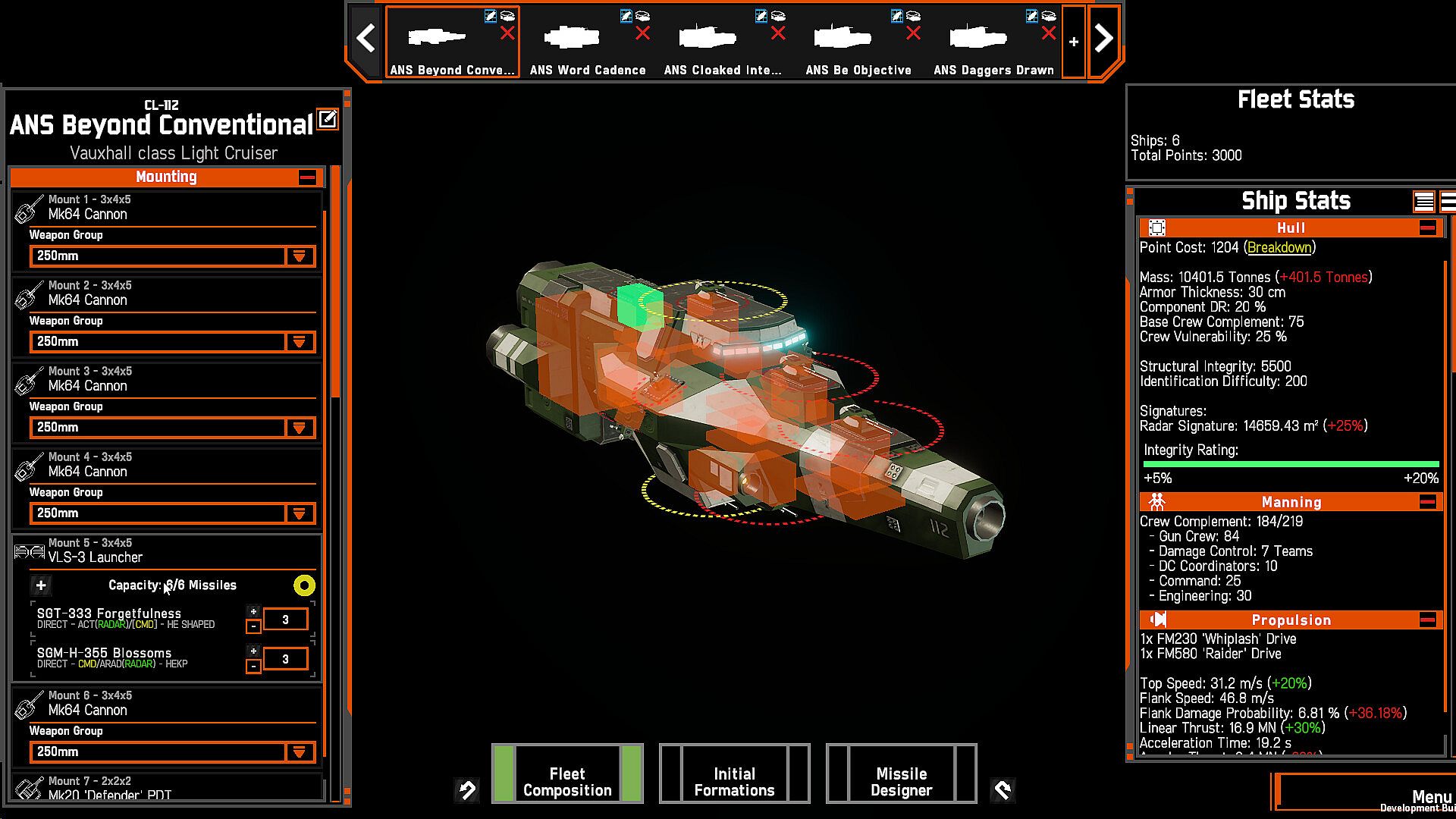
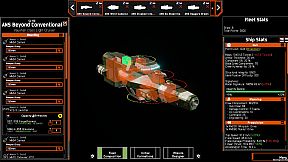
The core loop revolves around designing a fleet within a point-cost system and then deploying it across large maps filled with asteroids, gas clouds, and other forms of cover. Each ship belongs to classes such as battleships, cruisers, frigates, and corvettes, with every hardpoint, power supply, electronic warfare suite, damage control team, and missile bay configured individually. Weapons range from kinetic projectiles to beam systems, each carrying distinct advantages and vulnerabilities that players must account for when grouping fire or assigning targets.
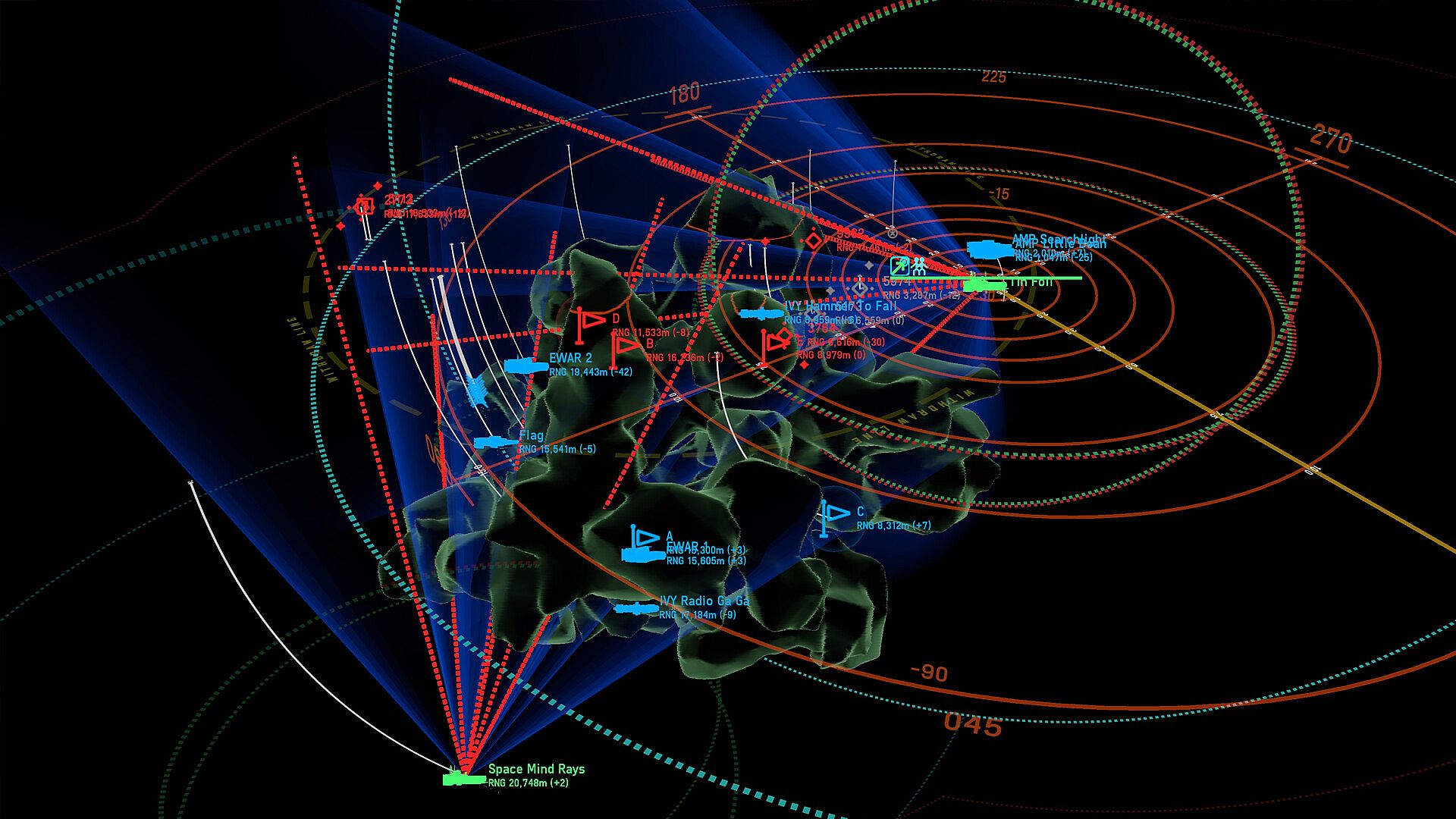
Positioning determines success because radar occlusion and passive detection create information gaps. Ships can run cool to reduce their signature at the expense of functionality, while electronic countermeasures attempt to jam or scramble enemy sensors. Formations add another layer, as clustered vessels generate larger detectable profiles yet allow picket ships to screen capital units. Damage occurs on a per-component basis, so a reactor breach or destroyed fire-control radar can disable critical systems even if the hull remains intact. Damage control teams move between compartments to restore function, making temporary retreats a standard tactic rather than a last resort.
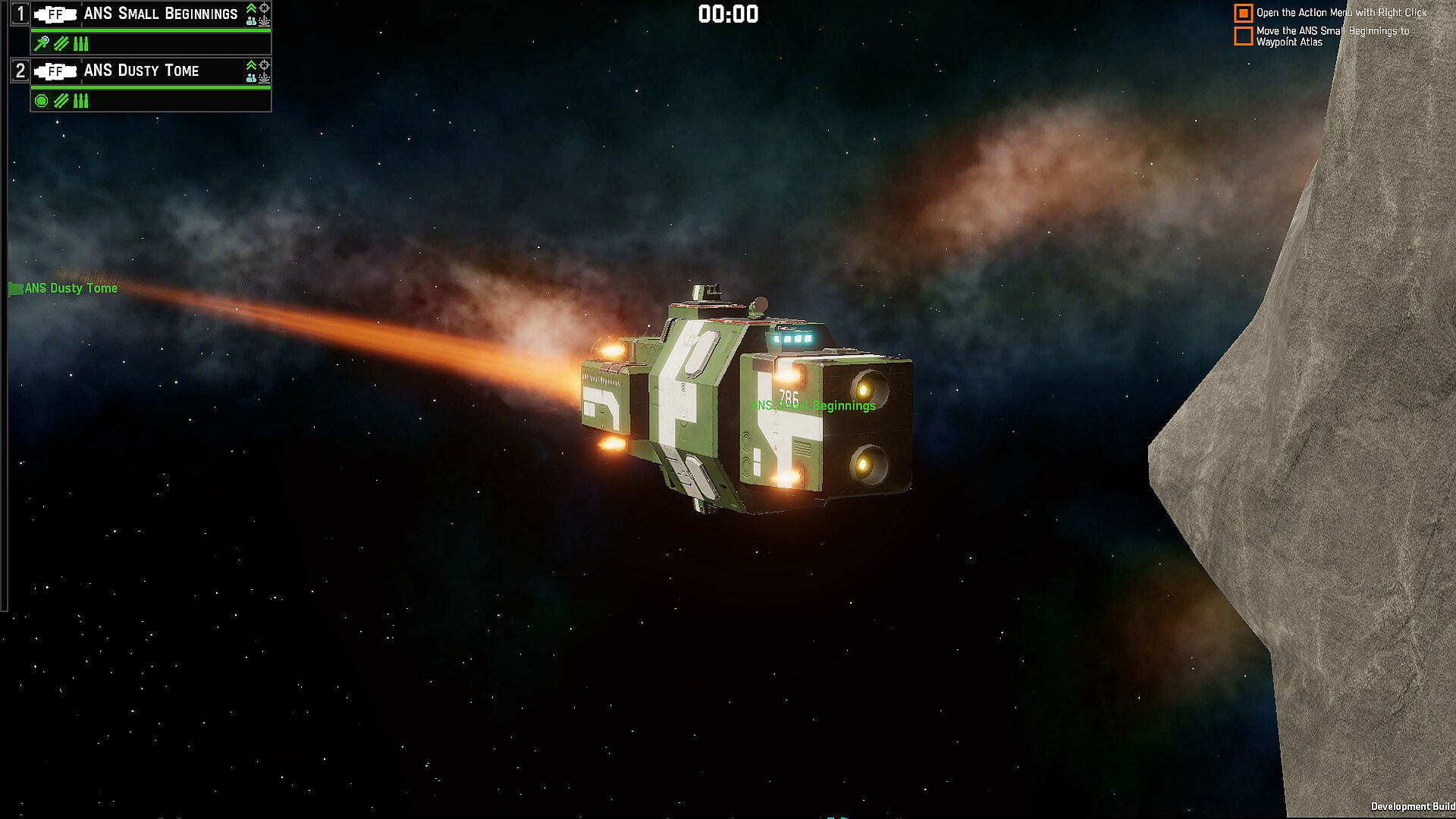
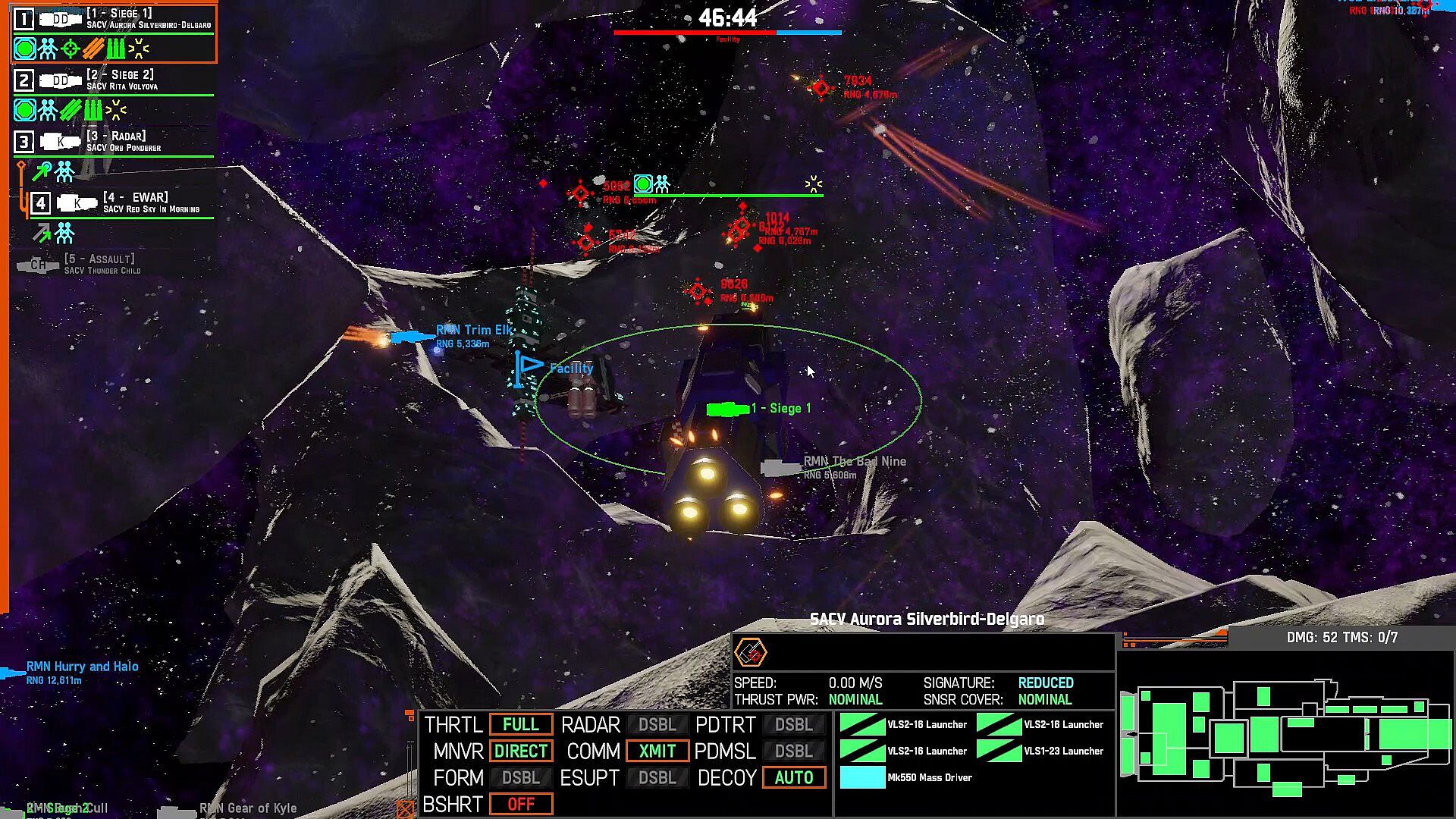
Players issue orders at the individual ship or task-group level, splitting formations dynamically or assigning unique objectives to separate vessels. The fully three-dimensional battlespace means threats can approach from any vector, rewarding methodical sight-line management and layered defenses over simple massed firepower.
Game Modes
Two primary modes structure play. Skirmish matches pit custom fleets against AI opponents or other players in standalone encounters. These scenarios test fleet composition and adaptation without resource carry-over, requiring reconnaissance of enemy loadouts before committing to engagements.
The narrative campaign places a small strike force behind enemy lines during a growing rebellion. The first act consists of sixteen connected missions that escalate from tactical puzzles to larger fleet actions. Players manage fuel, munitions, and ship losses across the operation, scavenging from installations and wrecks to sustain the force. The mode supports solo play or co-operative sessions where participants divide command of available vessels. A campaign editor accompanies the content, allowing creation of custom mission networks with scripted events and tailored fleets.
Fleet Design and Intelligence
Fleet construction extends beyond hull selection to interior layout and subsystem placement. Armor facing, sensor arcs, and weapon groupings all influence performance in combat. A well-protected reactor or concealed fire-control radar can determine whether a ship survives initial contact. Intelligence gathering forms an equal priority because occlusion and signature management mean neither side begins with perfect awareness. Players must decide when to expose larger profiles for concentrated firepower and when to disperse or run silent to preserve the element of surprise.
Mod support through the Steam Workshop adds new maps, ships, and weapons, extending the base systems without altering core simulation rules. This flexibility lets experienced commanders refine tactics across both skirmish and campaign contexts.
Is It Worth Playing?
Overall user reviews stand at very positive, with 81 percent approval across more than three thousand ratings. Recent feedback shows mixed results, reflecting the ongoing early-access development process. The game suits players who value detailed simulation, repeated reflection on decisions, and the tension of operating with incomplete information. Those seeking fast action or simplified controls may find the learning curve and deliberate pace less appealing. Active updates continue to expand content, including the recent addition of the campaign's first act and editor tools. Availability on PC with single-player, co-operative, and player-versus-player options makes it accessible for both solo commanders and groups interested in coordinated fleet operations. The combination of verified mechanics and steady post-launch support positions the title as a strong choice for enthusiasts of tactical space simulation.














