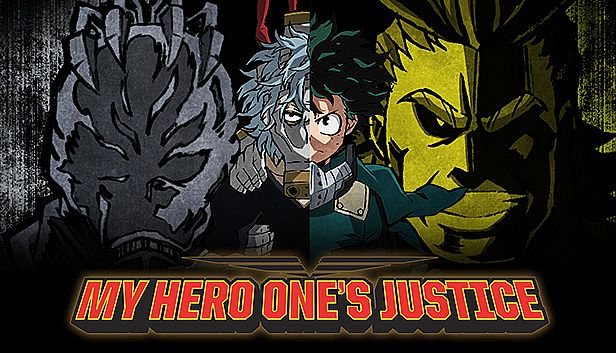




























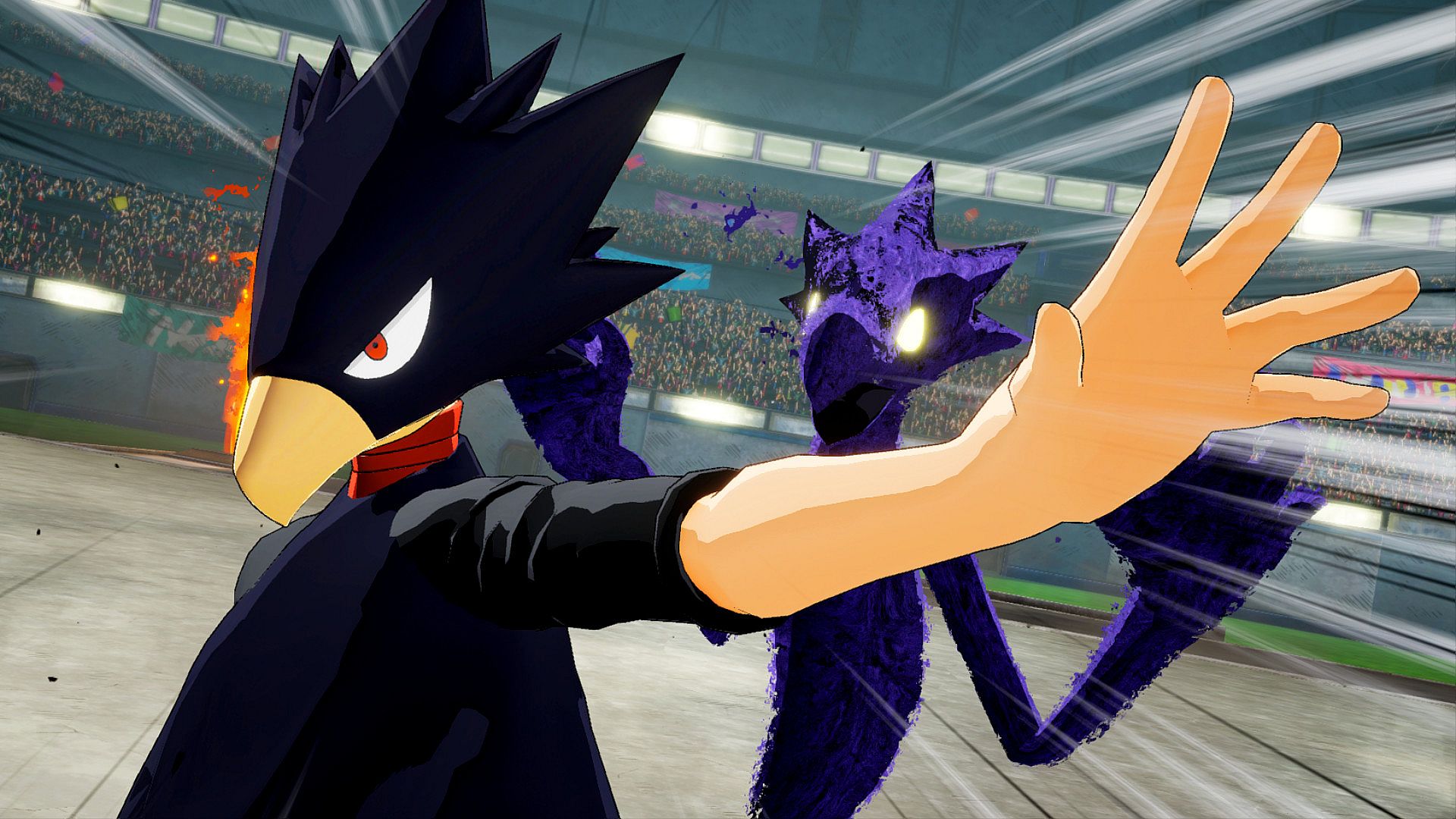
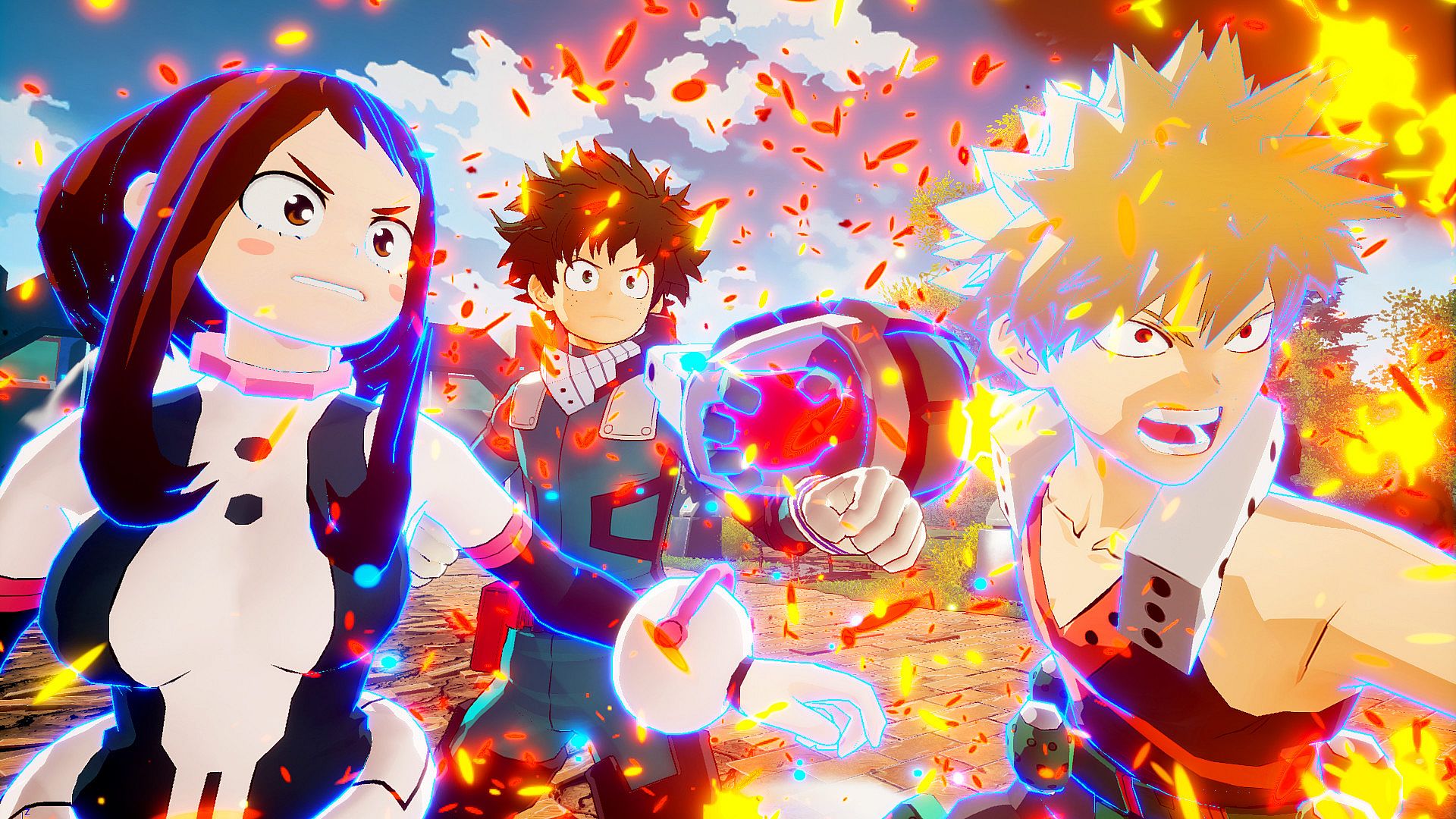
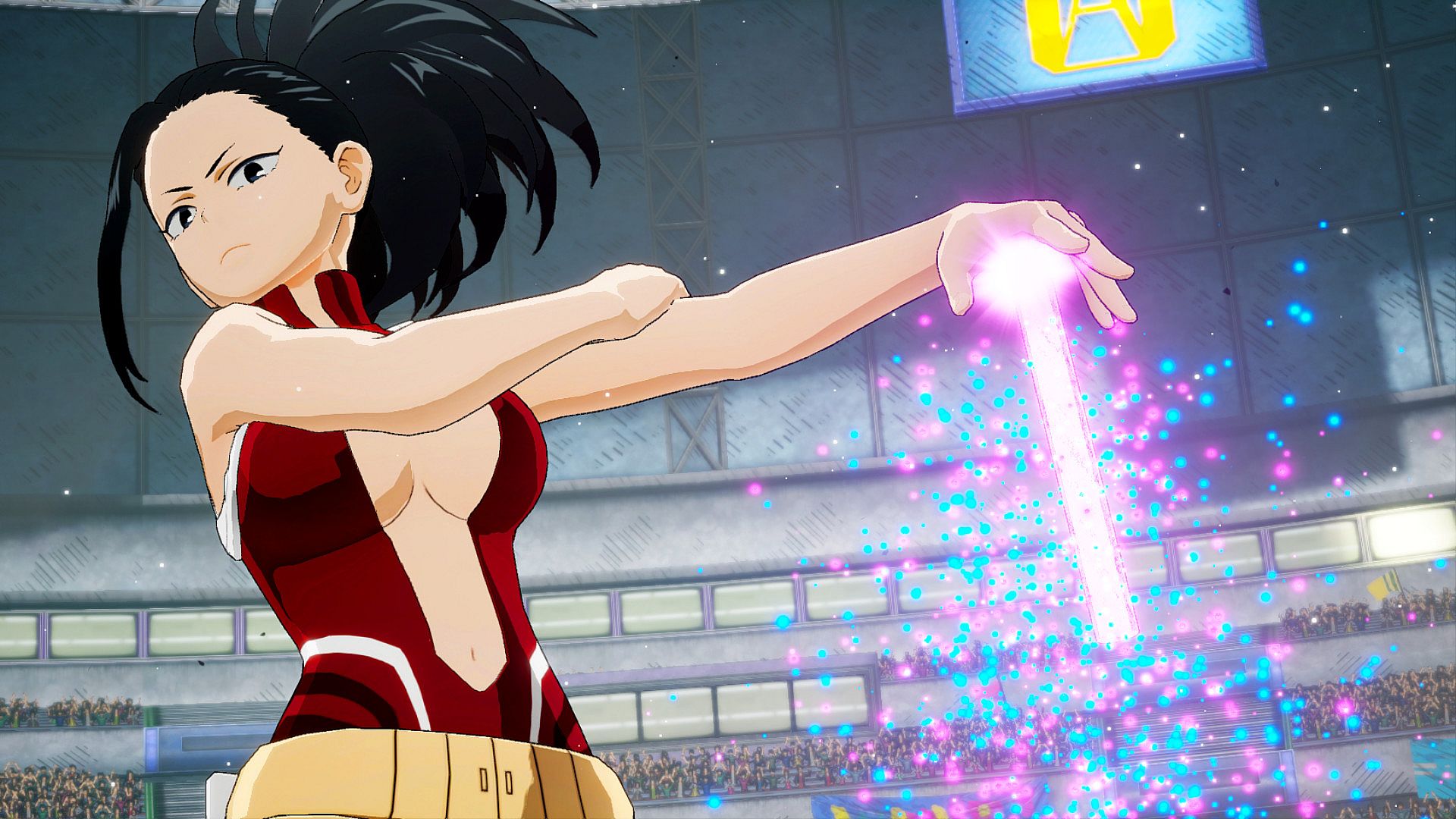
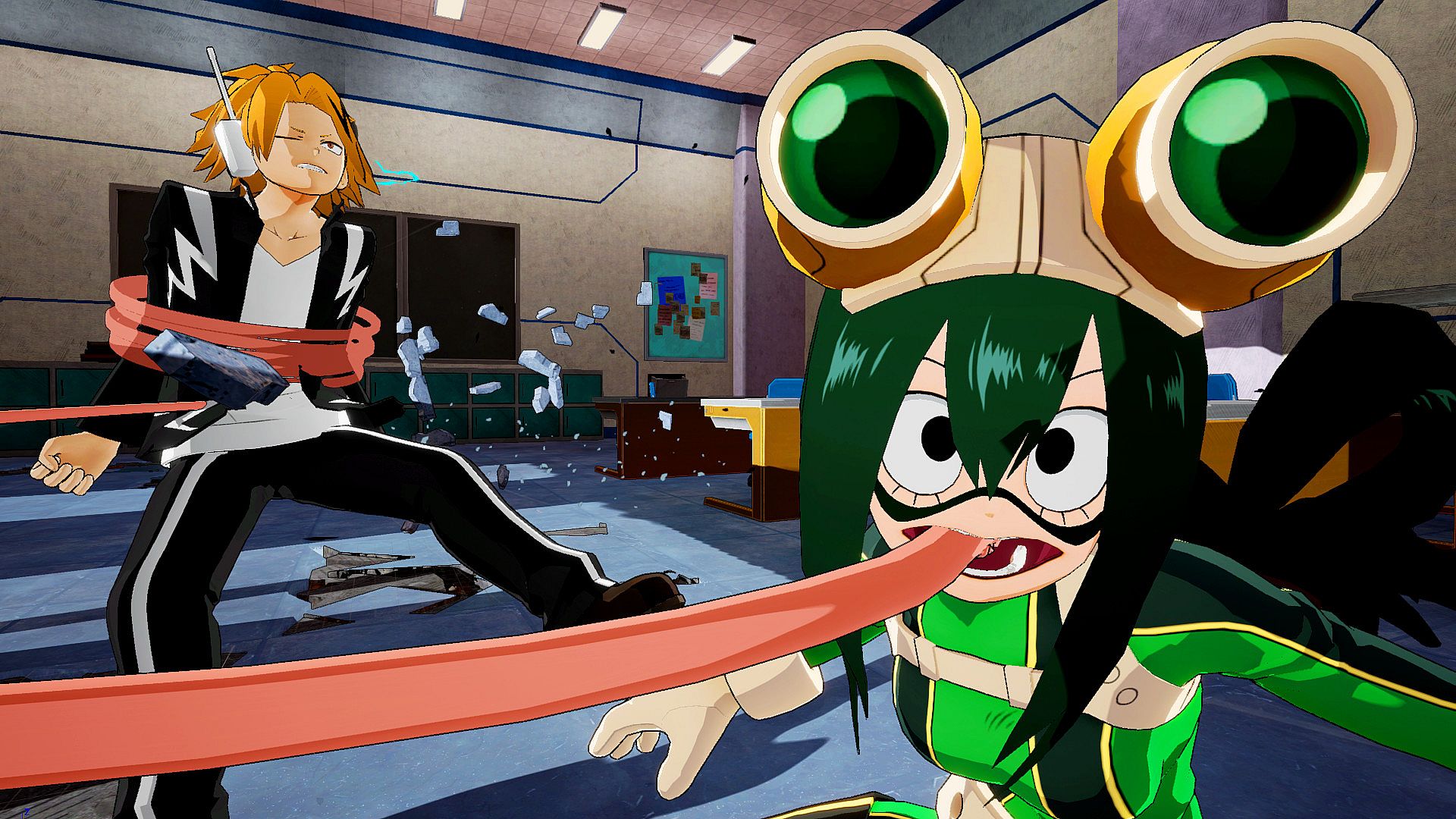
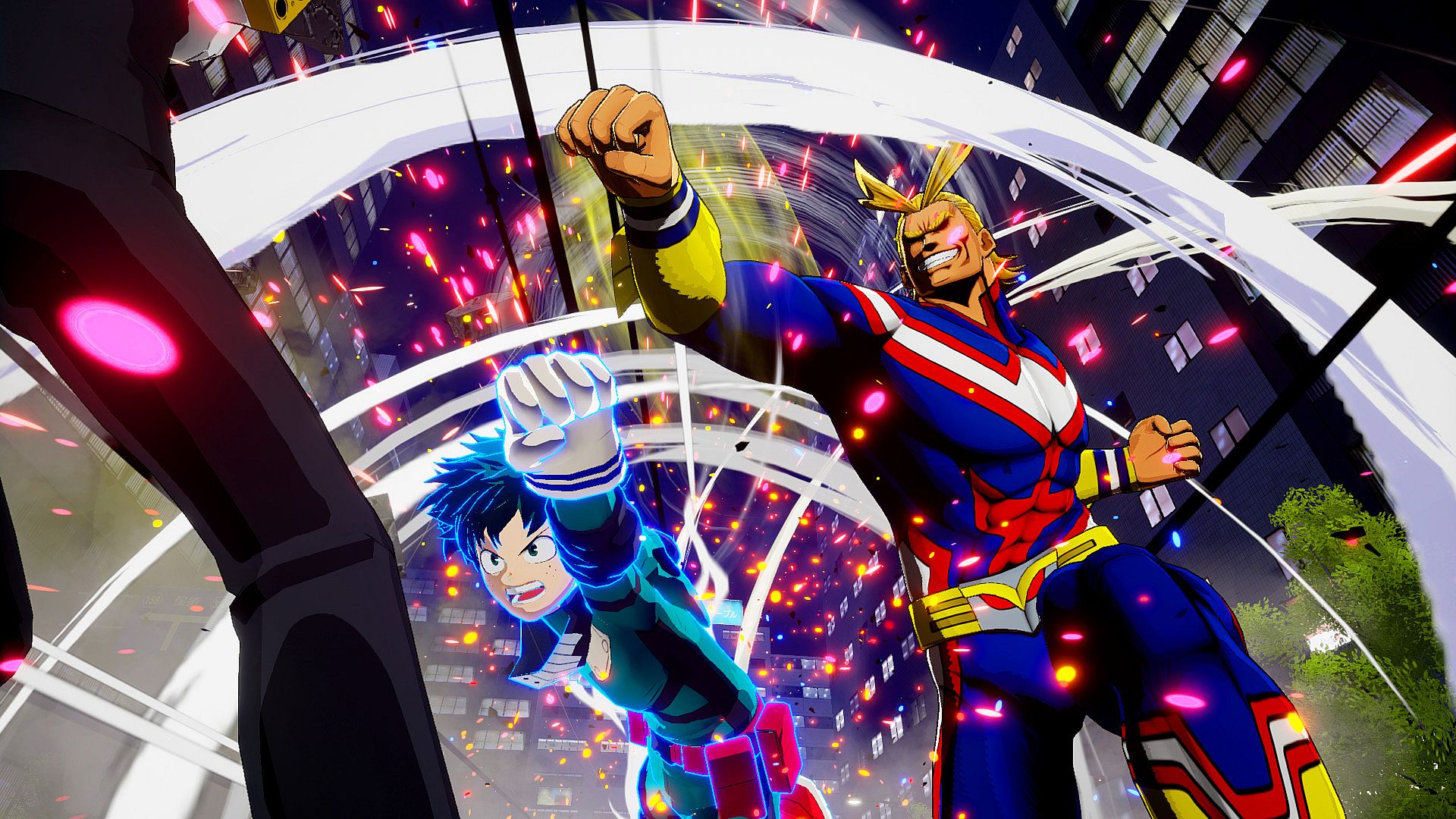
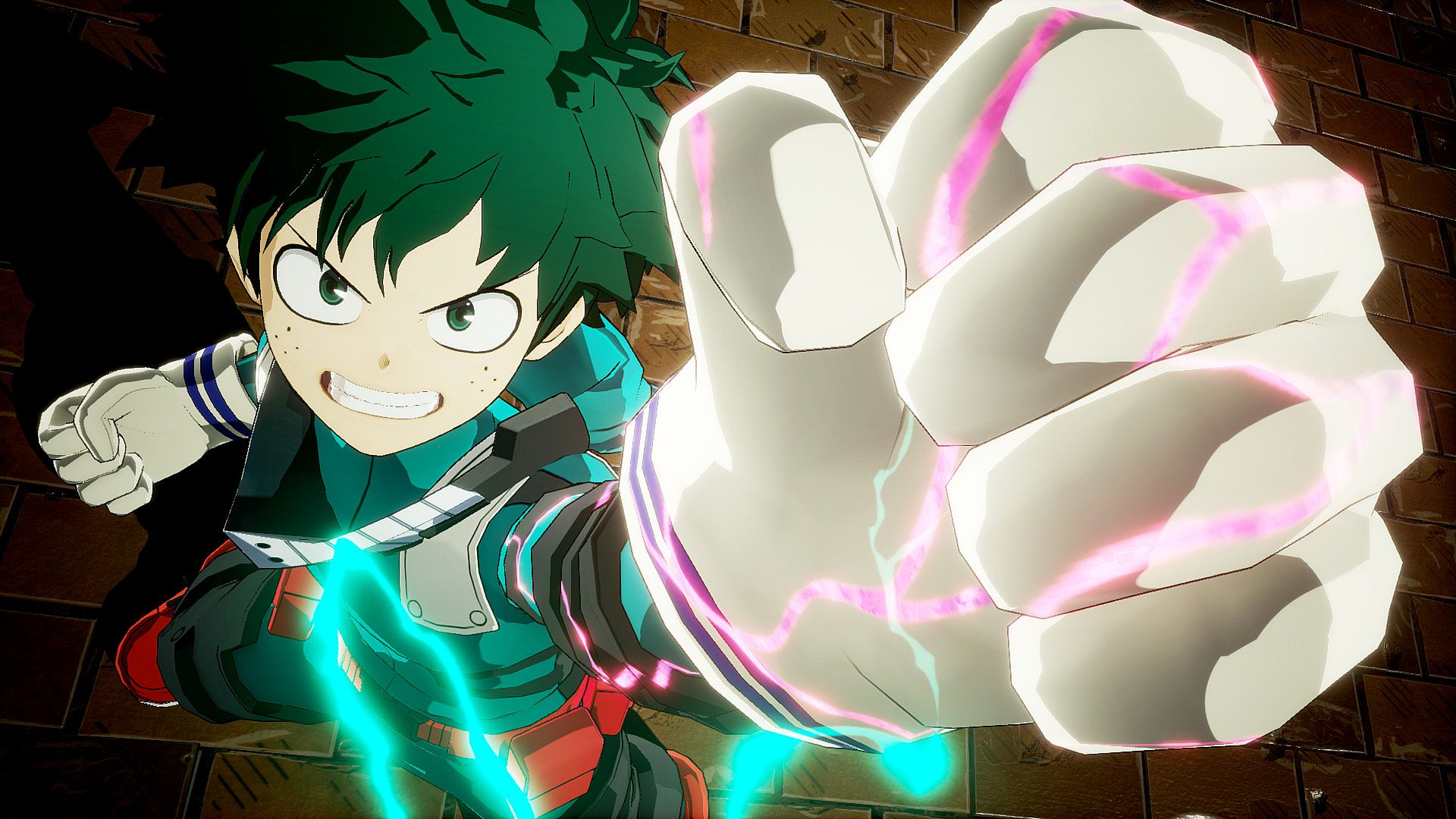
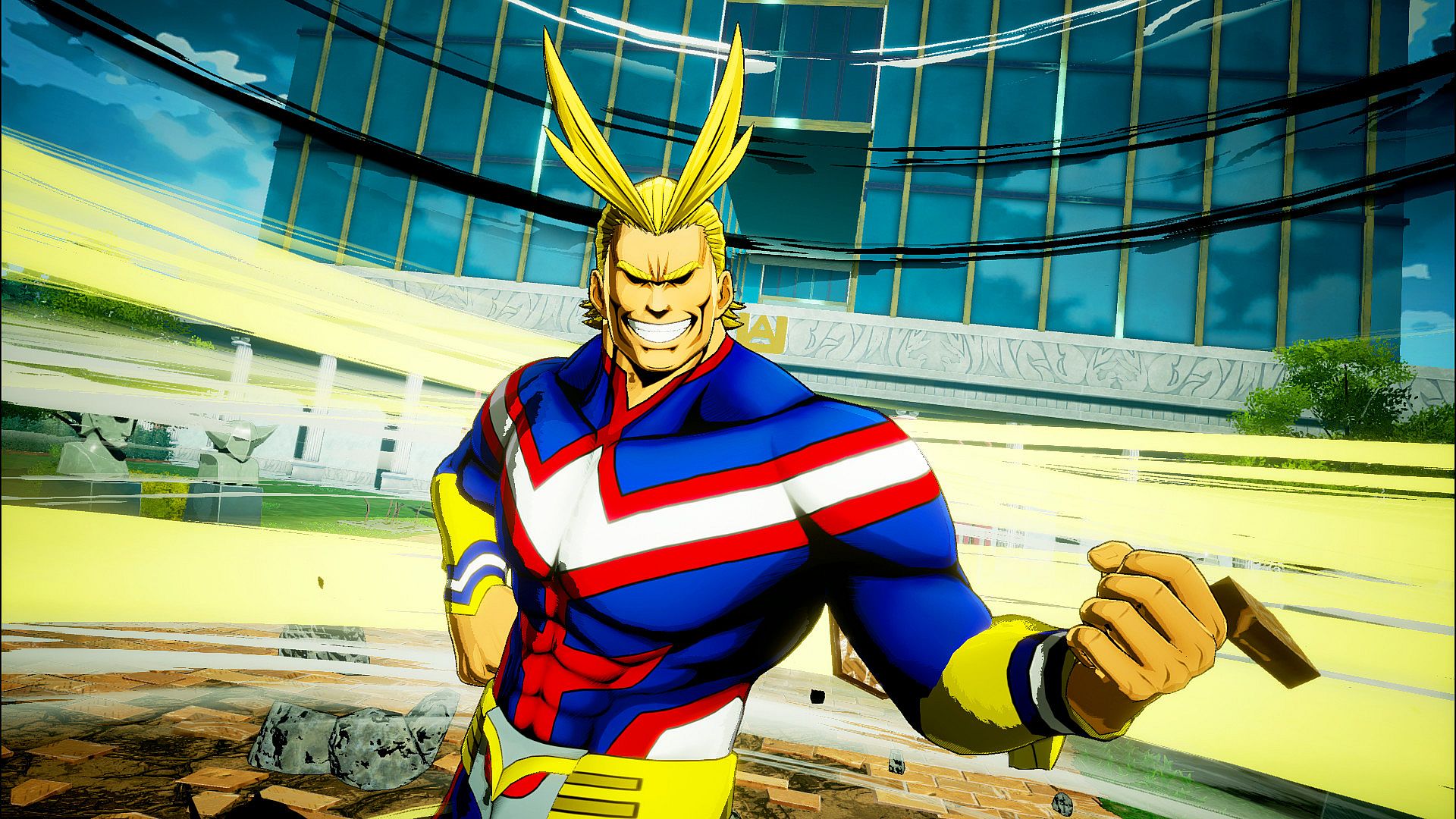
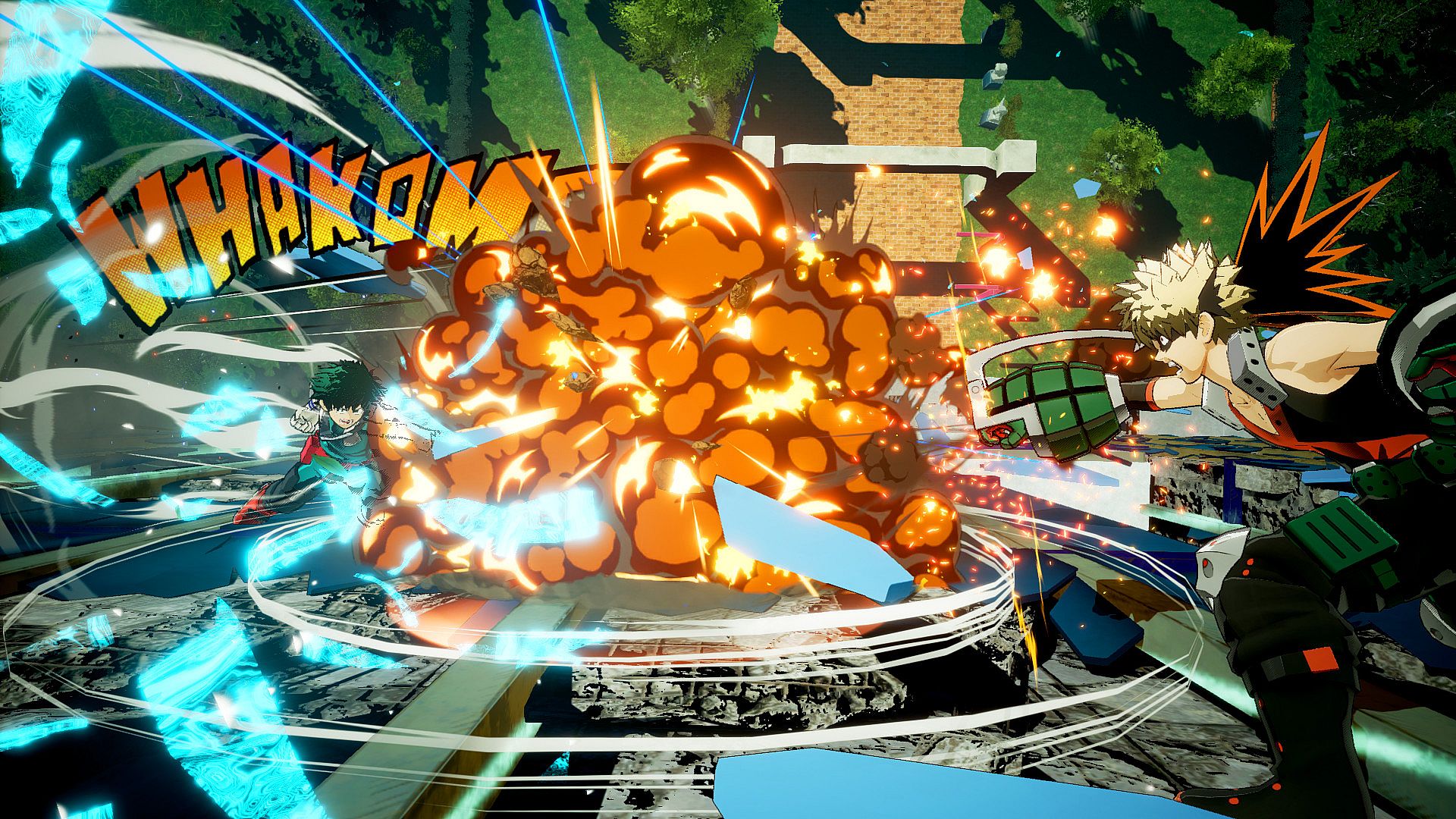
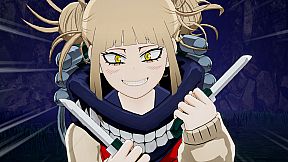

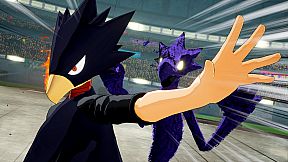
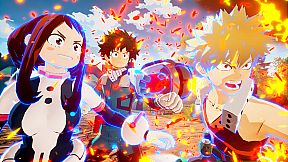
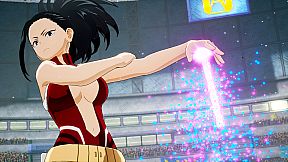
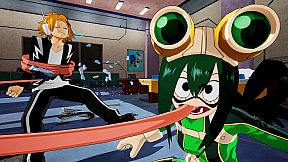
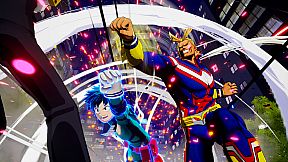
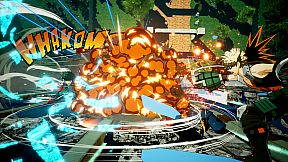
MY HERO ONE'S JUSTICE is a 3D arena fighter that brings the My Hero Academia series into head-to-head combat on PC. Players select from a roster of characters and use their distinctive Quirks to battle across arenas drawn from the manga and anime. The experience centers on choosing a side as either hero or villain, then progressing through key story events while customizing teams and appearances.
Gameplay
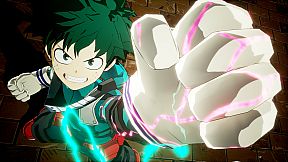
Combat revolves around Quirk abilities that deliver superhuman effects in real time. Characters execute moves based on their powers, such as Deku channeling One for All for powerful strikes, Shigaraki applying Decay to erode opponents, or Bakugo unleashing Explosion for area attacks. Sidekicks join the fight to expand each player's options and create varied team compositions during matches.
Arena movement allows free positioning in three dimensions, with attacks, blocks, and special maneuvers tied directly to individual Quirk mechanics. Customization extends beyond combat through unlockable accessories that alter character visuals without changing core abilities. The system supports both single-player progression and competitive online sessions where players climb leaderboards.
Game Modes
Story mode presents the narrative from dual perspectives, letting players experience events as heroes or villains across iconic moments. Mission mode offers structured challenges that test specific Quirk combinations and team setups. Free Battle serves as an open arena for practice or casual matches against AI or local opponents.
Network mode enables online multiplayer combat with ranking systems that track performance toward top hero or villain positions. Arcade mode delivers a series of escalating encounters, while Training mode provides a dedicated space to refine timing, combos, and Quirk usage. Additional options include Customize for appearance changes and Gallery for reviewing unlocked content.
Characters and Factions
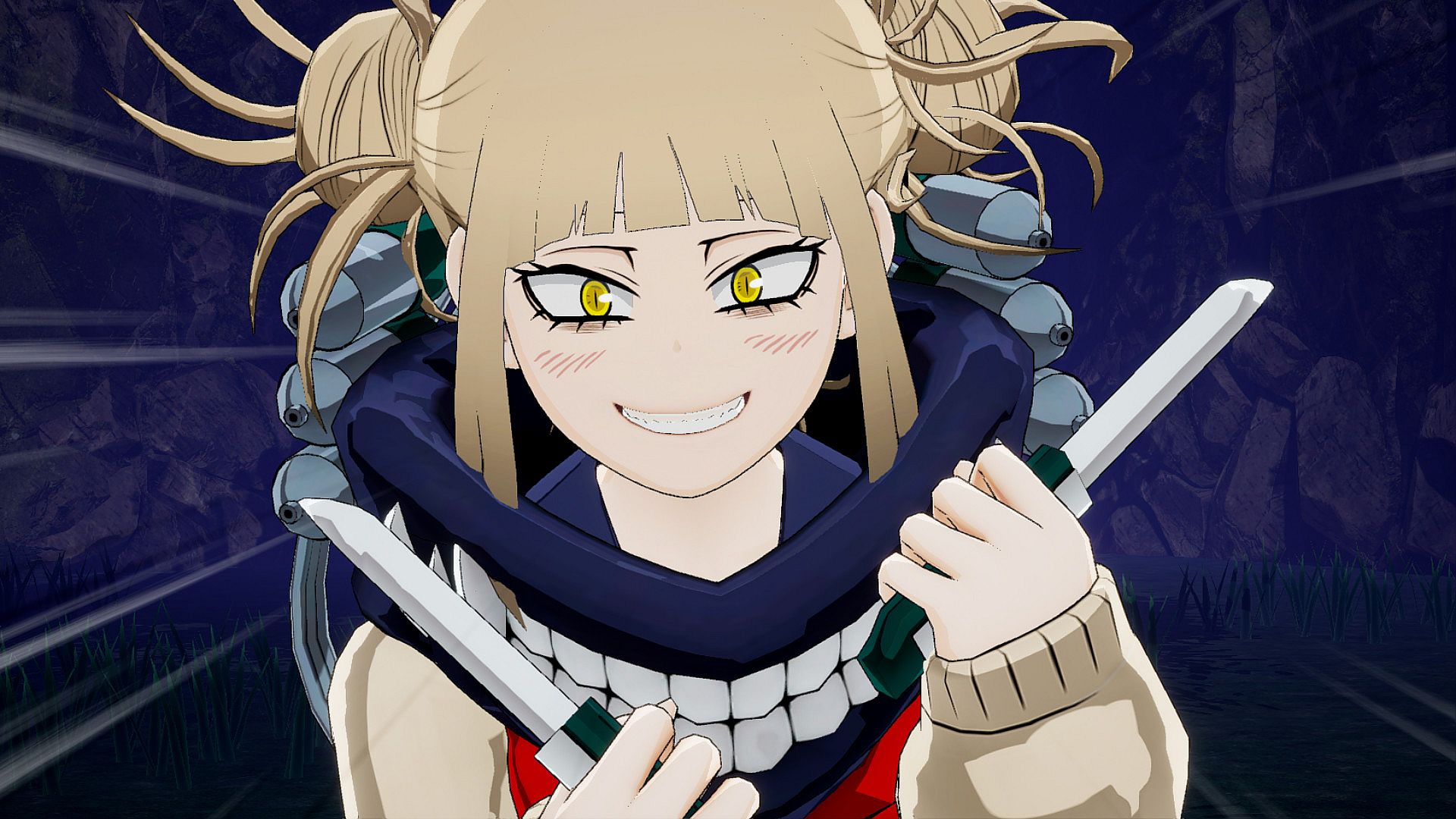
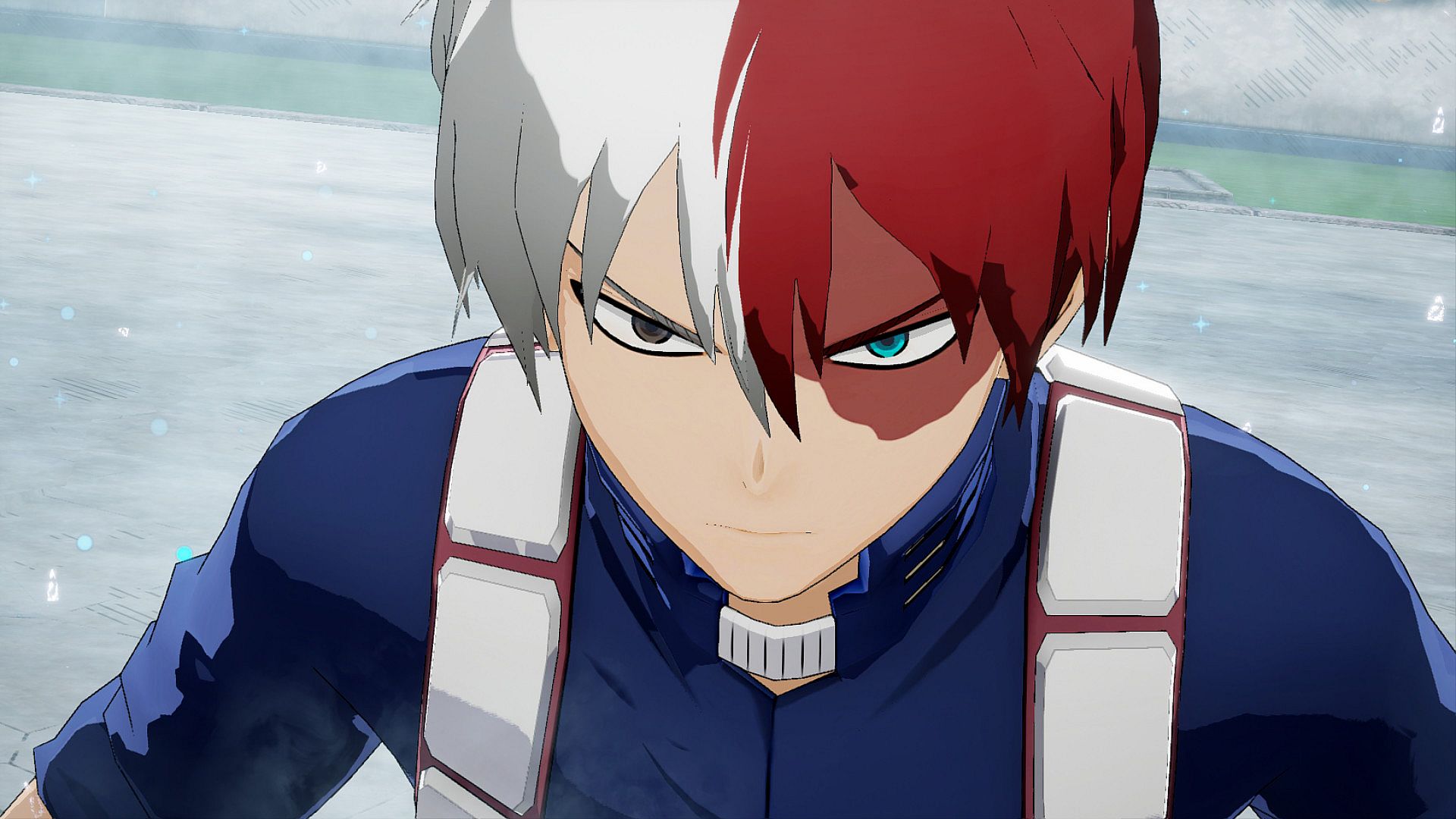
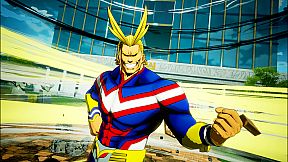
The roster features prominent figures including Deku, All Might, Shigaraki, and additional heroes and villains from the series. Each brings unique Quirk sets that define playstyle differences between factions. Hero-aligned characters often emphasize protective or supportive abilities, while villain options focus on disruptive or aggressive effects.
Sidekick selection further differentiates teams, allowing players to pair main fighters with supporting characters for combined strategies. This setup encourages experimentation across multiple matches without altering the fundamental arena fighter structure.
Is It Worth Playing?
The game suits fans of My Hero Academia who enjoy arena fighters with character-specific abilities and story integration. Its dual-perspective narrative and online leaderboards provide replay value for those interested in competitive play or revisiting series events. Local and online options accommodate both solo sessions and multiplayer matches.
Core systems remain intact since release, with no ongoing seasonal content or major updates confirmed in recent years. Players seeking a straightforward Quirk-based fighter tied to the source material will find the available modes and customization features deliver consistent engagement. Those outside the fandom may find the appeal narrower due to the focused theme and mechanics.