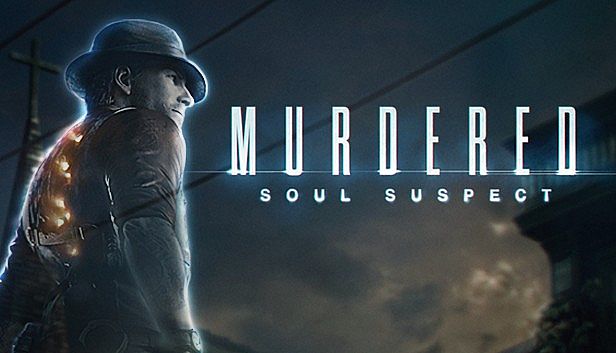





















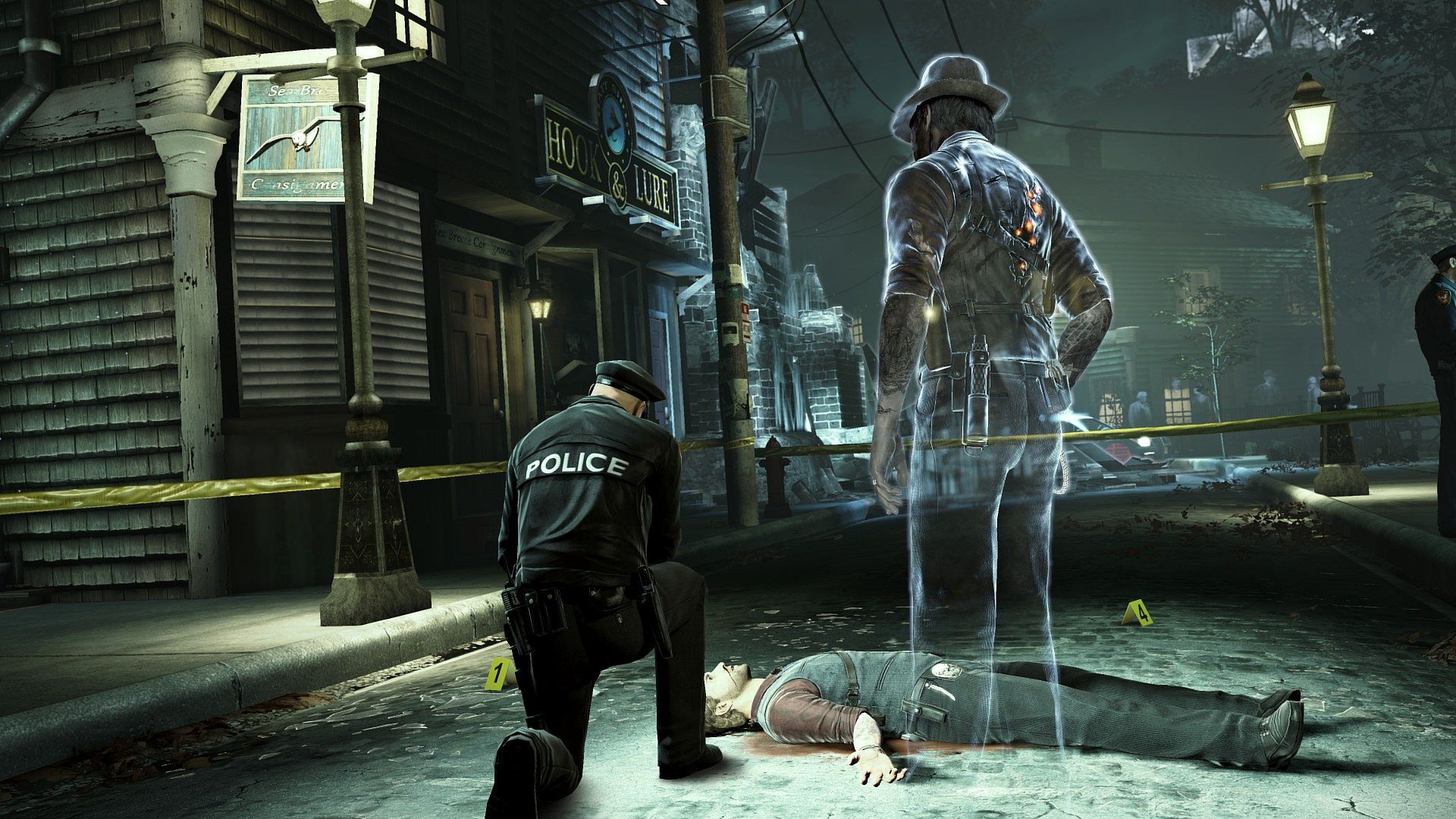
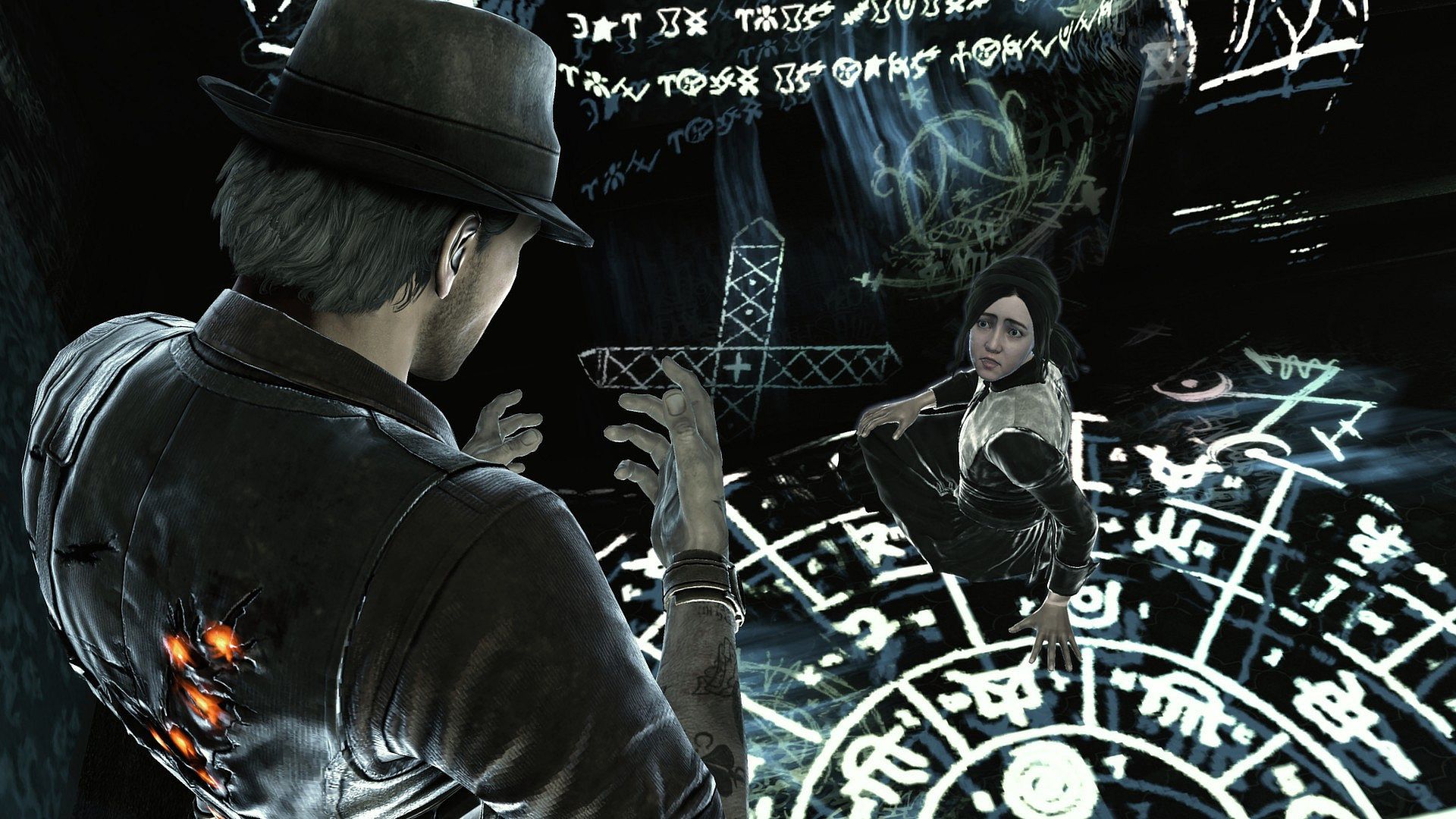
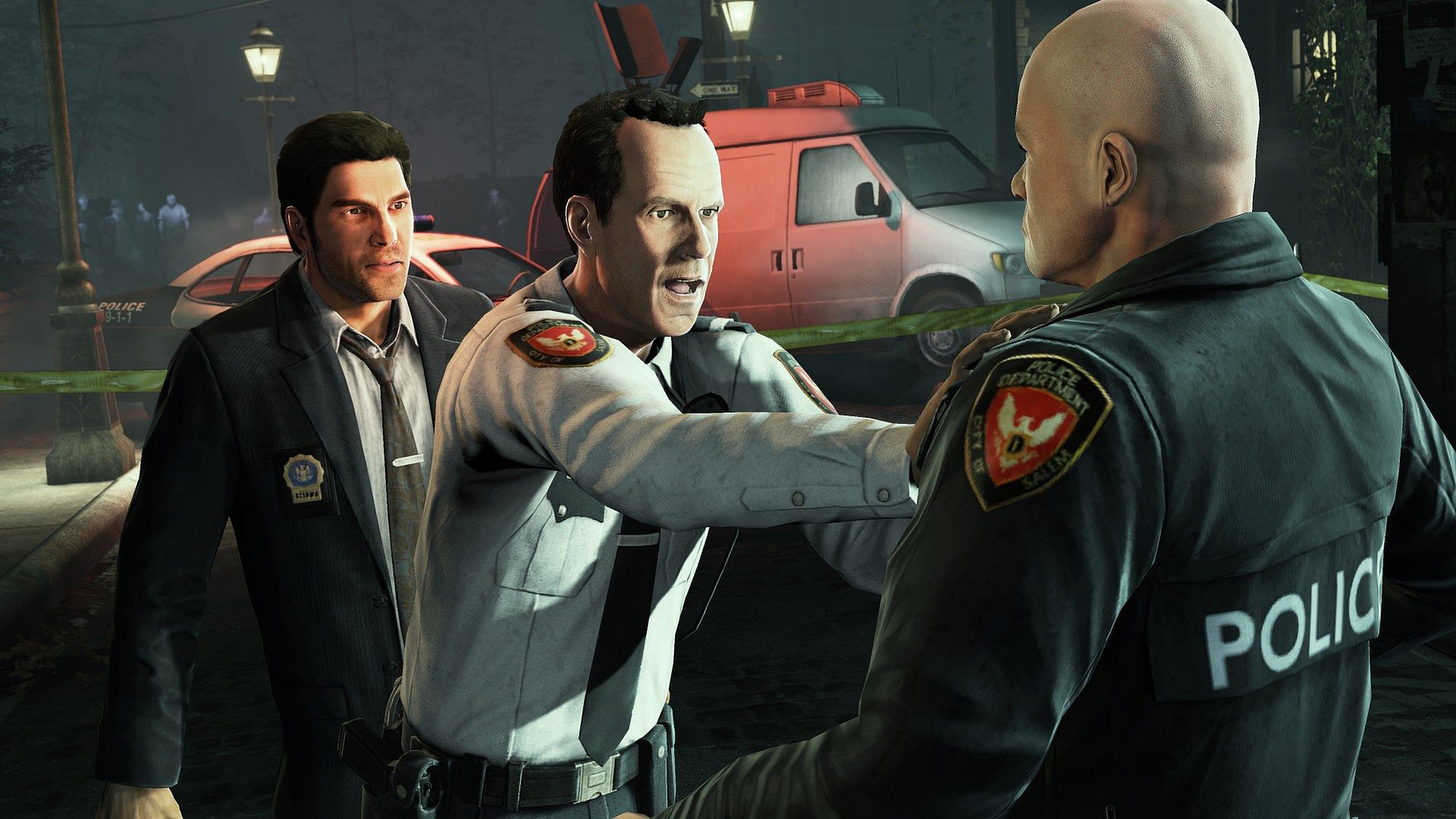
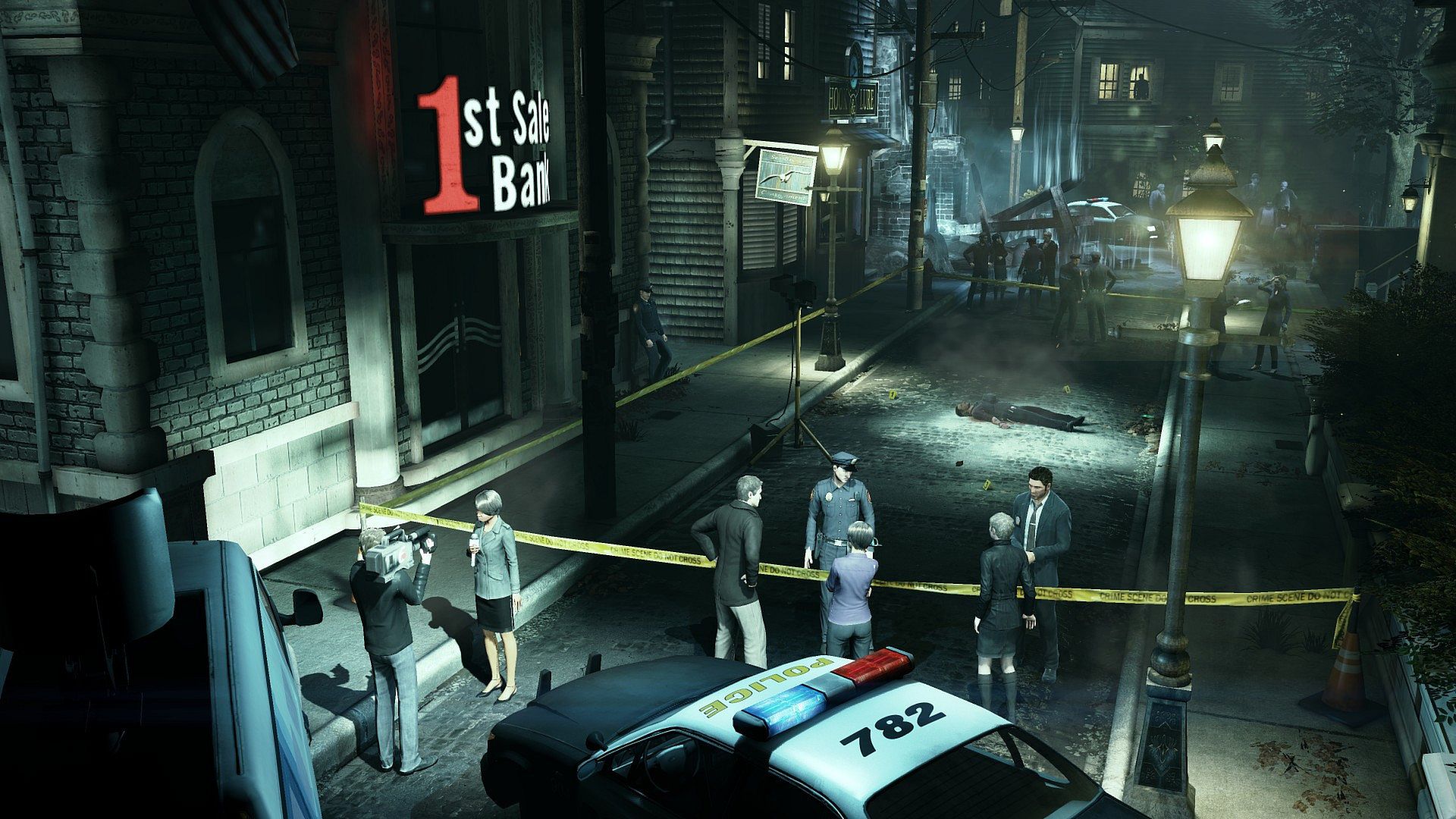
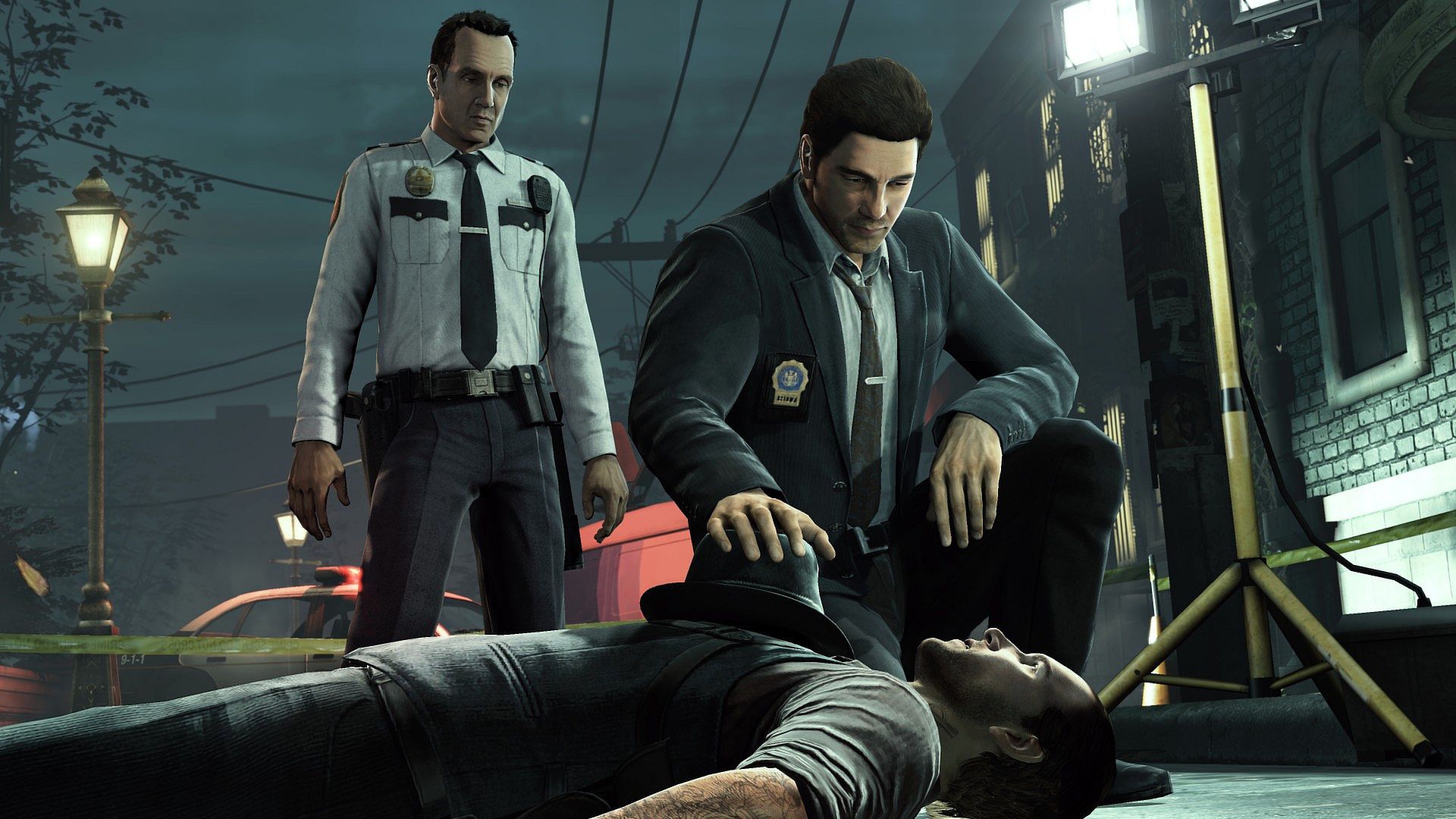

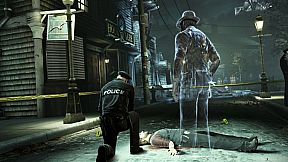
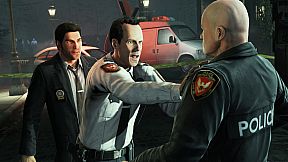
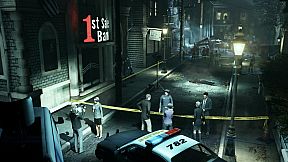
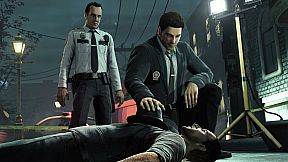
Murdered: Soul Suspect is a single-player action RPG adventure game set in the town of Salem. Players take on the role of detective Ronan O'Connor, who must solve his own murder after being killed during a burglary investigation. The story unfolds in a modern setting with strong ties to the supernatural, blending detective work with ghostly abilities as Ronan navigates the world of the living and the afterlife known as Dusk.
Gameplay
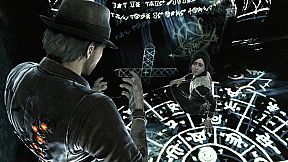
The core loop centers on exploration and investigation across Salem's streets, wooden houses, churches, and other locations. Ronan moves through environments by phasing through walls, teleporting between points of ghostly residue, and fading to avoid detection. These abilities allow access to restricted areas and hidden clues that would otherwise remain out of reach.
Investigation sequences require gathering physical evidence at crime scenes and piecing together events, similar to structured deduction systems in other detective titles. Additional information comes from possessing living people to overhear thoughts or influence their actions, as well as interrogating spirits and uncovering memories embedded in the environment. Side investigations involving past residents of Salem provide extra context about the town's history and help build a clearer picture of the central mystery.
Combat takes the form of evasion rather than direct confrontation. Demonic spirits patrol certain areas and attempt to consume souls on sight. Ronan must use stealth, distractions created through poltergeist effects, and quick repositioning to slip past them without losing progress. Collectibles scattered throughout the world reward thorough exploration and contribute to an overall detective ranking.
Game Modes
The game operates entirely in single-player format with no multiplayer components. The primary experience follows the main storyline from start to finish, advancing through a series of investigation hubs and narrative sequences. Optional content includes numerous side cases tied to Salem's citizens and historical figures, which players can pursue at any time, including after completing the central plot. These cases function as self-contained mysteries that expand on the town's lore without altering the main progression.
Exploration remains open within visited locations, allowing returns to earlier scenes to follow new leads or finish incomplete investigations. There are no separate difficulty modes, competitive elements, or co-operative options confirmed in the game's design.
Story and Setting
Salem serves as the central hub, presented as a brooding New England town with gothic architecture and lingering supernatural undercurrents. The narrative follows Ronan's efforts to identify his killer while uncovering broader secrets hidden in the community. A supporting cast of characters provides dialogue and context that raises ongoing questions about motives and hidden connections.
The afterlife elements introduce a limbo state where Ronan interacts with other spirits and demonic entities. Revelations about the killer emerge gradually through collected evidence and supernatural insights, maintaining a focus on deduction and discovery rather than action set pieces.
Is It Worth Playing?
Murdered: Soul Suspect delivers a compact, story-focused experience centered on supernatural detective work. Player feedback highlights strengths in atmosphere, voice acting, and the unique premise of solving one's own murder, while noting that the investigative mechanics and stealth sections can feel repetitive over longer sessions. Recent Steam reviews trend positive among those revisiting the title, though aggregate critic scores from its original release period sit in the mixed range.
The game suits players interested in narrative-driven adventures with light RPG progression through clue collection and ability use. It offers no ongoing updates or seasonal content, existing as a complete, self-contained release from 2014 that remains available on PC. Those seeking a short mystery with ghost mechanics and exploration will find the most value, while players expecting deep combat systems or extensive replayability may find the scope limited. The absence of multiplayer keeps the focus squarely on the single-player campaign and optional investigations.