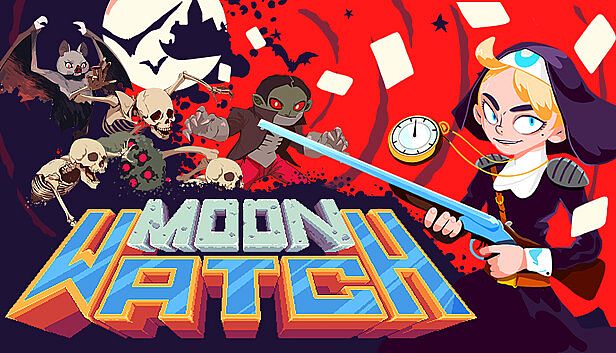















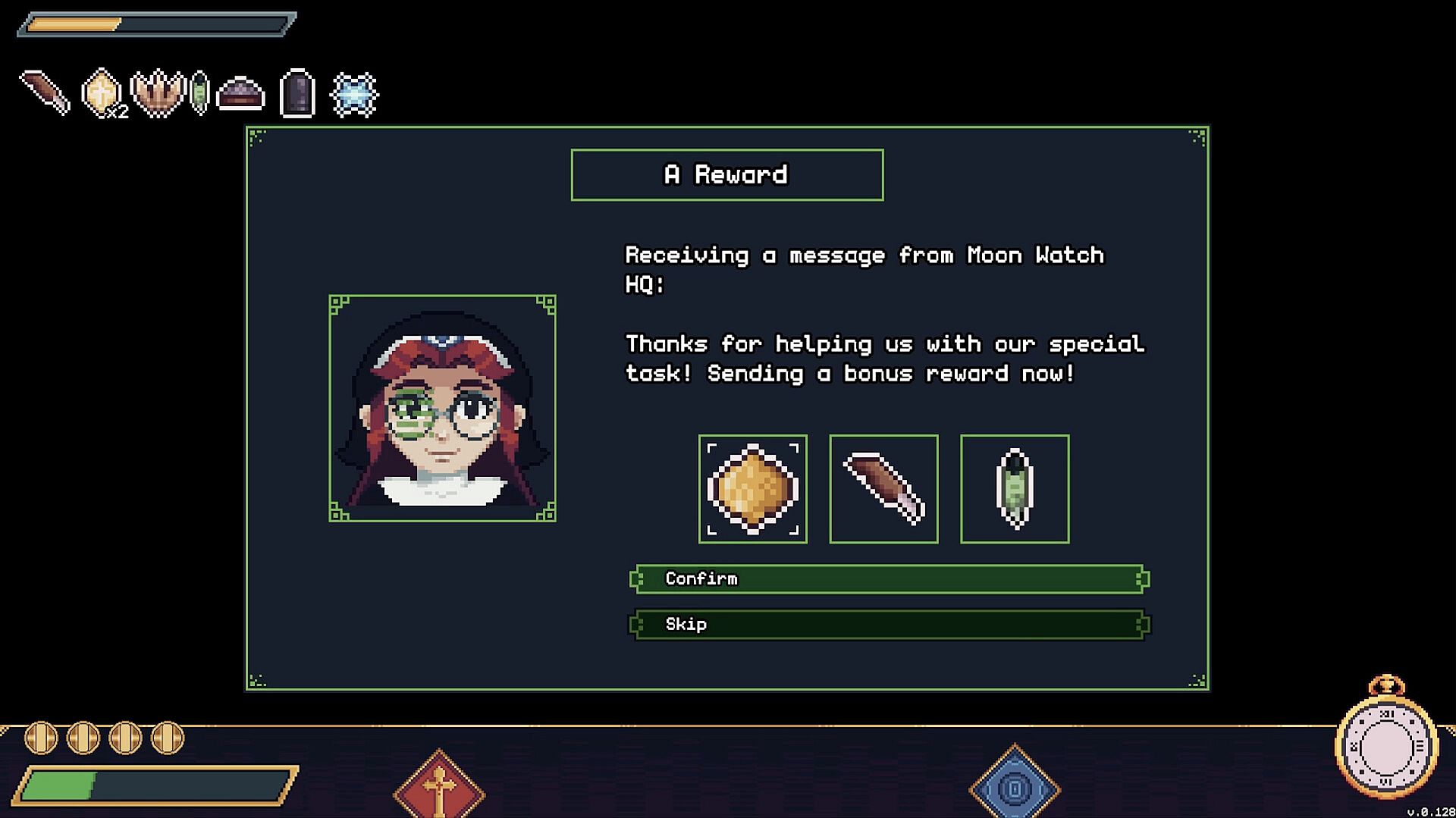
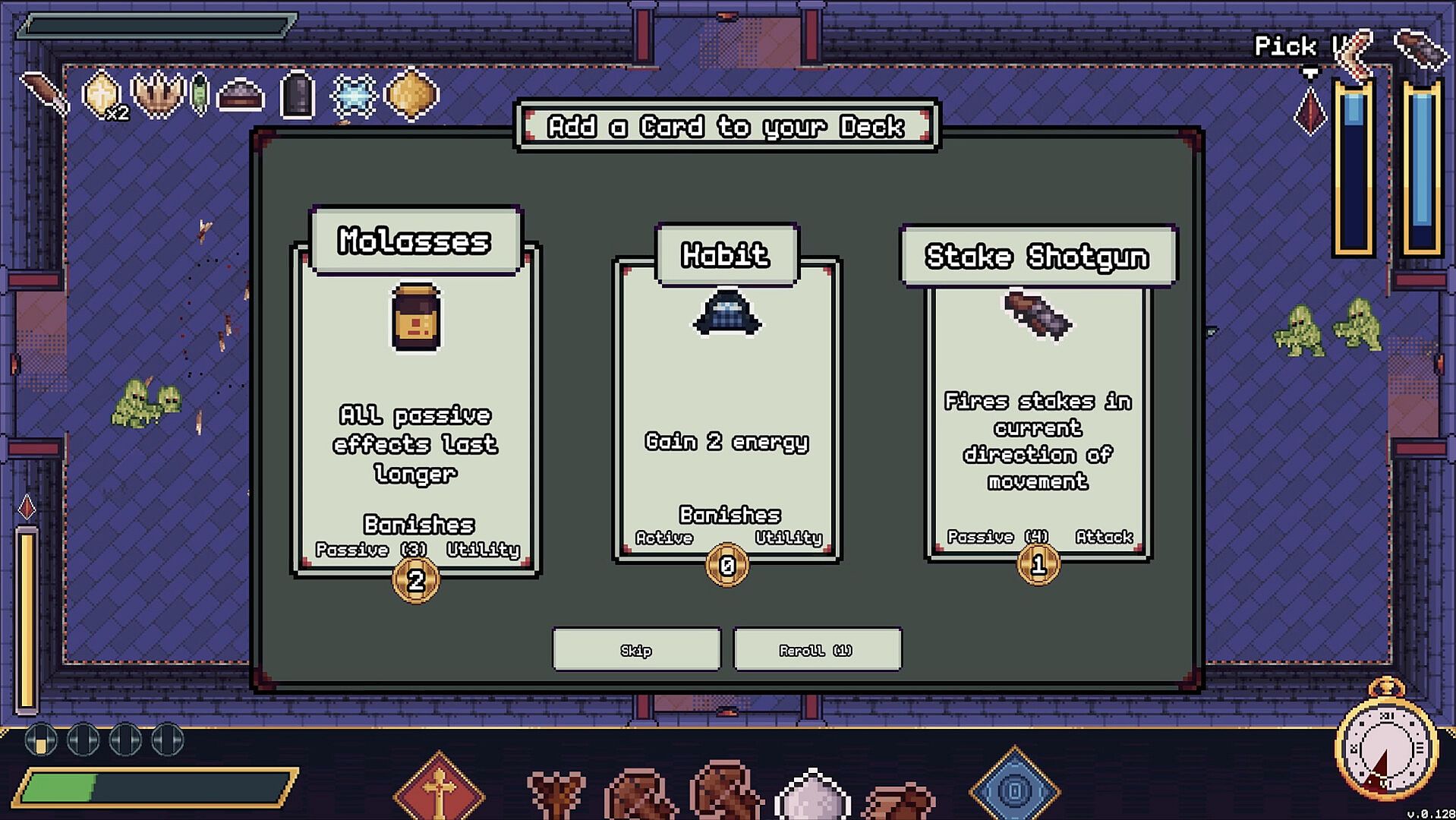
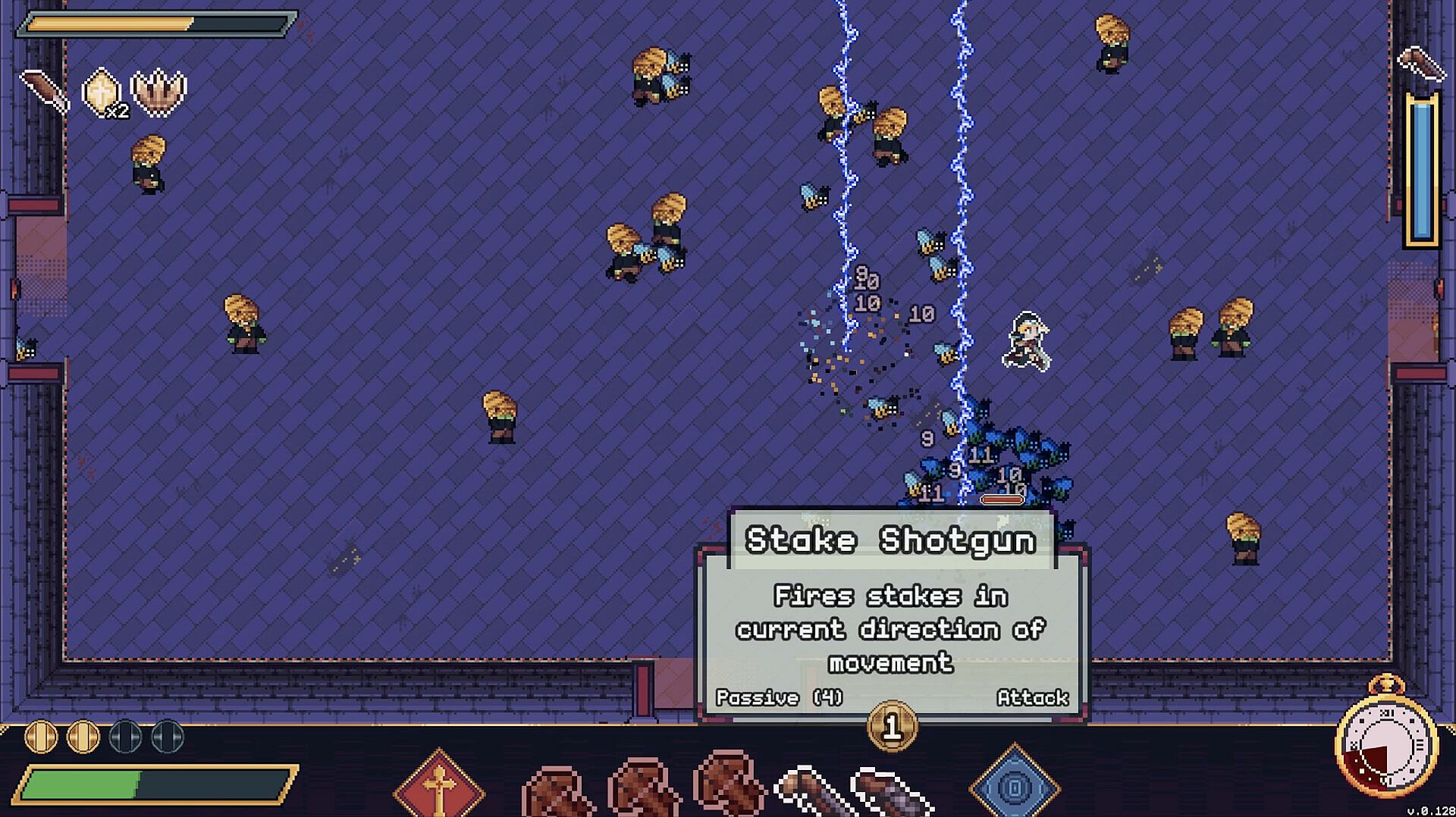
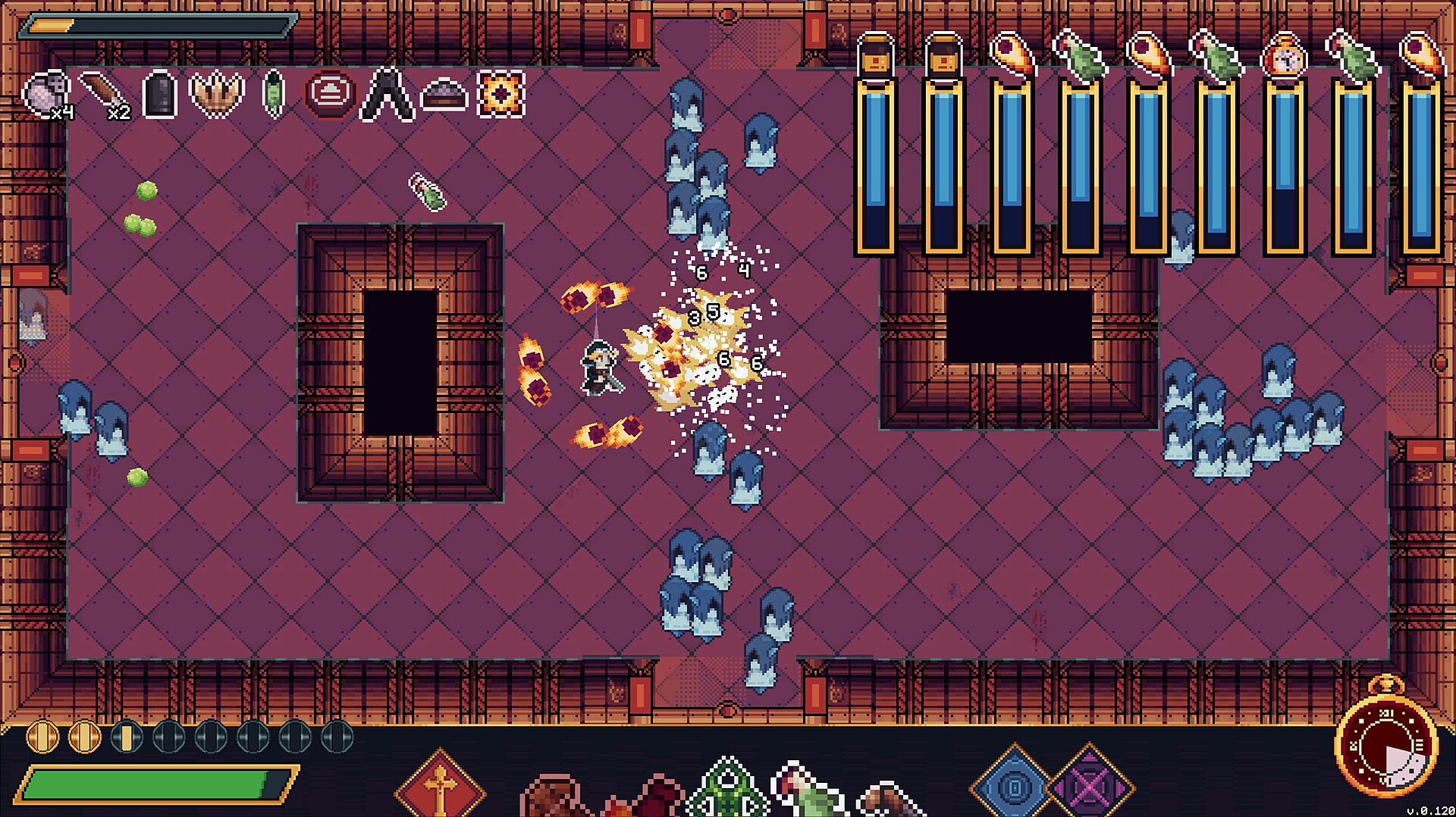
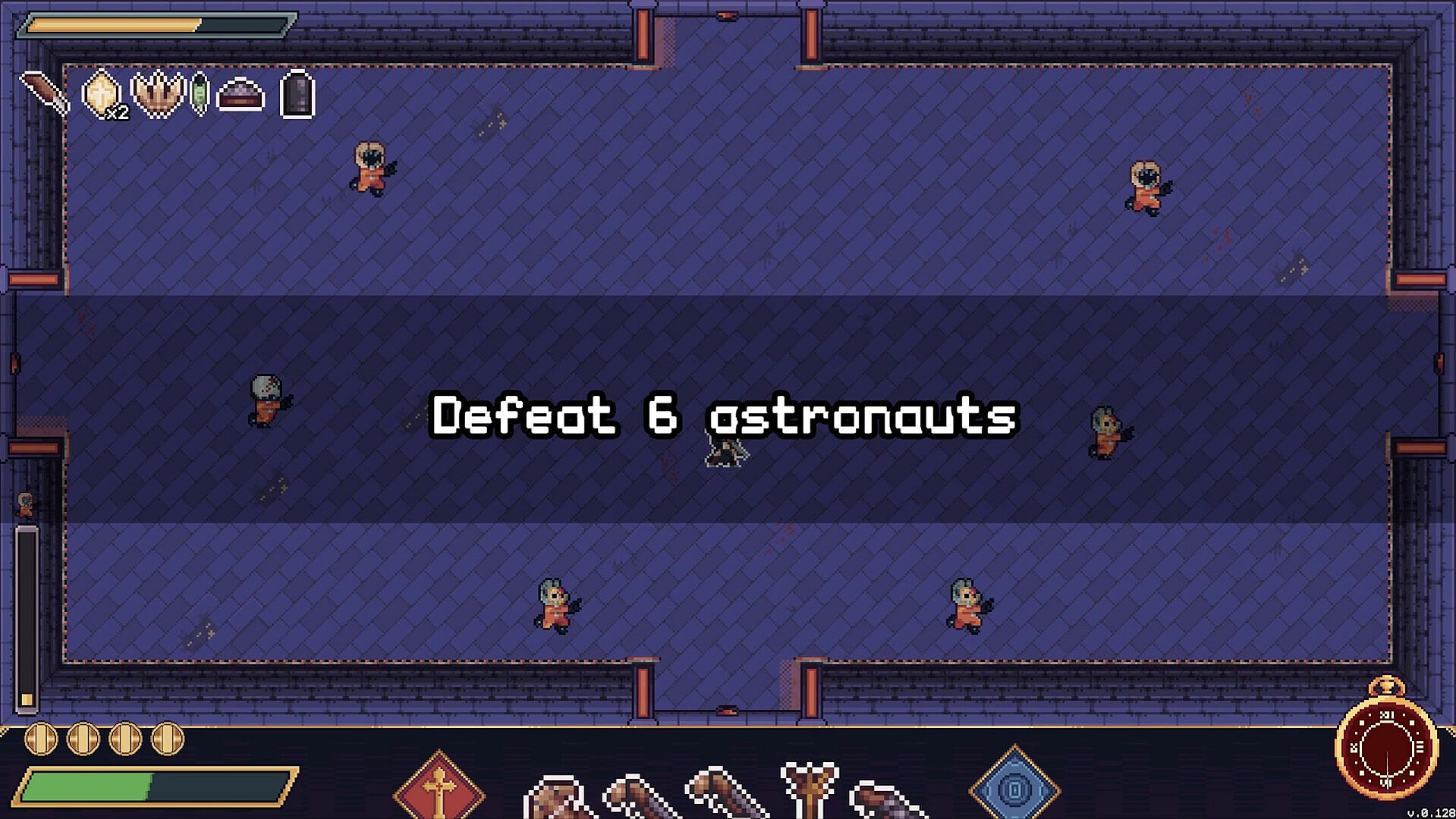
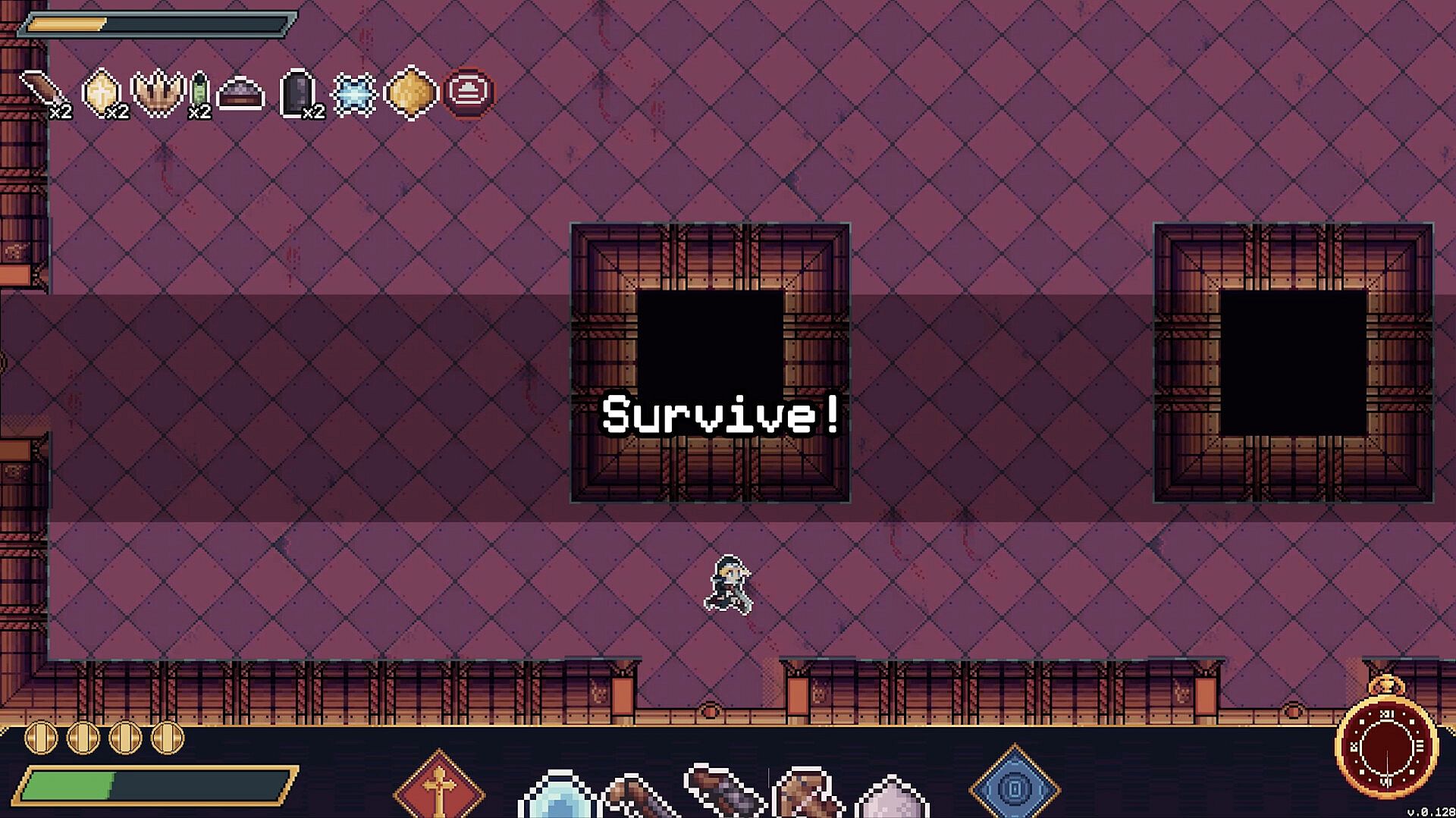
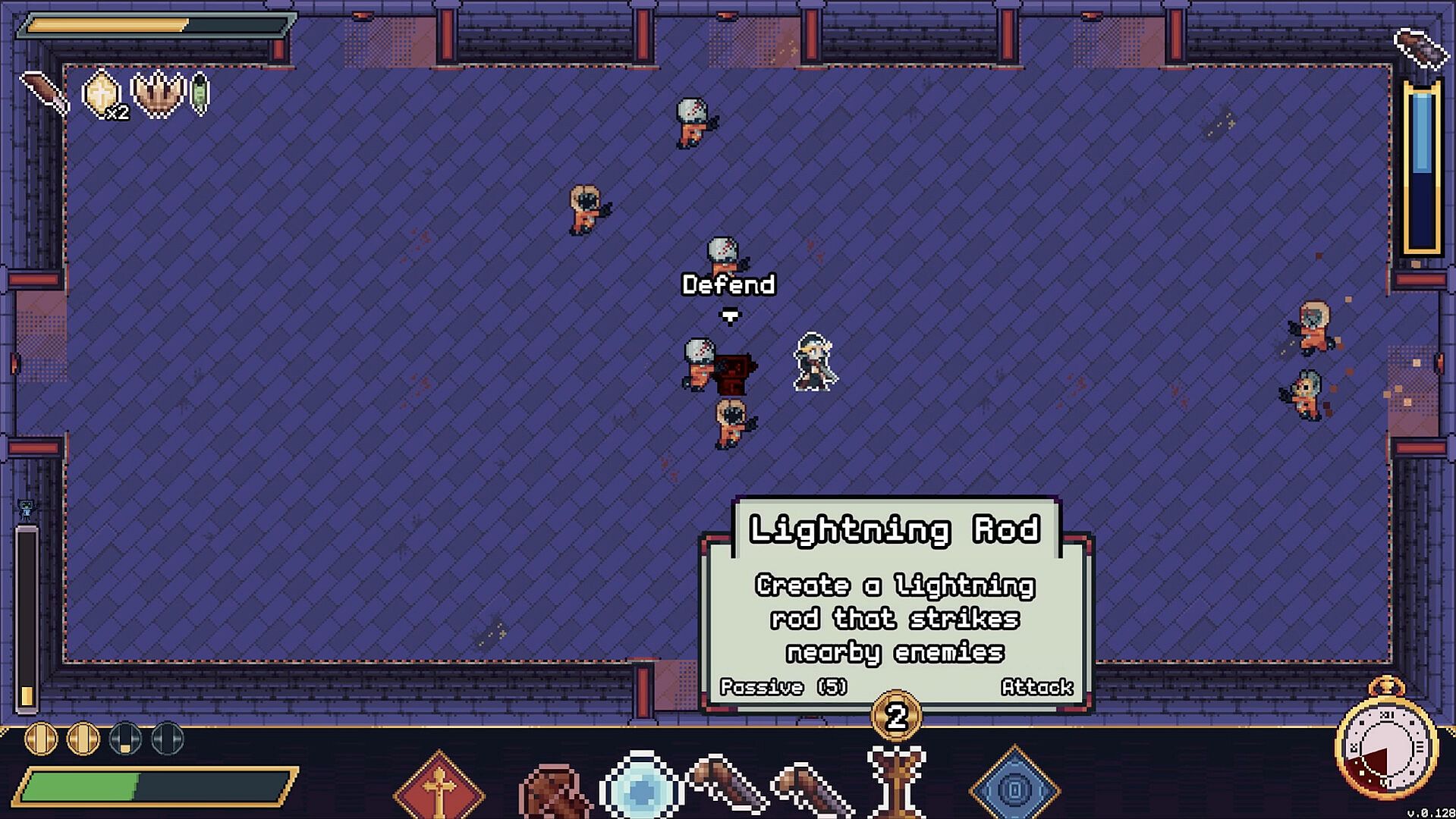
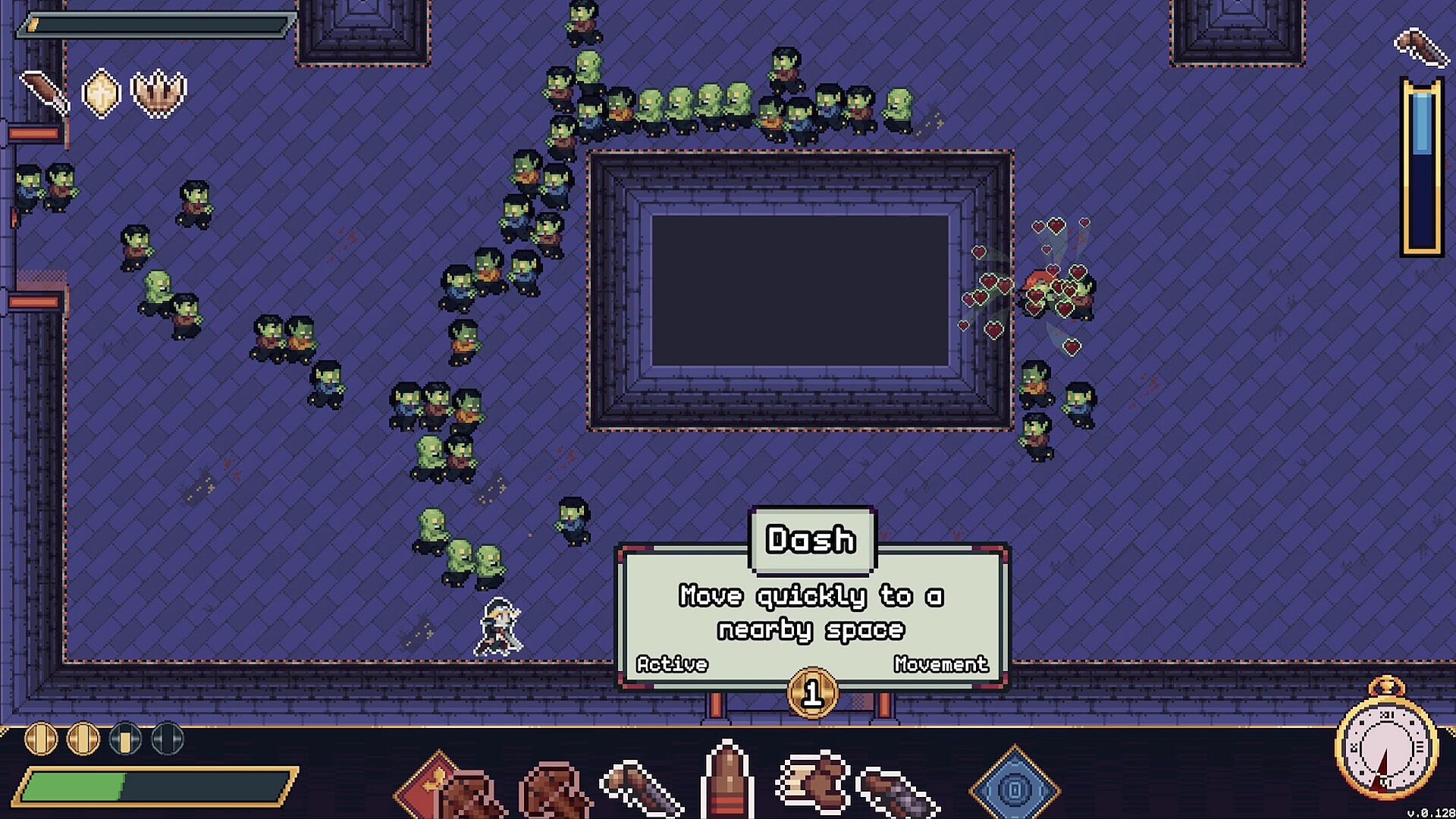
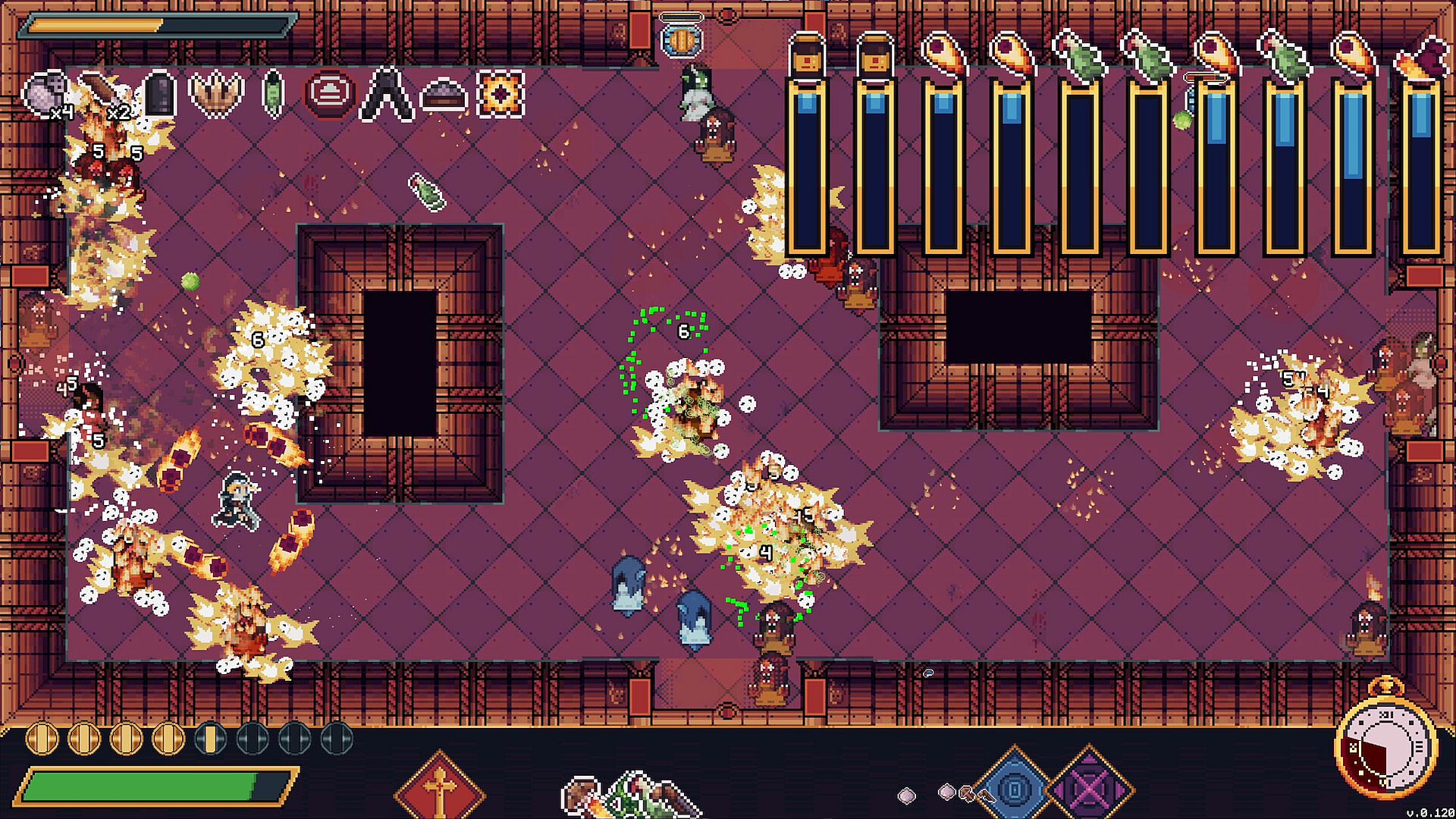
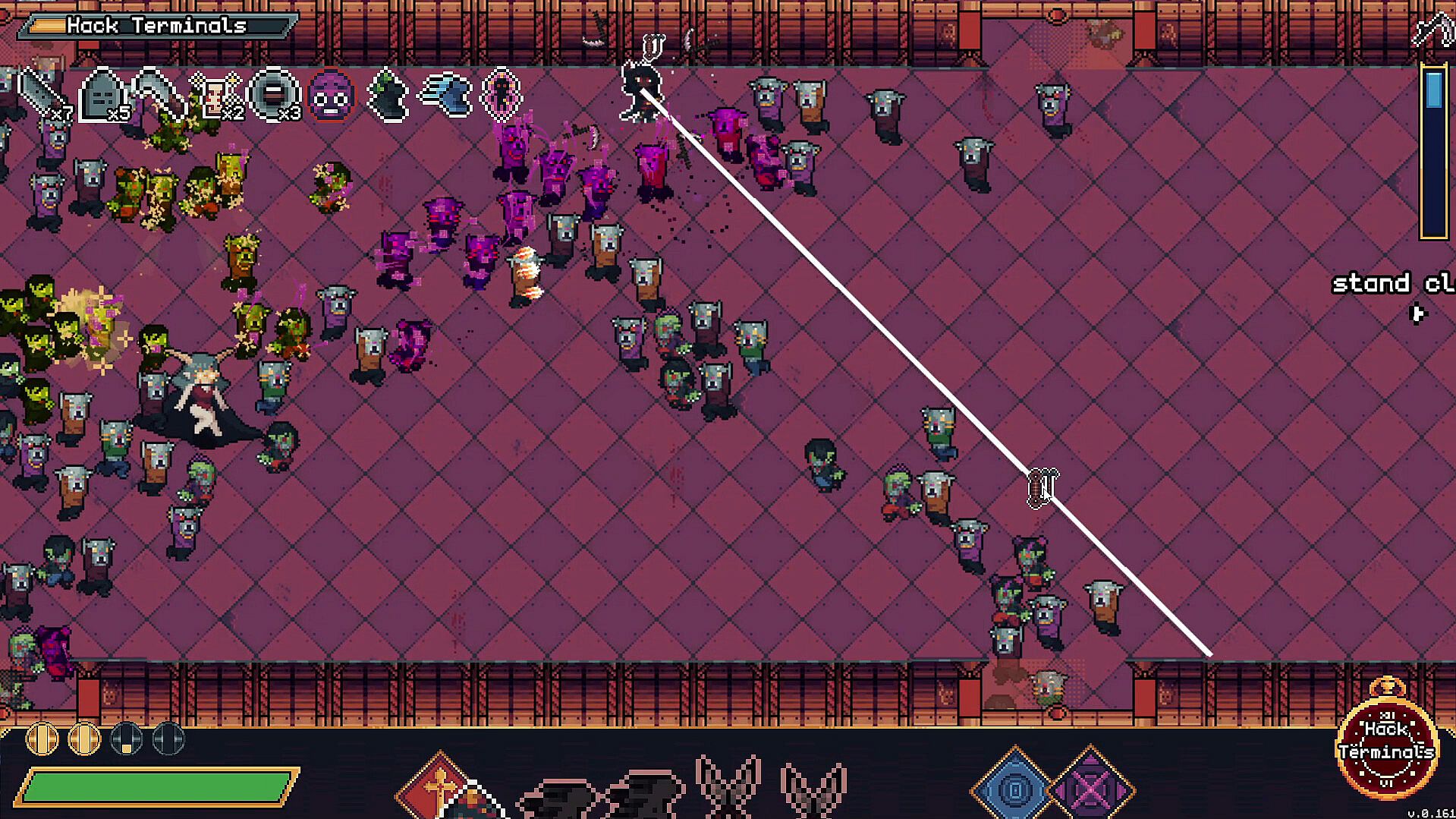
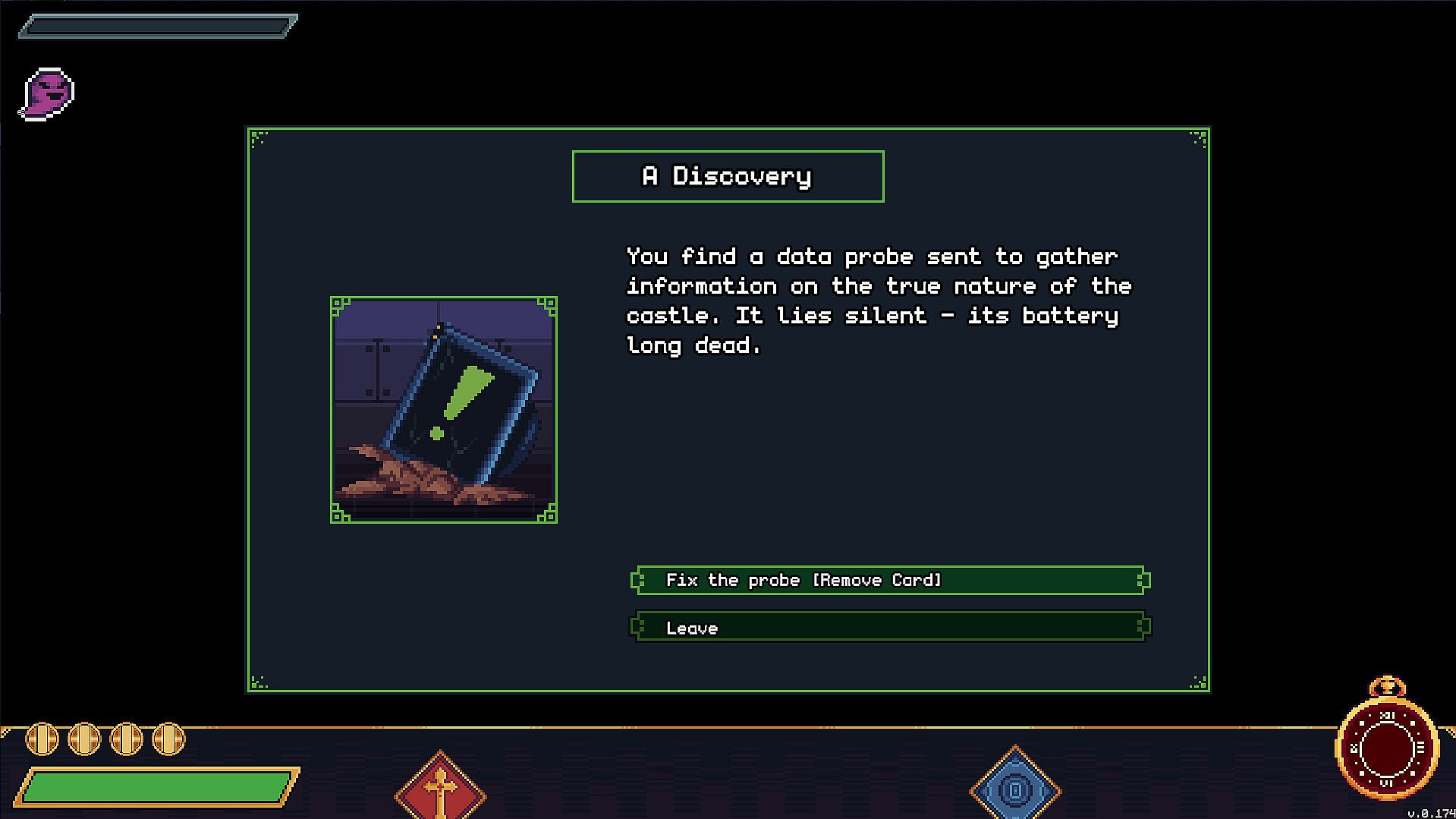
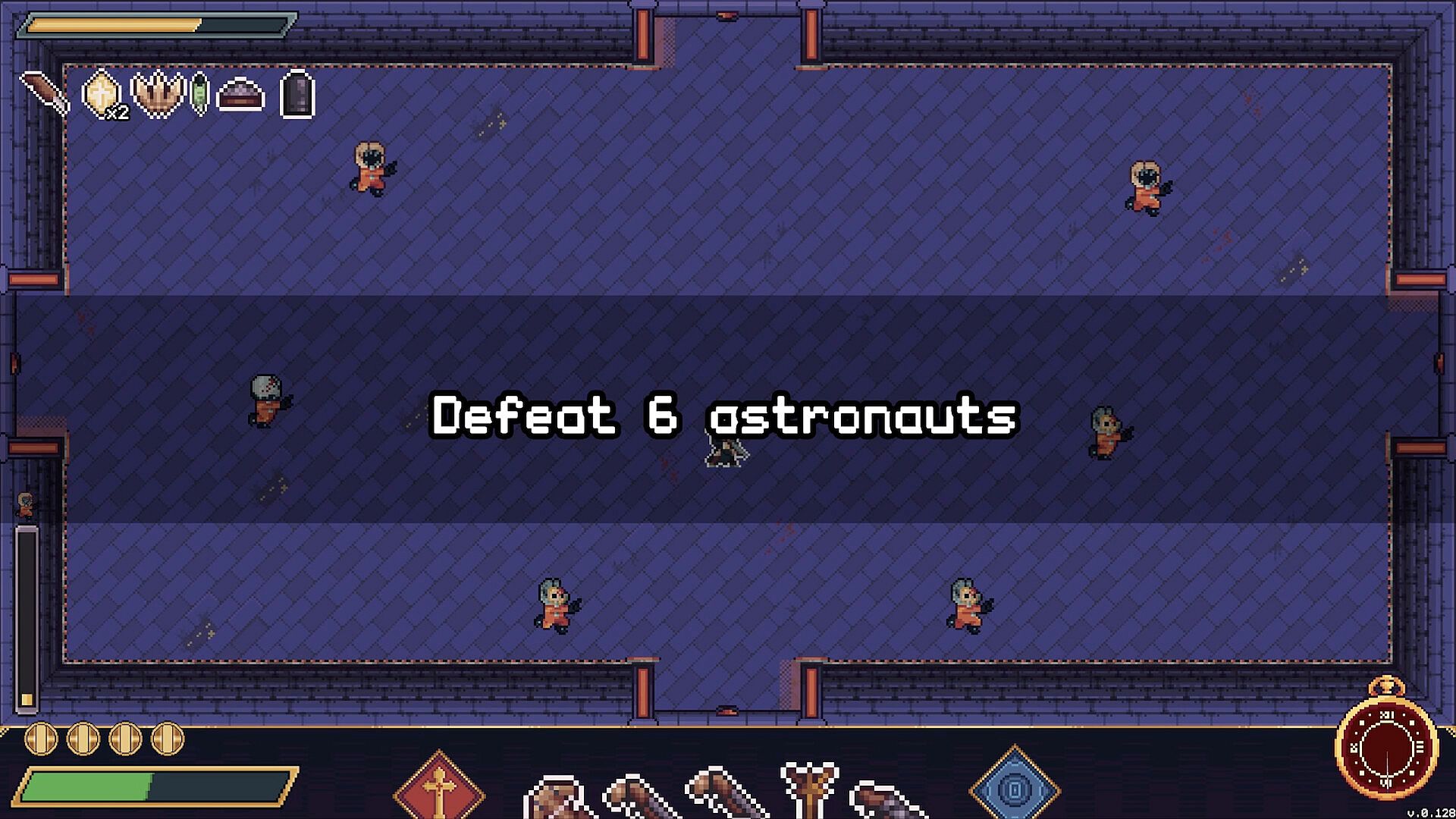
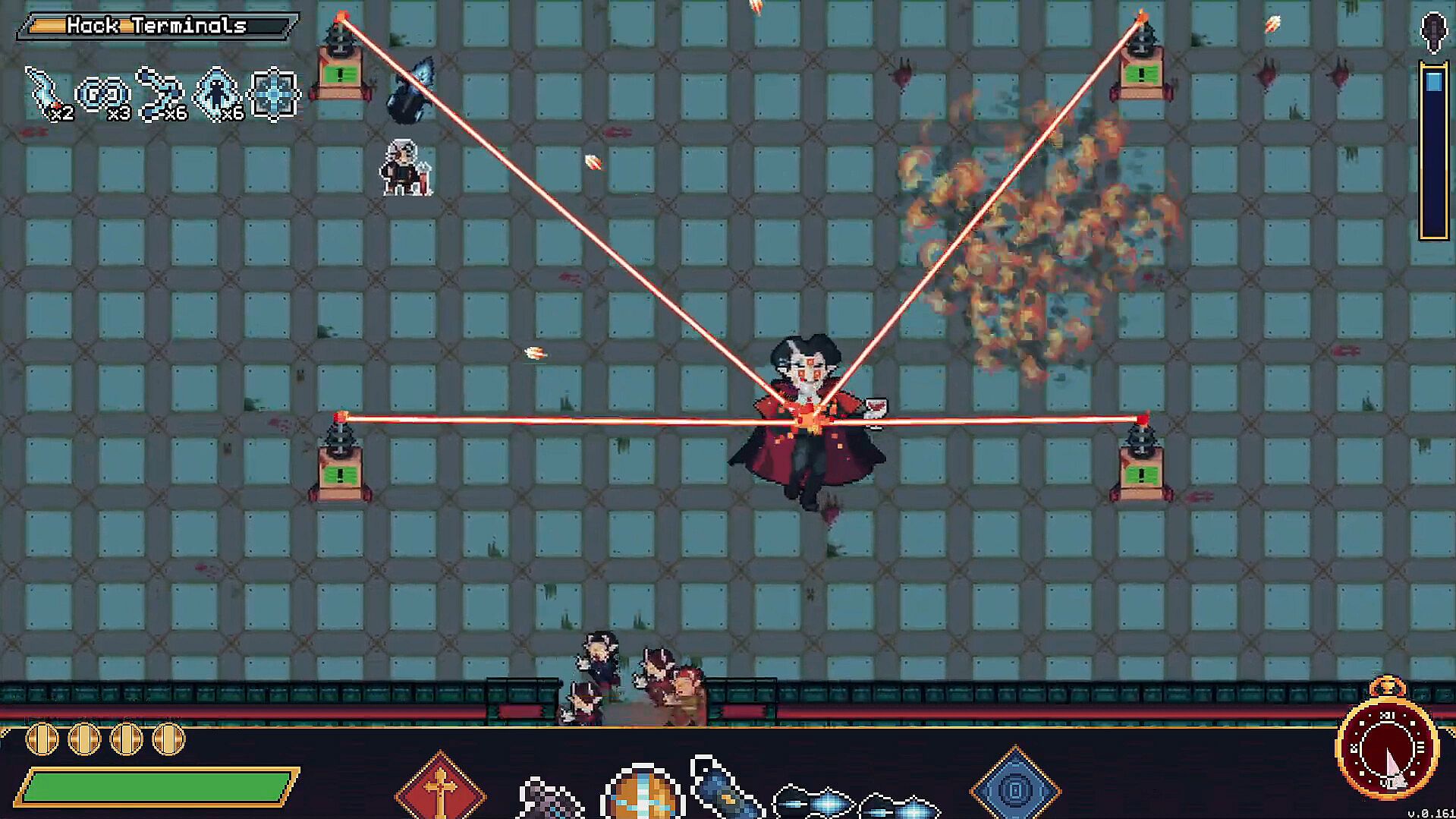
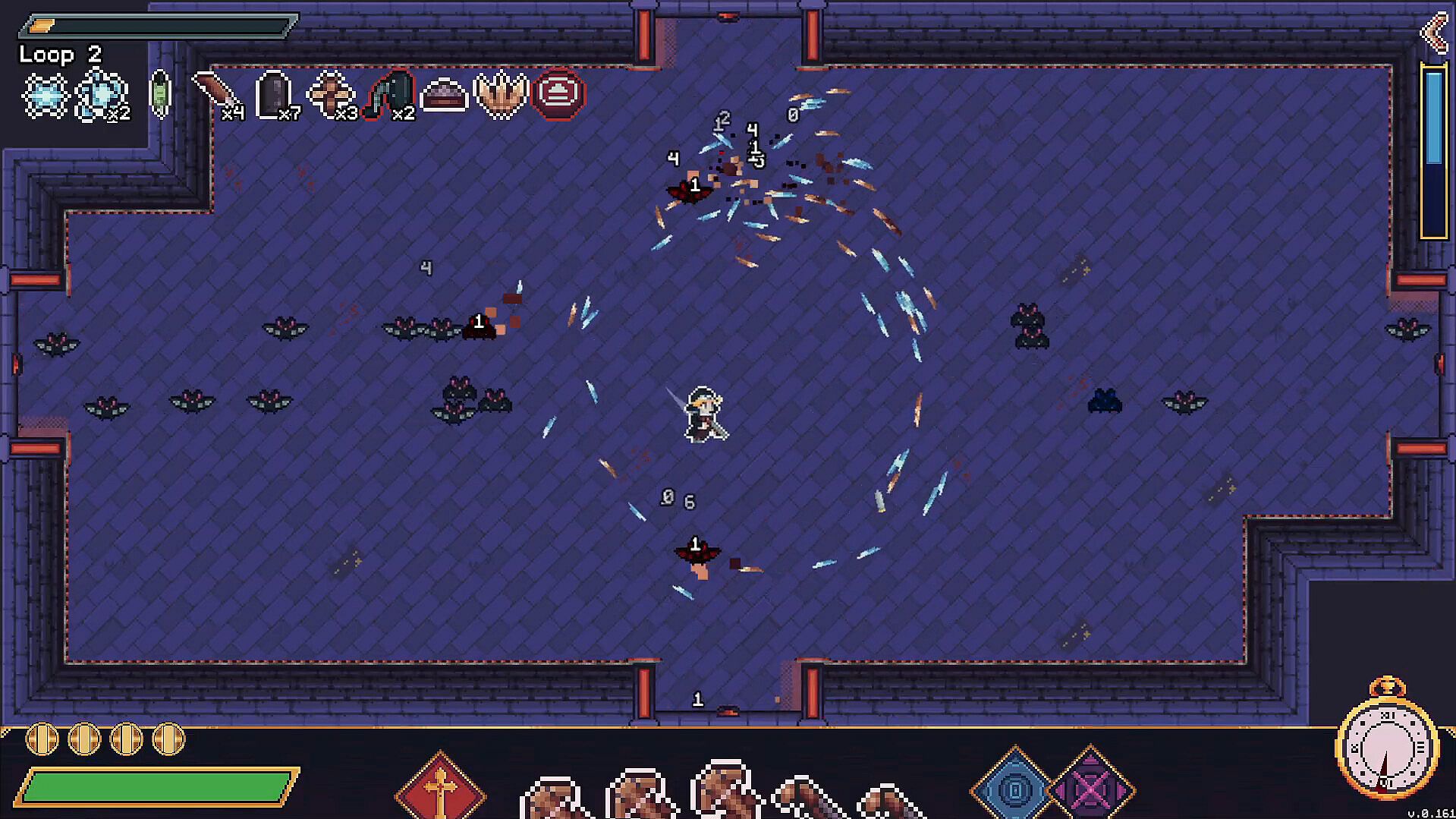
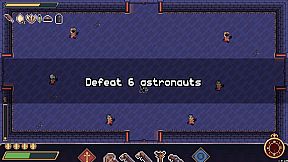
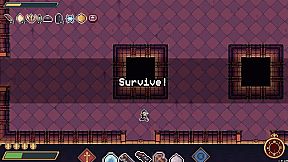
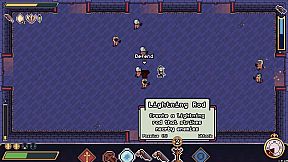
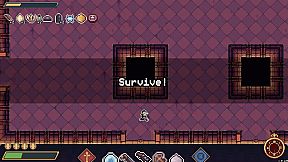
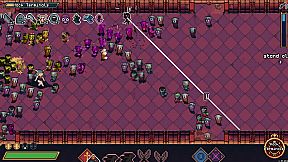
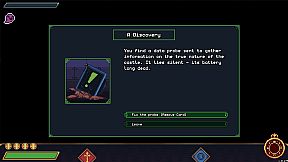
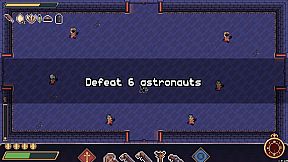
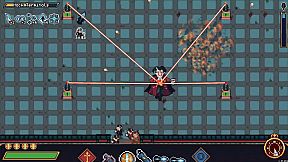
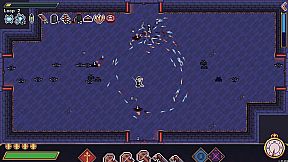
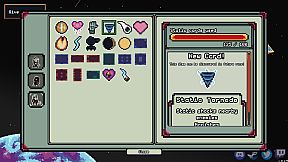
Moon Watch is a bullet hell deckbuilder that combines strategic card crafting with fast-paced action gameplay on PC. Players control time itself to manage overwhelming enemy swarms while building powerful decks across multiple runs. The game draws from action, strategy, indie, RPG, casual, and adventure genres while remaining in Early Access with ongoing development focused on balance and content expansion.
Gameplay
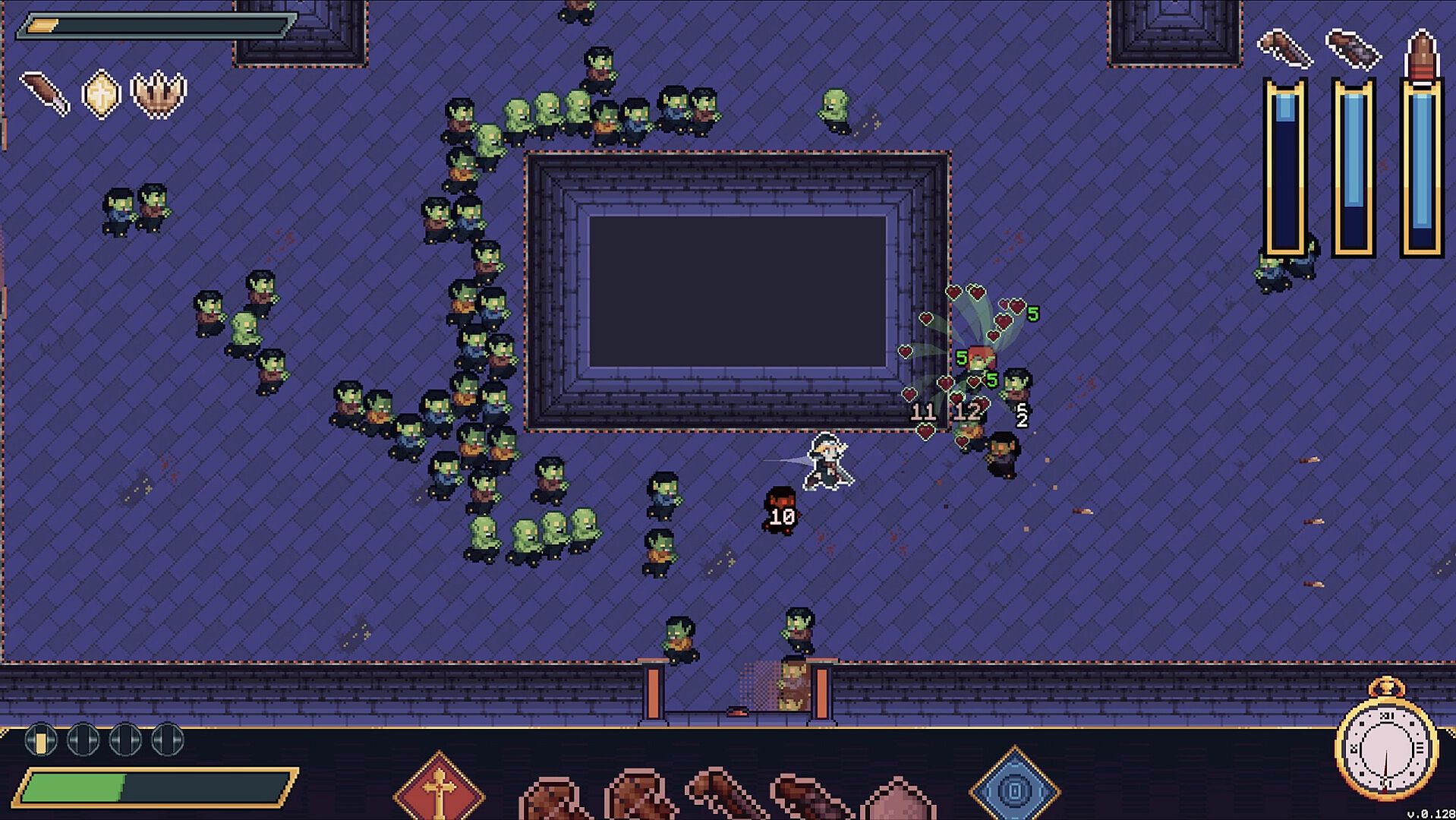
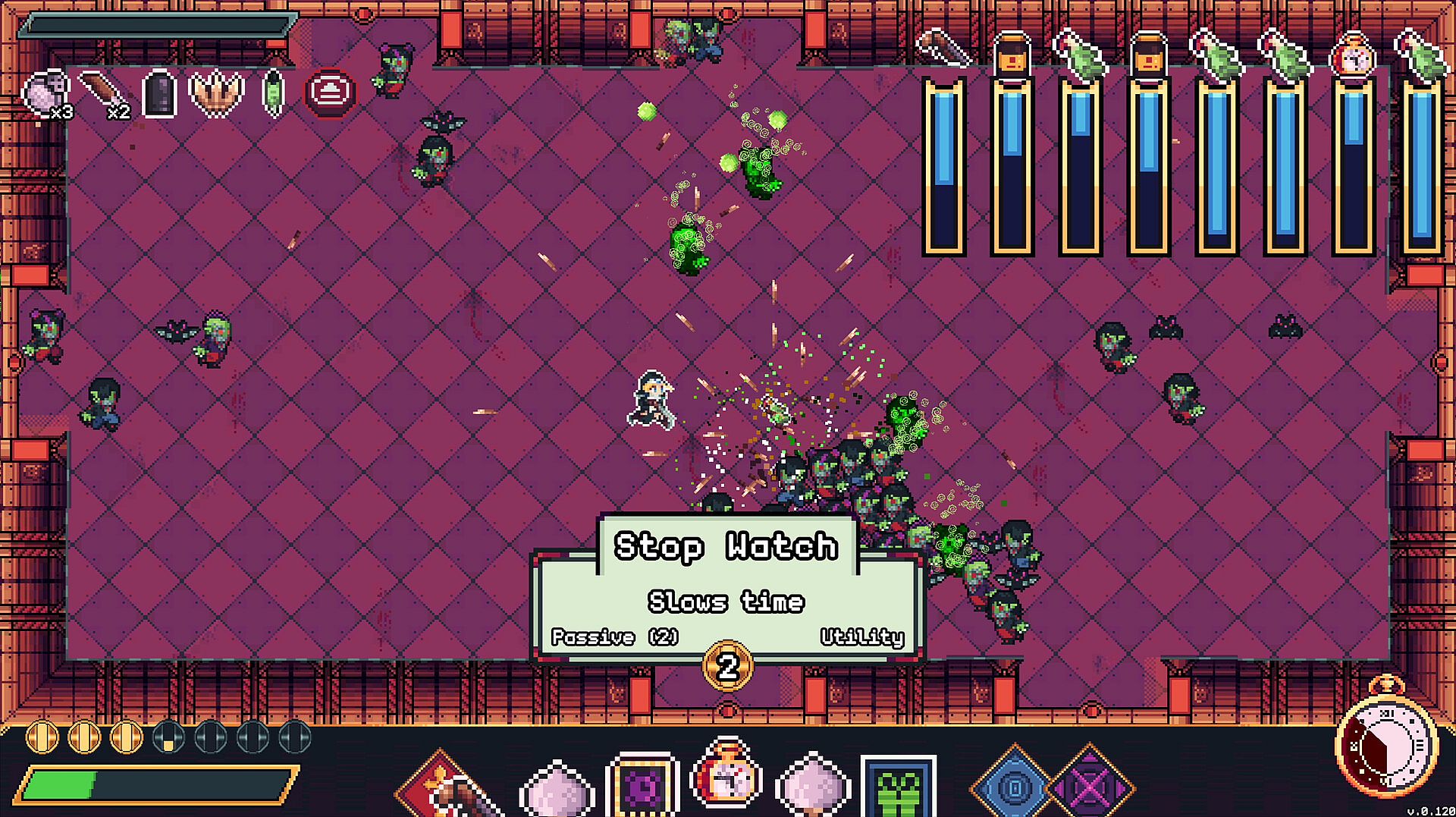
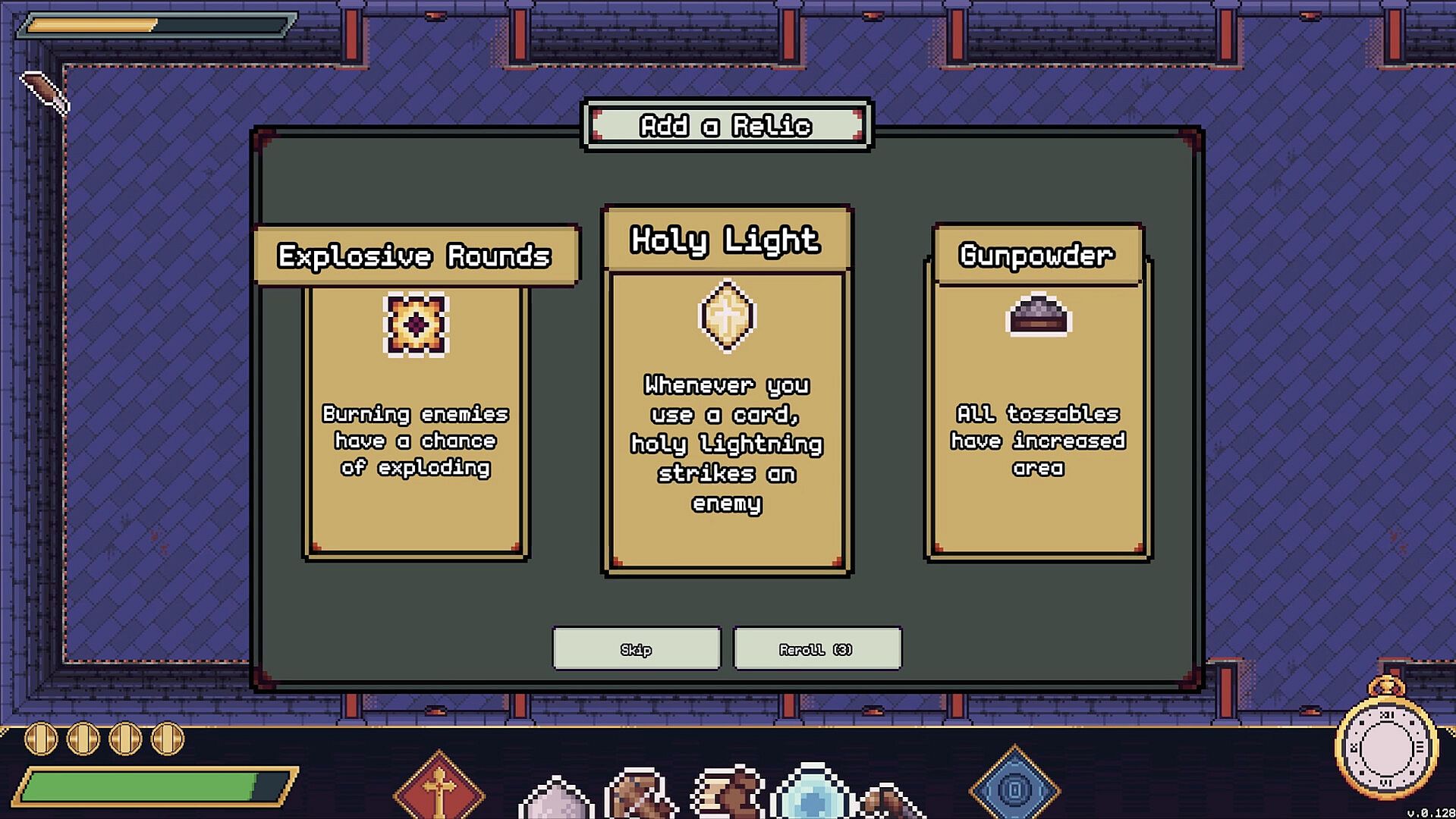
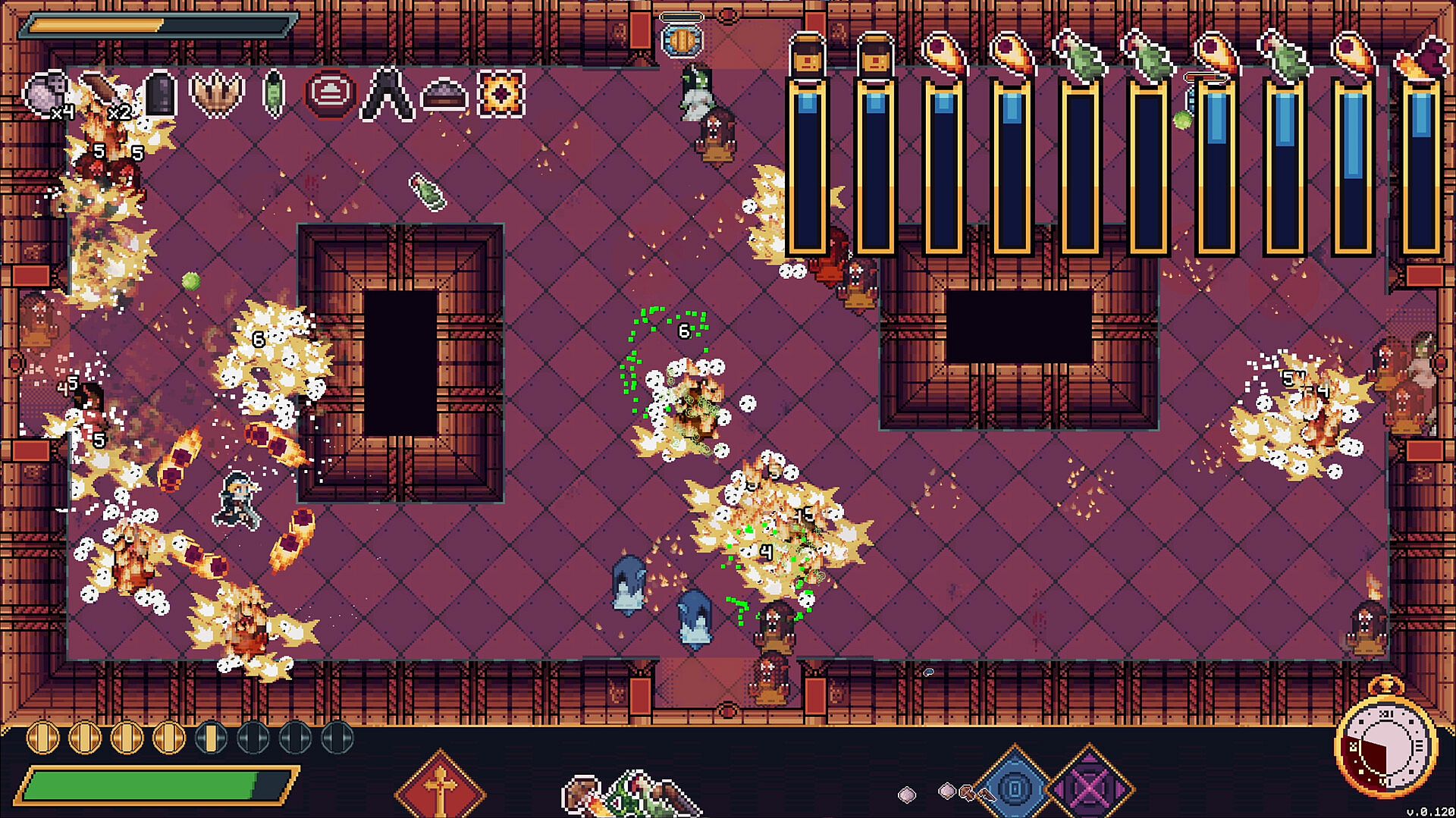
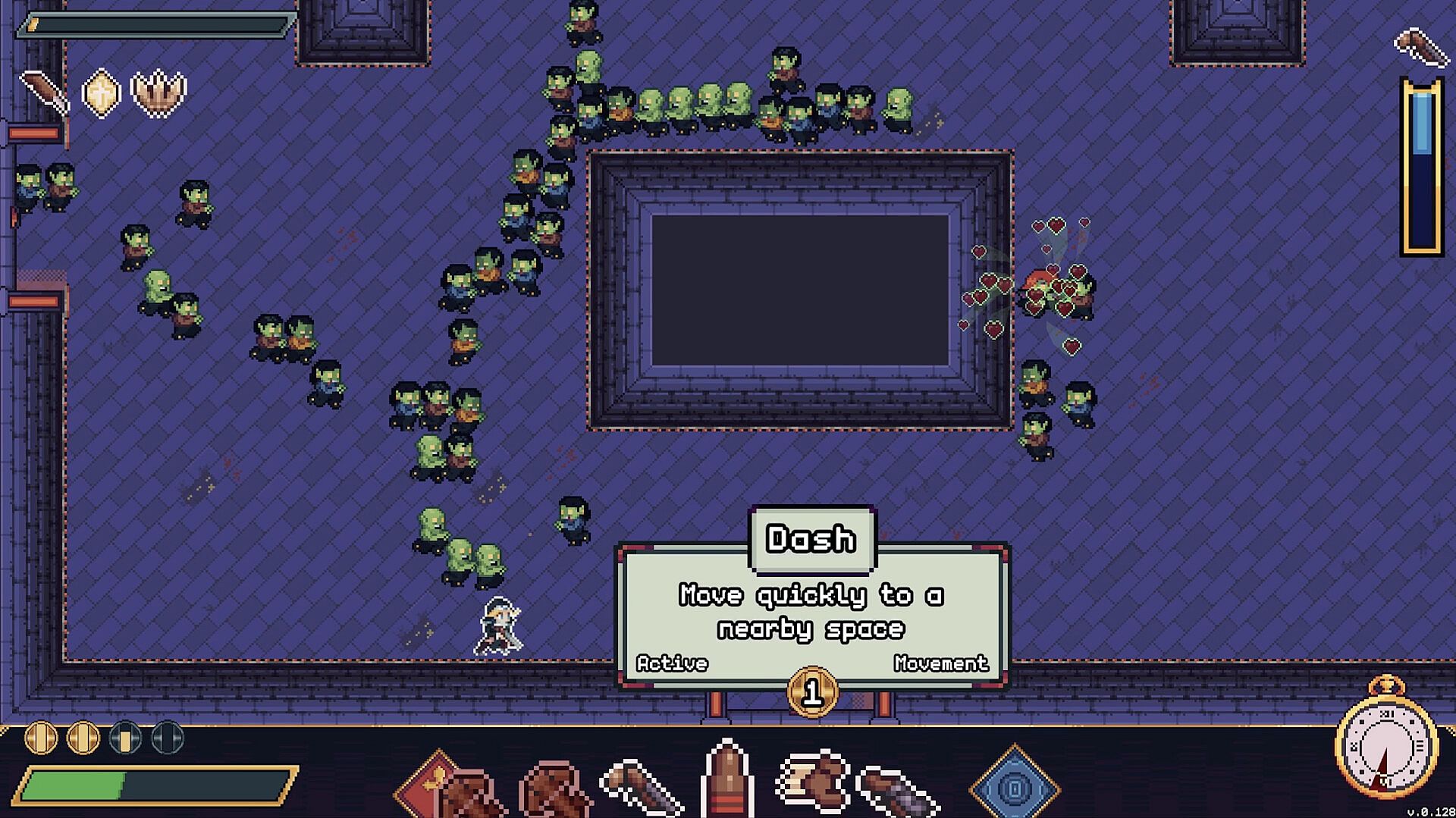
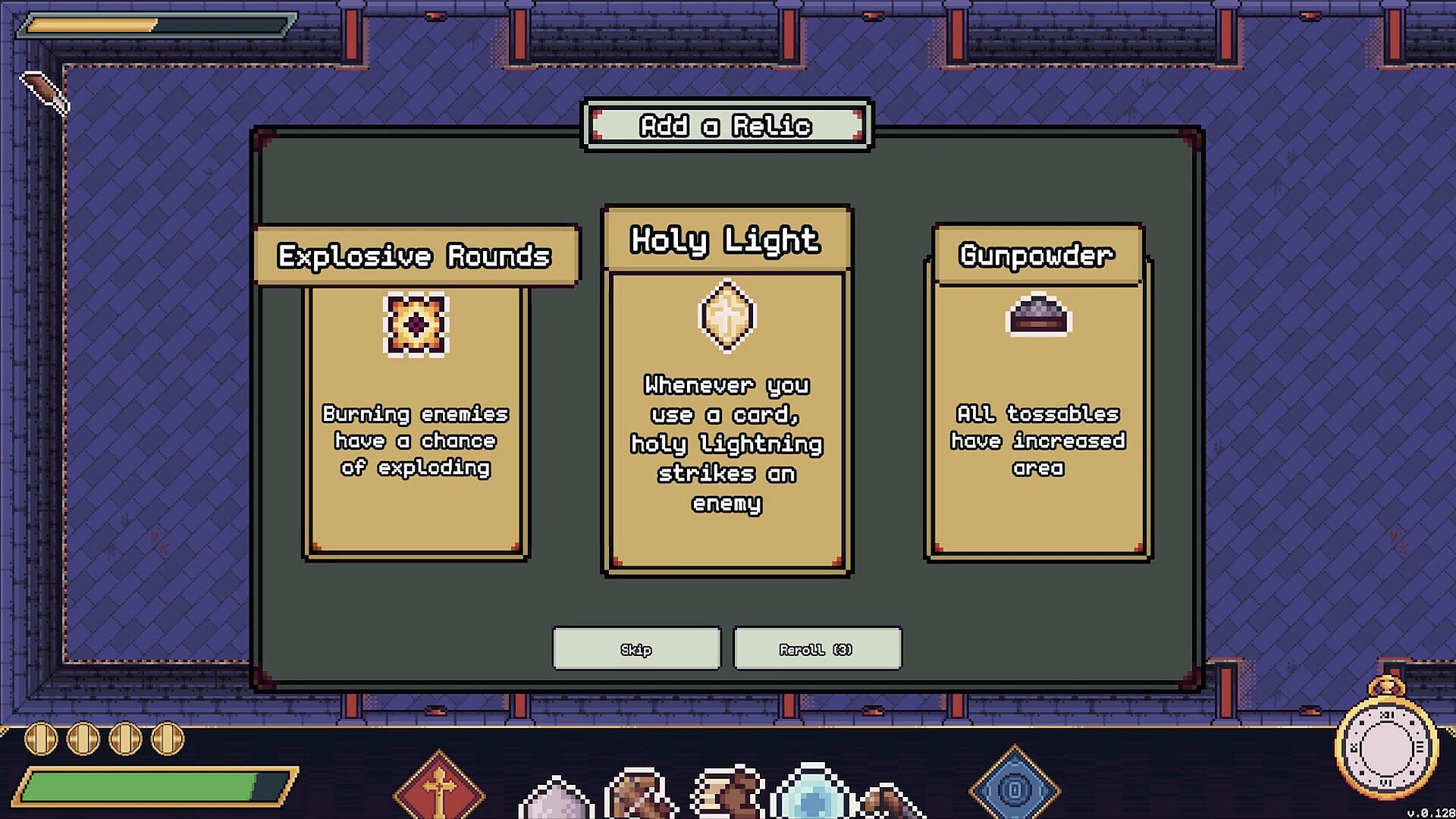
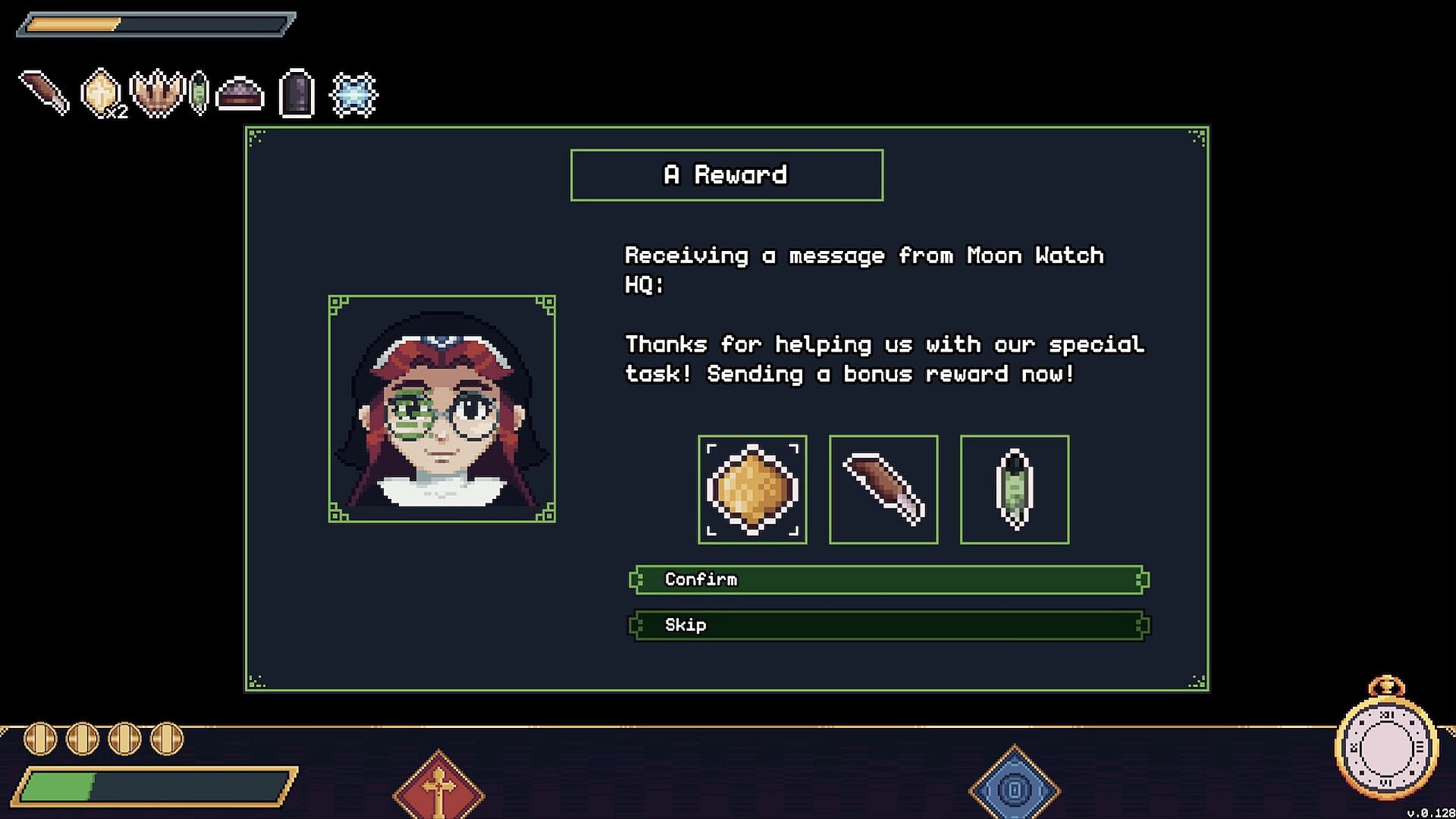
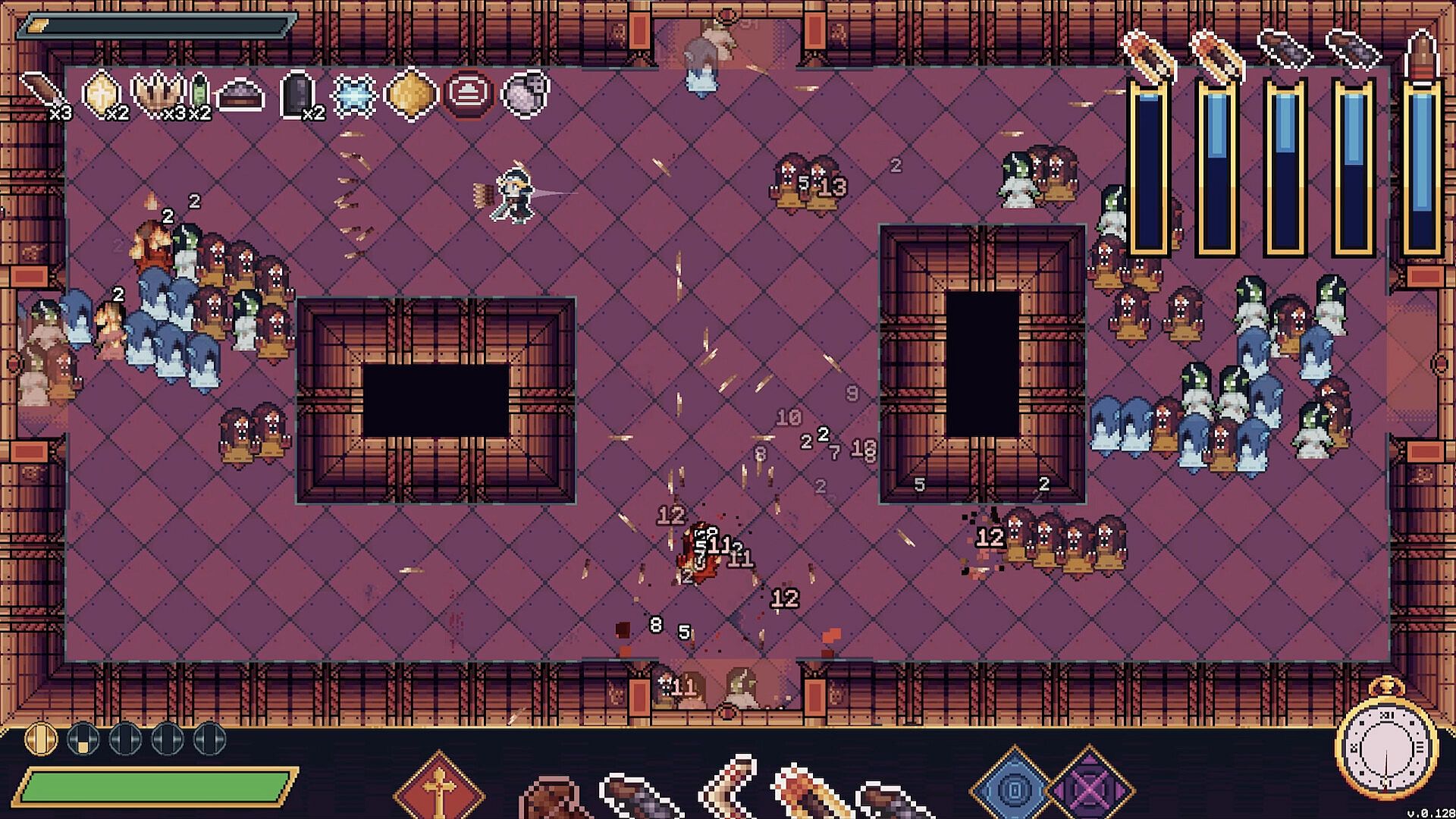
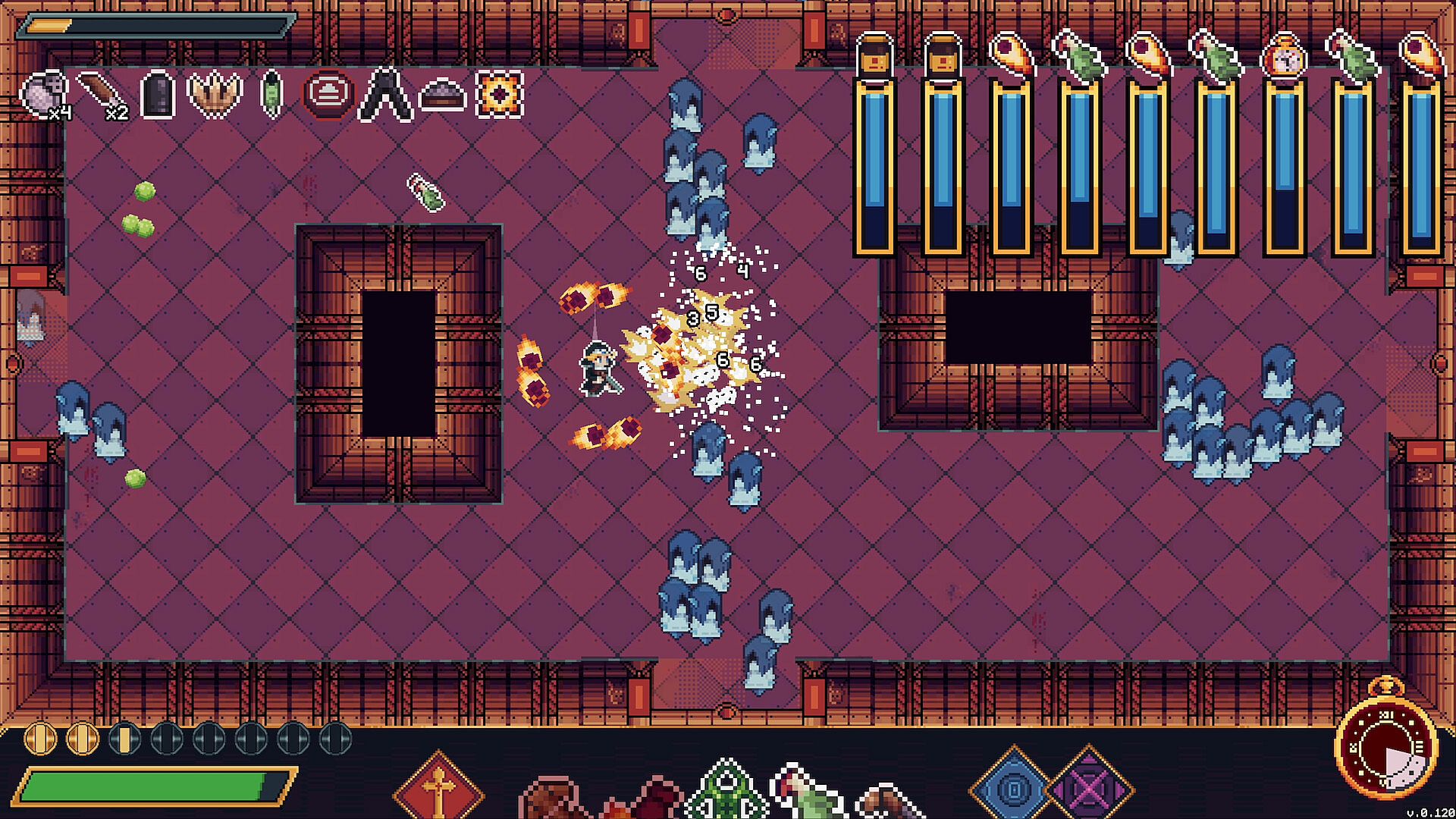
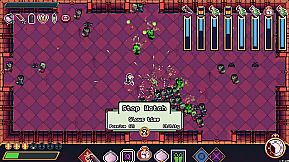
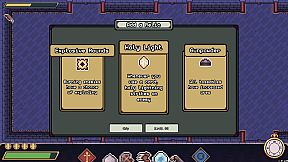
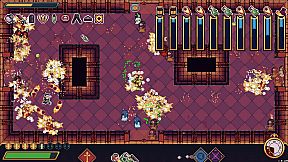
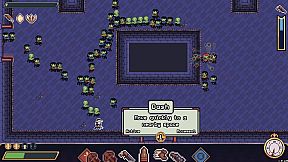
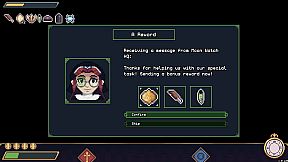
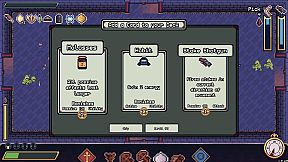
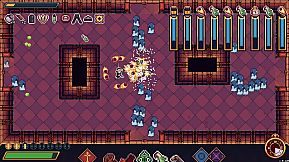
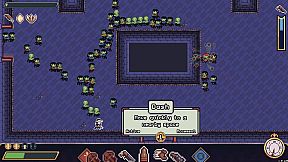
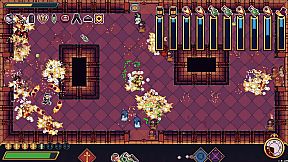
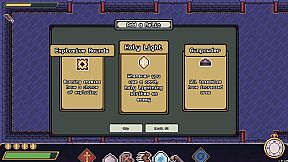
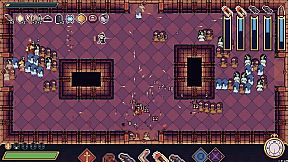
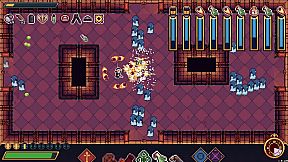
The core loop centers on surviving waves of enemies in a vampire-infested space fortress orbiting the moon. Time manipulation serves as the key mechanic, allowing players to pause or slow the action to plan moves and position cards effectively rather than relying solely on quick reflexes. Deckbuilding involves selecting and refining cards that deliver attacks, defenses, and special effects, with combos forming through careful sequencing. Rare relics appear during runs and alter core rules or add new abilities that shift strategies dramatically.
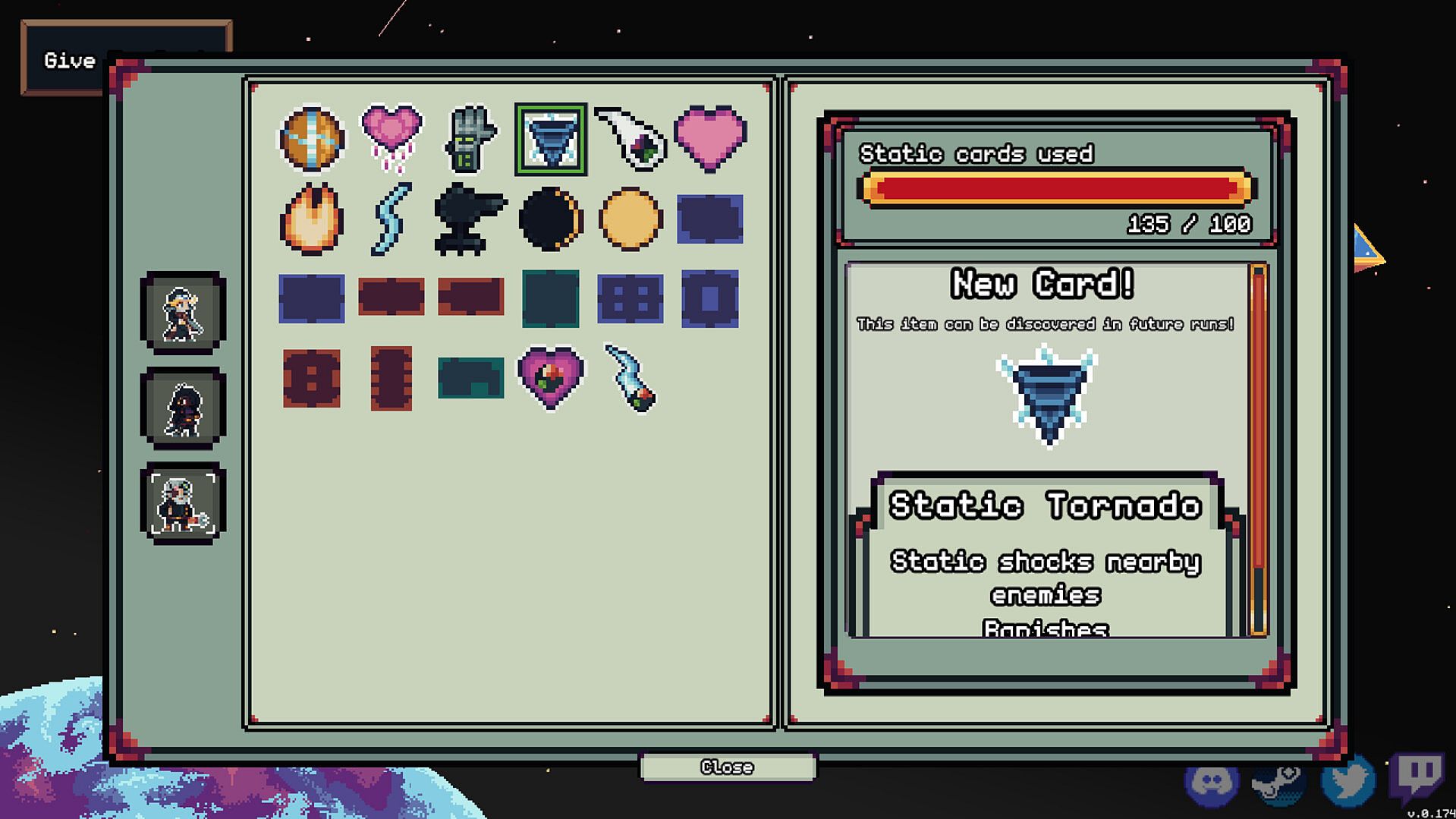
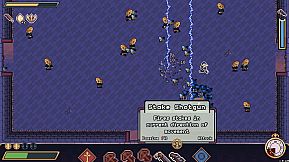
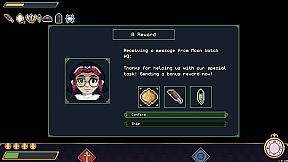
Three playable characters each bring distinct approaches. Lucia the Nun starts as the accessible option, using garlic-based tools to manage space and projectile attacks for reliable crowd control. Nina the Ninja emphasizes close-range combat with dashes for evasion and sword strikes, plus a curse effect that weakens targets for high-risk plays. Encio the Engineer employs pinball-style movement, deploys electricity and turrets for offense, and uses a charm ability to convert enemies into allies. Meta progression unlocks additional cards, relics, and character options through achievements completed across runs.
Game Modes
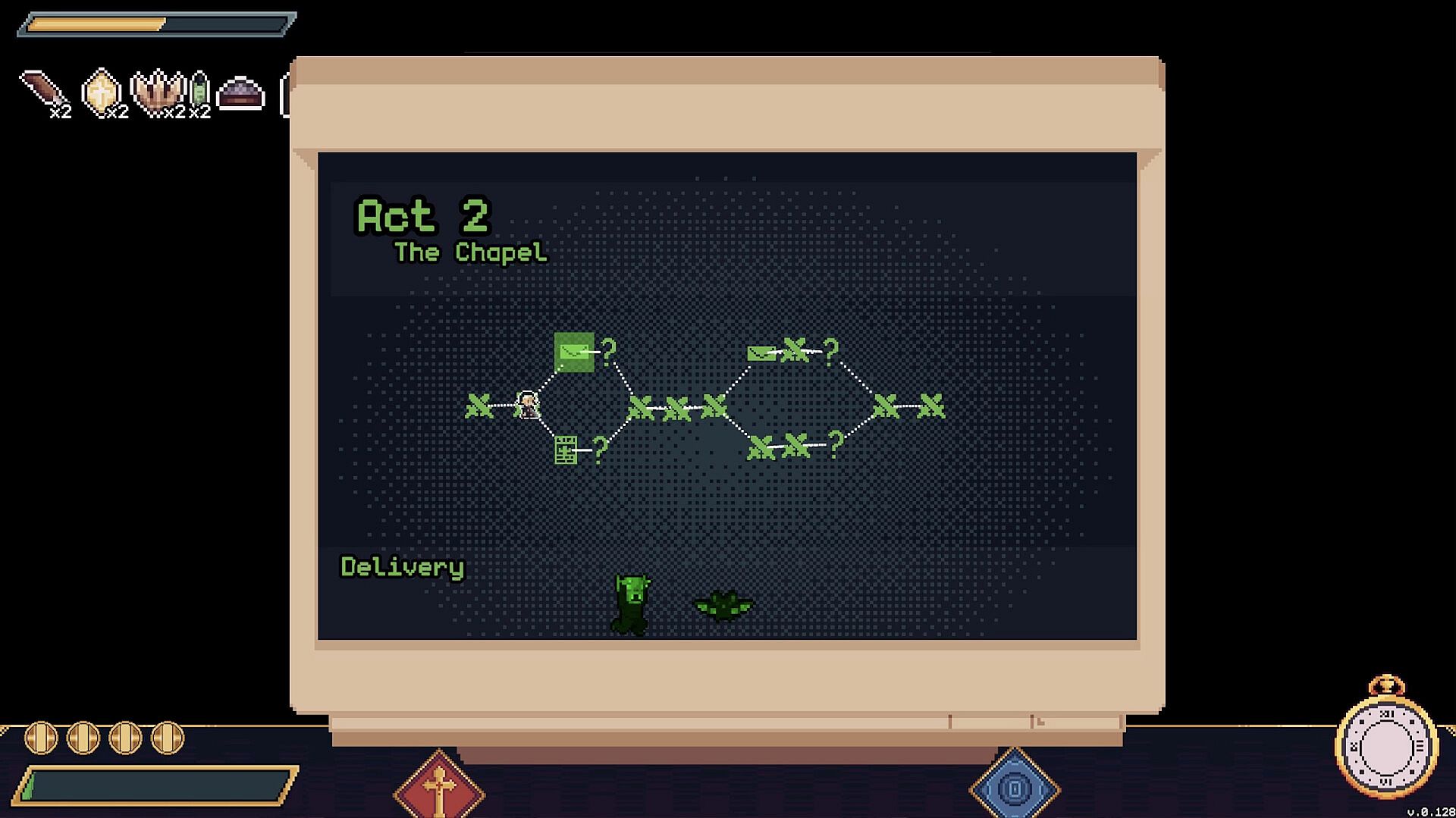
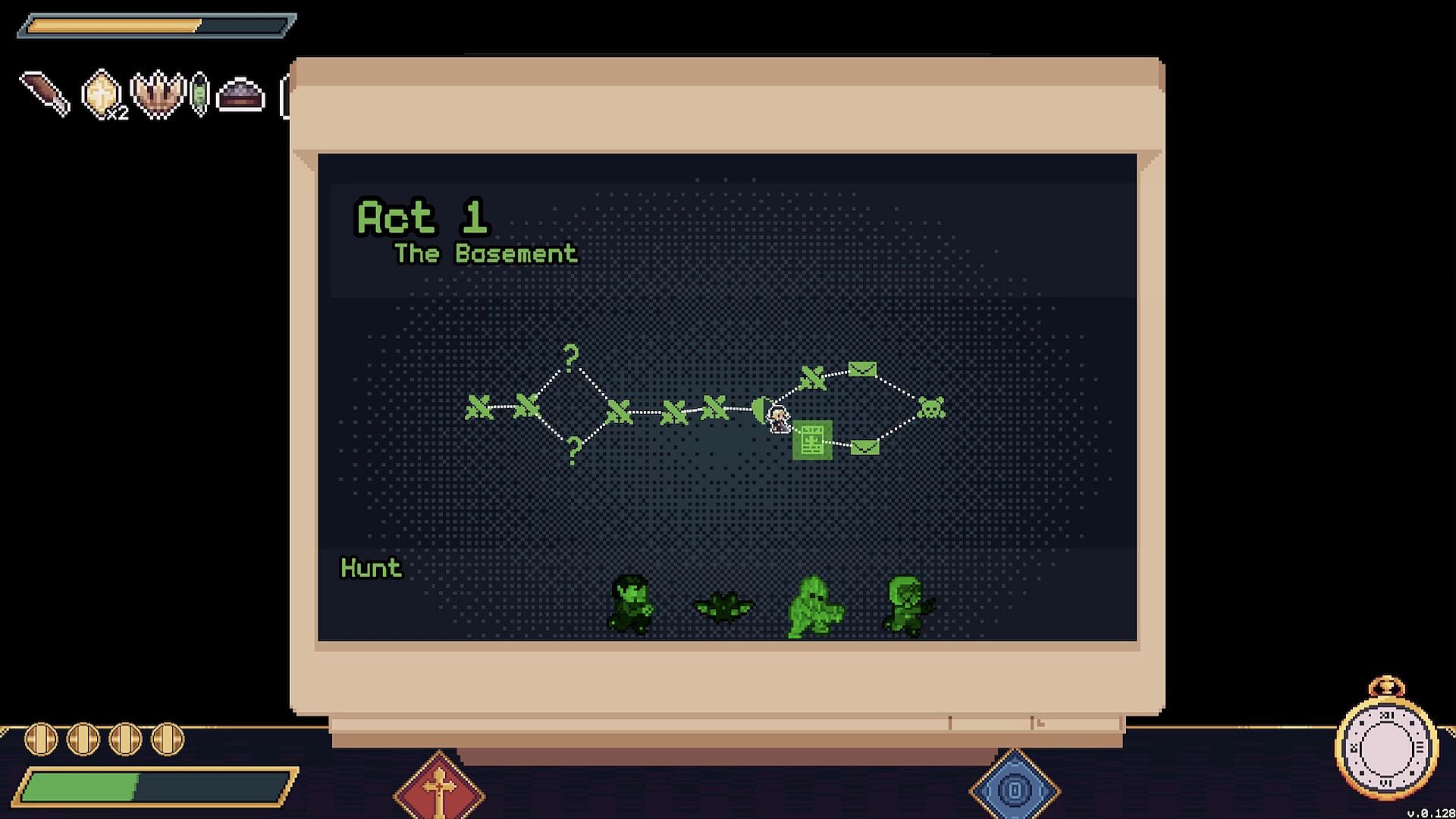
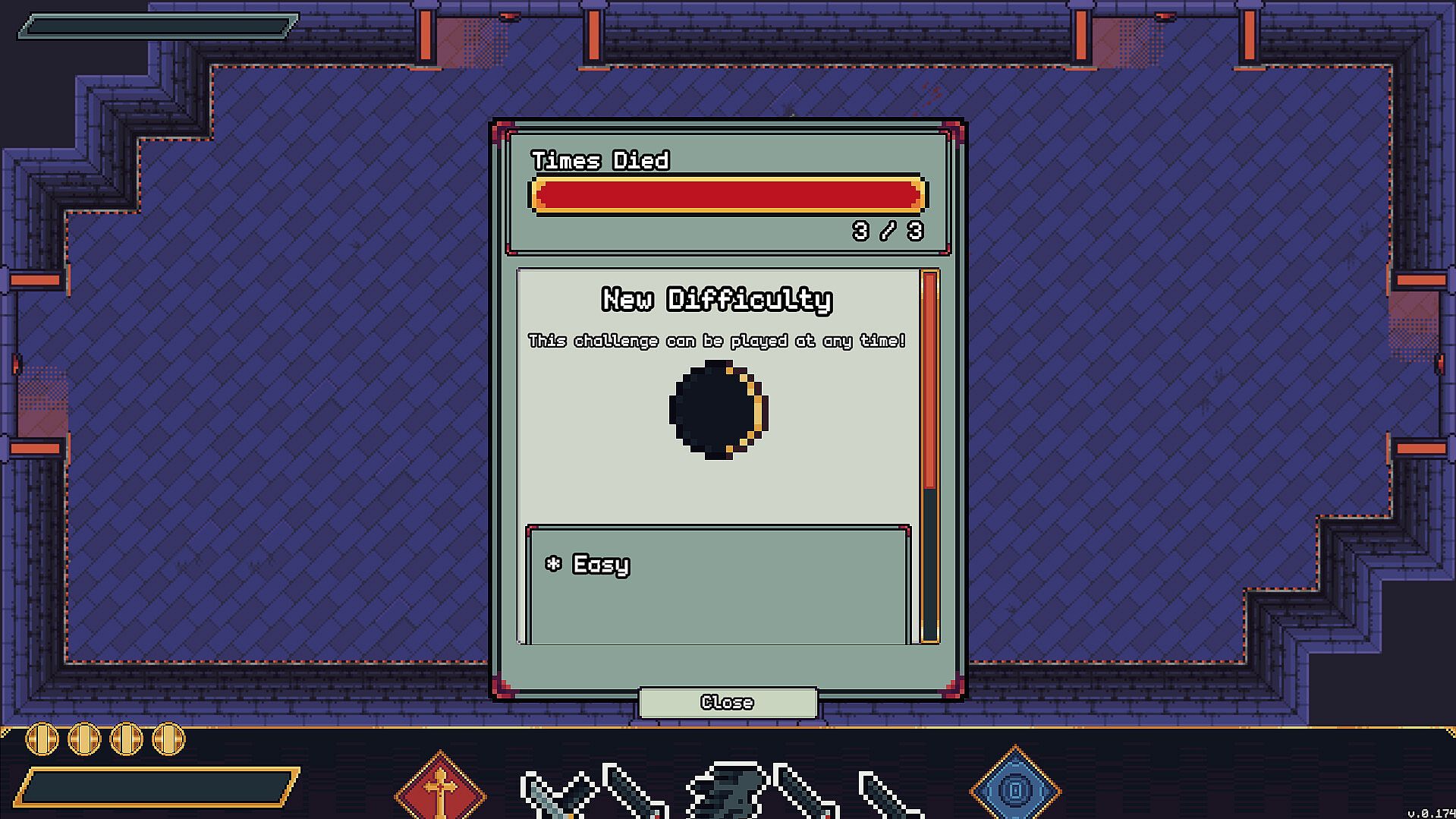
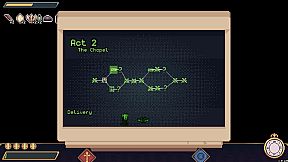
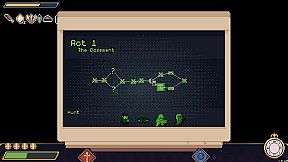
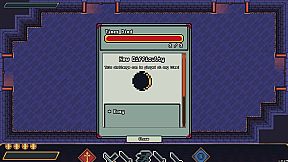
Three primary modes structure the experience. Classic mode follows a standard progression through randomly selected stages across three acts toward boss encounters. Horde mode emphasizes sustained survival against dense enemy groups. Wave mode focuses on clearing successive enemy formations with increasing intensity. Challenge Runs introduce preset decks and rule variations for targeted practice or variety. Infinite Loop Mode extends a successful Classic run by carrying the build forward into escalating difficulty levels.
Over fifty stages populate the three acts, with random selection ensuring replay variety. Twenty-three enemy types and mini-bosses feature unique behaviors that demand adaptive tactics. Eighty cards and forty-three relics provide depth for experimentation within each character's specialized deck.
Characters and Progression
Unlocking new content happens through meta systems tied to achievements. Players expand their options by completing runs and fulfilling specific conditions, which grant access to fresh cards for each character, additional relics, and expanded mode features. This system encourages repeated play to refine strategies and discover synergies between time control, card effects, and relic modifiers.
Each character supports unique playstyles that reward different approaches to the bullet hell elements. Straightforward projectile and space control suits methodical players, while melee dashes and curses appeal to those comfortable with positioning risks. Engineering tools and enemy conversion add layers of creativity for inventive builds.
Is It Worth Playing?
Current player reception shows mixed results, with 61 percent positive ratings from 54 reviews. The game remains in Early Access, where the last major update occurred more than nineteen months prior to recent checks, though the core experience includes three full acts, multiple modes, and substantial card and relic variety. Those who enjoy blending deckbuilding depth with bullet hell survival and appreciate time-based strategic pauses may find the systems engaging, particularly if they value experimentation across characters and runs. The title suits players seeking a single-player roguelike experience with tactical layers rather than pure action or narrative focus. Continued interest depends on future updates addressing balance and expanding content as outlined in developer plans.