



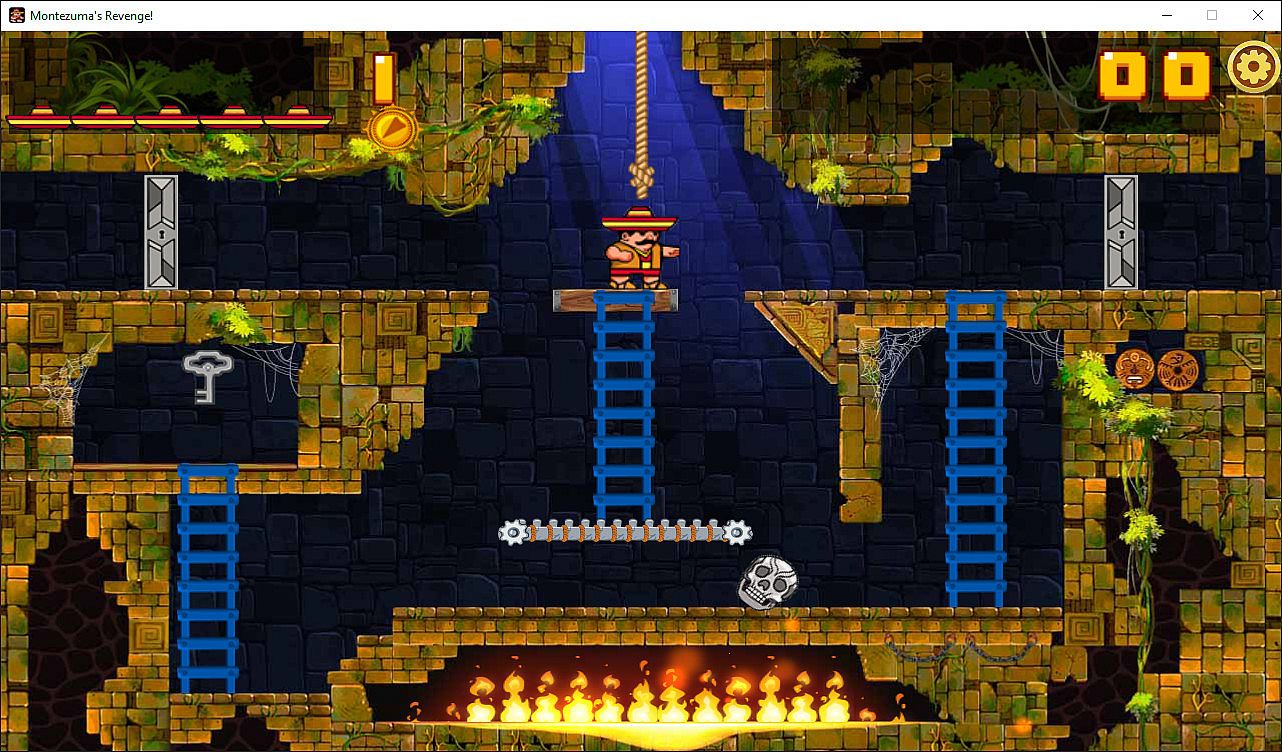
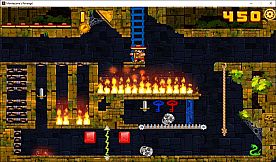
Montezuma's Revenge stands out as a retro action-adventure platformer that brings back the charm of 1980s gaming with a fresh coat of paint. In this reboot by the original developer, you take on the role of Panama Joe, navigating a sprawling Aztec pyramid filled with traps and treasures. The game emphasizes exploration, puzzle-solving, and precise platforming, making it a nod to classic titles while incorporating subtle enhancements for modern players.
Gameplay
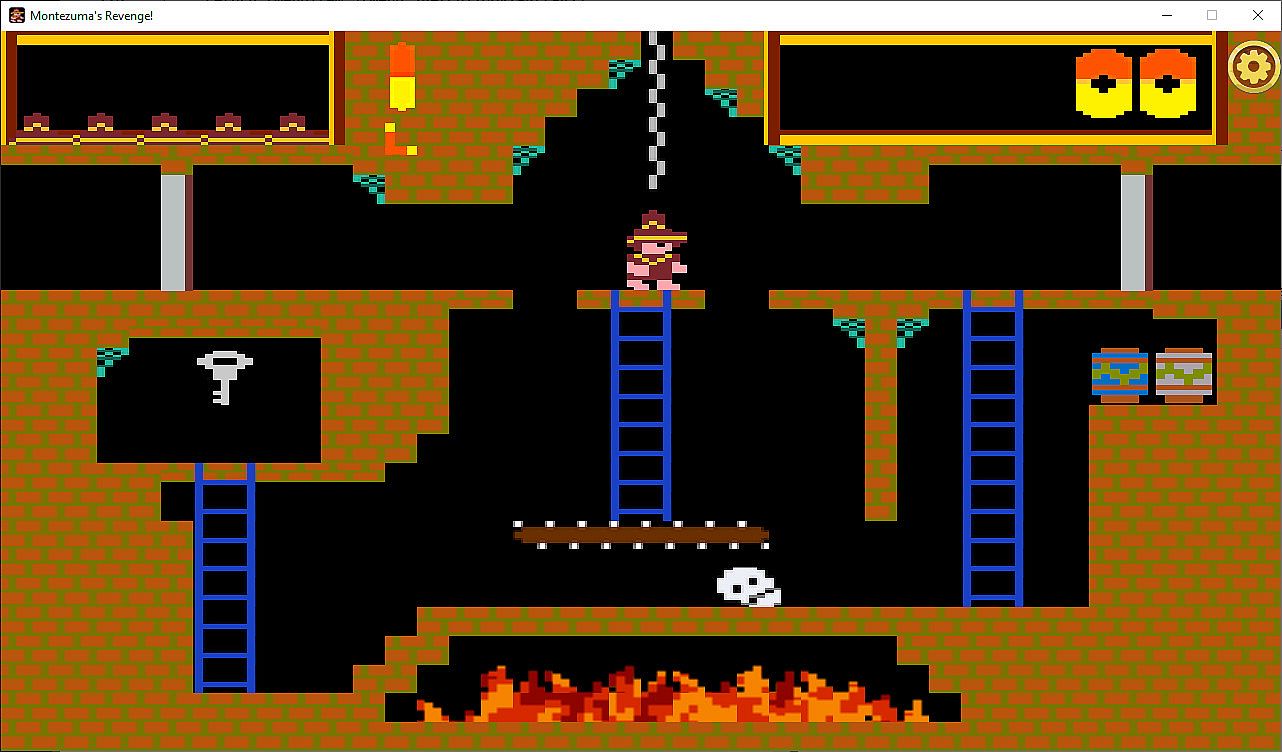
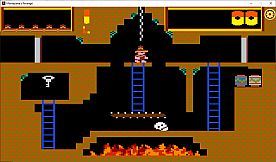
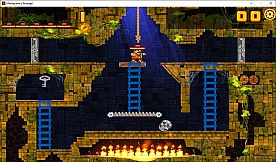
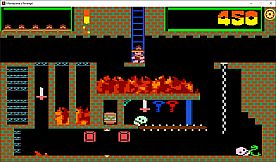
At its core, Montezuma's Revenge revolves around traversing a massive underground labyrinth within an Aztec pyramid. You control Panama Joe, who must climb stairs, swing on ropes, and jump across gaps to progress through levels. Collecting keys is essential to unlock doors, while gathering jewels, swords, and torches helps in surviving encounters with hazards like snakes, rolling skulls, and spiders. The mechanics demand careful timing and planning, as one wrong move can lead to instant death, forcing restarts from checkpoints.
Enhancements in this version include options to save progress, which eases some of the original's frustration. The controls feel responsive yet retain that vintage stiffness, requiring players to master jumps and enemy avoidance. Combat is minimal, with swords allowing temporary defense against certain foes, but the focus remains on evasion and resource management. Levels increase in complexity, introducing elements like disappearing floors and laser beams in later stages.
Game Modes
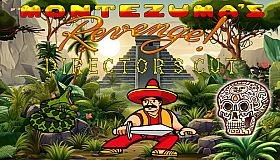
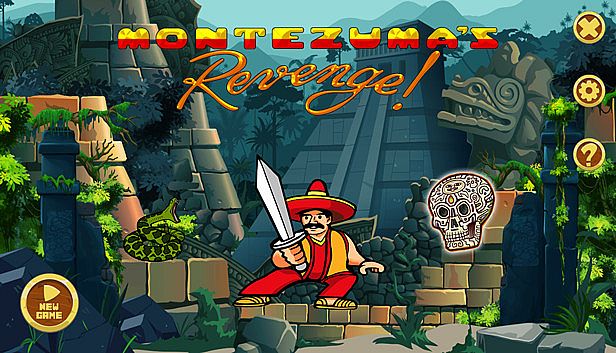
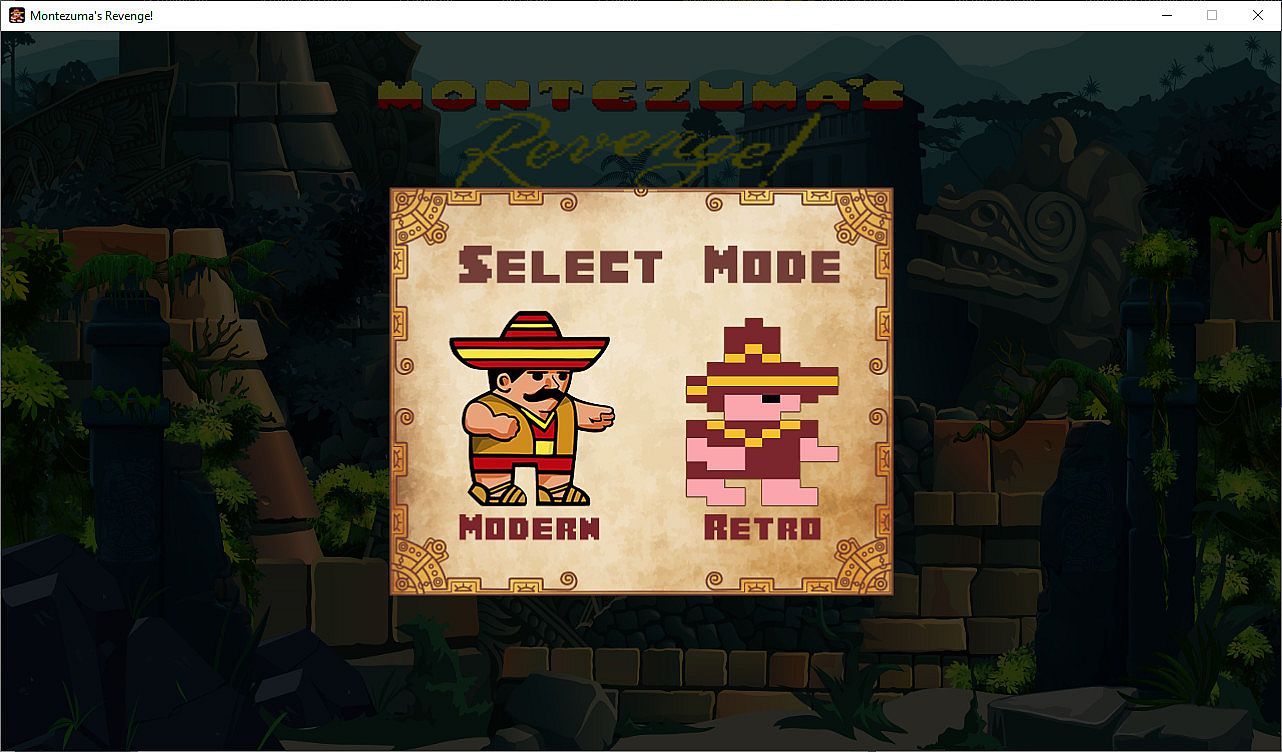
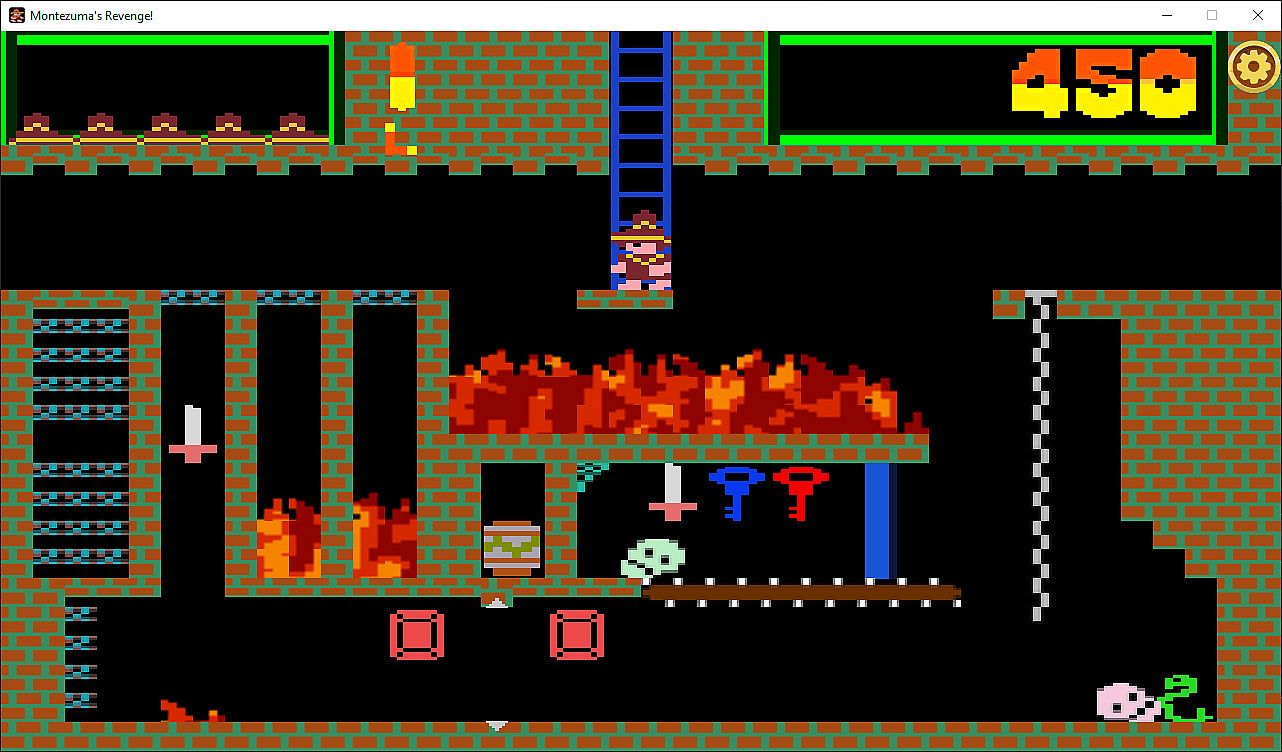
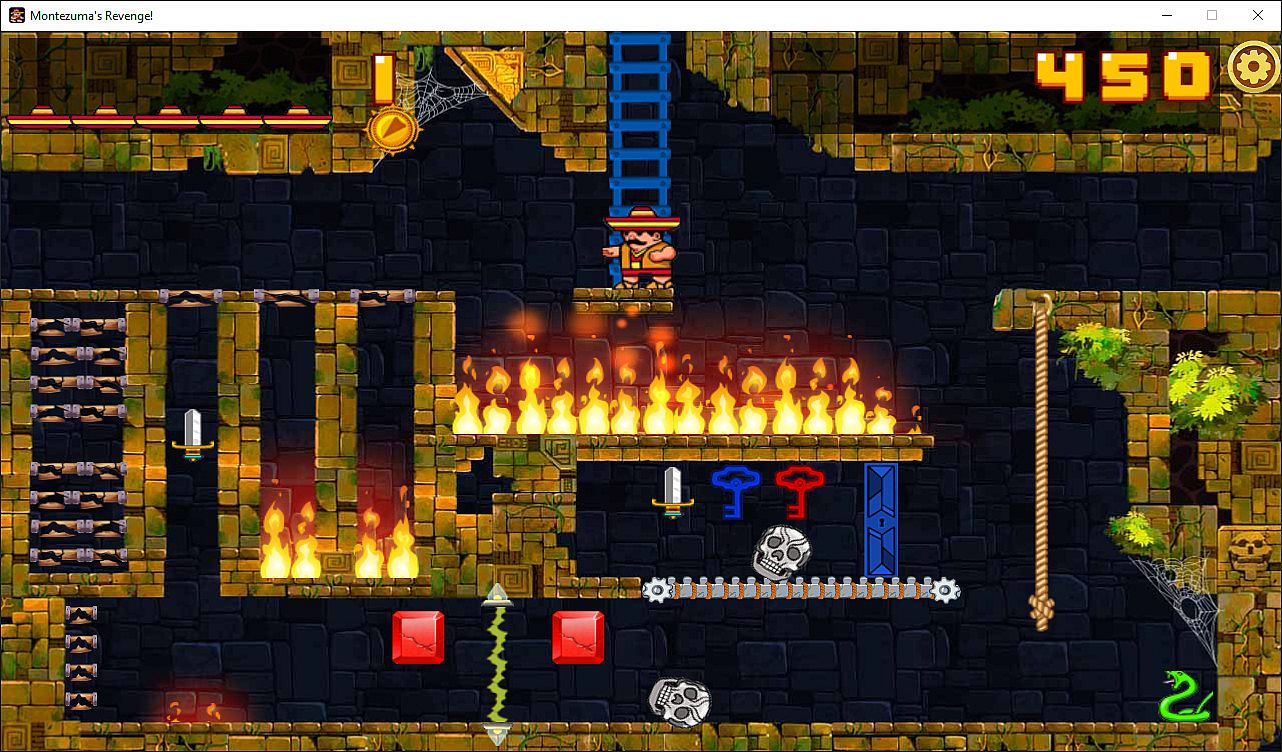
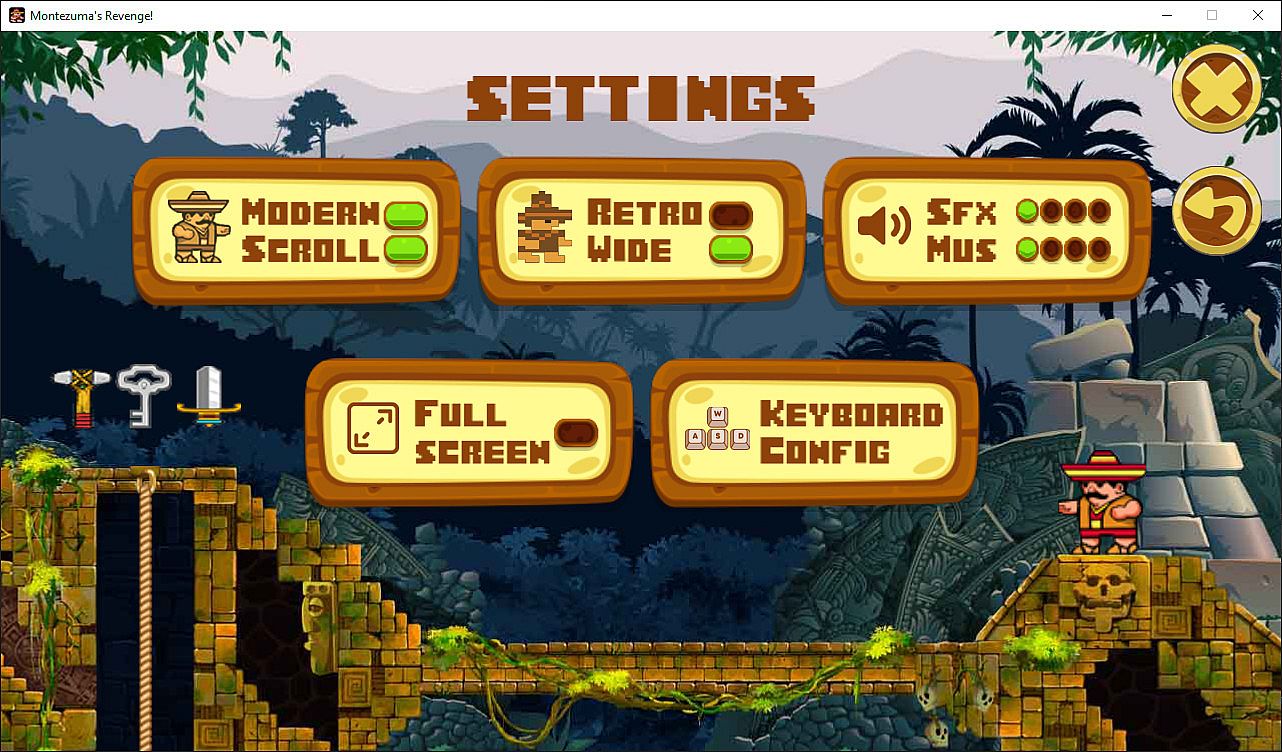
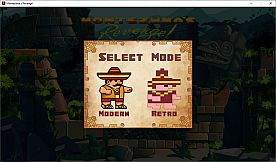
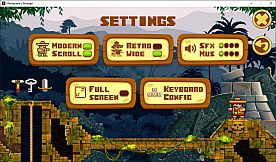
The game offers a classic mode that stays true to the 1984 original, complete with pixelated graphics and unforgiving difficulty. For those seeking a slightly updated experience, there's a modern mode with cleaner visuals and minor quality-of-life tweaks, though it preserves the core challenge. Additionally, a Director's Cut version exists as an expansion, providing the unaltered original game for purists.
Is It Worth Playing?
Montezuma's Revenge appeals to fans of retro platformers who enjoy tough, exploration-based challenges without hand-holding. Player feedback highlights its nostalgic value and replayability, with some appreciating the updated graphics and save features that make it more accessible than the Atari classic. However, others note the repetitive nature and clunky controls, which can feel dated. If you thrive on mastering intricate levels and don't mind high difficulty, it's a solid pick for short sessions, especially given its low entry barrier on PC. For casual gamers, the steep learning curve might deter long-term engagement, but the satisfaction of uncovering the treasure room keeps dedicated players coming back.