


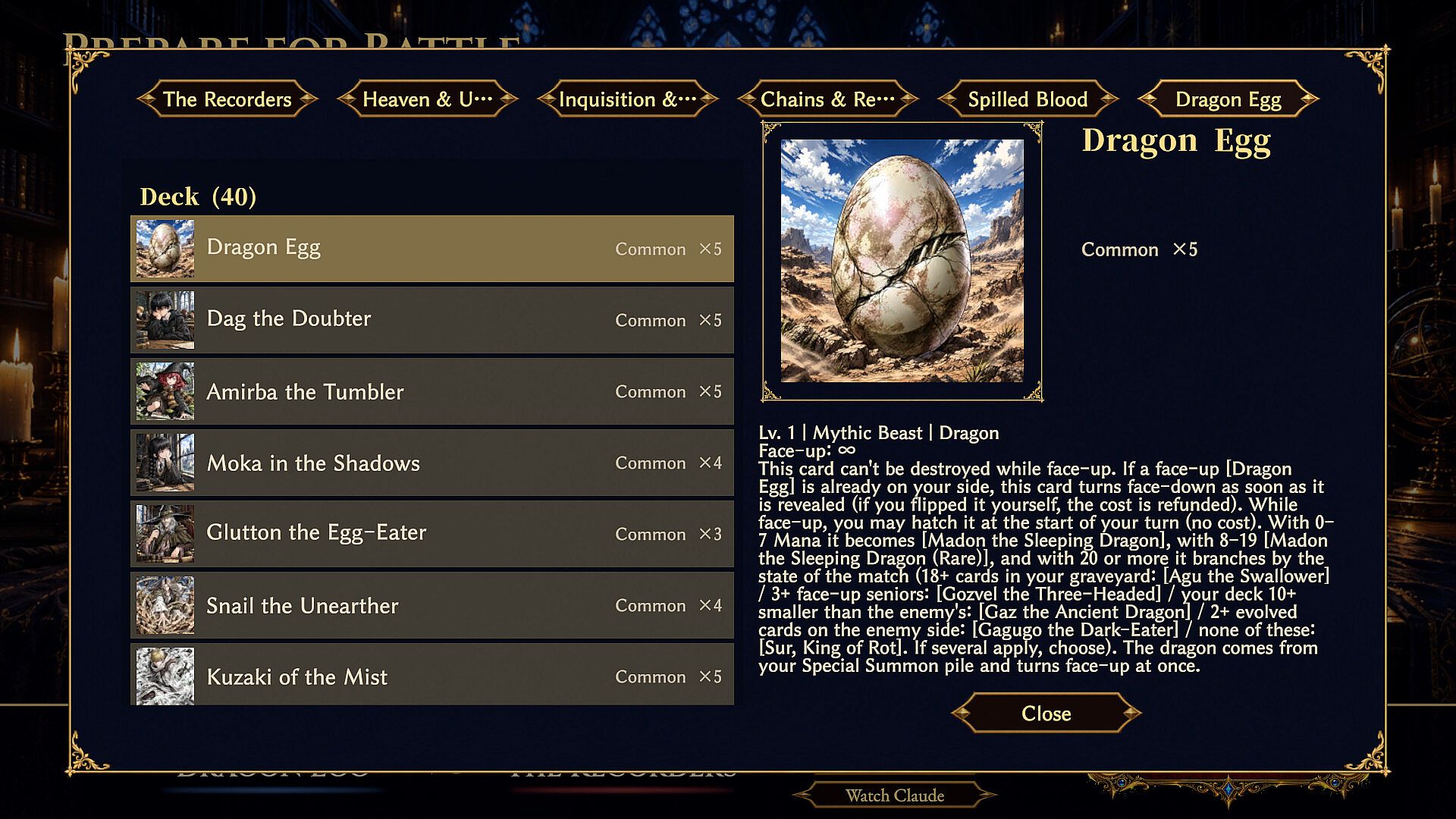
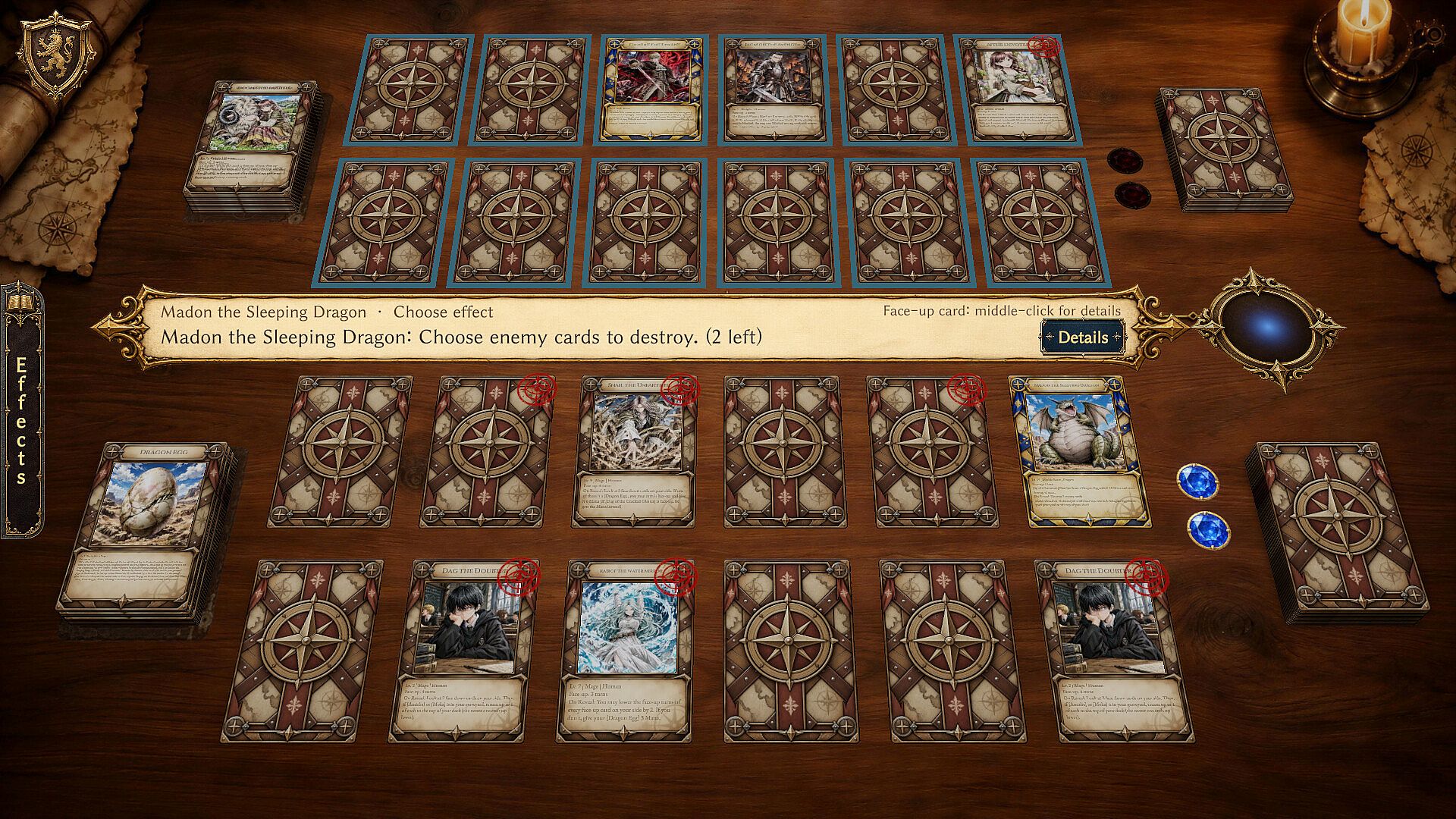
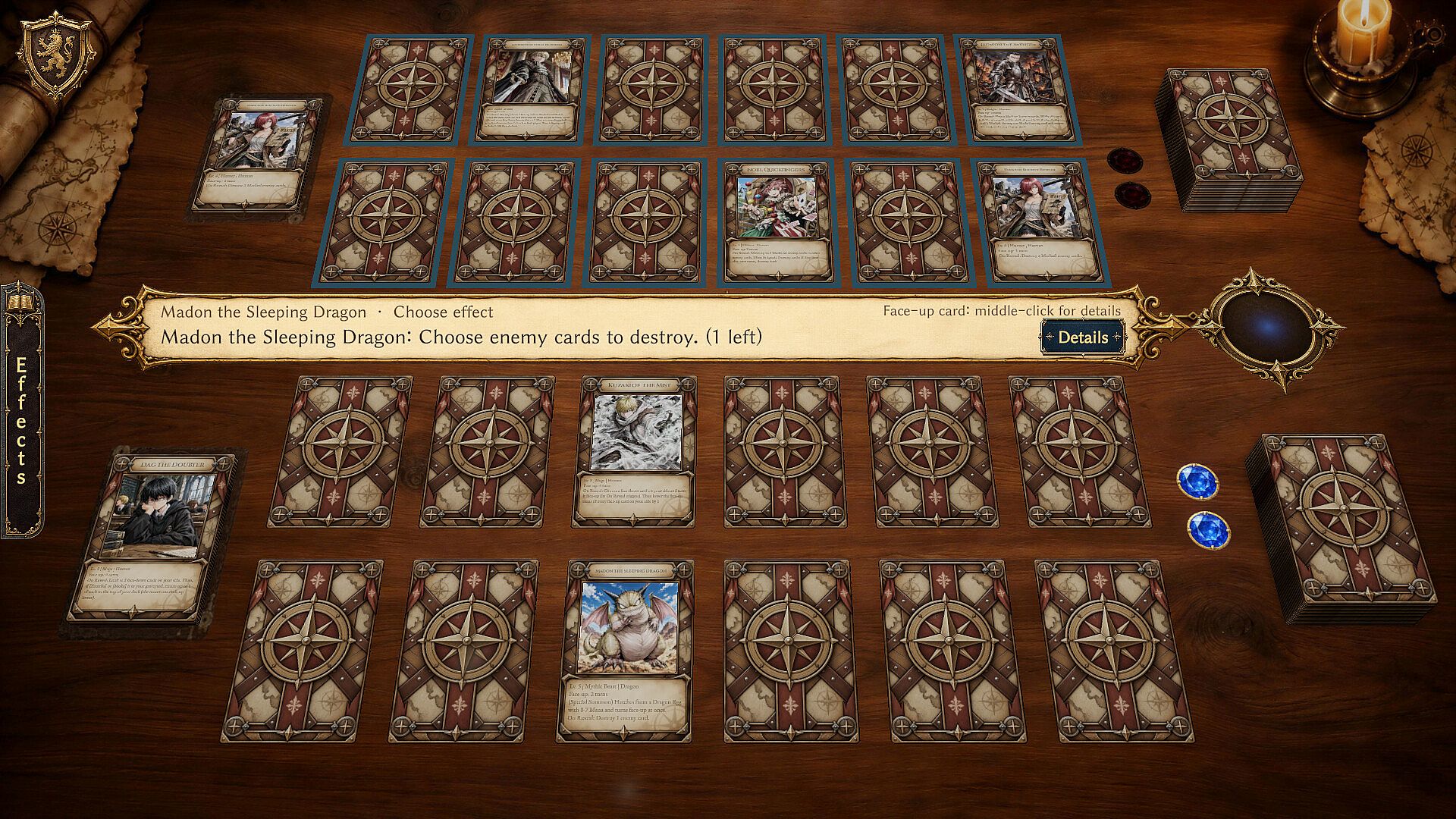
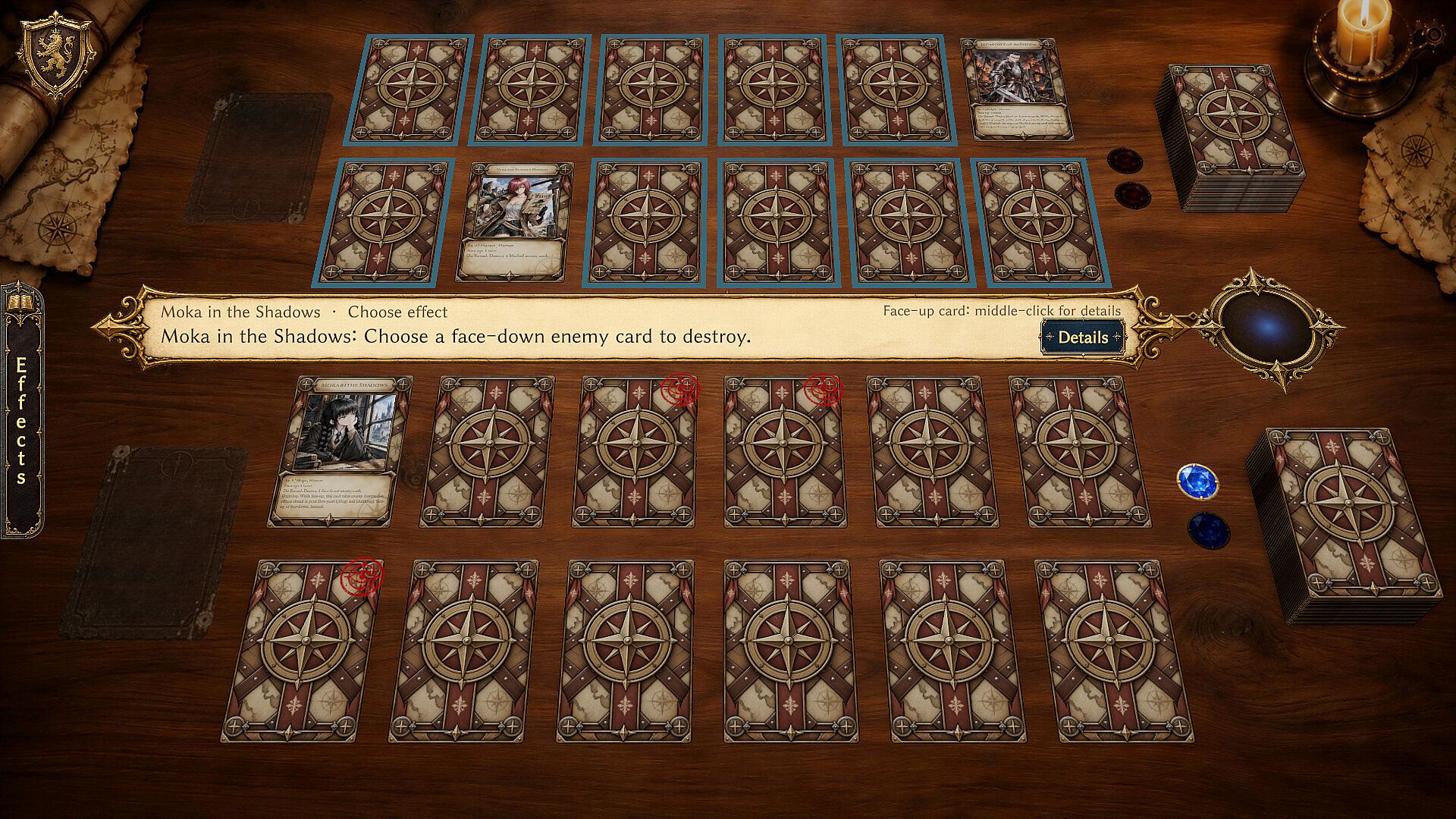
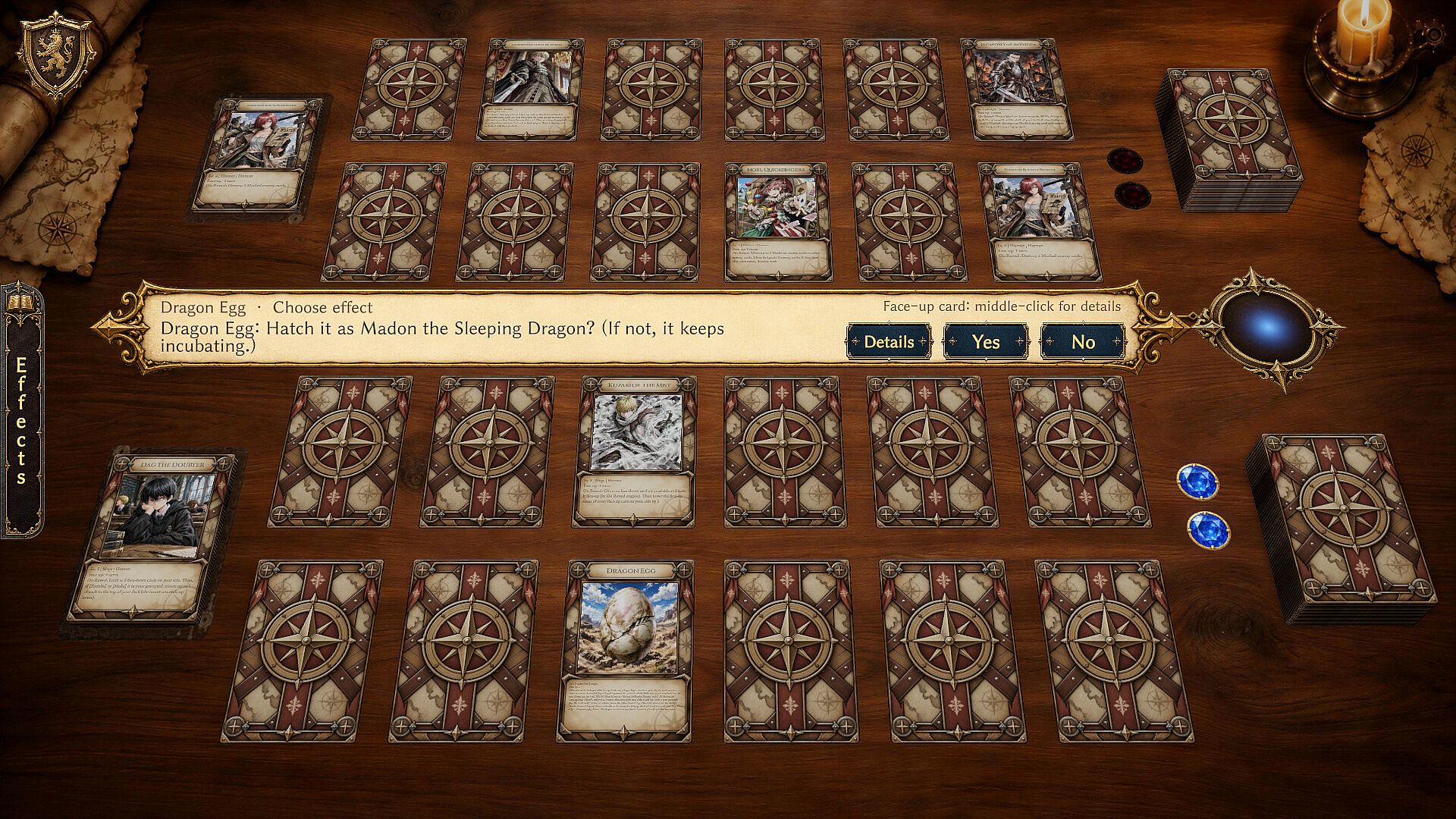
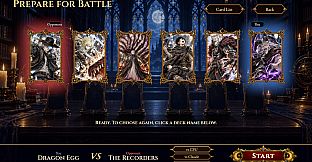
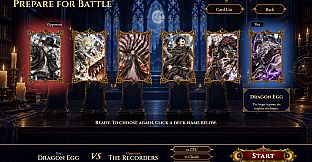
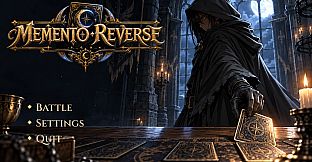
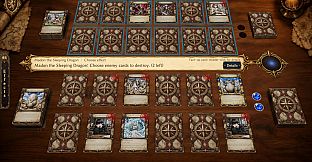
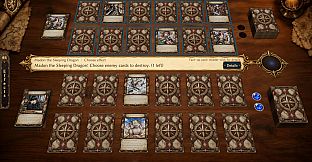
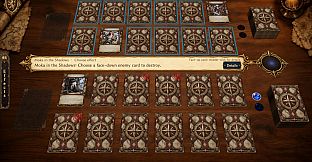
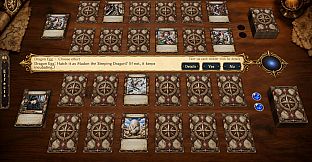
Memento Reverse is a strategy indie card game for PC that reimagines the classic memory matching format into a competitive duel where every flip carries immediate consequences. Players manage twelve face-down cards per side, drawing from prebuilt decks that carry distinct characters and narratives. The core loop revolves around memory retention rather than a traditional hand of cards, turning recollection into the primary resource for outmaneuvering an opponent.
Gameplay
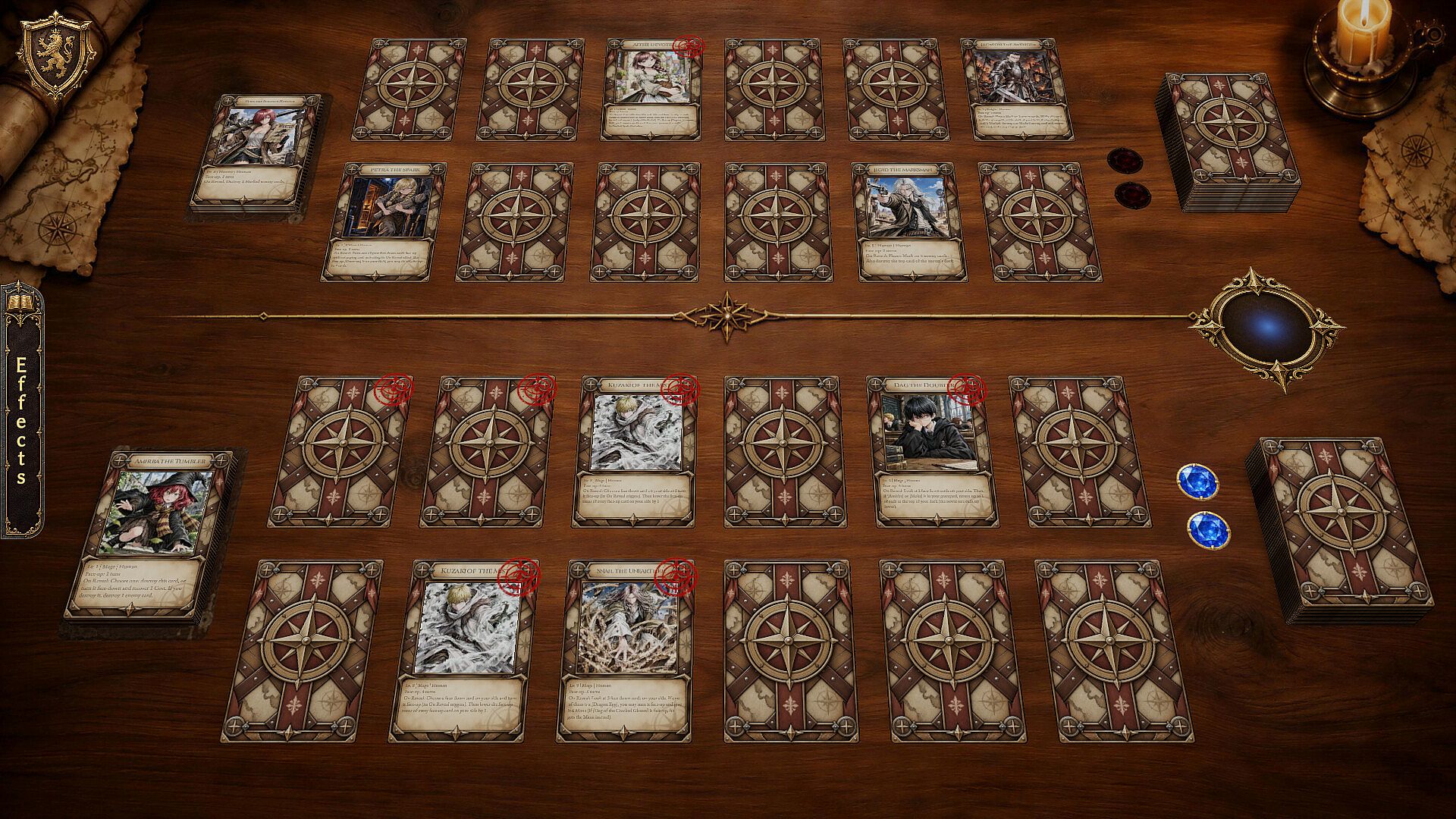
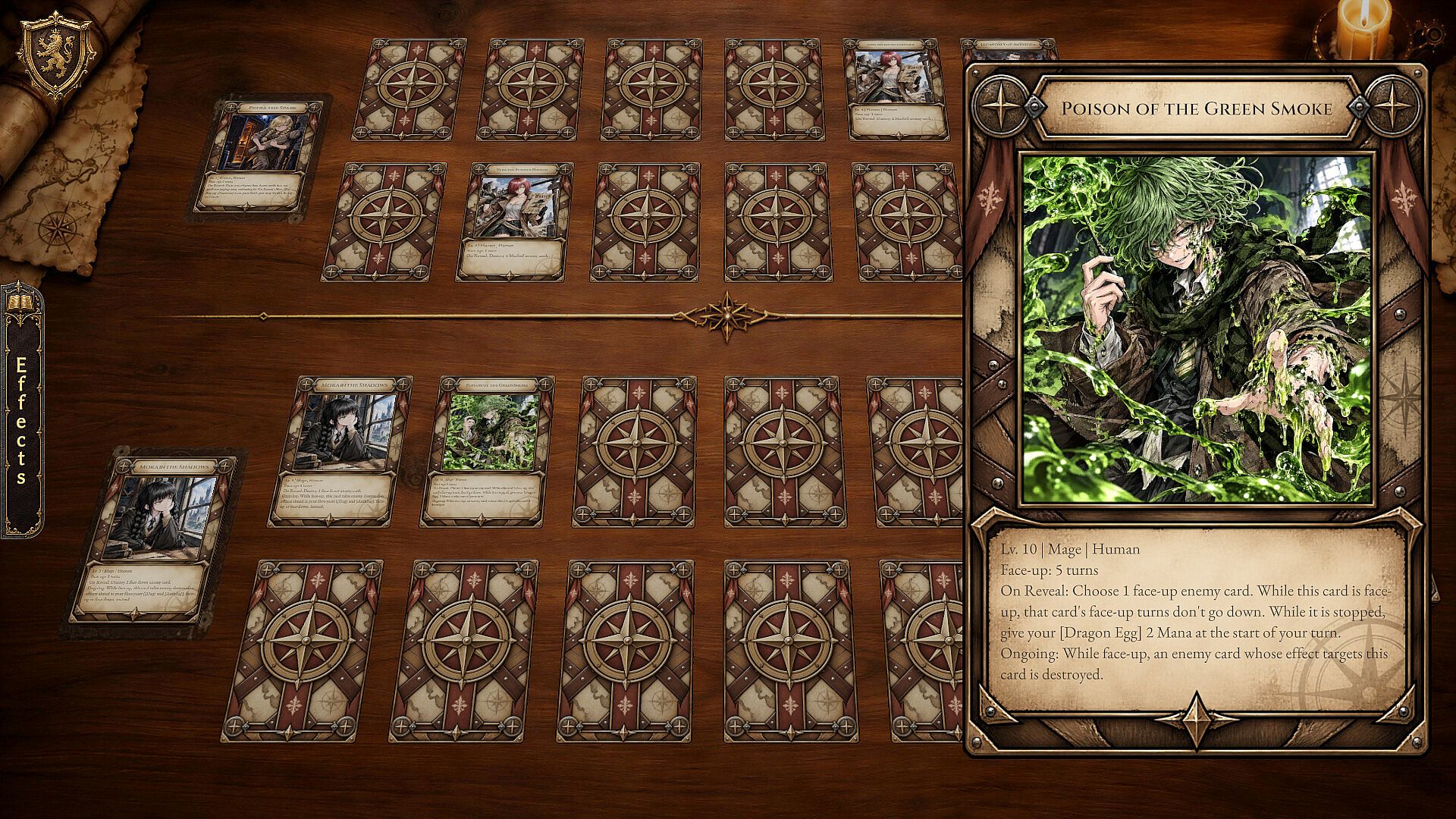
Each match begins with twelve cards placed face down on each side of the field. On a turn, a player may flip one of their own face-down cards or choose to destroy one of their own cards already in play. Once flipped, a card reveals its effect to both participants before returning face down after a period. Effects range from destroying opposing cards to awakening allied ones, though some can also hinder the player's own position. The game ends when one side can no longer refill its field because its deck has run out.
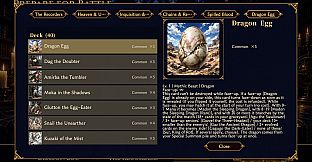
Memory serves as the substitute for a drawn hand. Success depends on tracking the locations and identities of both your cards and the opponent's. Stronger play emerges from anticipating what the opponent has remembered and sequencing flips to exploit gaps in their knowledge. Prebuilt decks each feature unique characters and backstories, allowing different victory paths. Under specific conditions, cards evolve into rarer and super-rare versions that alter their impact on the match.
Game Modes
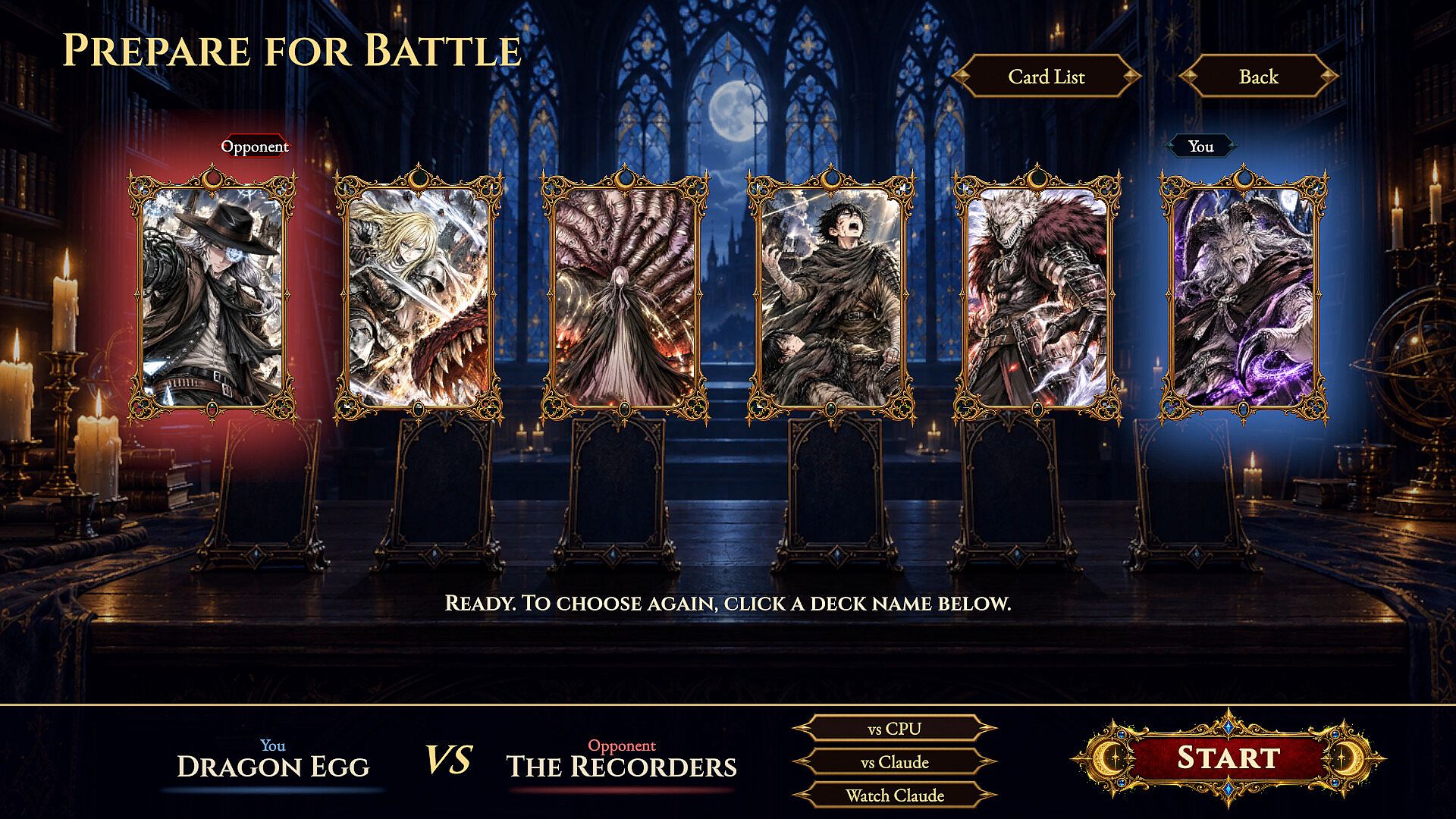
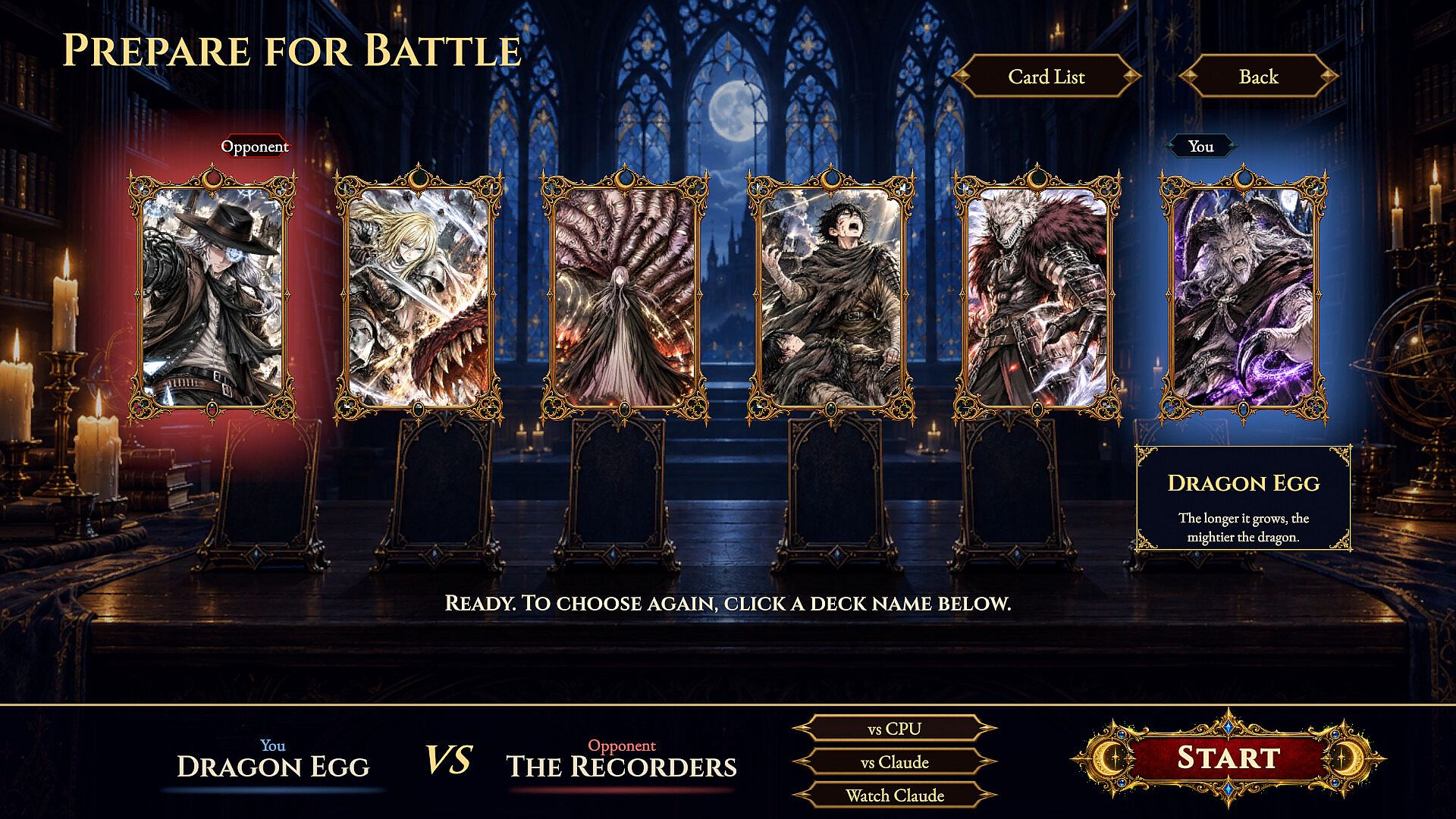
The primary experience centers on single-player matches against the CPU, which offers three distinct difficulty levels to accommodate varying skill levels. Every deck functions fully in these CPU battles without additional requirements. An optional integration with Claude Desktop allows players to pit their decks against the AI assistant or observe matches where Claude controls a deck against the CPU. This connection operates locally through a shared folder on the computer, keeping the game itself free of network dependencies. Claude responds based solely on information visible from its perspective and provides brief spoken commentary during flips.
Decks and Progression
Decks arrive preconstructed, each tied to its own set of characters and overarching story. Victory strategies shift depending on the chosen deck, encouraging experimentation to discover which approach suits individual play styles. Evolution mechanics add depth, as cards can transform into more powerful rare and super-rare forms when conditions align during a match. These changes reward careful planning around timing and memory management rather than raw power alone.
Controls and Accessibility
Mouse controls handle all interactions, keeping the focus on observation and decision-making. The game supports both English and Japanese languages for interface, audio, and subtitles. No network connection is required for core play, including CPU matches, which broadens accessibility for offline sessions.
Is It Worth Playing?
Memento Reverse appeals to players who enjoy blending memory challenges with strategic card effects in a single-player setting. Its unique twist on the memory game format creates tense moments where recalling positions directly influences outcomes, while deck stories and evolution systems provide variety across repeated matches. The three CPU difficulty levels allow gradual mastery, and the optional Claude integration offers a novel way to test decks or observe AI-driven play without online requirements. Those drawn to indie strategy titles that emphasize observation over quick reflexes will find the mechanics rewarding. As the game remains in a pre-release state with no user reviews available yet, its value ultimately depends on how well the memory-focused loop aligns with personal preferences for deliberate, thoughtful gameplay.