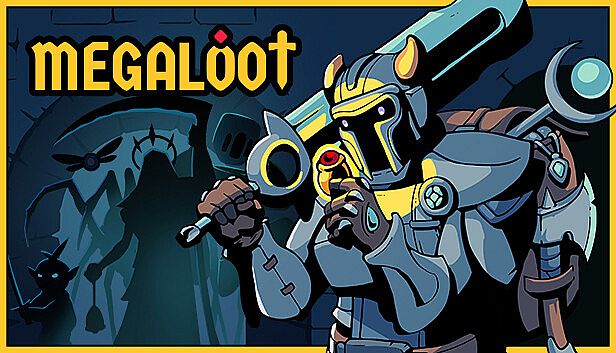













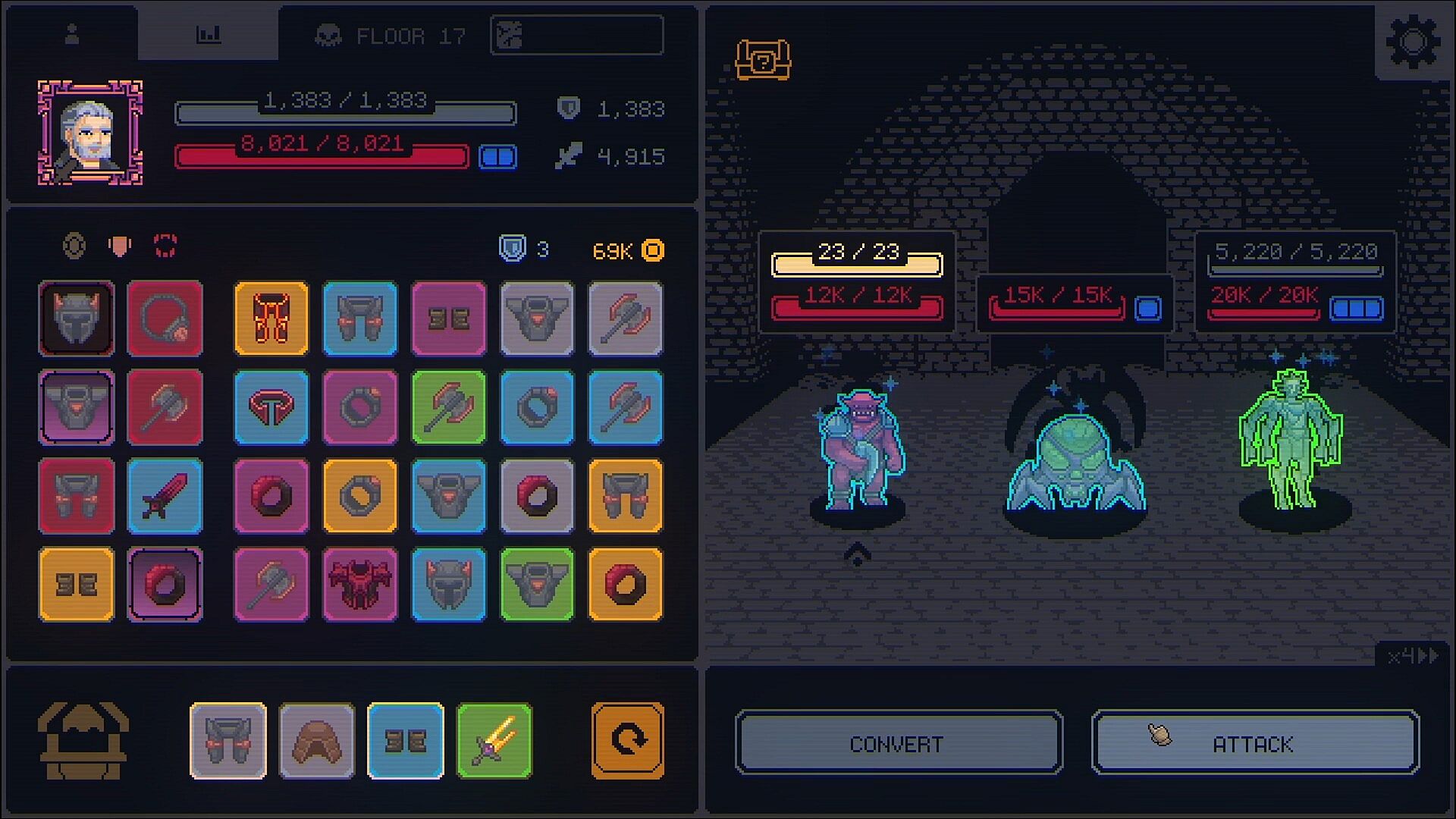
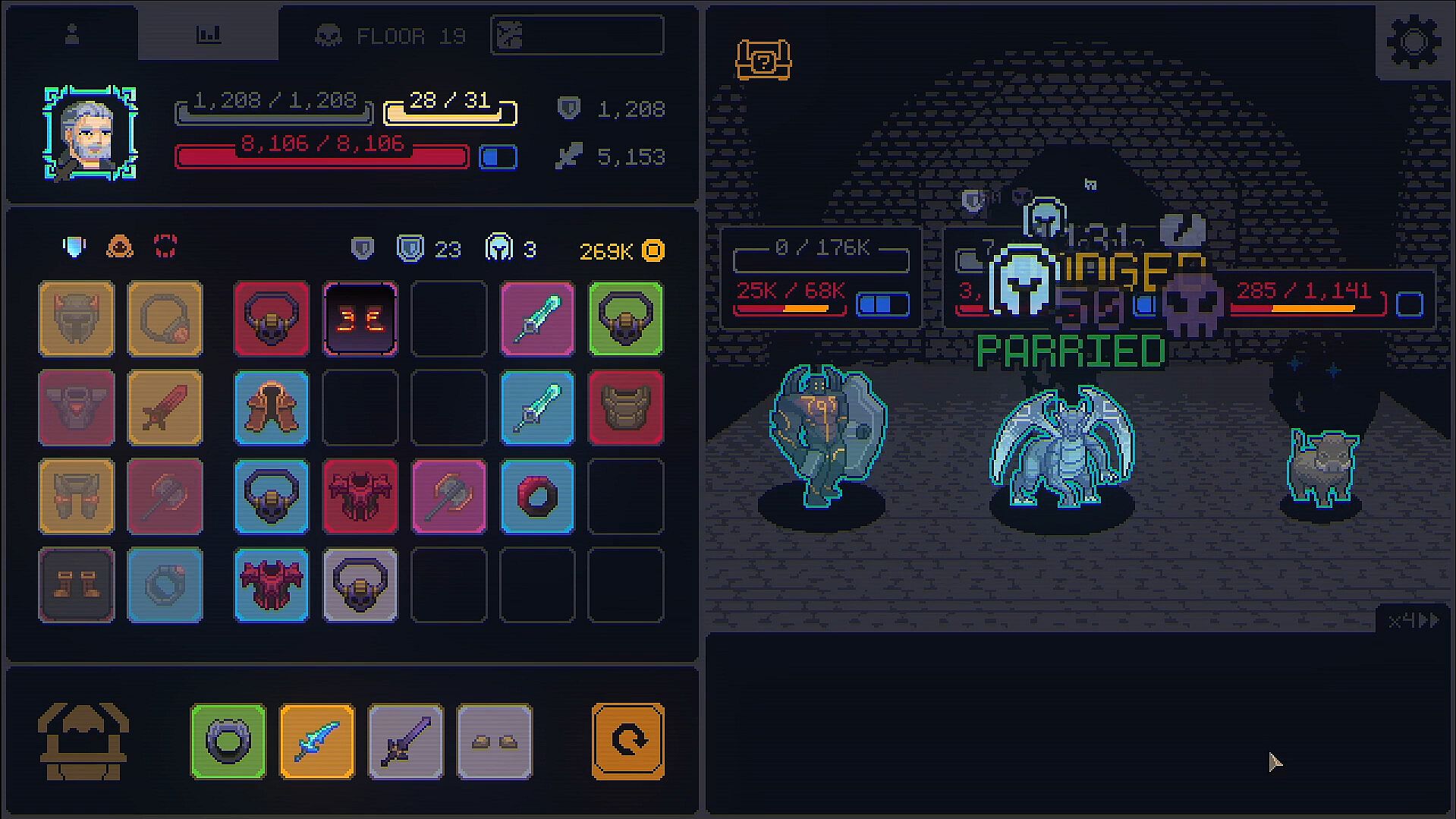
Megaloot is an inventory management roguelike RPG developed for PC. Players enter a mysterious tower that pulls objects and creatures from other realities, filling its floors with monsters and valuable items. The core loop centers on strategic loot collection, equipment management, and build crafting across repeated runs that reset progress each time.
Gameplay
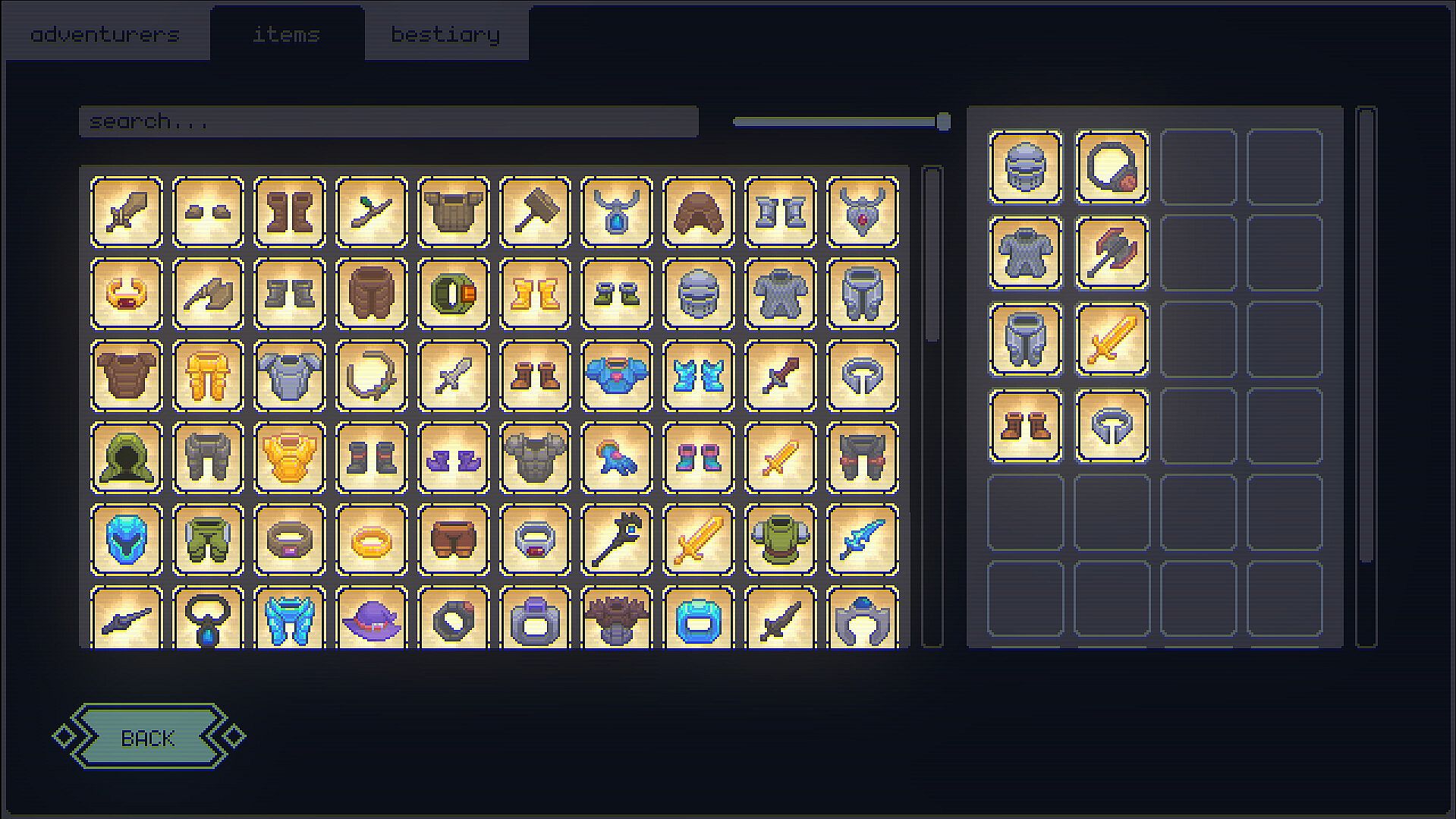
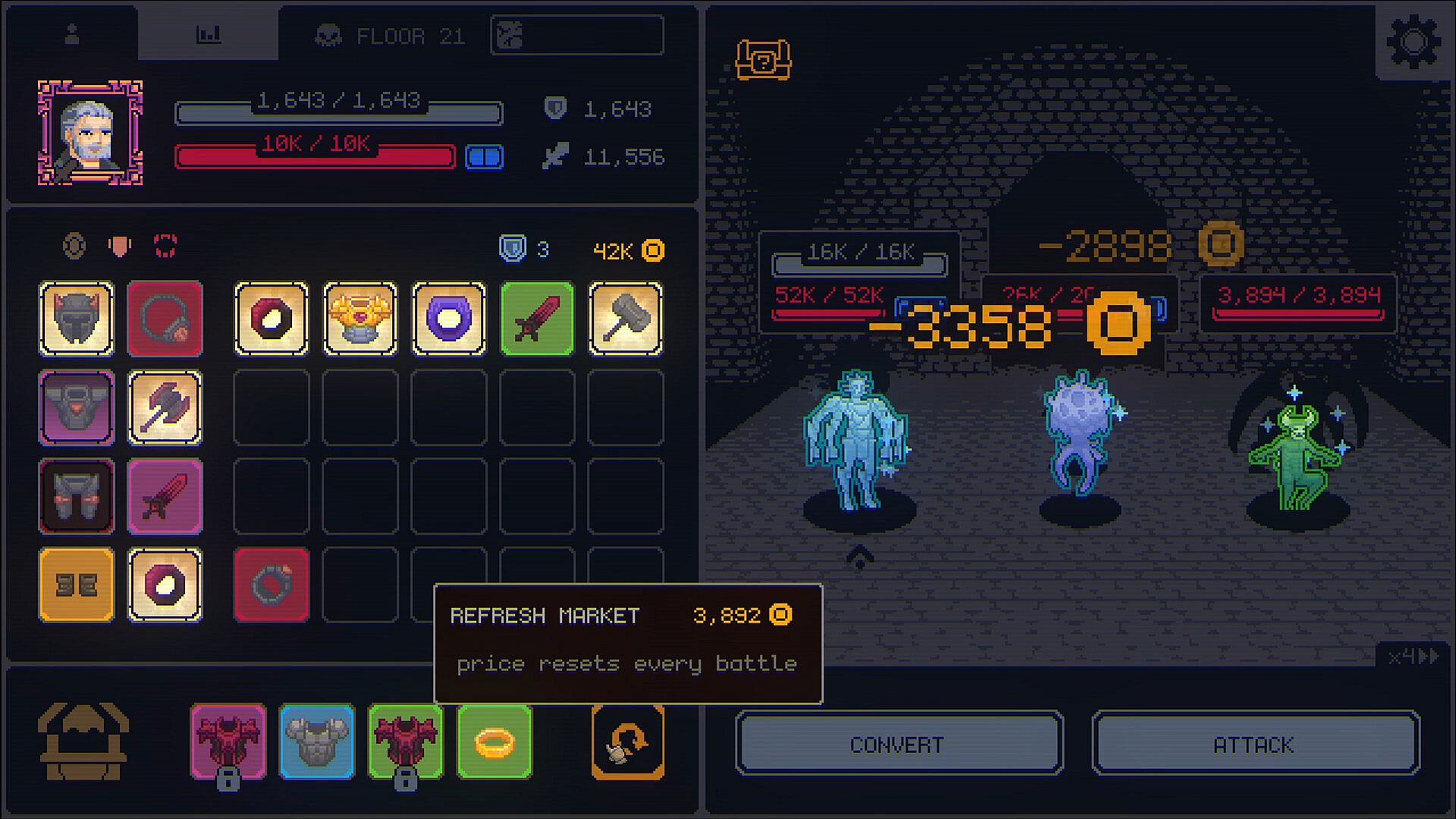
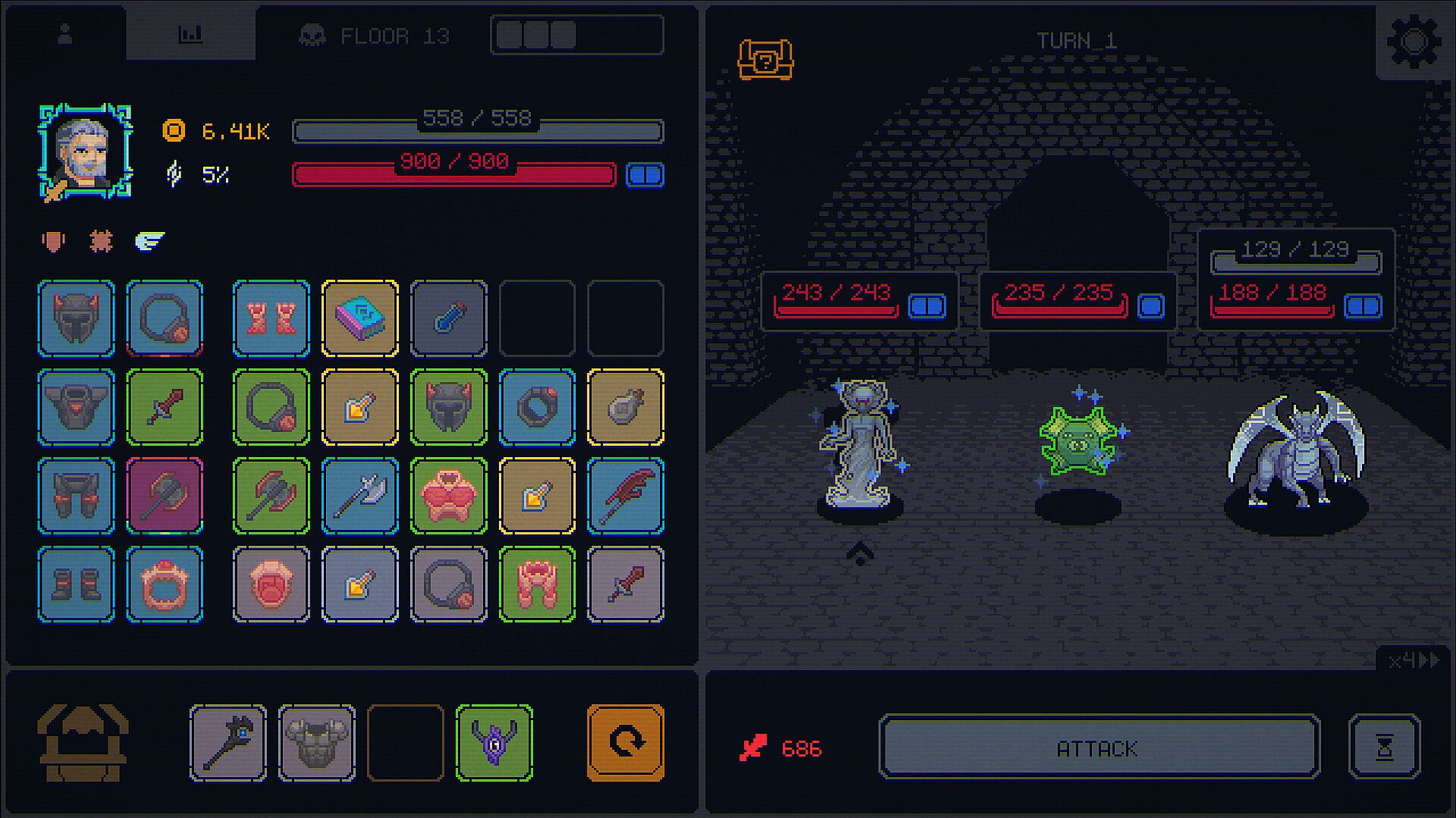
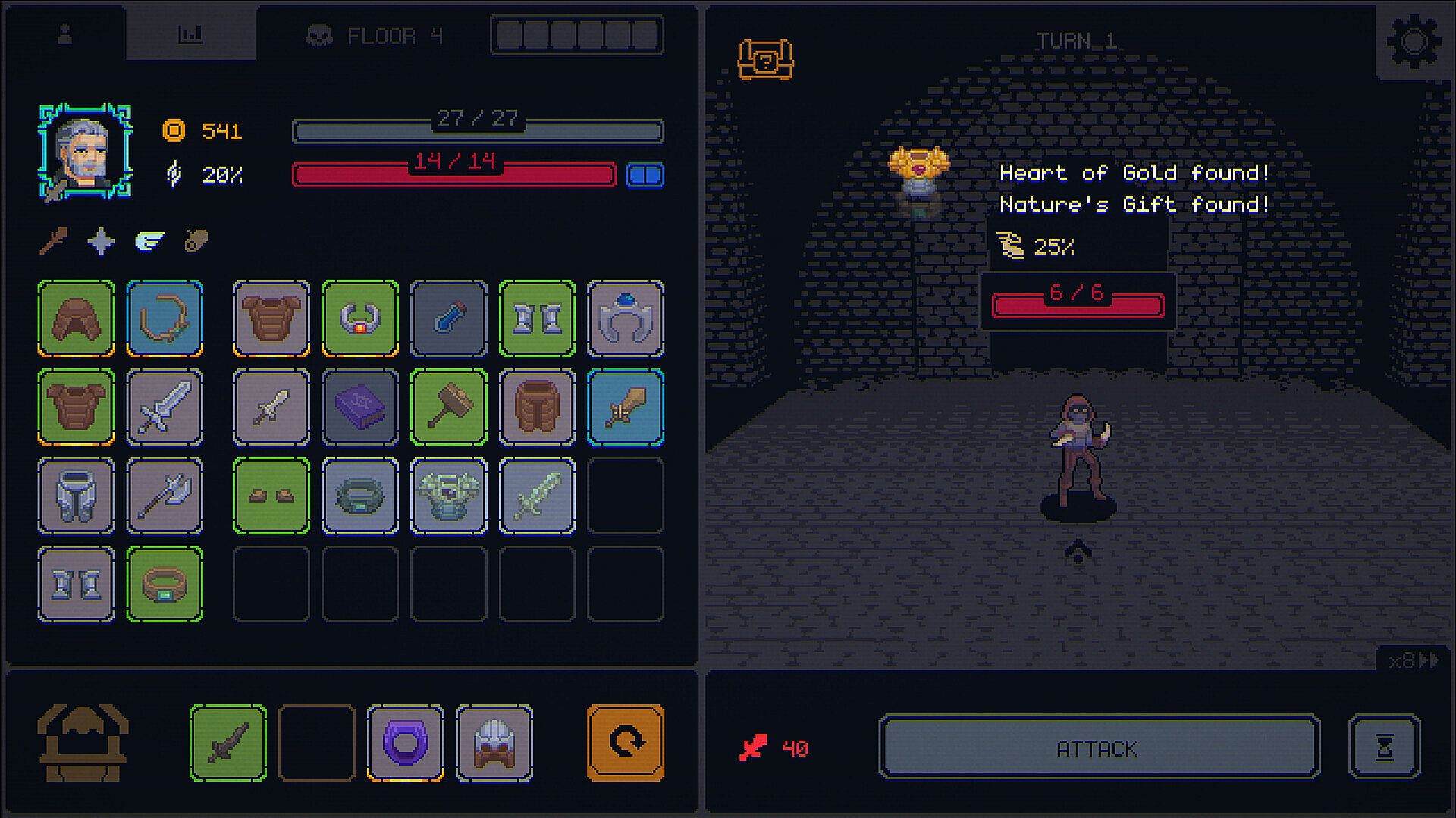
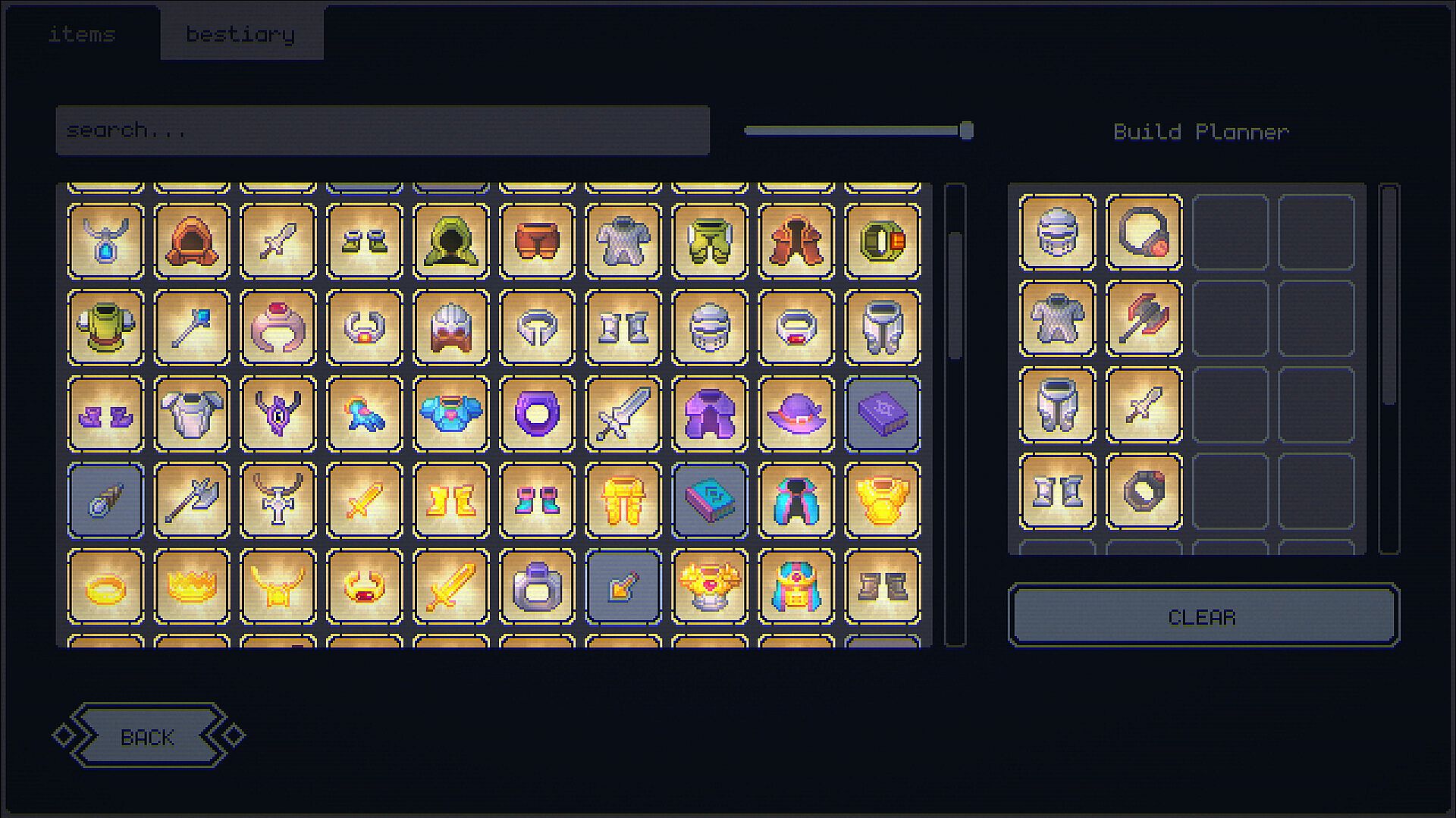
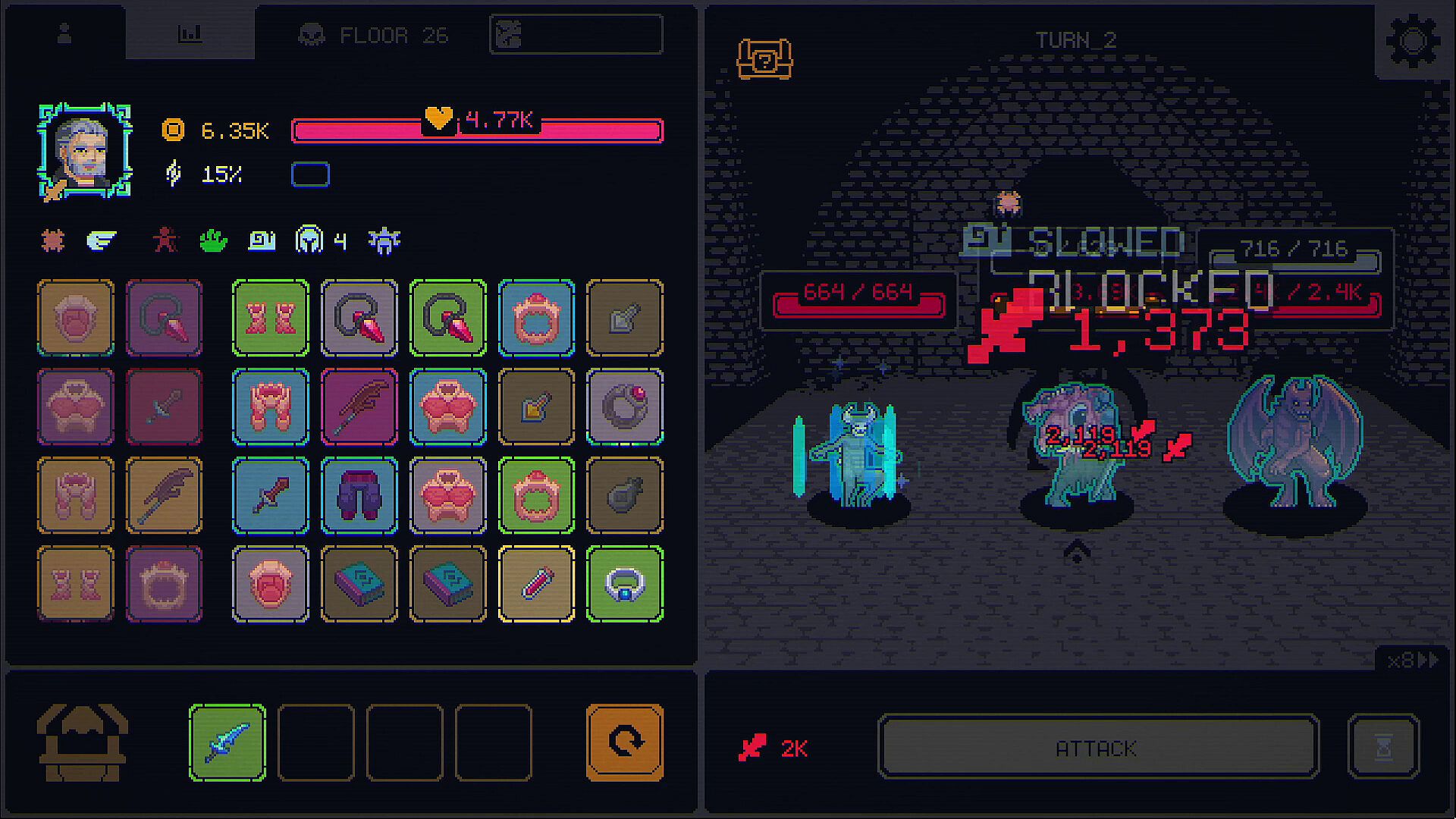
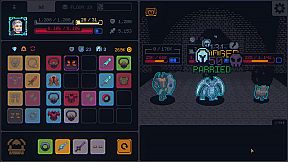
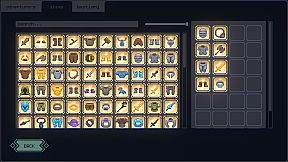
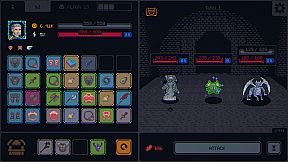
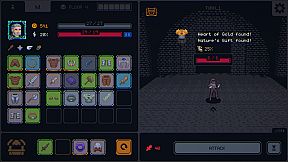
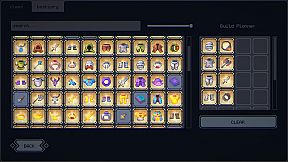
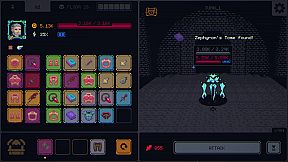
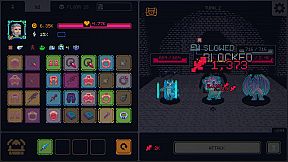
Combat unfolds floor by floor inside the tower. Players defeat enemies to gather gold and new pieces of equipment such as armor, weapons, rings, and other gear. These items carry a wide range of stats including Toxicity, Strength, Wisdom, Faith, and Recovery. With more than 150 unique loot pieces available and numerous variations in their properties, combinations create synergistic effects that define each run.
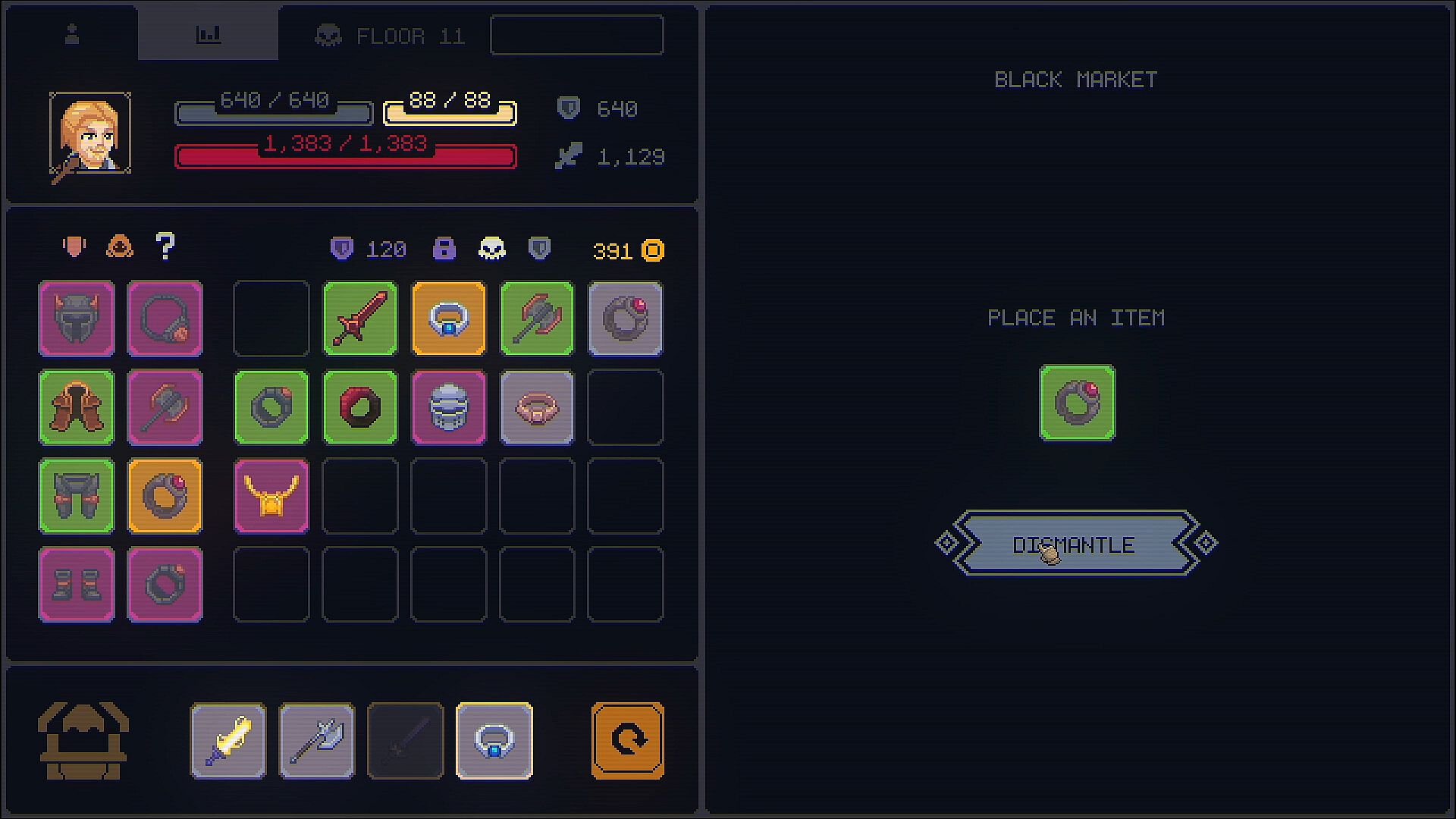
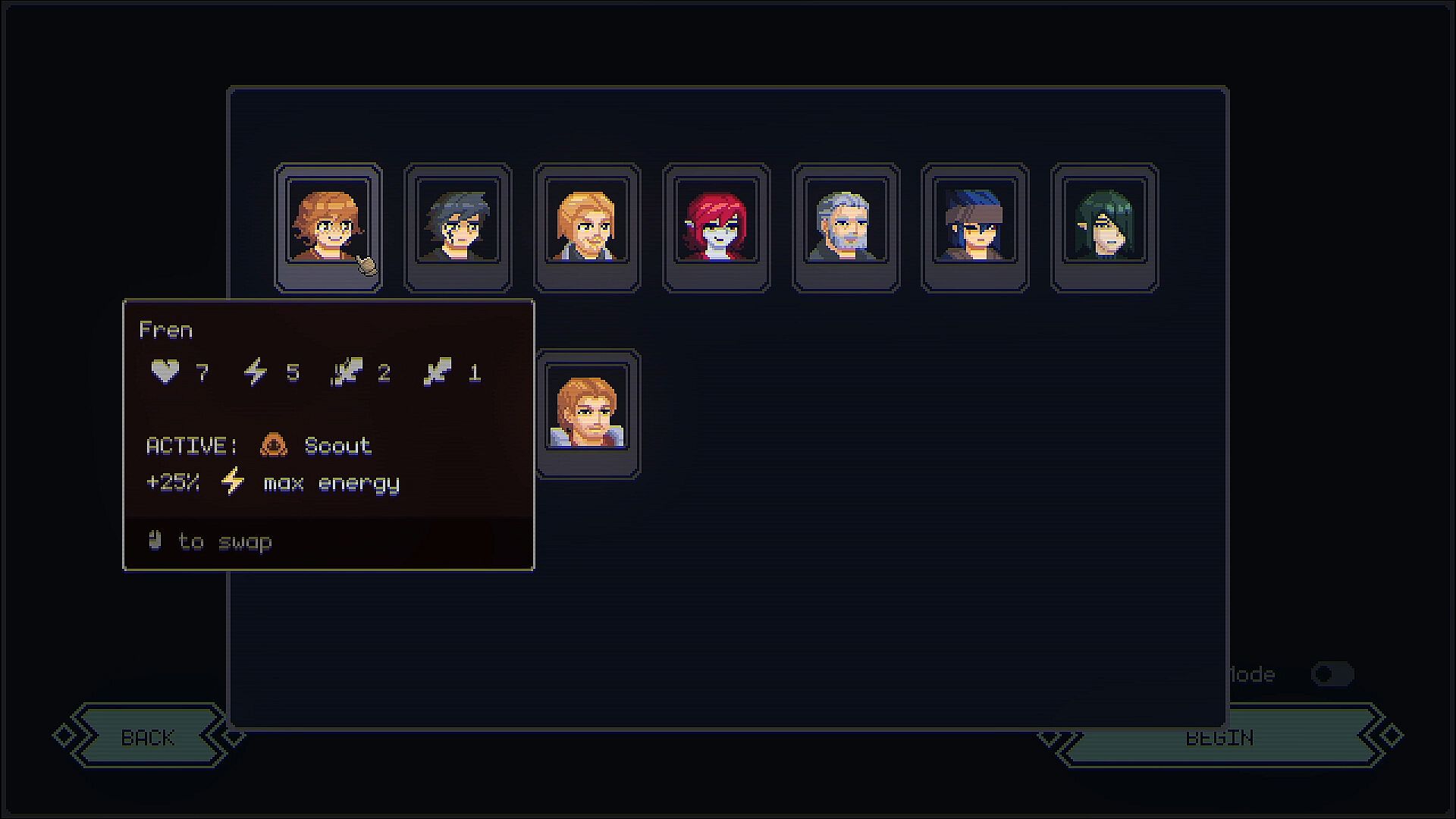
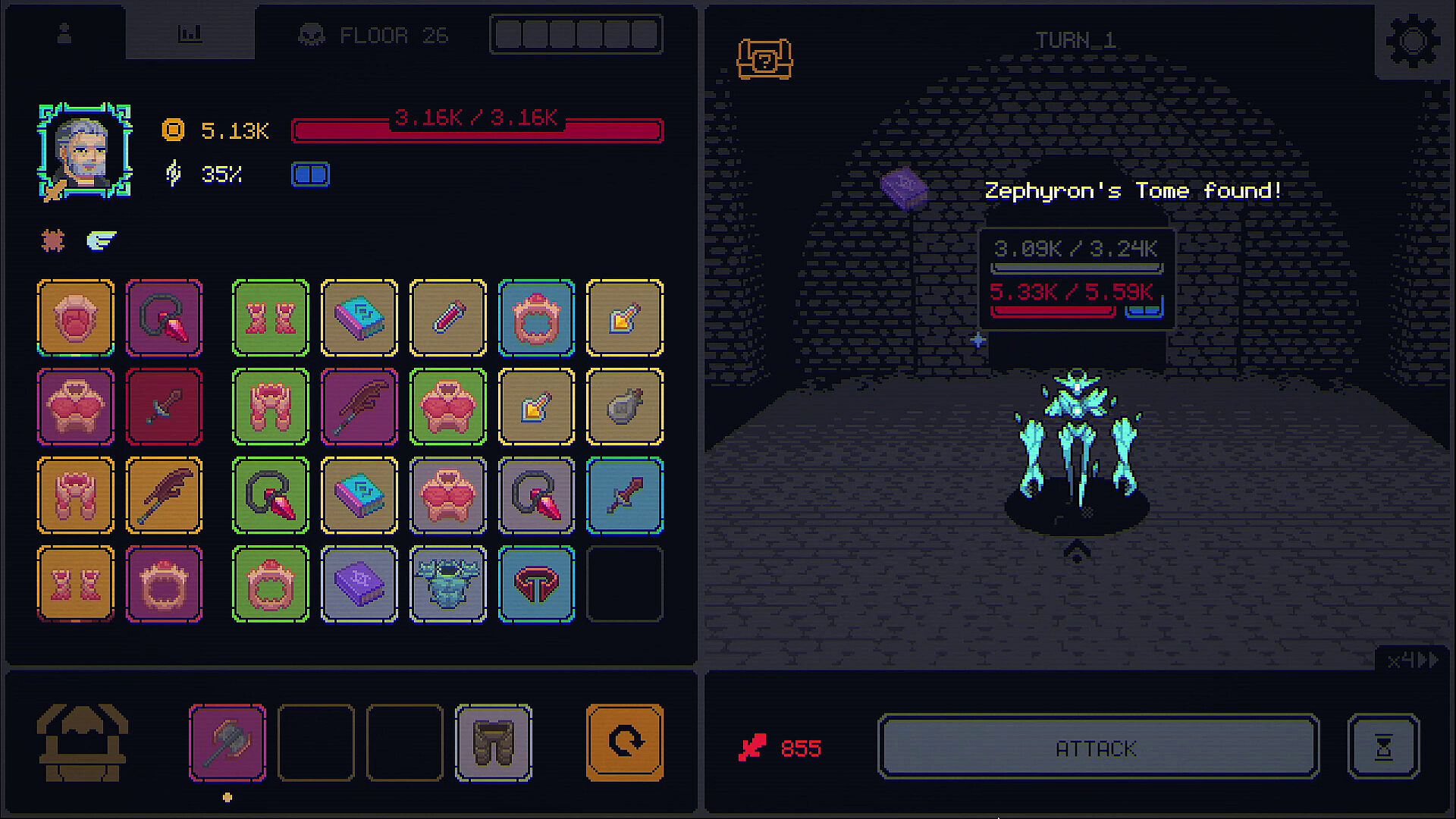
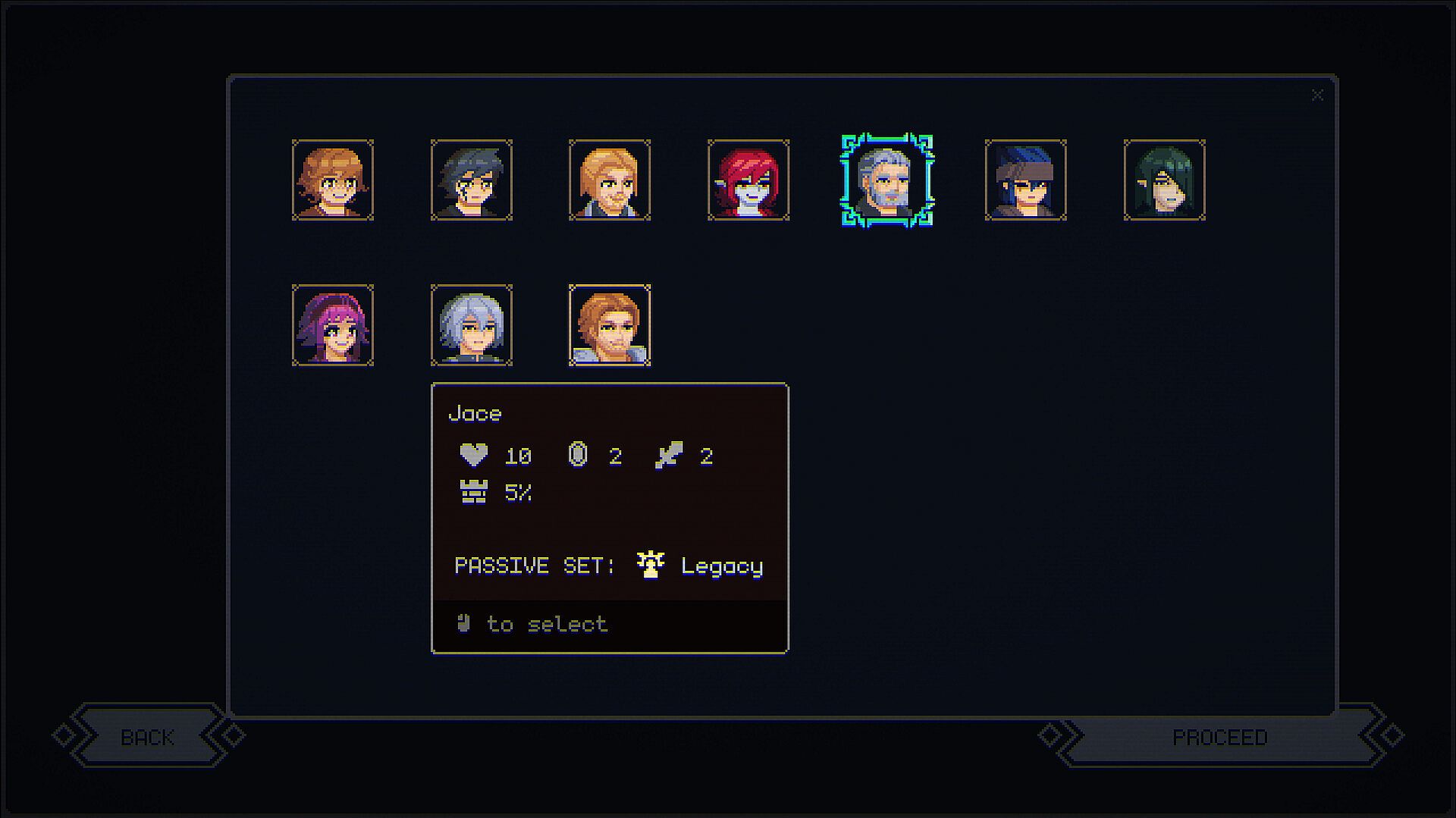
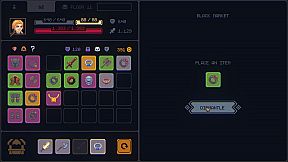
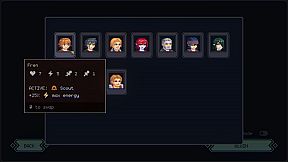
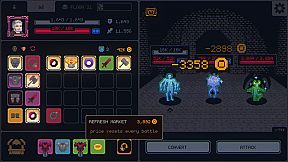
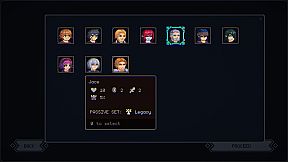
Inventory space remains limited, forcing constant decisions about what to keep, sell, or discard. Discarded items can be absorbed for a temporary power boost, allowing players to strengthen their character mid-battle. Gold purchases refresh the available shop stock, while potions and tomes provide direct power increases. Reforged items offer enhanced or unique properties that further diversify options. Ten distinct characters each bring their own abilities, encouraging experimentation with different starting points and tactical approaches.
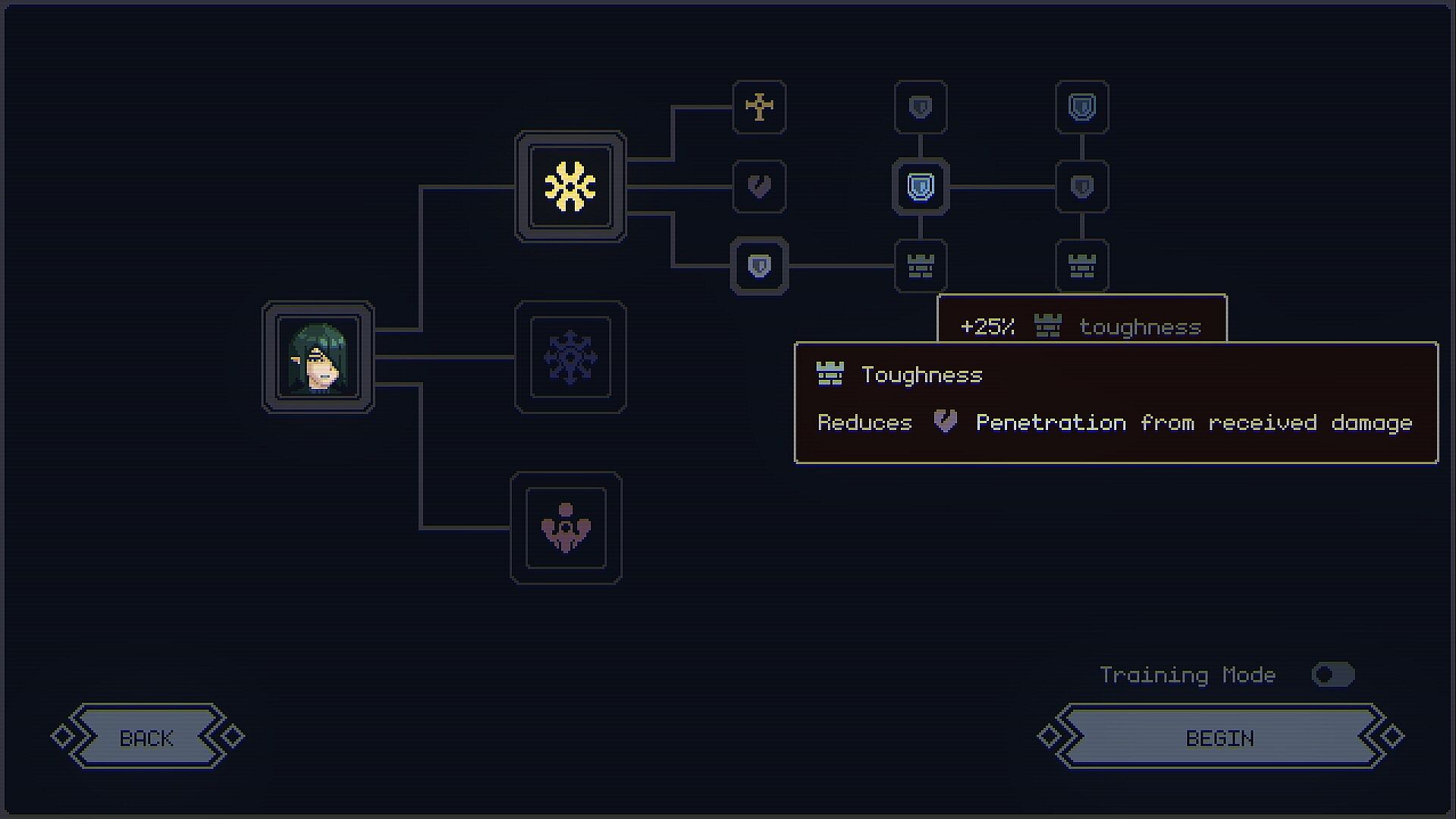
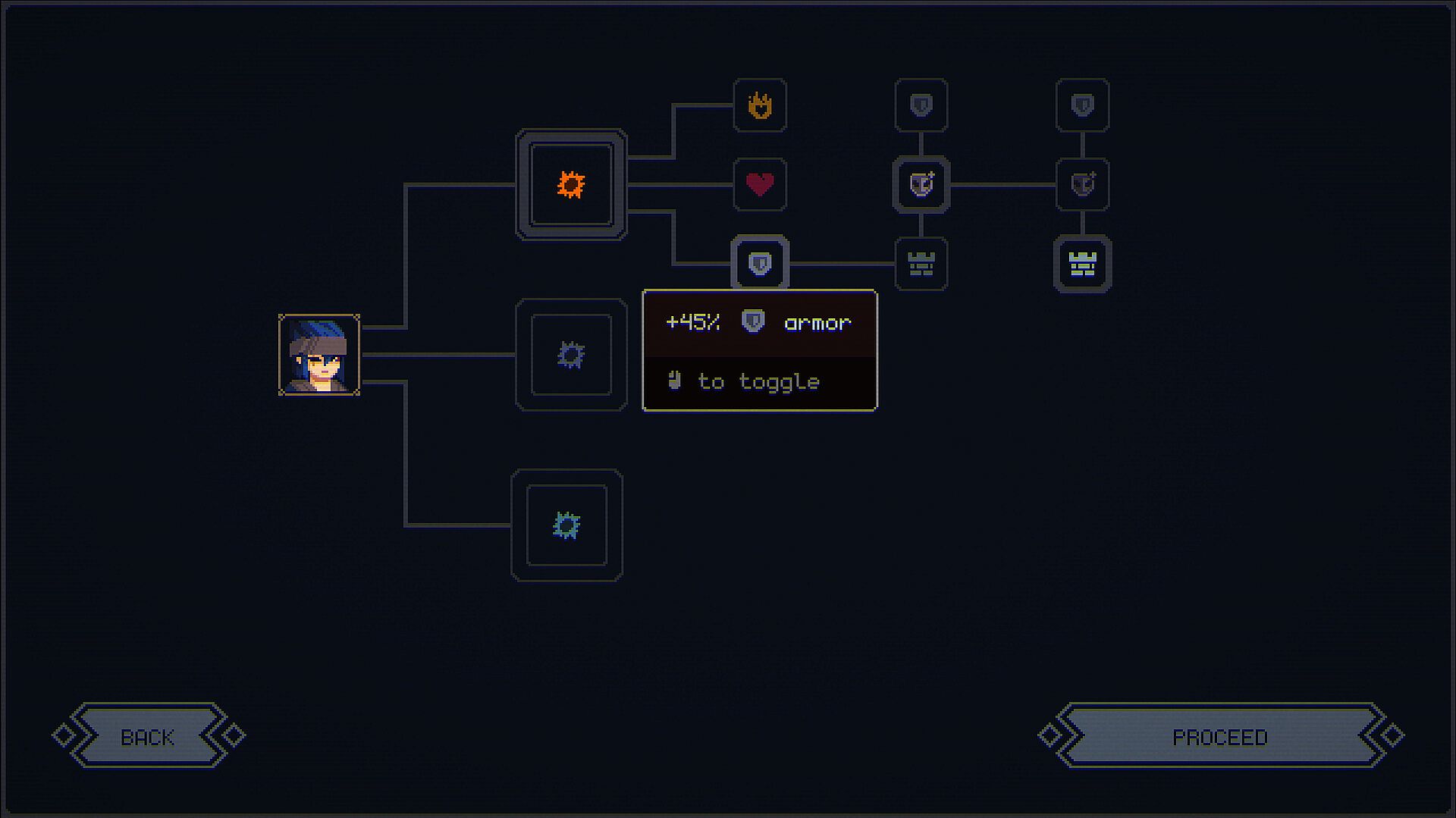
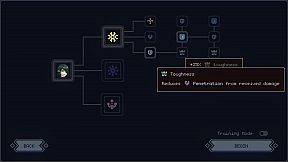
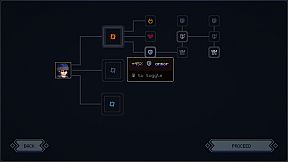
The system rewards careful planning. Stats interact with both loot and special keystones to shape strategies around offense, defense, recovery, or specialized effects. Simple controls keep the focus on decision-making rather than complex inputs, yet the depth of item interactions creates challenging and varied encounters on every ascent.
Game Modes
Megaloot centers on a single-player roguelike structure built around repeated tower runs. Each attempt begins with a fresh character and empty inventory, requiring players to rebuild power through loot gathered floor by floor. Procedural generation ensures different item pools and enemy placements on every attempt, supporting high replayability without additional modes.
Progression occurs within a single continuous climb rather than separate campaigns or competitive ladders. Success depends on adapting builds in real time, managing limited resources, and pushing as far as possible before defeat resets the run. The absence of persistent progression outside individual attempts keeps emphasis on the immediate loot economy and tactical choices during each session.
Core Mechanics and Builds
Item synergy forms the heart of strategy. Players combine pieces across the 27-plus stats to create specialized setups, such as stacking recovery effects for sustained fights or layering offensive multipliers for burst damage. Banishment of excess loot refreshes shop offerings, introducing a risk-reward element when deciding which items to remove from circulation.
Character abilities interact with equipped gear to open additional tactical layers. Some setups favor aggressive play that absorbs discarded items for short-term spikes in power, while others prioritize steady accumulation of defensive stats. The result is a gameplay loop that rewards observation of item properties and quick adaptation rather than fixed builds carried across runs.
Is It Worth Playing?
Megaloot suits players who enjoy roguelike structure combined with deep inventory decisions. Its release on August 30, 2024, brought a focused experience centered on loot management and build experimentation across ten characters. Reviews stand at mixed with 63 percent positive from over 1,500 user submissions, reflecting appreciation for the item systems alongside criticism of repetition in longer sessions.
The game delivers consistent value for those drawn to casual yet strategic RPGs that emphasize careful resource allocation over narrative or exploration. High replayability stems directly from the variety of item combinations and character starts rather than added content layers. Players seeking meticulous build crafting in short, self-contained runs will find the mechanics rewarding, while those preferring broader progression systems or multiplayer elements may find the scope narrower than expected.