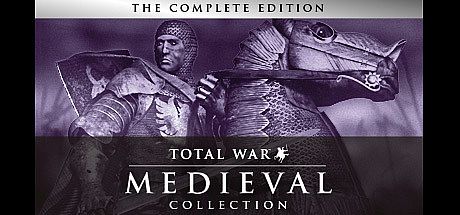






















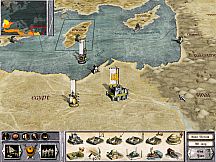
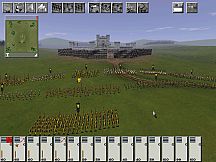
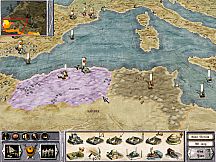
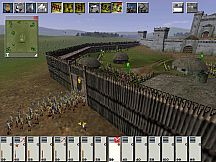
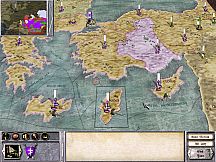
Medieval: Total War Collection combines the original Medieval: Total War with its Viking Invasion expansion into a single package for PC players interested in historical strategy. This title places players in command of medieval factions across Europe, the Middle East, and Africa, where they manage empires through a combination of turn-based campaign decisions and large-scale real-time battles. The experience spans centuries of conflict, from the Crusades to the fall of Constantinople, with the expansion shifting focus to the Viking Age in the British Isles and Scandinavia.
Gameplay
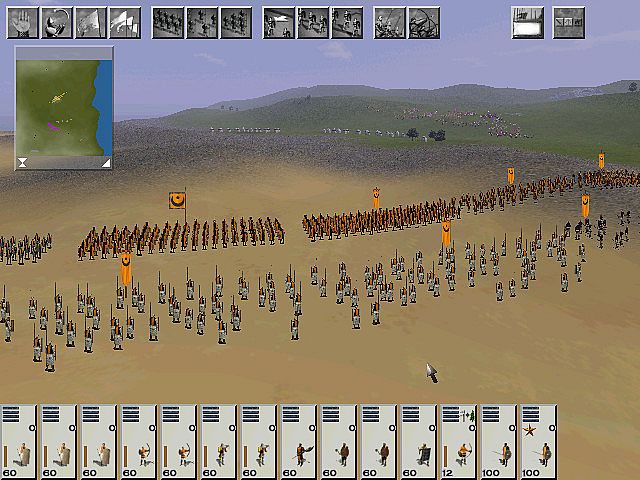
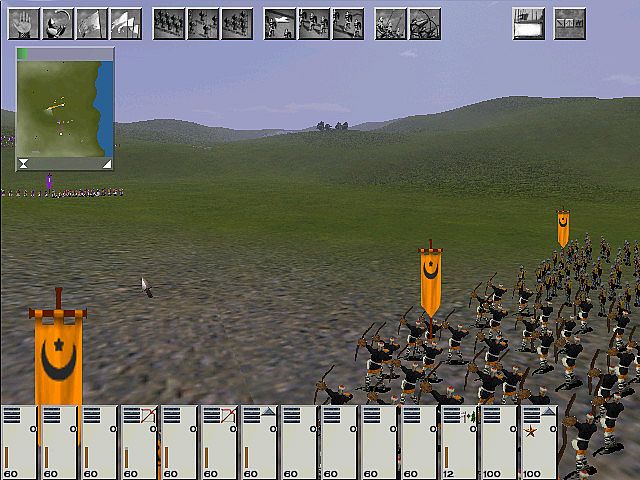
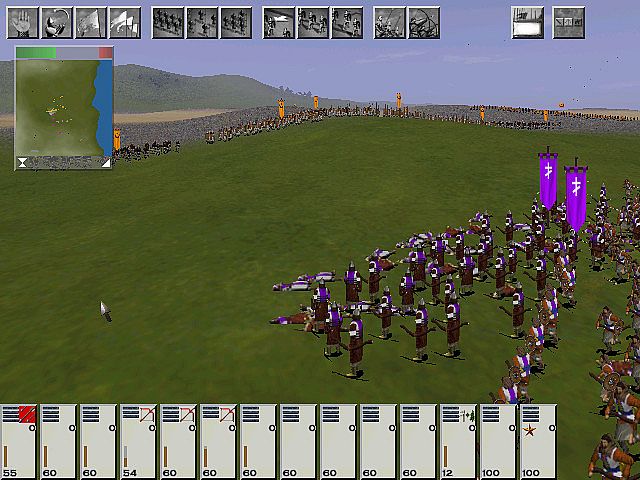
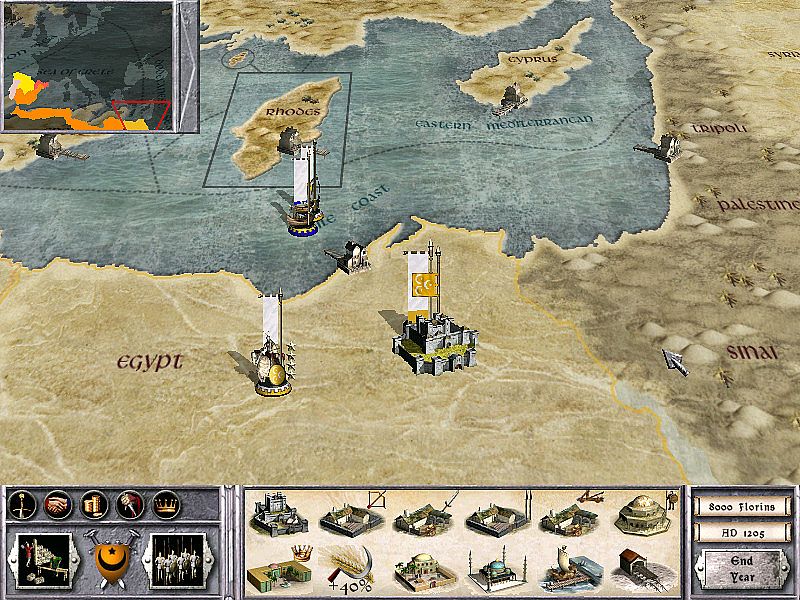
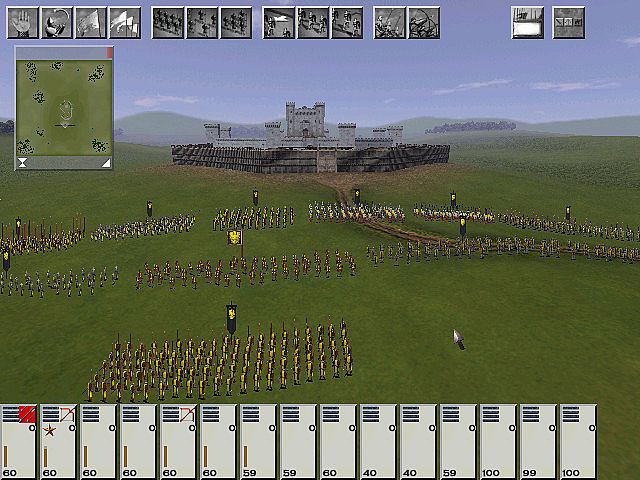
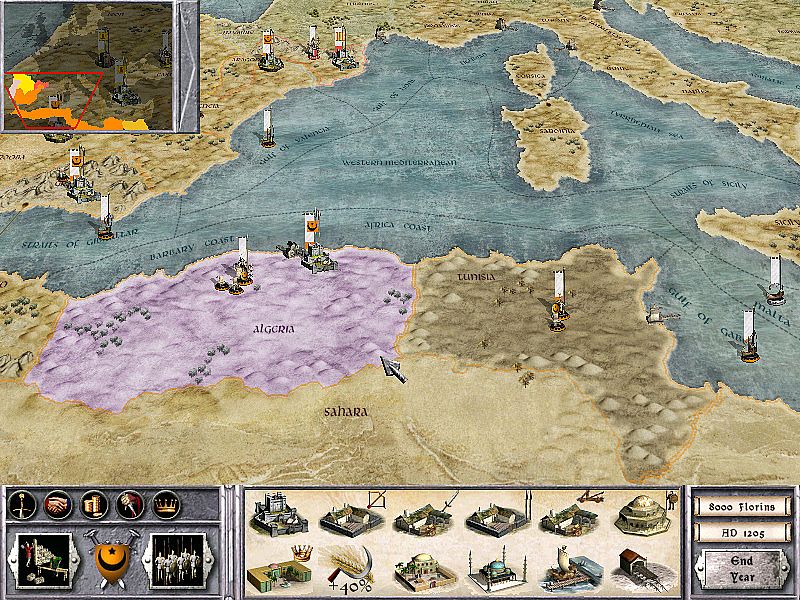
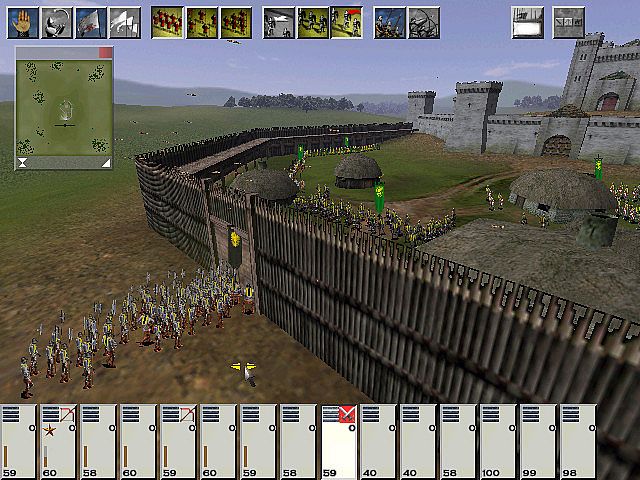
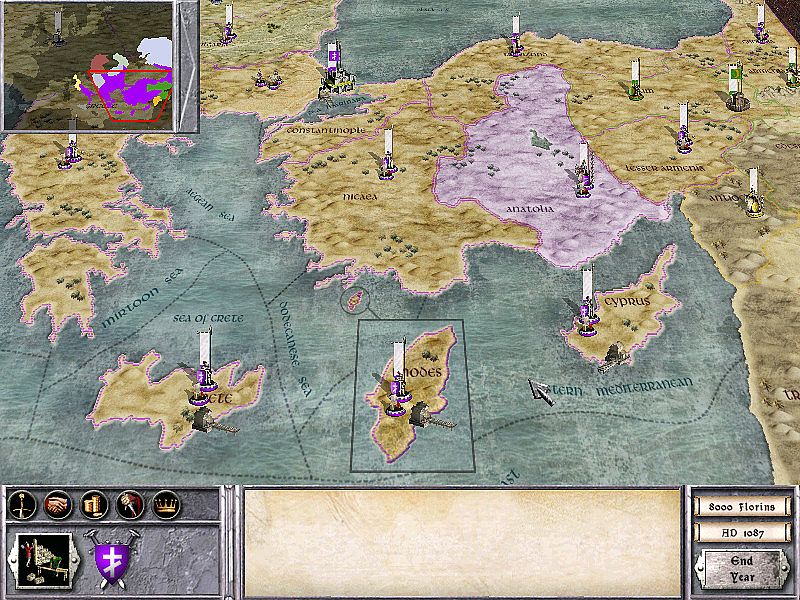
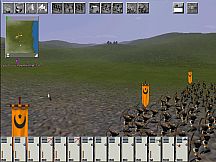
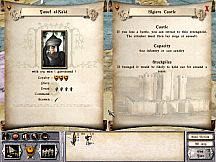
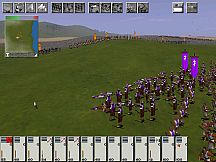
The core loop revolves around recruiting armies, expanding territory on a campaign map, and resolving conflicts through battles that can involve thousands of soldiers. Players direct units in real time during fights, using formations, terrain, and special abilities to gain advantages. Sieges form a major part of the action, requiring attackers to breach castle walls while defenders hold strategic positions. Naval engagements add another layer, allowing fleets to contest control of seas and support land operations.
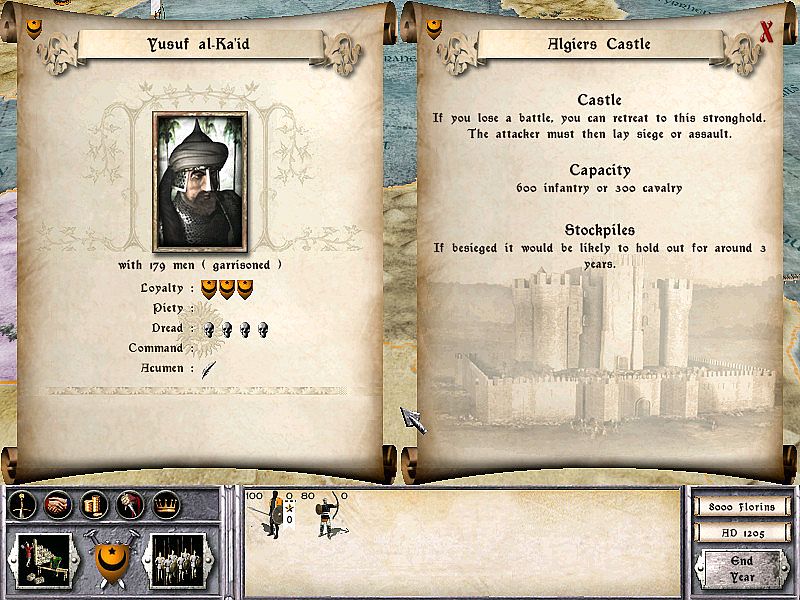
Diplomacy and subterfuge play key roles through agents. Emissaries handle negotiations and alliances, spies gather intelligence, and assassins eliminate threats. Character traits such as valour, vice, and virtues influence how other factions respond and how troops perform under leadership. These elements create a system where political maneuvering and battlefield tactics must align to build a lasting dynasty.
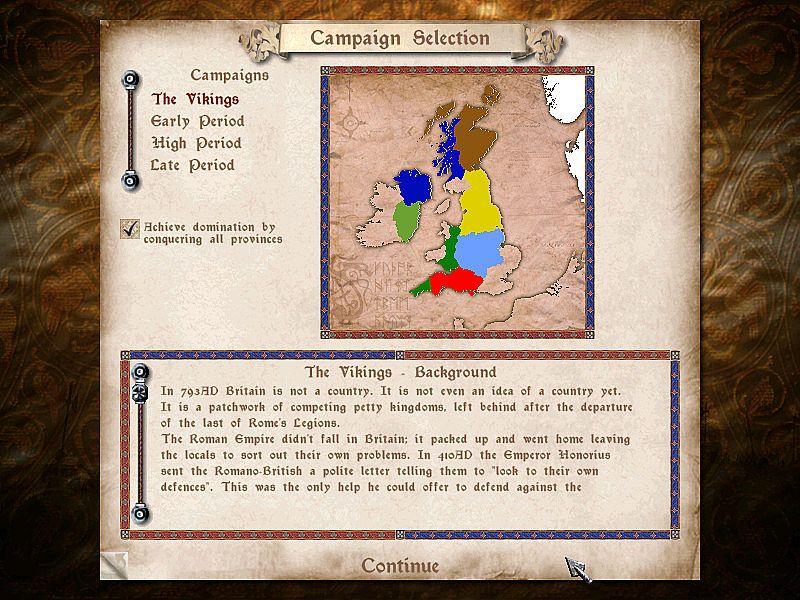
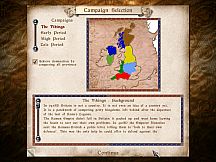
The Viking Invasion expansion extends these systems with a dedicated campaign map covering the British Isles and western Scandinavia. New factions receive unique units suited to raiding or defense, and the period runs from 793 to 1066. Enhancements like flaming ammunition for sieges and improved pre-battle deployment carry over to the main campaign as well.
Game Modes
The primary mode is the Grand Campaign, where players select one of fourteen factions and guide it through centuries of expansion and conflict. Objectives center on territorial control, dynastic stability, and eventual dominance. Battles occur as needed to resolve disputes or conquer settlements, with options for custom scenarios outside the campaign structure.
Viking Invasion introduces its own standalone campaign focused on the British Isles. Players can lead Viking forces in raids and conquests or command Anglo-Saxon kingdoms such as Wessex and Mercia to repel invaders and unify the region. This mode includes additional units and a more detailed map tailored to the era.
Individual battles allow direct control of forces without campaign progression, supporting practice or standalone conflicts. The collection integrates these options so players can move between the original campaign, the expansion content, and tactical engagements.
Factions and Historical Setting
Fourteen playable factions represent diverse regions and cultures, each with distinct starting positions and unit rosters. The base game covers a broad timeline and geography, while the expansion narrows to earlier Anglo-Saxon and Viking groups with specialized mechanics for raiding and resistance. Faction choice affects available strategies, from aggressive expansion to defensive consolidation.
The setting draws from real historical events, including rebellions, civil wars, and the rise of nations. Players navigate these conditions while pursuing personal goals for power, with outcomes shaped by both military success and diplomatic skill.
Is It Worth Playing?
This collection suits players who enjoy deep strategy games that blend empire management with large battles. The campaign structure rewards long-term planning and adaptation to changing political landscapes, while battles deliver scale through thousands of on-screen units and castle sieges. Those drawn to historical themes will find the period detail and faction variety engaging.
The game runs on modern PCs through its Steam availability as a collection, with no ongoing seasonal content or updates required. It remains a complete single-player experience focused on campaign progression and tactical combat. Players seeking turn-based strategy paired with real-time action in a medieval context will find the systems hold up for repeated playthroughs with different factions.