



















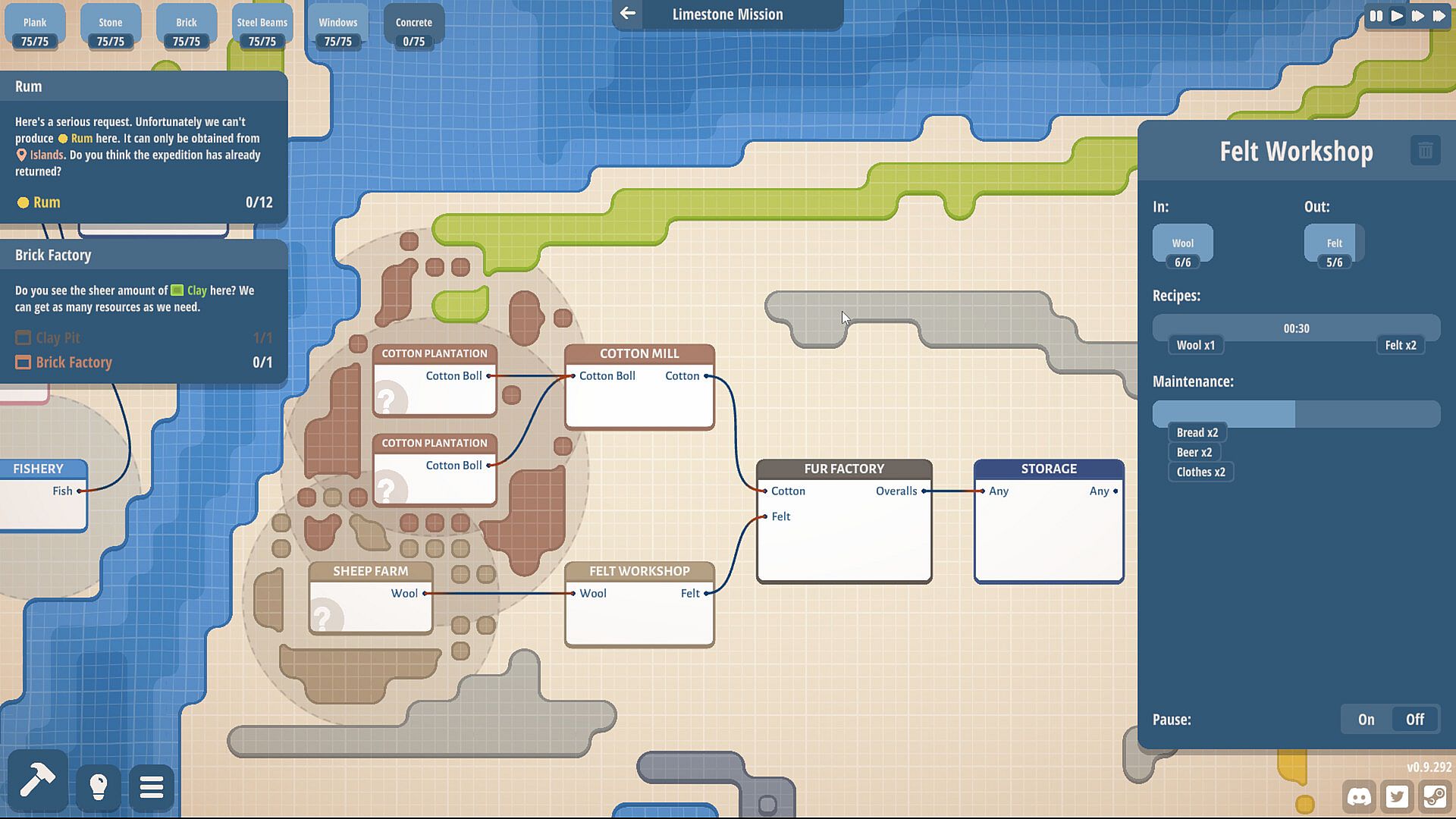
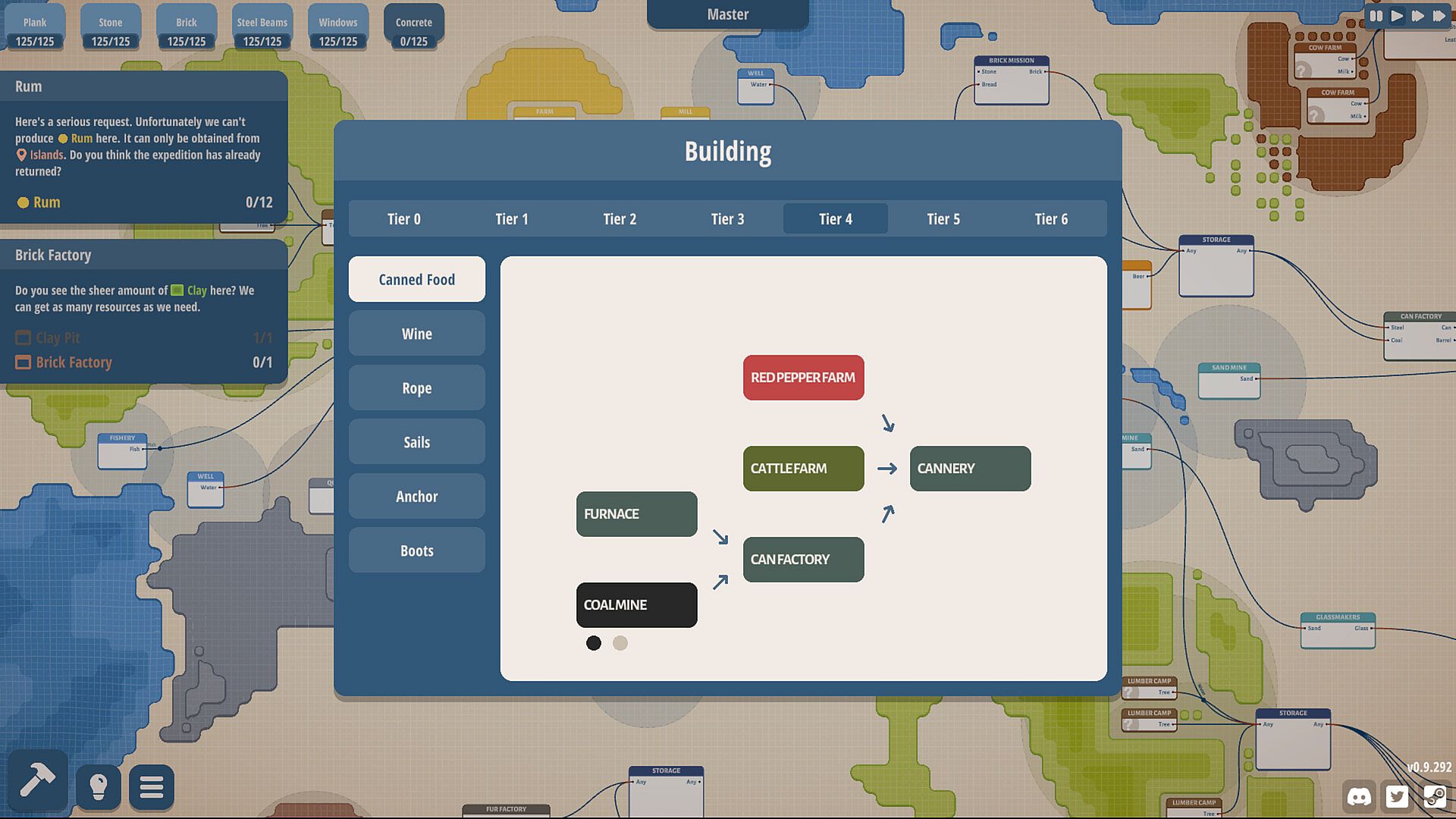
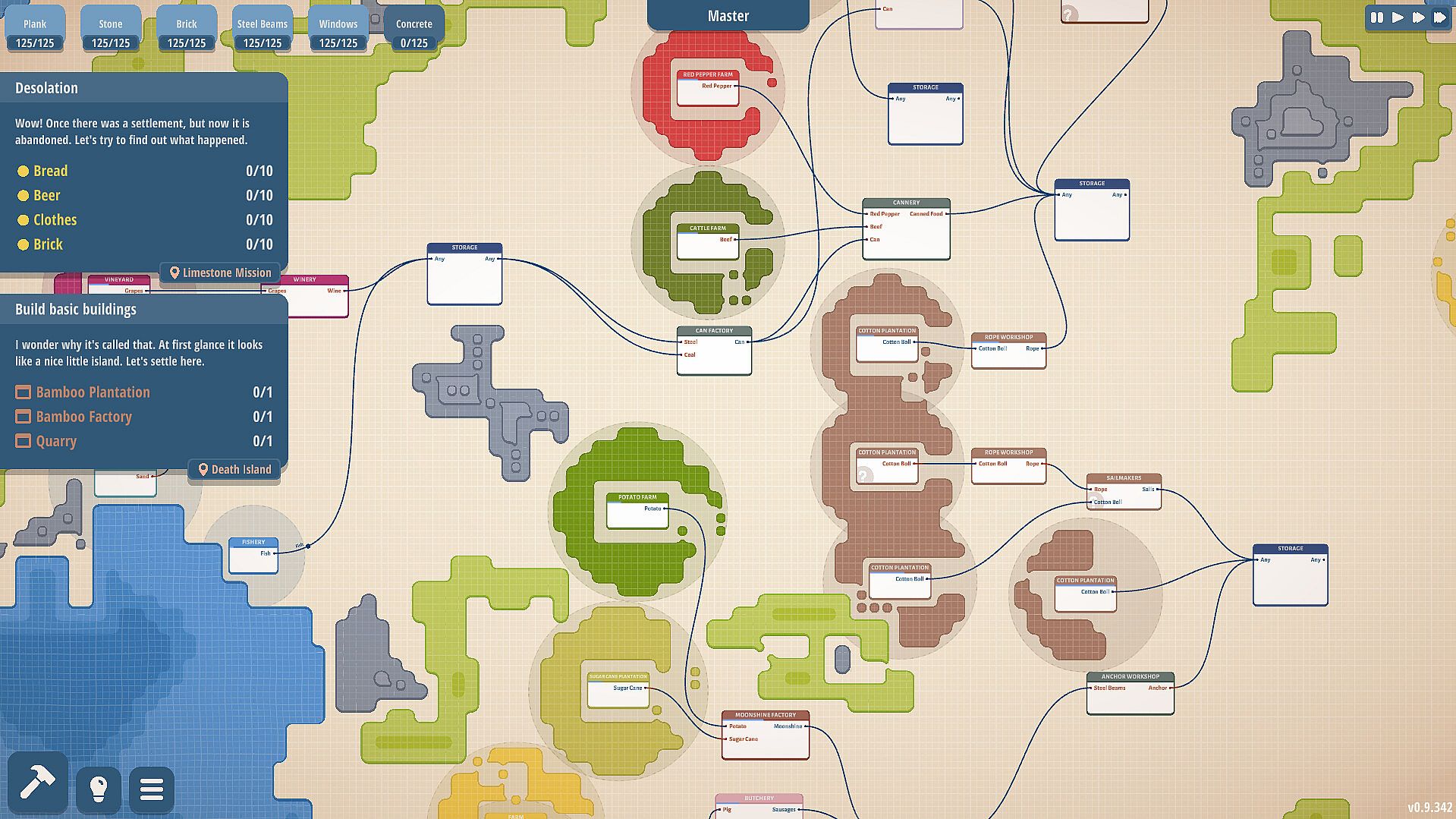
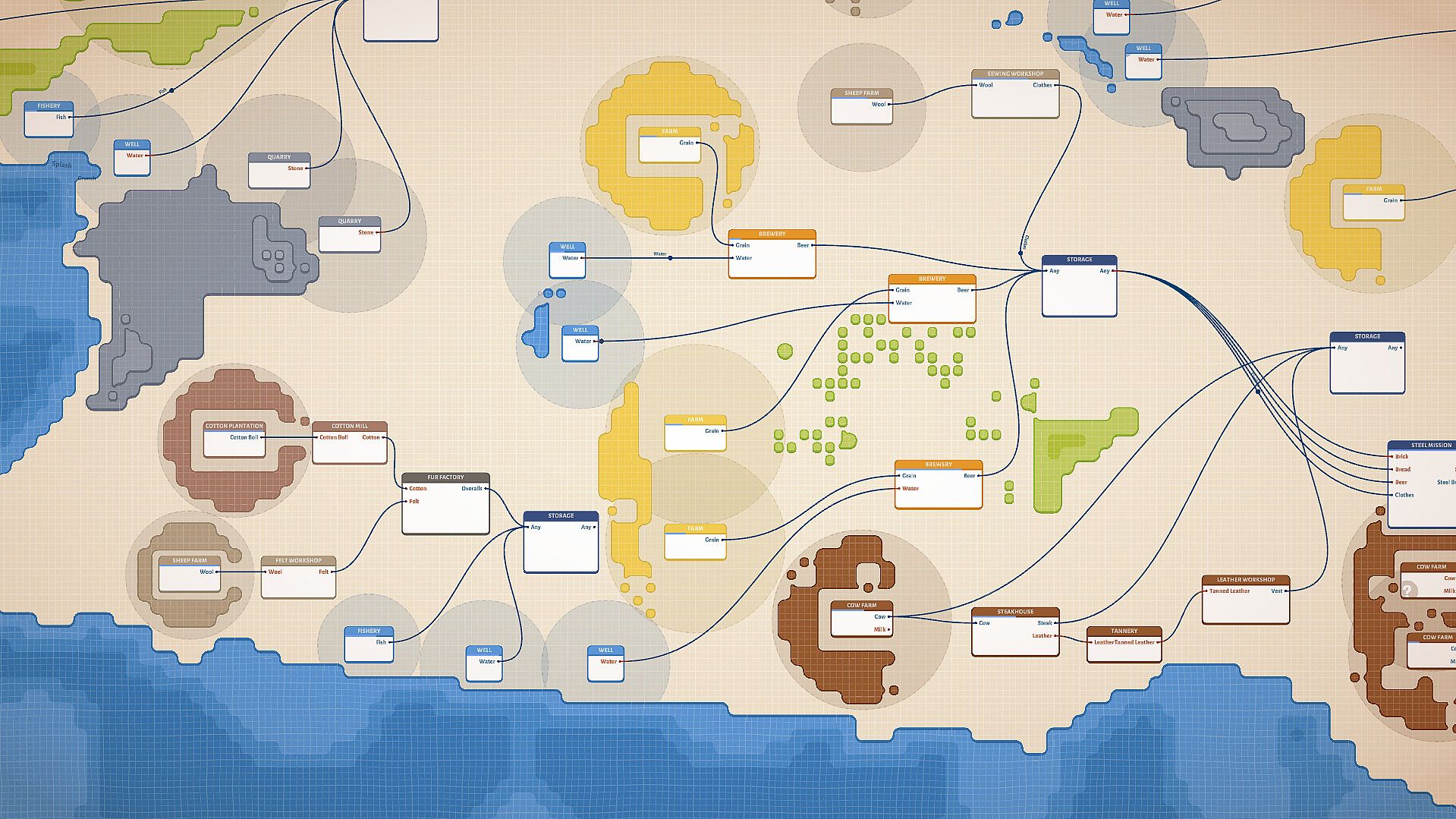
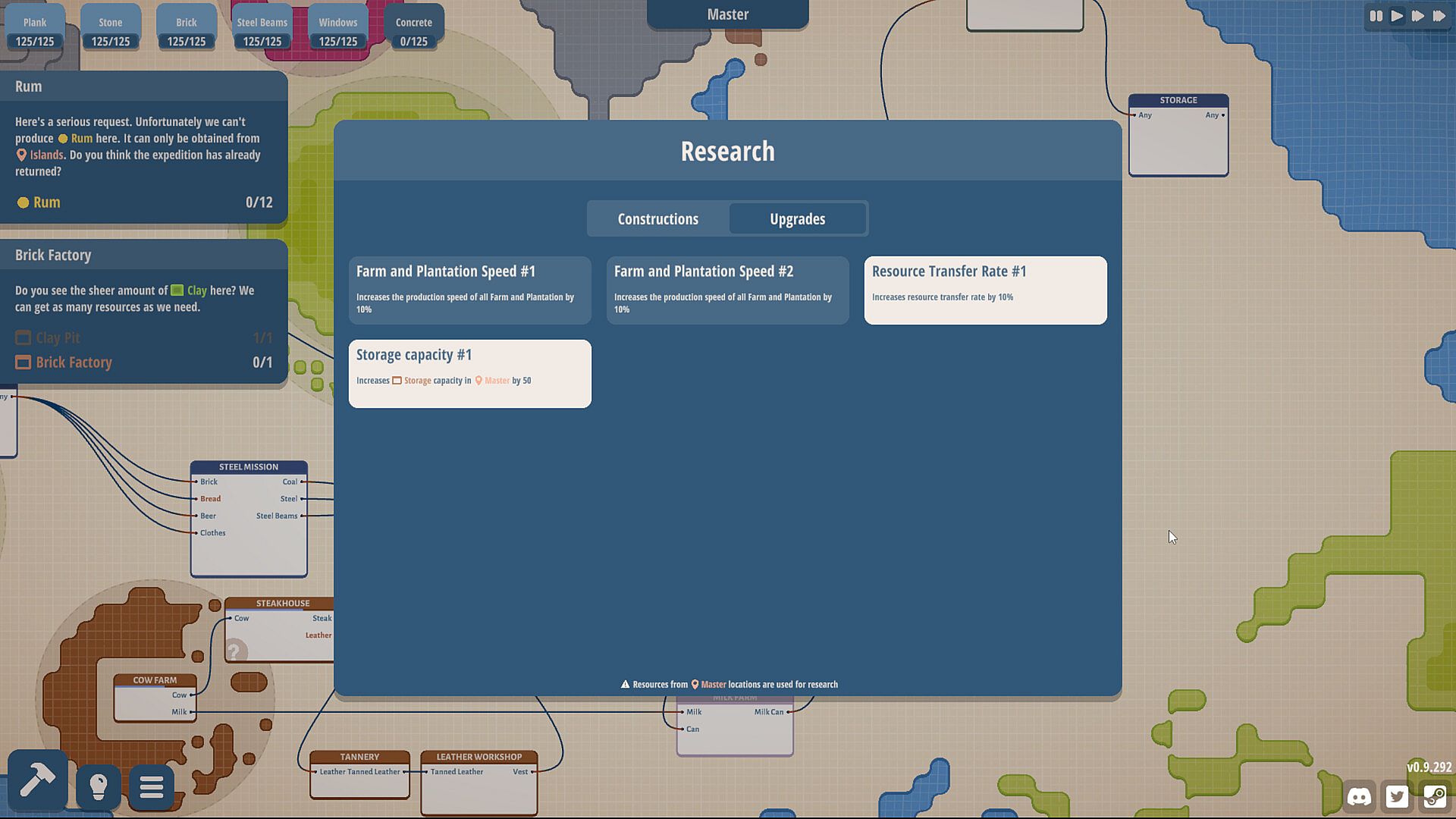
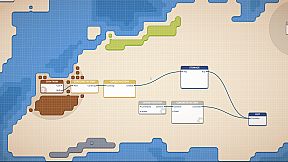
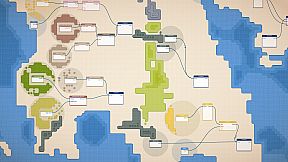
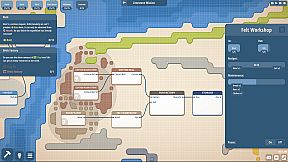
Masterplan Tycoon stands out as a strategy indie simulation game centered on resource management and logistics on PC. Players construct and optimize networks of production buildings to move goods efficiently across limited space, with a focus on schematic connections rather than visual detail.
Gameplay
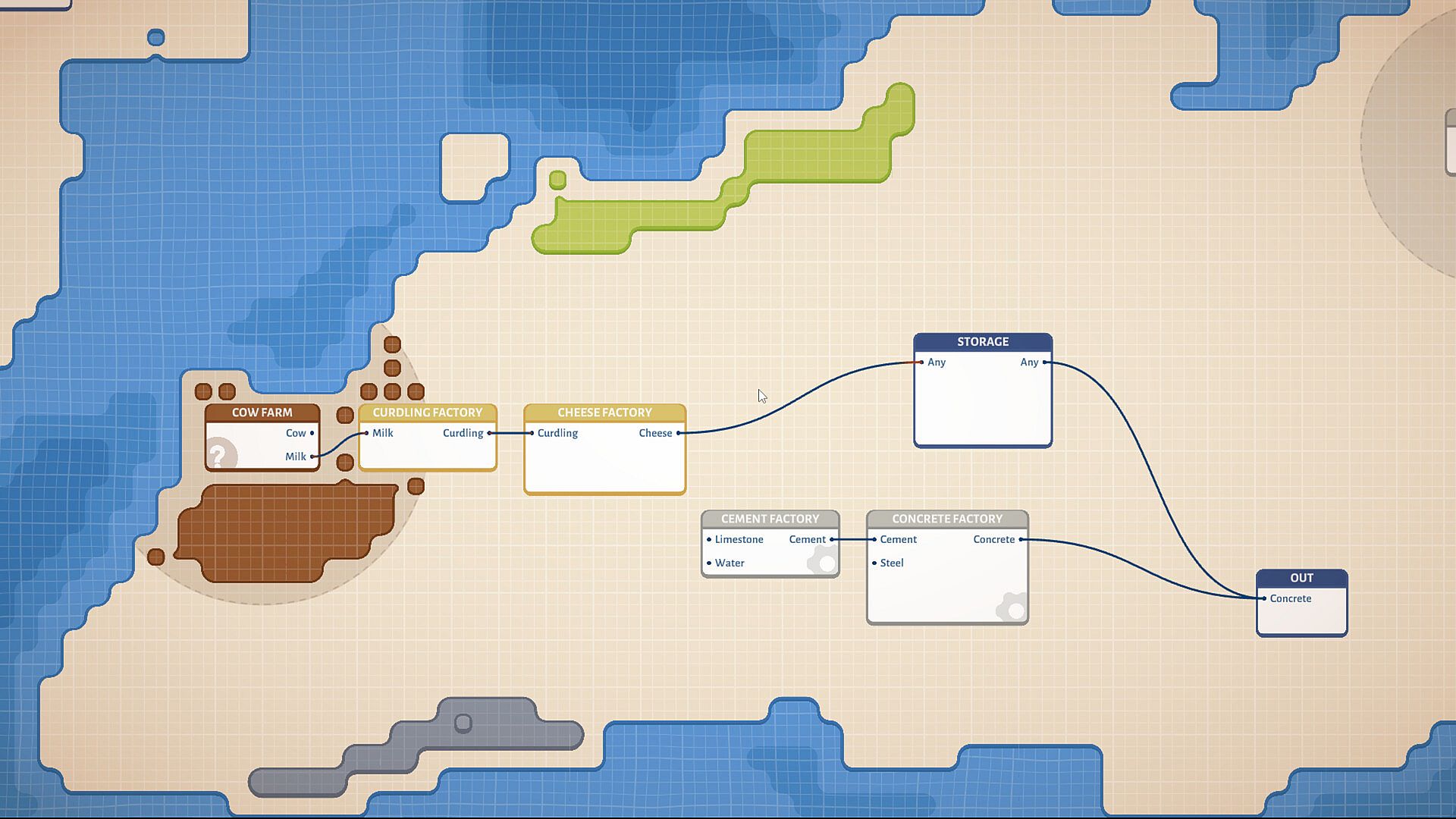
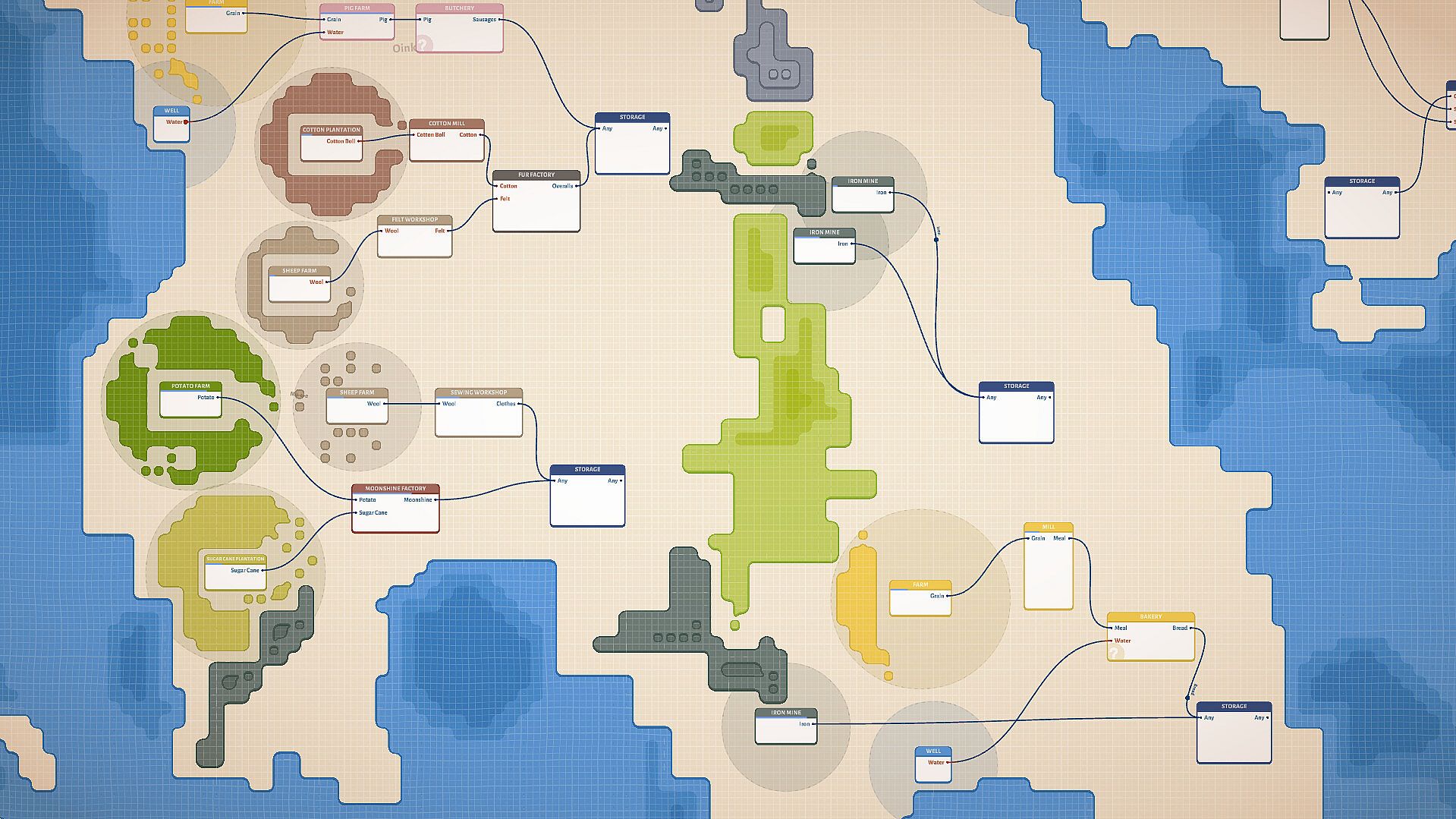
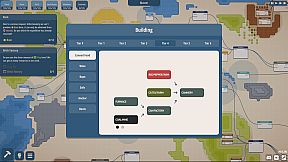
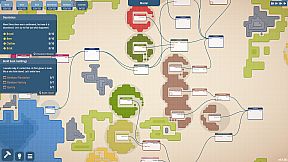
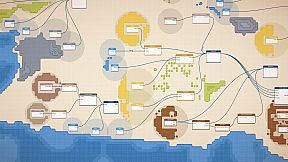
The core loop revolves around placing buildings as nodes and drawing links between them to form functional chains. Each building serves a specific role in processing or storing resources, and connections must align properly at contact points for items to flow without interruption. Space constraints force careful planning, as buildings have placement rules such as proximity to certain terrain features like water or mountains.
Resource production begins simply with basic setups like quarries feeding into storage. As chains lengthen, players introduce factories, additional storage, and transport elements to handle growing complexity. The schematic presentation keeps attention on flow management, allowing quick adjustments without visual clutter. Mistakes carry no penalties, so experimentation remains low pressure while players refine layouts.
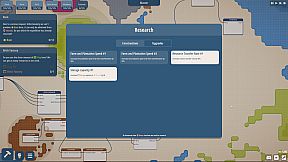
Expansion introduces new areas and resource types, such as bamboo or limestone derivatives, which require fresh connections and adaptations. Research options help streamline production rates once unlocked through task completion. Monitoring the entire system becomes essential as networks span multiple zones and demand balanced throughput.
Game Modes
The game structures play around a series of missions that build on one another. Each mission presents specific goals tied to resource delivery and system scale, with tasks that unlock further content upon completion. This mission framework guides progression while encouraging creative solutions within the rules of space and connectivity.
A recent major update added a dedicated campaign layer that organizes these missions into a cohesive sequence. Players advance by fulfilling objectives that expand available resources and areas, creating a steady increase in chain intricacy. The singleplayer focus means all activity stays within this mission and campaign structure, with no separate competitive or cooperative options confirmed.
Progression and Mechanics
Advancement comes through task completion that reveals new resources and zones. Early missions emphasize basic connections, while later ones require multi-stage processing and efficient routing across expanded maps. Players revisit and revise earlier decisions as new tools become available, supporting iterative improvement of existing networks.
Key mechanics include terrain-aware building placement and link length limits that influence layout efficiency. The absence of failure states supports relaxed exploration of different configurations. Research integrates into the loop by boosting output once chains reach certain milestones, helping manage larger systems without added complexity in controls.
Is It Worth Playing?
Masterplan Tycoon delivers a focused experience for those drawn to minimalist strategy and simulation titles. Its relaxed approach to resource chains and space optimization appeals to players who prefer thoughtful planning over high-stakes challenges. The mission structure provides clear direction while allowing freedom in how chains develop.
Reception on the primary platform sits at mostly positive, with feedback highlighting satisfying progression and the appeal of refining layouts over multiple playthroughs. The game suits shorter sessions or repeated attempts to streamline setups, particularly for fans of tycoon-style management without heavy penalties or time pressure. Availability on PC makes it accessible for anyone seeking this specific blend of puzzle elements and logistics.
Overall, the title fits well for individuals interested in clean, schematic resource systems that reward careful connection design and gradual expansion. Its straightforward mechanics and lack of punitive elements keep sessions engaging without frustration, making it a solid choice within the indie simulation space.