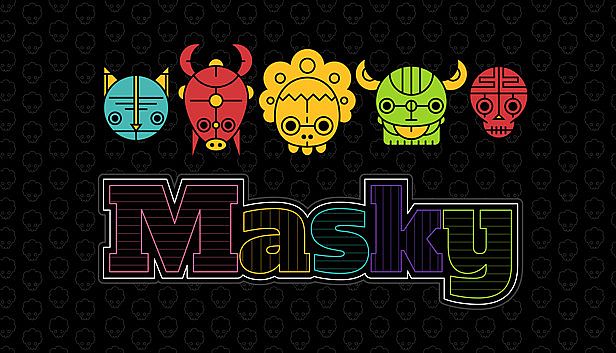















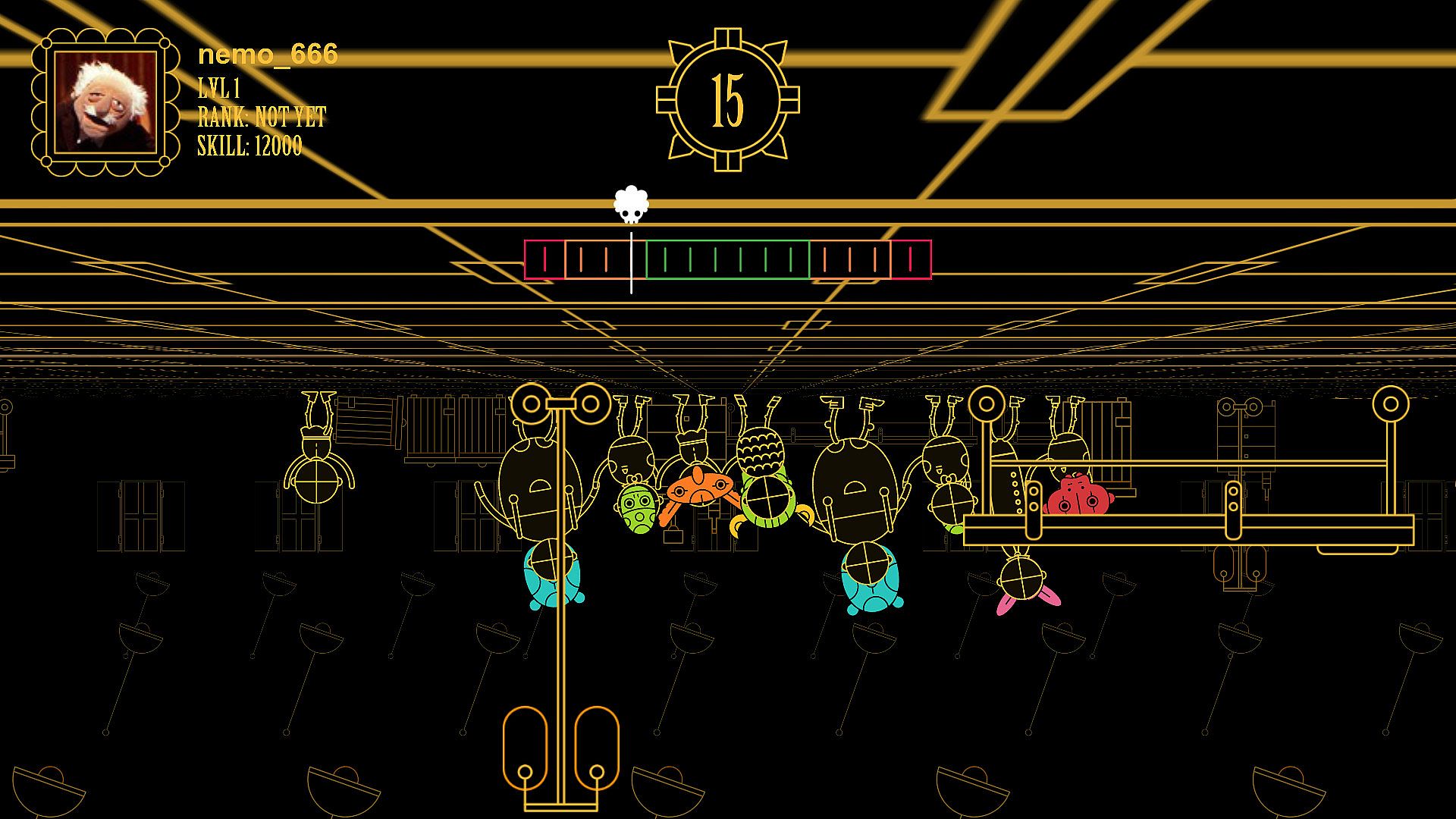
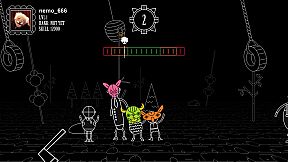
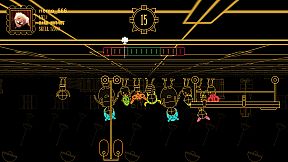
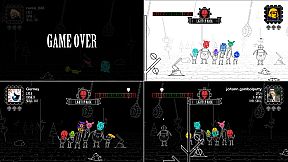
Masky is an action indie casual game centered on rhythmic balancing and chain building at a grand costume ball. Players control a dancer who sways left and right to the beat while linking hands with others to grow a longer line of participants. The goal centers on maintaining equilibrium as the chain lengthens and special mask abilities activate, creating a loop of precise timing and quick adjustments that rewards steady progress toward higher scores.
Gameplay
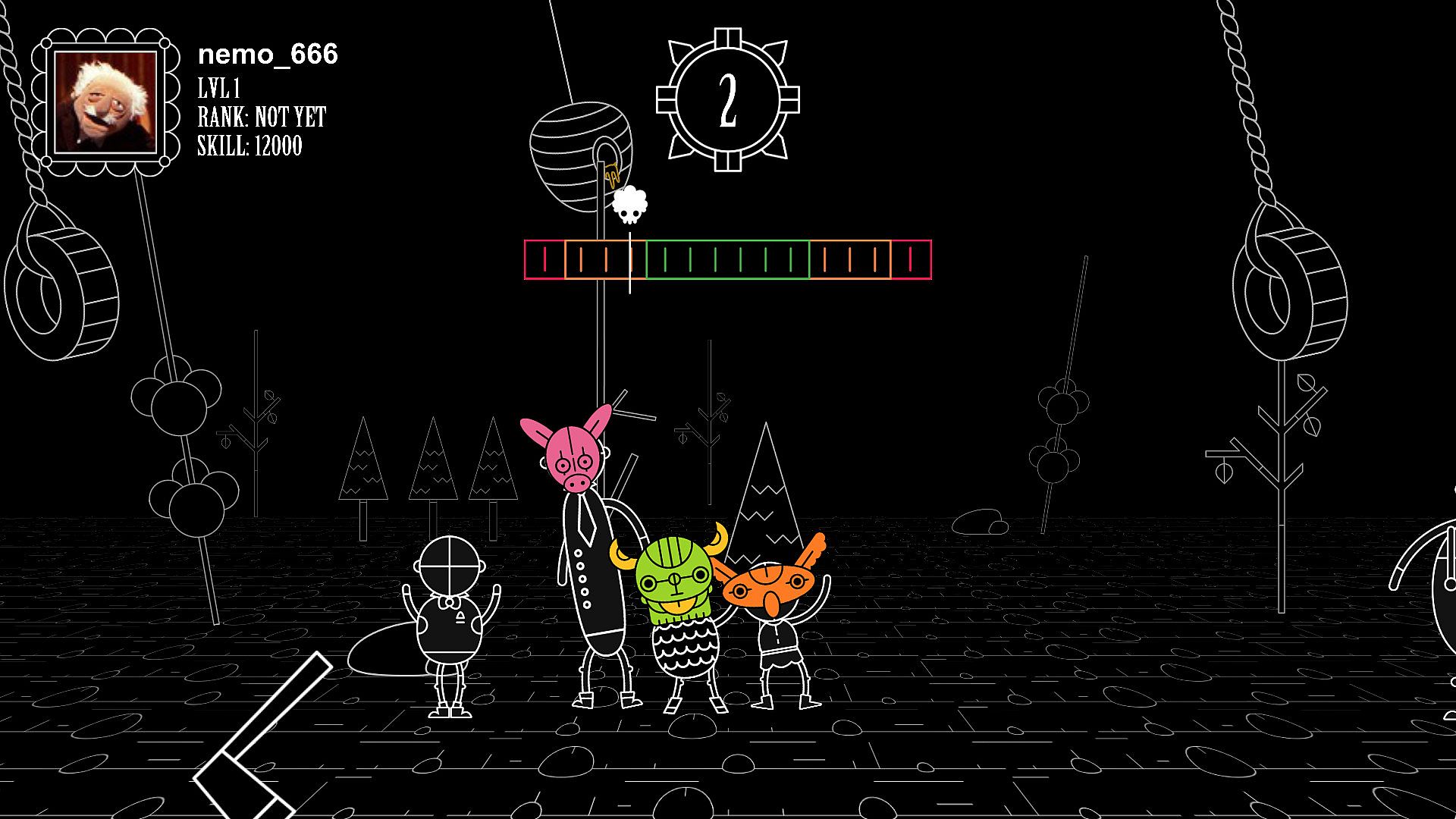
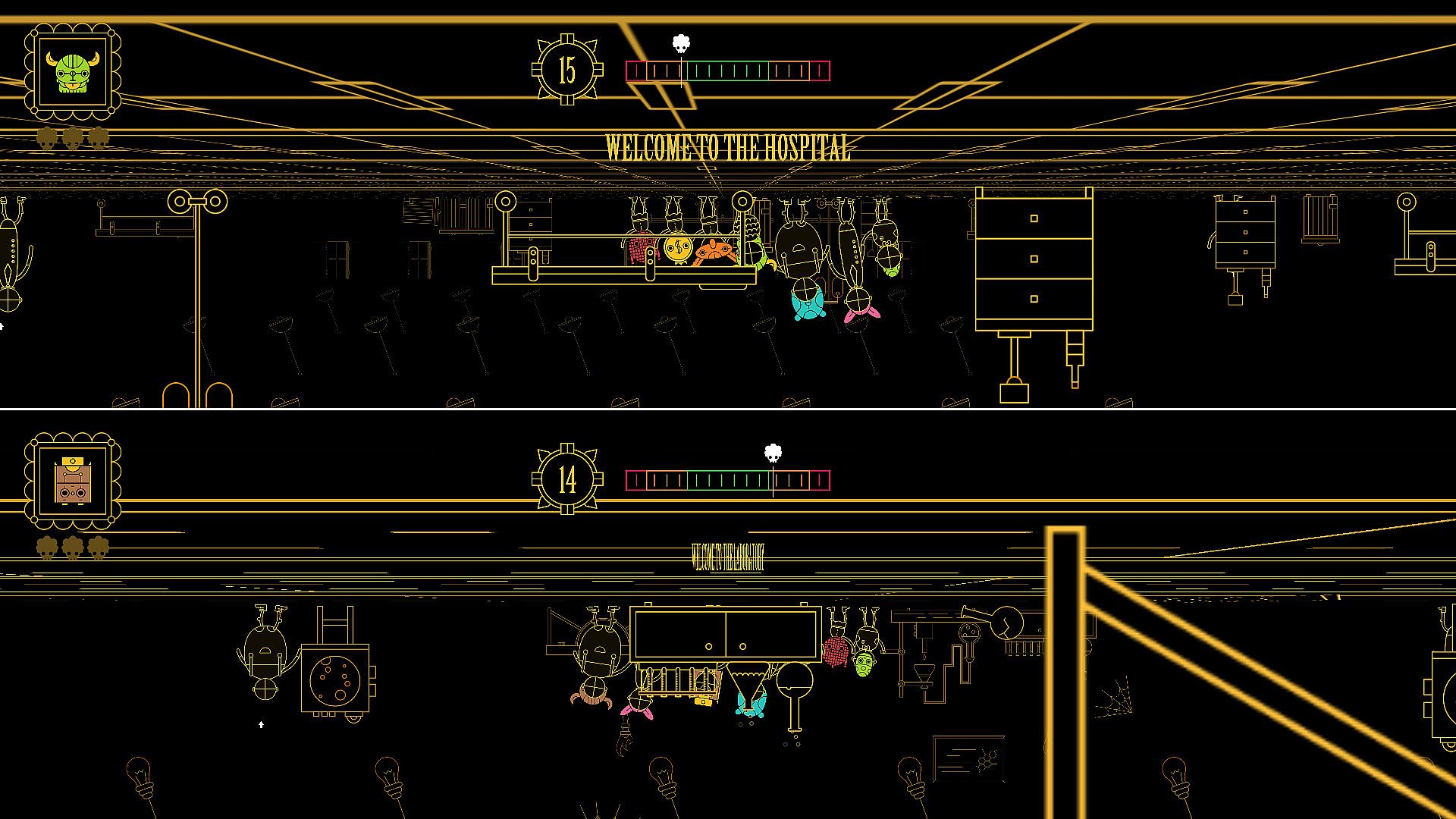
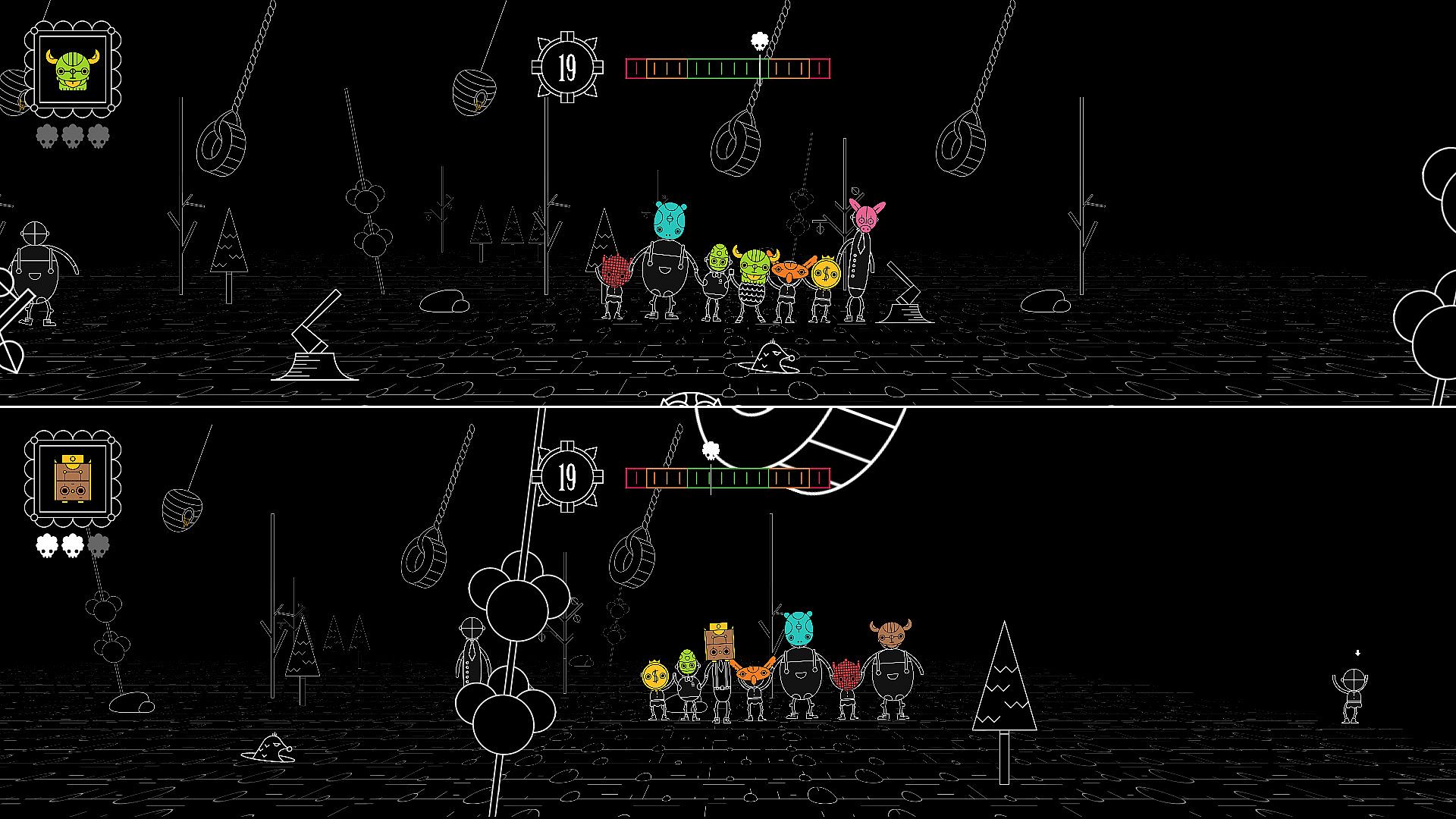
The core loop revolves around a single dancer starting in the center with figures positioned on either side. Movement involves shifting side to side to connect hands without tipping over, gradually incorporating more dancers into the formation. Each successful link extends the chain and increases the score while the music pulses in the background. Special masks worn by other dancers introduce effects that can aid or challenge the balance, requiring players to adapt their rhythm on the fly. Progression comes through repeated attempts that build familiarity with the sway mechanics and the timing needed to keep the group stable longer.
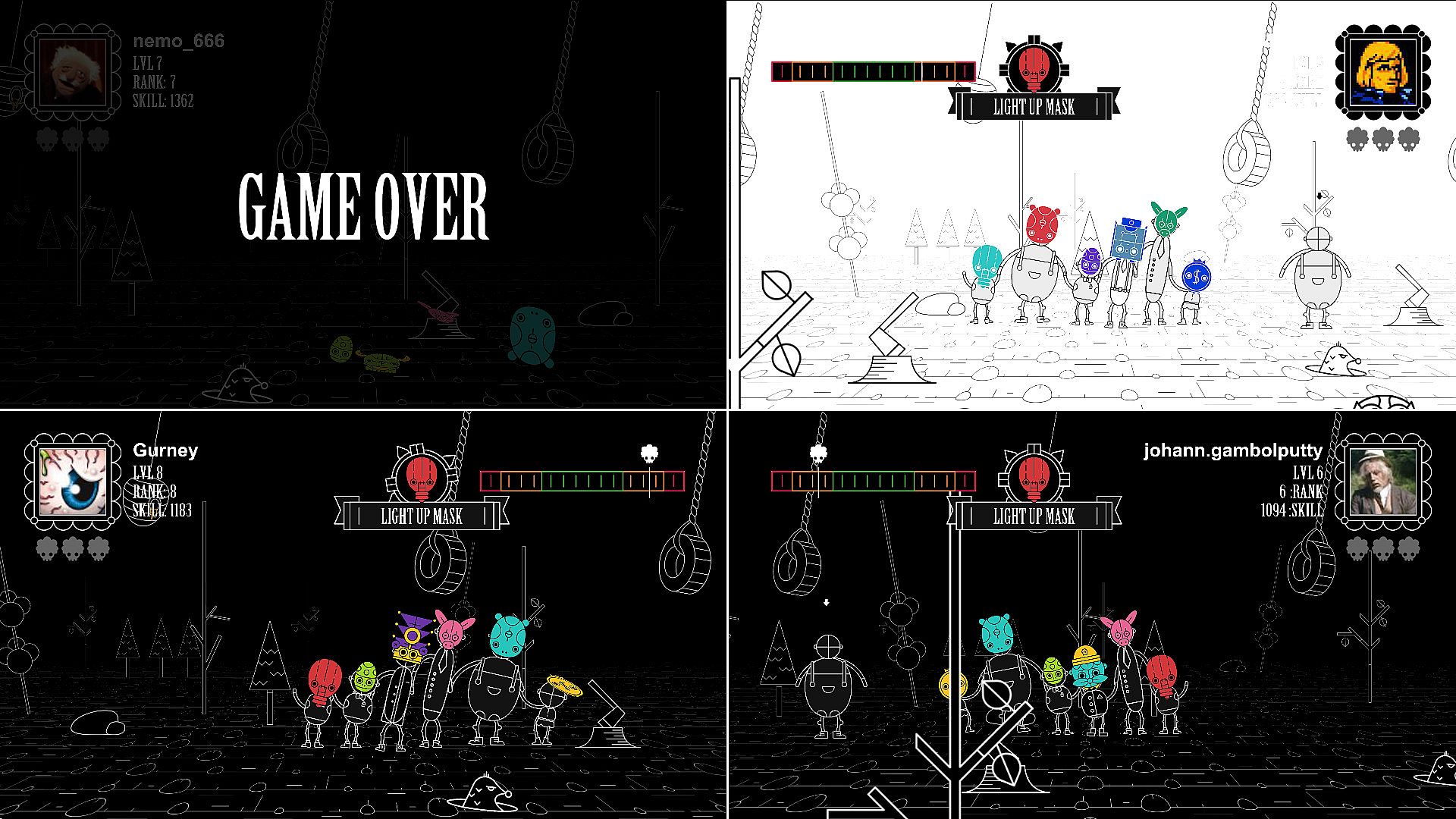
Unlockable masks serve as upgrades that alter how long sessions can last or how quickly the dancer can move through the crowd. These items encourage repeated play as players experiment with different combinations to push further before losing balance. The visual style keeps focus on the costume ball setting with colorful figures and simple animations that highlight the growing chain without unnecessary complexity.
Game Modes
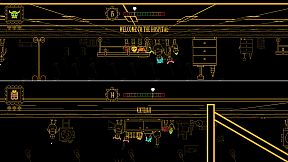
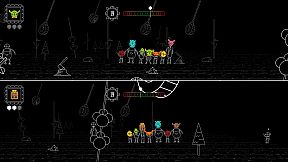
The primary experience consists of single player sessions aimed at high scores through extended dance chains. Leaderboards track the best performances, allowing comparison of how many dancers were successfully invited before balance was lost. Additional features include local shared screen options and online elements that support competitive play against others in similar balancing challenges. Magic doors provide access to varied environments that change the visual backdrop while preserving the same core balancing rules across attempts.
Achievements reward milestones such as reaching certain chain lengths or mastering specific mask interactions. The structure emphasizes personal improvement over complex branching paths, with each session building directly on the last through practice with the sway controls and mask effects.
Mask Collection and Progression
Unique masks form the main collection system, each offering distinct abilities that influence balance or speed during play. Upgrades to these masks extend session duration and refine movement, creating a steady sense of advancement as more options become available. Players return to earlier stages or continue in new worlds unlocked through the doors to test upgraded masks against the growing difficulty of longer chains.
This system ties directly into the dance theme, where each mask represents a different participant at the ball with its own rhythm or trick. Experimentation with combinations helps determine which upgrades best suit individual play styles focused on endurance or rapid linking.
Is It Worth Playing?
Masky suits players who enjoy short, focused sessions of precise control and rhythmic timing in a casual package. The mechanics deliver immediate feedback on balance mistakes while offering enough depth through mask upgrades to encourage multiple returns. With mostly positive reception on its platform and a straightforward premise that avoids overwhelming systems, the game appeals to those seeking quick arcade style challenges rather than long narrative campaigns.
Its availability as a single purchase with built in leaderboards and achievements supports ongoing personal competition without requiring additional investment. The title works well for fans of simple yet polished indie action games that emphasize skill over story or expansive worlds. Those who appreciate the balance of accessibility and increasing challenge in short bursts will find consistent value in its core loop.