










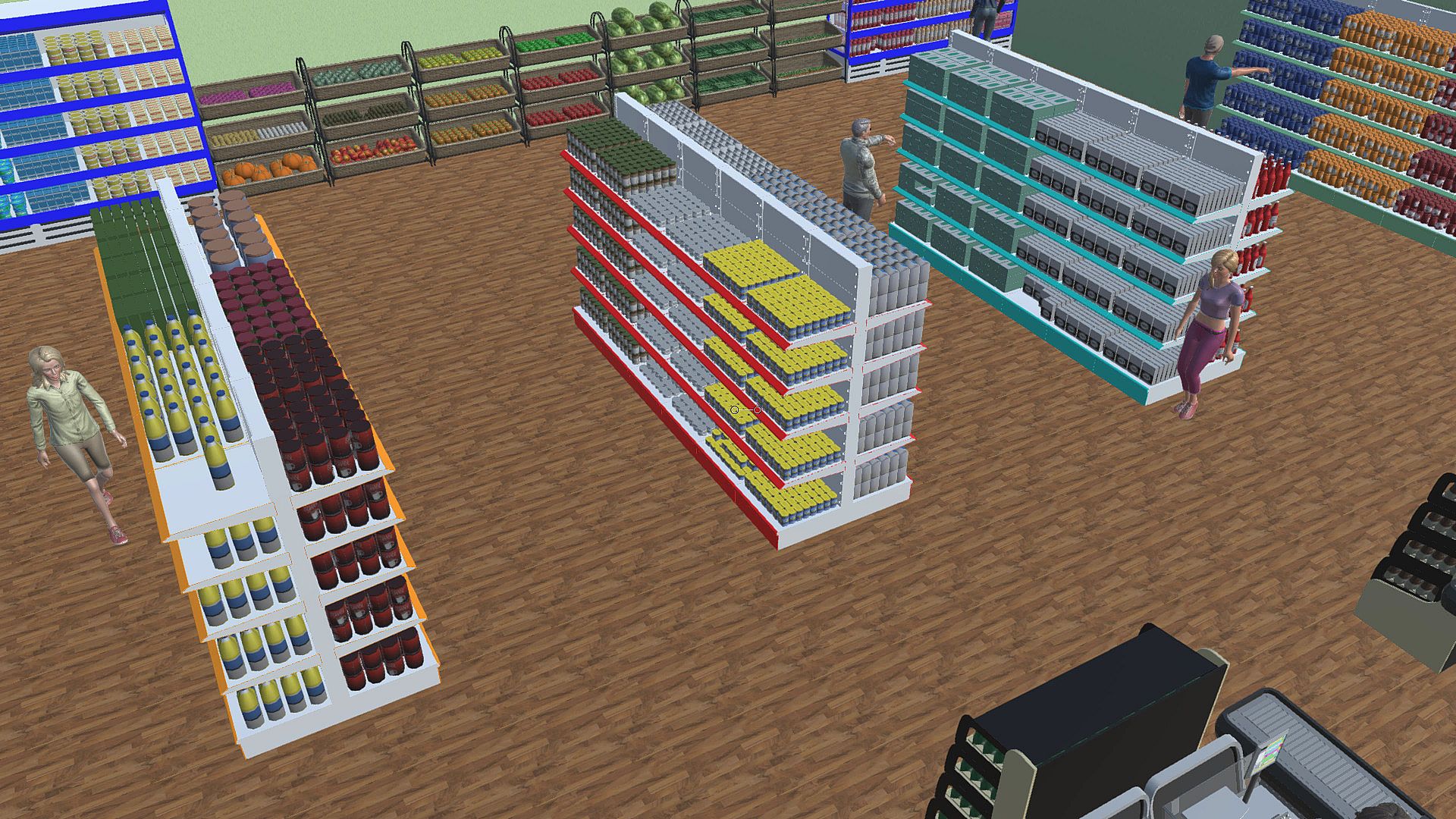
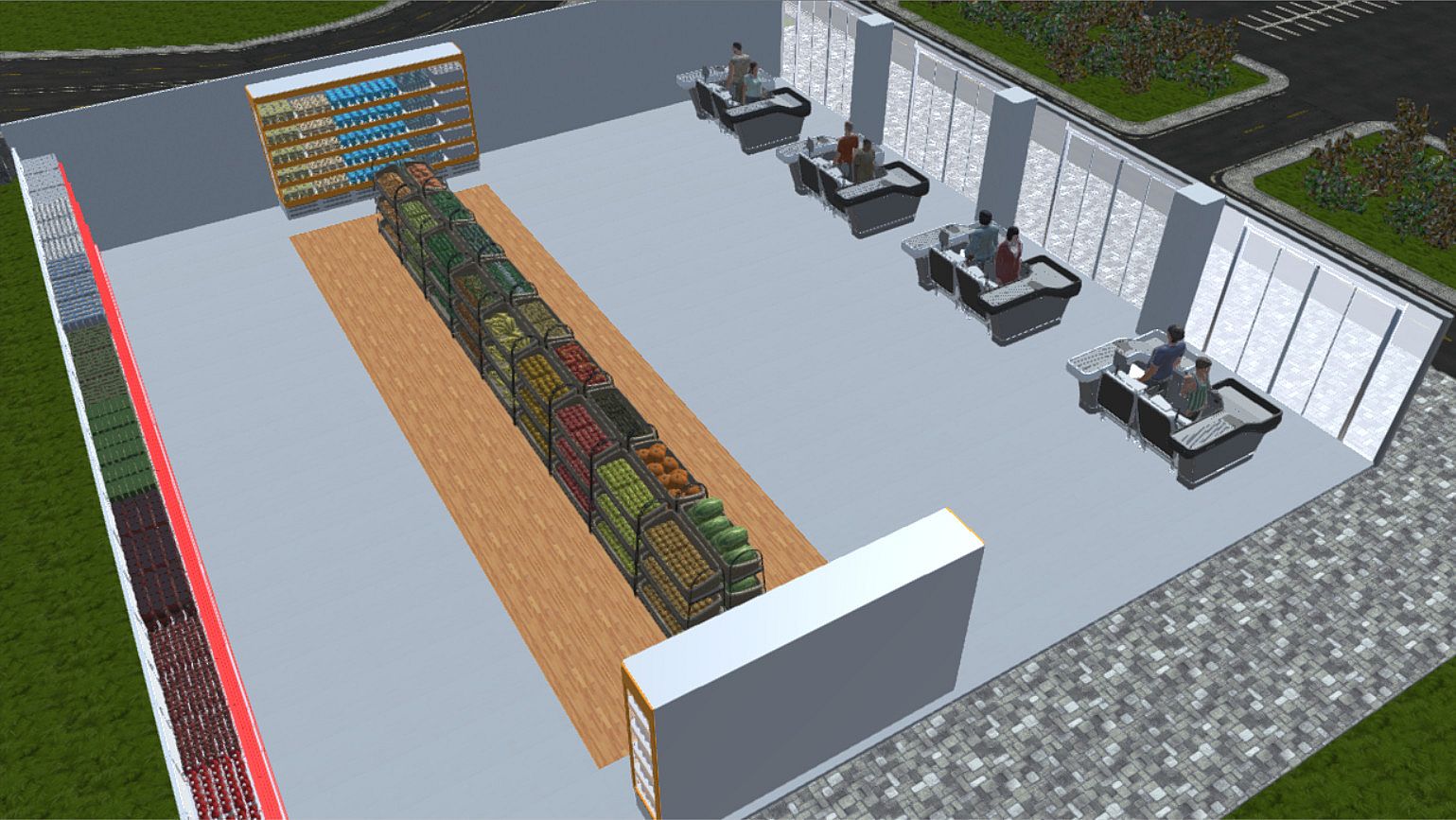
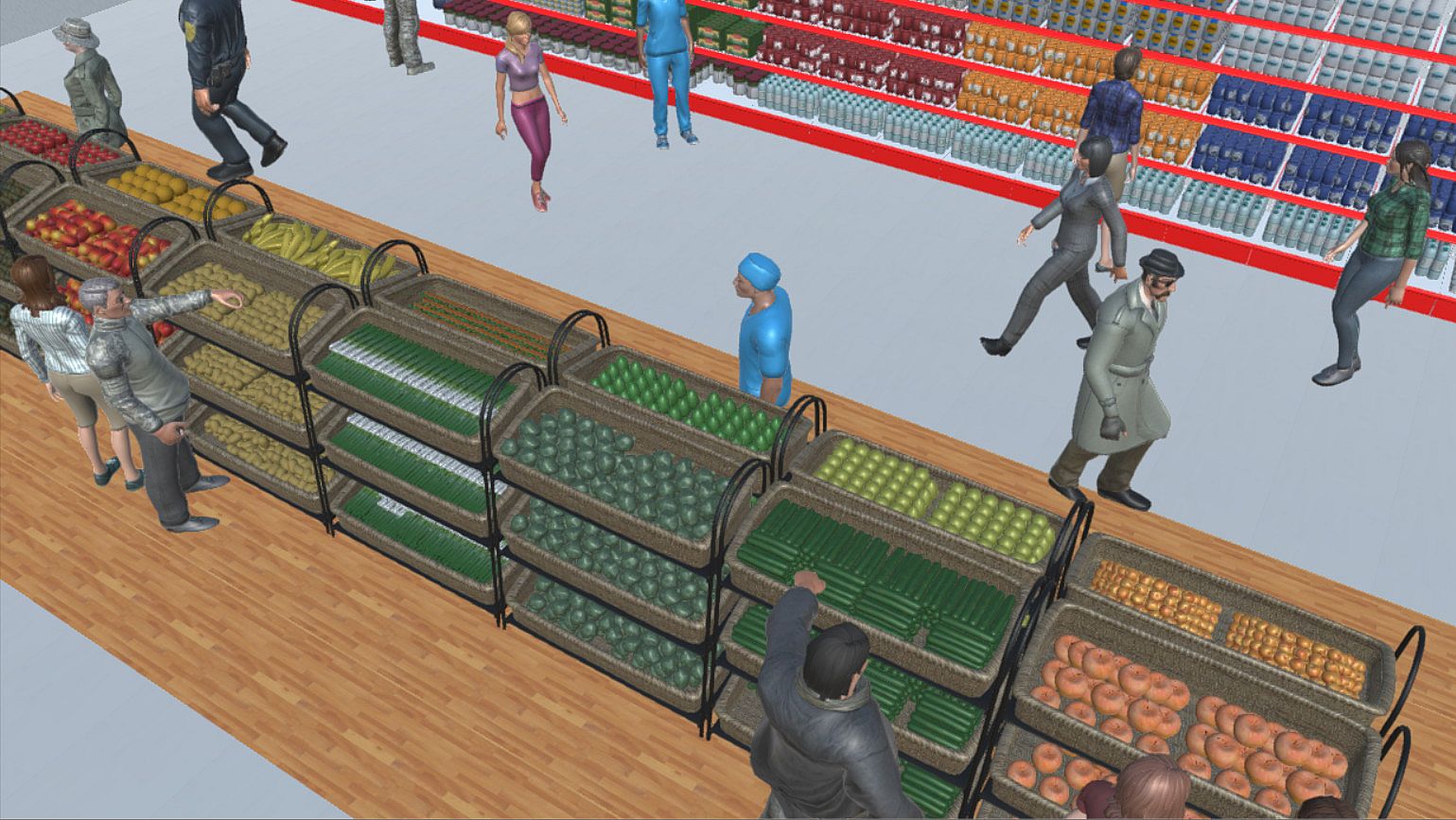
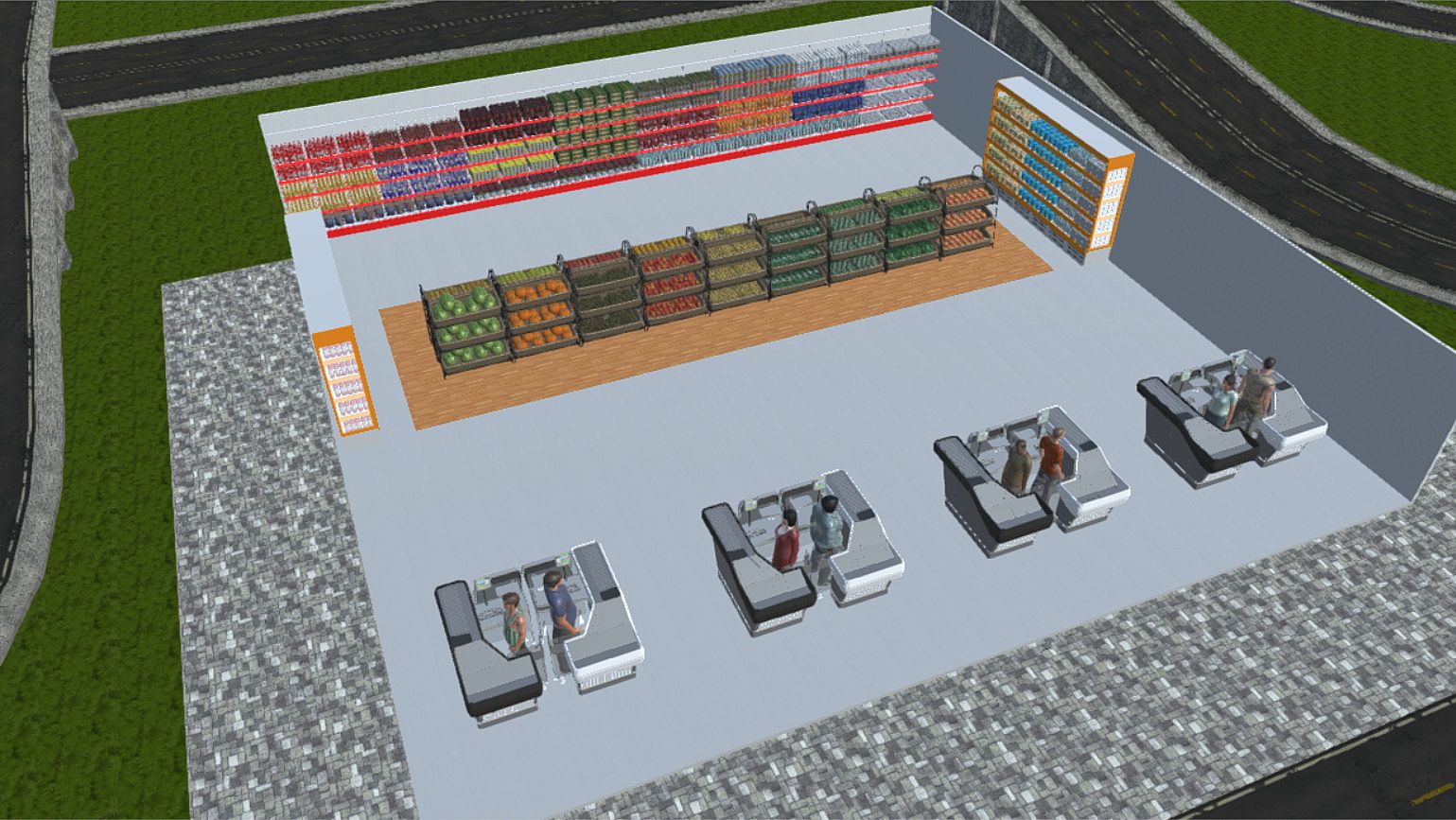
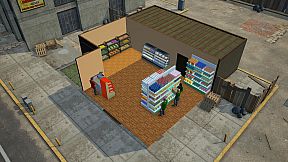
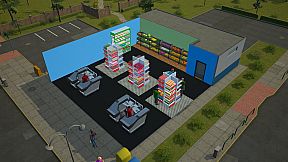
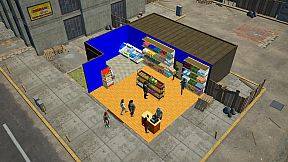
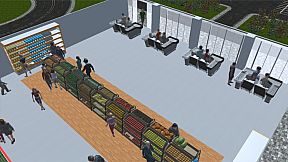
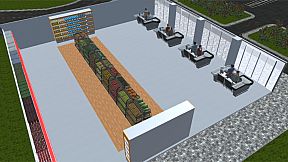
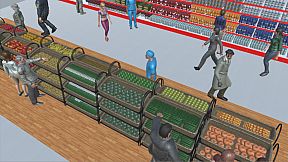
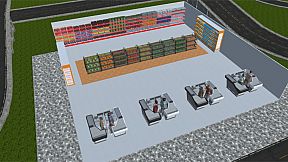
Market Tycoon is a strategy and simulation game that places players in charge of building and operating a retail business from its earliest stages. Developed as an indie title by Protection Games, it combines management mechanics with customization options across PC. The core loop revolves around expanding a basic store into a larger operation while balancing costs, inventory, and customer flow in real time.
Gameplay
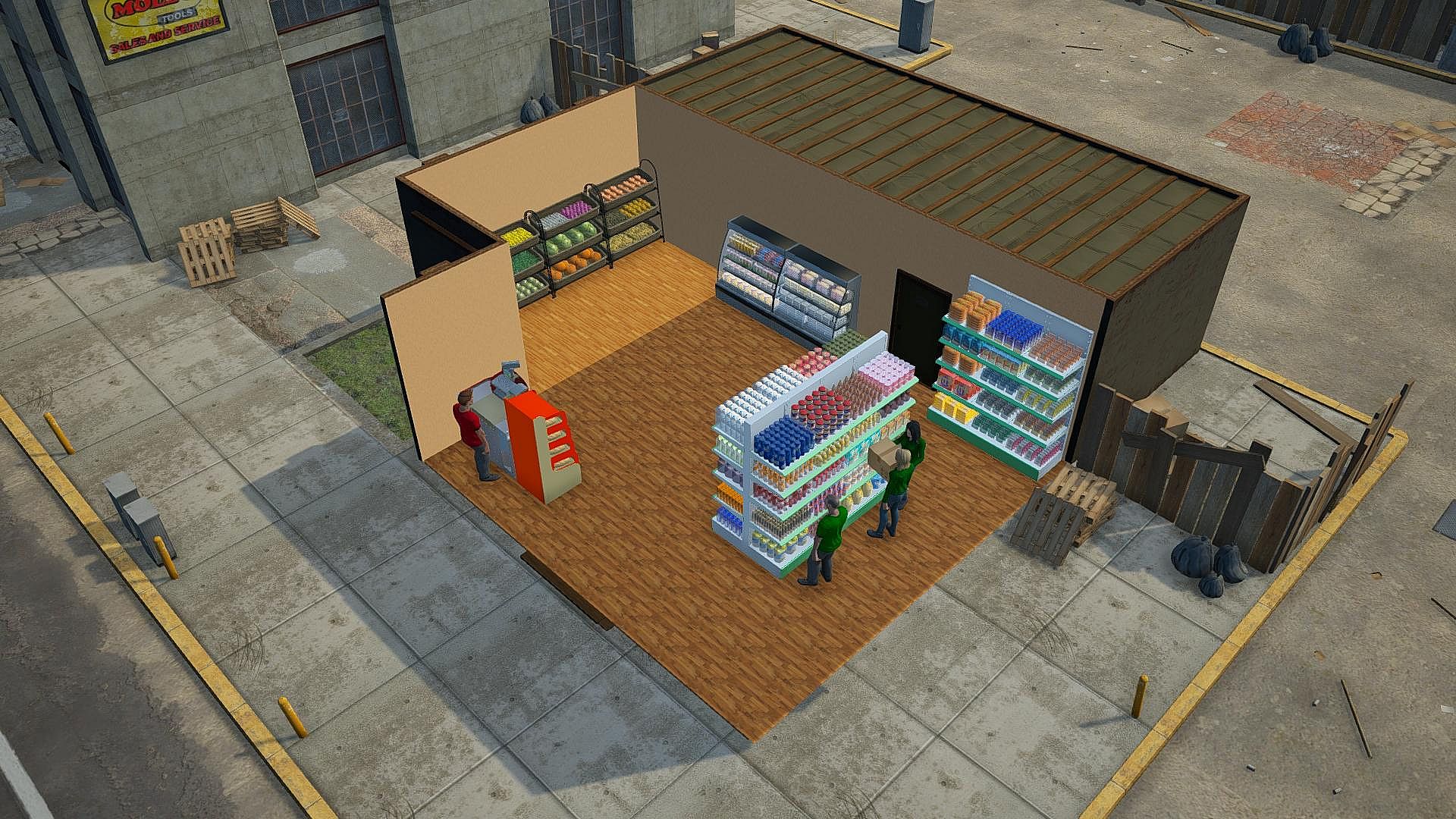
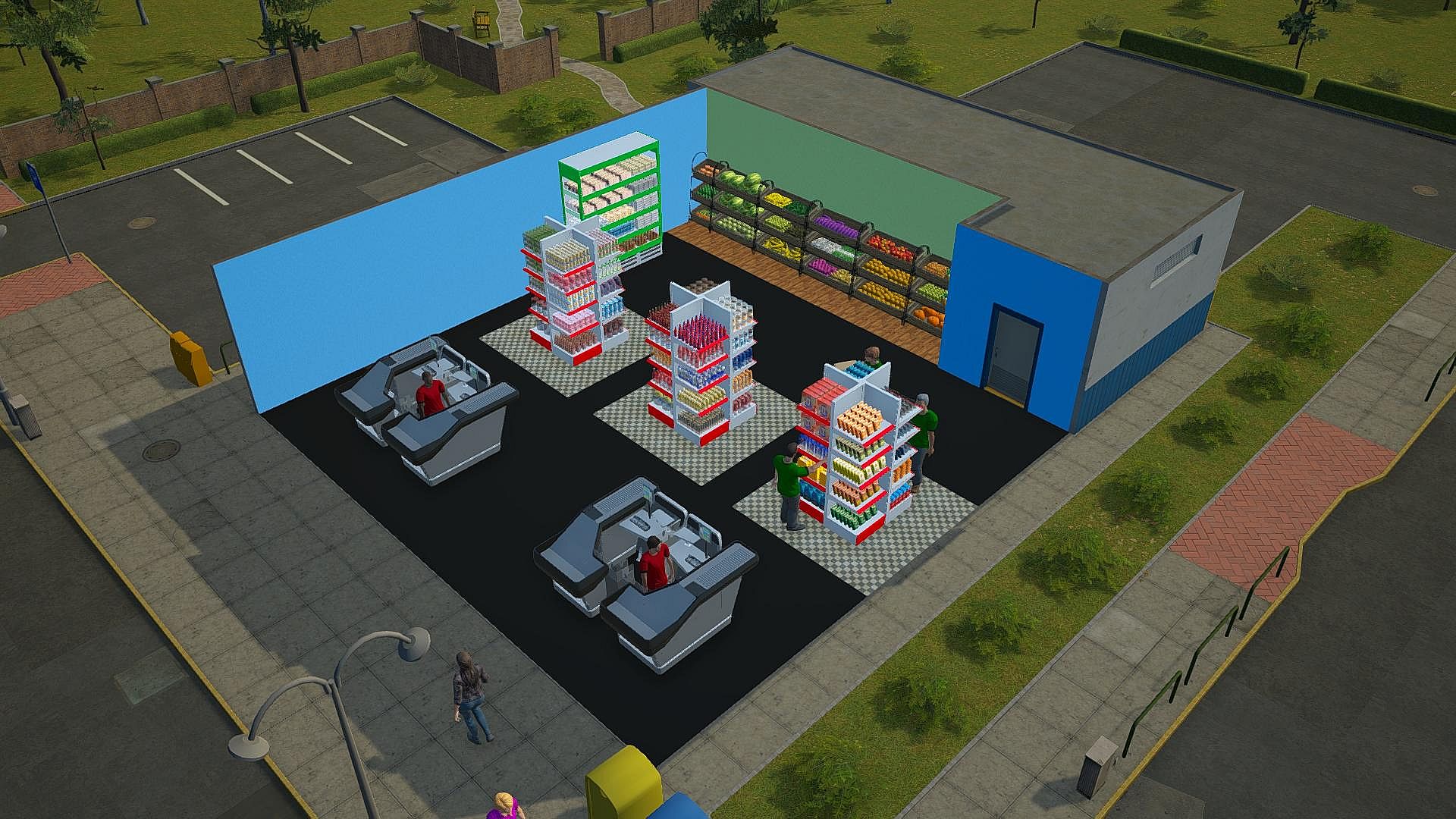
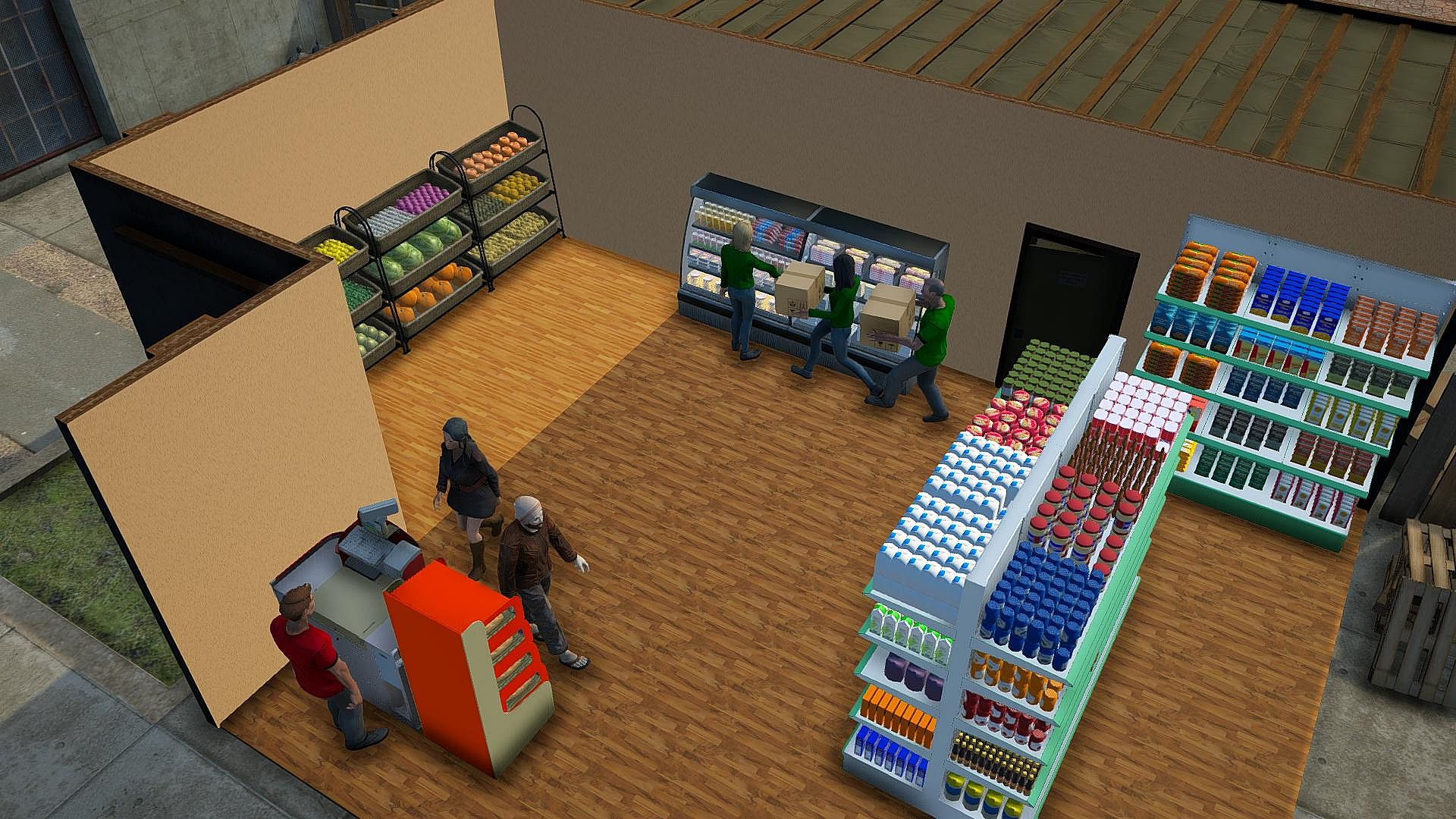
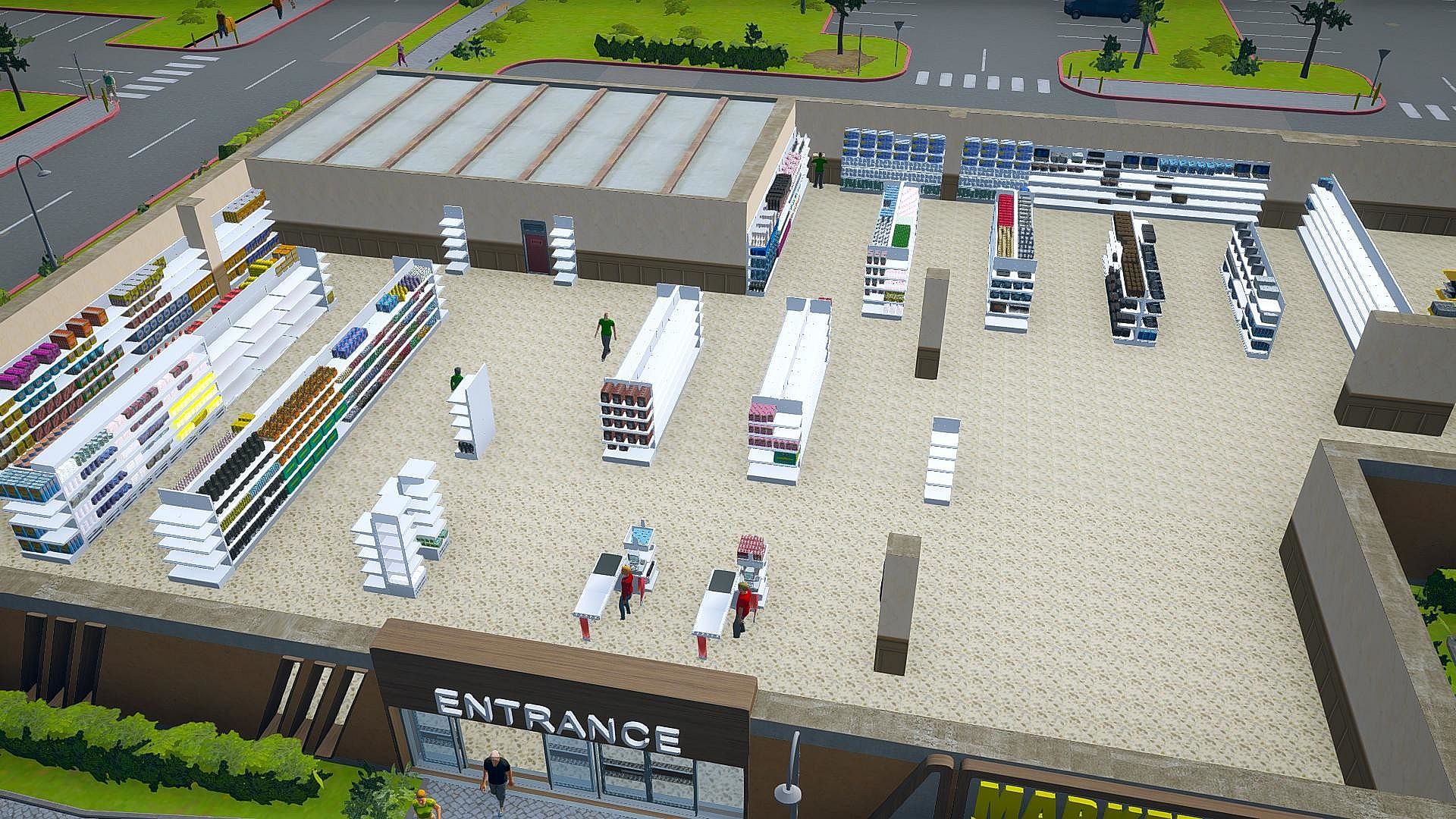
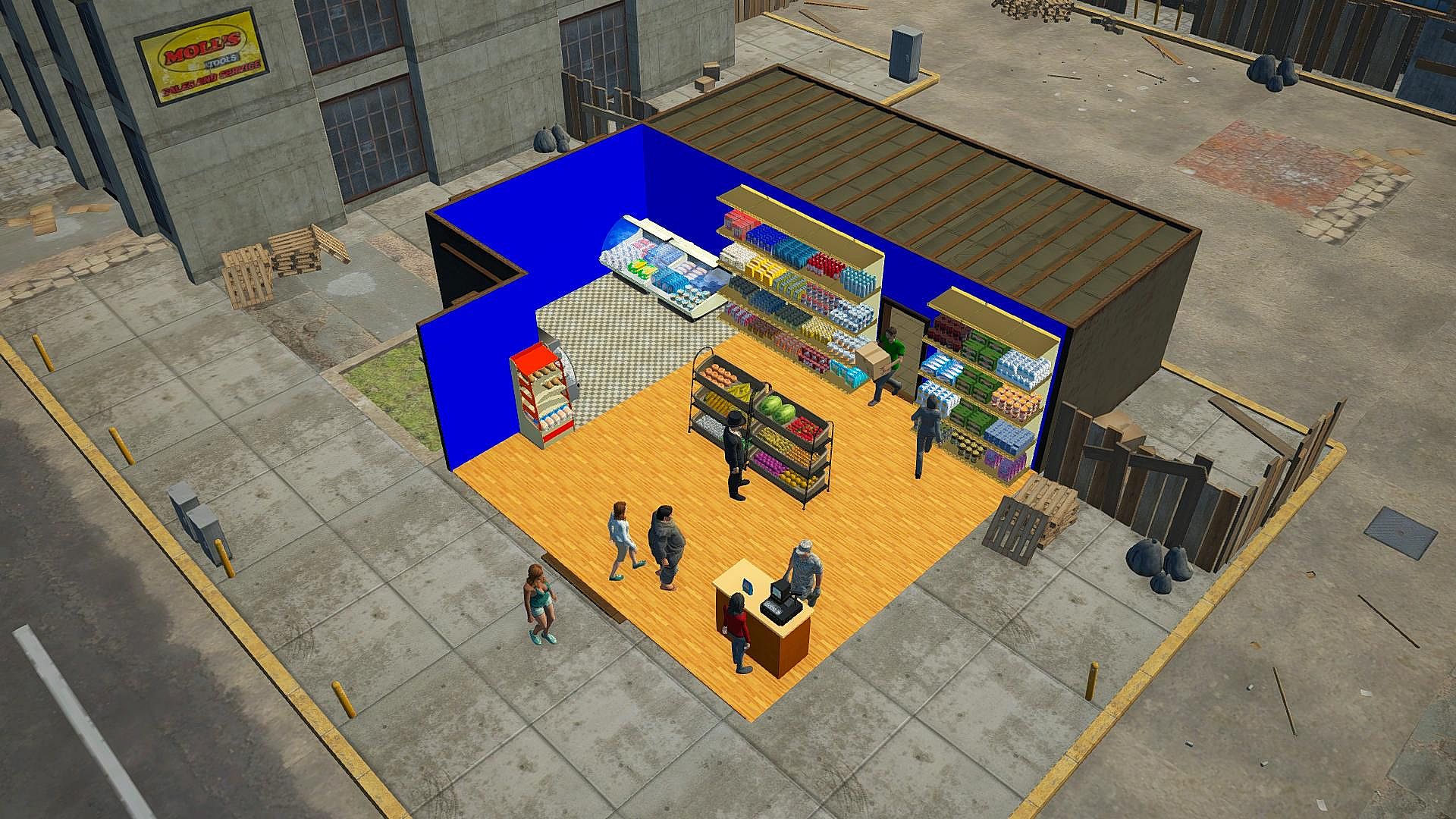
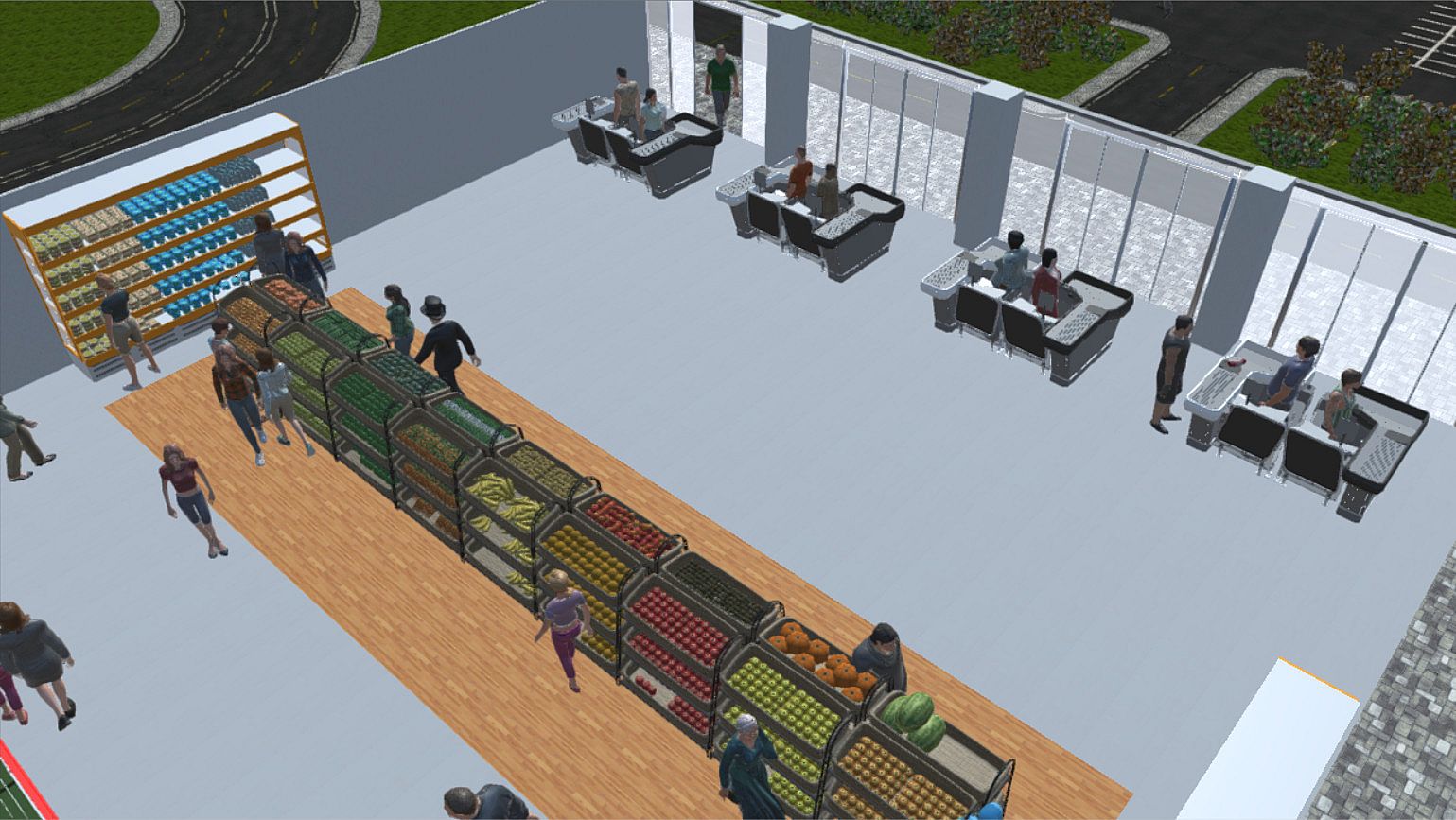
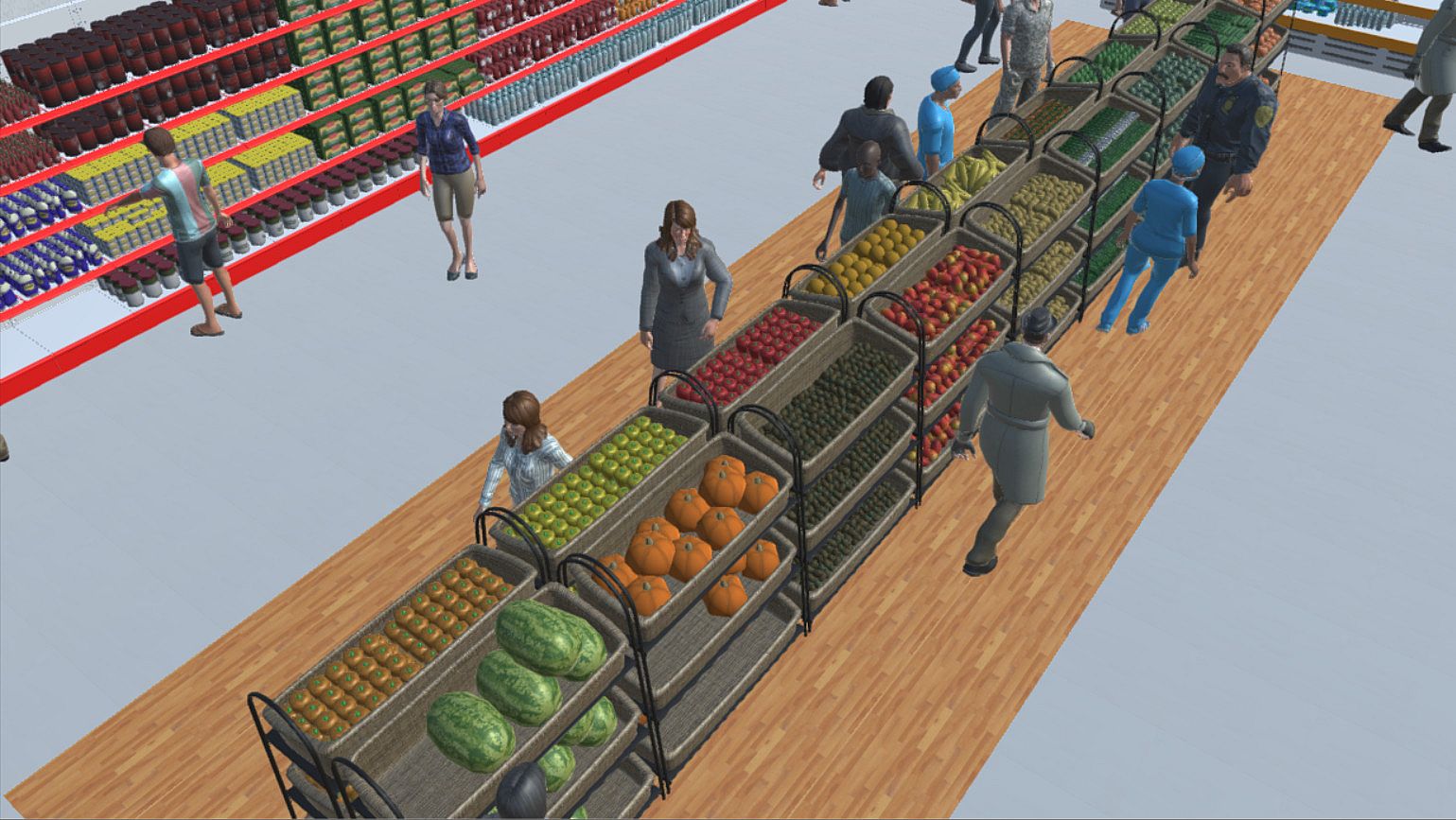
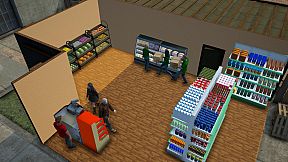
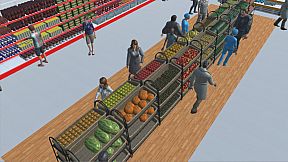
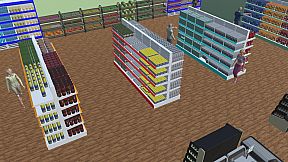
Players begin with a small setup and gradually expand the layout by choosing wall colors, positioning shelves, fridges, freezers, and cash registers. Stocking decisions cover 154 distinct items ranging from fresh produce to household supplies. Food products carry expiration timers that remove unsold goods automatically, mirroring real retail challenges. Revenue must cover ongoing expenses such as rent, electricity, and staff wages, with each location carrying unique cost structures. AI shoppers interact directly with shelves, removing items one by one to create a visible sense of activity and depletion. Hiring staff introduces variables in speed and pay rates, requiring careful selection to maintain efficiency without overspending. Advertisements and temporary discounts serve as tools to boost sales volume during slower periods.
Game Modes
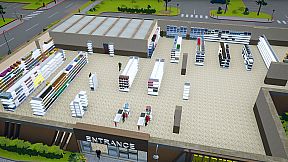
The experience centers on a single-player progression system without separate named modes. Players advance by scaling operations from a compact mini market to a full hypermarket, unlocking greater customization depth and item variety along the way. Environmental choices influence the pace, as different settings alter electricity demands and customer traffic levels. The absence of competitive or cooperative layers keeps focus on internal management decisions and long-term financial stability.
Customization and Progression
Layout tools allow precise placement of fixtures and decor to optimize customer paths and storage. Item selection supports experimentation with product mixes to match local demand patterns. Employee management adds another layer, where replacing slower or higher-paid workers can improve margins. Steam Workshop integration extends options by permitting additional content downloads that expand available objects and items beyond the base set. This system supports ongoing personalization even after initial market growth milestones are reached.
Environments and Management Systems
Three primary location types shape the economic model. Urban center spots tend toward higher foot traffic but elevated operating costs. Mall placements balance visibility with moderate expenses. Highway-adjacent sites often feature lower rents yet reduced population density. These factors interact with core systems like inventory rotation and staffing to create distinct decision trees for each playthrough. Money tracking remains constant across all settings, demanding attention to cash flow to avoid insolvency.
Is It Worth Playing?
Market Tycoon appeals to players who enjoy deliberate business simulation and incremental building without external competition. Its mixed reception stems from a 53 percent positive rating across hundreds of reviews, with praise for the realistic item handling and layout freedom offset by notes on limited ongoing development. The title remains available in its current state with workshop support intact, suiting those comfortable with an older Early Access release that prioritizes core management loops over frequent updates. Individuals seeking straightforward tycoon progression and customization depth may find value in its focused scope, while those preferring polished modern features or active post-launch support might explore alternatives first.