









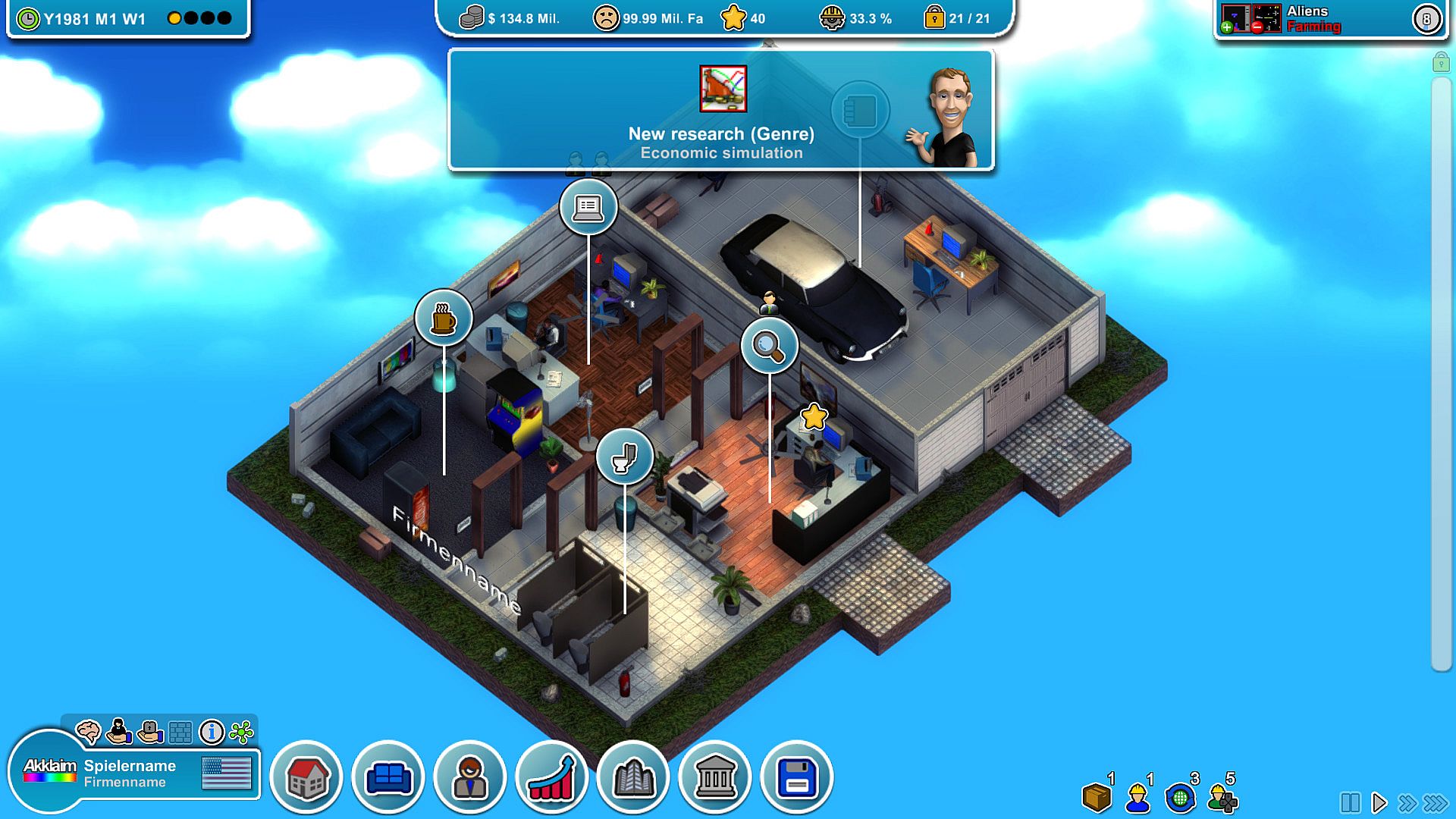
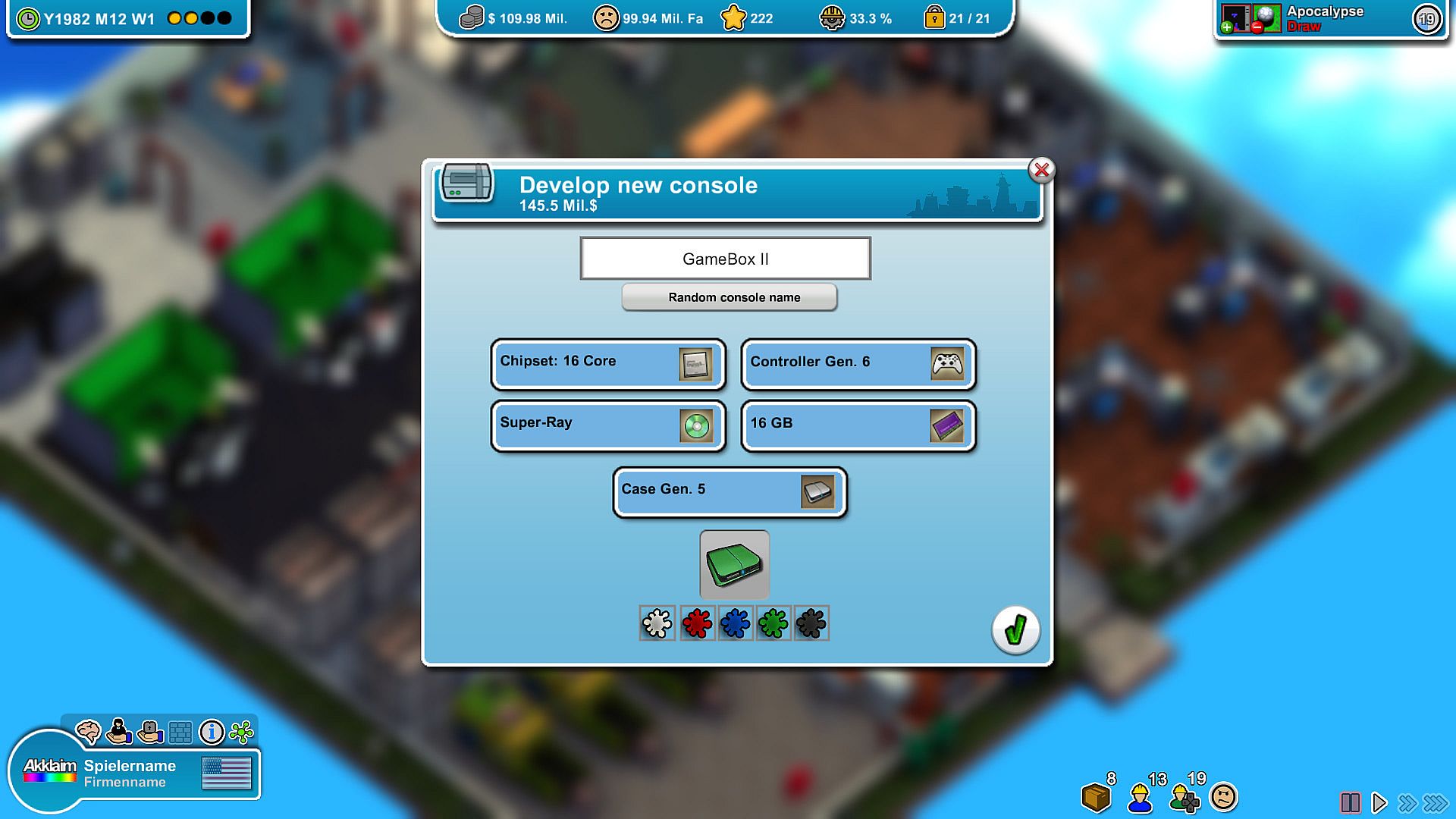

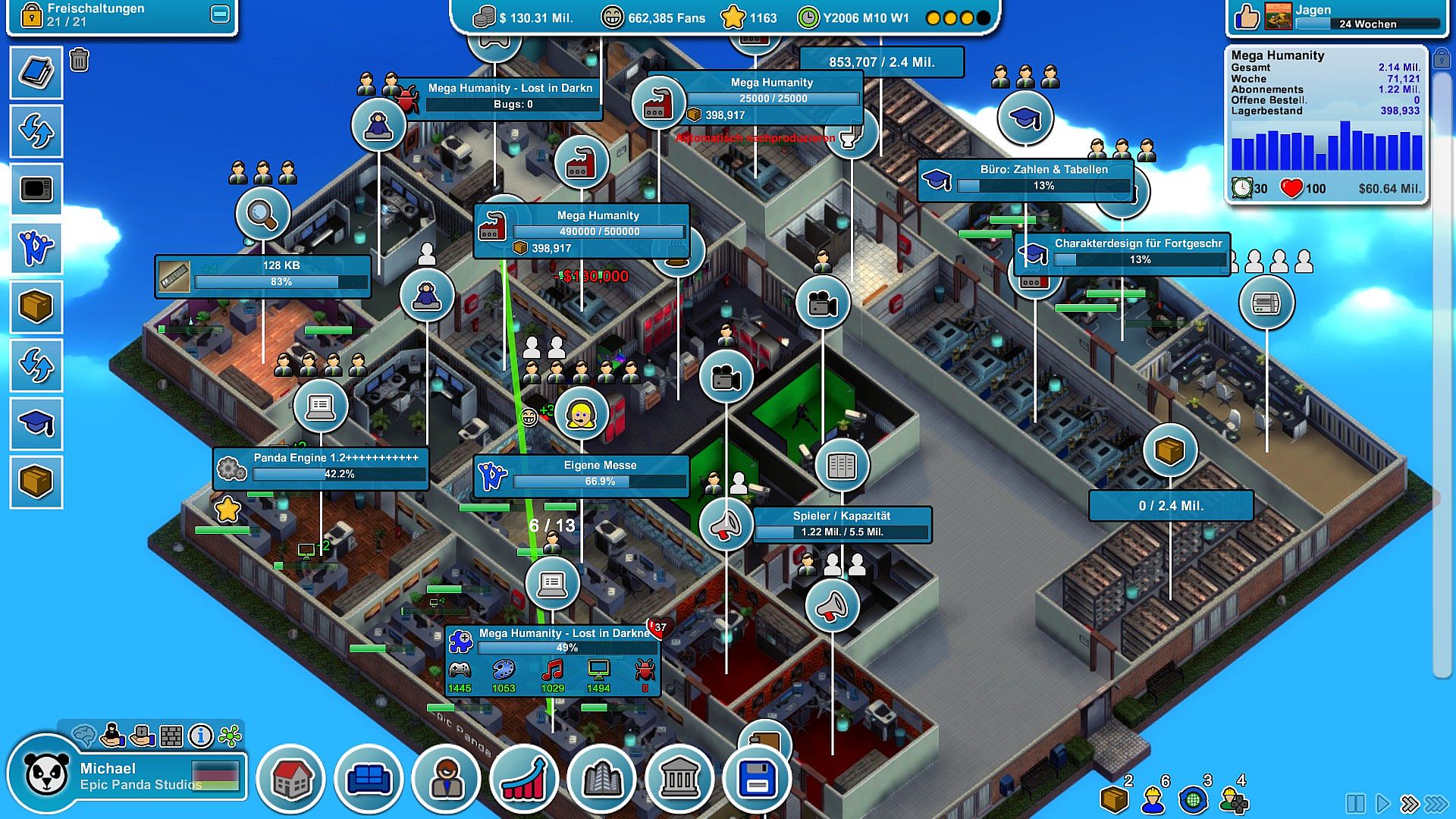
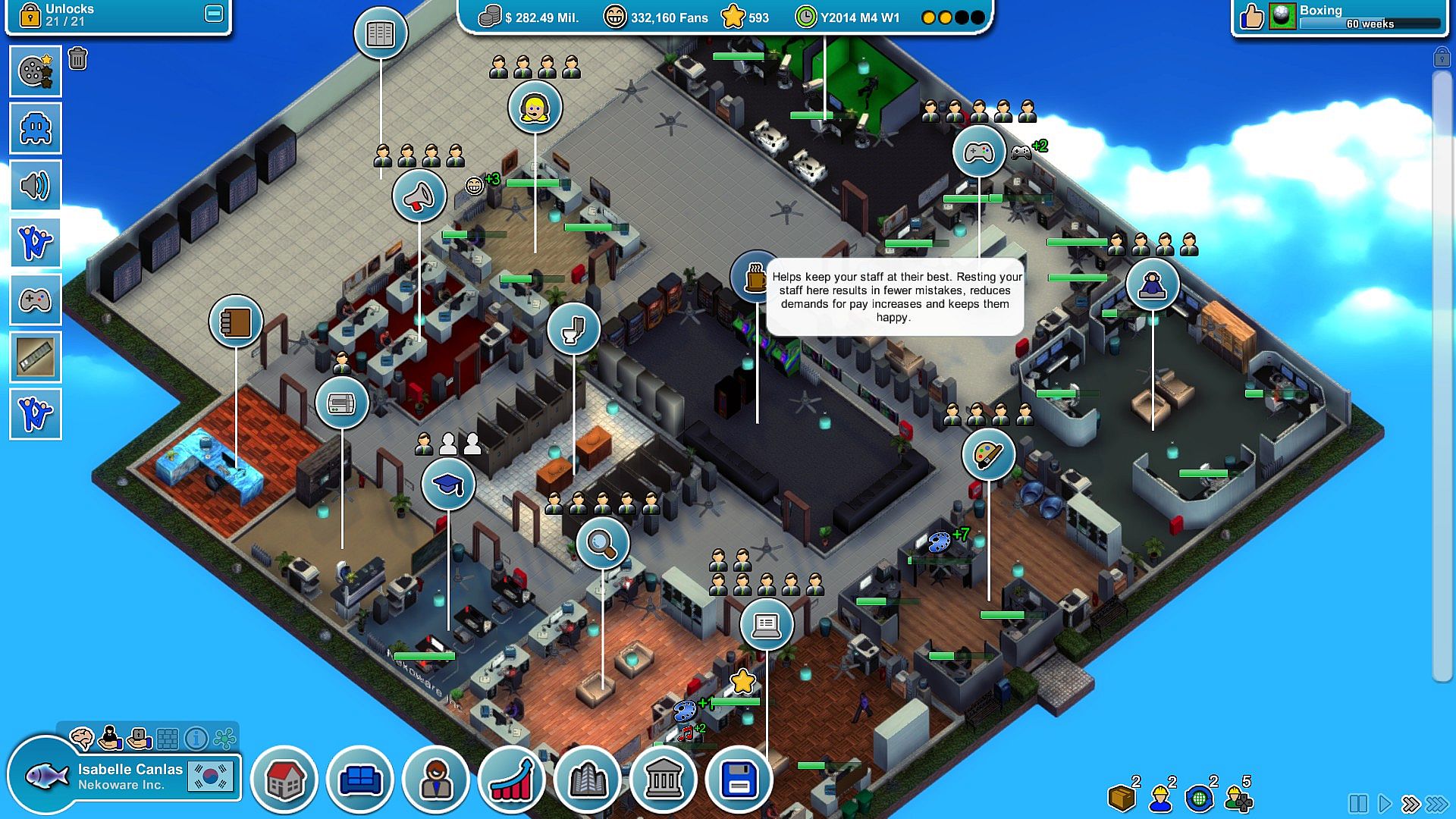
Mad Games Tycoon is a strategy simulation game in which players build and manage a video game development studio. The experience begins in the early 1980s with a small garage operation and expands through research, staff management, and market decisions to dominate the global video game industry.
Gameplay
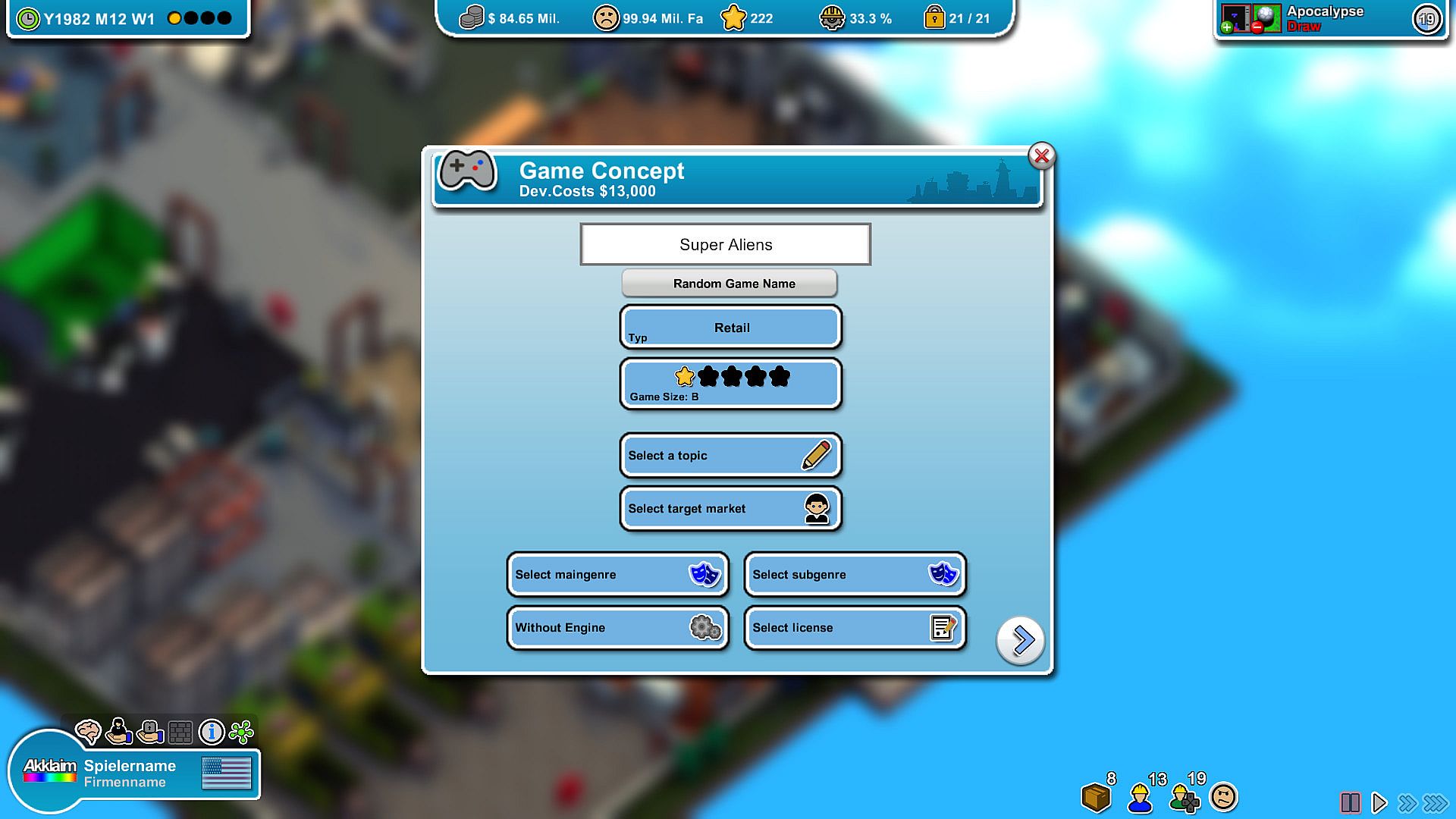
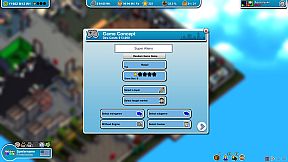
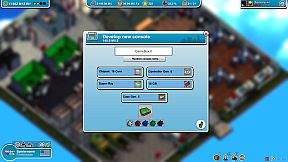
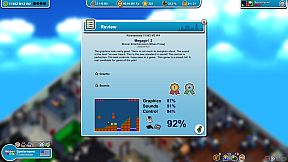
The core loop centers on developing original game concepts from initial idea through full production and release. Players allocate resources across four main development areas: gameplay, graphics, sound, and technical quality. Each project allows choices in target audience, with options for core or casual players, and decisions on features such as copy protection or licensed movie tie-ins. Engines can be developed in-house or acquired from others, and the resulting titles range from straightforward platformers to expansive online role-playing games.
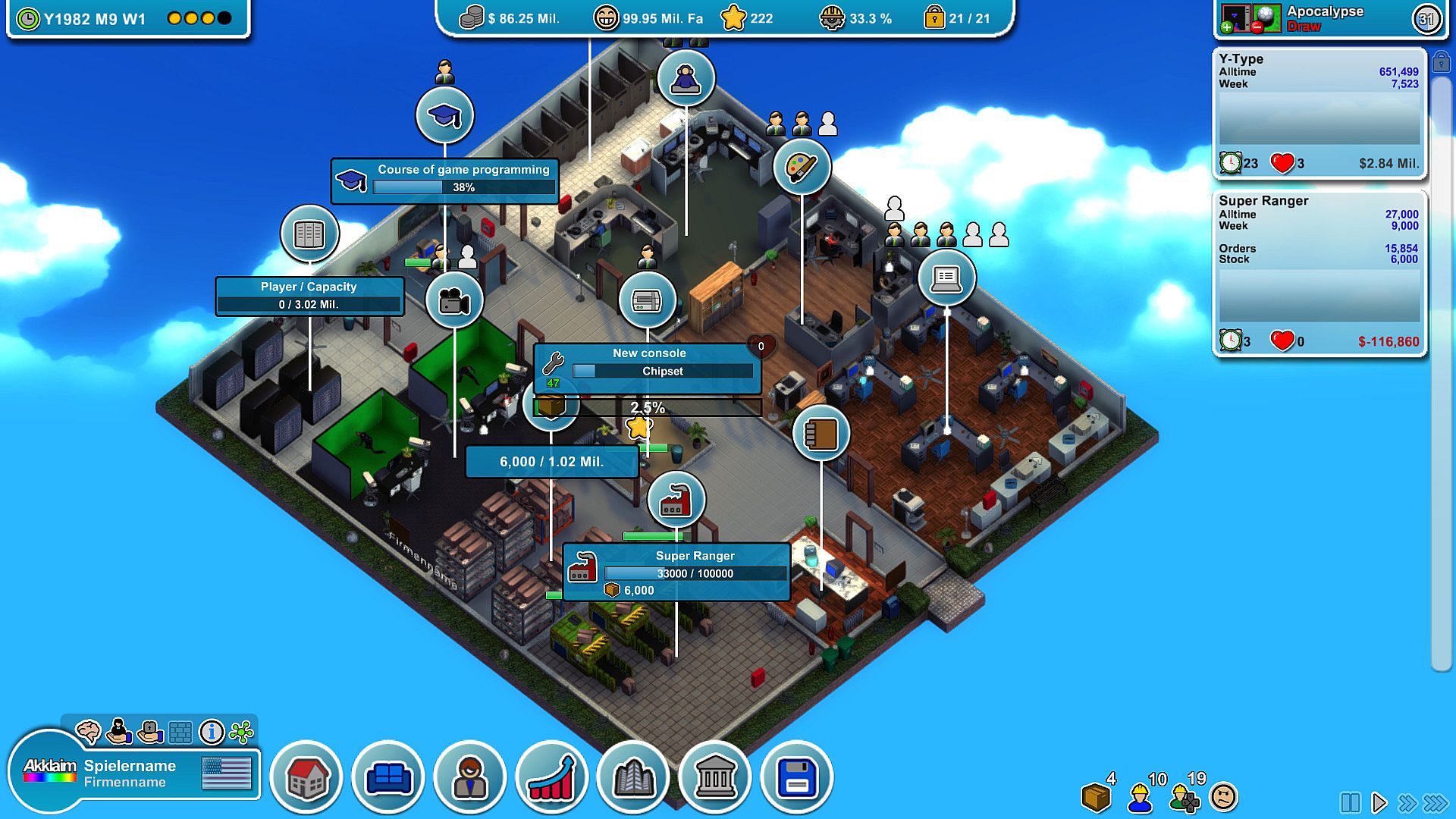
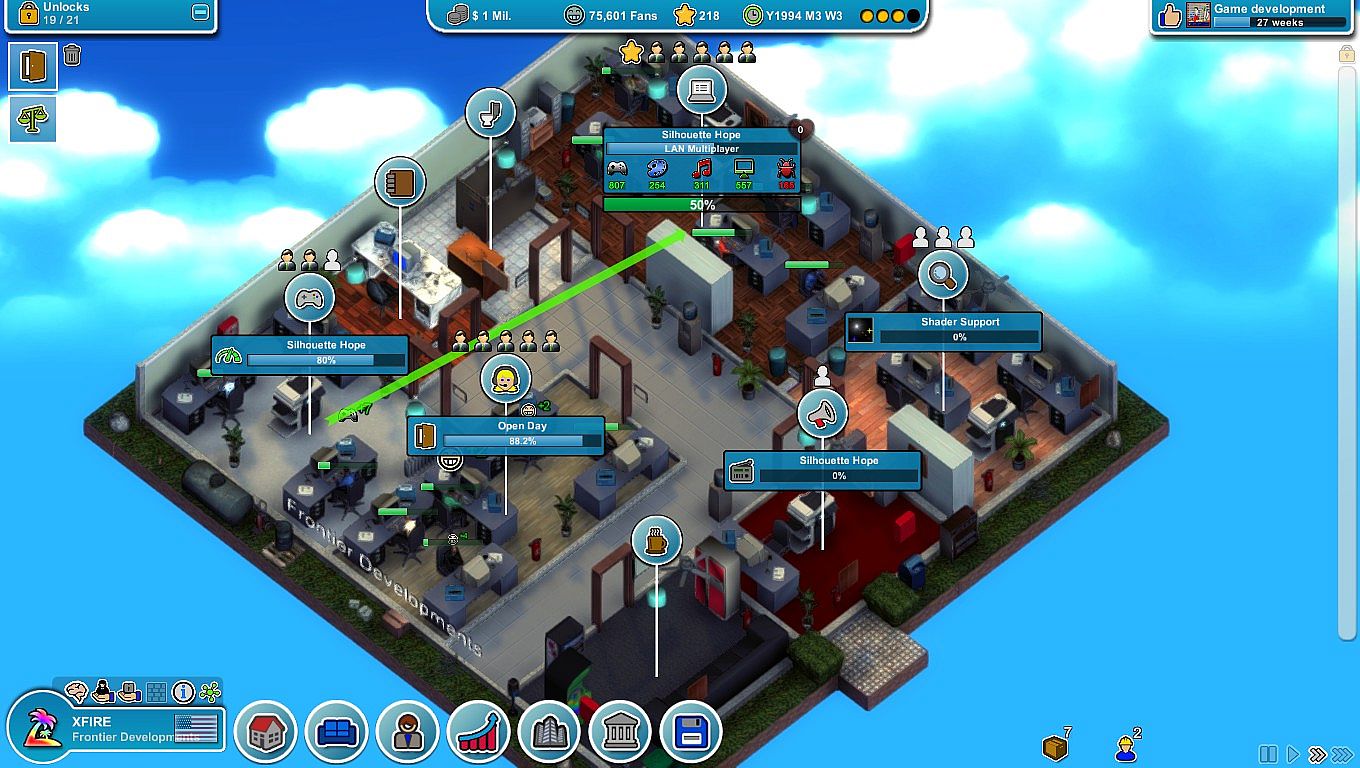
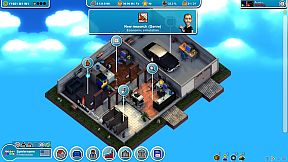
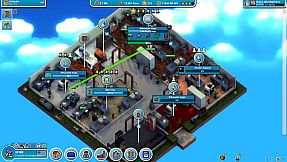
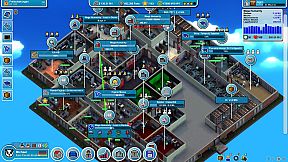
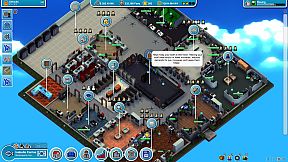
Office construction forms another major pillar. Rooms are placed and furnished to support different functions, including development spaces, training areas, server facilities, and production lines for physical copies. Employee satisfaction is maintained through thoughtful layout and amenities, while staff members receive training to improve their contributions to specific projects. Research unlocks new technologies that enhance future titles, and conventions provide opportunities to showcase completed games and build a following.
Business expansion includes acquiring rival studios, negotiating with publishers, or handling all aspects of manufacturing and distribution internally. Larger facilities become available over time, enabling increased output and more complex operations. The progression from modest beginnings to a major player involves balancing short-term project choices with long-term infrastructure investments.
Game Modes
The game operates as a single continuous management simulation without separate multiplayer or competitive modes. All activity takes place within one overarching campaign that spans decades of industry evolution. Players control every aspect of studio growth, from early garage setups to multi-building complexes, with no distinct scenarios or alternate rule sets beyond the standard progression.
Within this structure, variety arises from project decisions rather than separate modes. Titles can emphasize different priorities, incorporate various genres and topics, or target specific market segments. Production choices range from outsourcing elements to full vertical integration, including in-house manufacturing and direct sales. These options create replay differences through strategic focus rather than predefined game modes.
Key Features and Progression
Progression rewards careful planning across multiple systems. New technologies become available through research, allowing more advanced engines and features in later years. Staff can be hired and specialized, with legends from the industry available for recruitment. Over one hundred licenses provide additional content options for games, while engine development can generate extra revenue through licensing to other companies.
Physical production adds another layer once warehouses and manufacturing rooms are built. Players set prices, determine bundle contents, and manage output volume. Customer support facilities help maintain fan loyalty after releases. The combination of creative project work and operational management keeps the experience layered throughout the campaign.
Is It Worth Playing?
Mad Games Tycoon delivers a detailed tycoon experience focused on game development and studio management. Steam user reviews stand at Very Positive based on more than one thousand ratings, indicating strong approval among players who enjoy simulation and strategy titles. The game suits those interested in the business and creative sides of the video game industry, with depth in project customization and long-term company building.
Its single-player format and steady progression make it appropriate for extended sessions or repeated playthroughs with different strategic emphases. No ongoing seasonal content or major post-launch updates alter the core experience, so expectations should align with a complete, self-contained simulation released in 2016. Players seeking a focused management challenge centered on building successful games will find the systems rewarding.