





















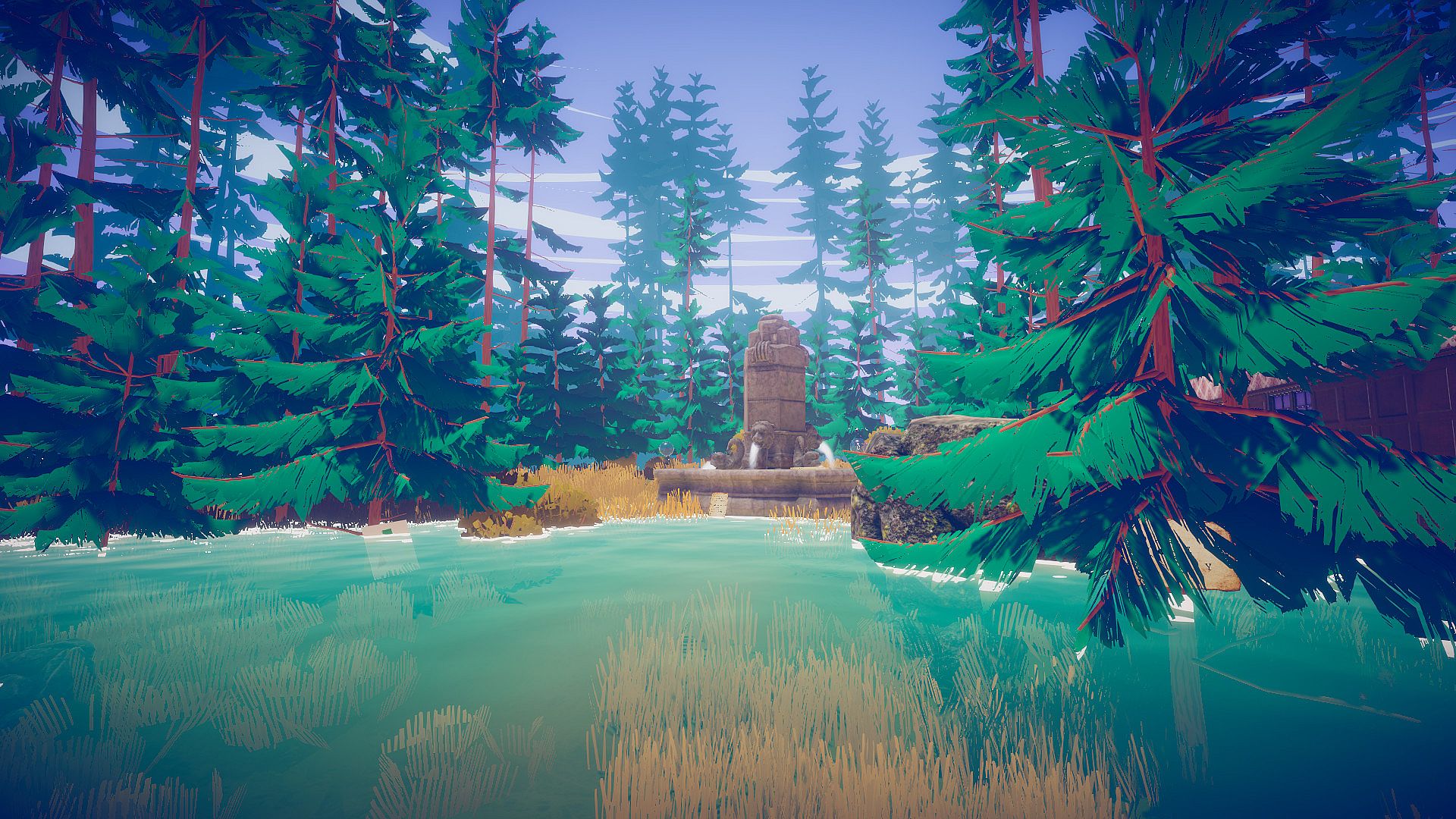
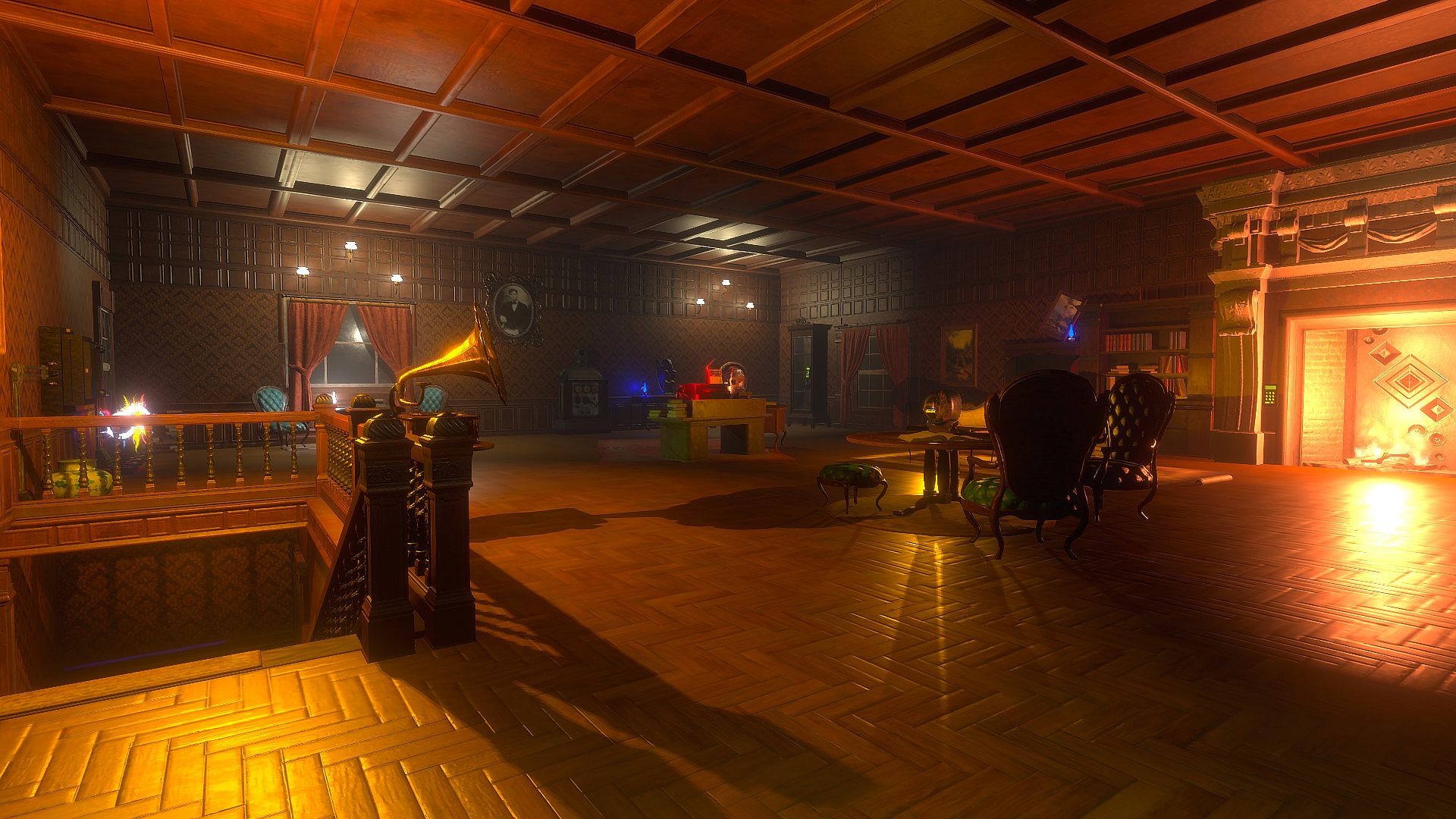
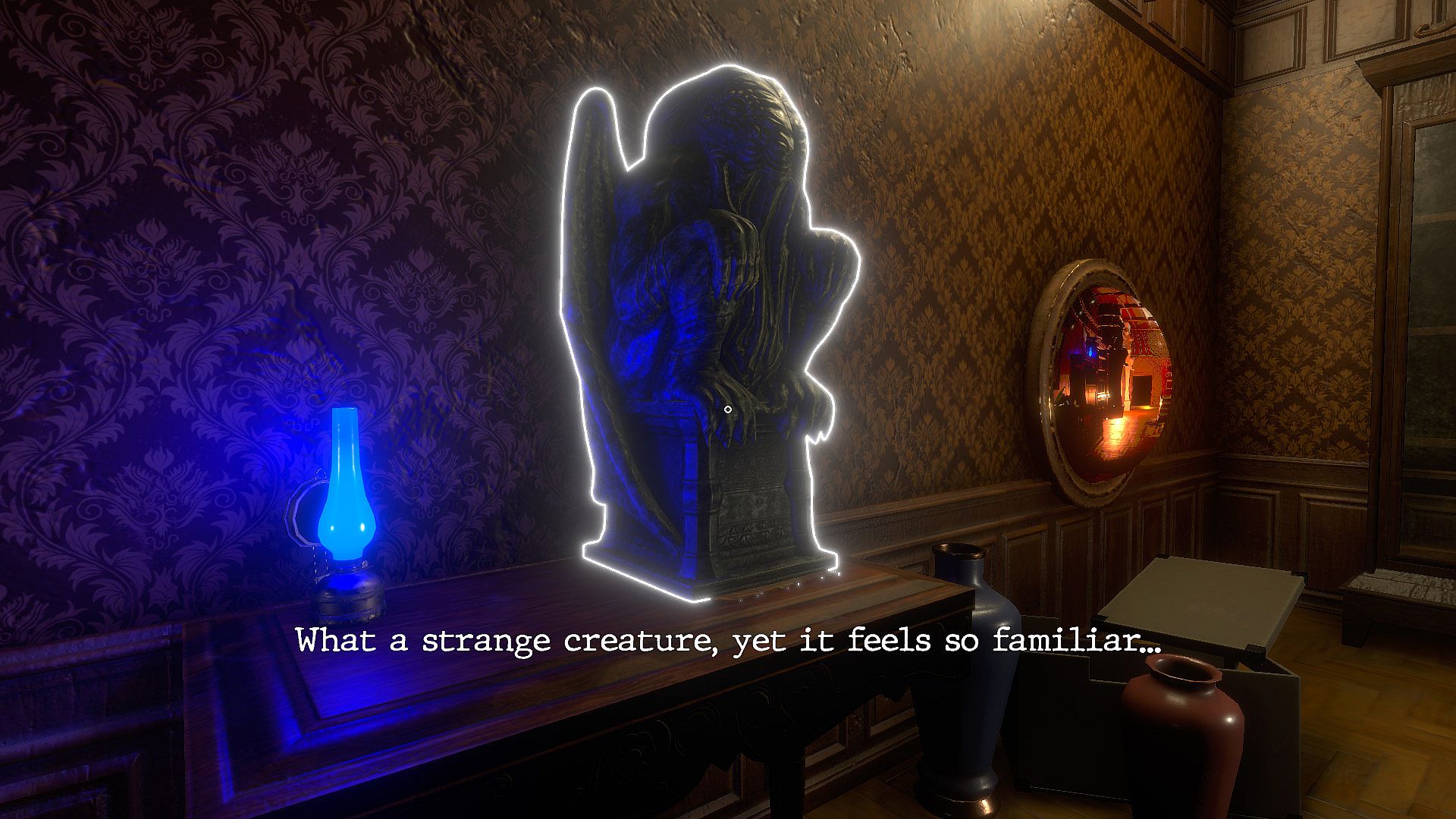
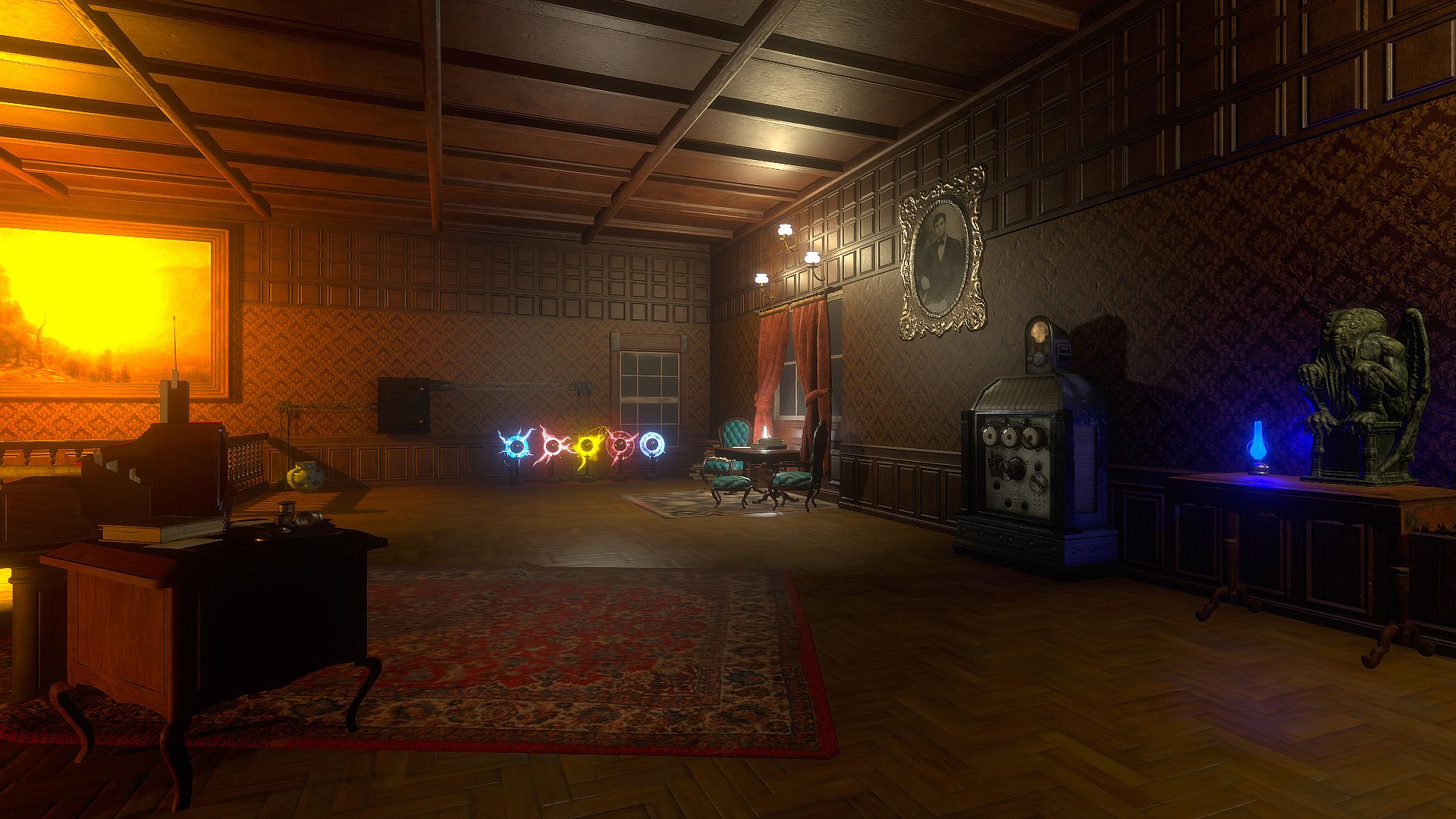

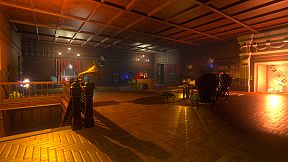
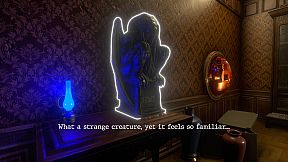
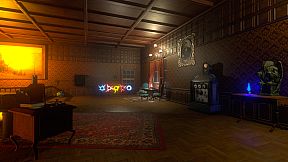
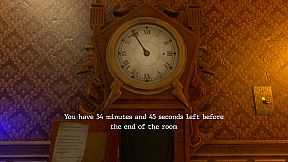
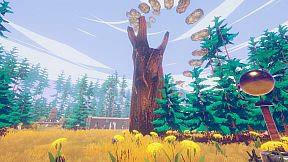
Mad Experiments: Escape Room presents a focused escape room puzzle experience on PC that blends strategy, adventure, simulation, and casual elements into a compact indie title. Players step into a series of laboratory-style environments where they must examine objects, uncover hidden mechanisms, and piece together solutions to progress through narrative-driven chapters.
Gameplay
The core loop centers on thorough exploration of confined spaces filled with interactive items. Dozens of objects respond to player input, revealing clues, combinations, or new pathways that advance the escape process. Attention to detail matters, as small details in the environment often hold the key to unlocking the next stage.
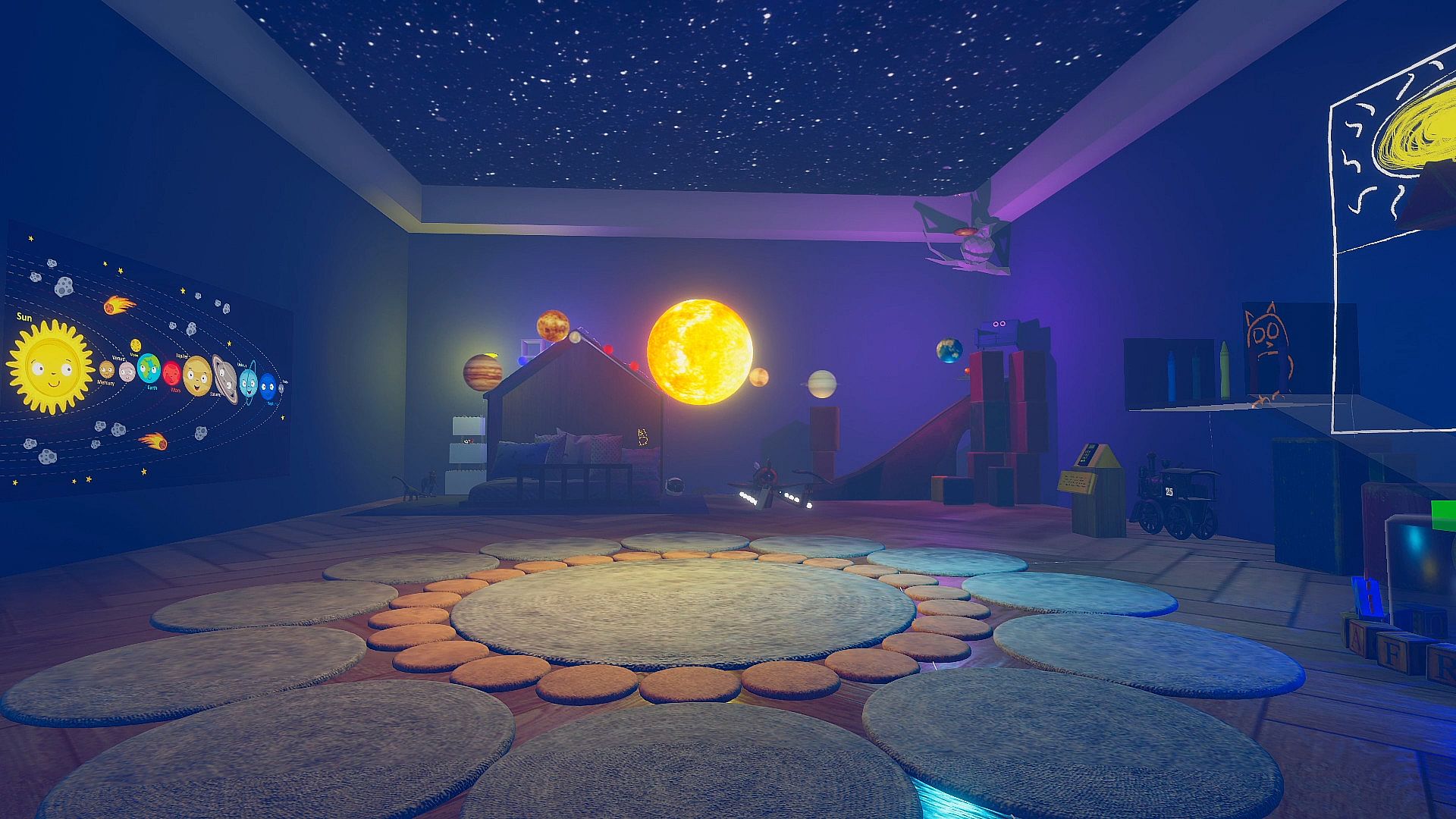
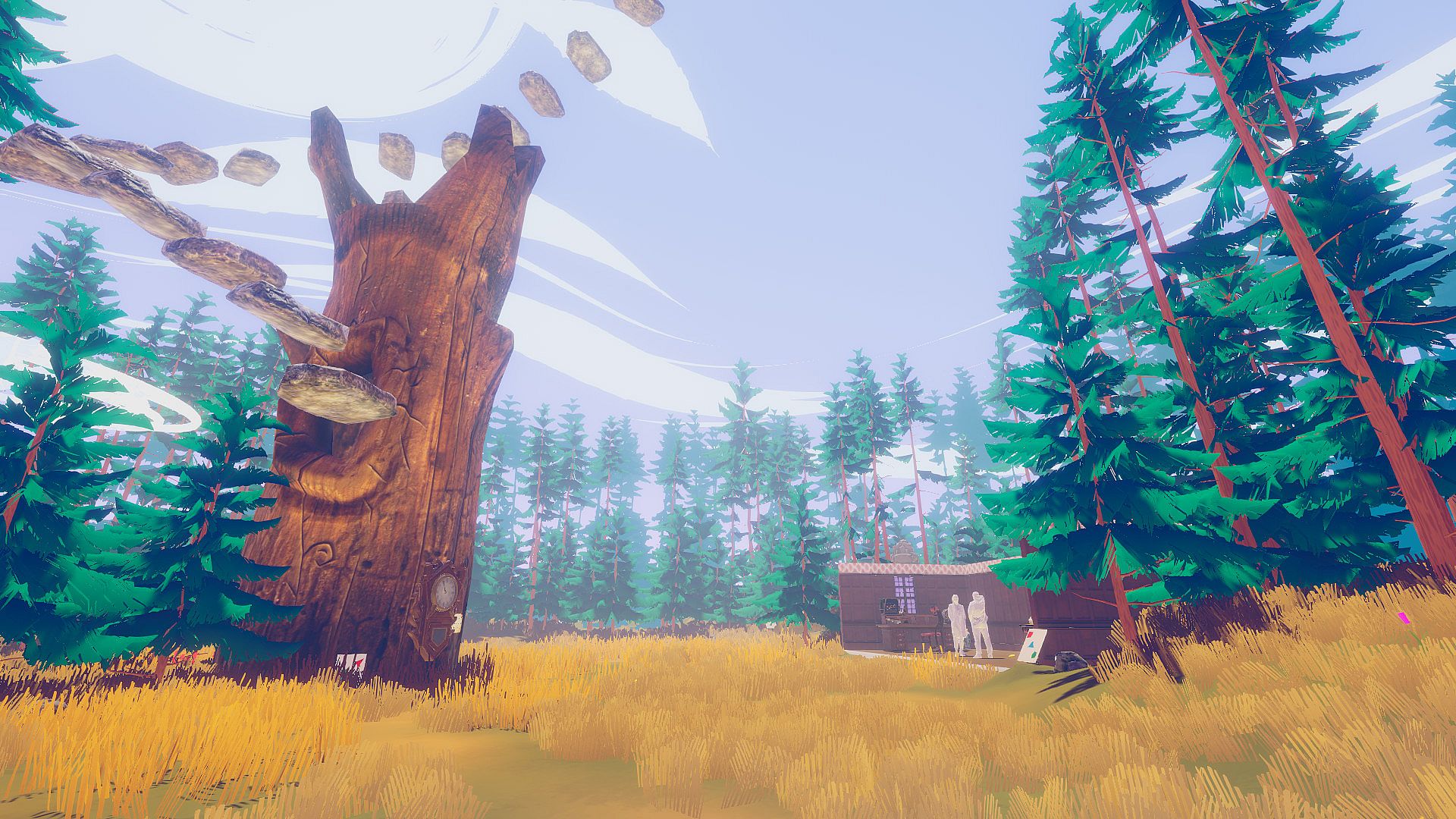
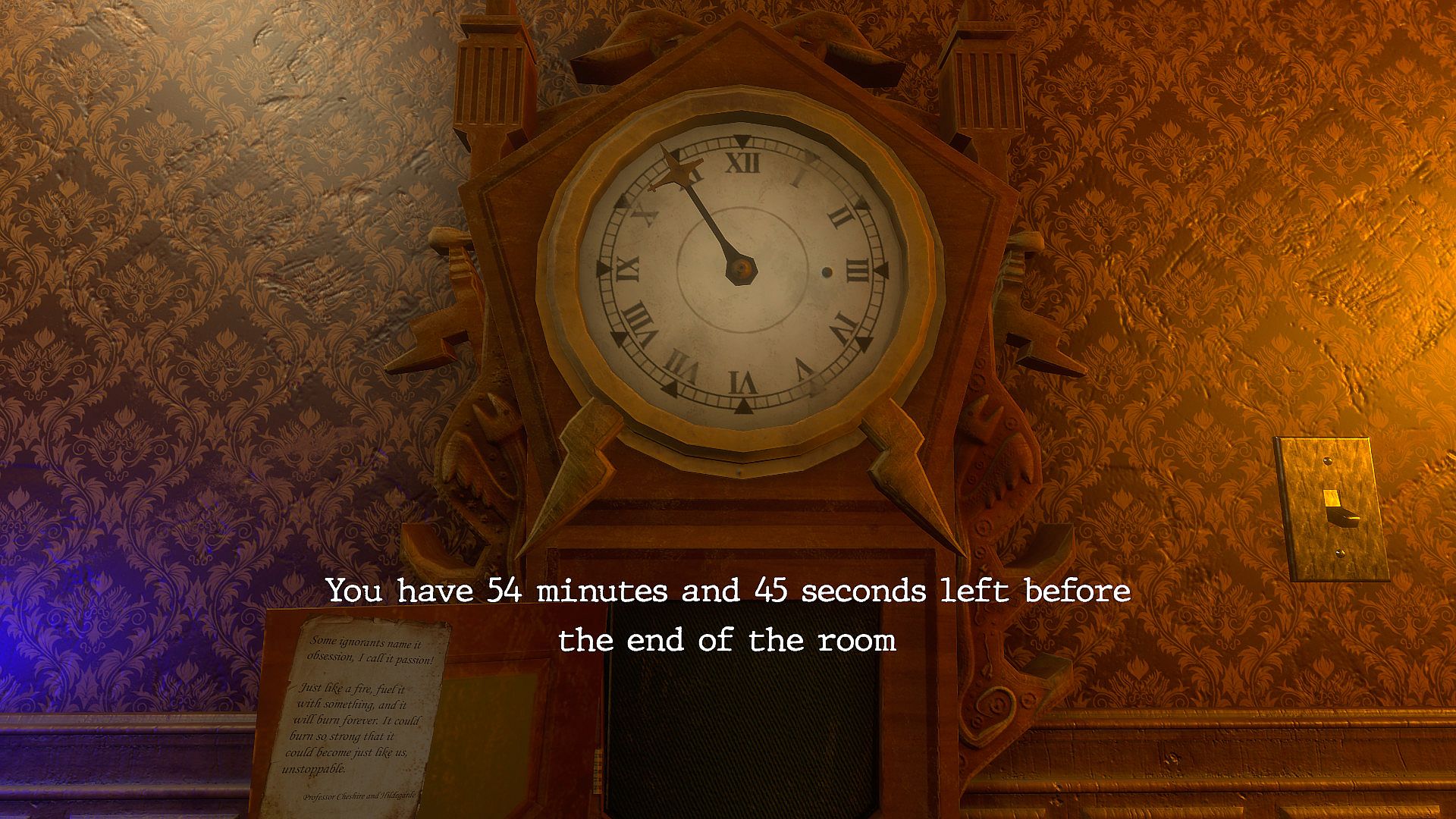
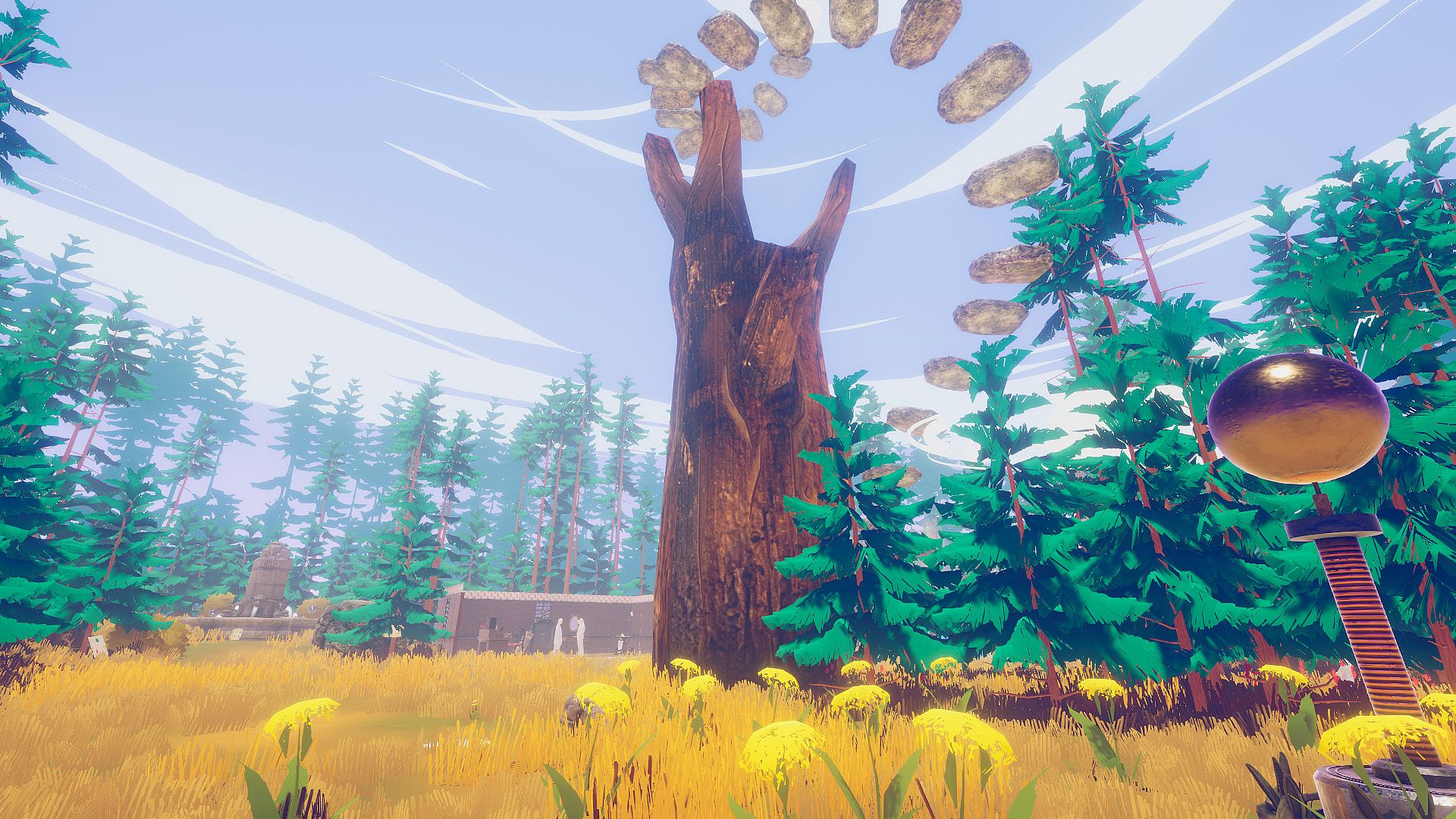
Story context unfolds across three distinct chapters that tie into a larger experimental narrative. In the first chapter, participants navigate a mansion laboratory setting tied to Professor Cheshire and his assistant Hildegarde, who conduct tests focused on mental reactions. The second chapter shifts to a memory recovery scenario after the experiments cause brain damage and induce a coma state, with Hildegarde guiding the process of piecing together lost recollections. The third chapter delves further into Hildegarde's background, placing players inside her childhood room to observe elements of her early life connected to the laboratory.
Interaction remains consistent across chapters, requiring repeated examination of surfaces, containers, and devices to locate and apply solutions. The simulation aspects encourage methodical checking of every corner without external guidance, rewarding careful observation over speed in most cases.
Game Modes
Two primary modes shape the pacing and pressure of each session. The standard timed mode imposes a strict 60-minute limit, pushing players to coordinate efficiently and prioritize high-impact actions to reach the exit condition before time expires. This mode suits groups seeking a structured challenge with clear performance benchmarks.
Relax mode removes the time constraint entirely, allowing unlimited duration for exploration and trial of different approaches. It supports a more deliberate pace, ideal for solo players or teams that prefer to methodically test every object and combination without external pressure. Both modes operate across the same three chapters, preserving the full set of puzzles and narrative elements regardless of selection.
Story and Chapter Progression
Progression follows a linear sequence through the three chapters, each introducing new environmental themes while maintaining the central experimental premise. The mansion laboratory establishes the initial setup with its array of testing apparatus. Memory Loss builds on the consequences of those tests by focusing on internal recovery mechanics within a more introspective space. Lost Childhood expands the scope by incorporating personal history elements from Hildegarde's perspective, adding layers to the overall narrative without altering the fundamental object-interaction system.
Each chapter functions as a self-contained escape room while contributing to the cumulative story. Players carry forward the knowledge of prior solutions in spirit, though mechanical resets occur between sections to present fresh sets of objects and secrets. The structure keeps sessions manageable yet connected through recurring characters and thematic threads.
Multiplayer and Solo Options
Support for one to six players enables flexible group sizes, from individual runs to coordinated team efforts. In larger groups, communication becomes essential for dividing tasks such as scanning different areas or verifying object states simultaneously. Solo play remains fully viable, with the same puzzle set available for independent completion.
The design accommodates both approaches without requiring specific team compositions. Smaller groups or lone players can still access every interactive element, while larger teams benefit from parallel exploration that reduces overall session time in the timed mode.
Is It Worth Playing?
This title appeals directly to players who enjoy escape room mechanics centered on object examination and logical deduction within a narrative framework. The three-chapter structure delivers a complete, self-contained experience without requiring additional content purchases.
Reception highlights the quality of the puzzles and the effectiveness of the multiplayer integration, with particular note given to how the environments support collaborative problem-solving. The availability of both timed and unlimited modes broadens accessibility for different play styles and experience levels.
Those seeking a concise yet detailed escape room session on PC will find the combination of story chapters and flexible pacing a strong match. The game suits repeated playthroughs with friends or focused solo sessions aimed at uncovering every secret across the laboratory settings.