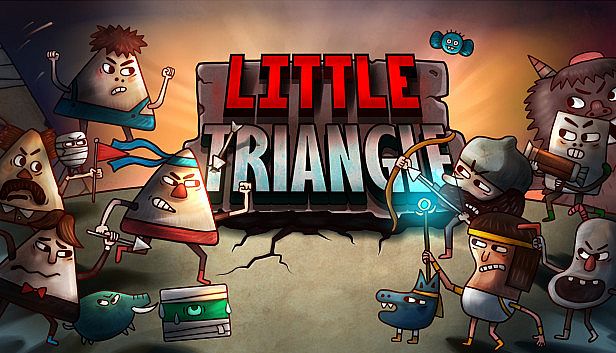












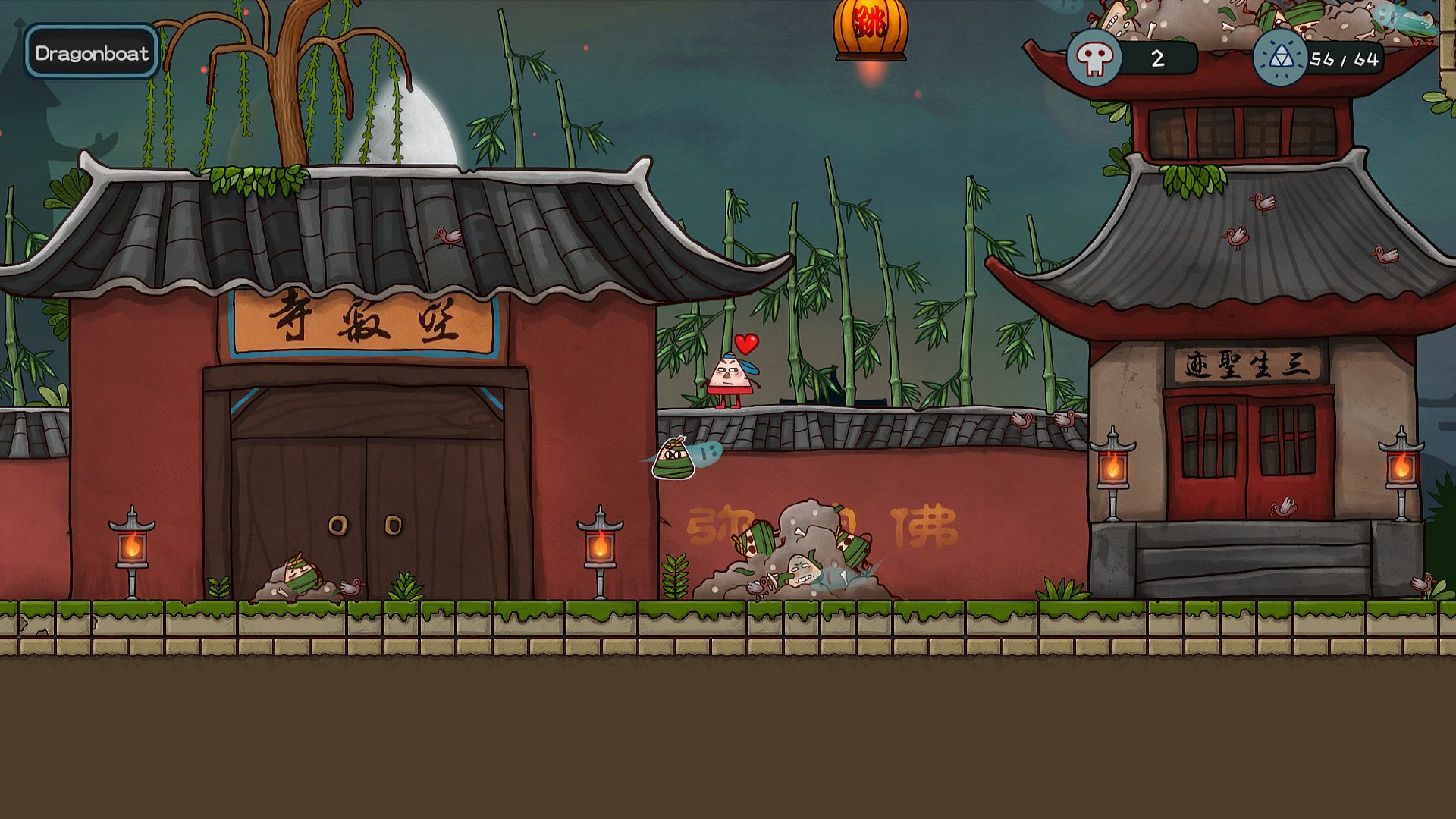

Little Triangle delivers a focused 2D platforming experience built around simple controls and varied level challenges. The game centers on guiding a small triangular character through side-scrolling stages filled with obstacles, enemies, and precise jumps. Players use basic movement and a double jump to navigate each area, collecting progress while avoiding hazards or dispatching foes along the way. Two difficulty settings let newcomers ease into the mechanics or test their timing on tighter layouts that demand careful positioning and repeated attempts.
Gameplay
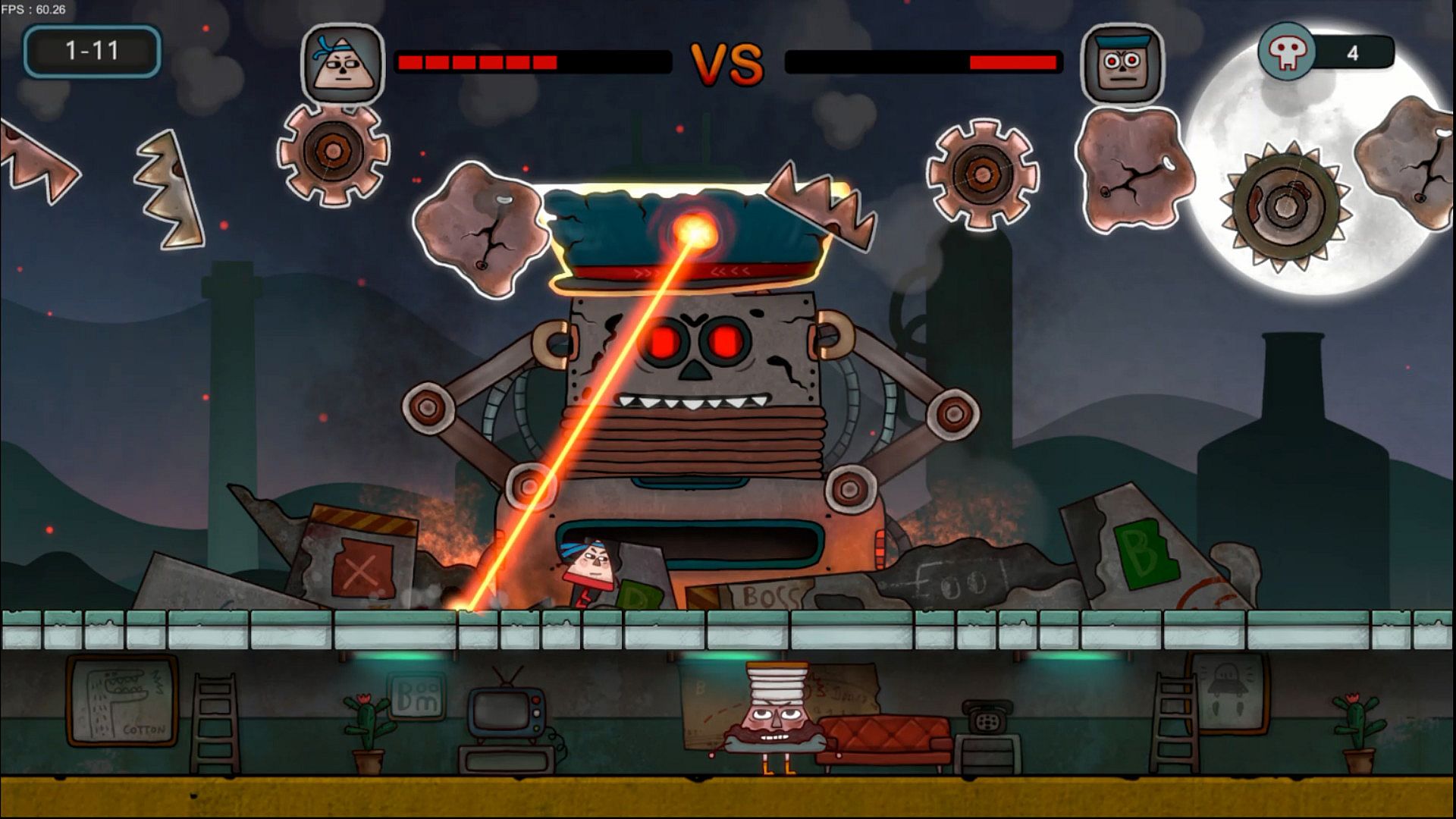
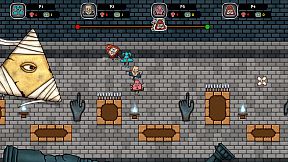
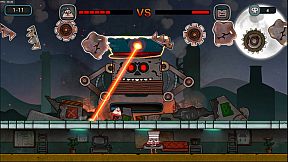
Core movement relies on walking and jumping, with the double jump serving as the main tool for crossing gaps and reaching higher platforms. Levels incorporate different enemy types that require timing or positioning to clear safely. Boss encounters add structured challenges where patterns must be learned through observation and repeated runs. The design emphasizes immediate feedback, so new players grasp the basics within the first few stages while later sections introduce tighter timing windows and more complex arrangements of platforms and threats.
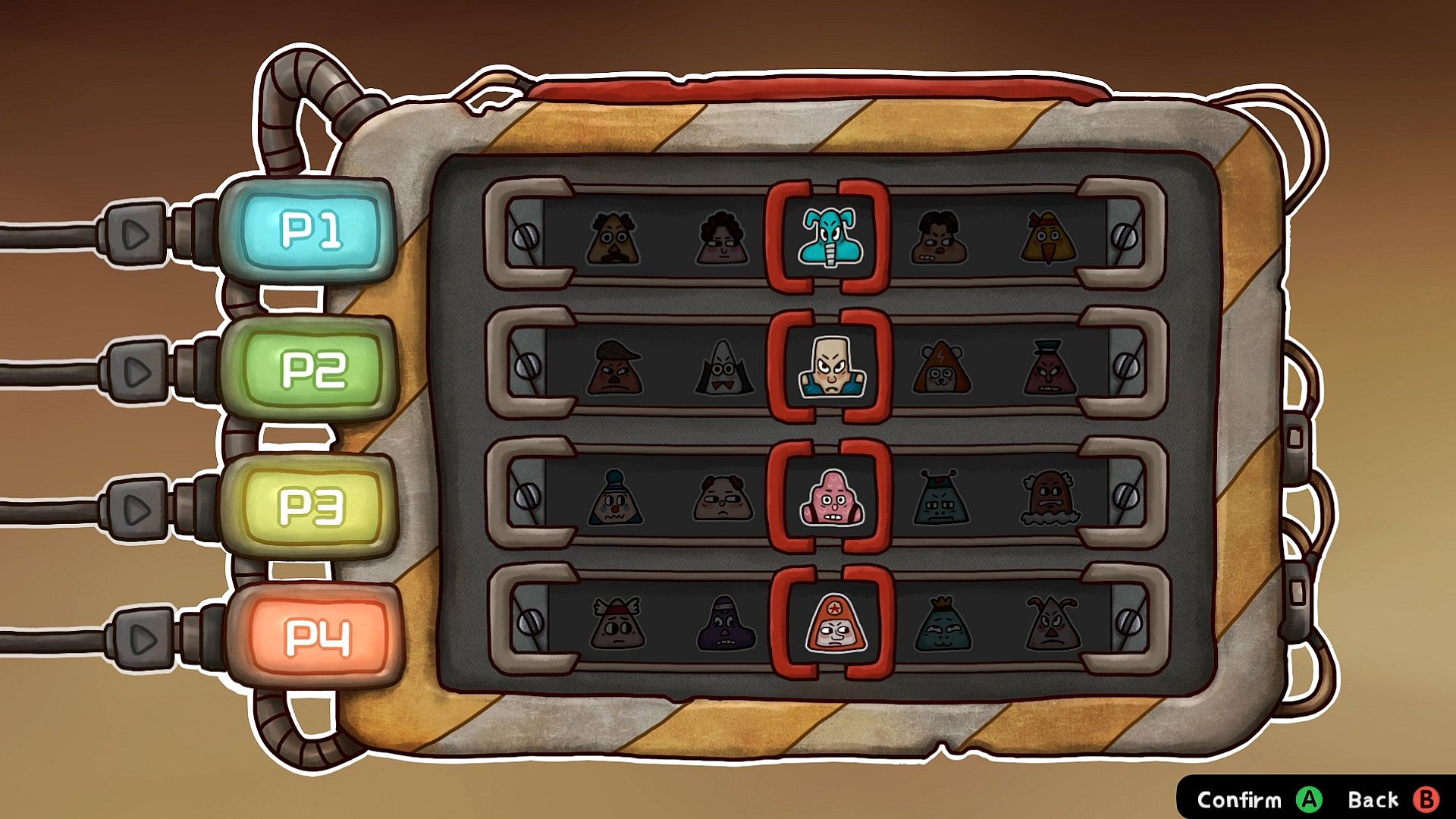
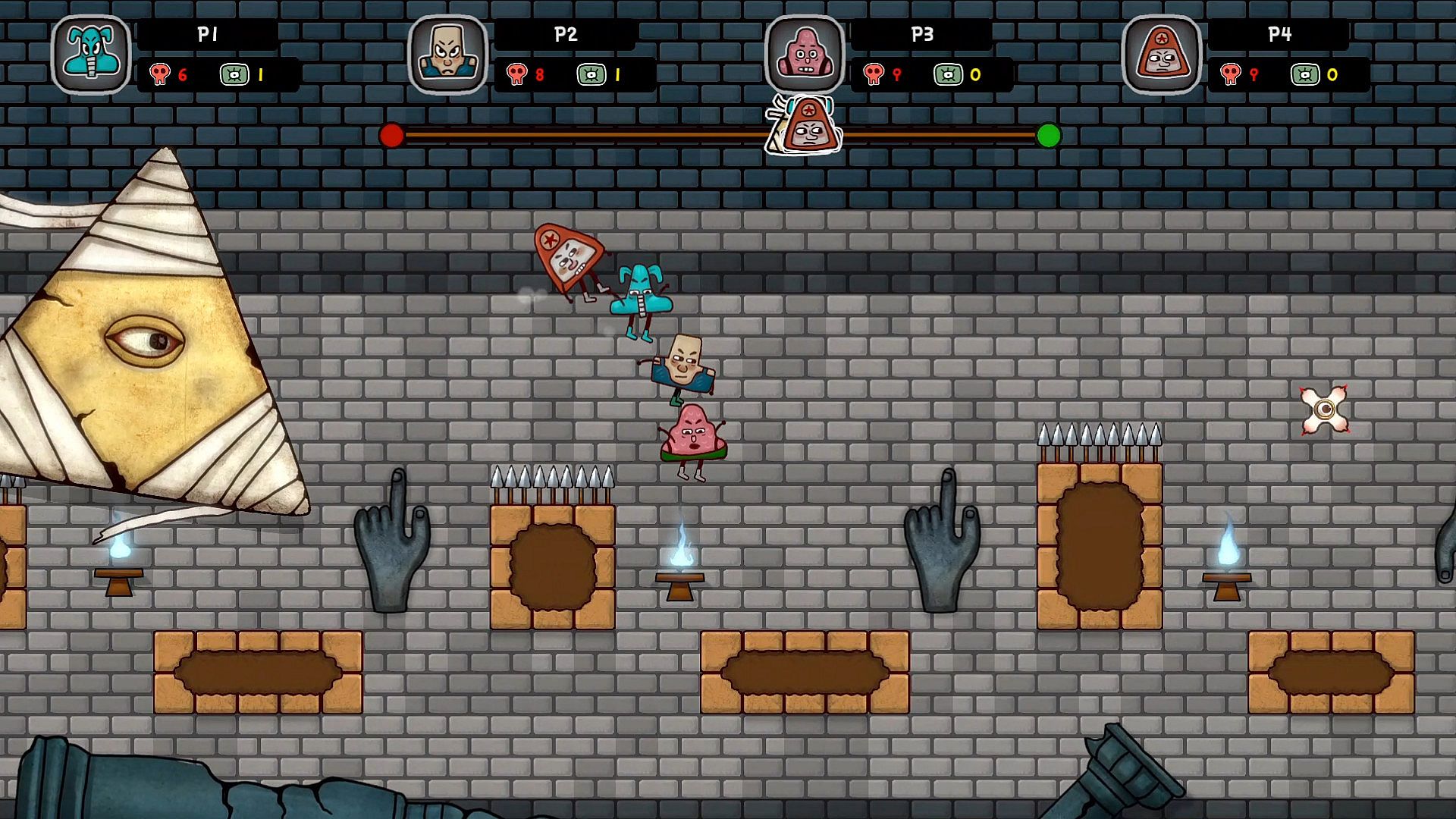
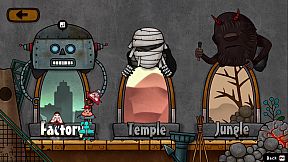
Over sixty distinct skins change the visual appearance of the triangle without altering mechanics. Enemies range from basic patrollers to specialized variants that demand different approaches. Boss fights feature unique attack sequences tied to each stage theme. Level layouts vary widely, incorporating vertical climbs, horizontal dashes, and sections that reward exploration of alternate paths. Casual mode reduces pressure for relaxed play, while hardcore mode increases precision requirements and removes some safety margins.
Game Modes
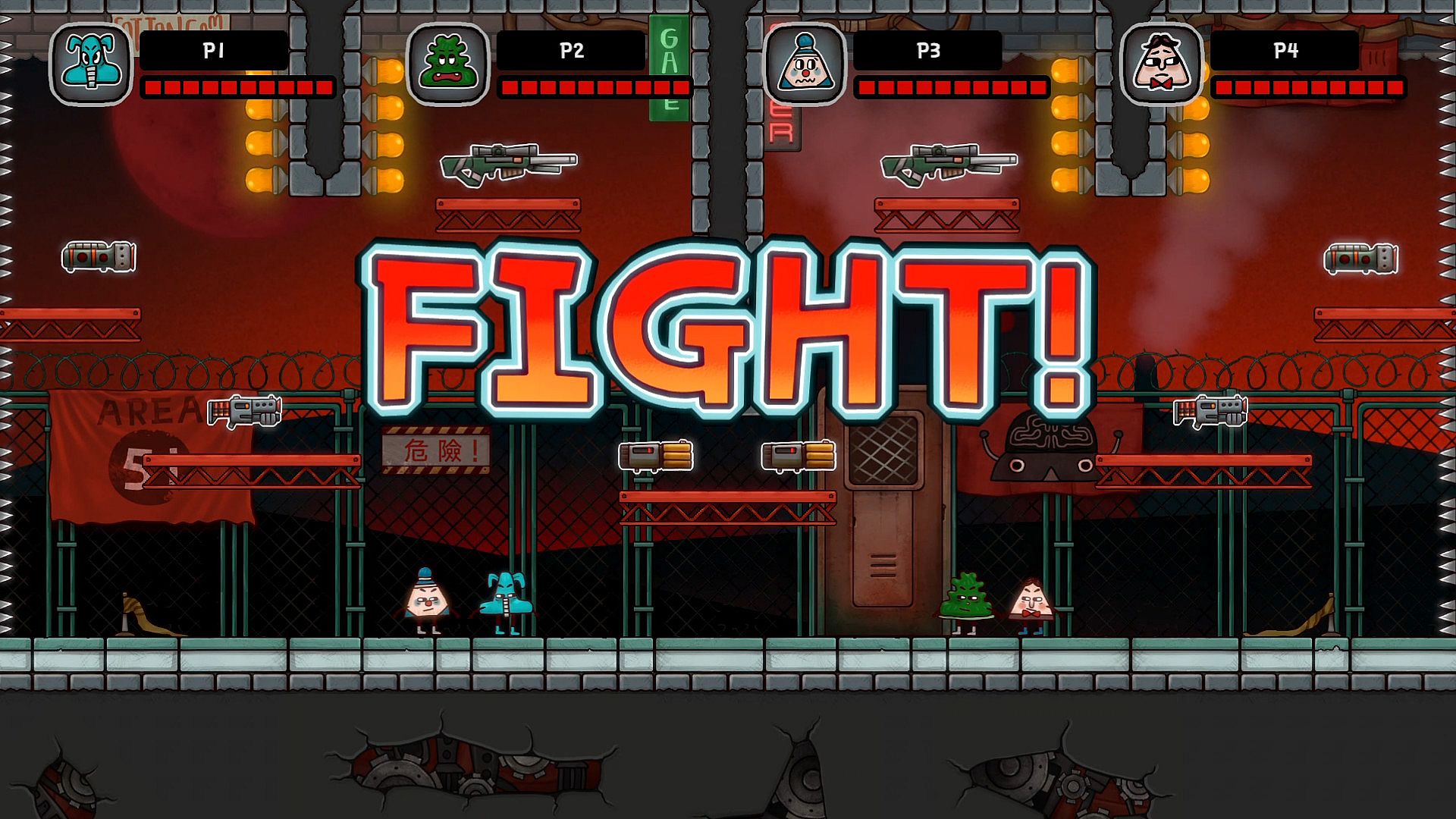
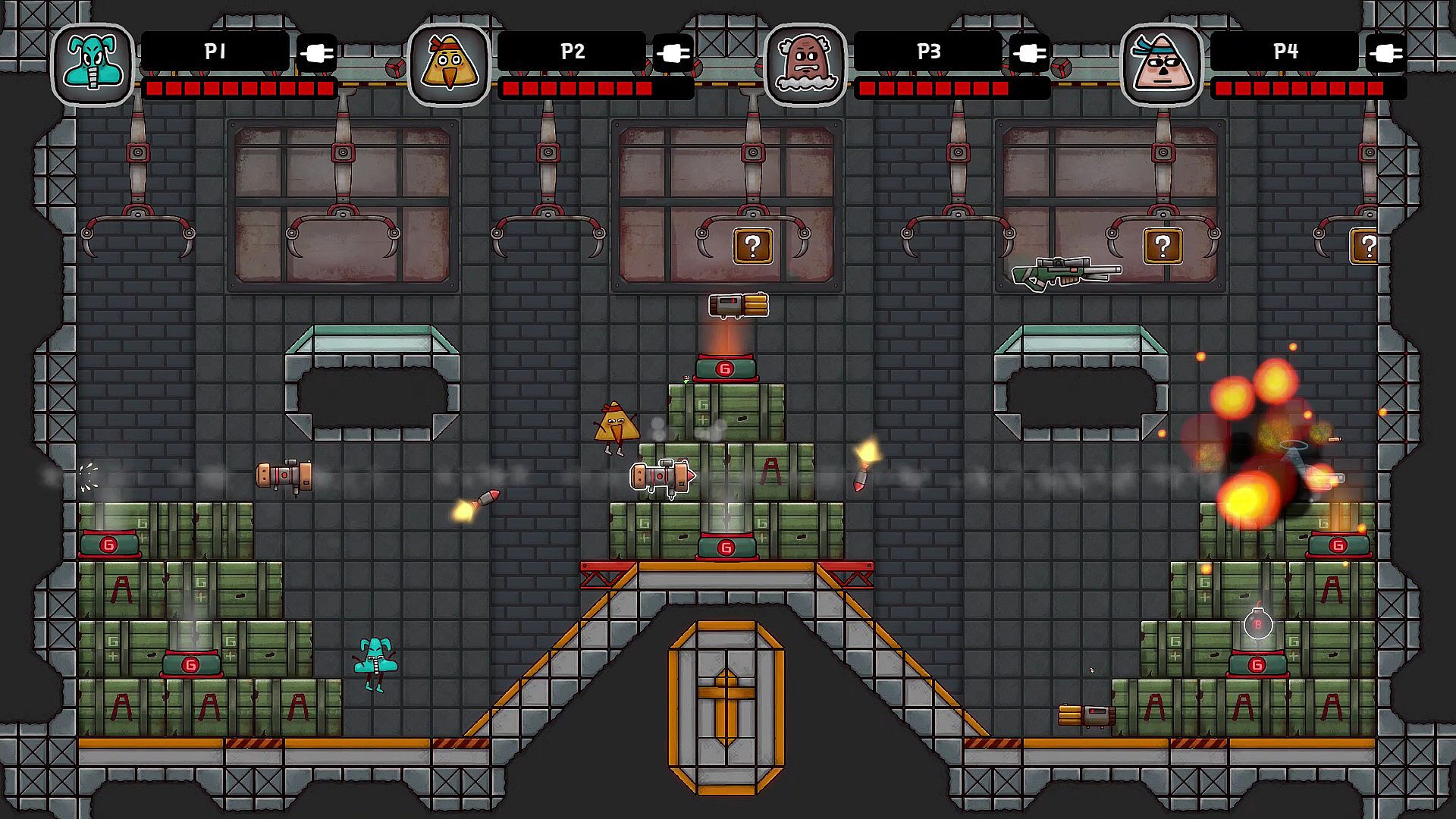
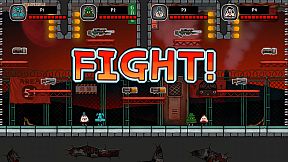
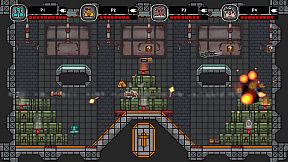
Three distinct modes provide separate experiences within the same core ruleset. Single-player mode focuses entirely on completing the campaign levels at either difficulty setting. Local co-op supports up to four players on the same screen, allowing friends to tackle the same stages together with shared progress and occasional friendly interference. The mini Battle Royale mode shifts emphasis toward direct competition on dedicated arenas where participants use jumps, weapons, and environmental hazards to eliminate opponents.
In the competitive mode, movement stays identical to the platformer but victory requires both offensive actions and positioning. Players can land on heads to knock out rivals or pick up temporary weapons that appear on each map. Arenas feature unique layouts that encourage hiding spots, ambush opportunities, and quick reactions. The mode supports the same local multiplayer setup, making it suitable for small groups looking for short, repeatable sessions rather than long campaigns.
Visuals and Presentation
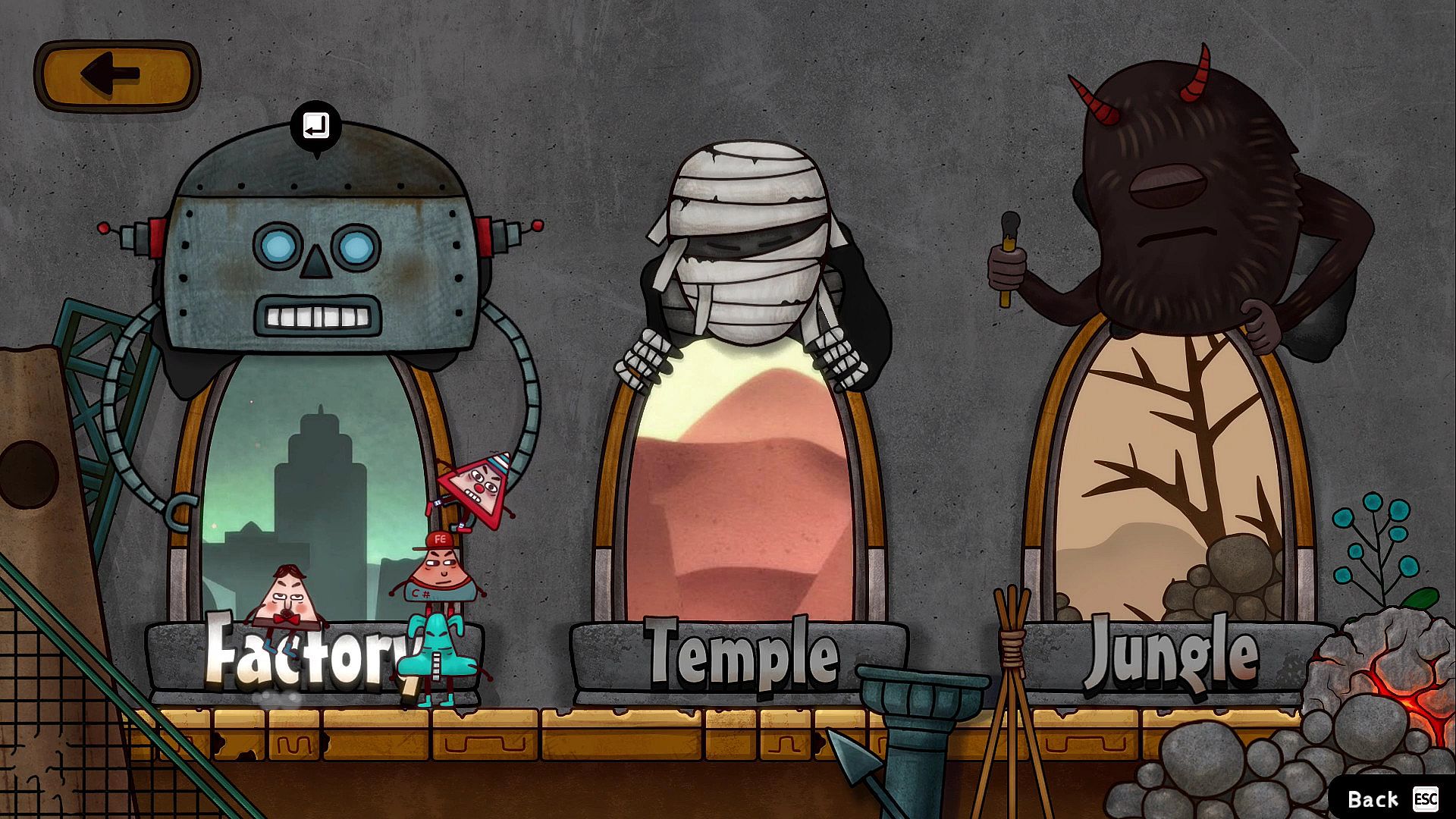
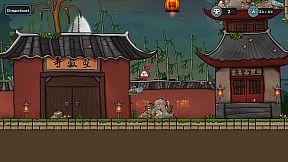
The game uses clean 2D sprites with bright colors and exaggerated animations that highlight successes and failures clearly. Each stage carries its own theme through background details and enemy designs, keeping progression visually distinct. Sound effects emphasize jumps, impacts, and defeats with punchy feedback that matches the fast pace. The overall style stays light and cartoonish, supporting the humorous tone without distracting from the platforming focus.
Is It Worth Playing?
Little Triangle suits players who enjoy precise 2D platformers that remain accessible yet grow challenging. The single-player campaign offers a complete solo run with two difficulty options, while the local co-op and mini Battle Royale modes add replay value for groups. Reviews consistently note the polished feel across all modes and the quick transition from learning controls to attempting harder sections. The game works well for short sessions or longer playthroughs depending on chosen difficulty and mode. Those seeking local multiplayer party games alongside a traditional campaign will find the combination particularly appealing, as each mode receives equal attention in design and testing. Availability on PC keeps the experience straightforward without additional hardware requirements beyond standard controls.