




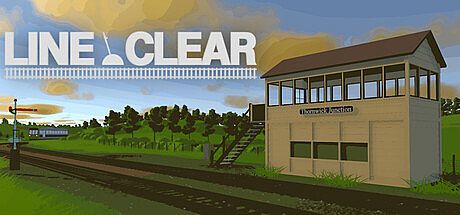


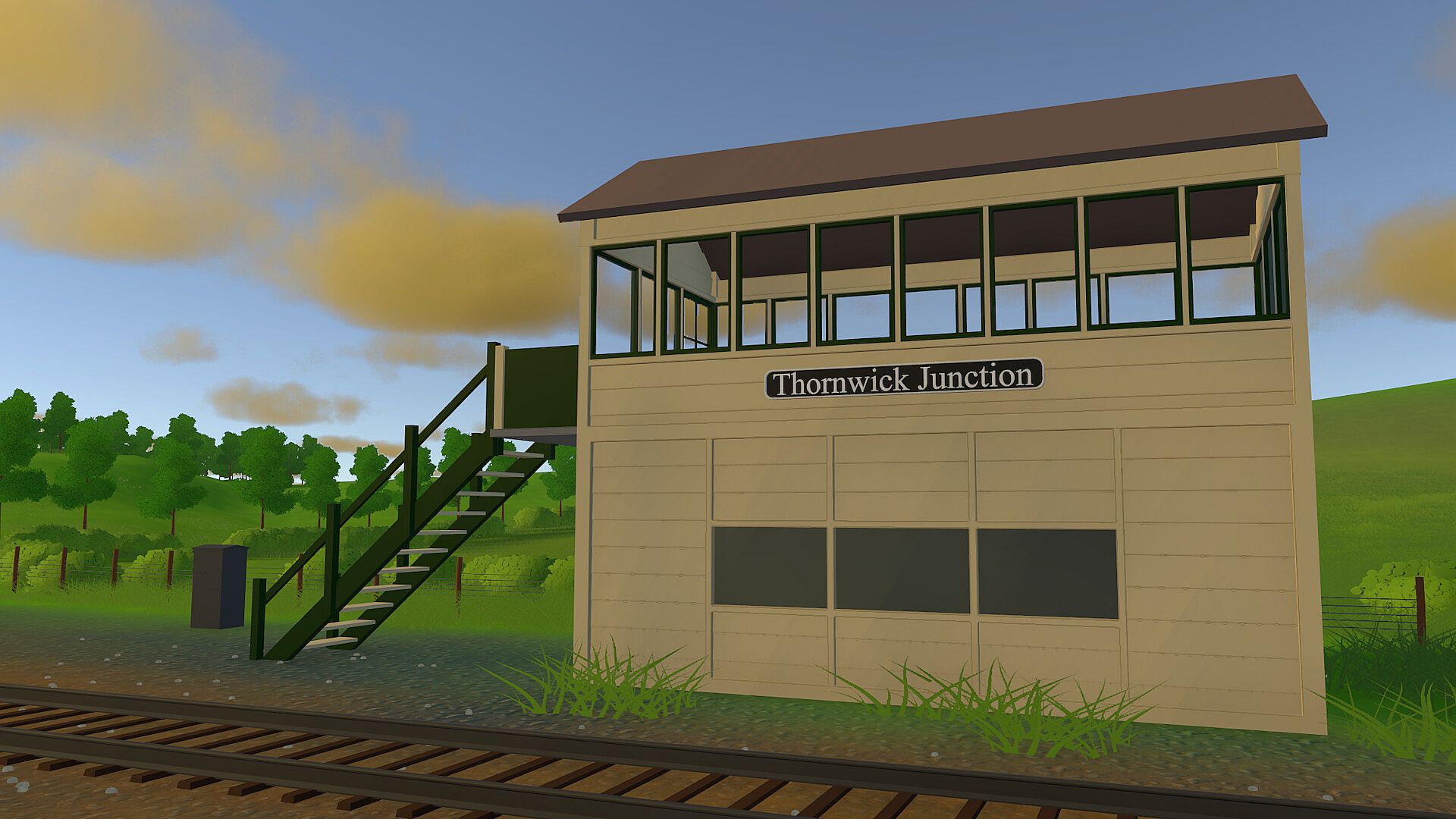
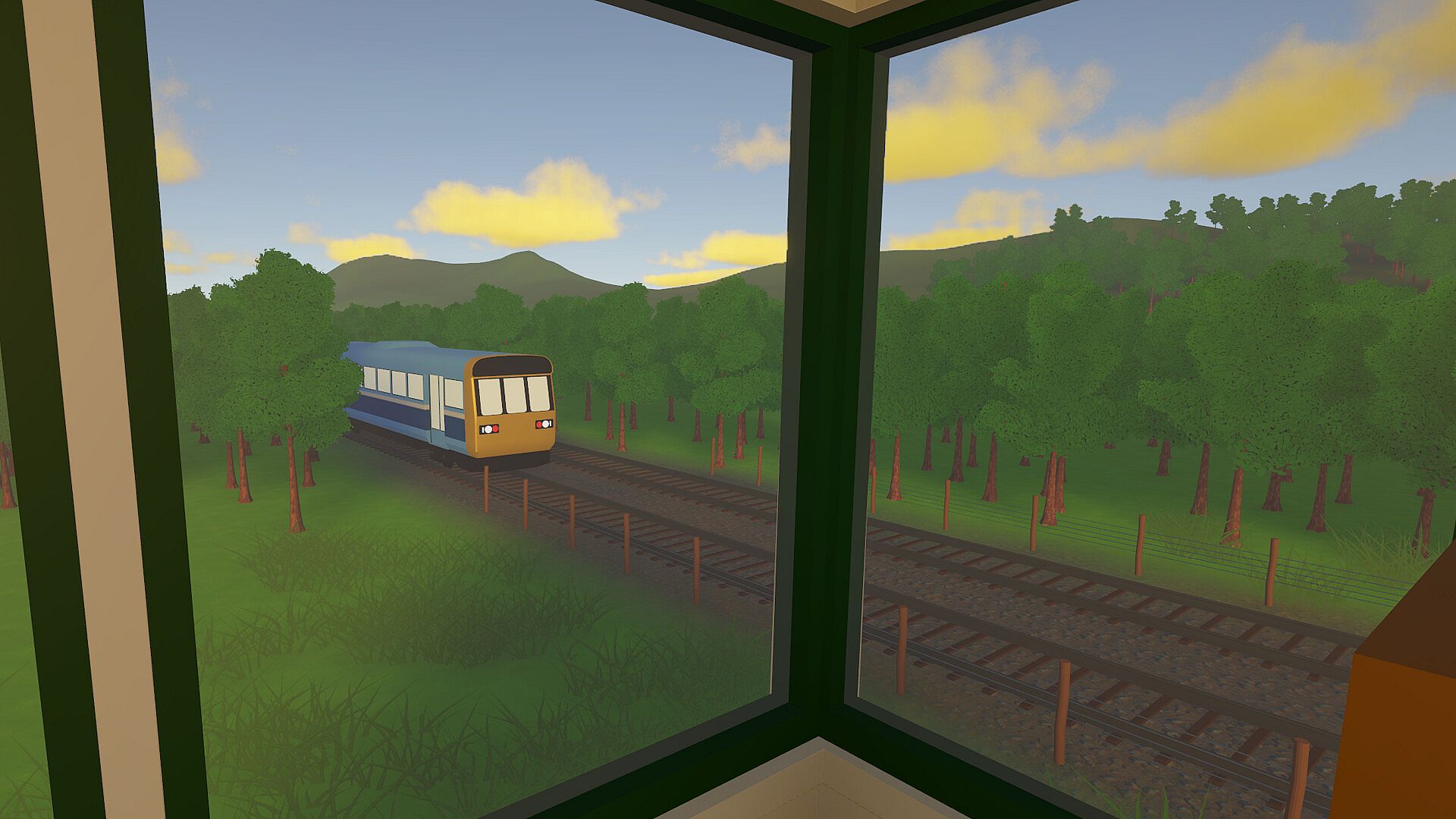
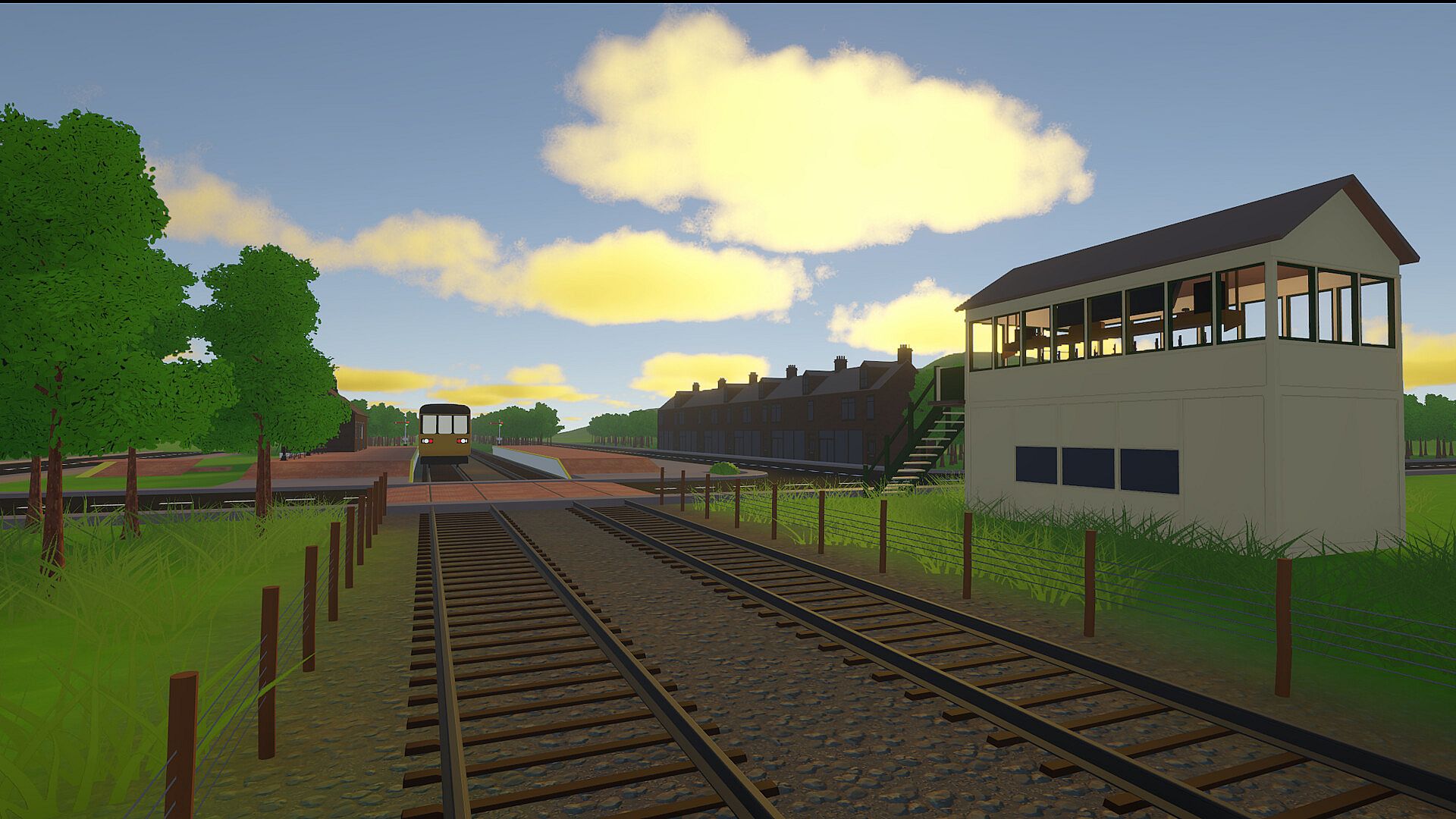
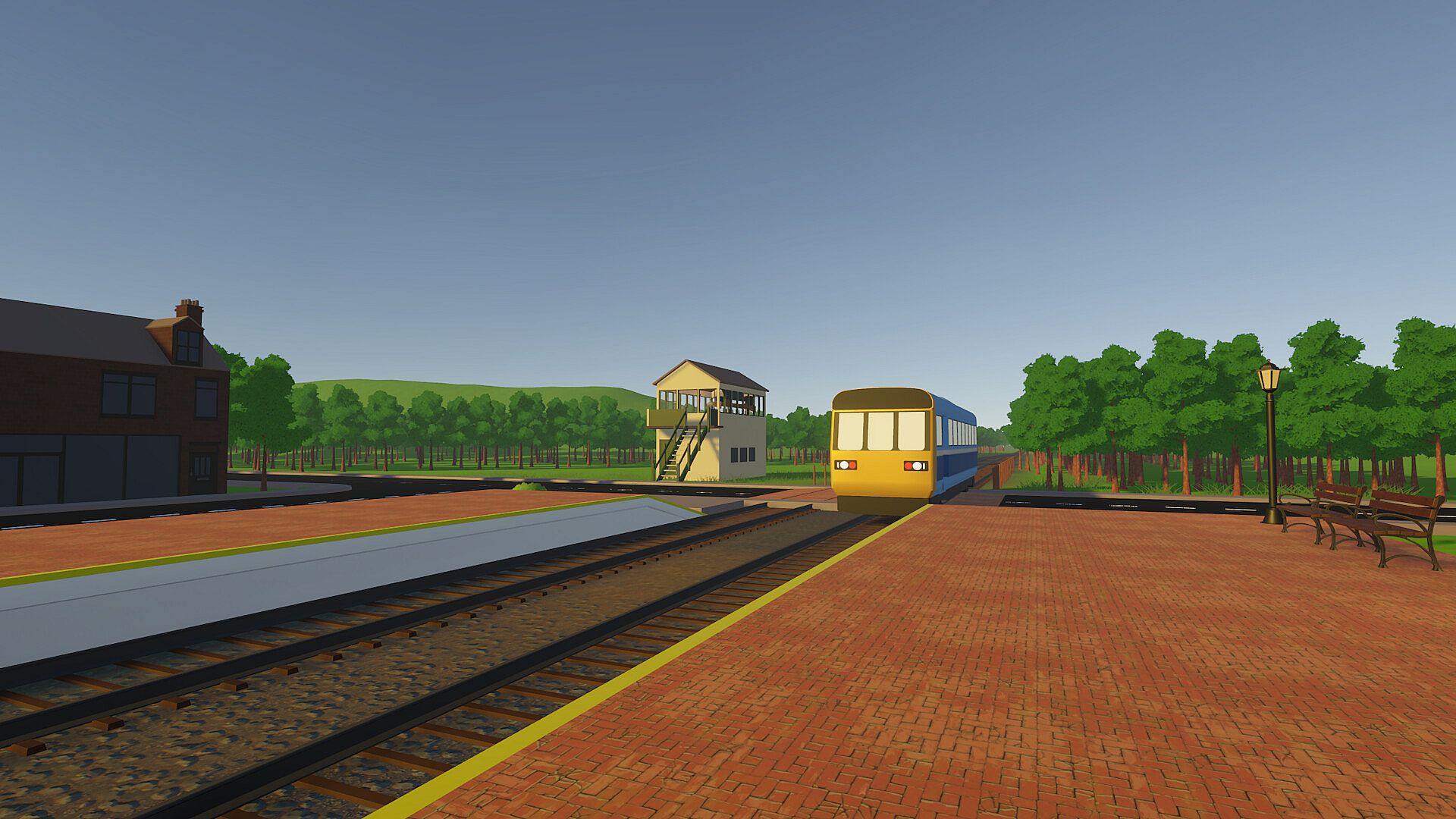

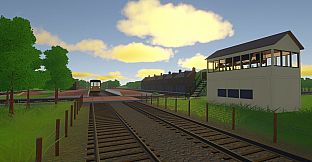

Line Clear is a strategy simulation game that places players in the role of a signalman operating a mechanical signal box on the British railway network during the 1990s. Set against the backdrop of traditional British Rail practices, the experience focuses on managing train movements through junctions using authentic period equipment and procedures. As an indie title in the casual and simulation genres, it emphasizes precision, procedural knowledge, and careful decision making rather than fast paced action or abstract puzzles.
Gameplay
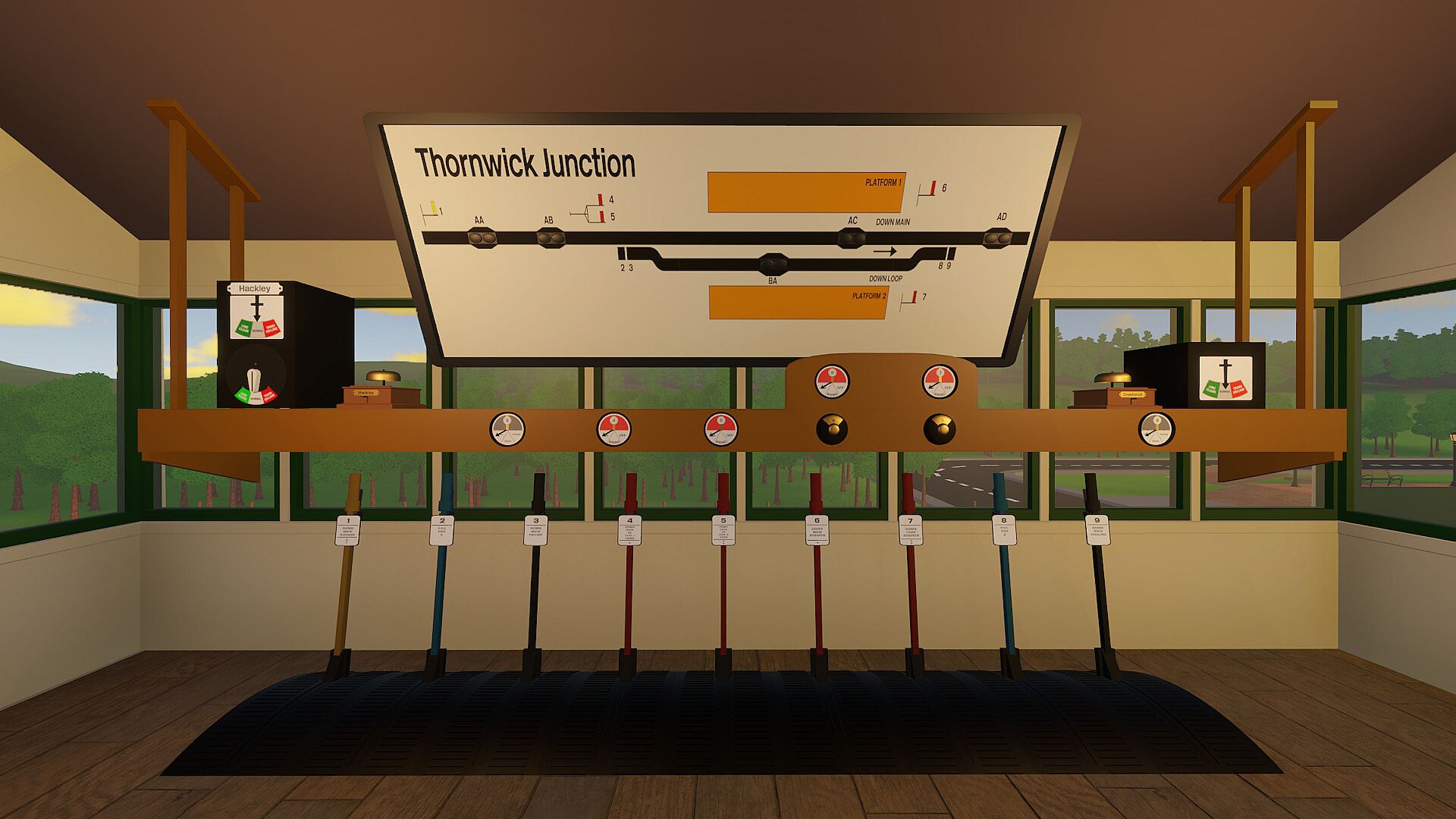
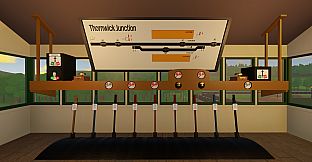
The core loop revolves around handling timetabled traffic at a junction. Players pull mechanical levers on a frame to set routes, operate semaphore signals, and coordinate with adjacent signal boxes through bell codes and block instruments. Mechanical interlocking ensures that conflicting routes cannot be set simultaneously, reflecting real engineering constraints of the era. Track circuit indications appear on a period style diagram, providing visual feedback on occupied sections without modern automation.
Absolute block working forms the foundation of operations. This system requires confirming that a section of track is clear before allowing a train to enter, using plungers, repeaters, and telegraph instruments to exchange information. Players must interpret these instruments accurately while routing services safely and on schedule. The simulation includes full bell code communication, where specific sequences convey train types and intentions to neighboring boxes.
Attention to detail extends to the physical layout of the box. Levers respond with prototypical resistance and locking behavior, and decisions about routing carry consequences for overall traffic flow. The focus remains on learning the craft of signaling through repeated practice with realistic constraints rather than simplified mechanics.
Game Modes
Line Clear operates as a single player experience centered on the signal box simulation. No separate competitive or cooperative modes exist. Instead, the activity centers on managing scheduled trains across multiple sessions at different boxes. The current development state includes three distinct signal boxes where players can practice absolute block procedures.
Progression comes from mastering the interlocking and communication systems across varied junction layouts. Timetabled traffic introduces routing decisions that test understanding of block sections and signal aspects. Players handle the full sequence of accepting trains, clearing routes, and handing them off without additional game modes layered on top.
Setting and Historical Accuracy
The 1990s British Rail era provides the visual and operational context, with semaphore signals, mechanical lever frames, and block telegraph instruments rendered in period detail. Players work within the constraints of that time, including the absence of centralized traffic control or digital displays. This creates a focused environment where traditional methods determine success or failure in keeping services moving.
Junction routing decisions form a key part of the challenge. Each train arrival requires evaluating available paths, confirming clearances via instruments, and executing lever movements in the correct sequence. The simulation rewards methodical approaches that mirror real signal box routines.
Is It Worth Playing?
Line Clear targets players interested in railway operations, historical simulation, and systems based strategy. Those who enjoy learning intricate procedures and managing complex logistics without combat or narrative elements will find the authentic mechanics engaging. The emphasis on mechanical interlocking and bell code communication delivers a niche experience that stands apart from typical transport or management titles.
The game remains in development as an Early Access title with a planned release date to be announced. Three signal boxes are currently available, and the absolute block system functions fully. Community input through dedicated channels will shape future expansions. For enthusiasts of realistic signaling simulations, the title offers a direct recreation of 1990s British practices that rewards patience and attention to procedural detail. Players seeking fast sessions or varied gameplay styles may prefer to wait for further updates before committing.











