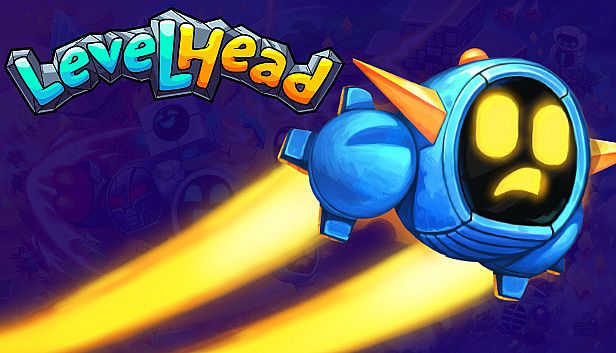


















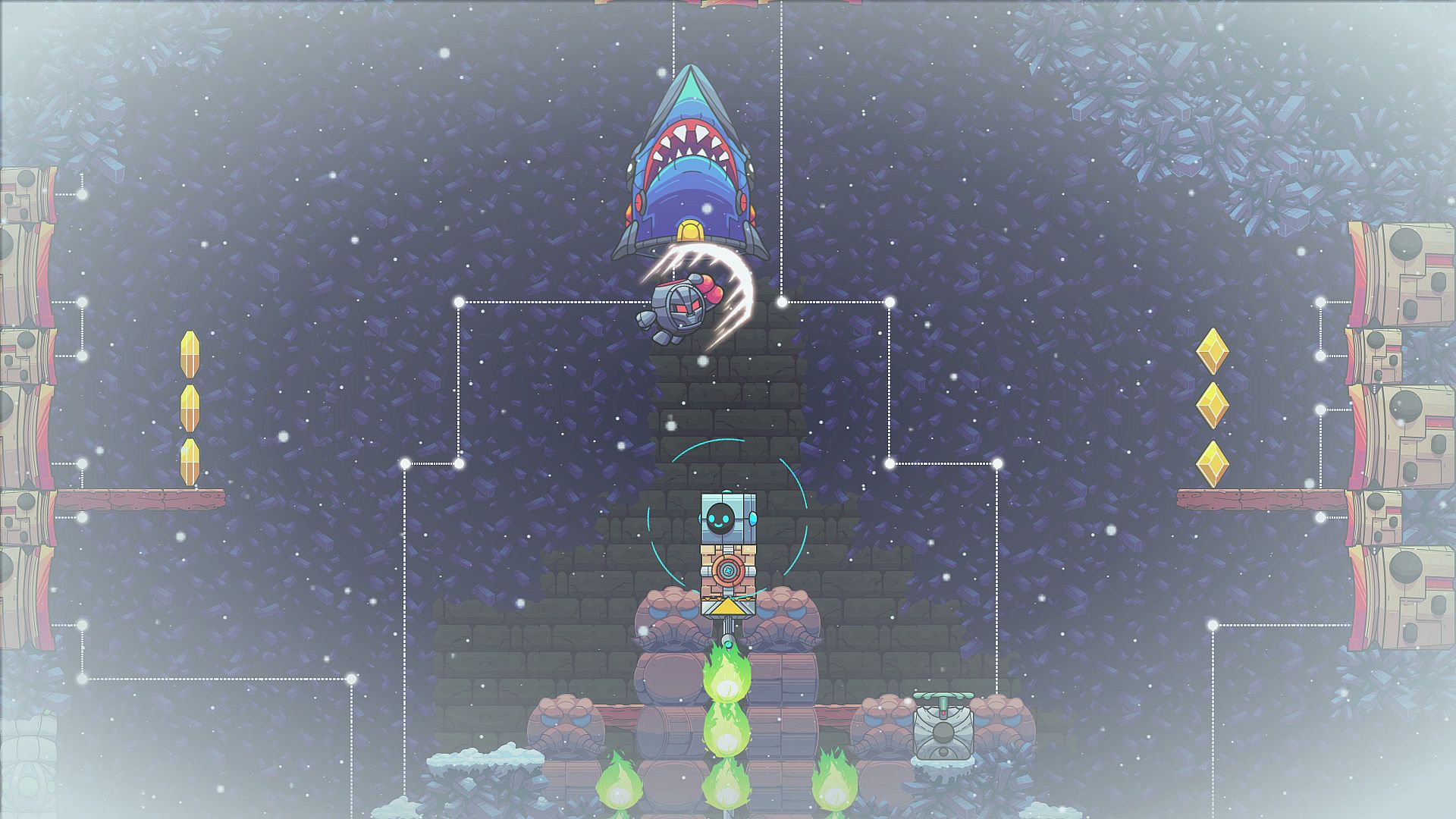
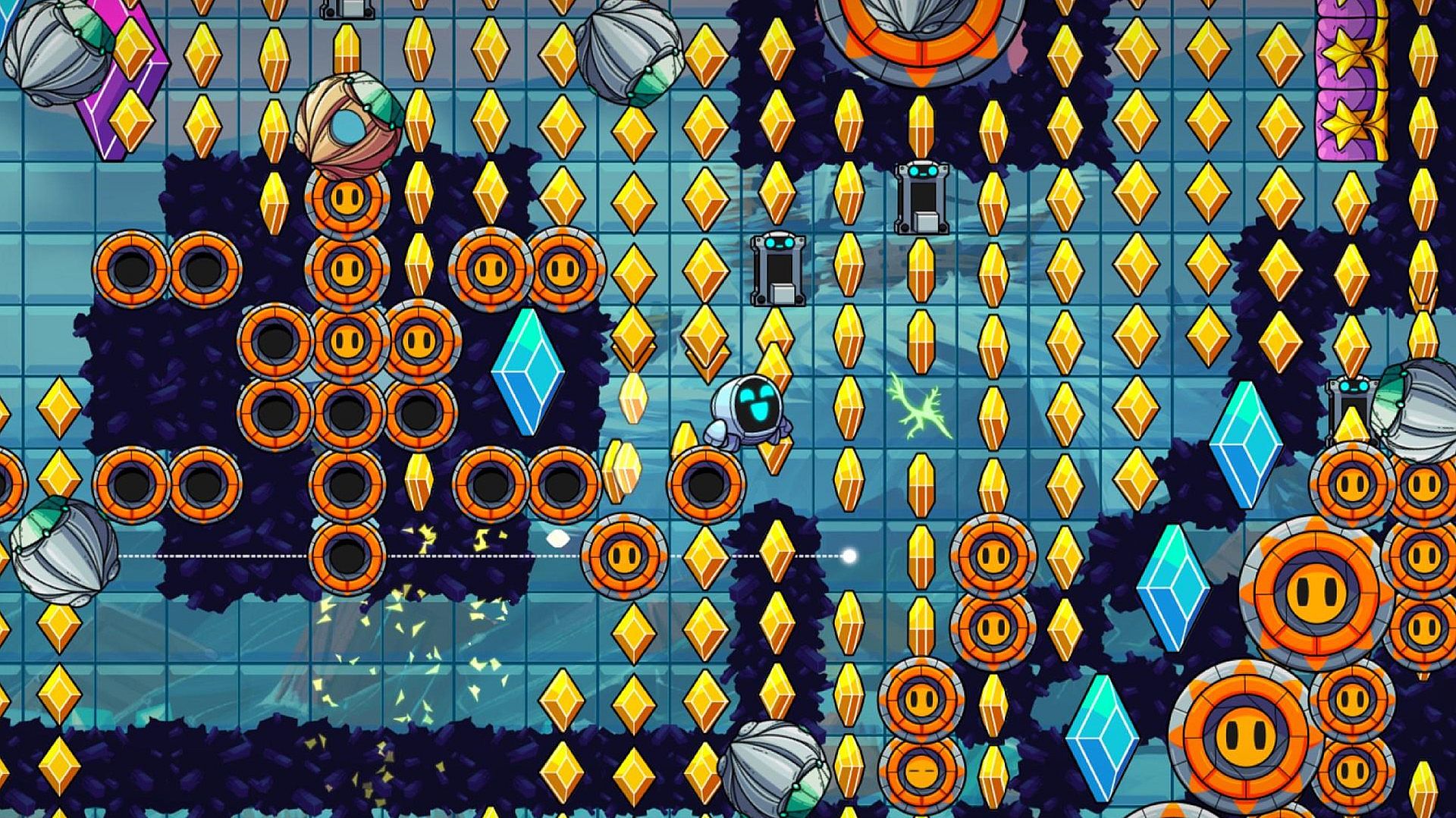
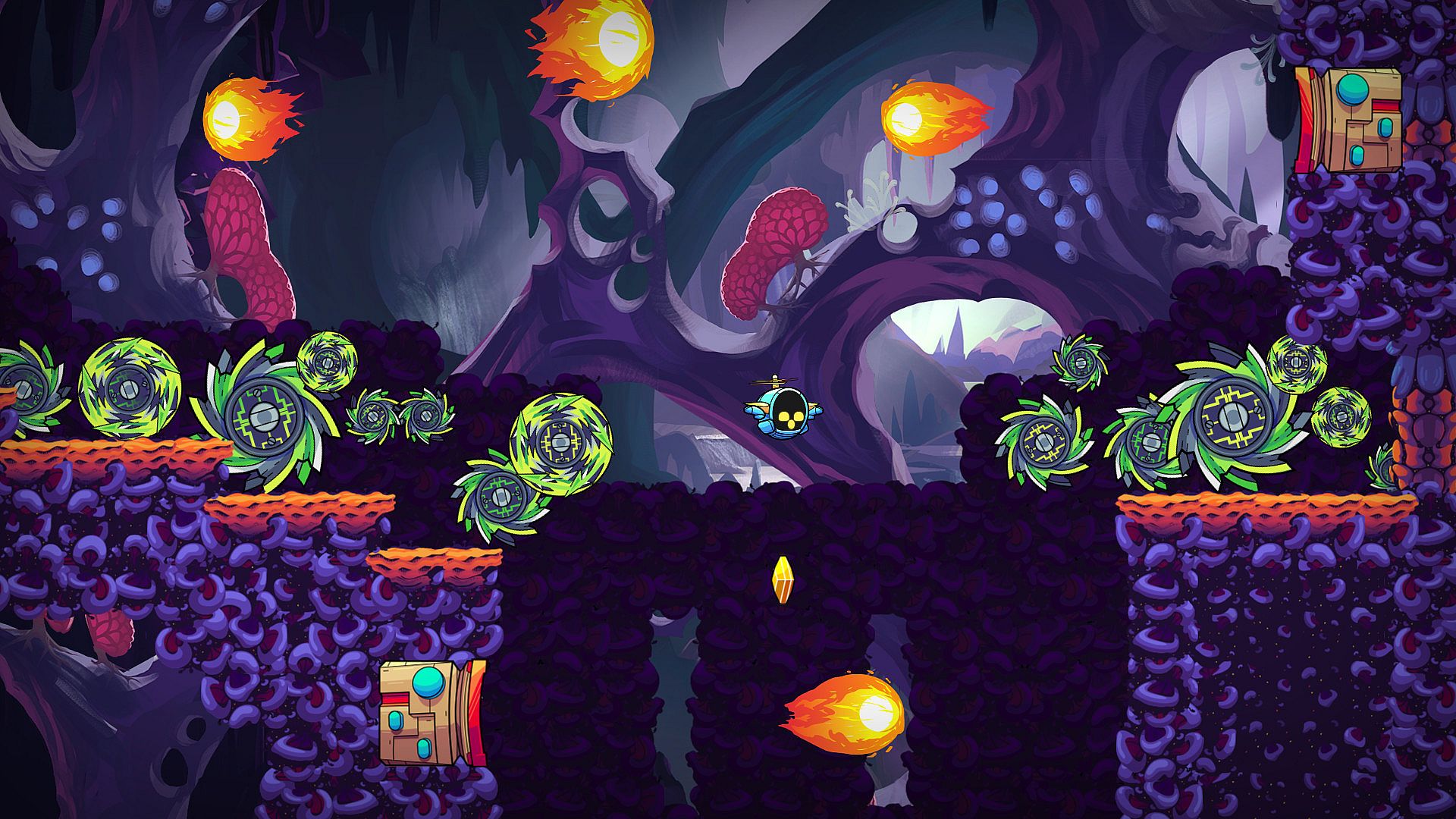
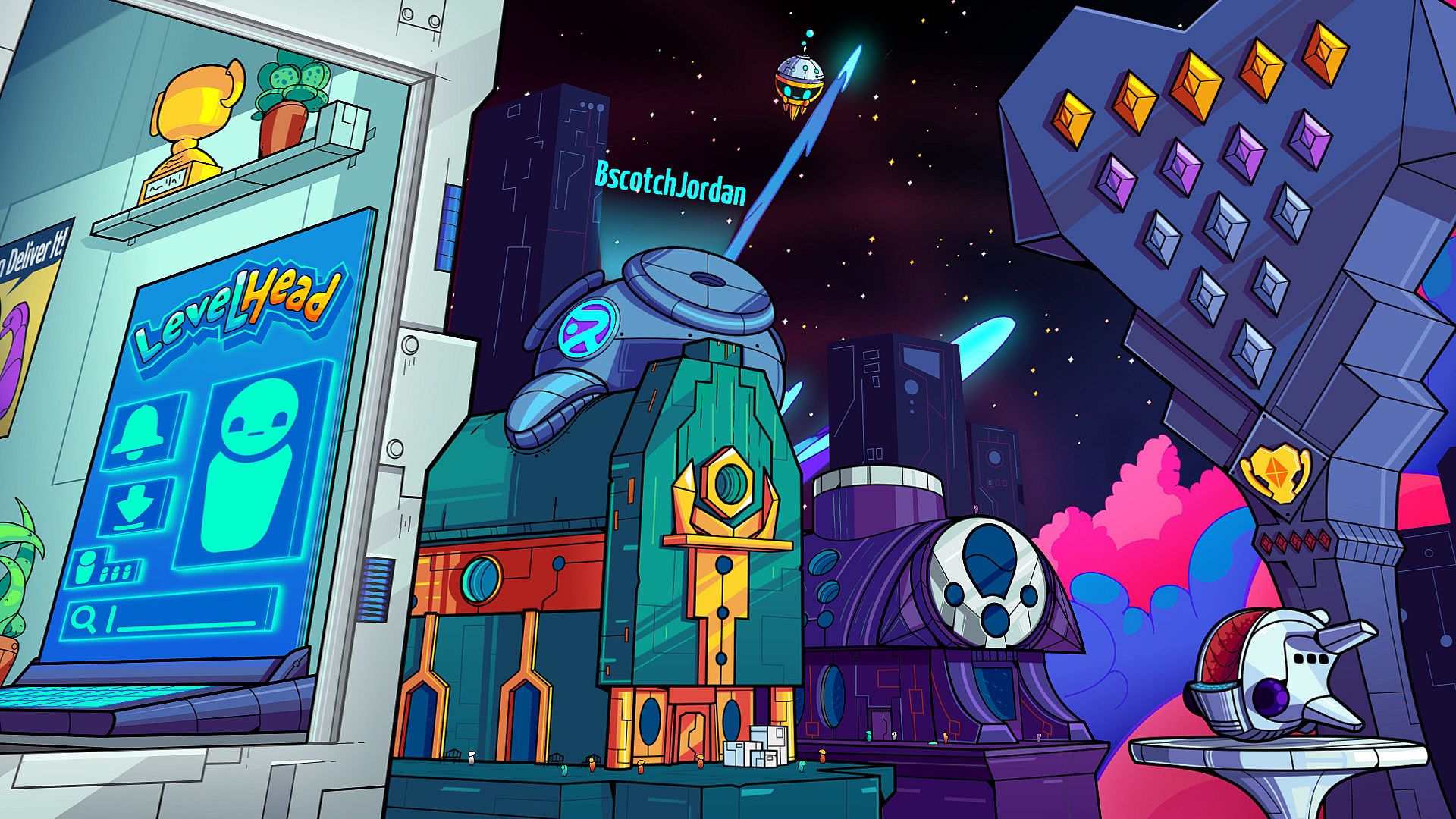
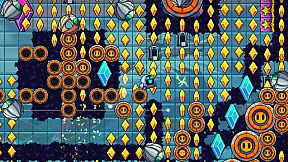
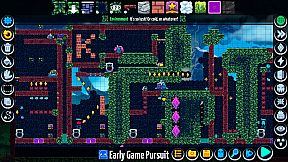
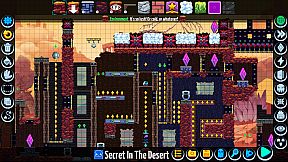
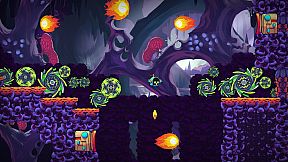
Levelhead stands out as an action indie simulation adventure platformer centered on creative level design and precise platforming challenges. Players take on the role of a new employee training a delivery robot named GR-18 through custom-built scenarios that test navigation, timing, and problem-solving skills. The core loop combines running, jumping, and using stretchable arms to grab and throw packages while avoiding hazards and enemies across side-scrolling stages.
Gameplay
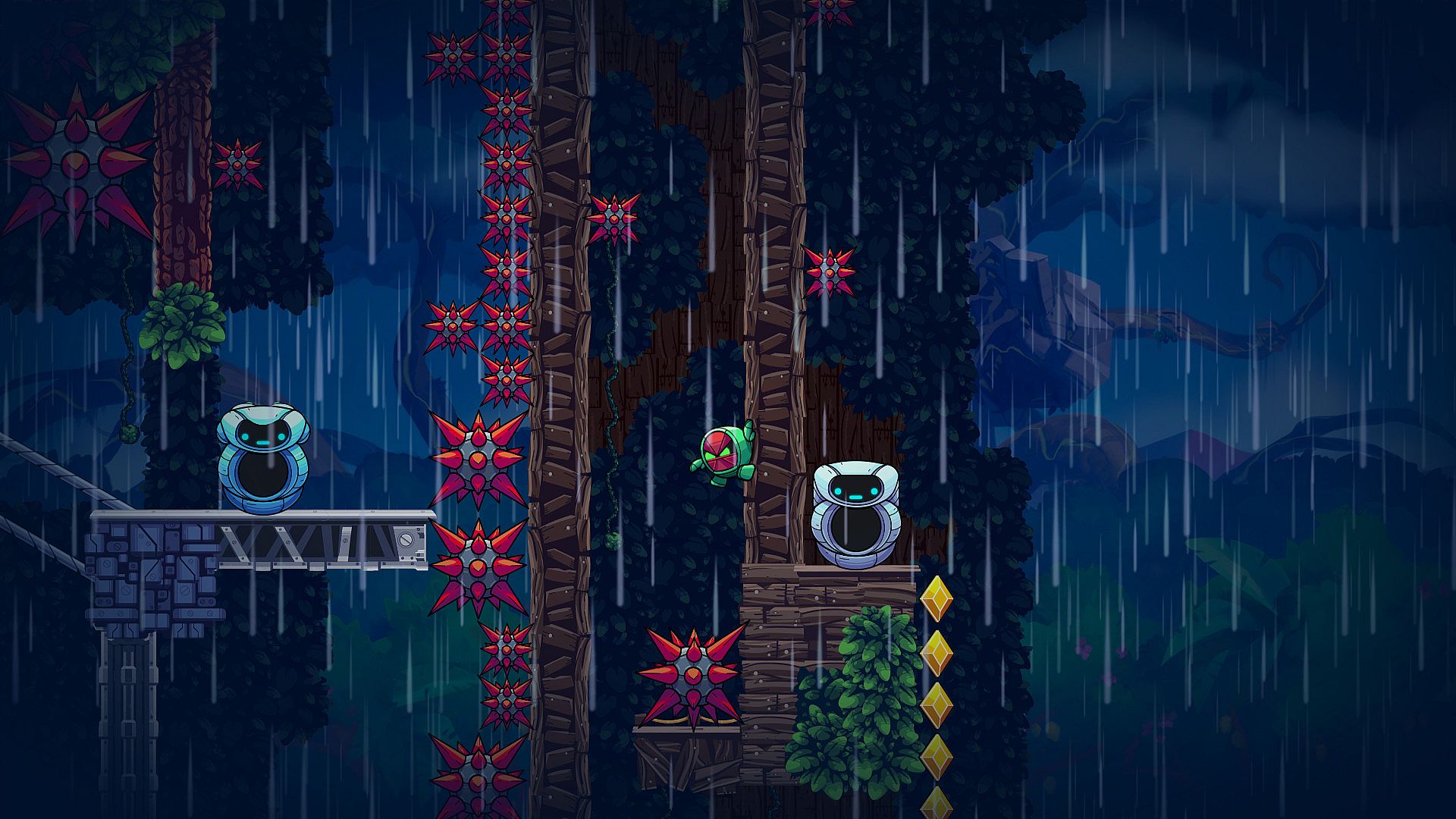
Control centers on GR-18, a robot that must deliver packages from start to finish in each stage. Basic movement includes running and jumping, with the ability to extend arms to pick up items and hurl them at obstacles or targets. Power-ups provide temporary boosts for speed, flight, or other abilities that alter traversal options. Hazards range from spikes and moving platforms to weather effects and programmable switches that respond to player actions or timers.
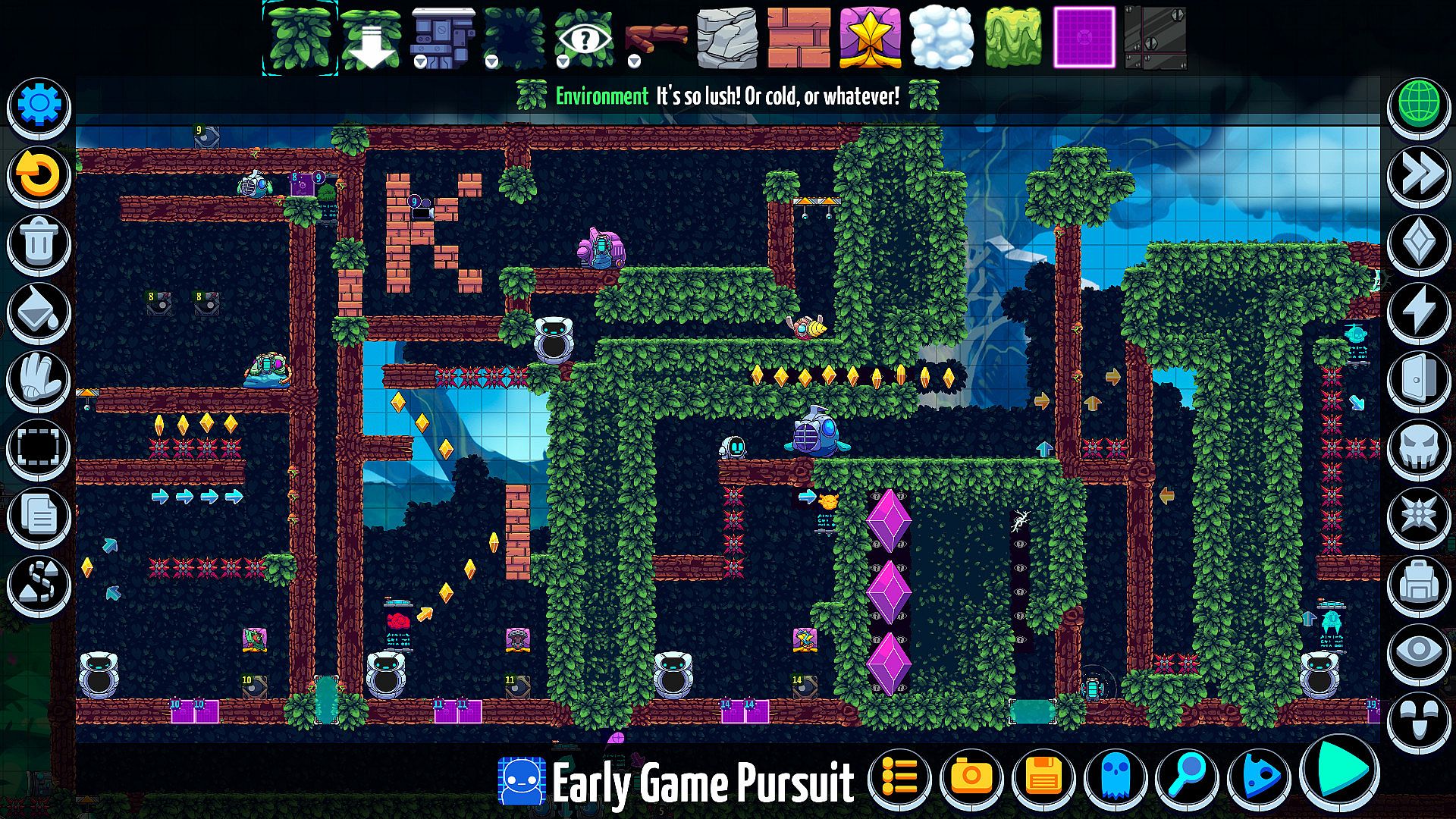
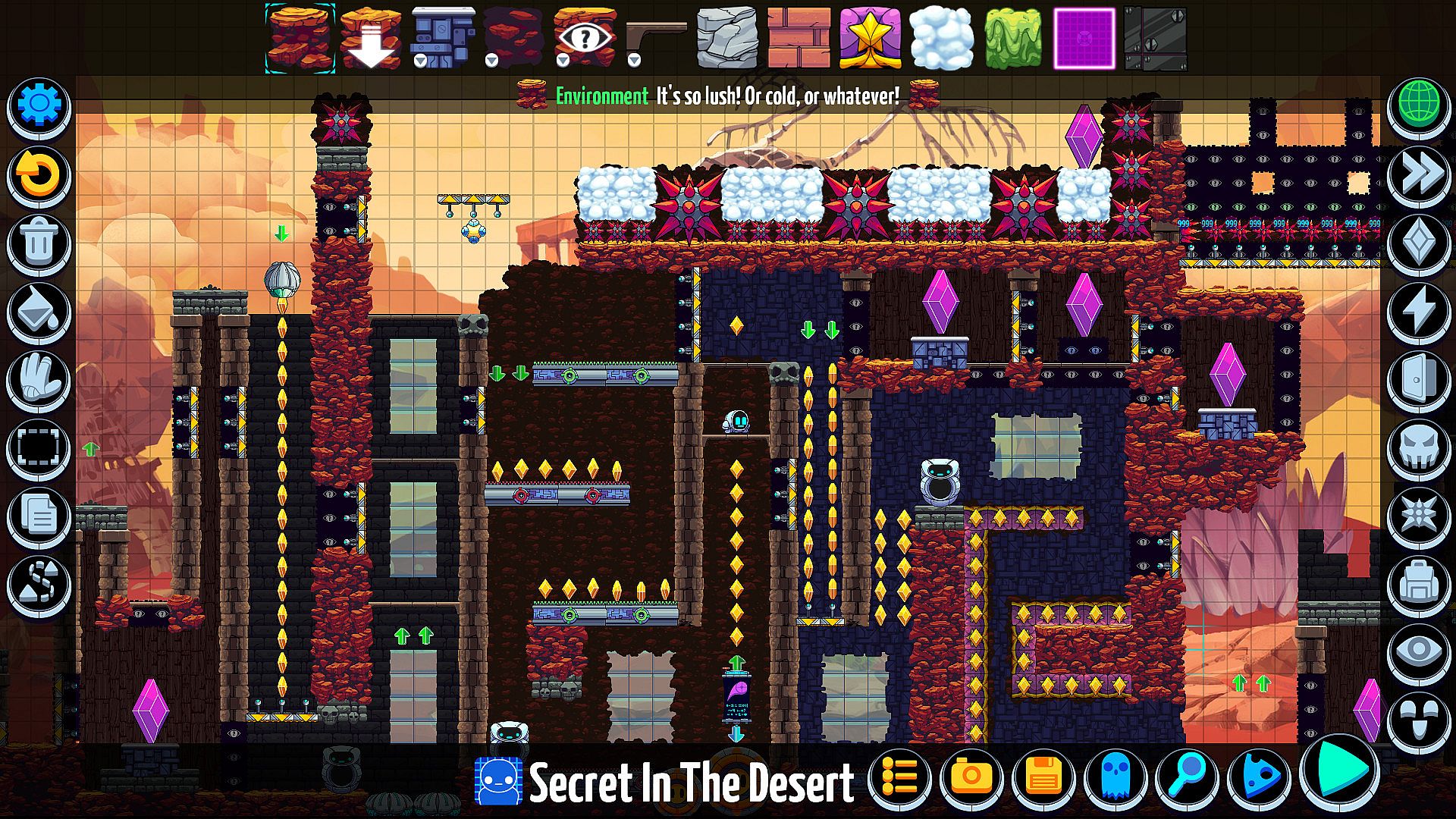
The level editor supplies hundreds of components for construction, including enemies, paths, secrets, music tracks, and interactive machines. Builders can assemble sprawling adventures, puzzle sequences, fast-paced runs, or even relaxed musical setups. Intuitive tools allow placement and connection of elements without complex scripting, enabling quick iteration on ideas like boss encounters or multi-path explorations.
Controls feel responsive across devices, supporting precise jumps and throws essential for tight platforming sections. Cross-save and cross-play features ensure progress and created content transfer seamlessly between supported platforms, allowing work to continue on different hardware without interruption.
Game Modes
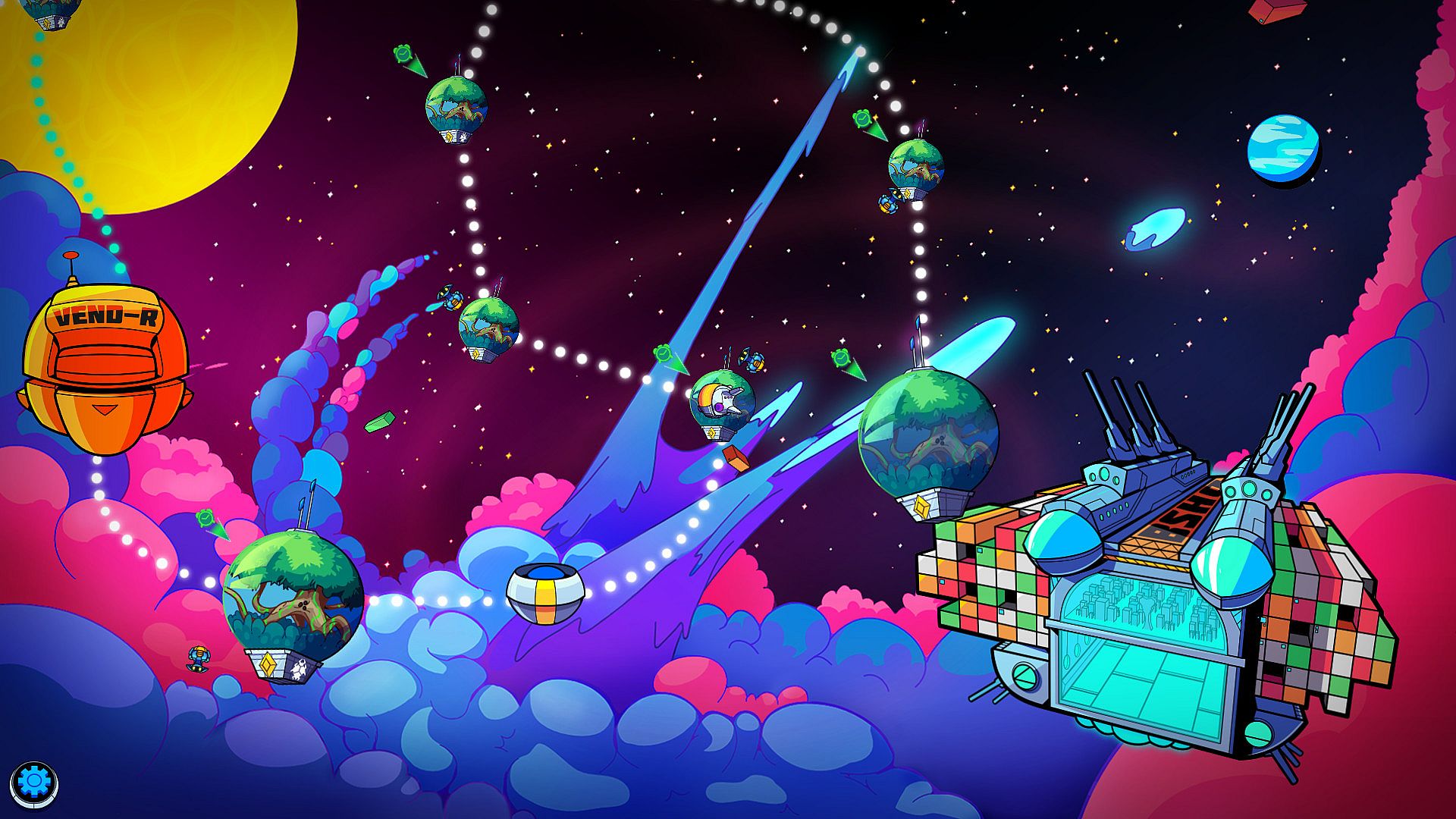
The campaign serves as the primary single-player experience, featuring over 90 hand-crafted levels that introduce mechanics gradually while incorporating humor and escalating difficulty. These stages function as training exercises, unlocking avatars and offering speedrun benchmarks against set times.
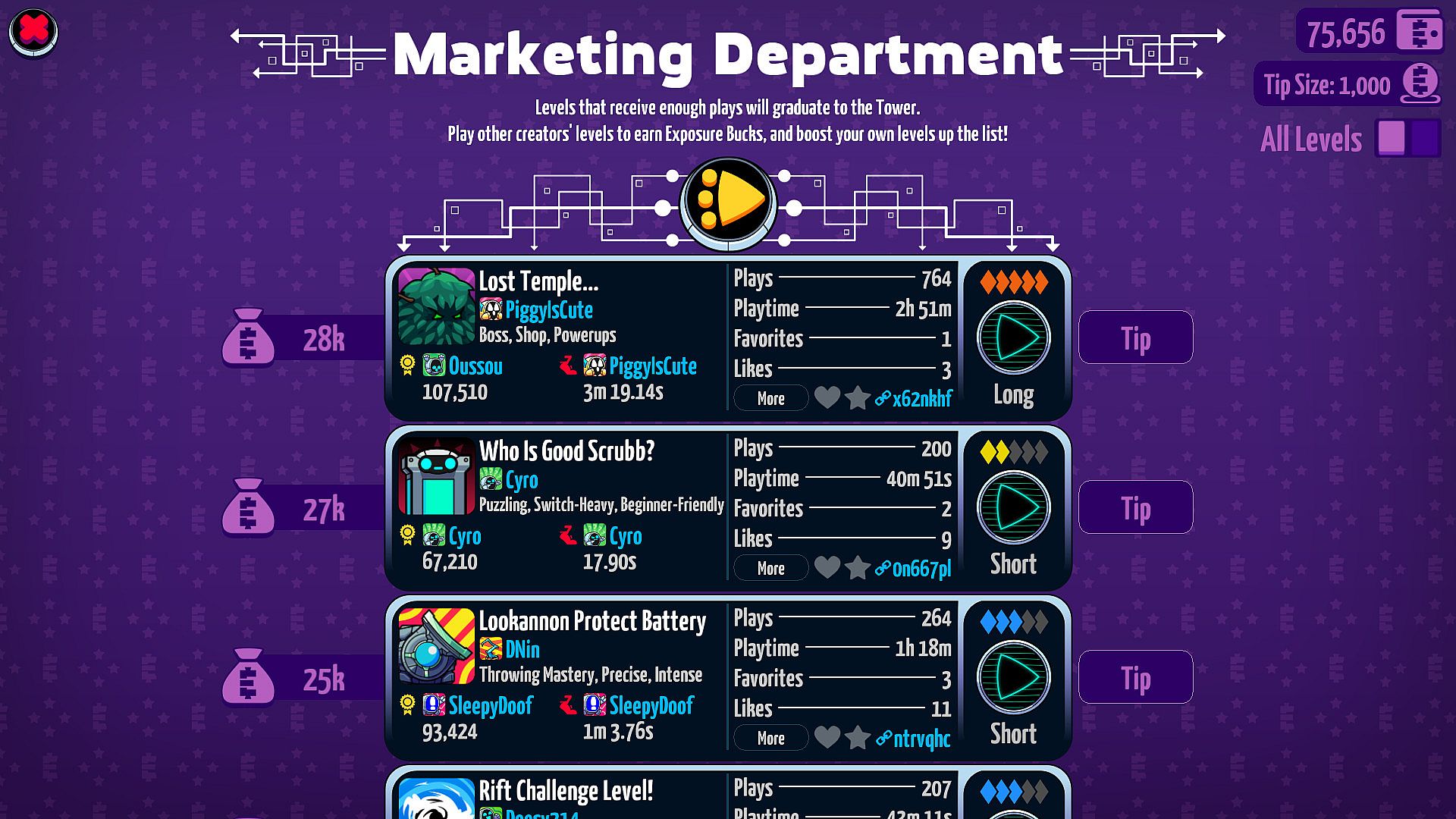
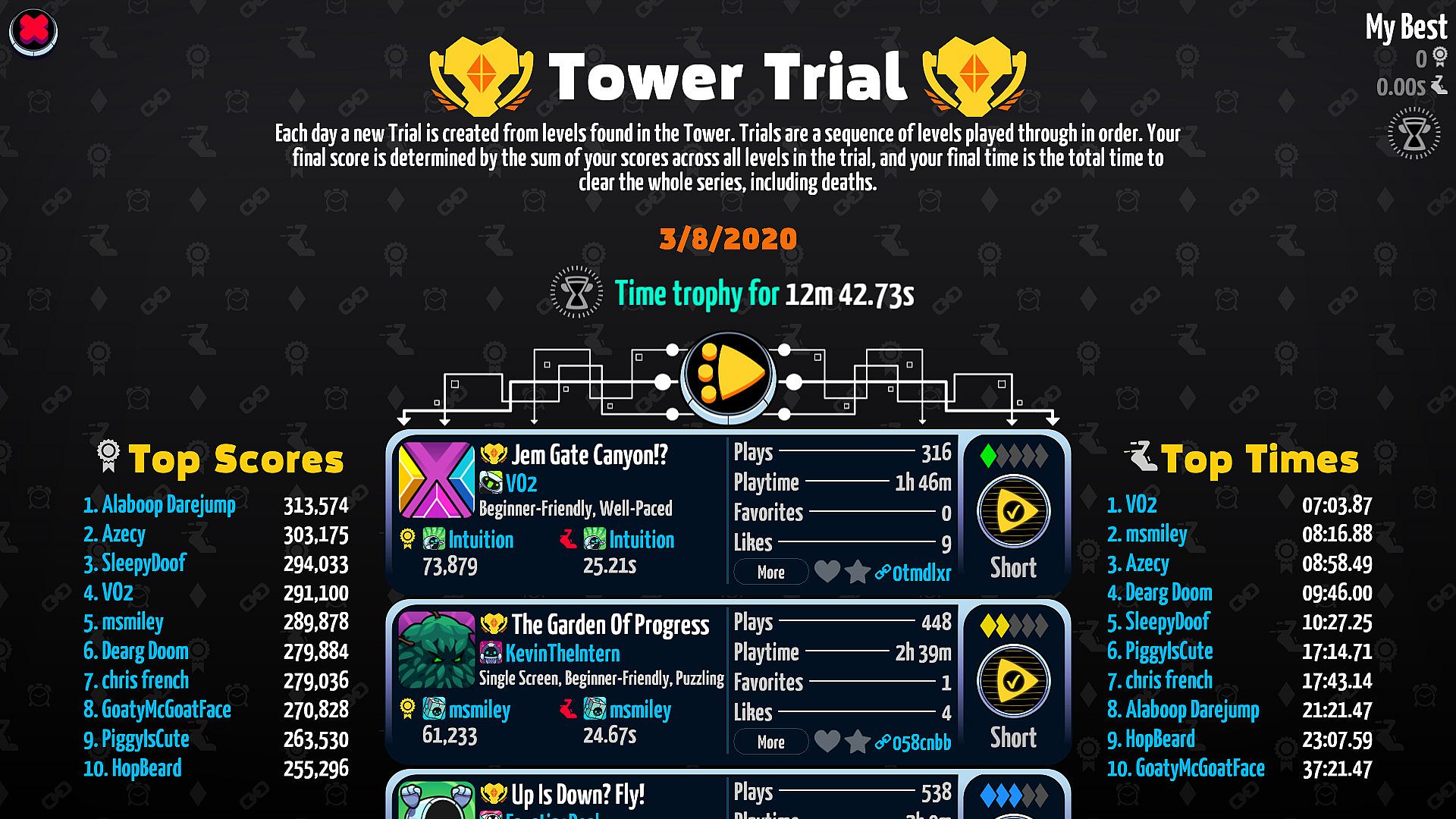
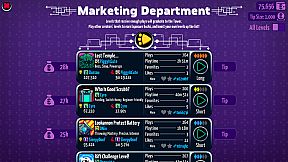
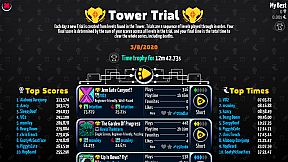
User-generated content forms the ongoing draw through the Workshop system. Creators publish levels for global access, where others discover them via search and curation tools. A marketing department mechanic boosts visibility based on playtime and engagement rather than prior popularity. Every published level includes leaderboards tracking speed and score, fostering competition for top positions.
Local couch co-op supports up to four players on the same device for campaign stages or collaborative editing sessions. Remote play options extend this to additional participants across distances. Levels can be designed specifically for two, three, or four players to emphasize teamwork or competitive elements within the platforming framework.
Community and Content Creation
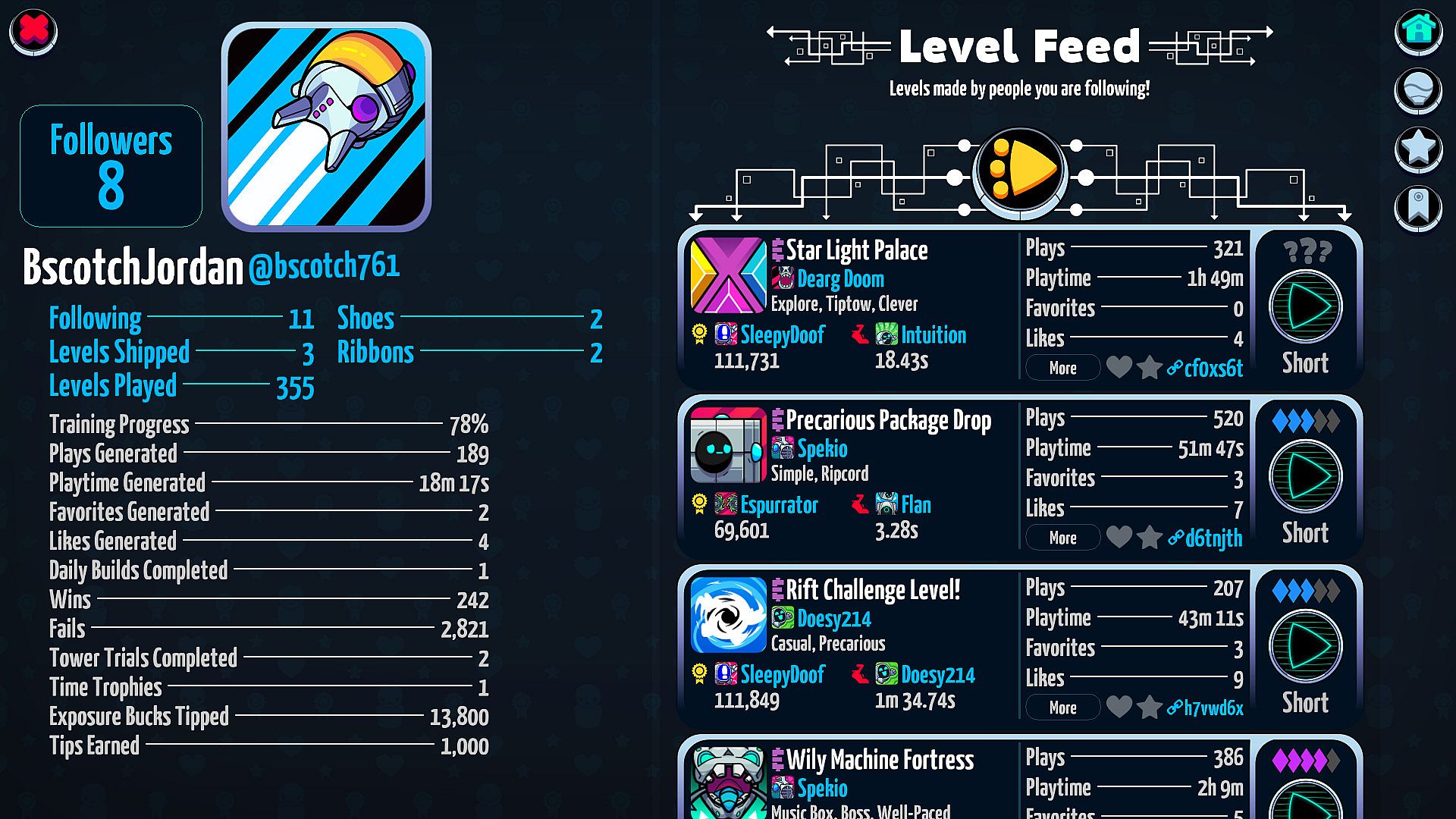
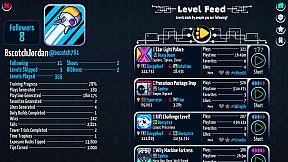
Publishing levels grants access to follower counts, play statistics, and attempts data that reflect community interest. Robust search filters help surface popular or recent creations, while the overall system encourages a cycle of building, sharing, and playing. The emphasis on delivery-themed objectives adds a consistent thread across both official and player-made content, differentiating the experience from pure construction tools.
Cross-platform availability means levels created on one device reach players everywhere, expanding the potential audience for each design. This setup supports both solo creators seeking feedback and groups experimenting together in the editor.
Is It Worth Playing?
Levelhead delivers strong value for players interested in platformers with deep creation tools and a solid campaign foundation. Reviews highlight the intuitive editor, challenging yet fair campaign stages, and effective cross-platform features that keep content accessible. The 94 percent positive rating on Steam from over one thousand reviews reflects consistent praise for creative freedom and replayability through user levels.
Those who enjoy building and sharing their own stages will find the most engagement, as the publishing and discovery systems lower barriers for new creators. Campaign completion provides a structured entry point that teaches mechanics before diving into community content. Local co-op adds social appeal for groups seeking cooperative platforming sessions.
Current player numbers remain modest, which may limit fresh uploads over time, yet the existing library of levels and the robust editor ensure substantial playtime for dedicated users. The game suits fans of precise platforming, level design experimentation, and light simulation elements tied to delivery tasks. It remains available across multiple platforms with ongoing cross-save support, making it a worthwhile pick for anyone drawn to its blend of structured challenges and open-ended creation.