

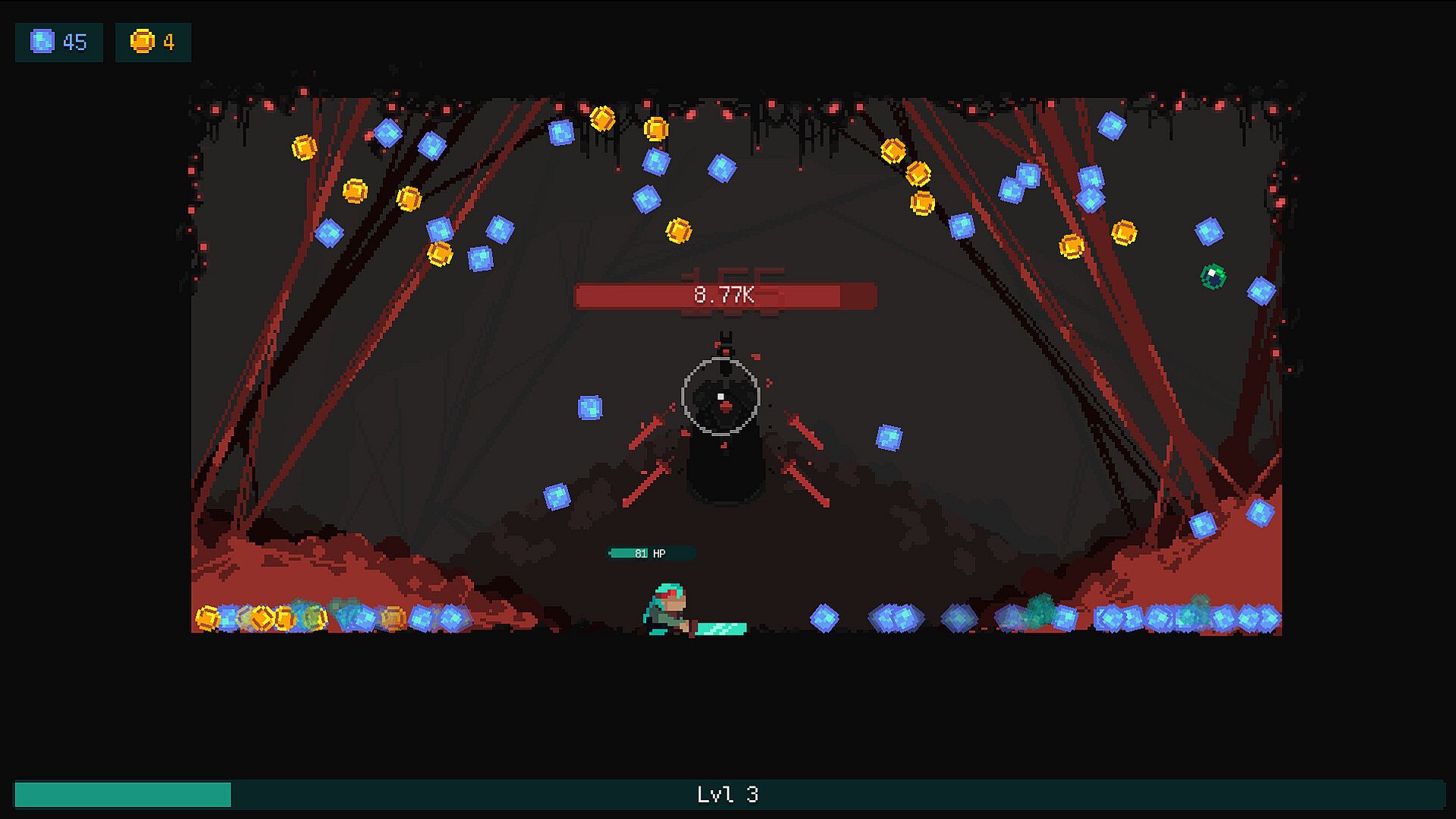
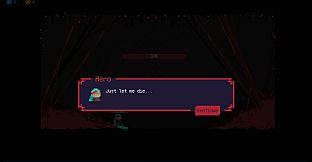
Let Me Die is an incremental action and strategy game developed for PC. Players take control of a hero locked in an endless cycle of combat against a powerful monster. Each attempt ends in defeat, yet the loop continues without escape or final death. The experience blends short sessions of resource gathering with long-term progression through upgrades and customization.
Gameplay
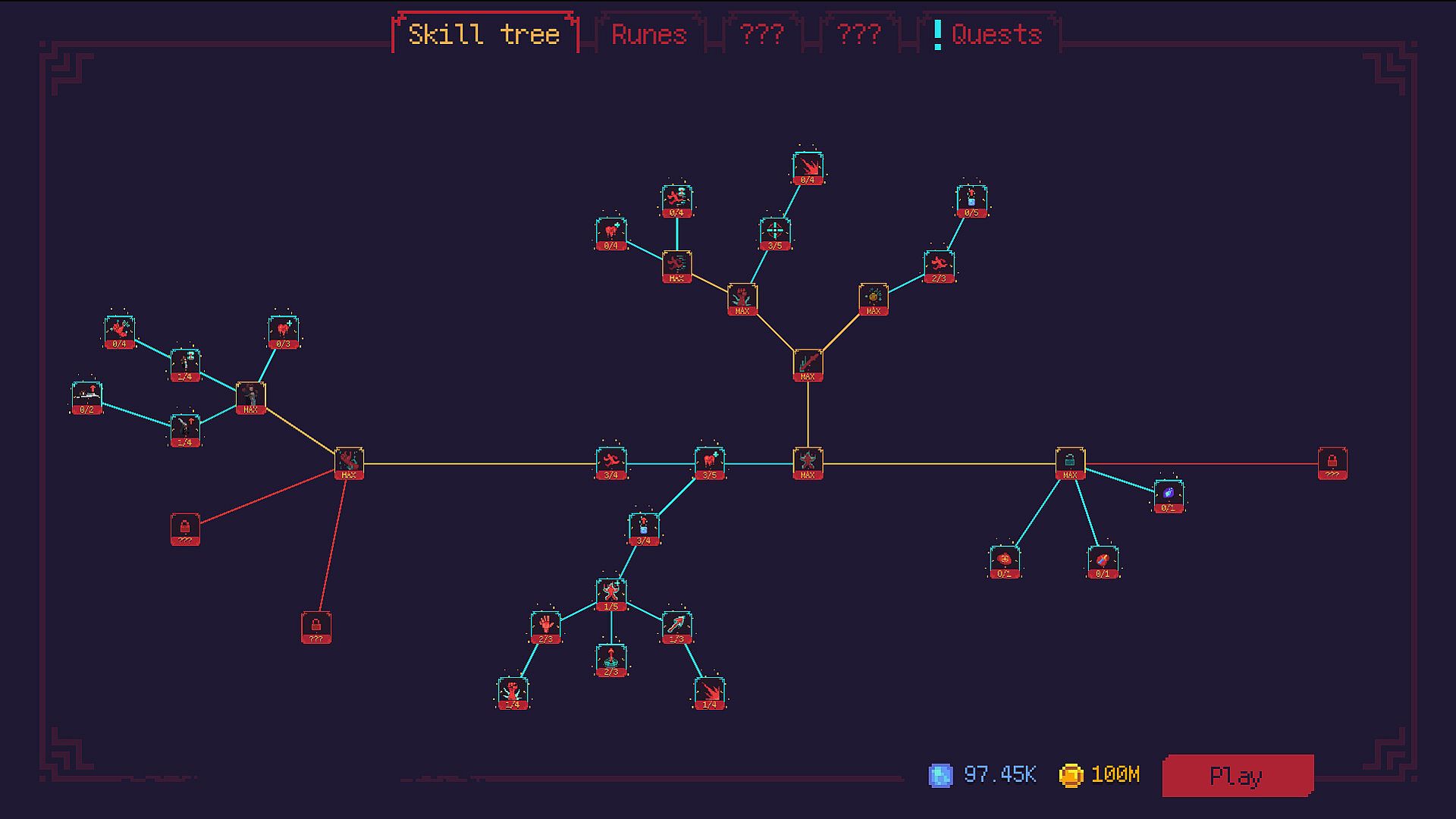
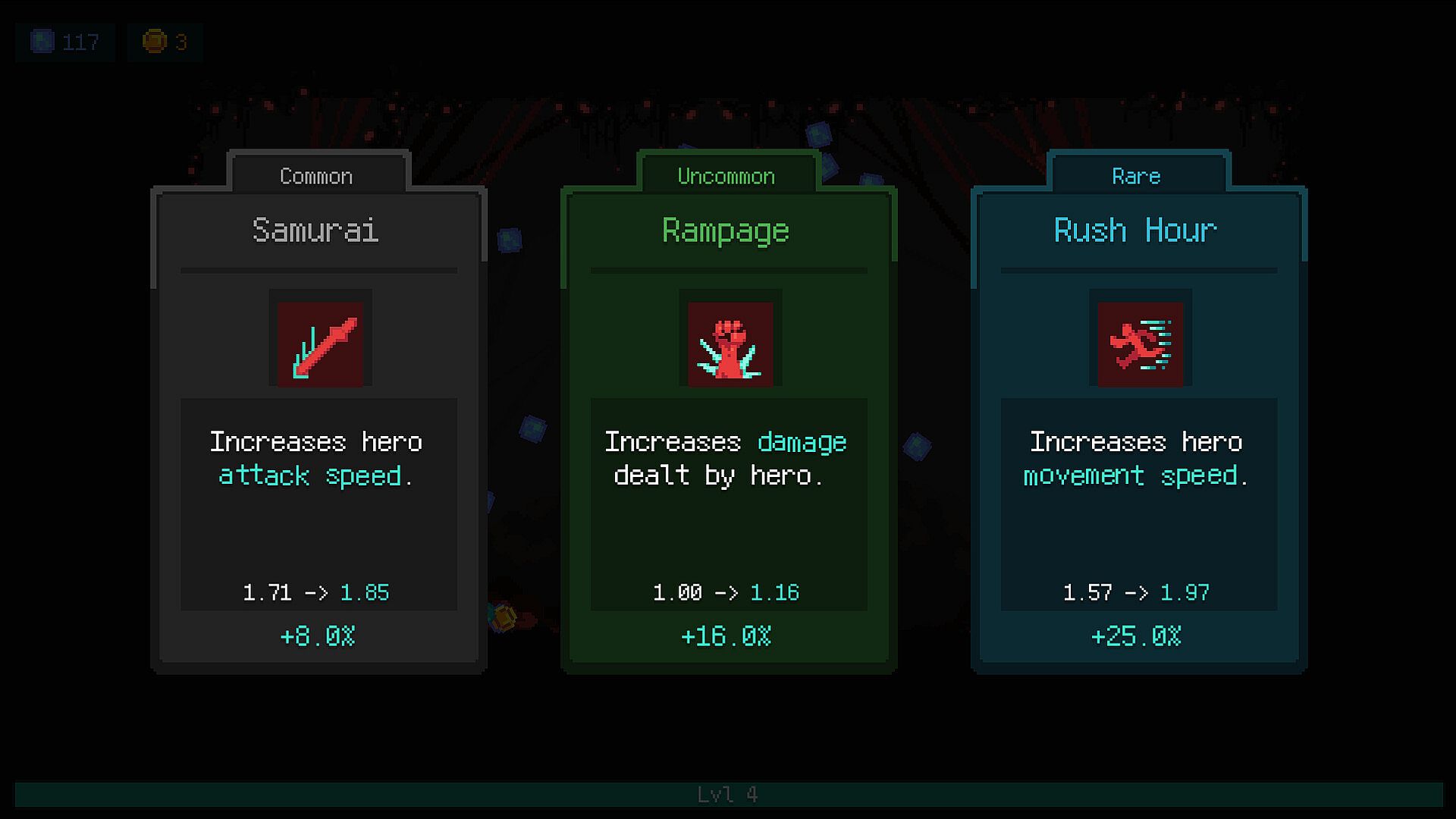
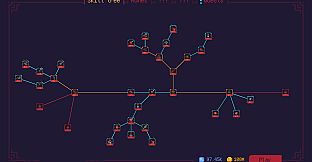
The core loop centers on repeated runs where the hero confronts the monster using available spells and abilities. Resources collected during these attempts feed into a large skill tree. Upgrades purchased here strengthen future runs by improving damage output, resource efficiency, or defensive options. The system encourages experimentation because every upgrade narrows the gap toward eventual victory over the monster.
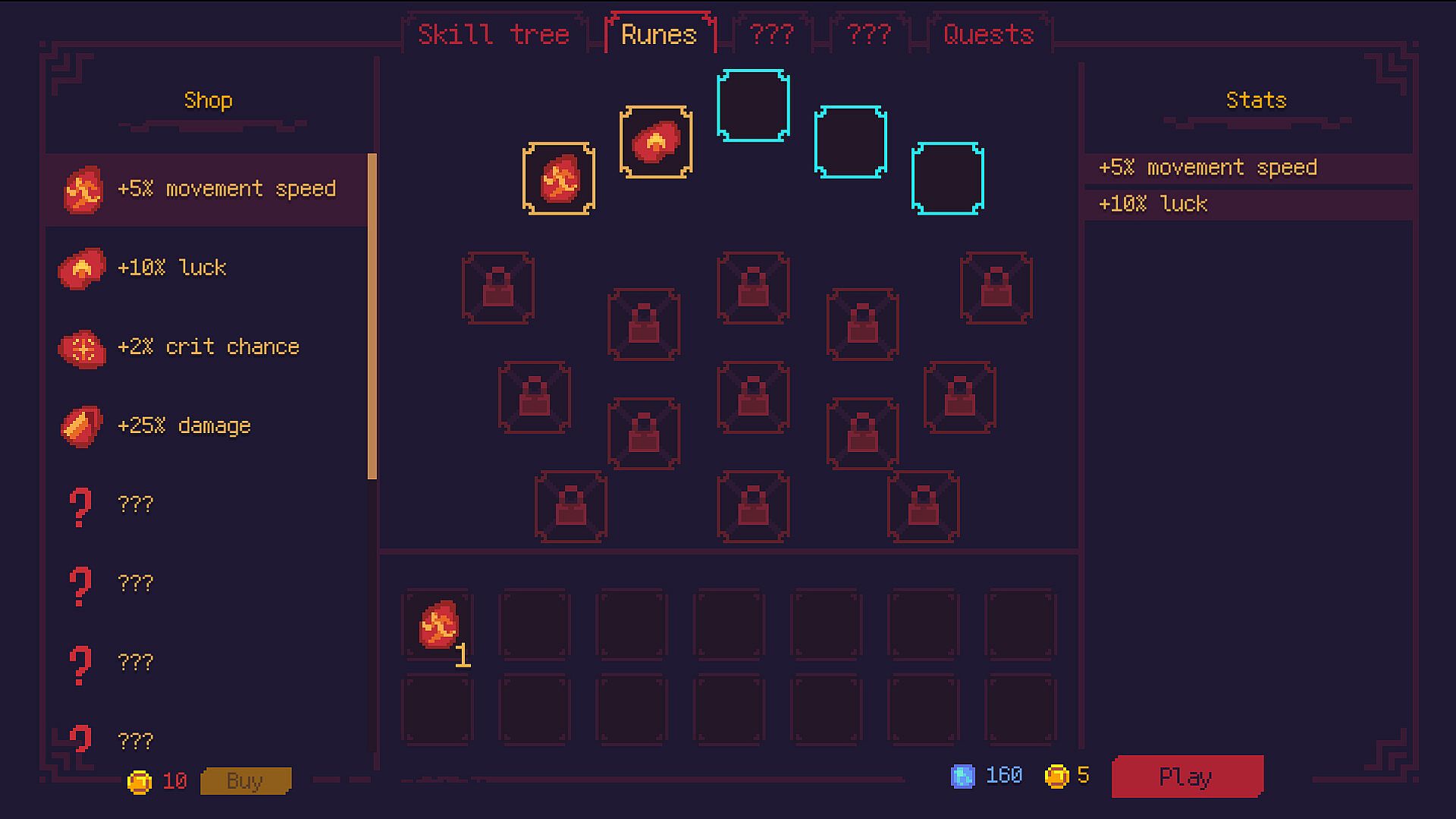
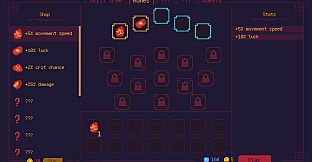
Between runs, players craft personalized builds by selecting and combining runes and spells. These elements can be swapped or refined at any time, allowing different approaches to the same encounter. Some combinations emphasize aggressive spell chains, while others focus on sustained resource management or defensive layering. The flexibility supports multiple playstyles within the singleplayer format.
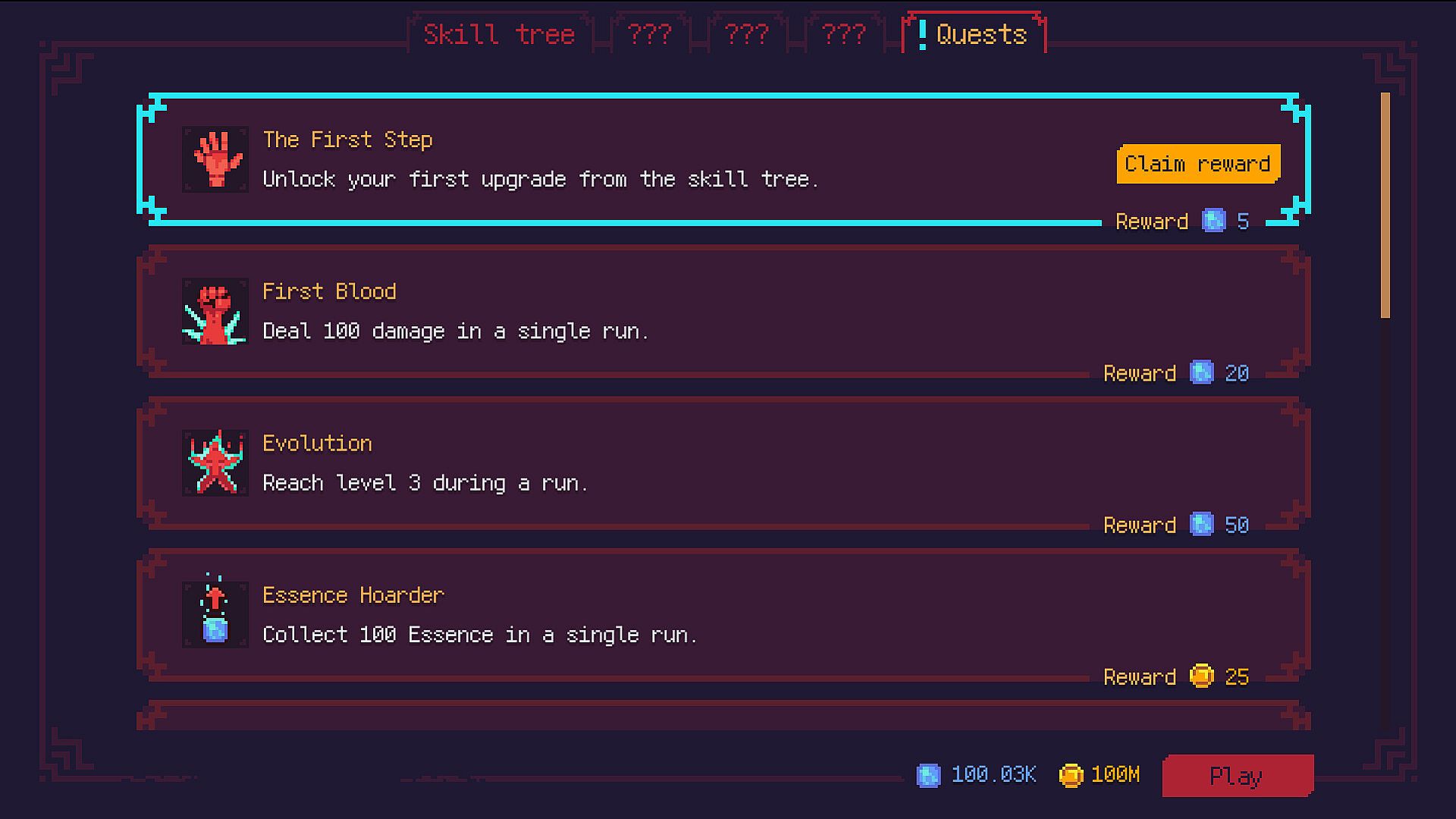
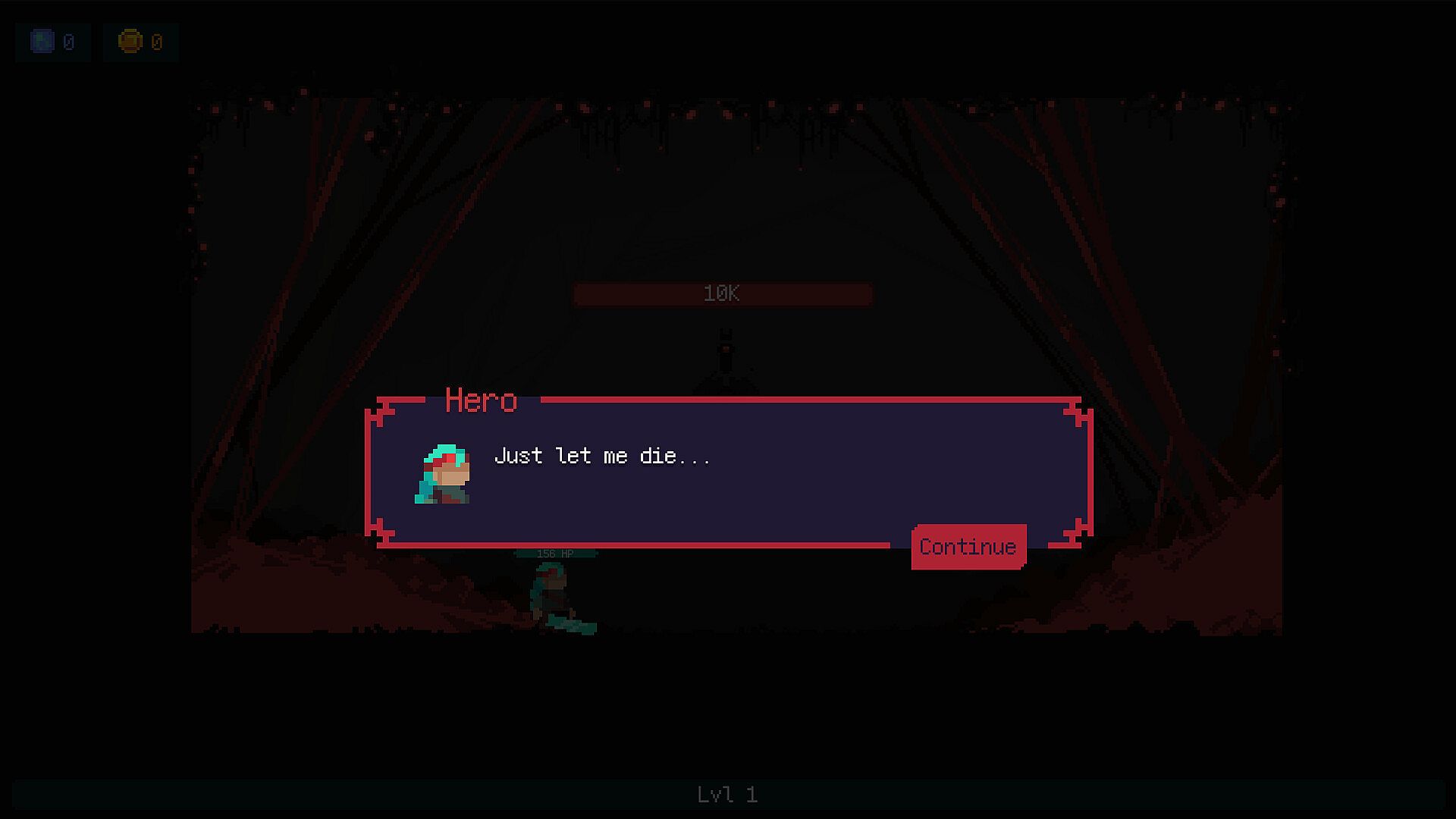
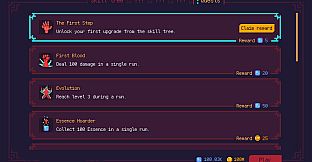
Quests provide additional structure and rewards. Completing these tasks grants extra resources that accelerate progress through the skill tree. Story elements gradually reveal background details about the hero, the monster, and the nature of the loop itself. These narrative fragments appear naturally during runs and between sessions, adding context without interrupting the incremental flow.
Game Modes
The primary experience revolves around the incremental run system. Each session involves entering the loop, engaging the monster with chosen spells and runes, and extracting resources upon defeat. There are no separate competitive or cooperative modes. Progress carries forward through the skill tree and build options, turning repeated failures into measurable advancement.
Quests function as optional objectives layered over the main loop. They encourage specific actions or resource targets during runs and deliver bonuses that support further upgrades. The singleplayer structure keeps all activity focused on personal progression rather than external competition.
Progression and Customization
The skill tree serves as the central hub for long-term growth. Resources earned from runs purchase nodes that deliver permanent improvements. This creates a steady sense of advancement even when individual runs end quickly. Players return to the tree frequently to plan the next set of upgrades.
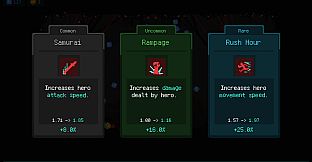
Build crafting adds variety to the loop. Runes and spells offer modular choices that alter combat dynamics. Updating these selections between runs lets players test new strategies without starting from scratch. The system rewards thoughtful combinations that align with current skill tree progress.
Is It Worth Playing?
Let Me Die suits players who enjoy short, repeatable sessions combined with steady incremental rewards. The loop-based structure and skill tree provide clear goals for each play session, while rune and spell customization offers room for experimentation. Quests and story fragments add light direction without demanding long commitments.
Those who prefer games with persistent character growth and the satisfaction of optimizing builds will find the core systems engaging. The experience remains focused on singleplayer progression, making it accessible for solo play on PC. If the idea of refining upgrades across many short runs appeals, the game delivers a straightforward take on the incremental genre.