



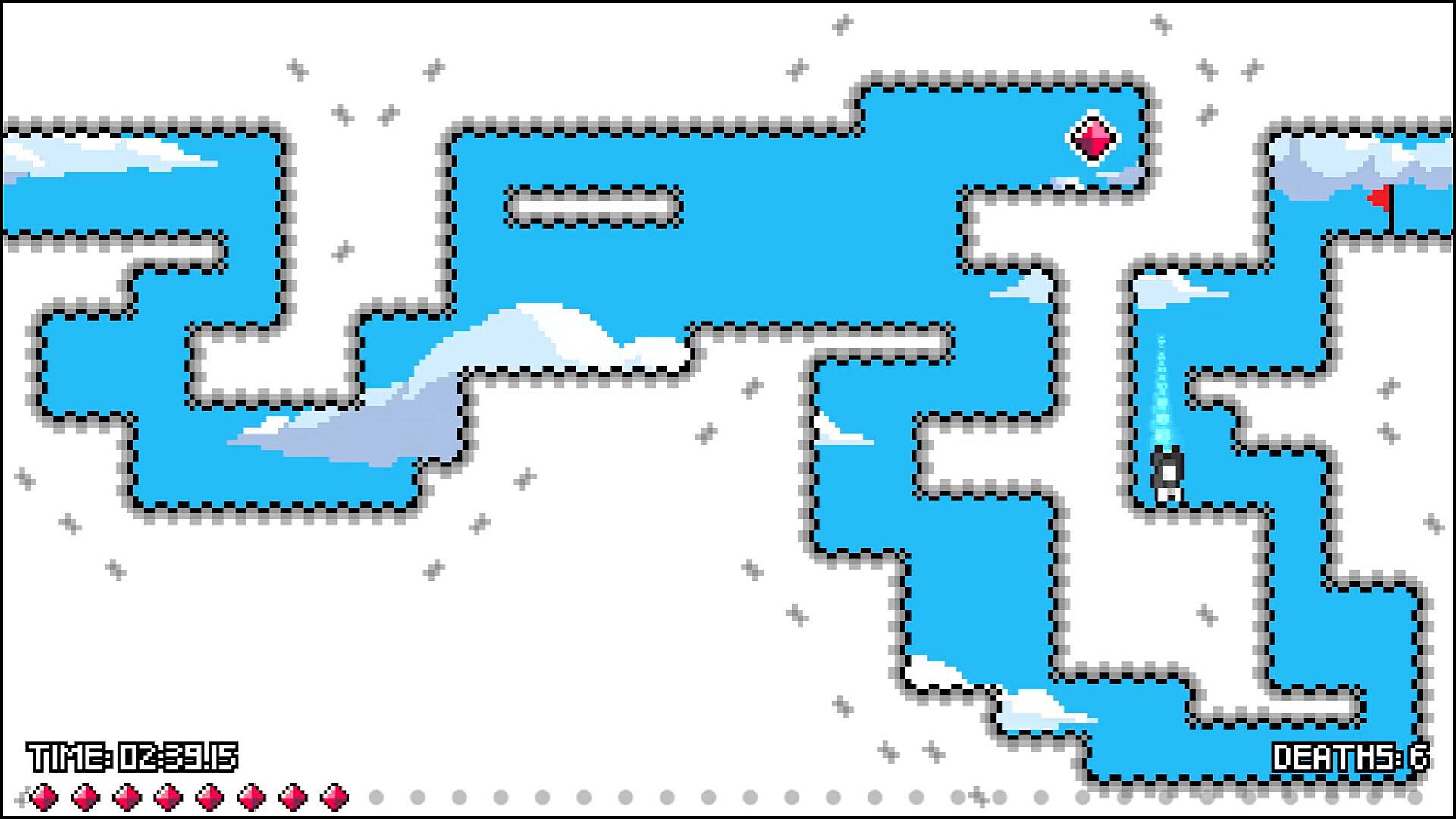
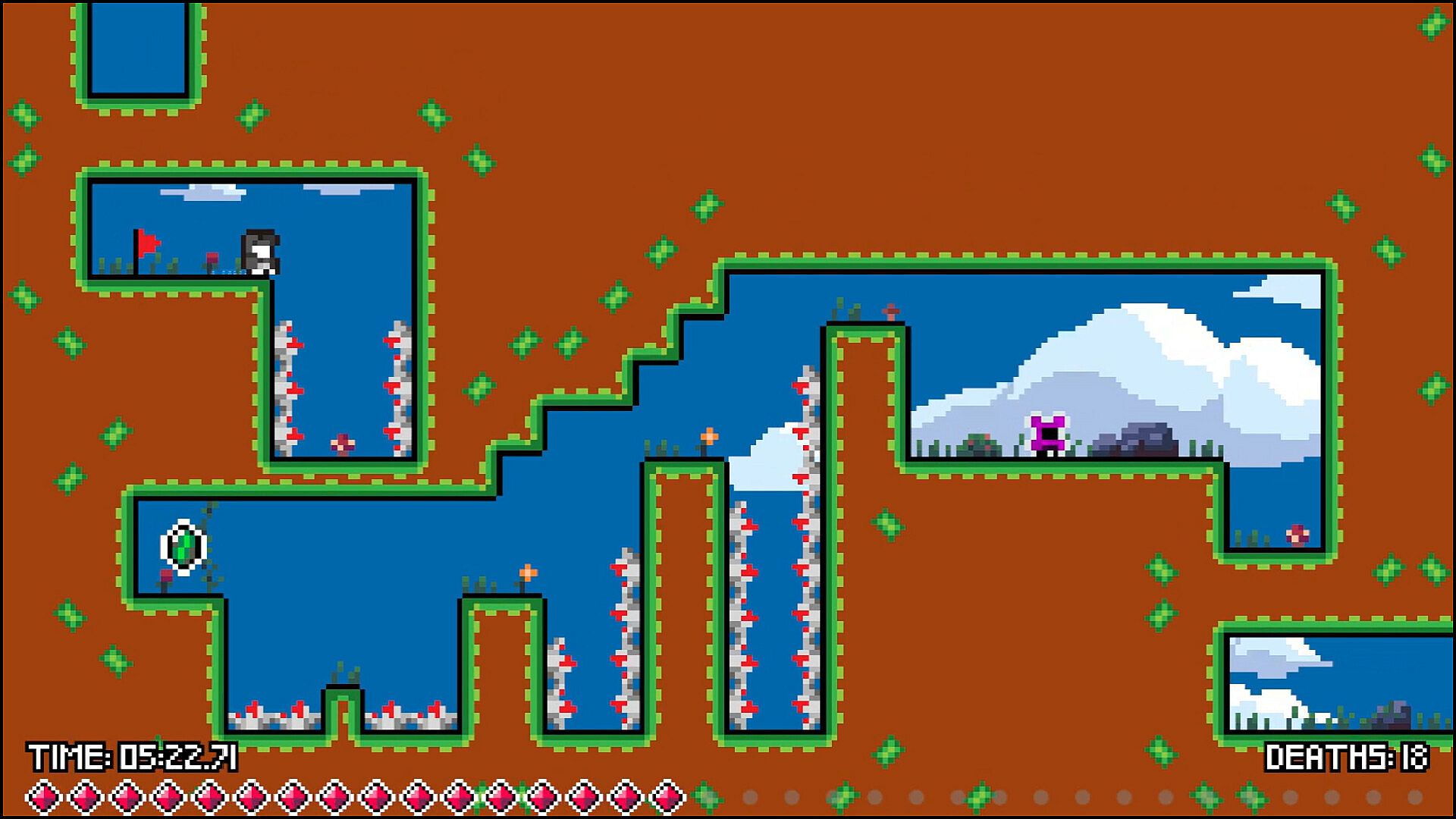
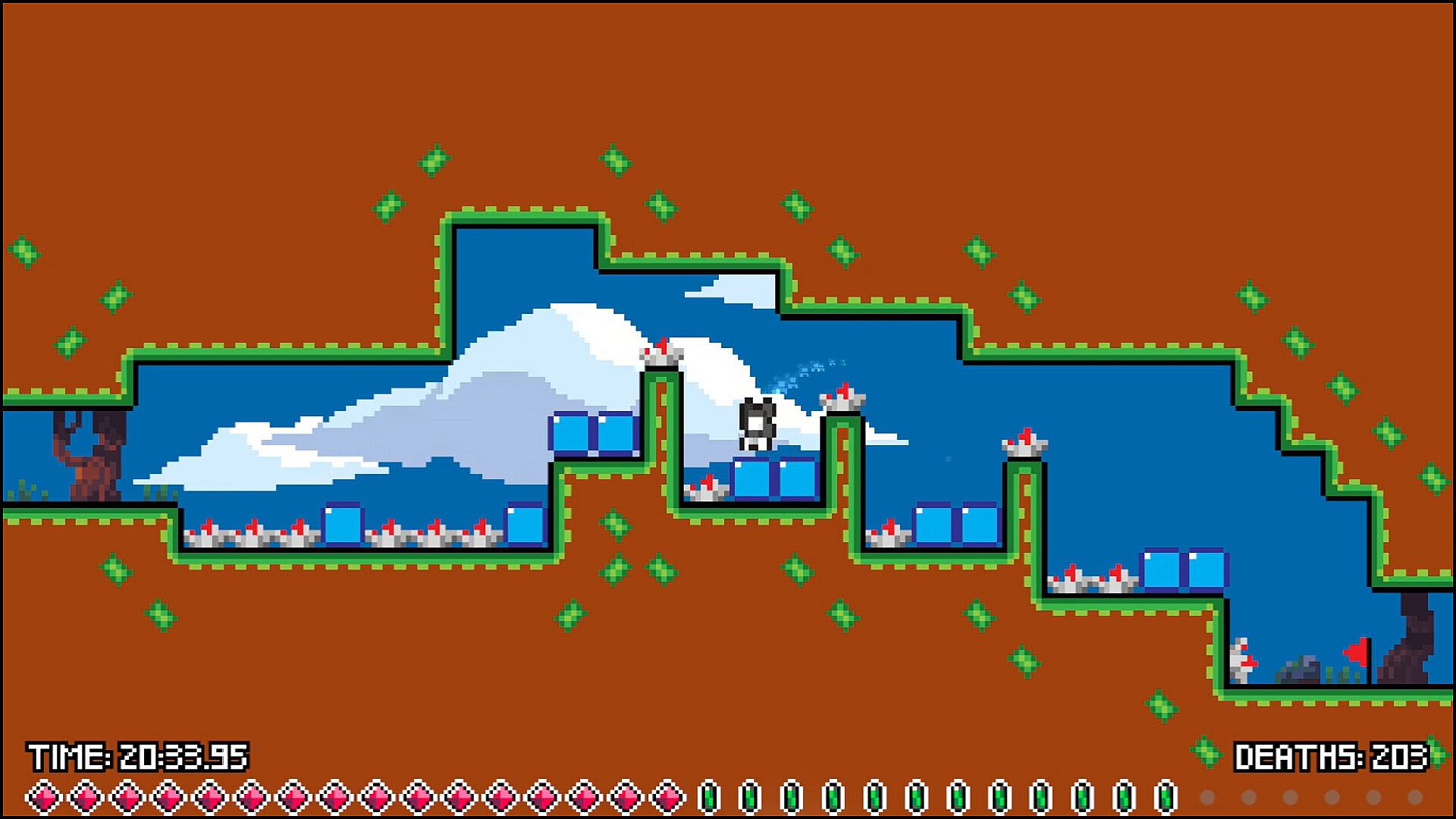
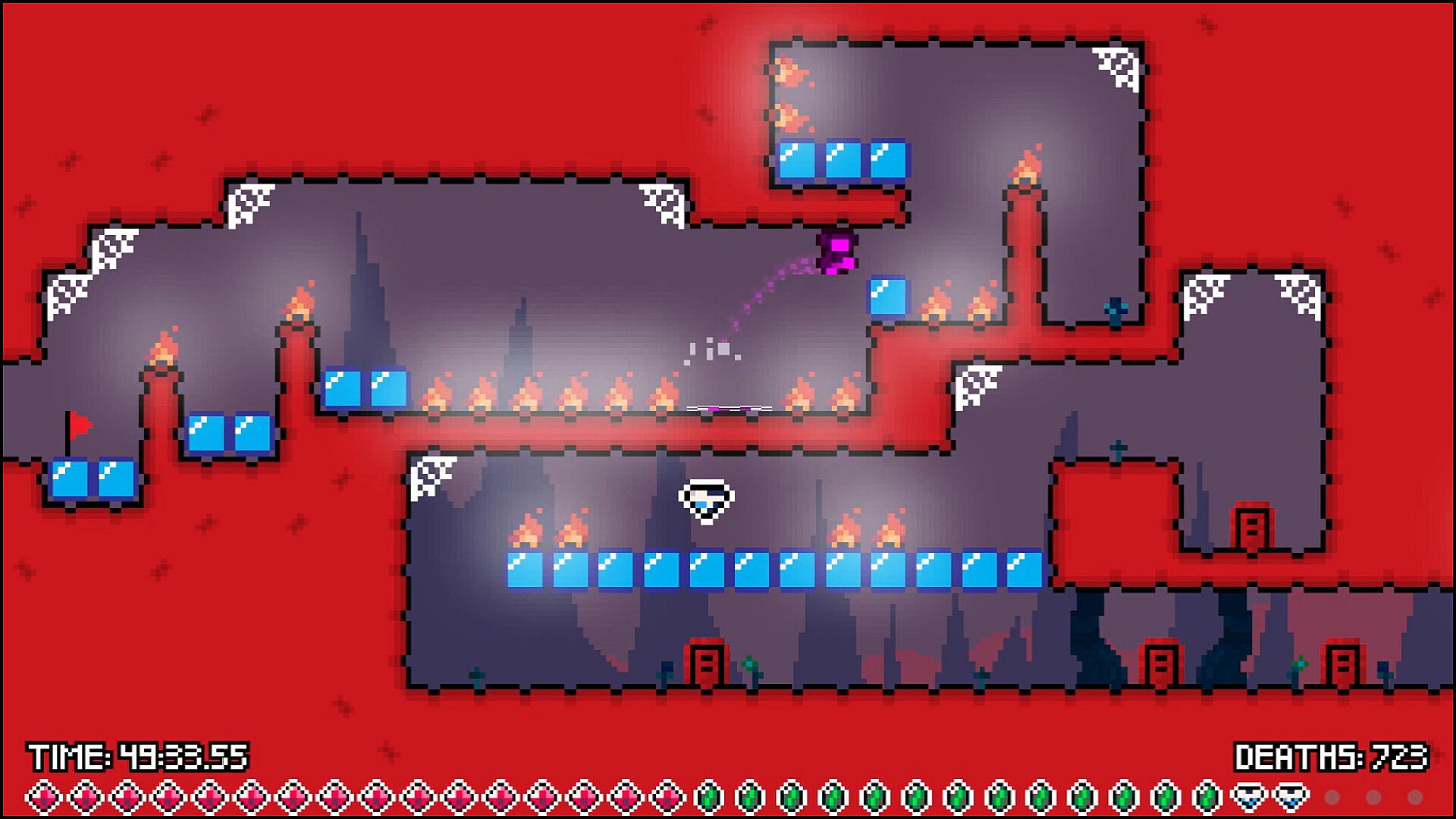
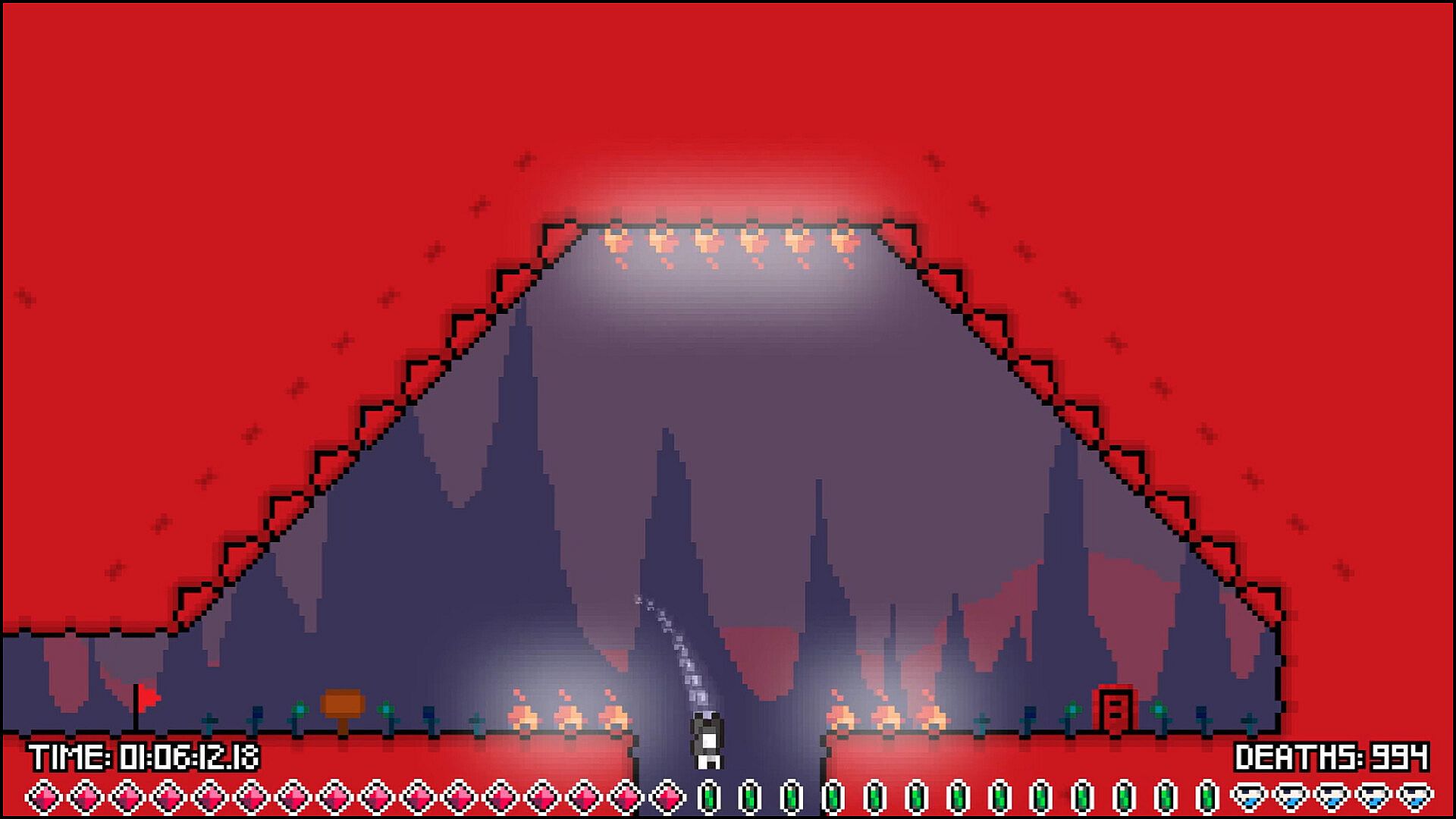

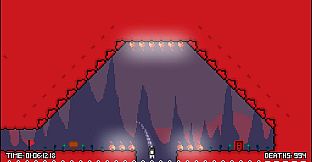
Leapbound is a precision platformer developed for PC that places strict limits on movement to test planning and execution. The core loop revolves around a single consistent jump height that never changes, turning every decision into a calculated risk rather than a reactive maneuver. Players must map out safe landing spots in advance because an ill-timed leap or an unsafe target area ends the attempt immediately.
Gameplay
The fixed jump mechanic forces a deliberate pace. Instead of chaining variable heights or relying on momentum tricks, each obstacle demands foresight about where the character will land after the jump completes. Early or late timing, or choosing a spot without enough room to stand, results in failure and an immediate restart. This design shifts focus from improvisation to route memorization and timing precision across handcrafted stages.
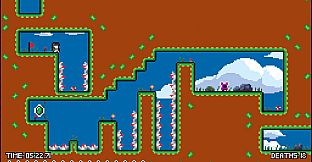
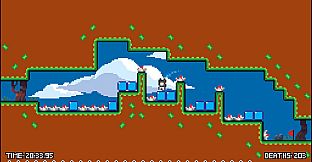
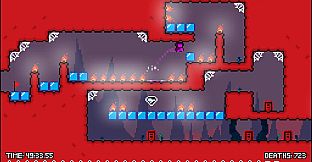
Progression takes the form of descending through five distinct floors. Each floor introduces its own visual atmosphere and escalates the complexity of platforming challenges. Later floors combine tighter spaces, more frequent hazards, and sequences that require chaining multiple planned jumps without error. Fast retry systems keep sessions moving, allowing repeated attempts at individual sections until the correct sequence is mastered. The emphasis remains on patience and repeated refinement rather than speed runs or combat elements.
Game Modes
Leapbound presents its content as a continuous single-player descent without separate named modes or branches. The entire experience centers on completing the five-floor structure in sequence, with each floor serving as a self-contained set of platforming trials that build on the previous ones. There are no multiplayer options, score attack variants, or alternate campaigns confirmed in available details. The structure rewards incremental mastery of the fixed-jump rules across the full run rather than offering divergent play styles.
Level Design and Progression
Stages are built around the constraint of unchanging jump height, so designers place hazards and platforms to punish guesswork. Early floors introduce basic spacing and timing puzzles, while later ones layer overlapping threats that require exact positioning before committing to a jump. The handcrafted nature means every section has a specific solution that becomes clear only after observing failure patterns. Atmosphere shifts between floors provide visual variety without altering the underlying movement rules.
Checkpoints and quick restarts support the trial-and-error process. Players can focus on one problematic segment without replaying everything from the start, which keeps attention on refining the planned route. This approach suits players who enjoy dissecting movement puzzles rather than exploring open areas or managing resources.
Is It Worth Playing?
Leapbound suits players who appreciate strict precision platformers where success depends on foresight and repetition. The fixed jump height creates a consistent challenge that rewards careful observation over reflexive skill. Those who enjoy games built around one core limitation will find the five-floor structure provides a focused test of planning and execution.
Because the game offers no additional modes or ongoing content updates in current records, its value lies entirely in the quality of the handcrafted stages and the satisfaction of mastering the jump constraint. Players seeking variety in movement options or social features may find the narrow scope limiting. For anyone drawn to deliberate, high-stakes platforming that punishes improvisation, the short but demanding descent offers a clear test of patience and precision.