















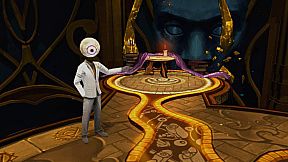
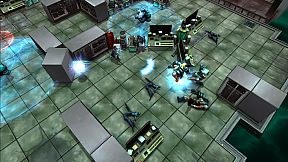
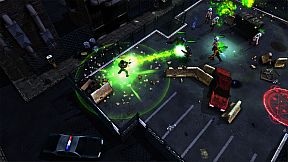

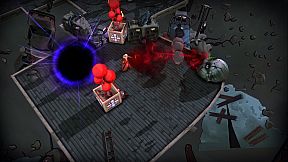
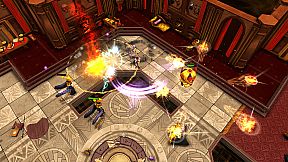

Leap of Fate is an isometric action game with roguelike elements that puts players in control of technomages navigating a cyberpunk New York City filled with magic and danger. The core experience centers on fast combat runs through the Crucible of Fates, where survival depends on quick movement, skill upgrades, and adapting to procedural challenges.
Gameplay
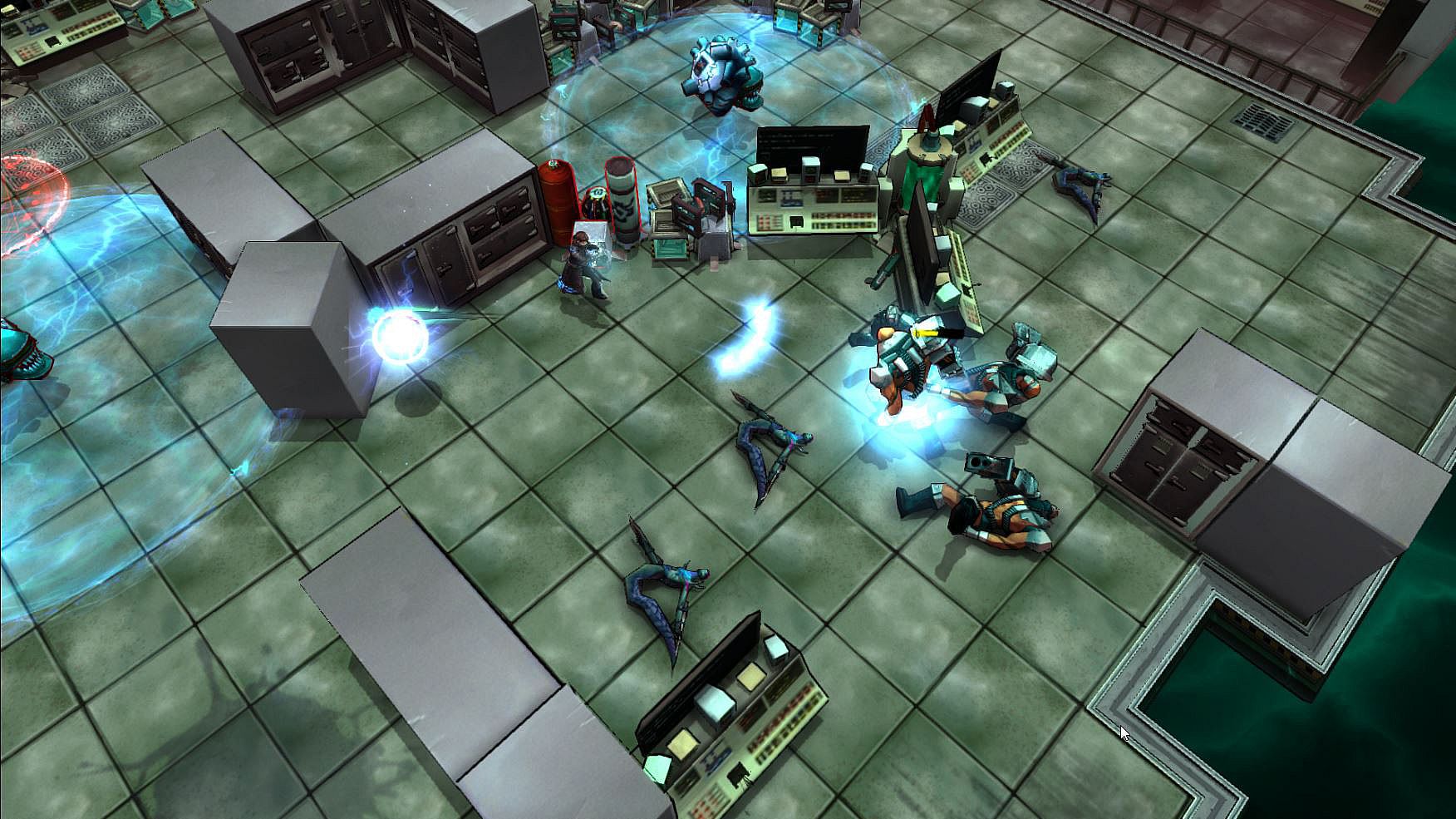
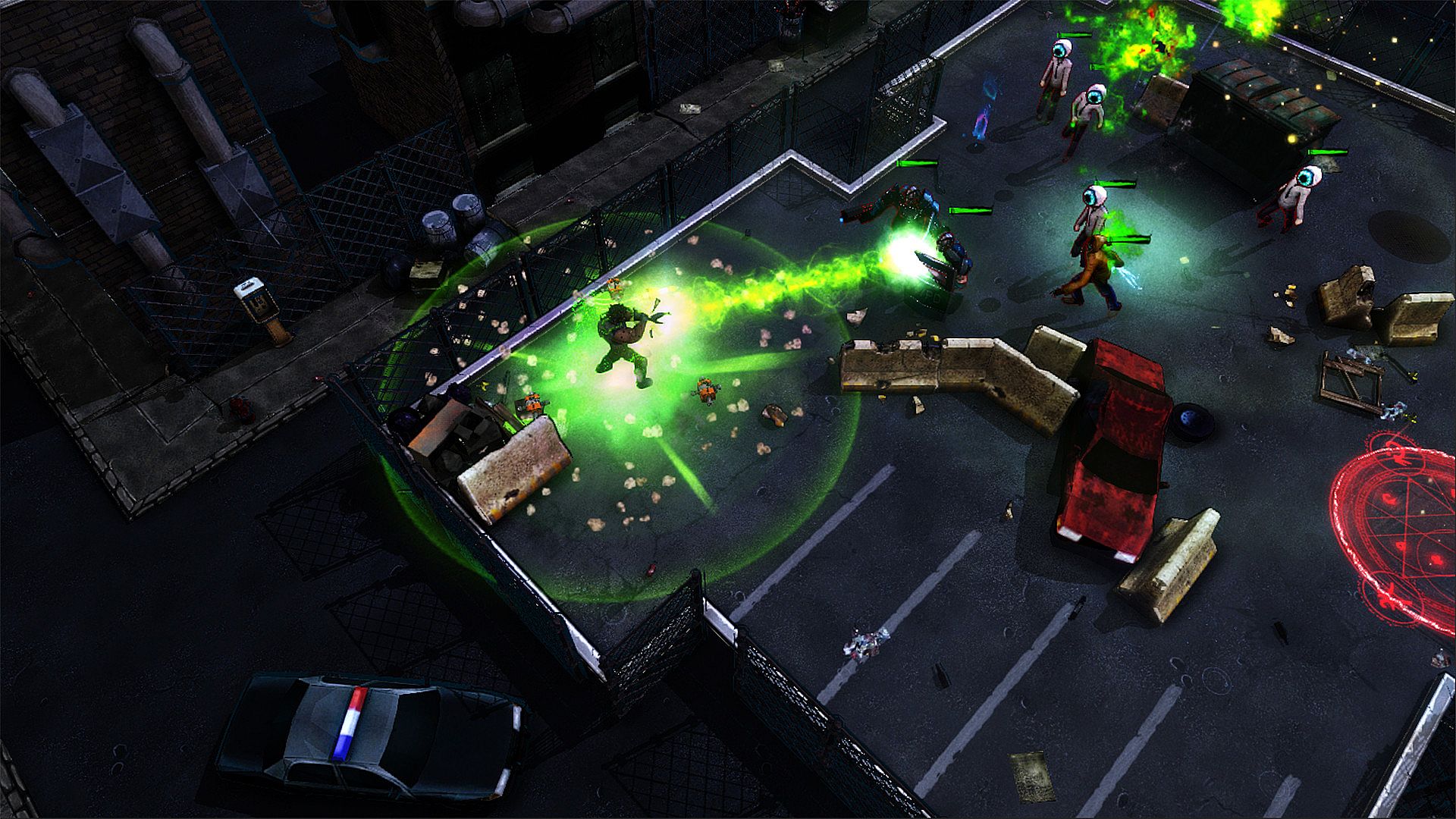
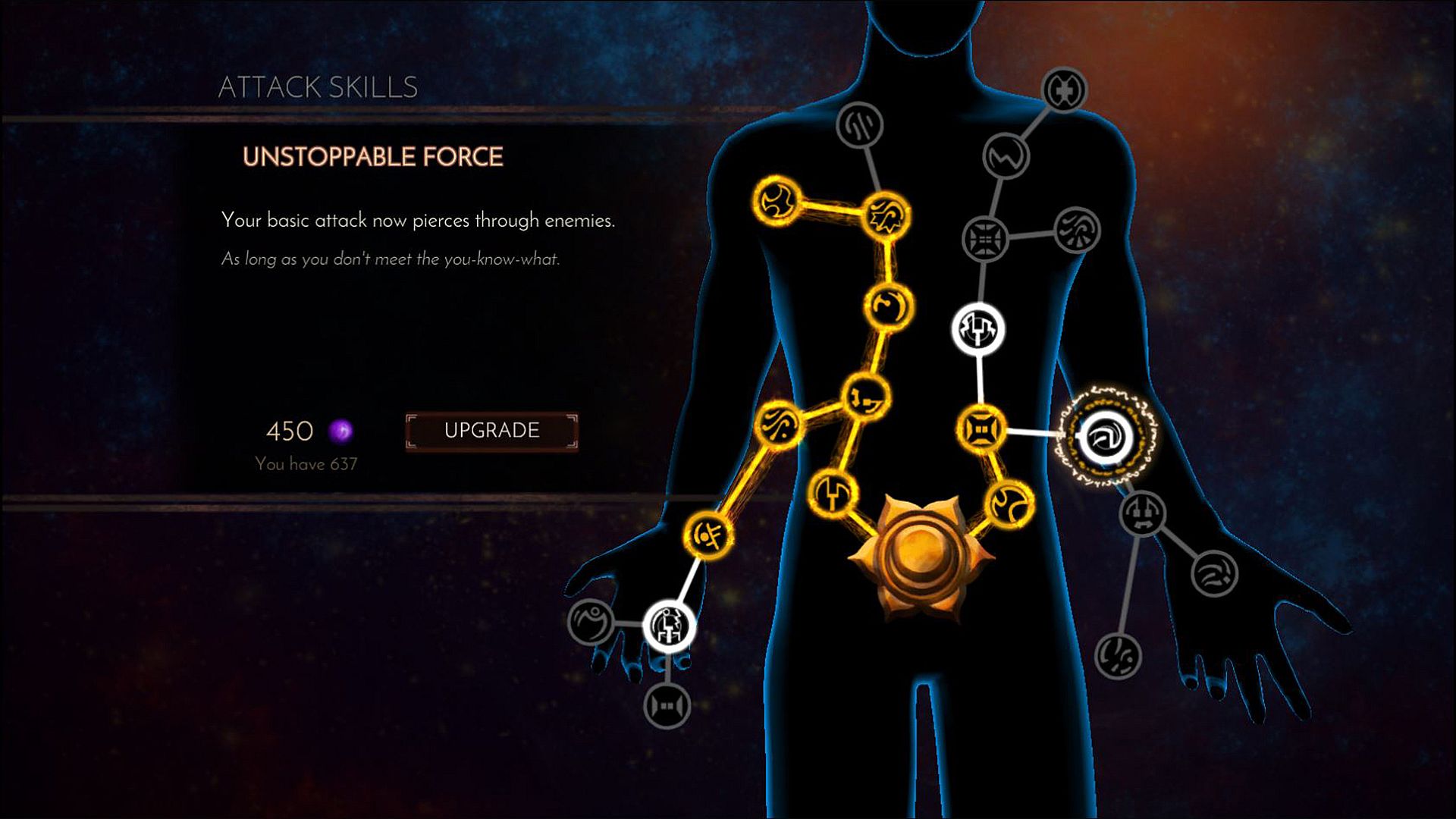
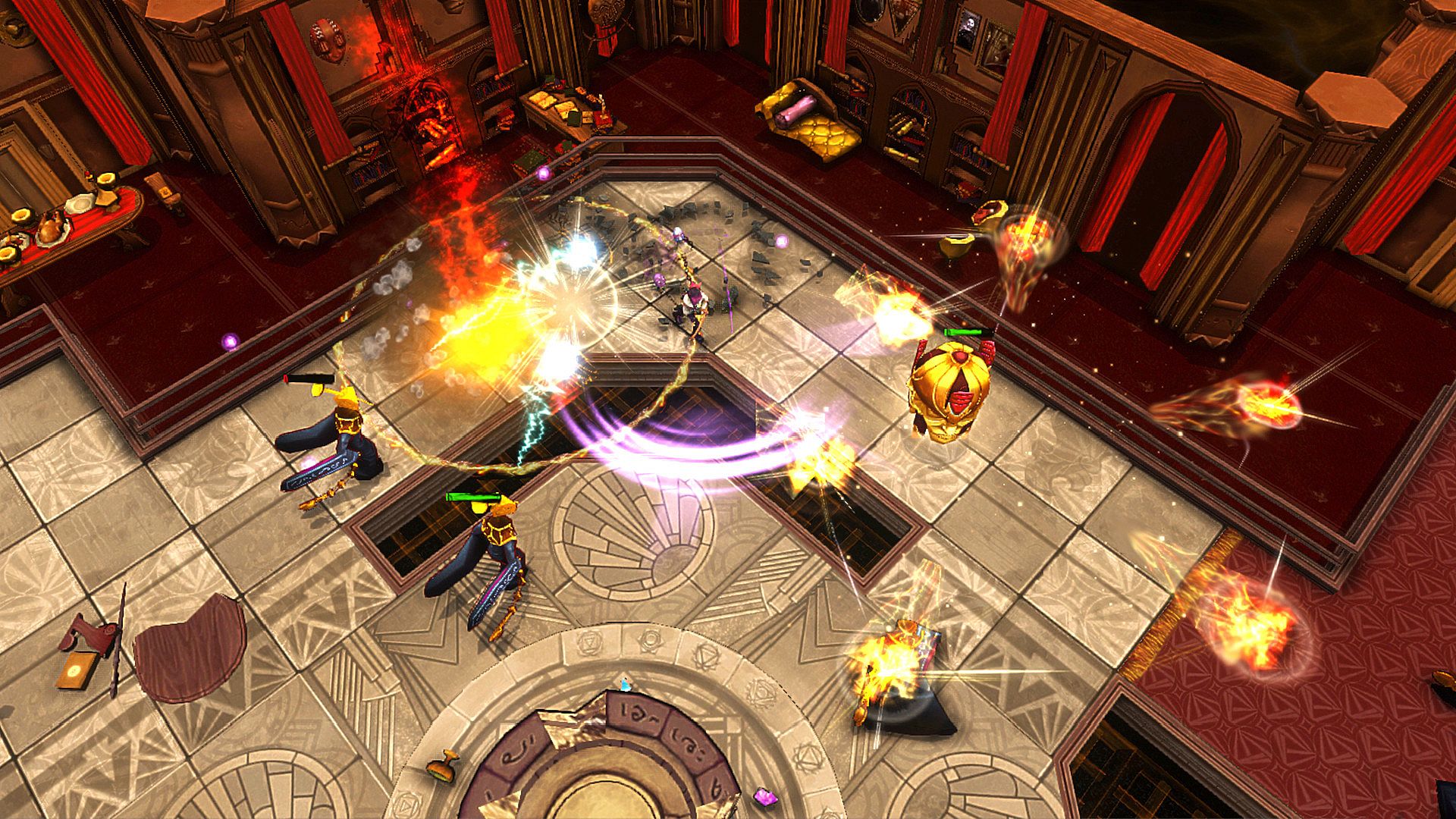
Combat emphasizes speed and precision through the shadow walk ability, which lets players dash across the screen to reposition or evade threats. Players collect glyphs during runs to alter abilities and upgrade from more than one hundred magical skills distributed across mobility, attack, and passive trees. These trees shuffle randomly each session, so the same character can feel different from one attempt to the next.
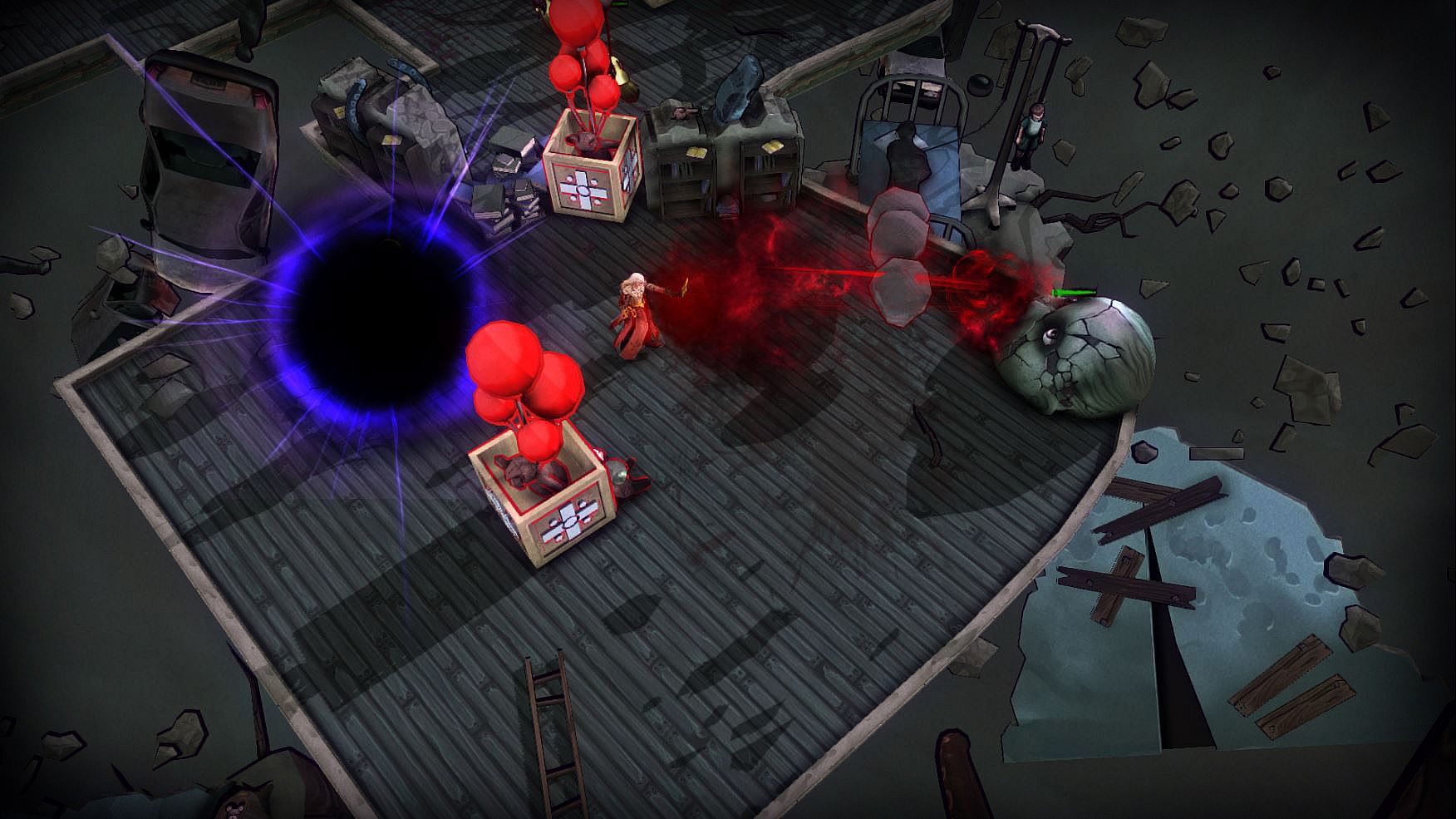
Levels generate procedurally and feature traps alongside more than one hundred enemy types, including pit fighters, mad cultists, and automated turrets. Death sends players back to the start, though permanent upgrades unlocked across runs provide incremental advantages for future attempts. The four available mages each bring distinct movement patterns and narrative threads that unfold through illustrated sequences.
Game Modes
The game operates entirely in a single-player roguelike format built around repeated runs through the Crucible. Each attempt begins with a chosen mage and progresses through randomized environments until the player either survives or restarts. No separate multiplayer or cooperative options exist, keeping the focus on individual mastery of movement and skill combinations.
Progression ties directly to the run structure, with opportunities to unlock lasting improvements that carry over between sessions. The absence of traditional campaign or versus modes reinforces the emphasis on short, intense attempts that reward experimentation with the shuffled skill system.
Characters and Setting
Four distinct technomages anchor the experience. Aeon relies on shadow manipulation, Big Mo incorporates cybernetic enhancements, Mukai channels spirits, and Rasimov draws from occult practices. Each offers unique starting tools and a separate storyline revealed through static illustrations rather than voice acting or extensive dialogue.
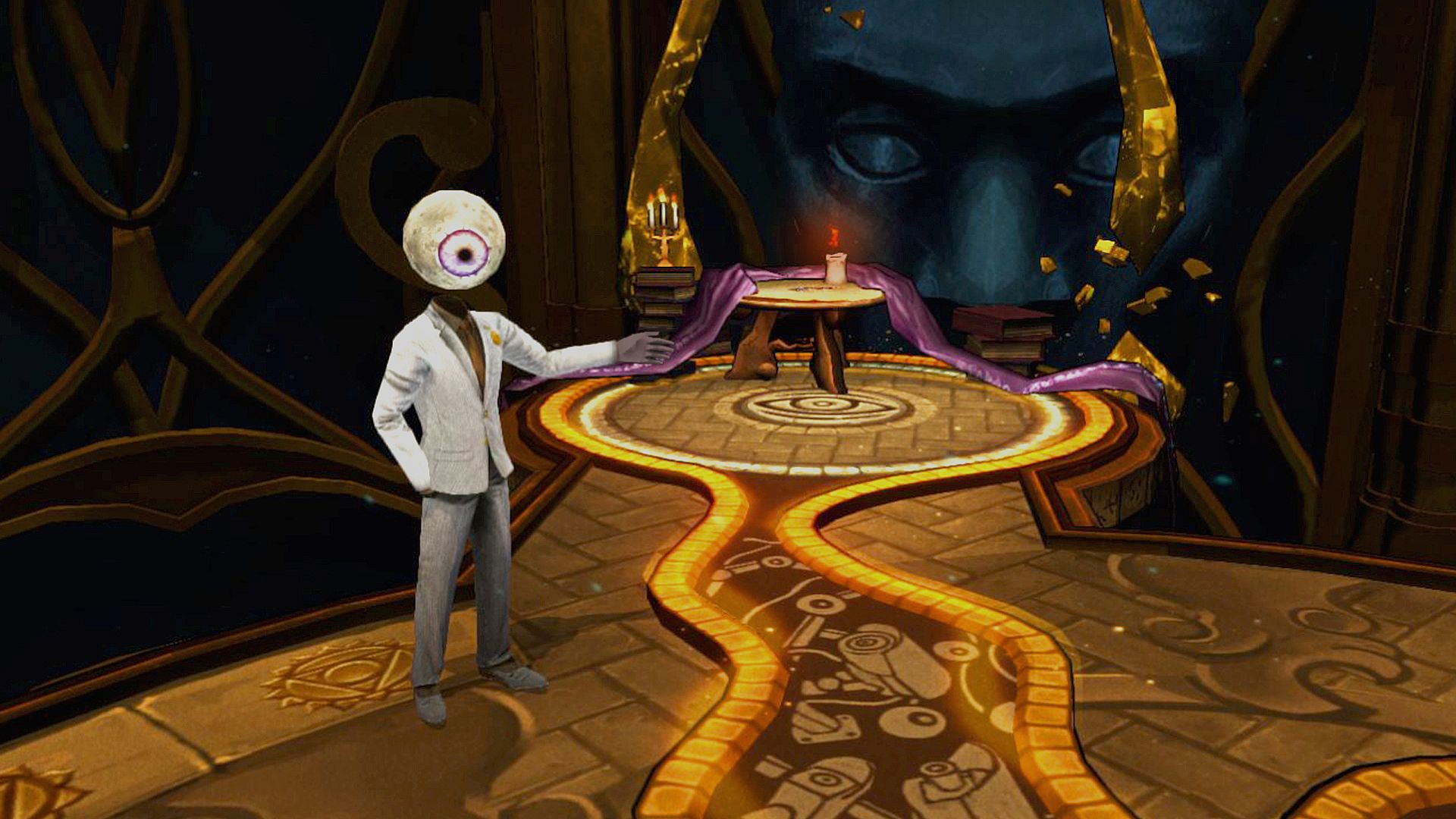
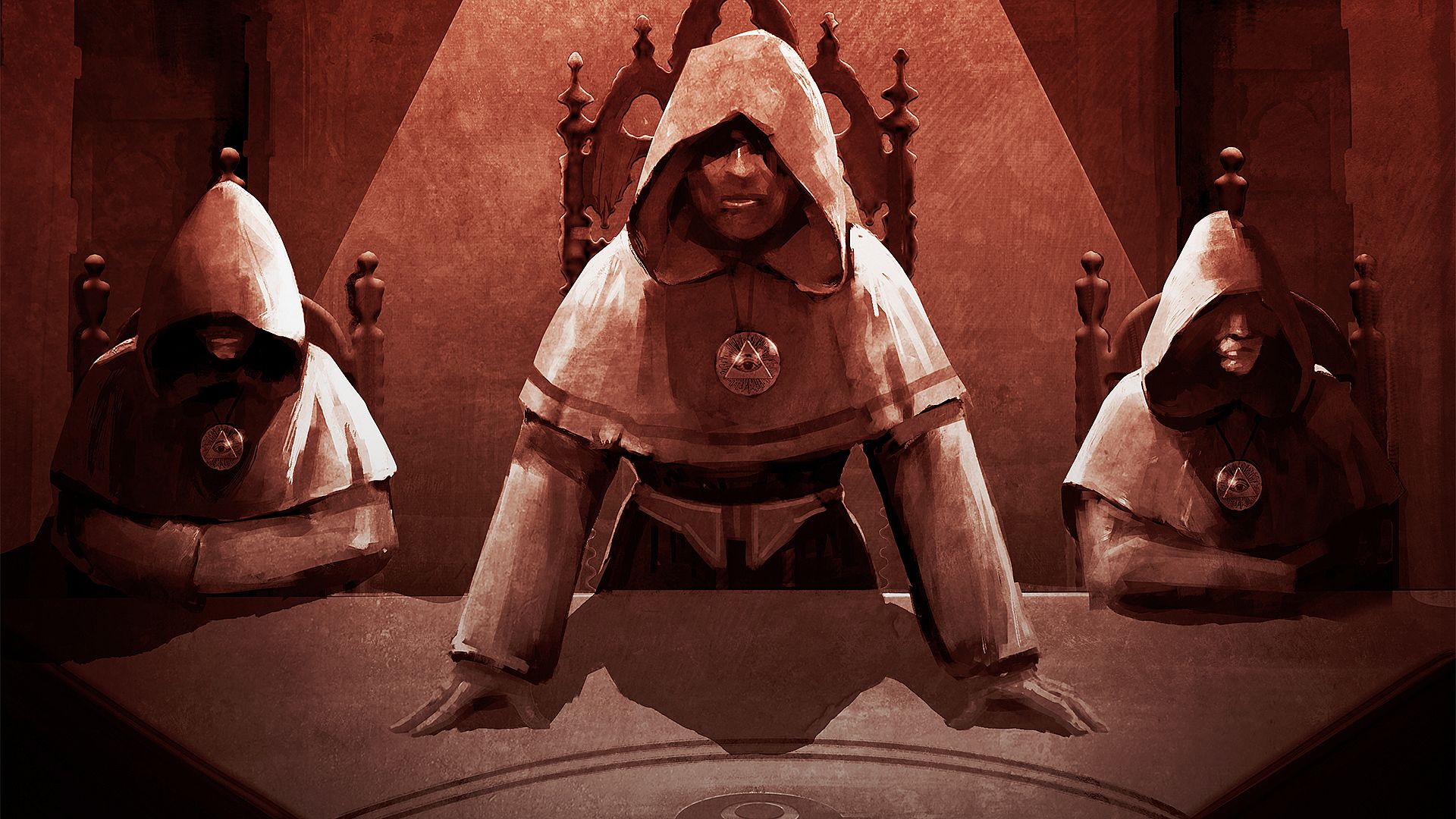
The setting blends modern urban locations with magical elements, taking players through laboratories, alleys, and hidden society spaces. This cyberpunk fantasy backdrop supports the fast-paced action without adding open-world exploration or side quests.
Is It Worth Playing?
Player feedback on Steam rates the title Very Positive based on hundreds of reviews, highlighting the satisfying pace of combat and the variety introduced by shuffled skill trees. The permanent upgrade system gives long-term goals without requiring constant play, while the short run length suits sessions of varying commitment.
The game appeals most to those who enjoy roguelike structure combined with twin-stick style action and character-specific stories. Its indie scale keeps the scope focused, delivering consistent mechanical depth rather than expansive content. Availability on PC remains straightforward for anyone interested in this style of procedural action.














