

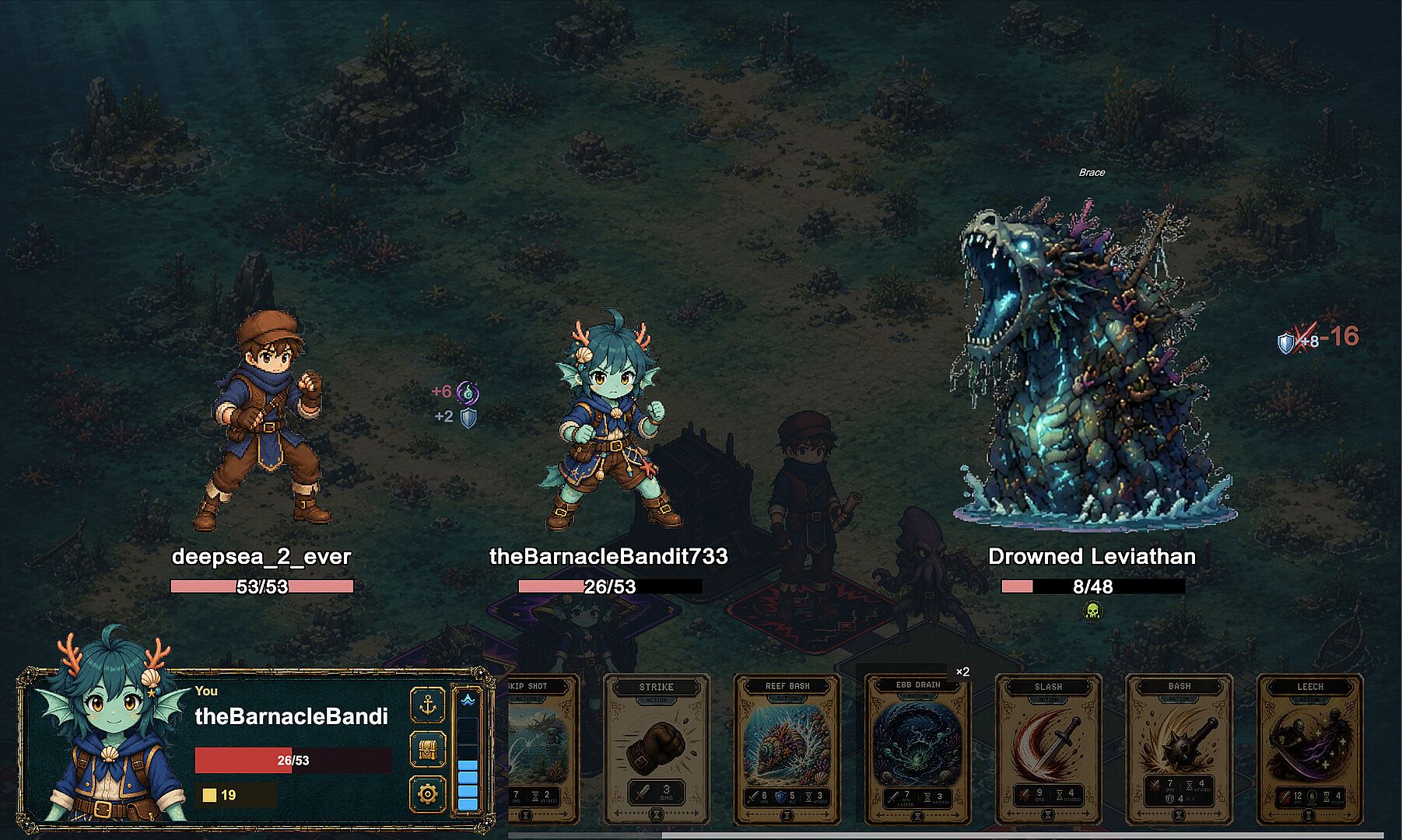
Lagan Salvage Run is a strategy indie game that blends roguelike deckbuilding with cooperative exploration of flooding shipwrecks on PC. Players loot cards from dangerous underwater environments while managing rising water levels and deciding how far to push for greater rewards. The experience supports solo runs or group play, with every session shaped by shared seeds that generate identical layouts for comparison and competition.
Gameplay
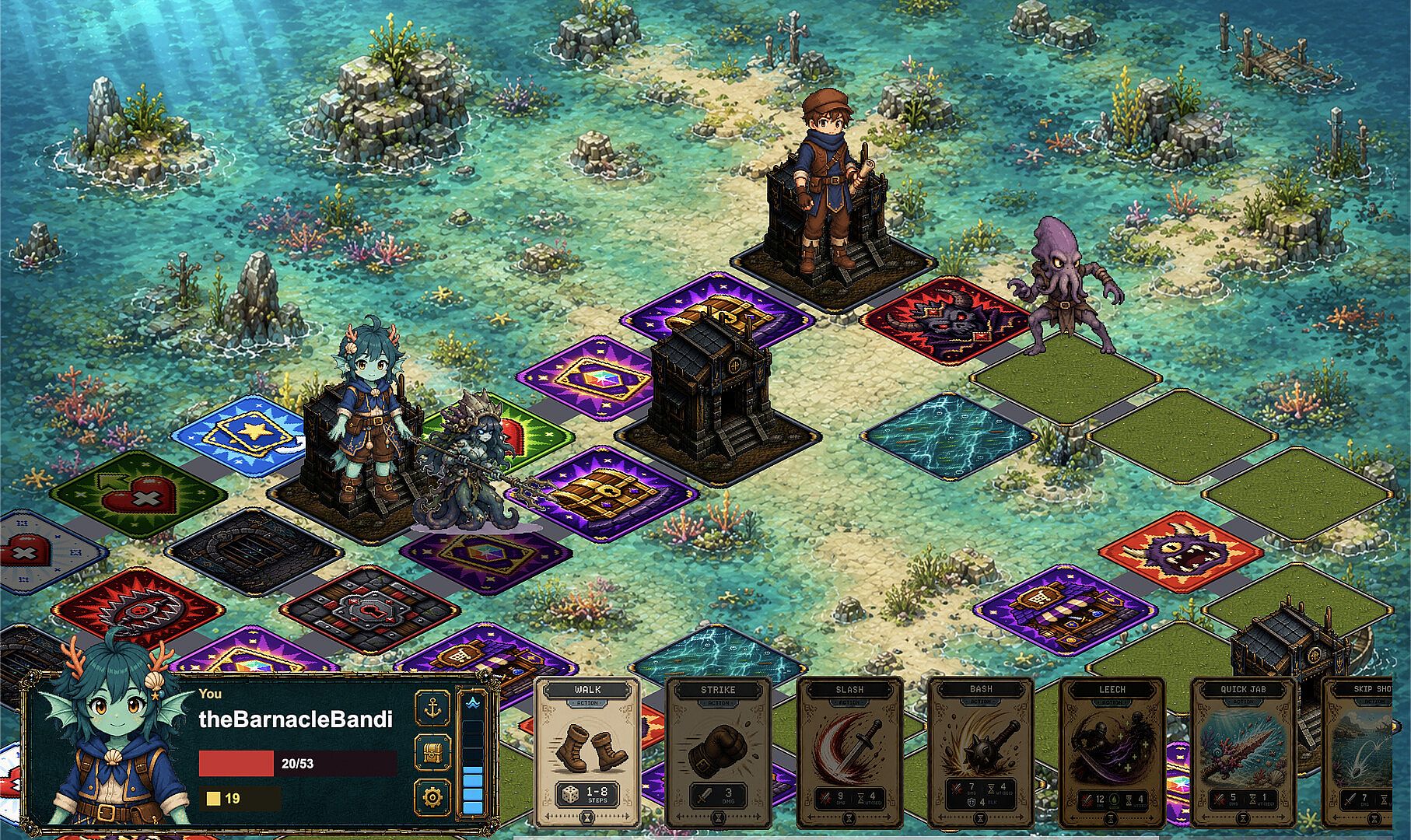
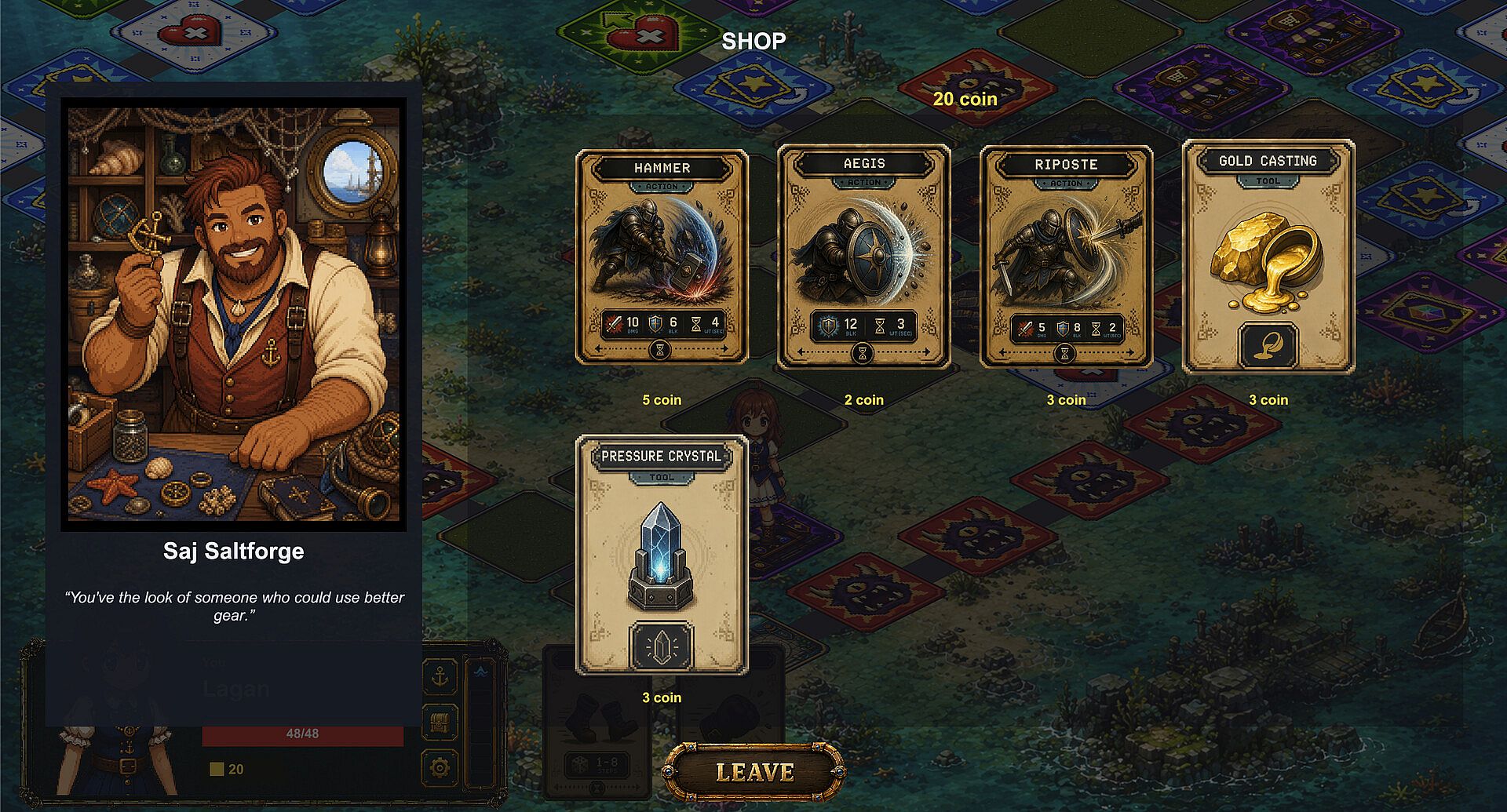
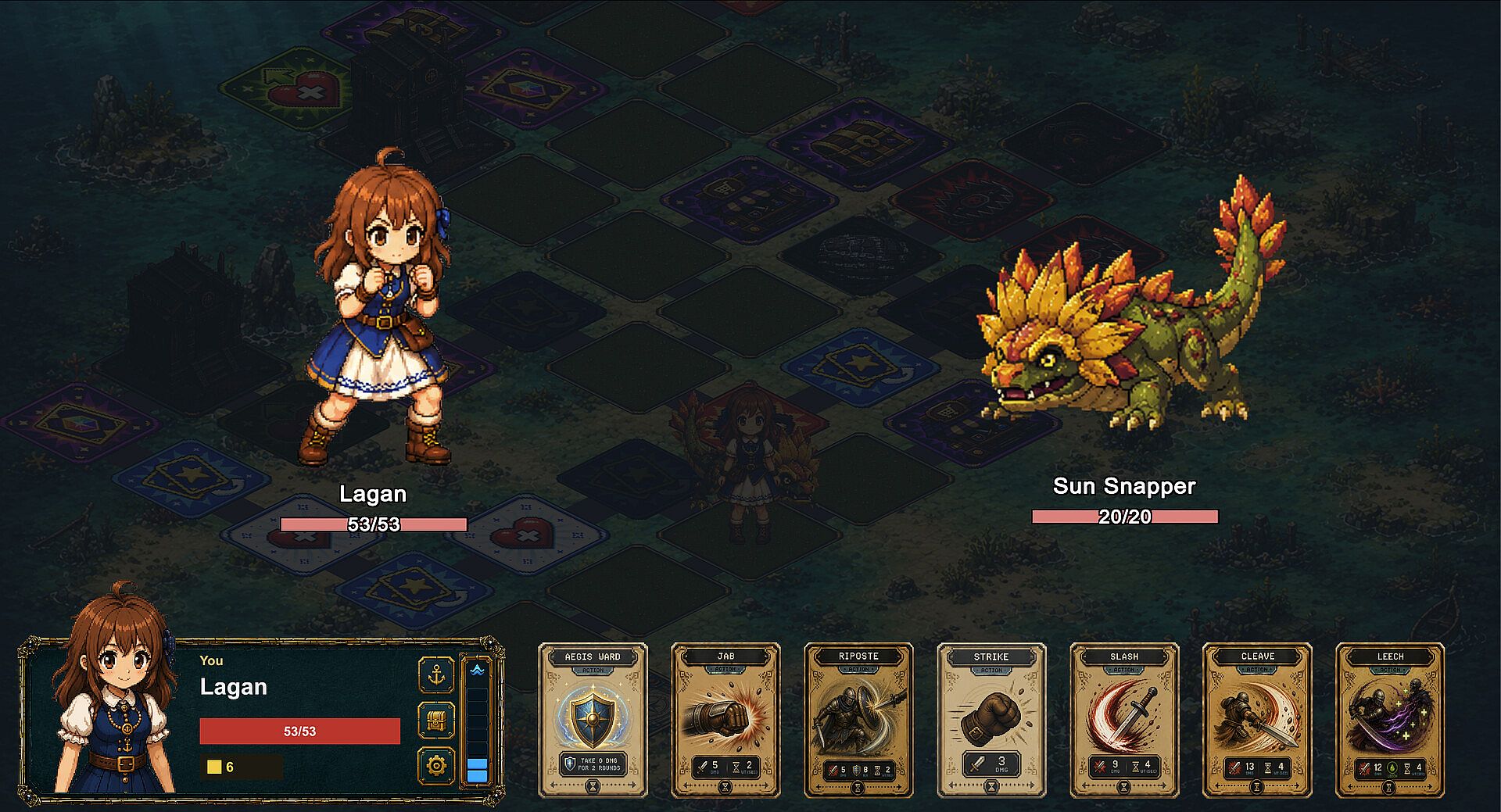
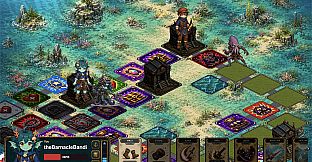
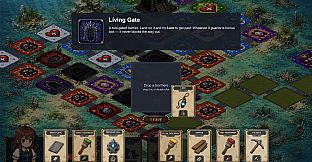
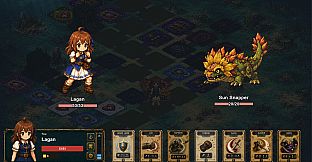
The core loop centers on diving into procedurally generated wrecks where cards are collected directly from the environment rather than assembled beforehand. As players advance through rooms, they acquire new cards that alter existing hands, allowing builds to evolve mid-run based on discoveries and salvage opportunities. Flooding occurs tile by tile, turning dry paths into costly hazards that drain health with each step and force careful route planning to reach the exit with minimal losses.
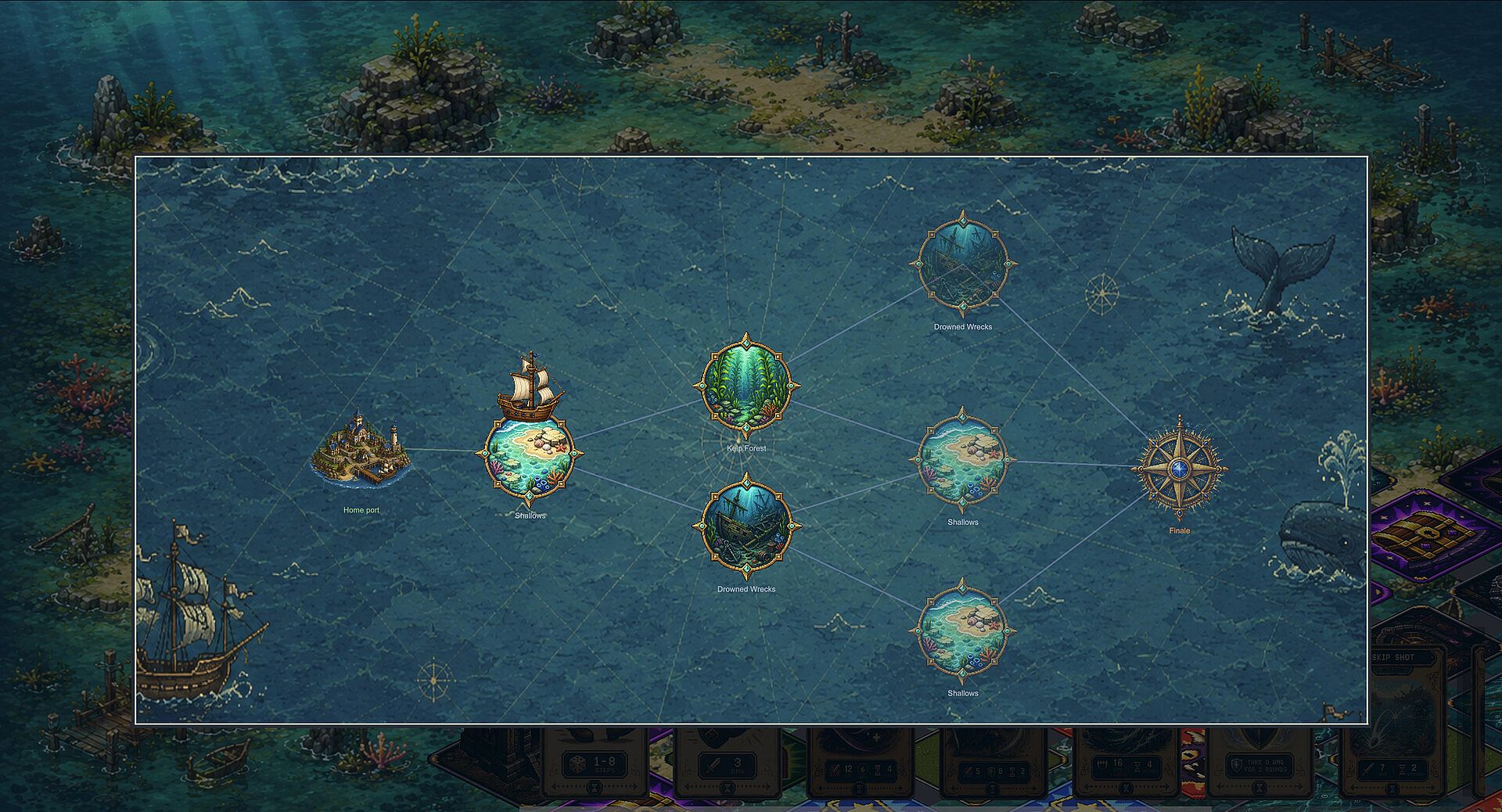
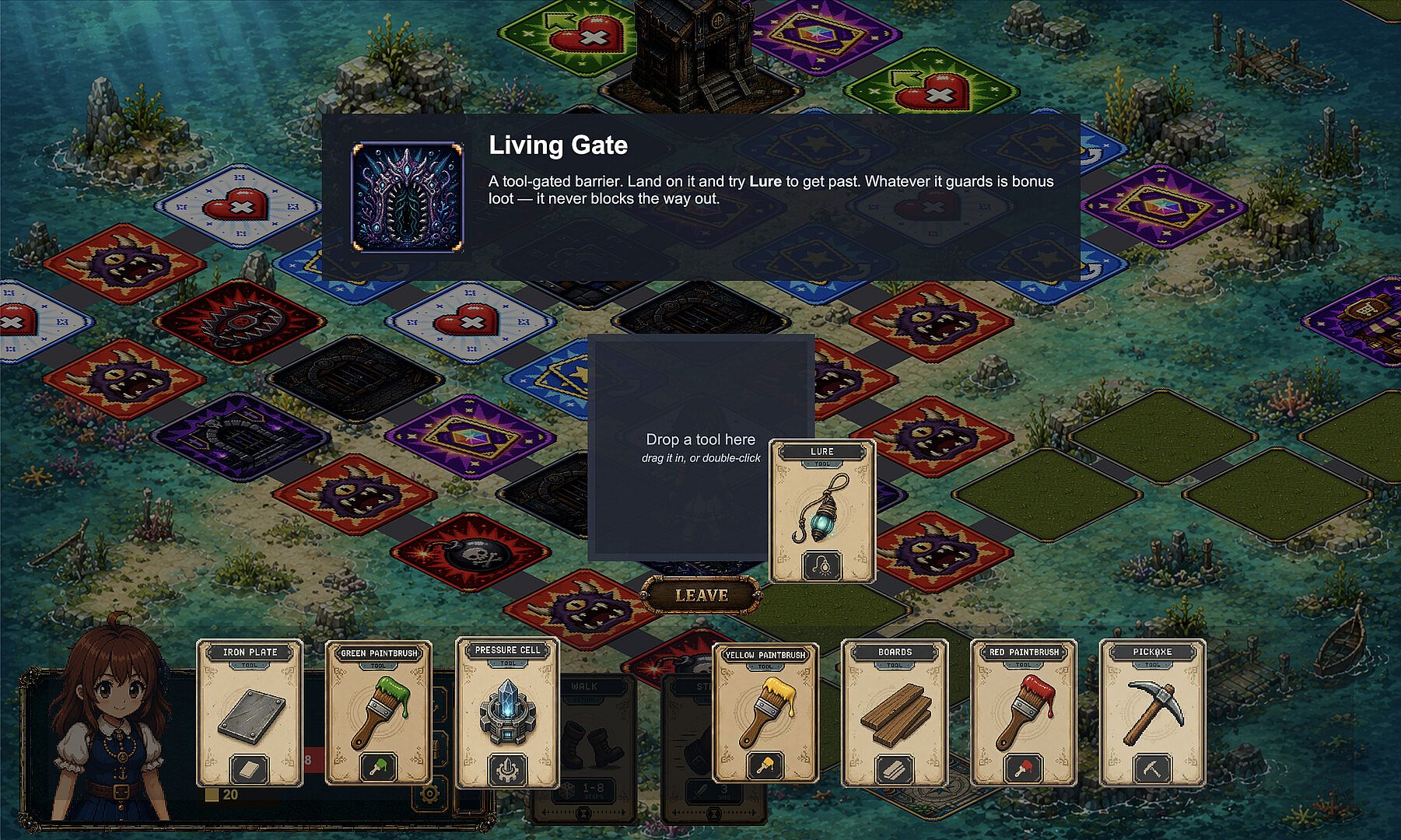
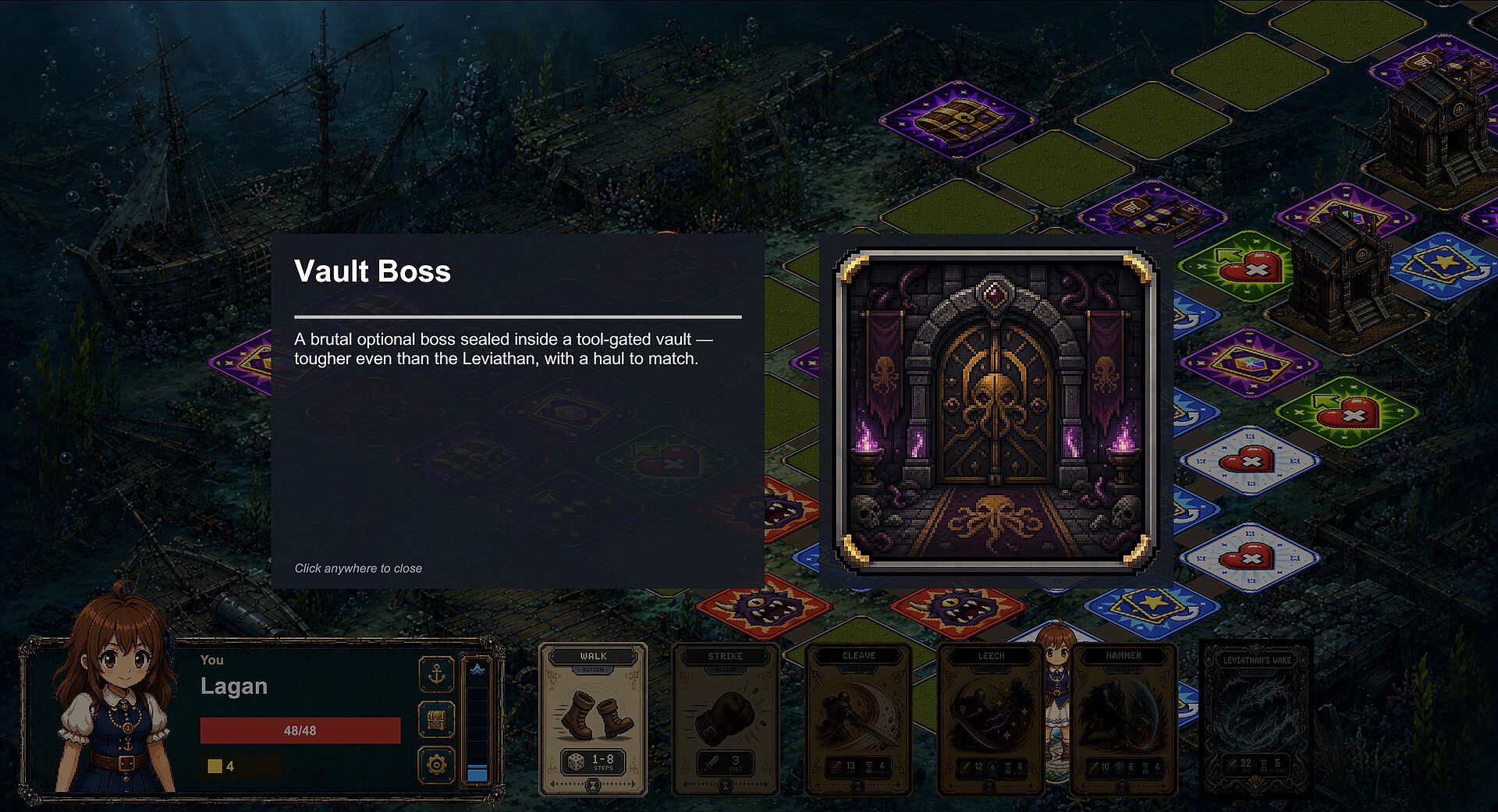
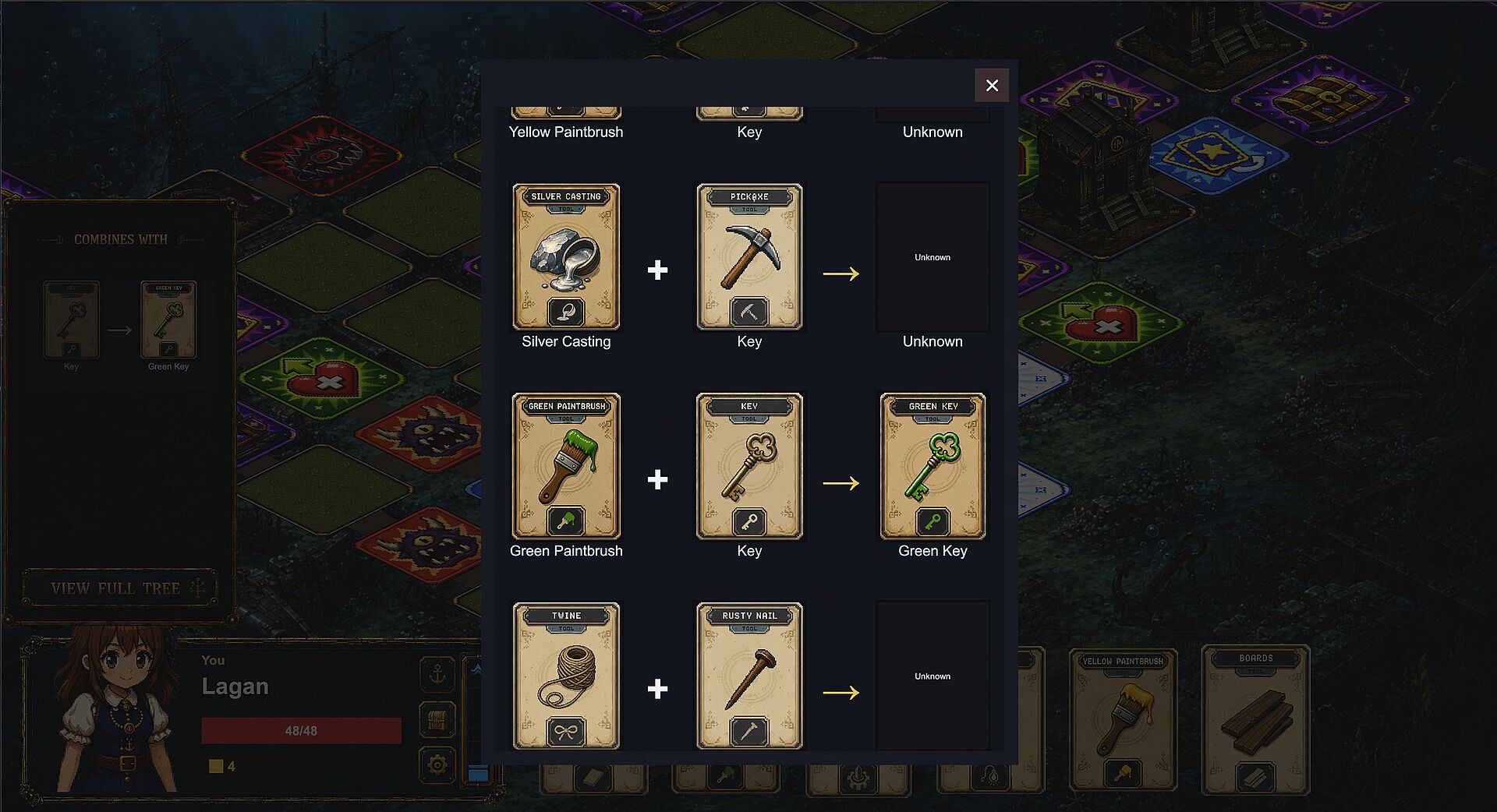
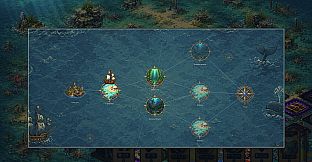
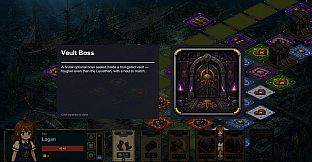
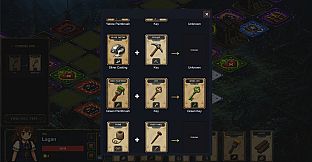
Sealed sections of each wreck offer higher-value cards and treasures but require specific tool cards to access. These tools persist across runs, providing permanent progression that opens new options in future dives. The overall structure forms a voyage across multiple wrecks, where clearing threats on one leads to choices about the next stretch of water, each with distinct dangers and layouts determined by the shared seed.
Health management becomes critical in later stages when no dry routes remain, and the return to the surface demands balancing speed against the accumulating damage from flooded areas. This system emphasizes risk assessment at every locked door or optional path.
Game Modes
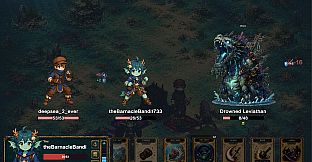
The game supports single-player runs where individuals navigate the wrecks alone, relying entirely on their own card management and pathfinding decisions. Online co-op extends this to groups of up to four, allowing players to divide across different decks of the same wreck to cover more ground before the tide rises or to cluster together for greater survival odds in tighter spaces.
Seed sharing forms a key element of play across both solo and group sessions. A run's name can be entered into the Drowned Register to recreate the exact same rooms, monsters, and flooding pattern for others, enabling direct comparisons of hauls and strategies without altering the underlying generation.
Progression and Tools
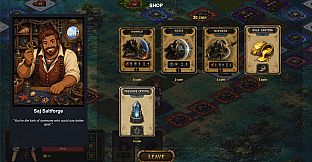
Tools recovered during a run carry over to subsequent attempts, expanding access to previously sealed areas and rare cards in later wrecks. This creates incremental growth focused on the kit rather than temporary resources, which reset with each dive. The persistent tools encourage experimentation with different routes and risk levels over multiple voyages.
Every run begins from a seed that ensures consistency for shared challenges, yet the choices made during play lead to varied outcomes even among players using the same starting conditions. This setup rewards repeated attempts on familiar layouts to optimize card synergies and minimize health costs from the tide.
Is It Worth Playing?
Lagan Salvage Run remains an upcoming title with no released version or player reviews available at this time. Its mechanics center on roguelike deckbuilding in a co-op salvage setting that emphasizes adaptive builds, environmental hazards, and seed-based sharing for direct competition or collaboration. Fans of strategy games that combine card collection with spatial decision-making and group coordination may find the described systems appealing once it launches. The focus on persistent tools and multi-wreck voyages provides a clear progression path distinct from standard single-dive formats. Those interested in indie strategy experiences with cooperative elements should monitor its release for a firsthand assessment of how the tide and flooding systems interact with deck evolution in practice.