













Labyrinth Survivor is a roguelike first-person shooter that plunges players into procedurally generated mazes filled with monstrous threats. This action game for PC emphasizes survival through intense combat and strategic progression, where every death contributes to building a stronger character for future attempts. Players face shifting environments and varied challenges, making each session feel fresh and demanding.
Gameplay
In Labyrinth Survivor, the core loop revolves around navigating ever-changing labyrinths while battling grotesque enemies. Combat is fast-paced and first-person, requiring quick reflexes to handle weapons that range from basic firearms to more specialized tools. Players encounter a variety of monsters, each with distinct attack patterns and weaknesses, forcing adaptation on the fly. Procedural generation ensures no two runs are identical, with layouts that include hidden areas and dynamic obstacles.
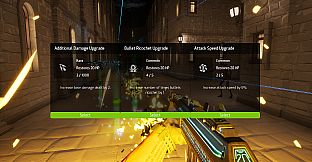
Progression ties into a roguelike system where failed runs unlock permanent upgrades. These enhancements improve firepower, health, or add new abilities, allowing customization of playstyles. Objectives within the labyrinth, known as Trials, involve tasks like defeating specific foes or collecting artifacts, which grant temporary power-ups to aid survival. The gameplay demands resource management, as ammunition and health are limited, pushing players to make tactical decisions amid constant pressure from enemy hordes.
Game Modes
The primary mode in Labyrinth Survivor focuses on single-player runs through the labyrinth, centered on completing Trials to advance. Each session starts fresh, with players building their loadout from unlocked items across multiple attempts. There are no confirmed multiplayer options, keeping the experience solitary and replayable through its roguelike structure.
Variations come from the procedural elements and upgrade choices, which can shift the feel of a run. For instance, emphasizing certain weapons or skills might turn a session into a more aggressive assault or a stealthier exploration, though the core remains survival-oriented without distinct named modes beyond the main Trial-based progression.
Upgrades and Arsenal
Players start with basic gear but quickly expand their options through discoveries in the labyrinth. Weapons include a mix of ballistic and energy-based types, each suited to different enemy vulnerabilities. Upgrades alter these tools significantly, such as adding elemental effects or increasing fire rates, enabling builds that cater to personal strategies.
Permanent unlocks carry over between runs, creating a sense of growth. This system rewards experimentation, as combining upgrades can lead to powerful synergies. For example, boosting mobility might pair well with hit-and-run tactics against slower monsters, while durability enhancements help in prolonged fights. The arsenal grows with playtime, encouraging repeated dives into the maze.
Is It Worth Playing?
Labyrinth Survivor suits those who enjoy challenging roguelike shooters with high replayability. Its focus on procedural generation and upgrade progression provides lasting engagement for players drawn to mastering mechanics through trial and error. If you prefer games that blend intense action with strategic depth in a single-player setting, this title delivers a compelling loop without relying on multiplayer elements.
Currently in its early stages, the game continues to receive updates that refine combat balance and add new content, keeping it fresh. For action enthusiasts seeking a tough, evolving experience, it's a solid pick, especially if you value the satisfaction of incremental improvements leading to deeper runs.