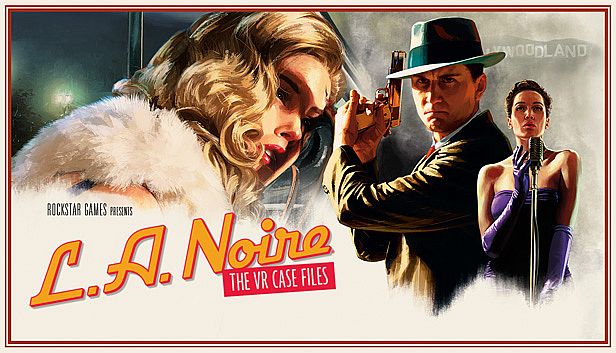





















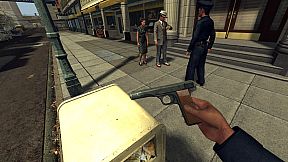
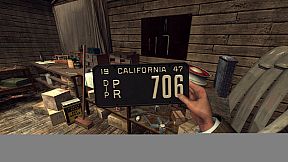
L.A. Noire: The VR Case Files is a single-player action-adventure game that adapts select investigations from the original title into a virtual reality format on PC. Players step into the role of Detective Cole Phelps in a recreation of 1940s Los Angeles, where they examine crime scenes, pursue leads, and confront suspects amid the era's documented corruption and violence.
Gameplay
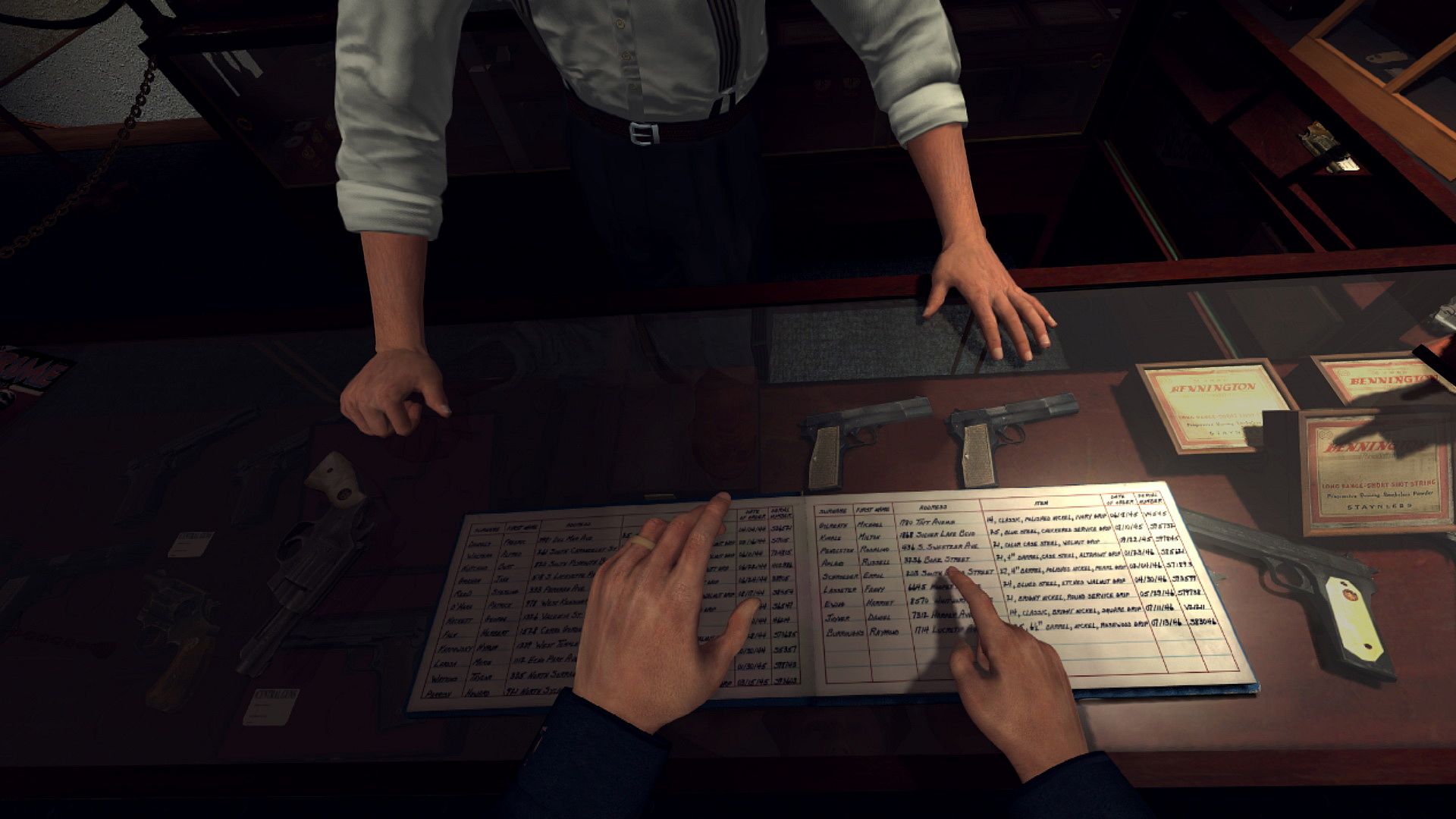
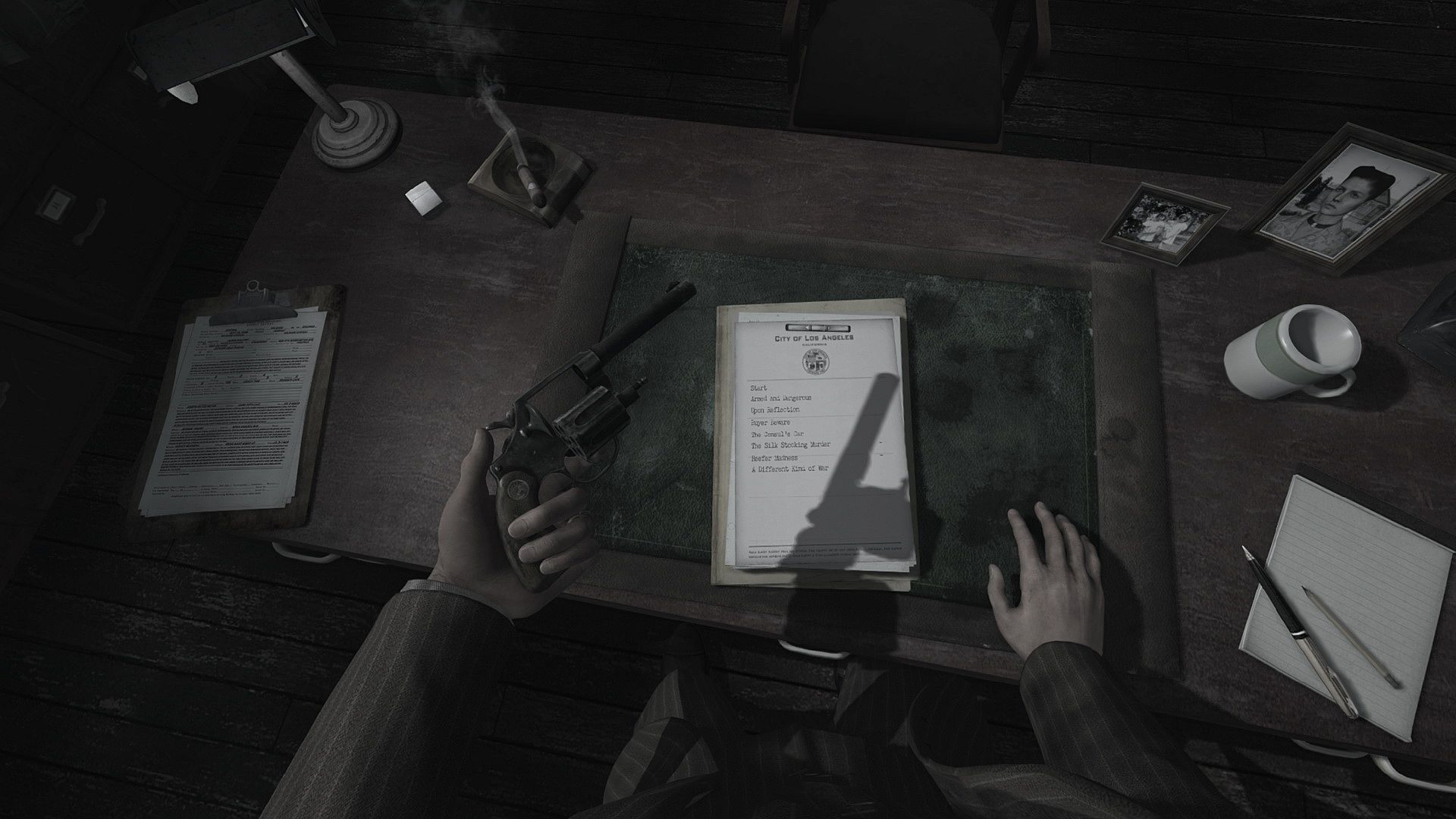
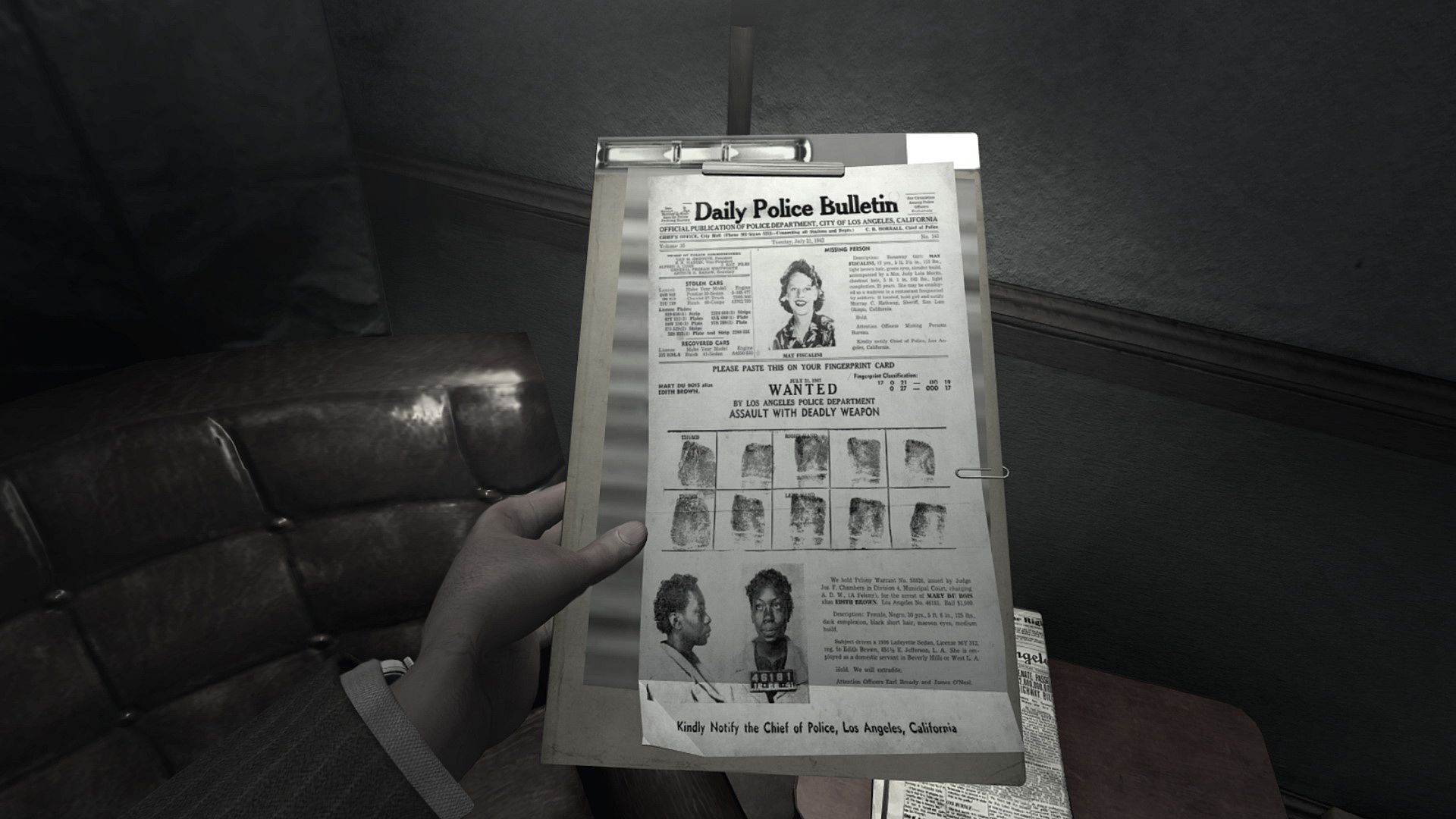
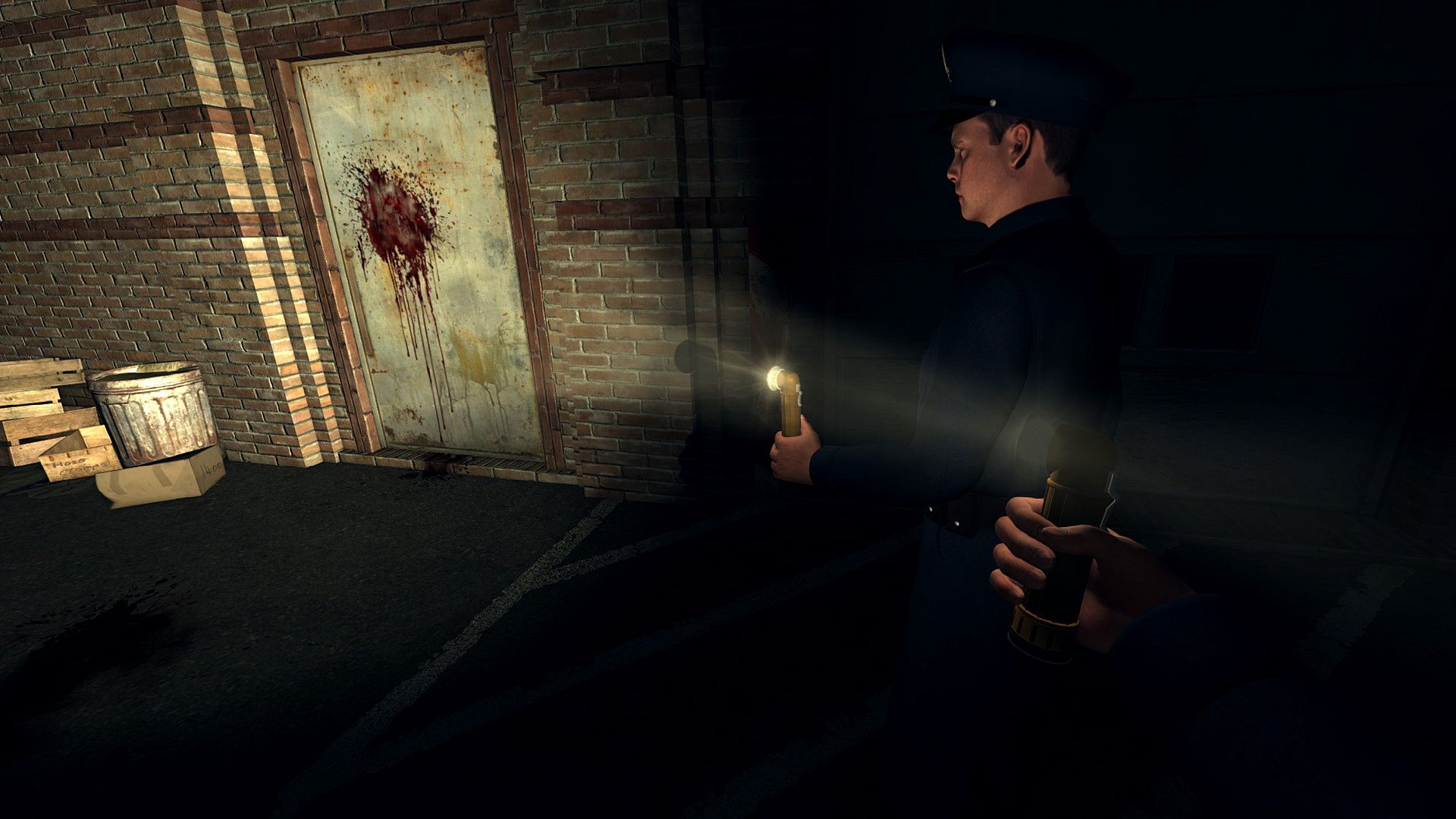
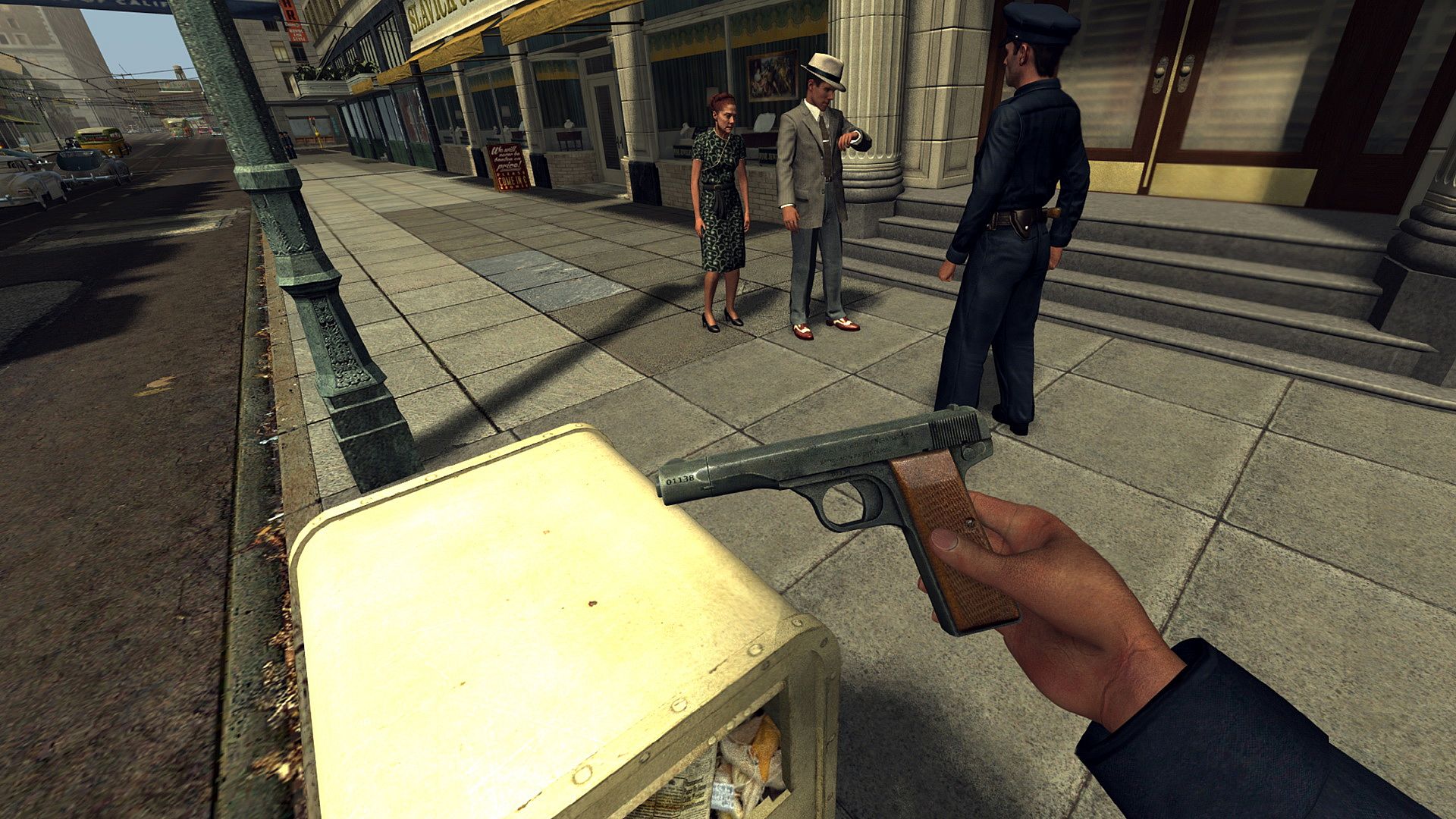
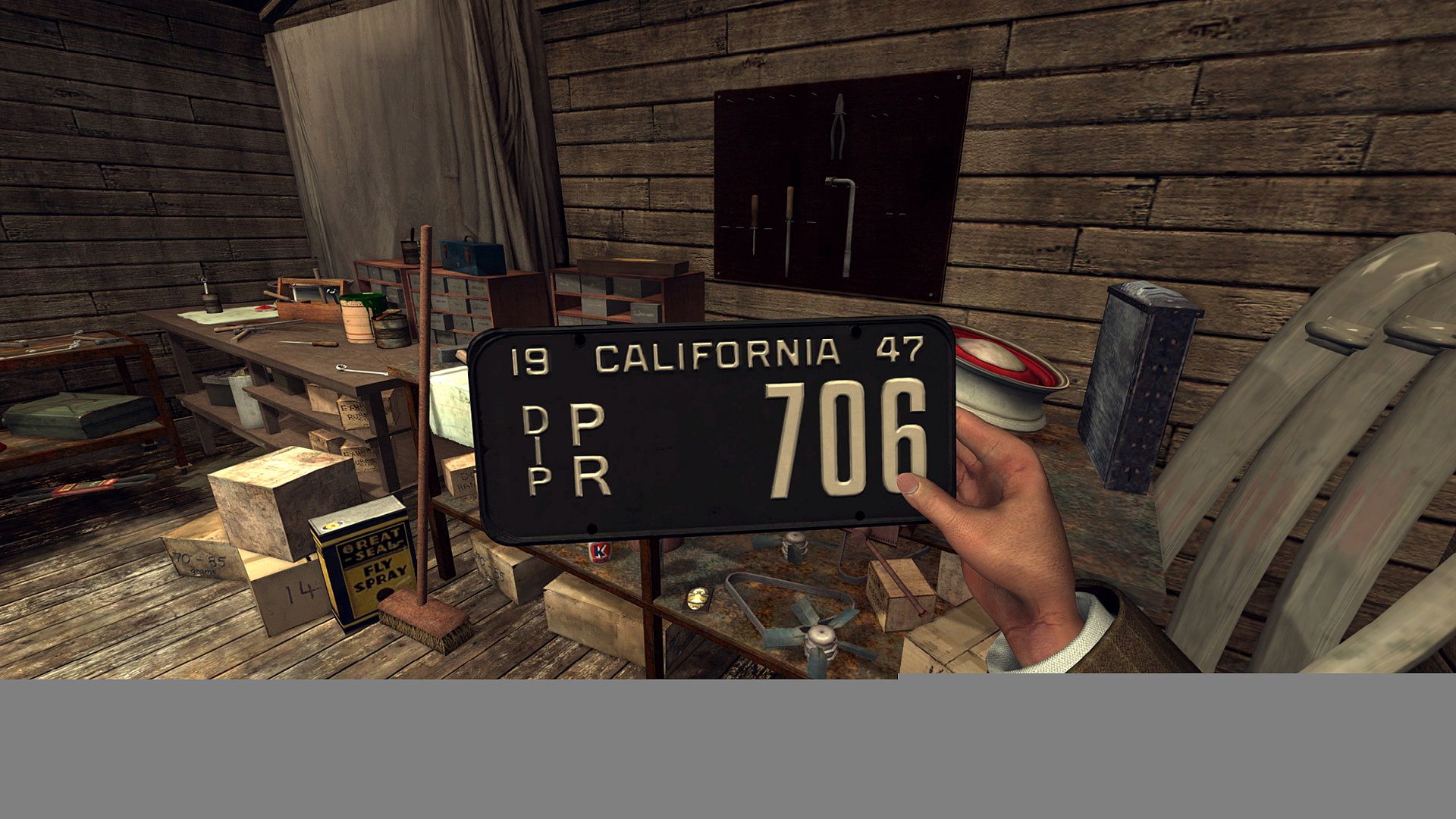
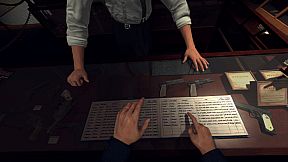
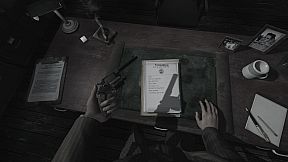
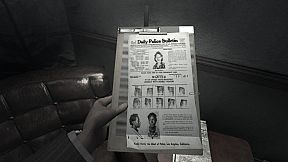
The core loop centers on methodical detective work enhanced by VR controls. Users reach out to pick up, rotate, and examine physical evidence scattered across detailed environments. This hands-on approach replaces traditional menu interactions and allows close inspection of items like documents, weapons, and personal effects for hidden details.
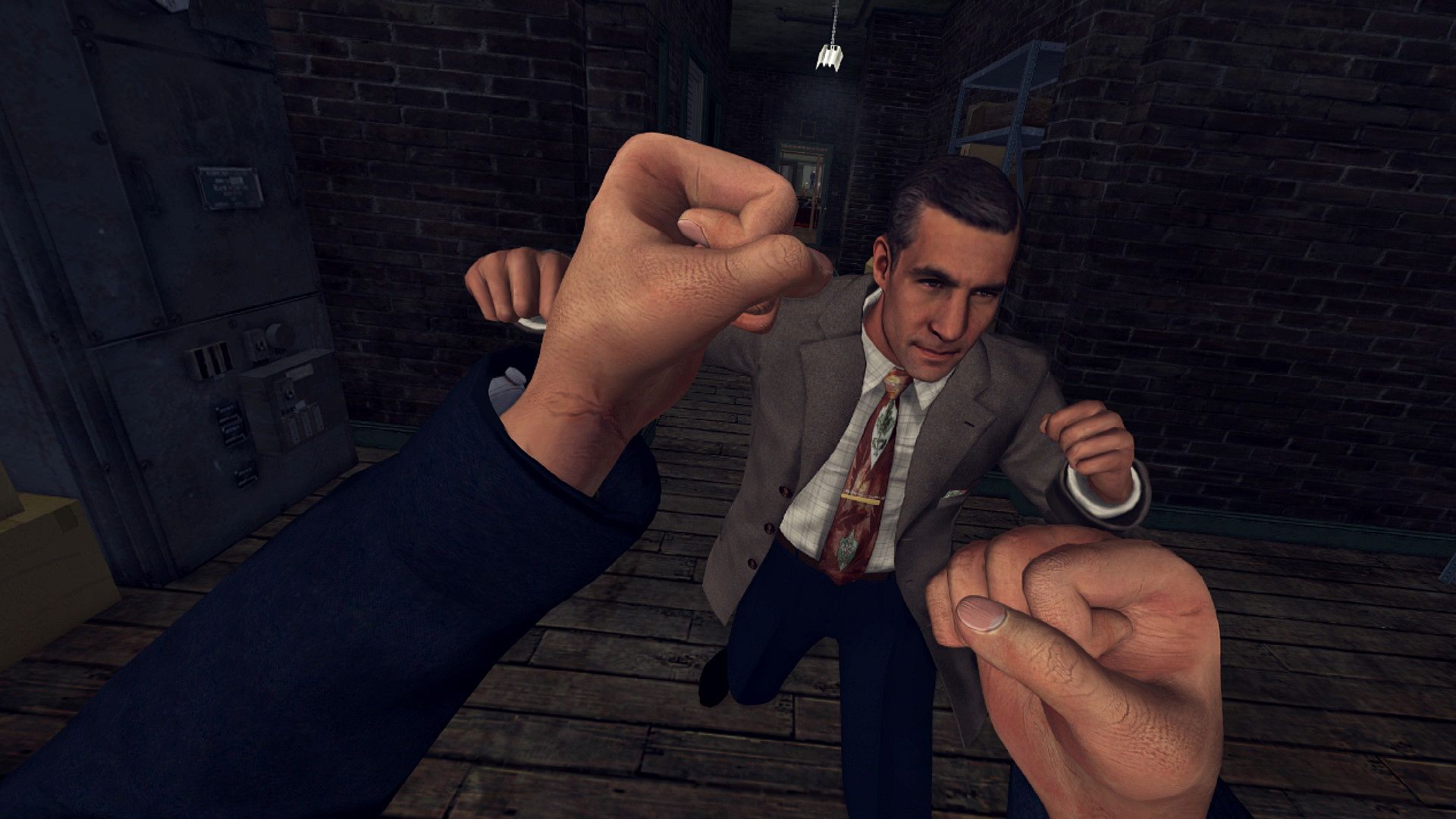
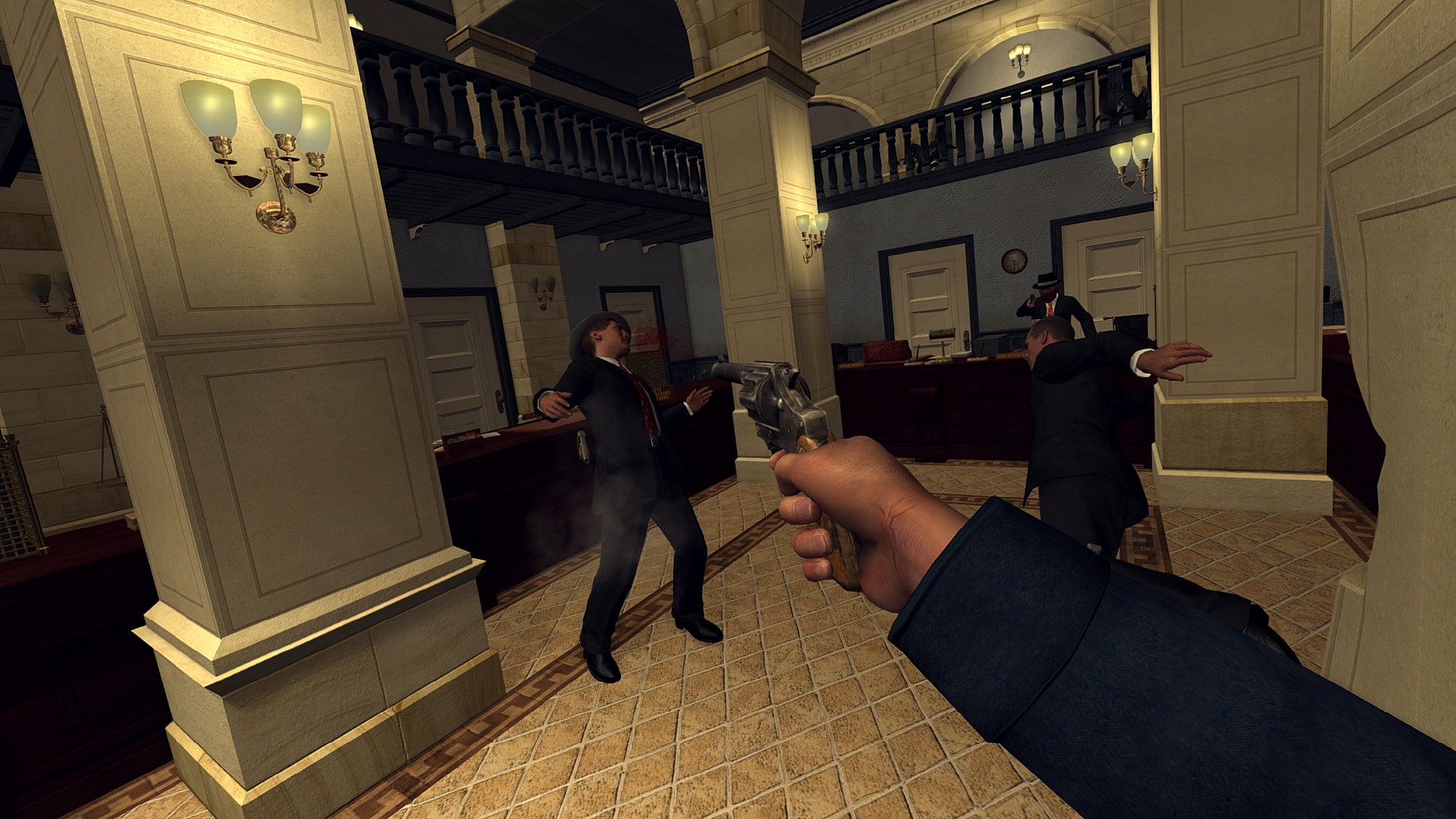
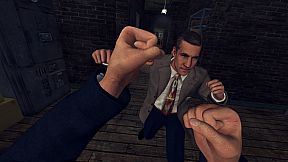
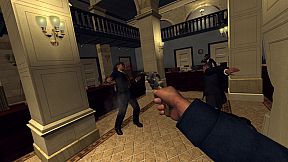
Travel between locations involves getting into period-appropriate vehicles and driving through the city streets. Once at a scene, the action shifts to foot pursuits, close-quarters combat, and occasional firearms exchanges when tracking down individuals connected to the cases. These sequences integrate directly with the investigation rather than serving as separate set pieces.
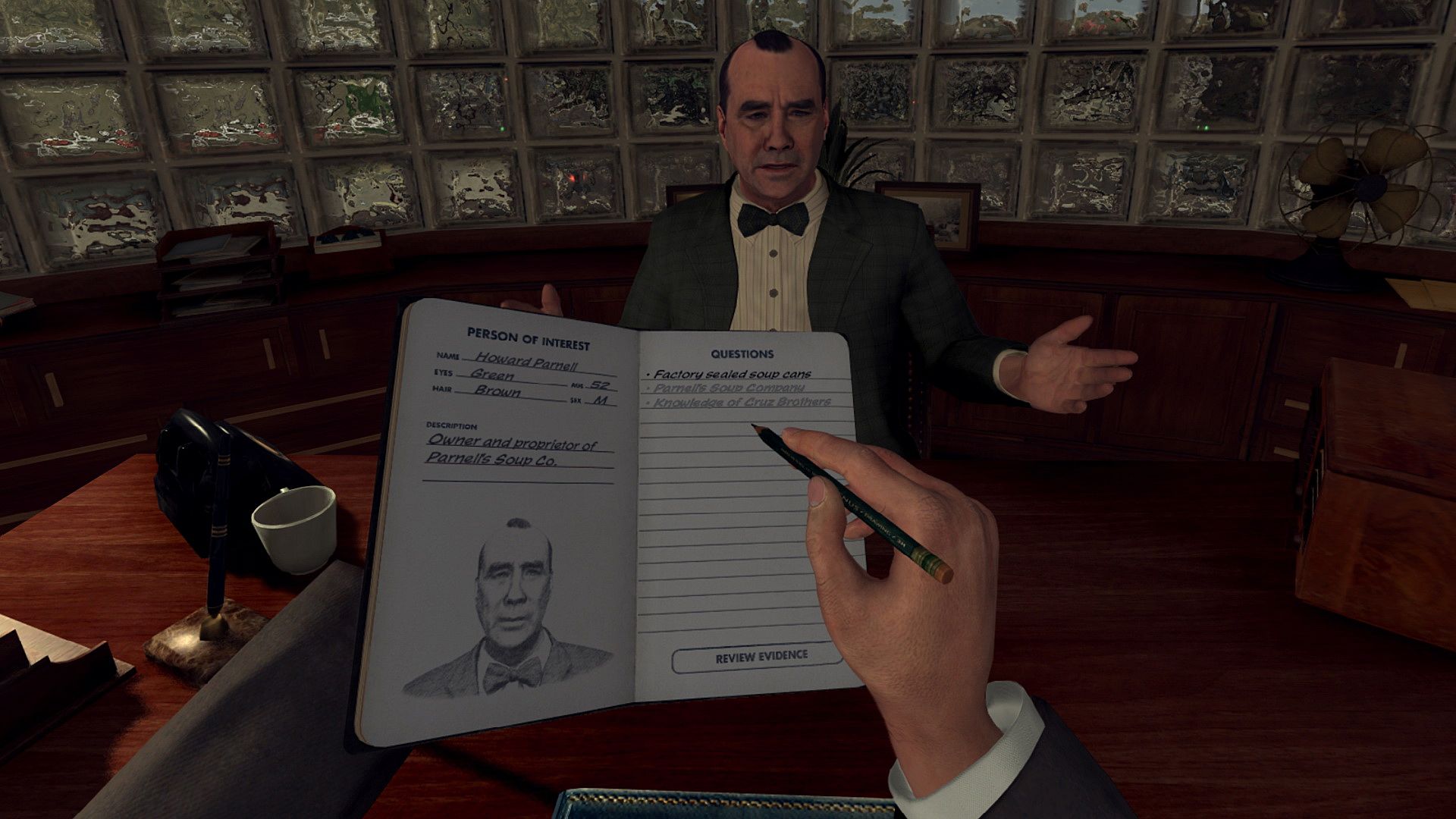
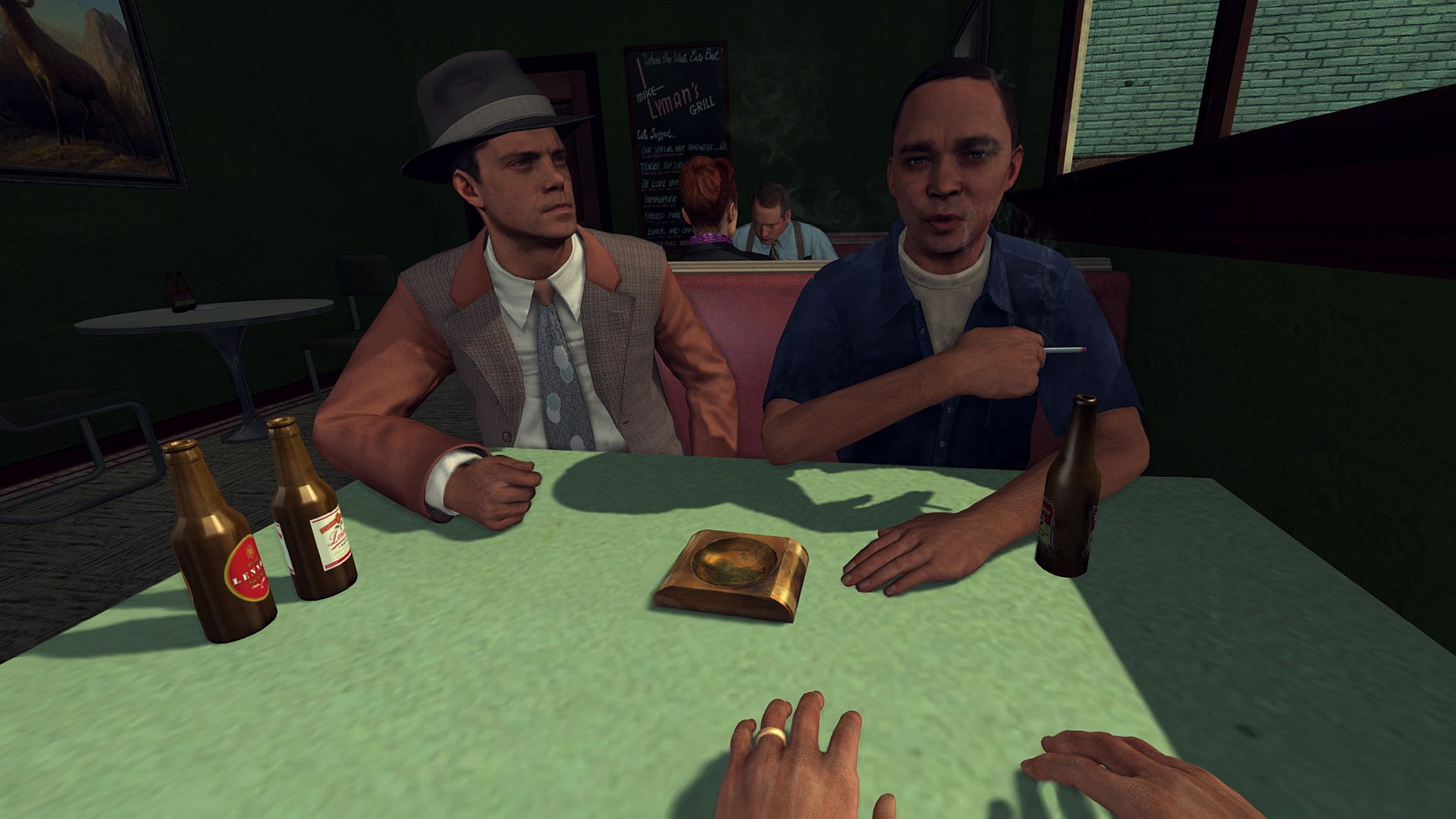
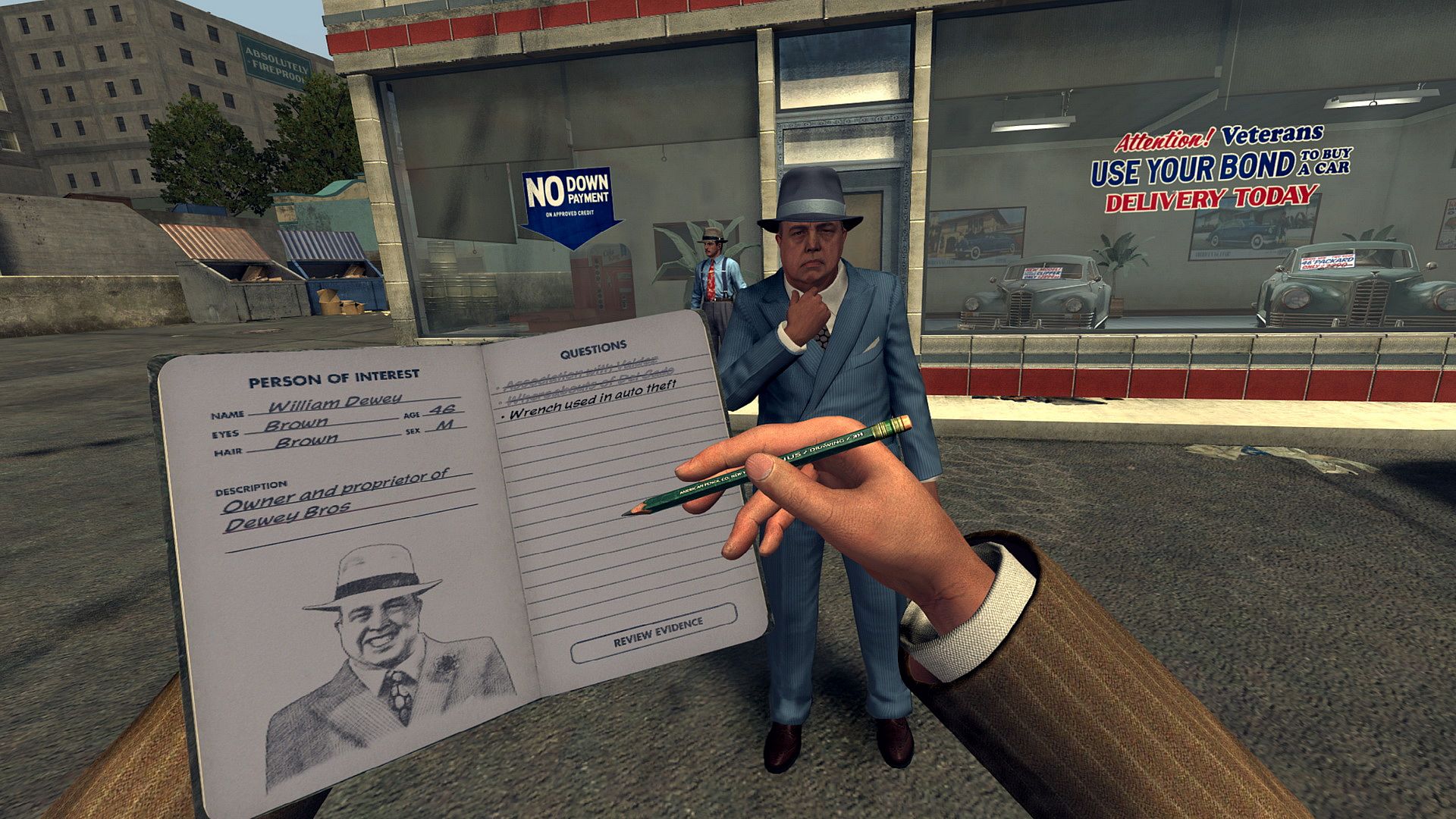
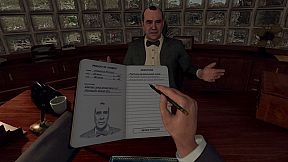
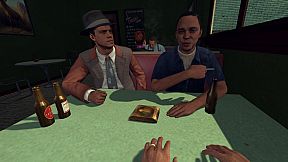
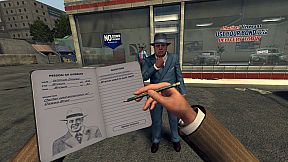
A dedicated notebook serves as the primary tool for organizing findings. Players can jot observations or sketch elements freehand while standing in the virtual space. During interviews, responses from witnesses and suspects must be evaluated in real time, with choices determining whether to press for more information or accept statements at face value.
Game Modes
The experience consists entirely of a single-player campaign built around seven dedicated cases. These draw from the Traffic, Arson, and Homicide desks, plus additional investigations that span the broader narrative of the source material. Each case functions as a self-contained module with its own sequence of crime scenes, interrogations, and confrontations.
Progression follows the structure of the original investigations but has been rebuilt from the ground up for VR interaction. There are no separate multiplayer components or competitive modes. Case selection occurs through the main menu after initial setup, allowing players to tackle the available files in an order that suits their schedule.
Story and Setting
The narrative unfolds against the backdrop of postwar Los Angeles in 1947, a period marked by real historical events involving organized crime, police misconduct, and high-profile unsolved cases. Players encounter a mix of fictionalized characters and situations inspired by those events while piecing together conspiracies that extend beyond individual murders or thefts.
Atmosphere plays a central role, with environments rendered to reflect the visual style of the era through dim lighting, period architecture, and crowded urban spaces. Dialogue and character interactions emphasize the moral ambiguity present in the source story, requiring careful judgment during every conversation.
Technical Requirements
Performance depends on specific hardware combinations. Systems using an AMD Ryzen 7 processor require an NVIDIA GeForce GTX 1070 or better graphics card. Configurations with an AMD Vega 56 card need an Intel Core i7-6700 or higher CPU. Mixing AMD processors and graphics cards is not supported, and the game runs on a single graphics card only, with no compatibility for multi-GPU setups such as NVIDIA SLI or AMD CrossFire.
Additional software elements include login to the Rockstar Games Social Club service for activation and ongoing verification. An internet connection is necessary during initial setup and for periodic checks. The title also installs supporting components such as DirectX redistributables and other runtime libraries.
Is It Worth Playing?
This title suits players who enjoy deliberate, evidence-focused gameplay in a virtual environment rather than fast-paced action. The VR implementation emphasizes physical interaction with objects and realistic movement during investigations, which aligns with the slow-burn pace of detective work.
Hardware compatibility remains a key consideration due to the listed restrictions on processor and graphics pairings. Those with qualifying systems can access the full set of seven cases without additional purchases or expansions. The experience stands alone as a focused VR adaptation rather than a full remake of every original case.
Reception centers on its ability to translate the interrogation and clue-gathering mechanics into VR without major alterations to the underlying logic. It appeals most to fans of narrative-driven single-player titles who already own compatible VR hardware and seek a self-contained story session lasting several hours across the available cases.