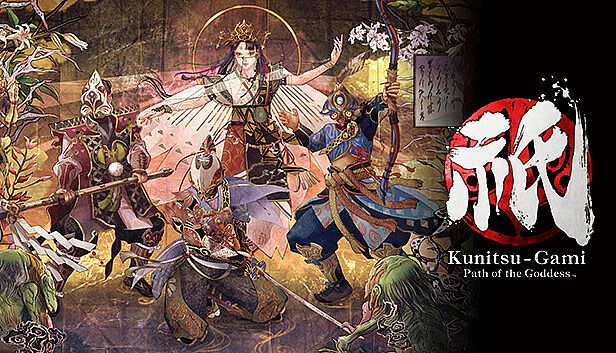



















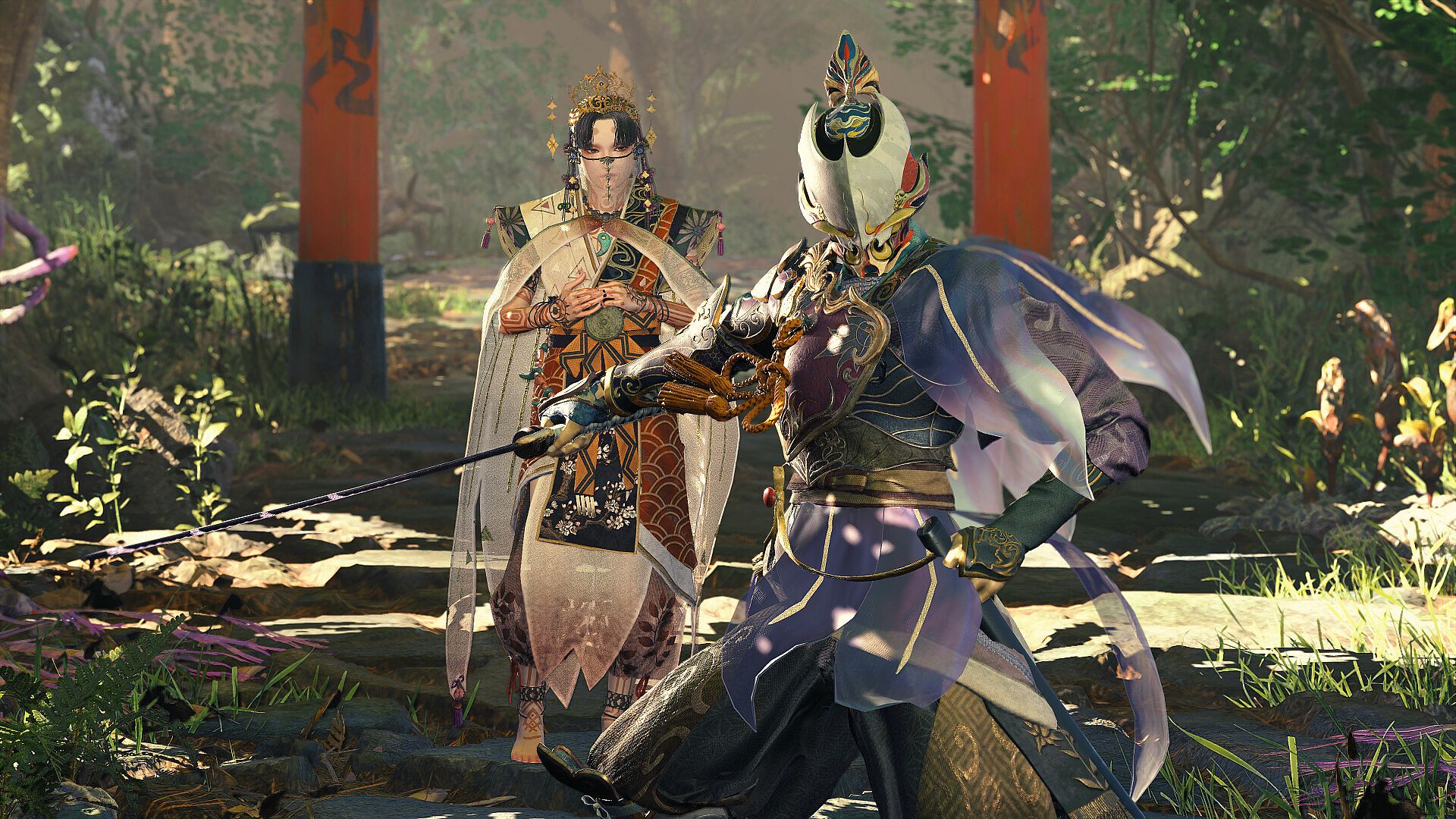

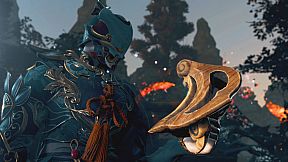
Kunitsu-Gami: Path of the Goddess is a single-player action strategy game developed by Capcom. Players take on the role of Soh, a swordsman tasked with protecting the Maiden Yoshiro as she works to cleanse a defiled mountain of corruption through a repeating cycle of preparation and defense.
Gameplay
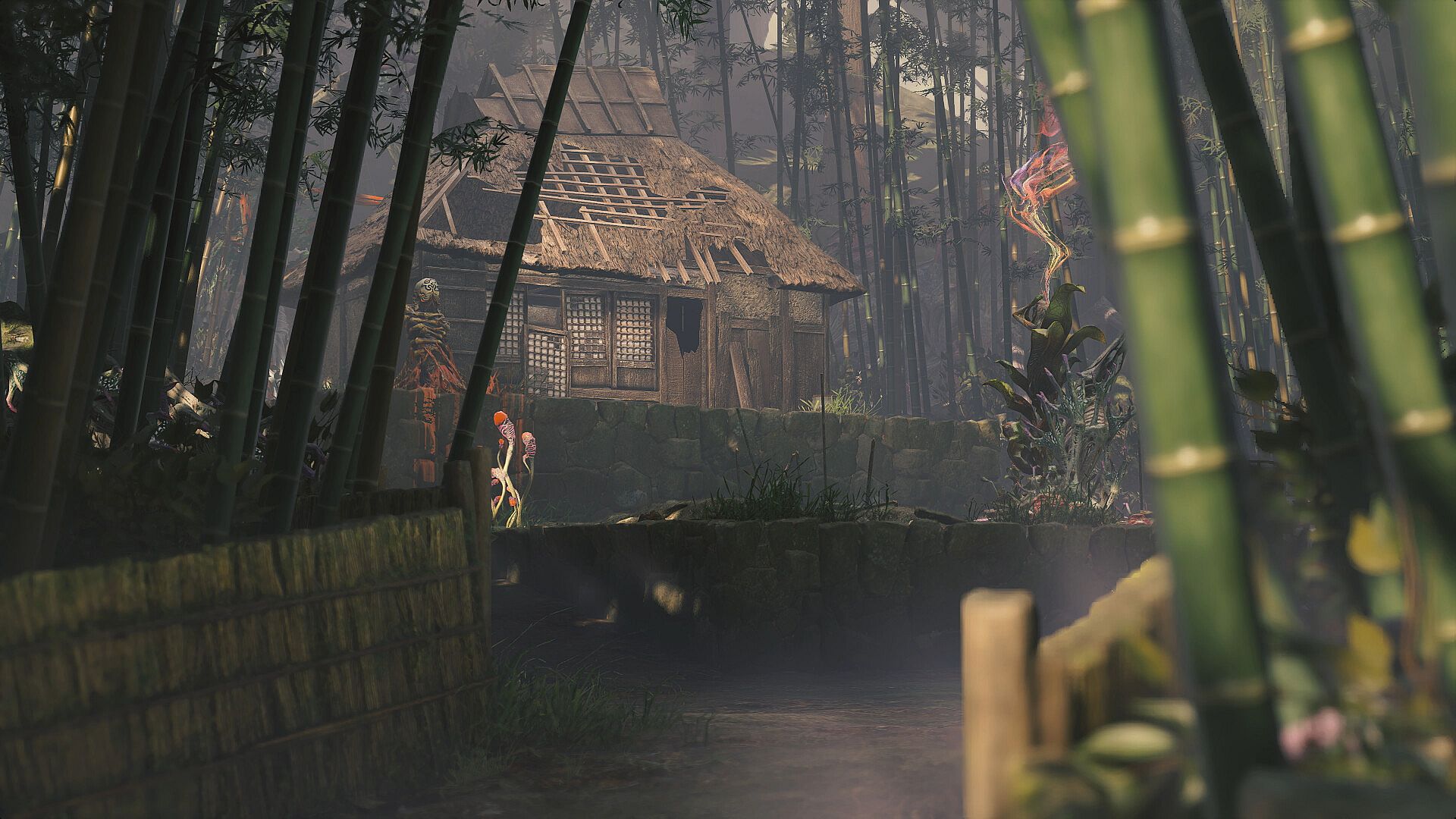
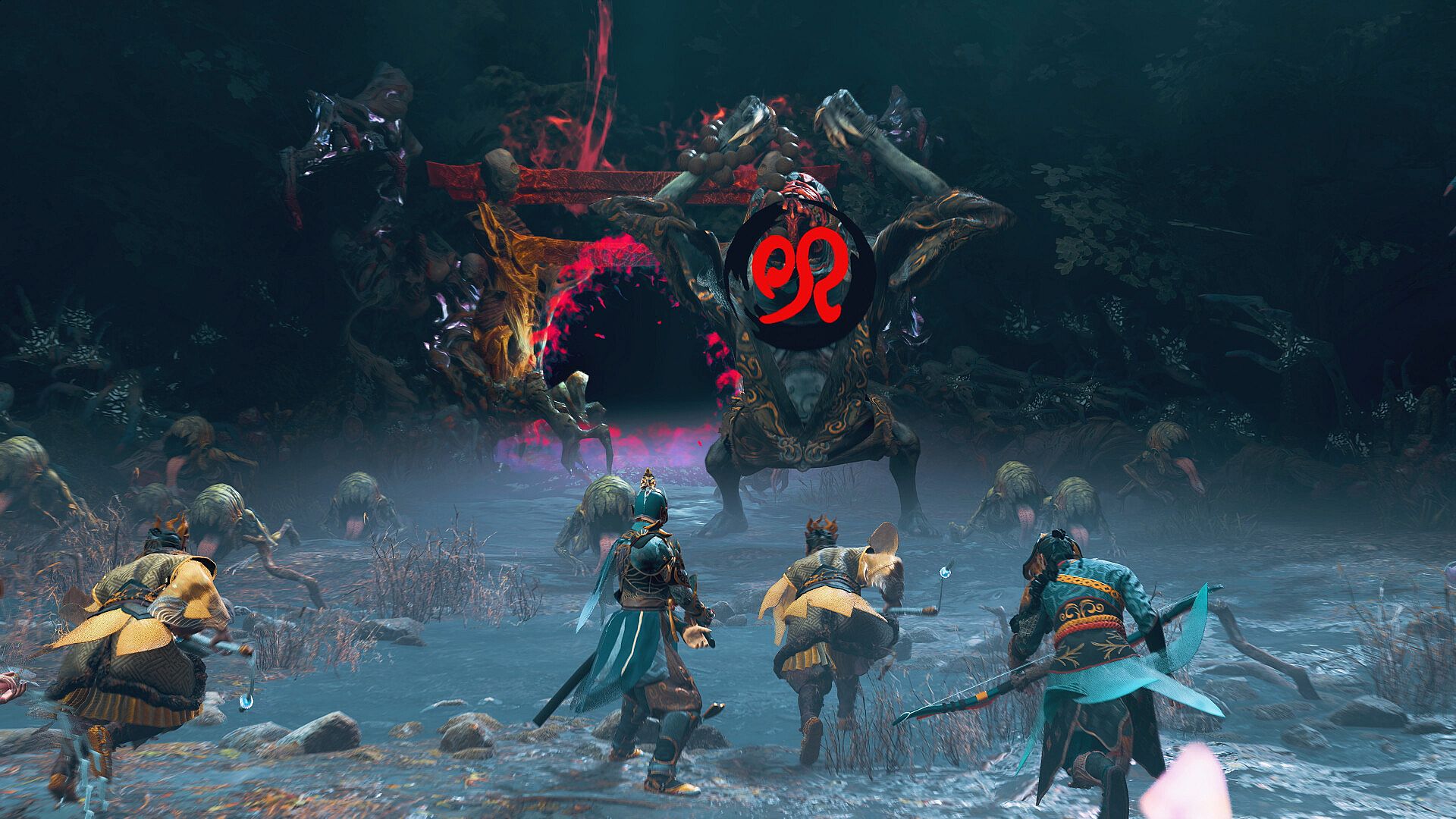
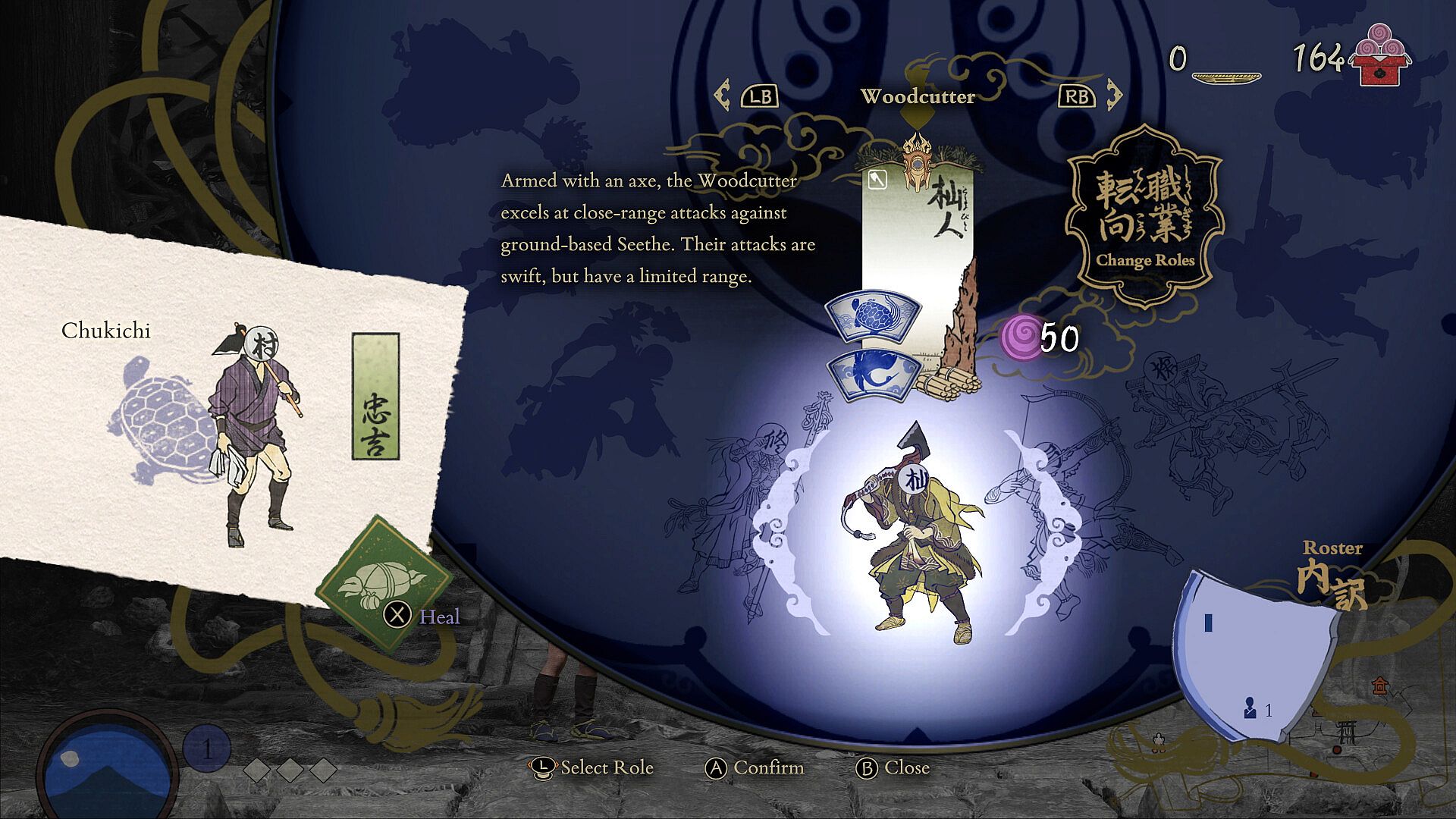
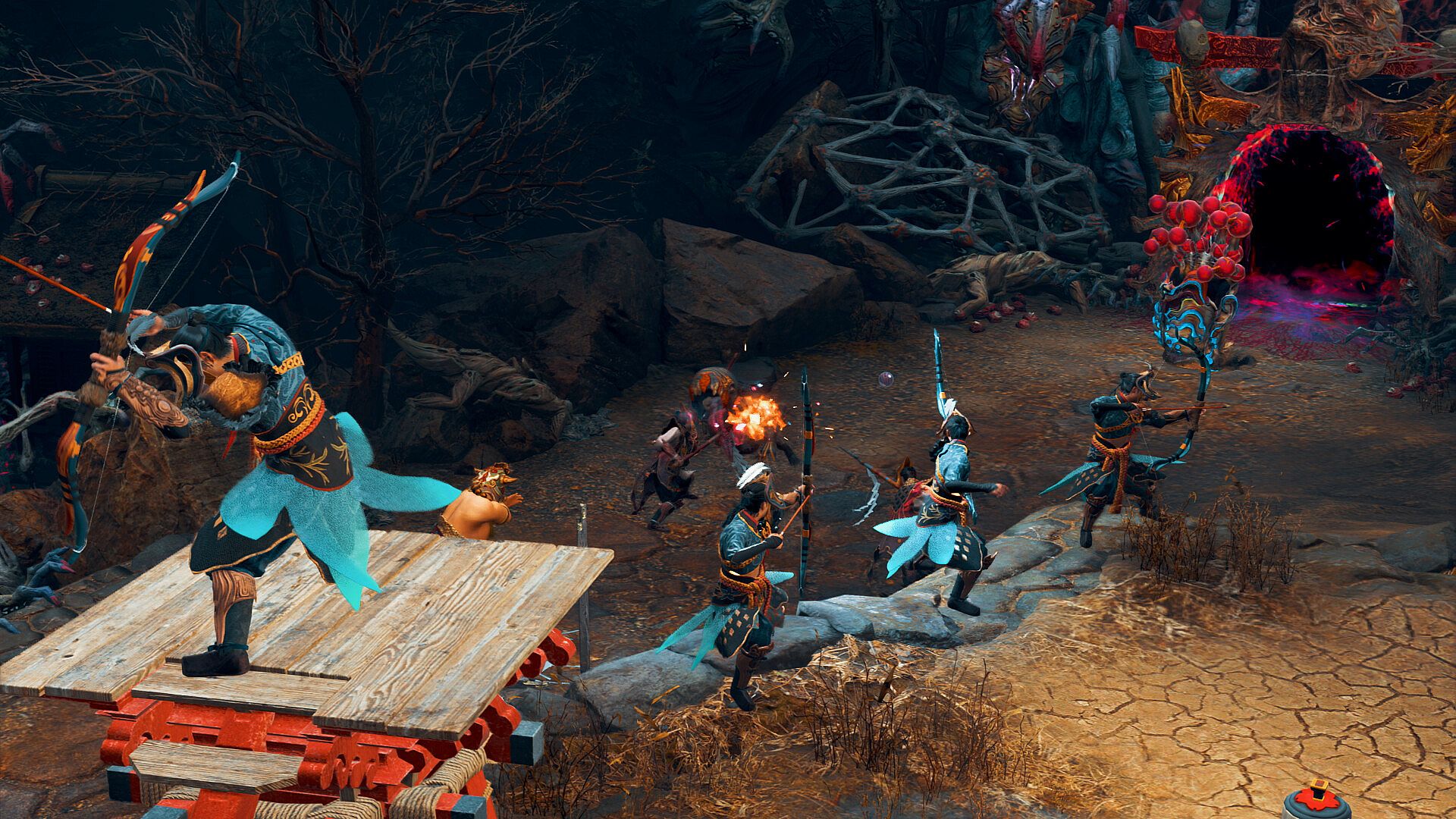
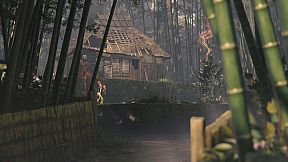
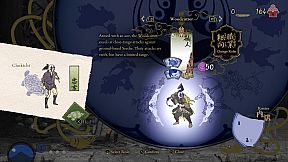
The core loop divides each stage into distinct day and night phases on Mt. Kafuku. During daylight hours, Soh purifies villages and assigns roles to local villagers who have been granted special abilities. These roles determine how the villagers contribute to the upcoming defense, such as setting up barriers or providing support fire. Strategic placement matters because the terrain and enemy paths shift with each location.
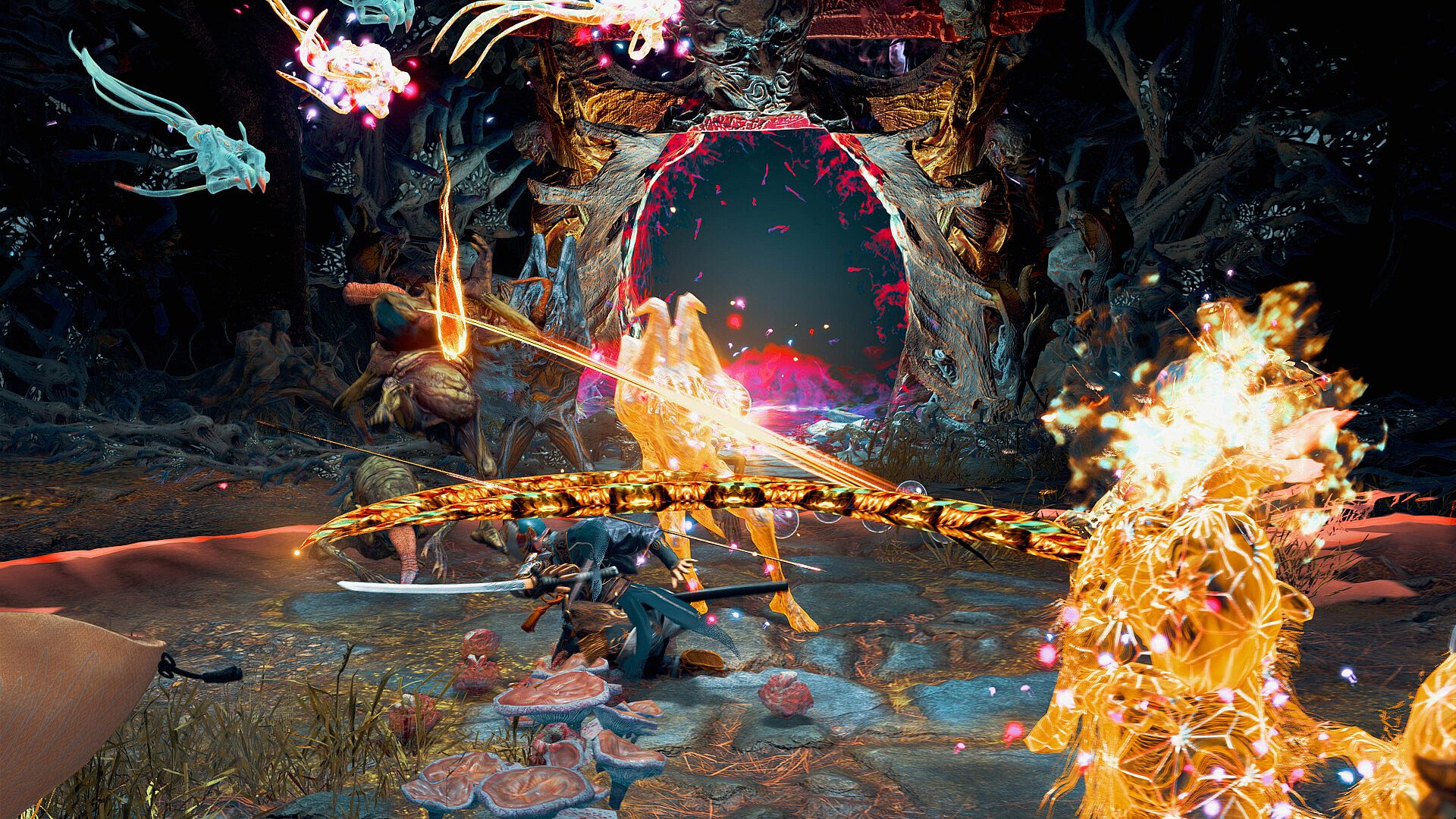
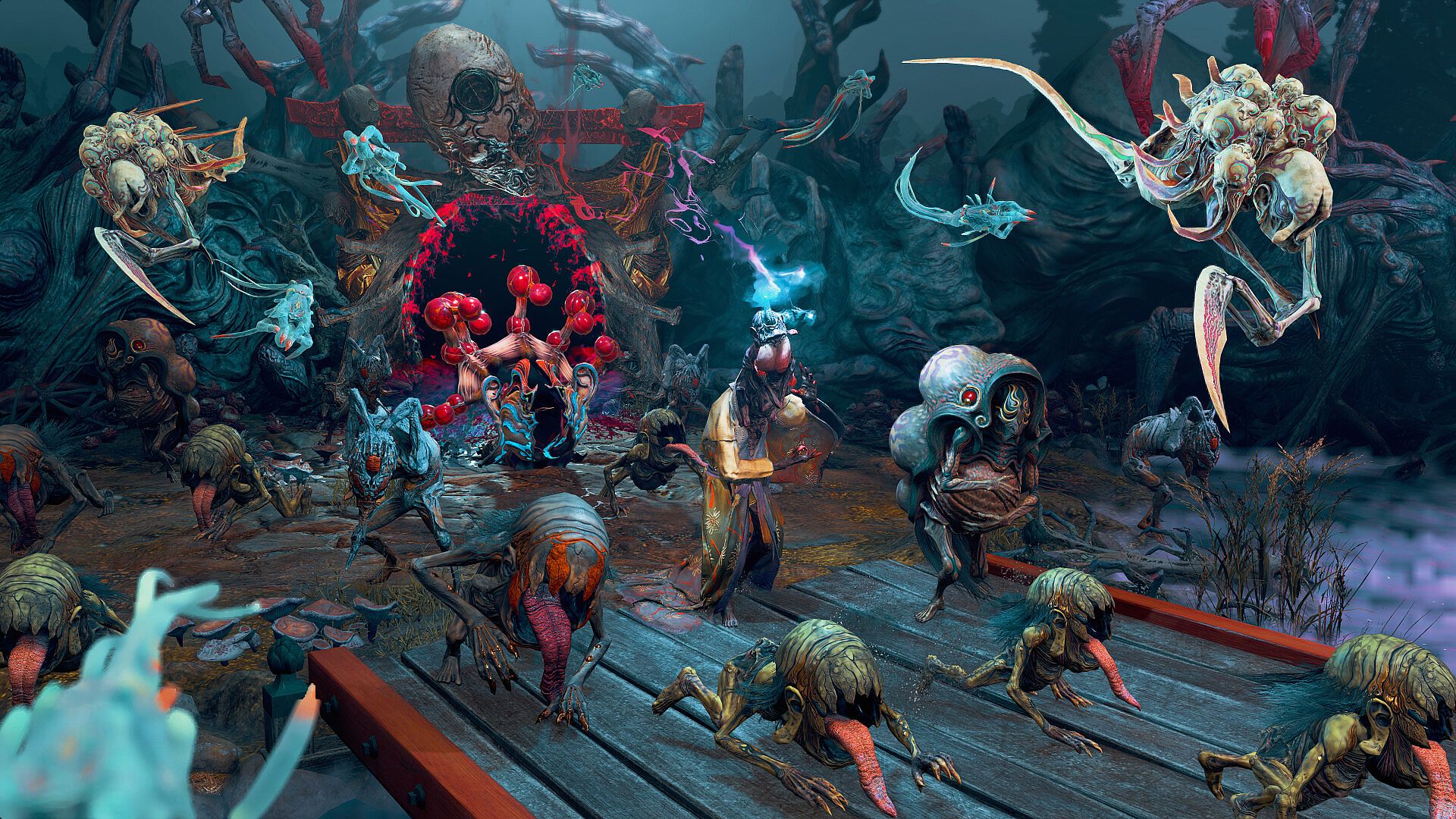
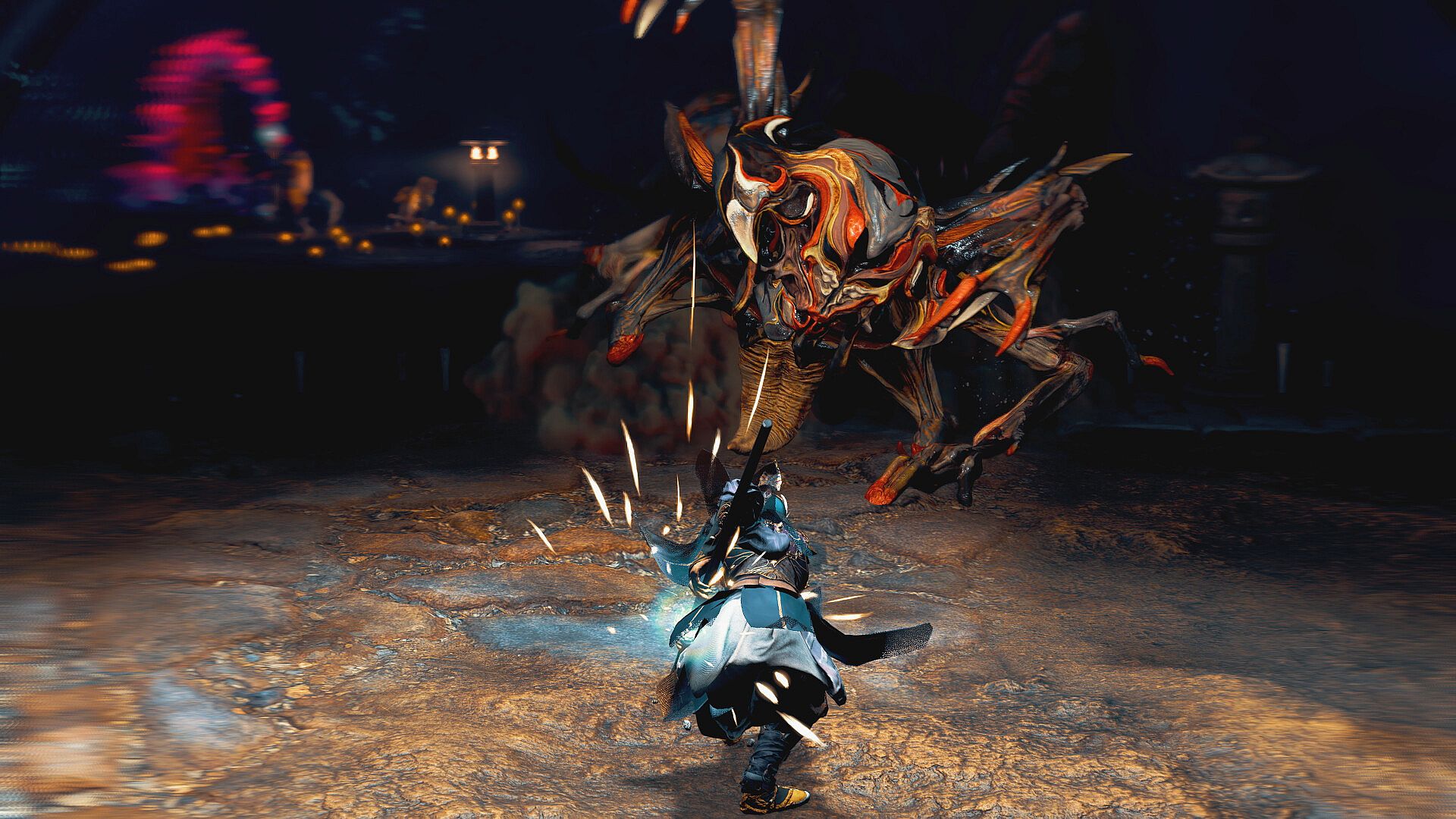
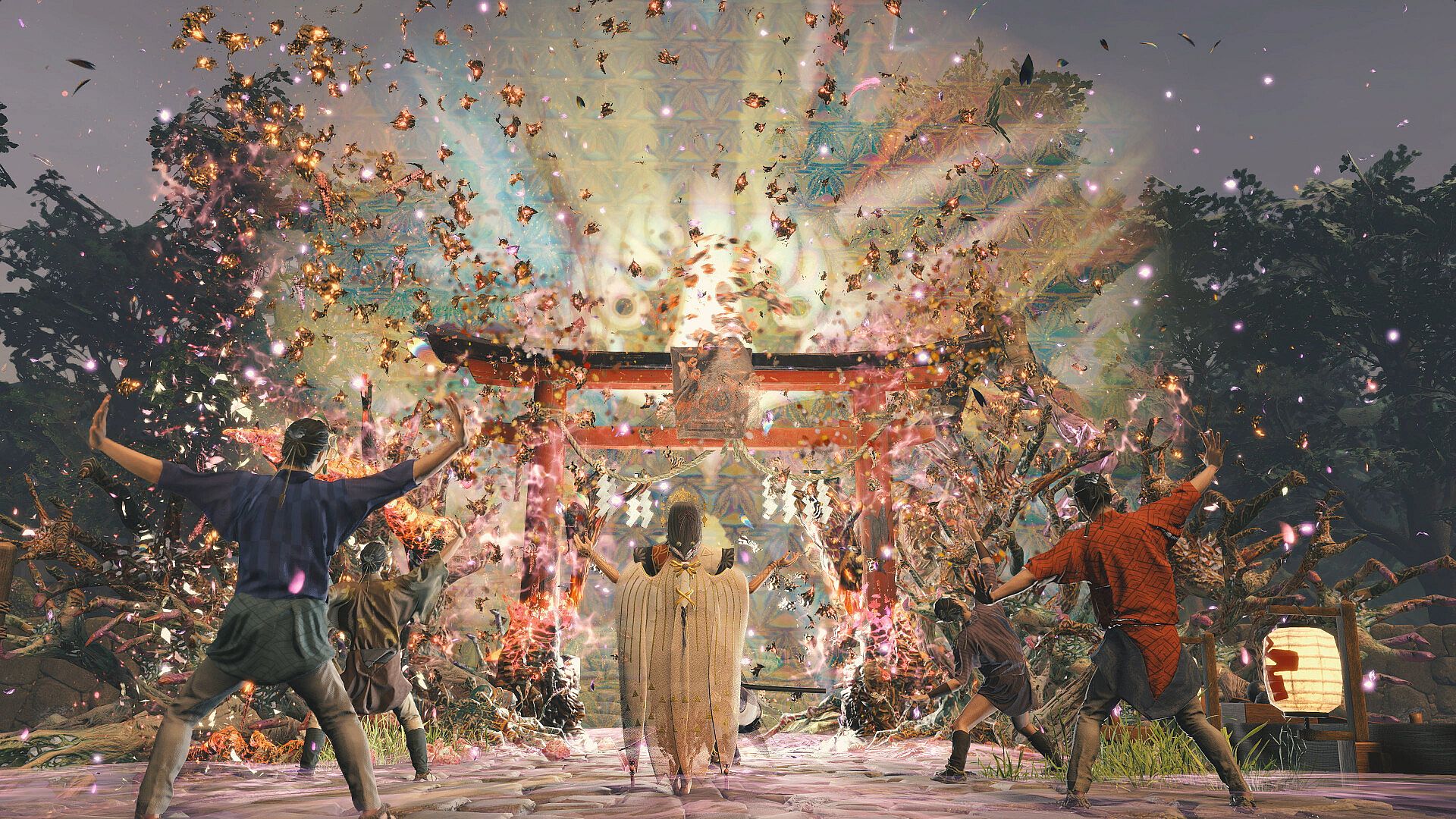
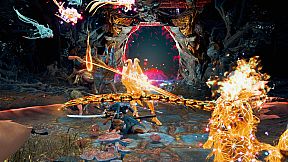
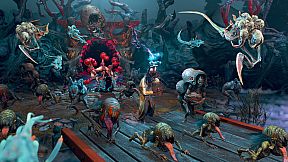
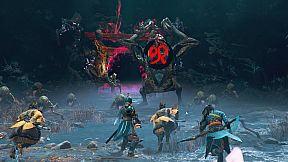
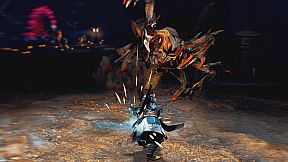
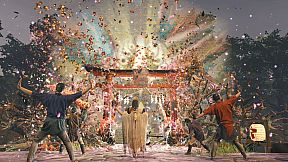
At night the Seethe emerge from Torii gates and advance toward Yoshiro. Soh engages them directly with fluid sword attacks that emphasize timing and positioning to counter varied enemy abilities. Villagers under player control react automatically once positioned, creating a layer of real-time management alongside the melee combat. Surviving until dawn allows Yoshiro to perform her Kagura dance at a Torii gate, removing the defilement and progressing the journey.
The system rewards experimentation with role assignments and focus targets. Constant adjustments during the night phase test both quick decision-making and long-term planning across multiple stages.
Game Modes
The experience consists entirely of a single-player campaign structured around the day-night cycle. There are no separate competitive or cooperative modes. Progress unfolds through sequential stages that introduce new village layouts, enemy types, and role combinations while maintaining the same core loop of purification and protection.
Each stage builds on the previous ones by increasing the complexity of enemy behaviors and the number of available villager roles. Completion requires guiding Yoshiro safely through the mountain until the final purification restores peace to the land.
Story and Setting
The narrative centers on the mountain's corruption and the cultural elements of Japanese folklore woven into the environment. Soh and Yoshiro traverse villages marked by Torii gates, with the Seethe serving as manifestations of the defilement that must be repelled. The story remains focused on the immediate task of cleansing rather than expansive side plots.
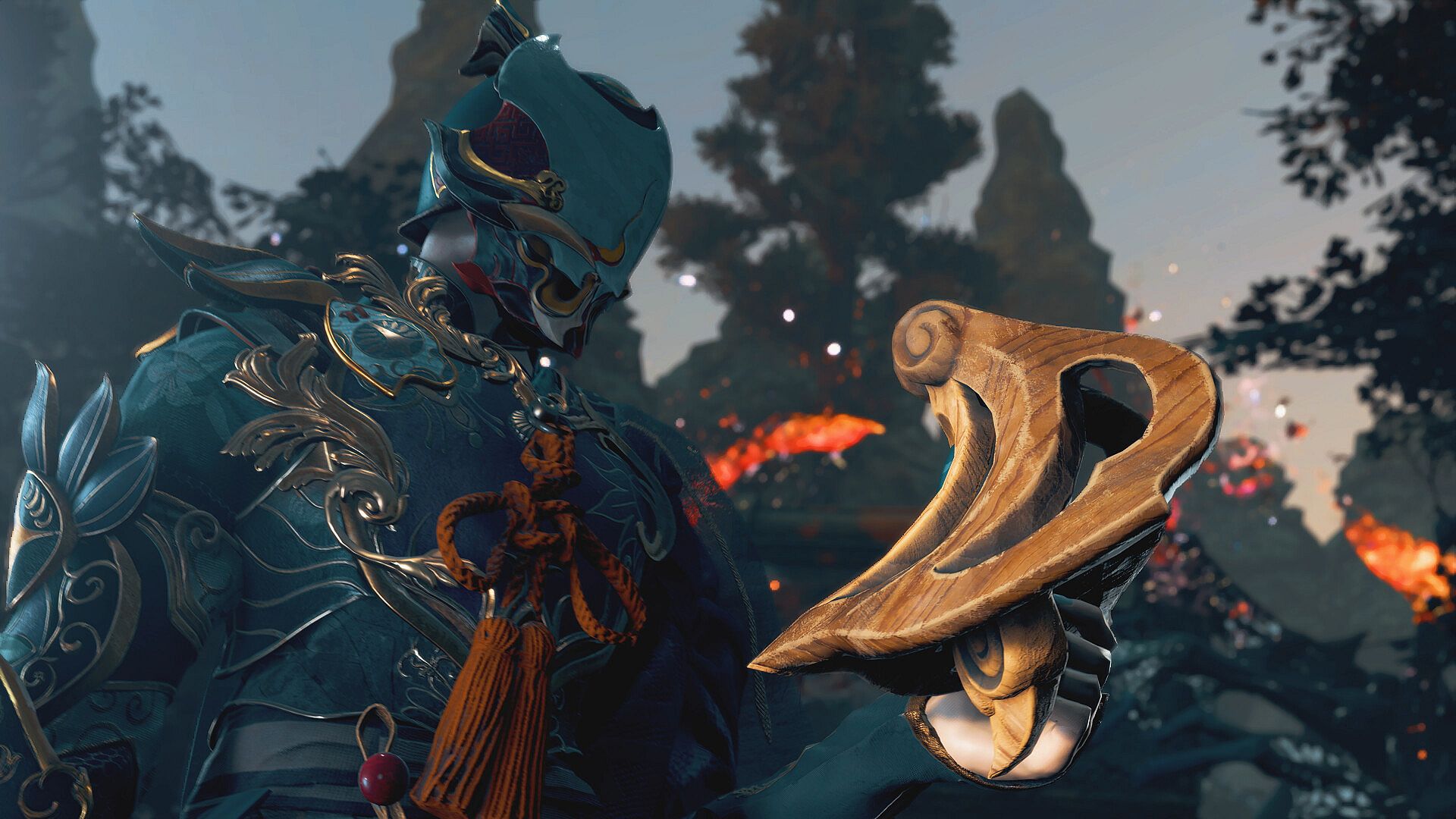
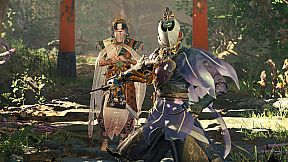
Visual design highlights traditional masks, dance rituals, and atmospheric music that underscore the Kagura theme. Enemy designs vary in attack patterns and appearance, reflecting the director's attention to detail in presenting the otherworldly threat.
Is It Worth Playing?
Player reception has been strongly positive since the July 2024 release, with Steam reviews sitting at Very Positive overall. Critics have praised the innovative blend of real-time action and strategic troop placement, noting its resemblance to games that emphasize unit management alongside direct combat.
The title suits players who enjoy deliberate pacing and tactical choices over fast-paced shooters or open-world exploration. Those drawn to single-player experiences that reward careful preparation and adaptive defense will find the day-night structure engaging across its campaign length. The absence of ongoing seasonal content or multiplayer keeps the focus squarely on the core loop, making it a self-contained package for fans of hybrid action-strategy titles.