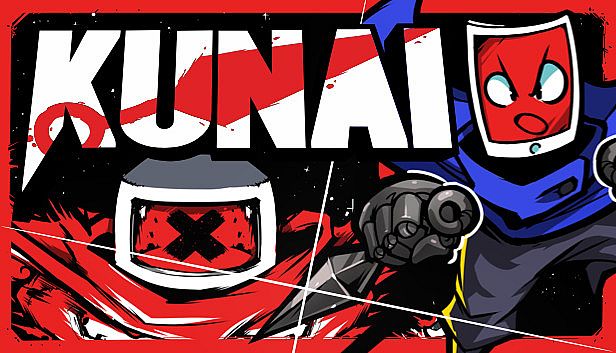











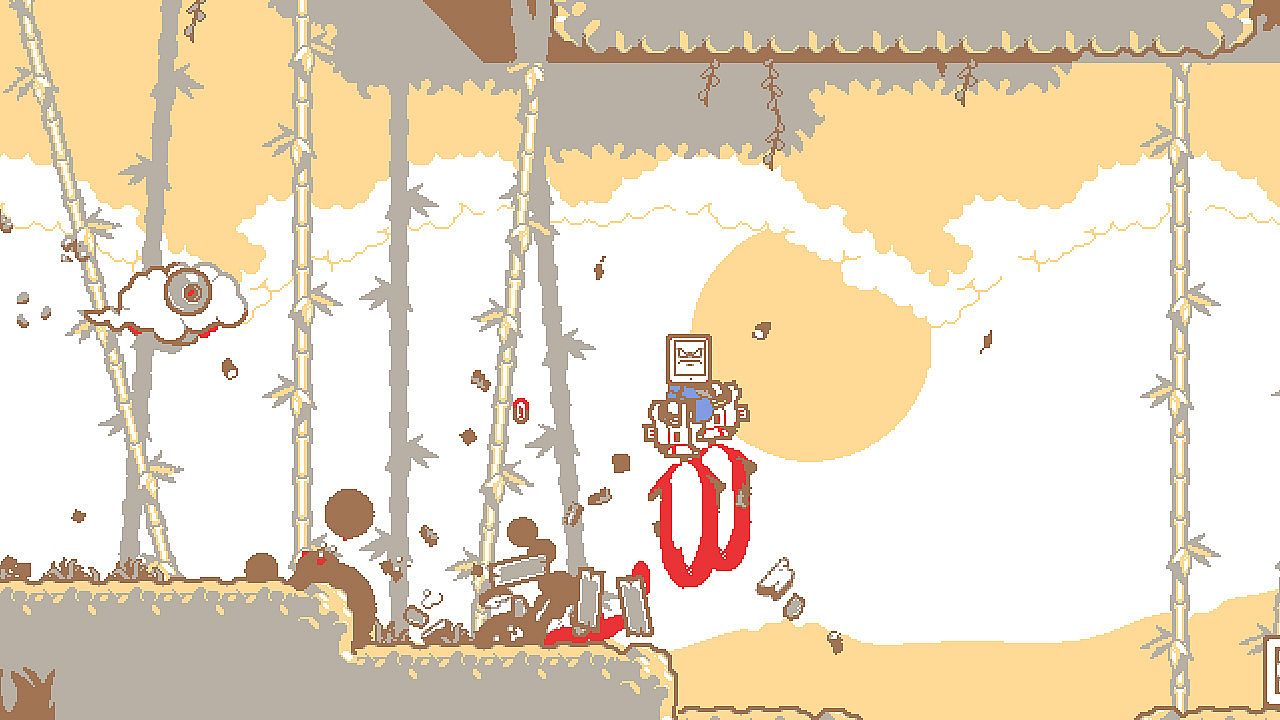
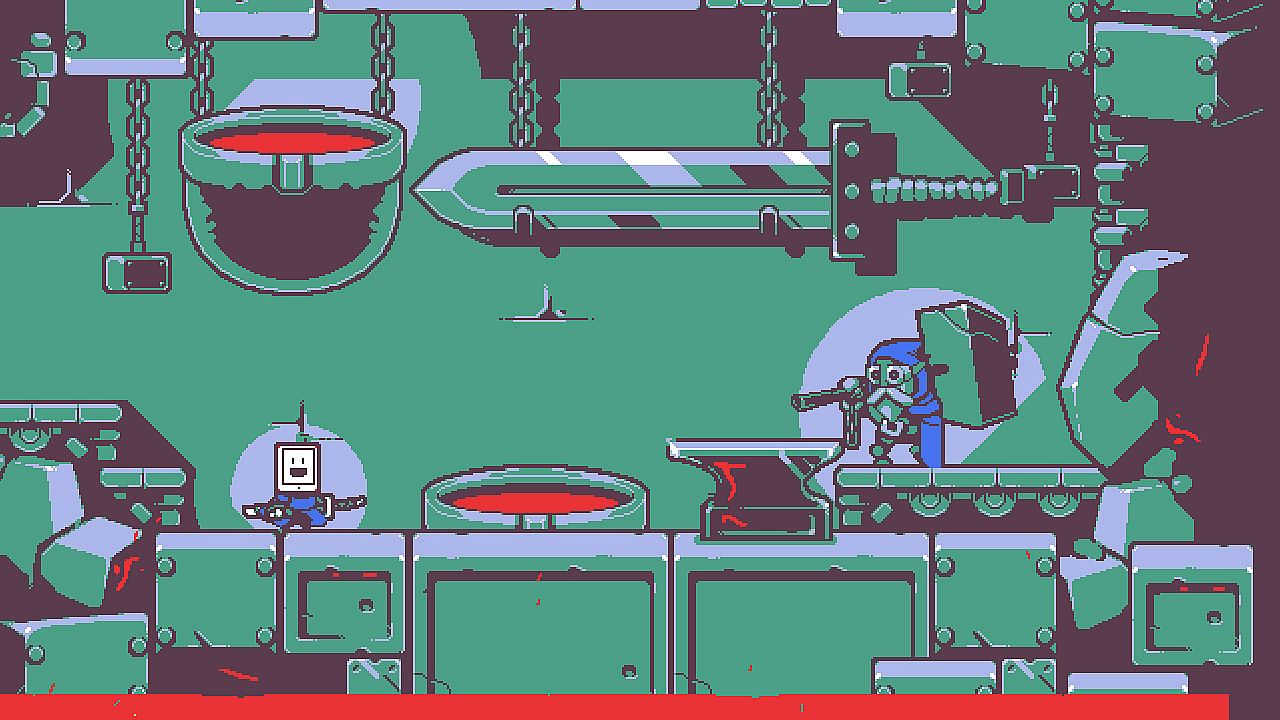
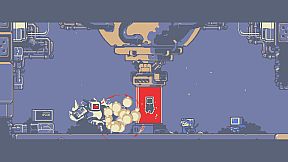
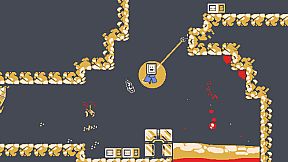
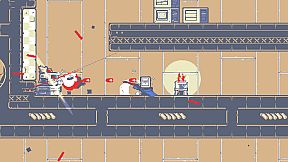
KUNAI is a 2D action platformer with Metroidvania elements that puts players in control of Tabby, a tablet robot infused with the spirit of an ancient warrior. Set in a post-apocalyptic world where the evil A.I. Lemonkus has nearly wiped out humanity and left robots in charge, the game centers on fast movement, precise platforming, and combat against mechanical enemies.
Gameplay
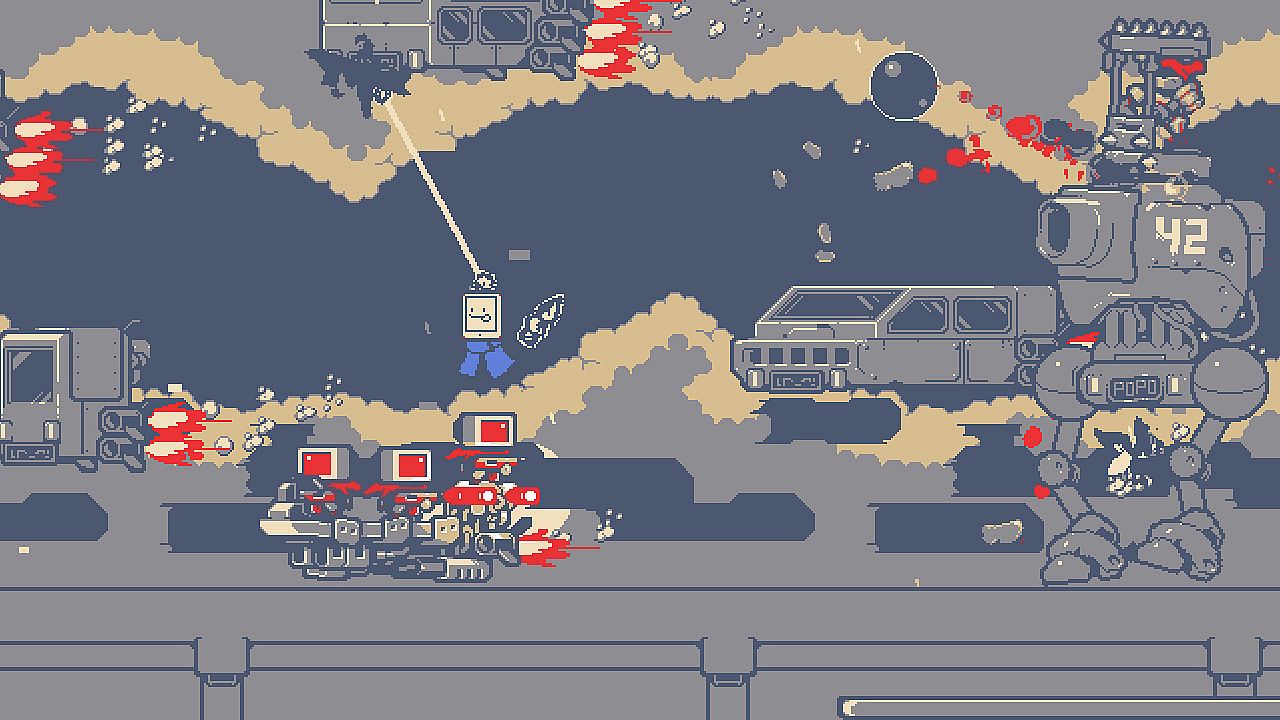
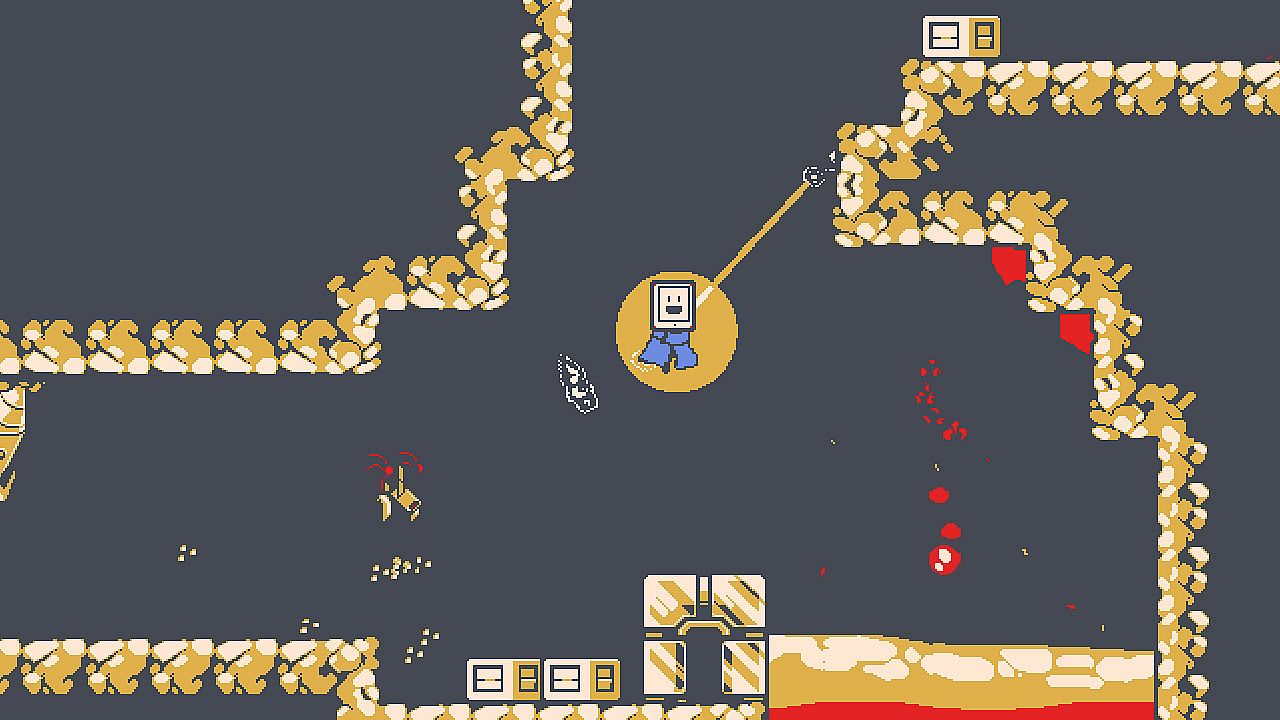
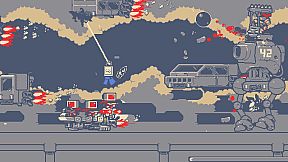
The core loop revolves around exploration and combat in interconnected pixel-art levels. Players begin with basic abilities and grow stronger by defeating robots, which unlocks new weapons, skills, and ninja techniques. Movement feels tuned to the pixel, with a strong emphasis on agility through kunai throws that double as grappling hooks for swinging across gaps and reaching high ledges.
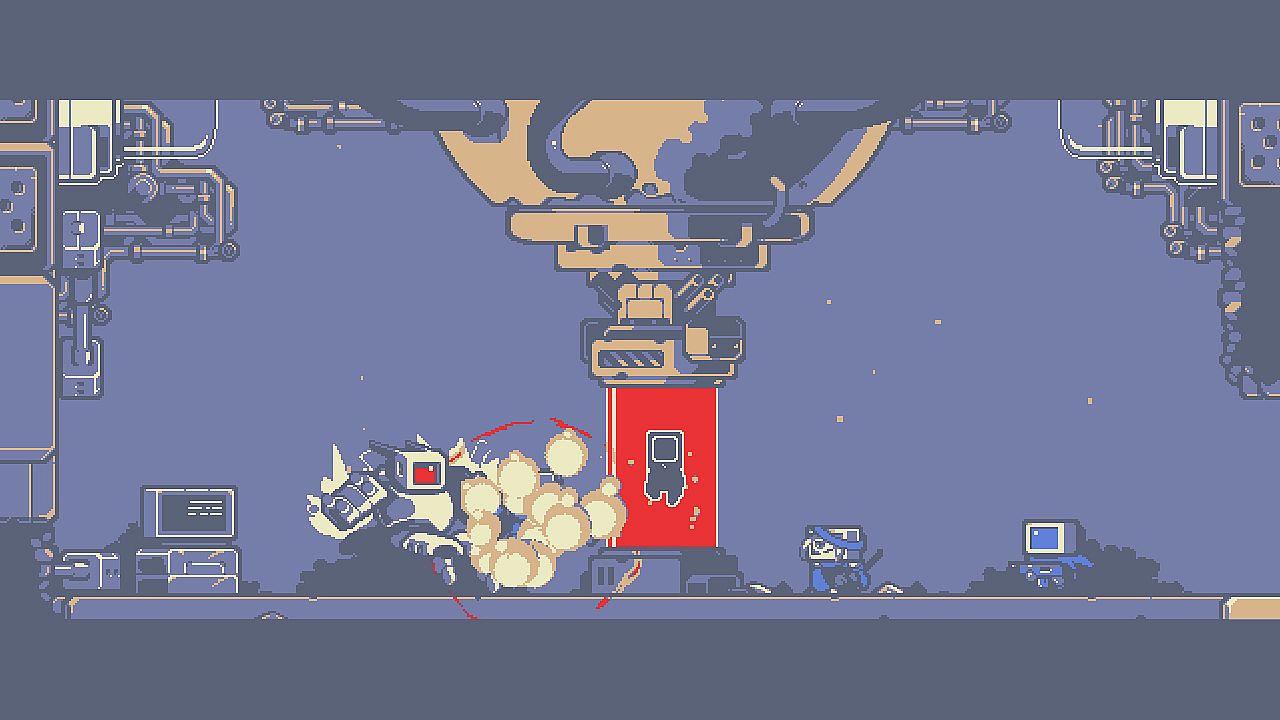
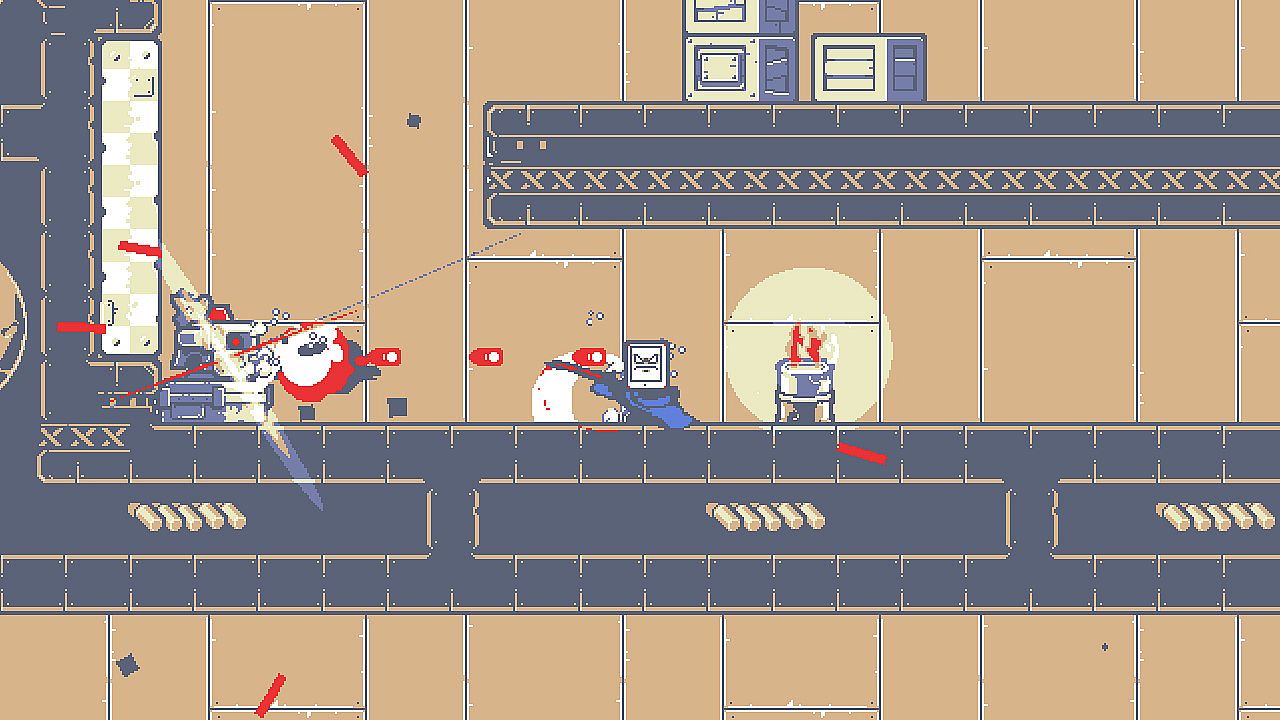
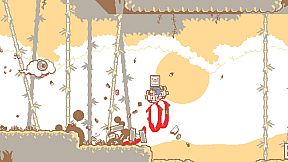
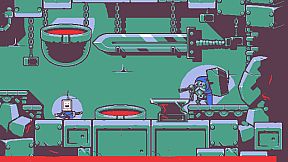
Tabby can perform parkour-style maneuvers that let the character access areas ordinary robots cannot reach. Combat mixes melee slices with ranged options, encouraging players to chain attacks while dodging enemy patterns. Environments vary from ruined cities and floating airships to artificial deserts, each rendered in its own limited color palette that evokes classic handheld and console games.
Hidden passages and optional areas reward thorough searching, while character interactions with both friendly and hostile robots add personality to the journey. Screenshake during explosions can be disabled for those who prefer a calmer experience.
Game Modes
KUNAI offers a single-player campaign focused on progression through a connected world. There are no separate multiplayer modes or competitive elements. The experience centers on a linear yet exploratory story path where players advance by clearing areas, collecting upgrades, and confronting key figures including the antagonist Lemonkus.
Progression systems tie directly into the main adventure, with ability unlocks and weapon variety serving the single campaign rather than branching into distinct modes. Players complete the journey at their own pace, revisiting earlier sections with new tools to uncover secrets.
Exploration and Progression
The world design encourages backtracking once new mobility options become available. Each zone features distinct visual tones and layouts that support both platforming challenges and combat encounters. Secrets often hide behind precise jumps or grappling sequences, rewarding players who master the movement system.
Upgrades come from defeating enemies and exploring thoroughly. This creates a steady sense of growth as Tabby gains more options for traversal and offense. The structure blends directed objectives with open-ended discovery across the varied environments.
Art, Sound, and Presentation
Pixel art stands out through minimal palettes that change per area, giving each location a unique identity while keeping the overall style cohesive. Tabby's expressive animations, including cute facial reactions, add charm during movement and combat.
The soundtrack draws from 16-bit influences with energetic tracks that match the pace of platforming and fights. Sound effects emphasize satisfying impacts and explosions without overwhelming the experience.
Is It Worth Playing?
KUNAI suits players who enjoy precise 2D platformers and Metroidvania-style exploration with strong emphasis on movement mechanics. The game launched in 2020 and maintains a Mostly Positive reception on its primary distribution platform, with reviewers highlighting the smooth controls and enjoyable combat loop.
Those seeking a compact single-player adventure with satisfying progression and retro-inspired visuals will find it aligns well with that preference. The absence of ongoing seasons or live-service updates means the experience remains as released, focused entirely on the core campaign. If smooth grappling and pixel-perfect platforming appeal, the title delivers consistent enjoyment throughout its length.