
























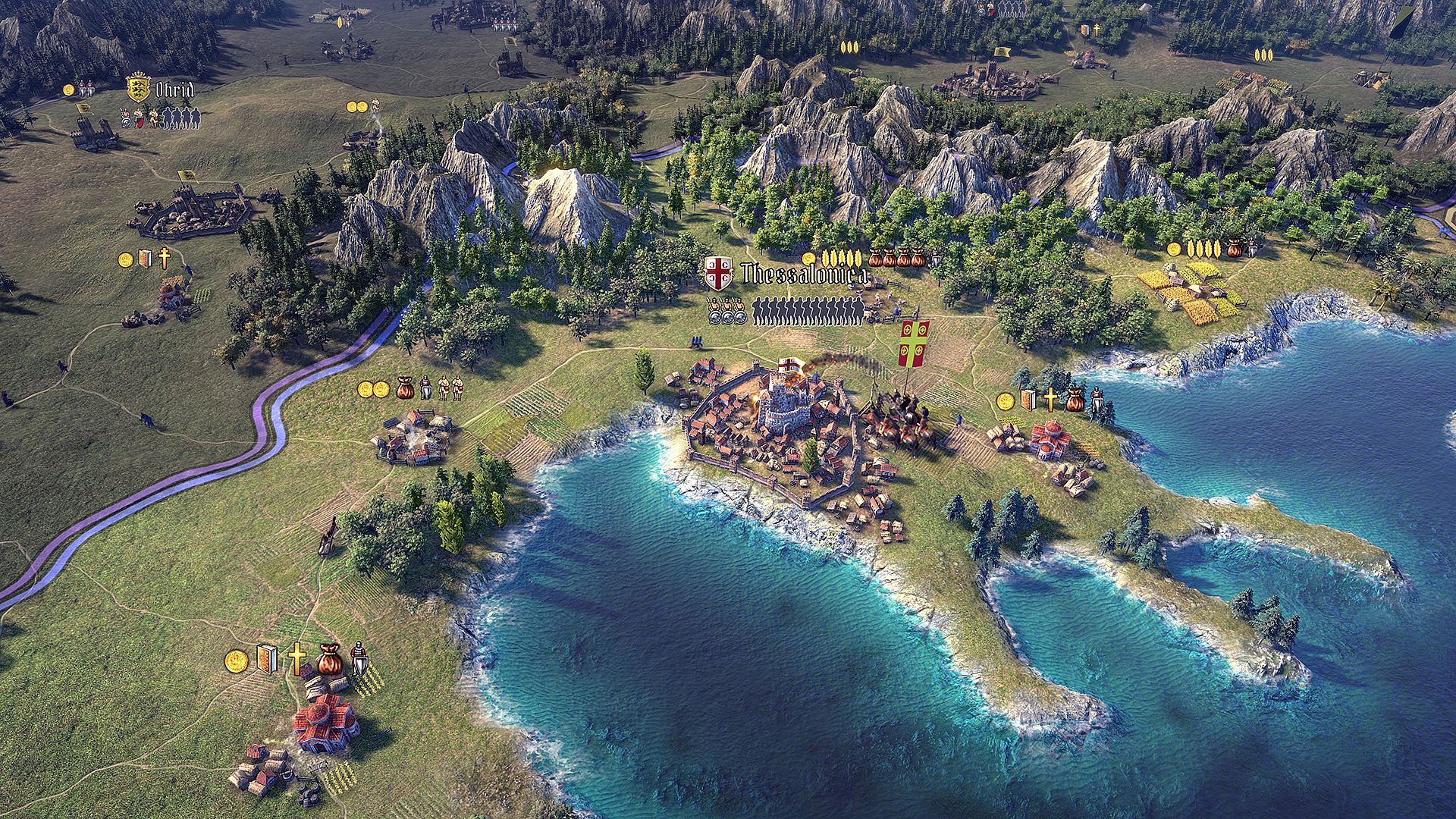
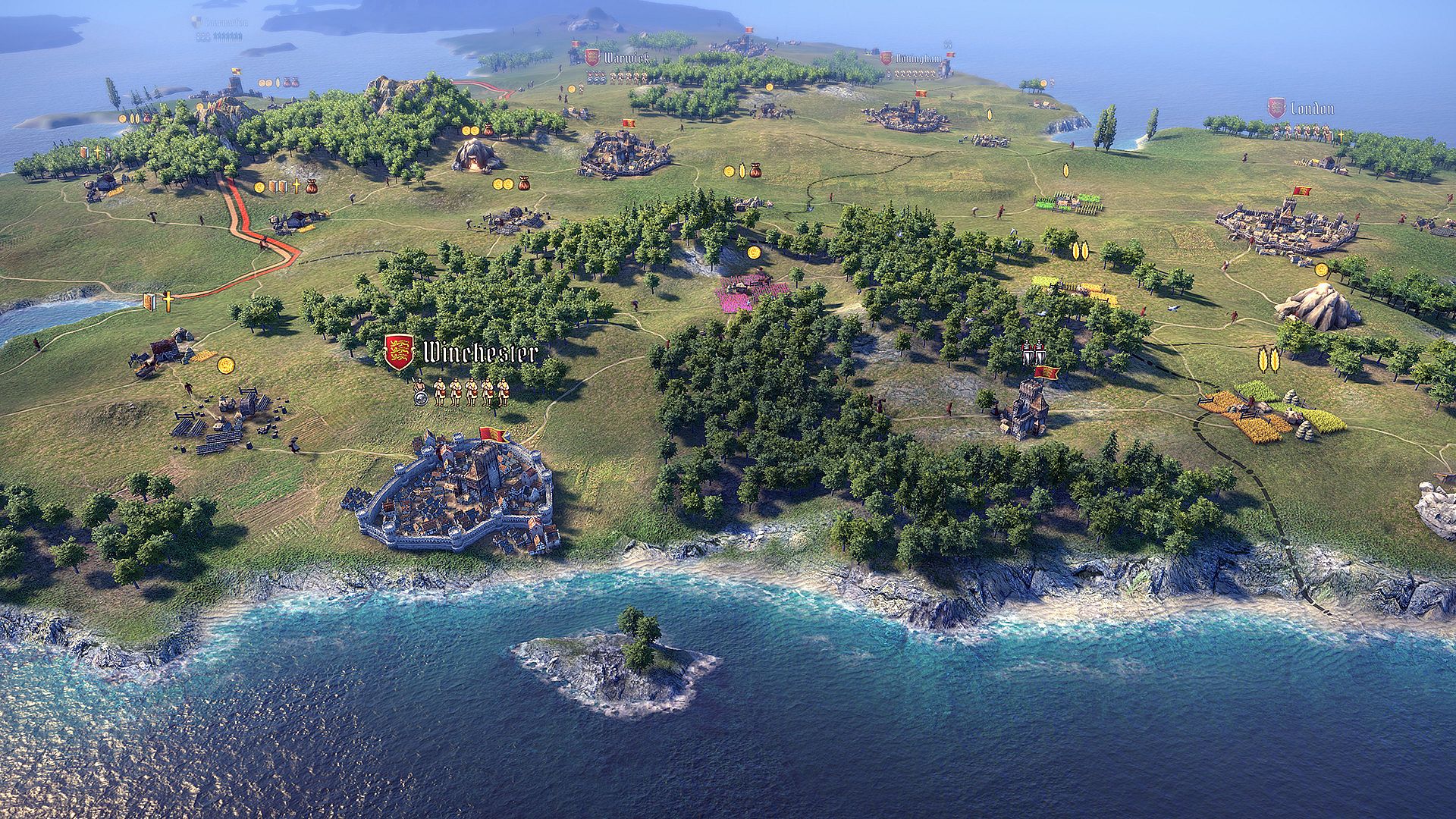

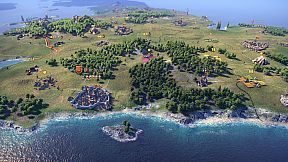

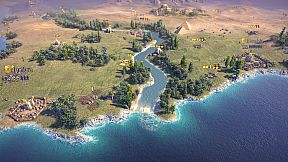
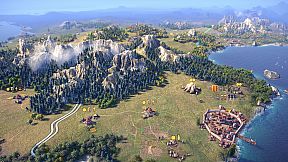
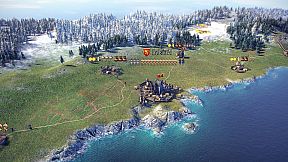
Knights of Honor II: Sovereign is a real-time grand strategy and simulation game set in medieval Europe. Players take control of one of many historical kingdoms and work to expand influence through a combination of military campaigns, economic management, diplomacy, and court appointments. The experience runs continuously without turns, allowing the medieval world to progress in real time across hundreds of provinces.
Gameplay
The core loop centers on managing a kingdom's development while pursuing long-term goals. Provinces produce goods and support military units, and players must balance economic growth with the needs of their armies. Over one hundred different unit types are available, including specialized infantry, archers, cavalry, and siege equipment drawn from various cultures across the map.
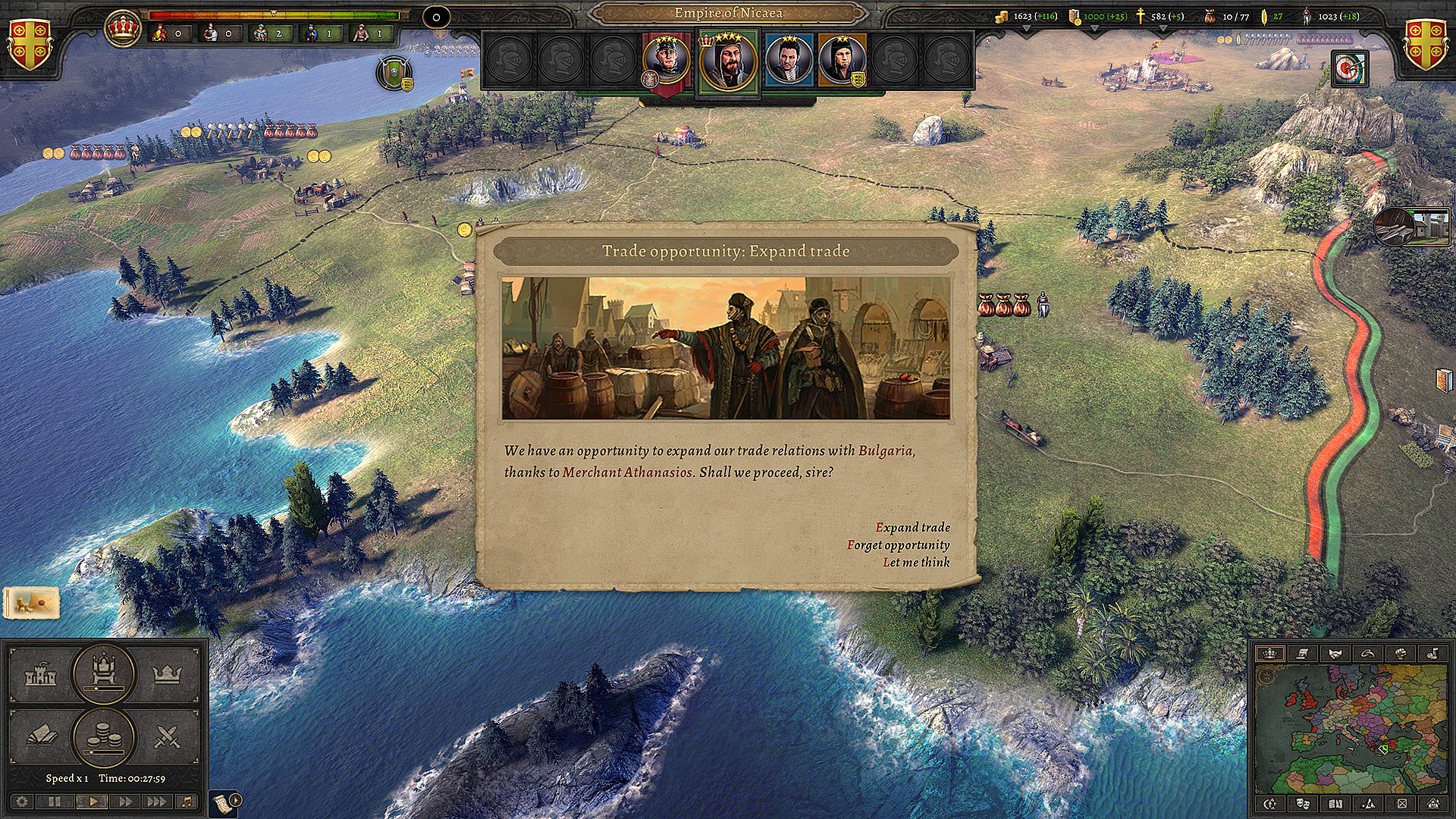
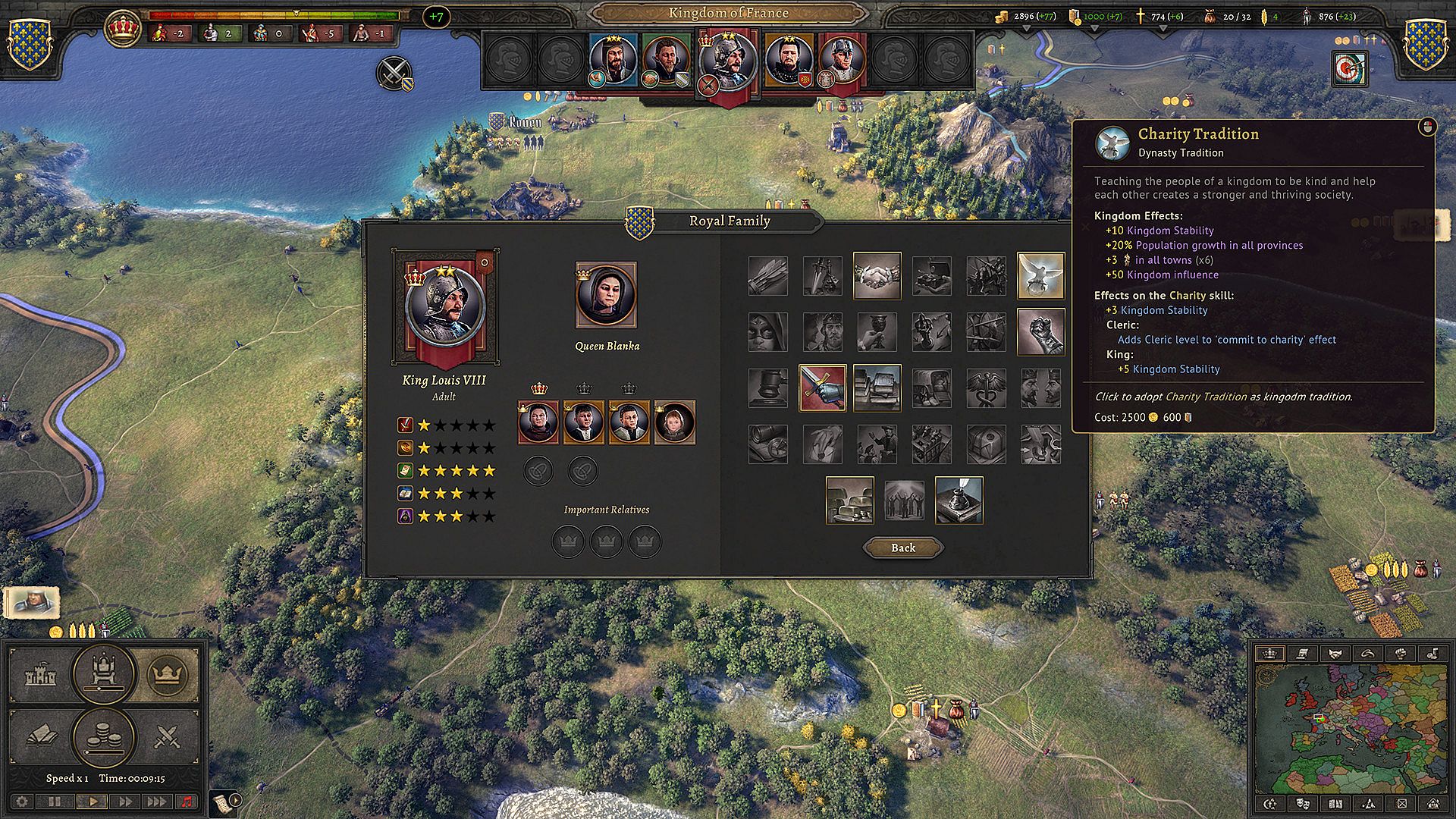
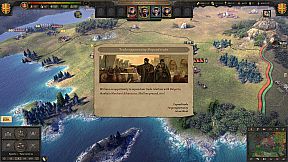
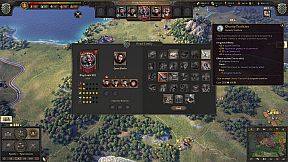
A key system involves the royal court. Players appoint five types of knights to key roles. Marshals handle army leadership and field command. Diplomats manage alliances and marriages. Merchants focus on trade routes and resource imports. Clerics influence culture, education, and population happiness. Spies enable covert actions such as bribery or stirring unrest in rival territories. These appointments shape the overall approach, whether aggressive expansion or subtle manipulation.
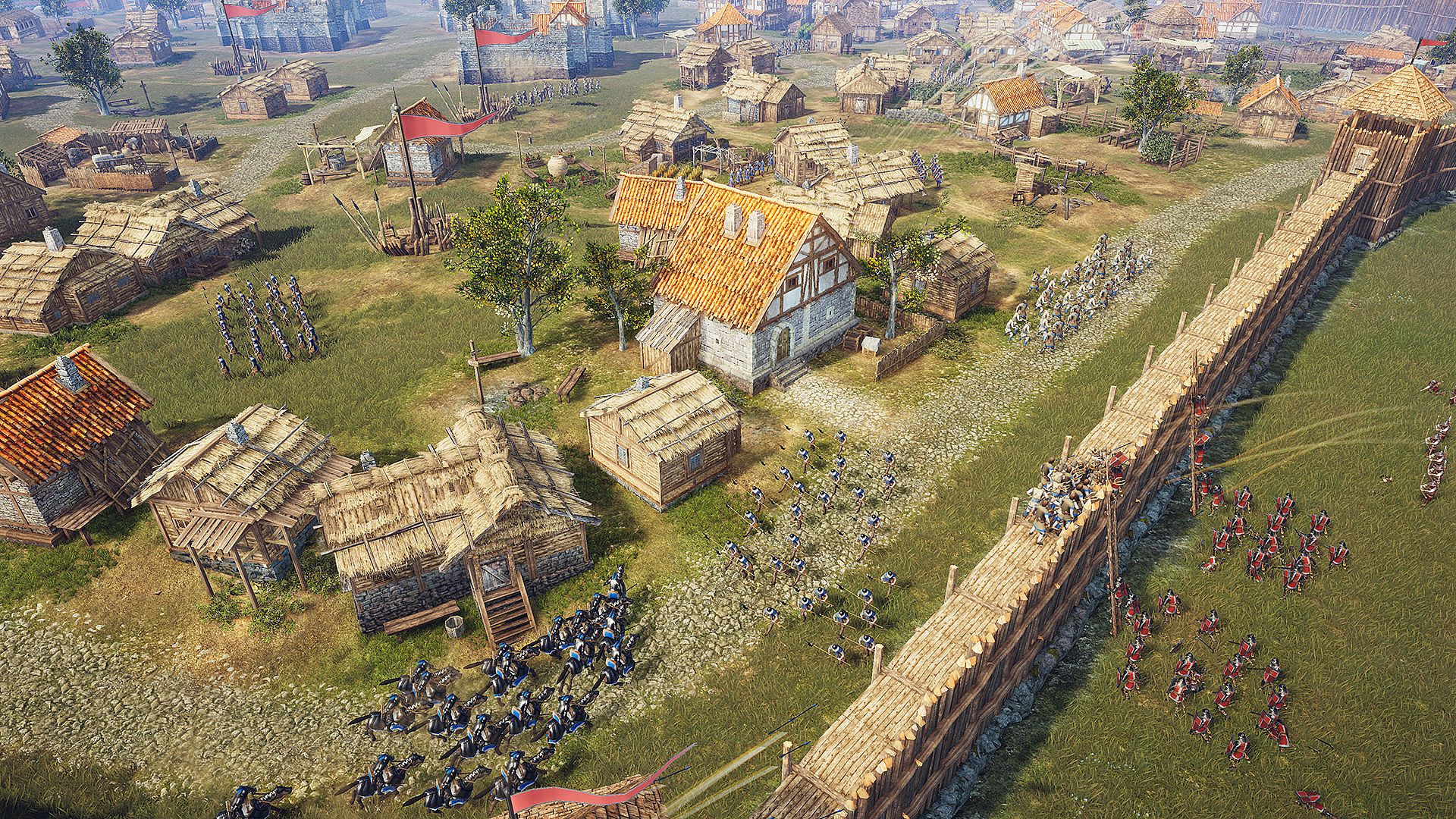
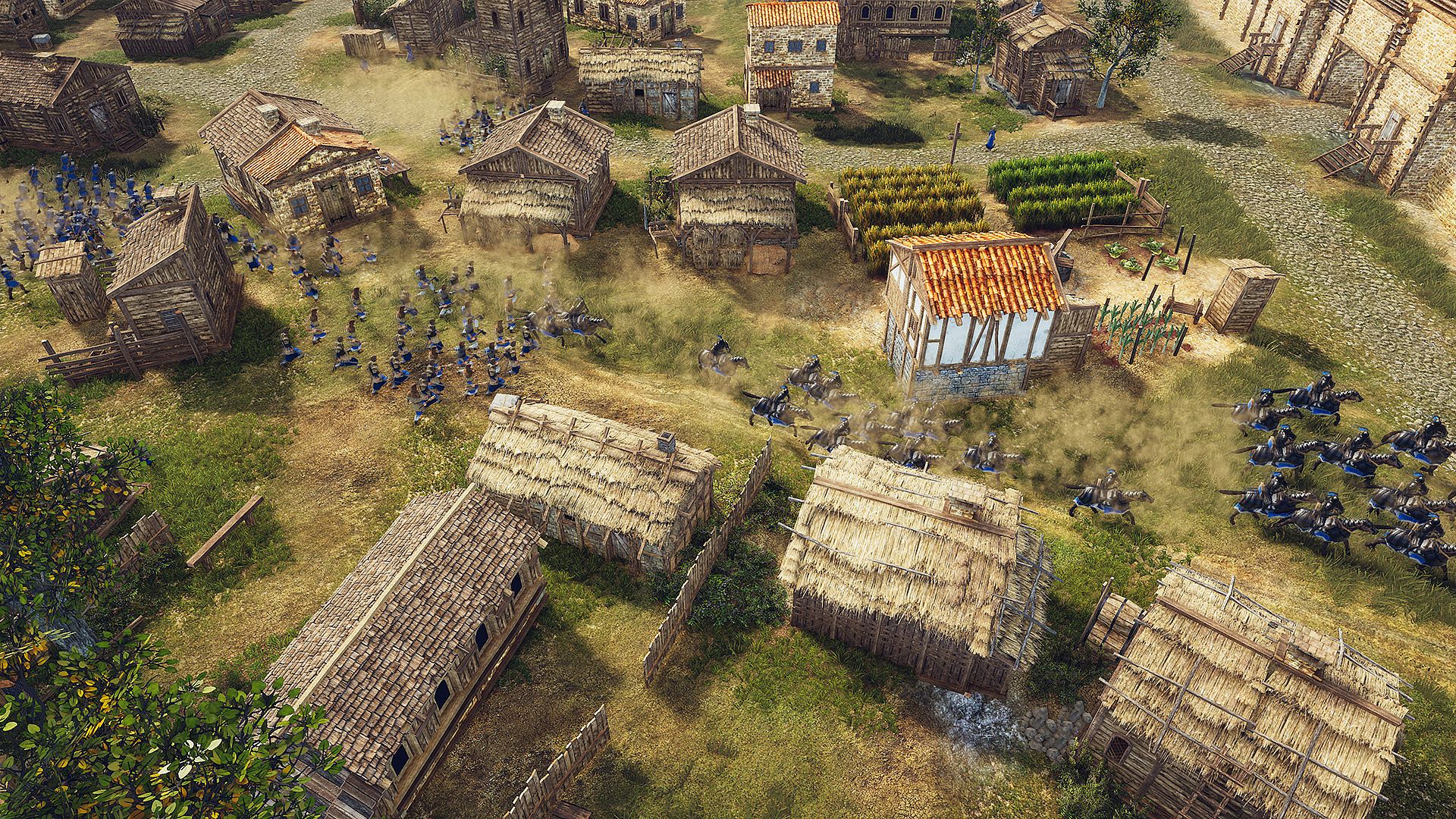
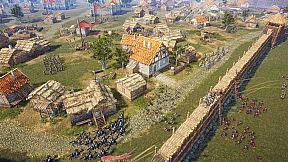
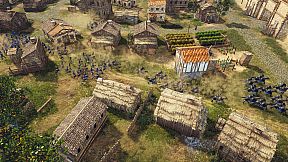
Combat offers two layers. On the strategic map, armies move and engage in larger conflicts. When battles occur, players can opt for direct control in real-time strategy engagements that include field fights and sieges, with support for up to four armies on the battlefield at once. Province management includes building infrastructure to boost production and stability, while careful attention to supply lines and rebellions becomes necessary after conquests.
Game Modes
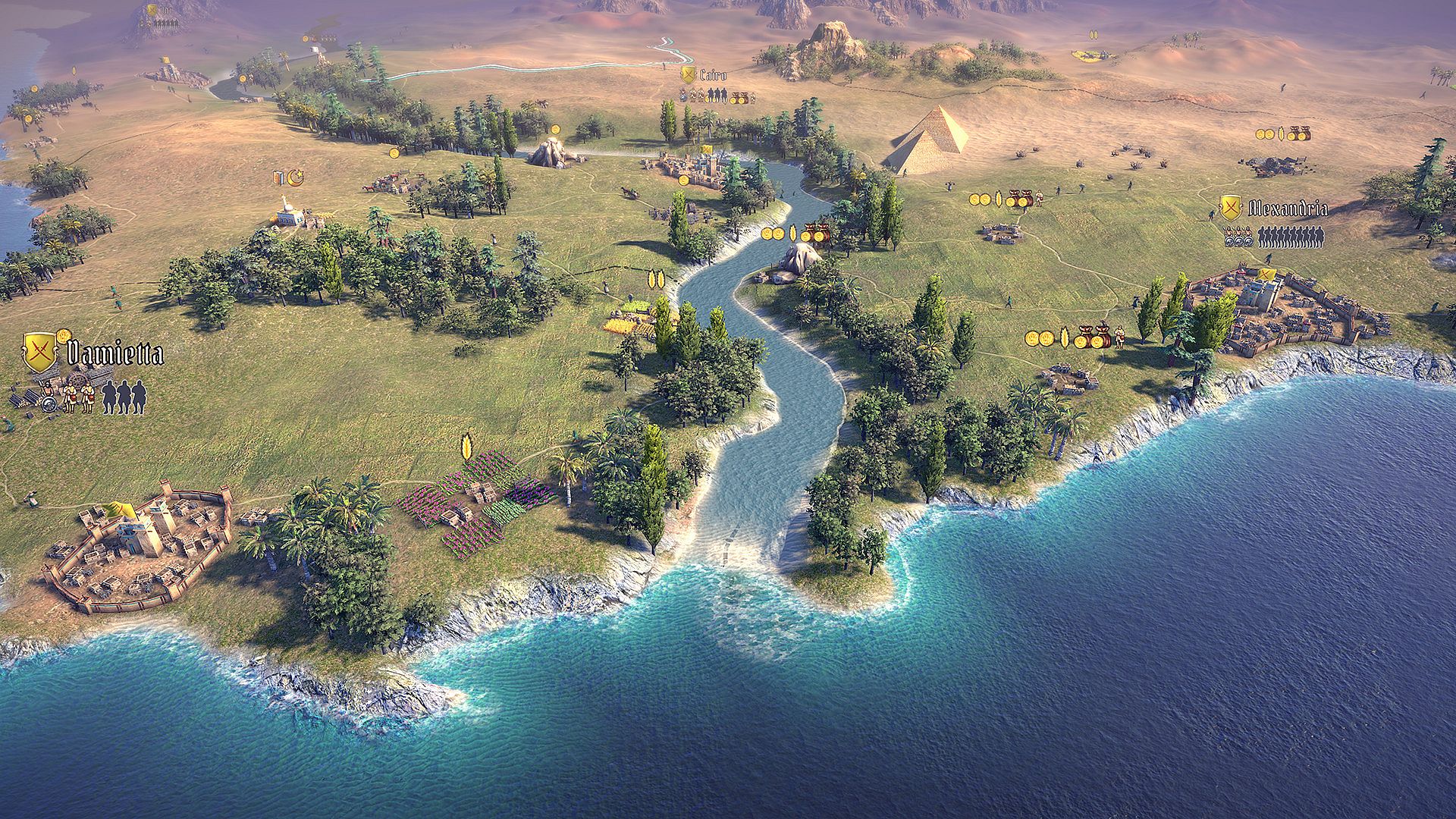
Single-player campaigns allow selection from more than two hundred starting kingdoms spread across Europe, North Africa, and parts of Asia. Players choose starting eras and difficulty settings before beginning expansion across the map. The real-time nature means events unfold continuously, requiring ongoing decisions about court appointments, trade, and military movements.
Multiplayer supports up to six participants. Options include cooperative play to conquer the world together or competitive matches in team or free-for-all formats. Several alternative victory conditions are available beyond standard domination, such as Peasant Rush, War for Goods, and First Blood. Match length can be limited by a set timer or by the number of sovereign generations that pass.
Kingdom Selection and Scale
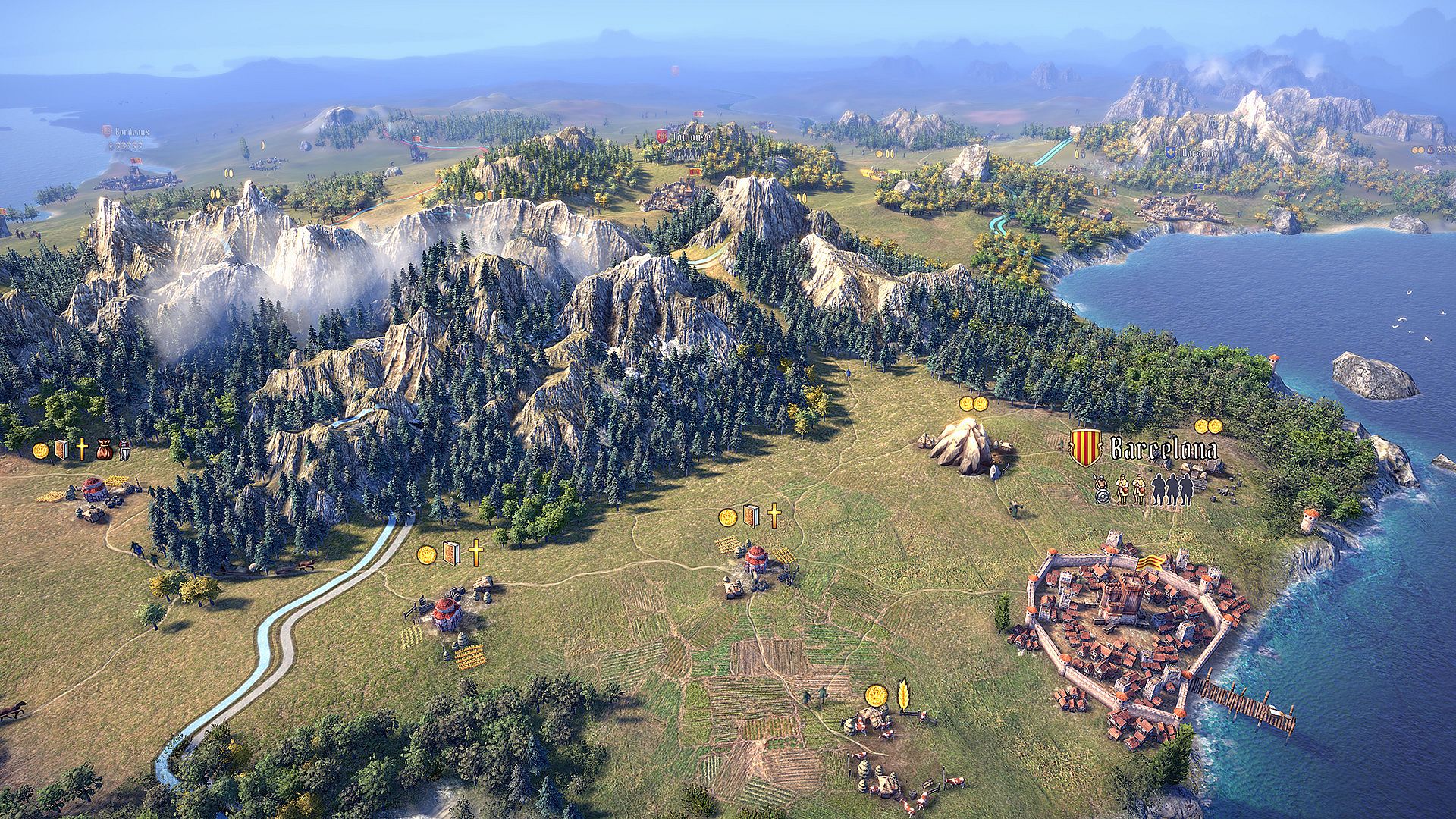
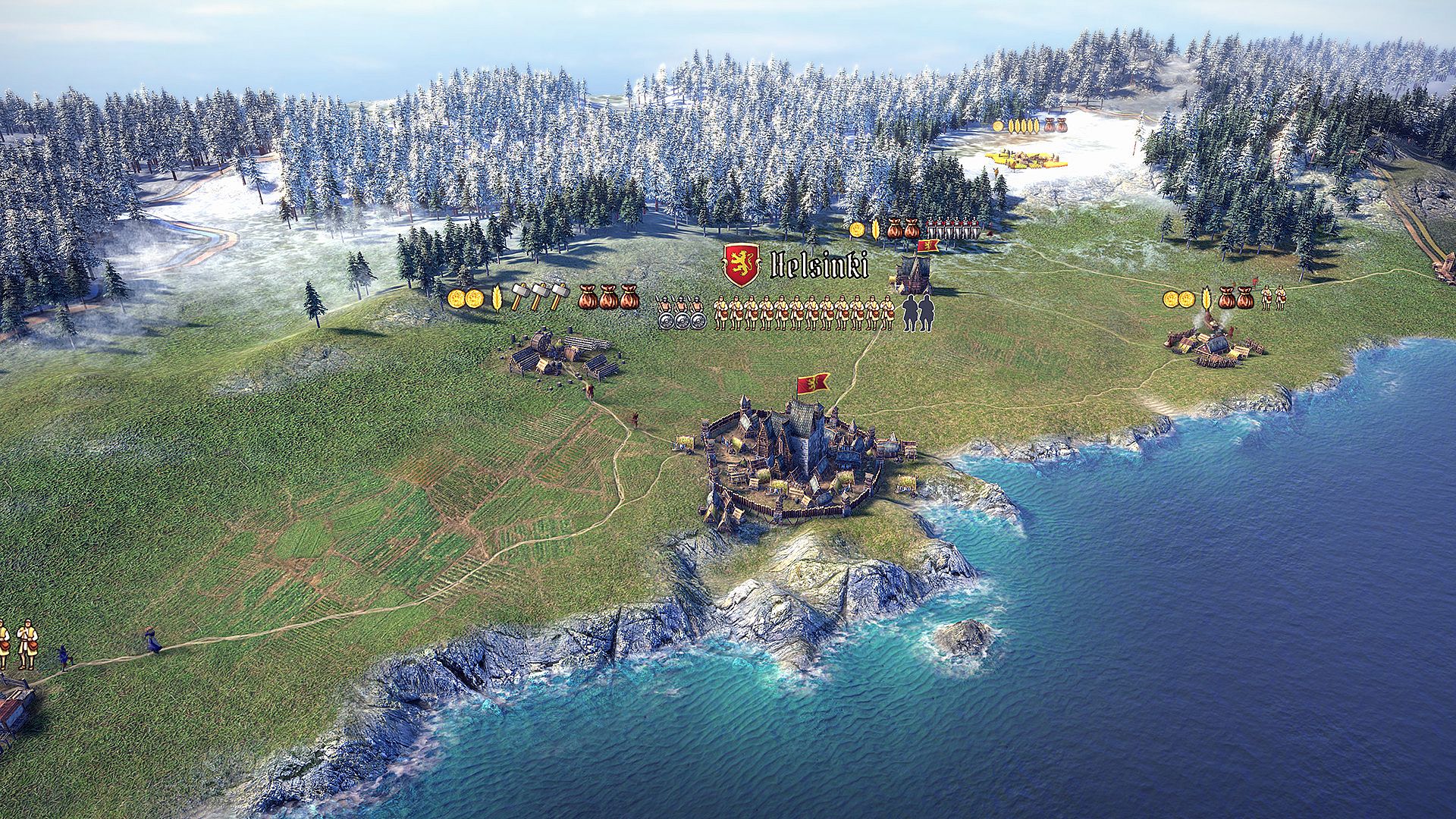
Choice of starting kingdom determines initial resources, location advantages, and available unit types. Larger realms begin with more provinces, while smaller ones require faster growth strategies. The map features over three hundred provinces in total, each with its own production capabilities and defensive potential. This variety encourages different playstyles depending on geography and historical context.
Progression involves expanding territory, securing trade advantages, and maintaining internal stability. Religious and cultural factors play roles in population management, and diplomatic tools help form or break relationships with neighbors. The combination keeps the focus on long-term planning rather than isolated battles.
Is It Worth Playing?
Knights of Honor II: Sovereign suits players who enjoy real-time grand strategy with an emphasis on court management and accessible systems. It provides depth in diplomacy, economy, and direct battles without the steep learning curve of more complex titles in the genre. Recent player feedback on Steam shows mostly positive ratings, indicating steady interest from those seeking a medieval strategy experience that blends simulation and tactical combat.
The game works well for both solo campaigns and group sessions, particularly for those who appreciate flexible victory options and the ability to lead armies personally. It remains available as a complete package on PC with no required additional purchases for core features. Fans of historical strategy who value real-time pacing over turn-based systems will find the most satisfaction here, especially if they enjoy mixing overt conquest with behind-the-scenes intrigue through the royal court.