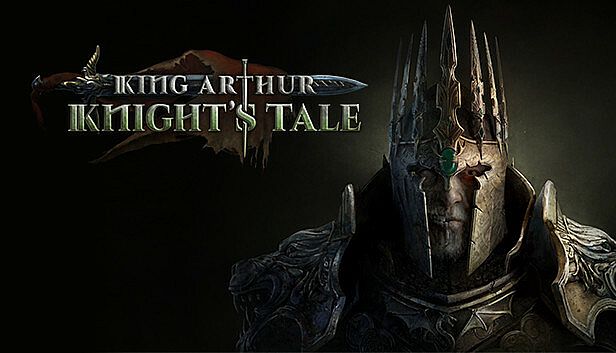


























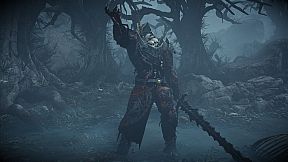
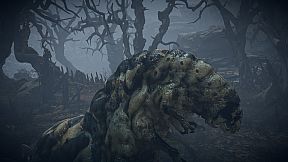
King Arthur: Knight's Tale is a single-player strategy RPG that combines turn-based tactical combat with deep hero management and moral decision-making in a grim retelling of Arthurian myth. Players take on the role of Sir Mordred, resurrected to confront a corrupted King Arthur in the nightmare realm of Avalon.
Gameplay
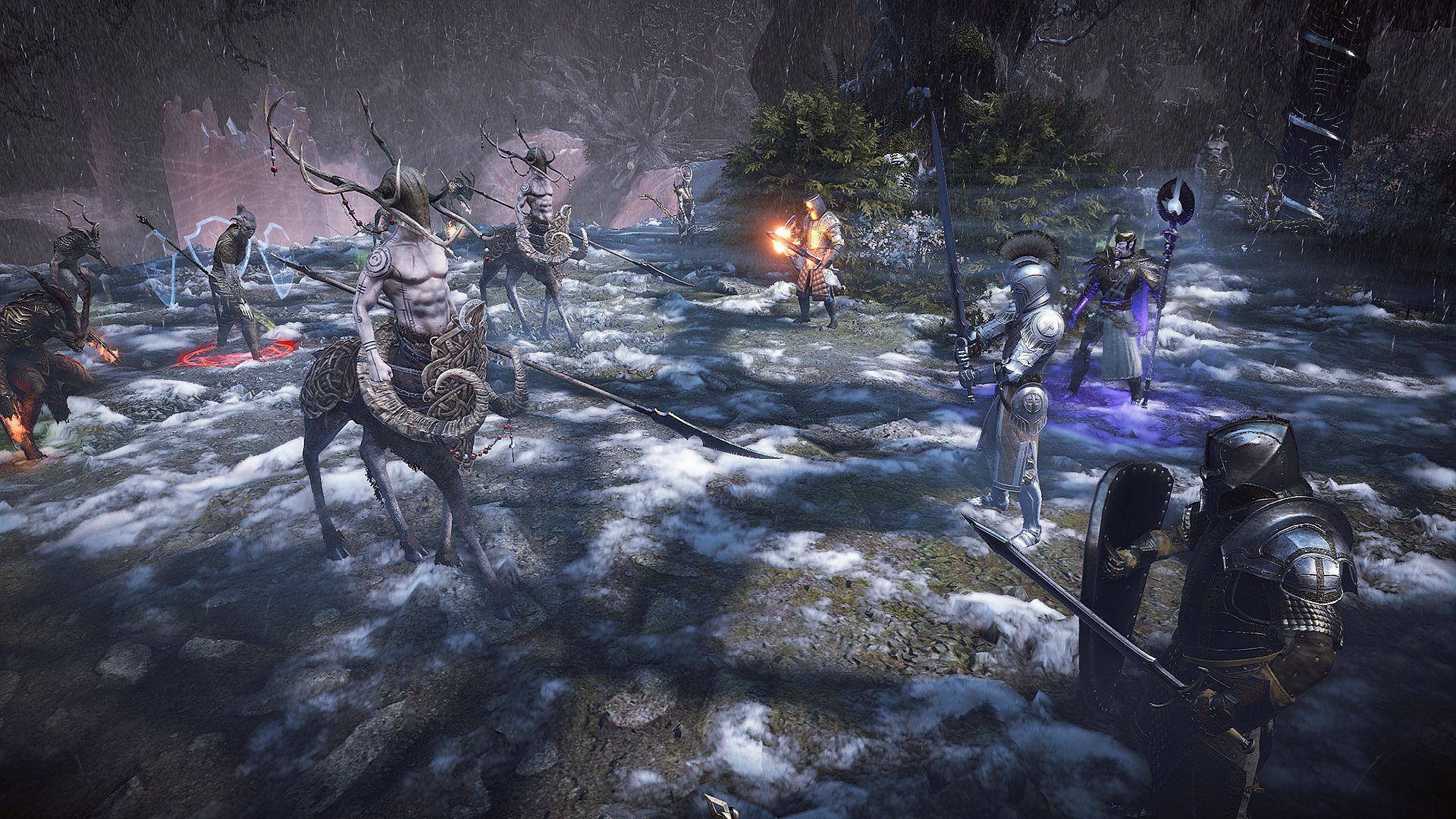
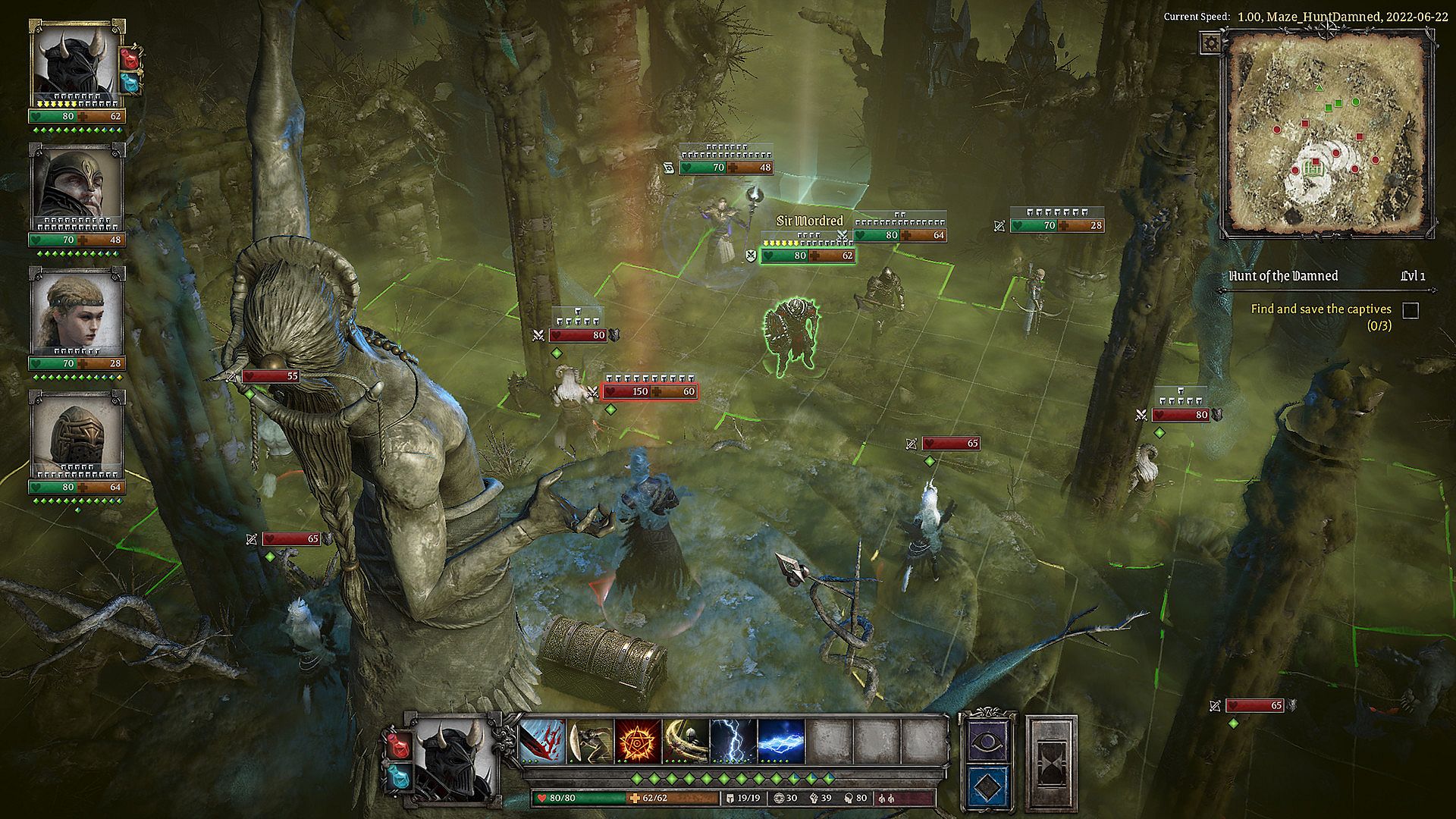
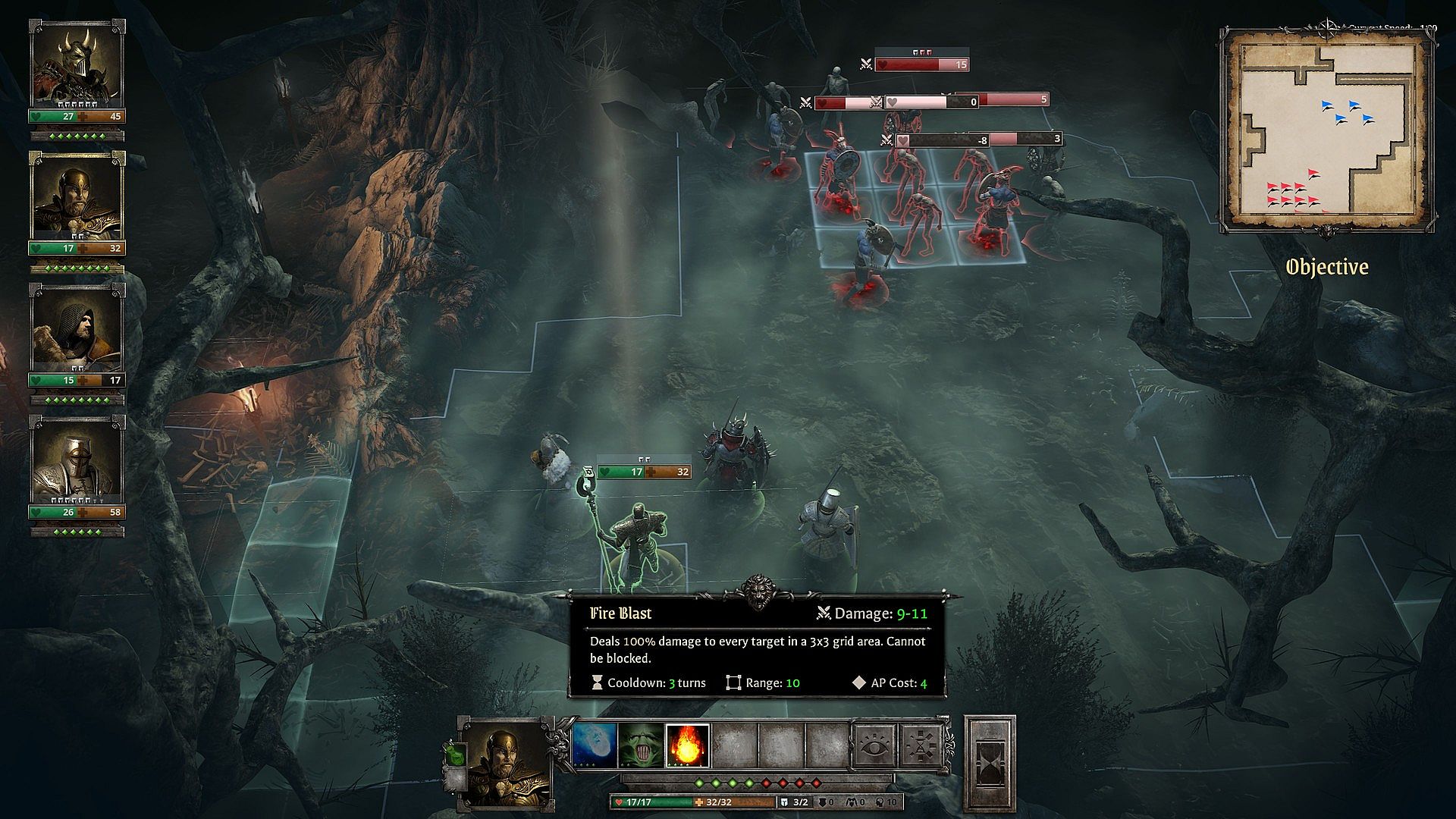
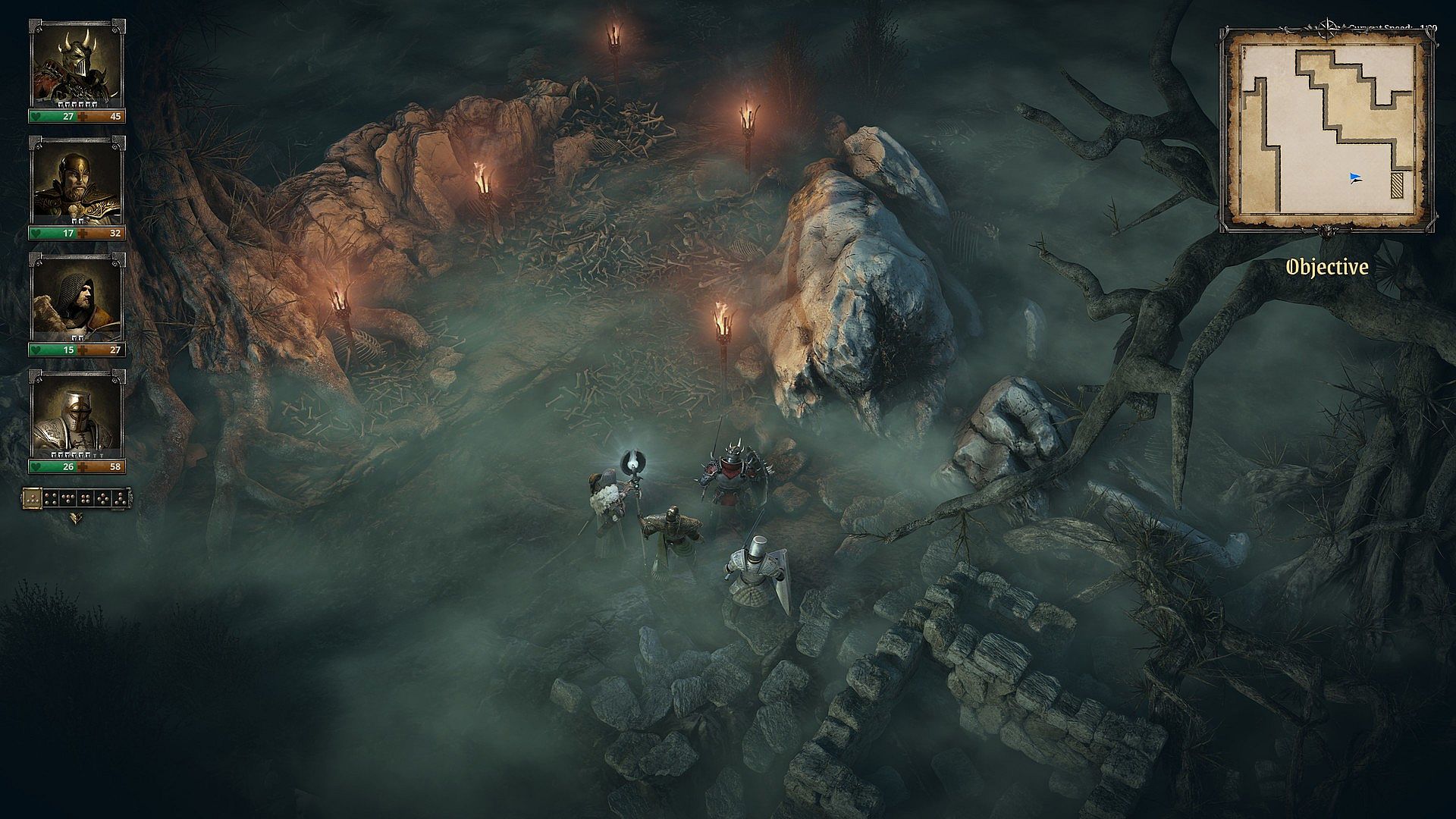
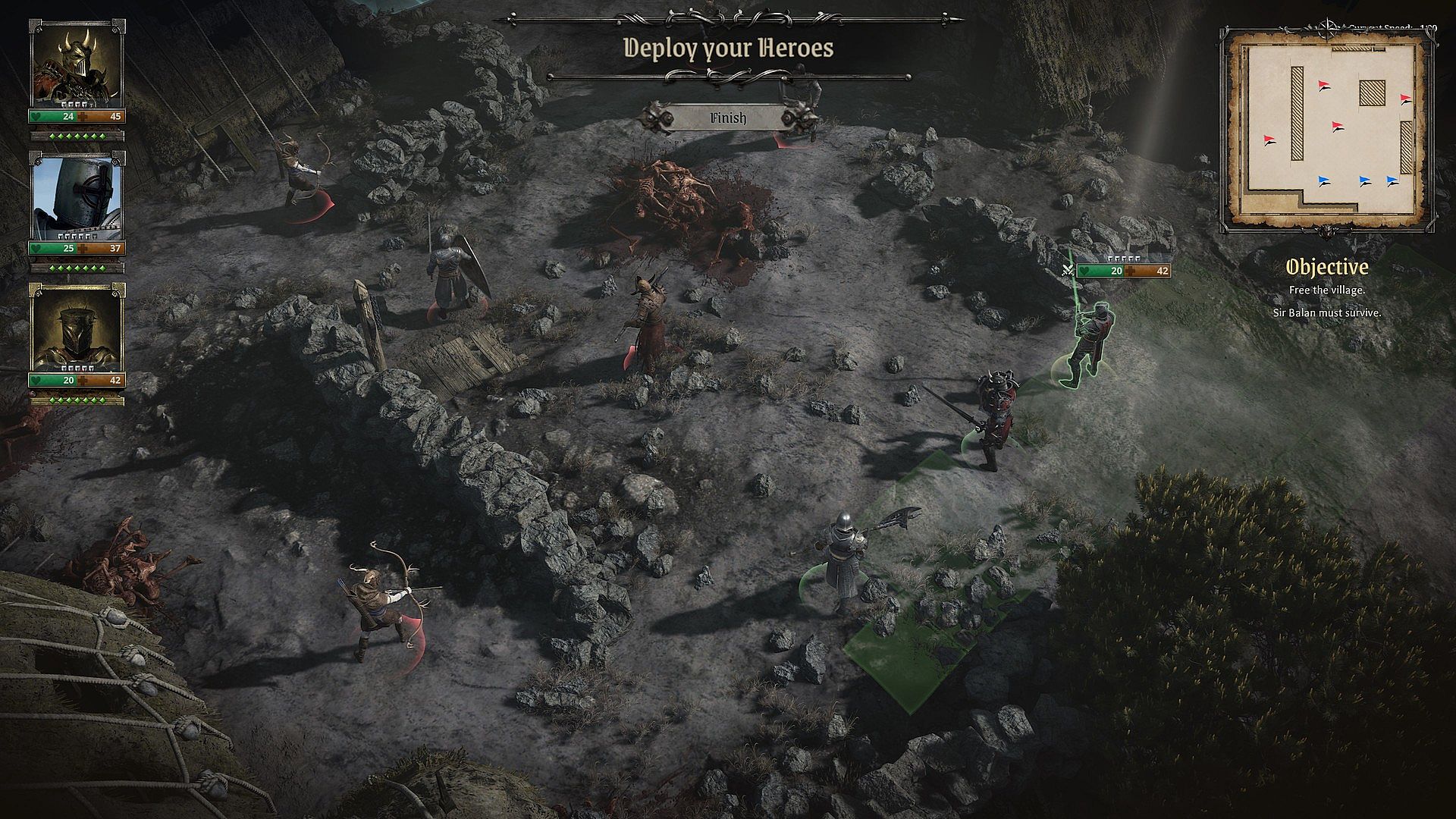
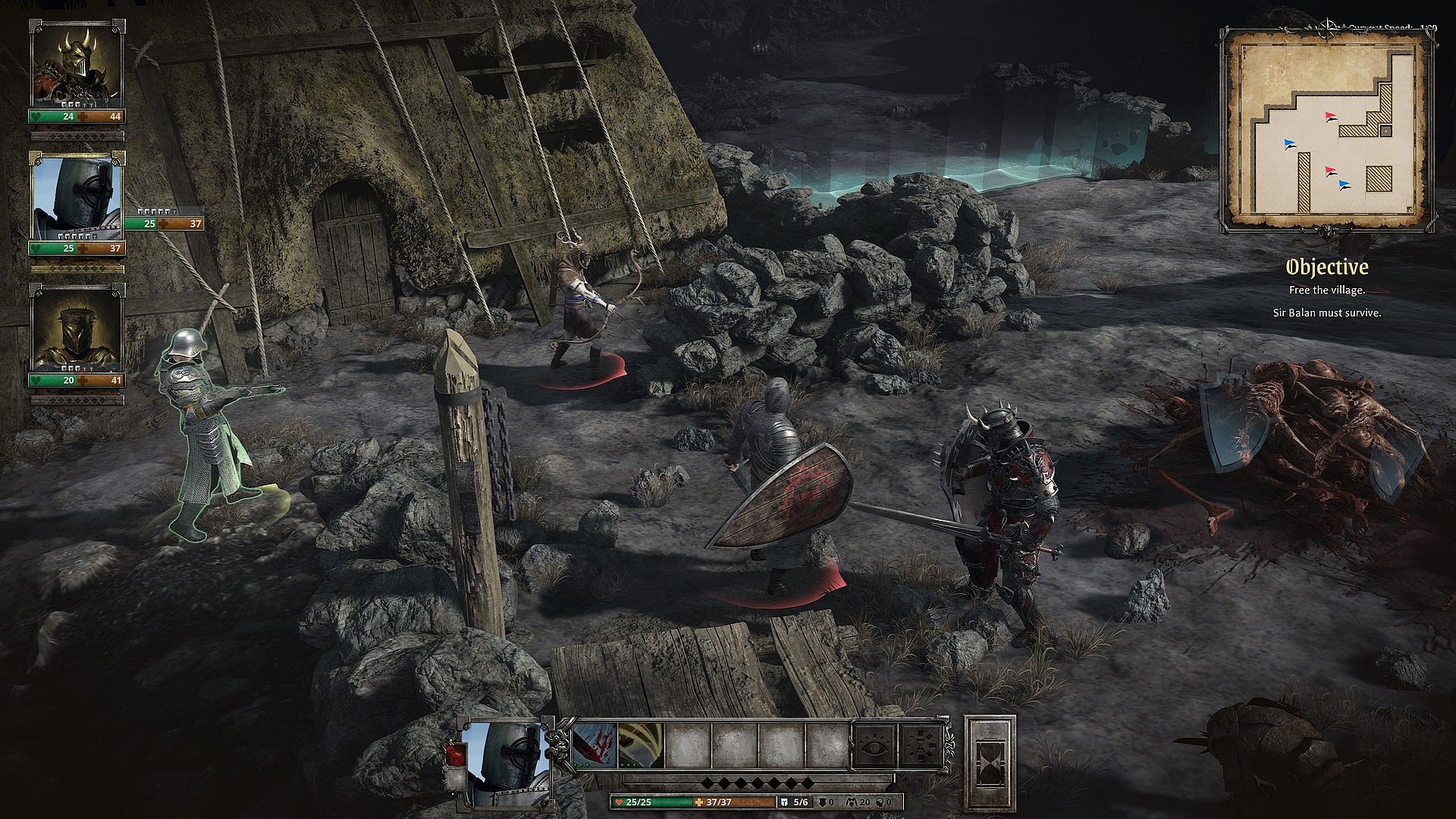
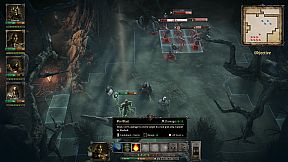
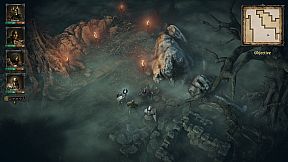
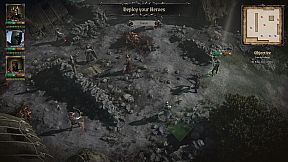
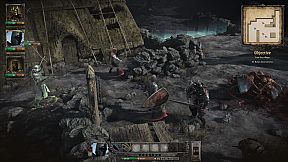
The core loop centers on assembling and directing small teams of knights through mission maps filled with monsters and magical threats. Combat unfolds on grid-based battlefields where positioning, facing, and action points determine outcomes. Each knight belongs to one of six classes: Defender, Champion, Marksman, Vanguard, Arcanist, or Sage. Heroes level up, acquire skill points, and equip looted gear, yet permanent death or long-term injuries require careful planning at the Camelot base.
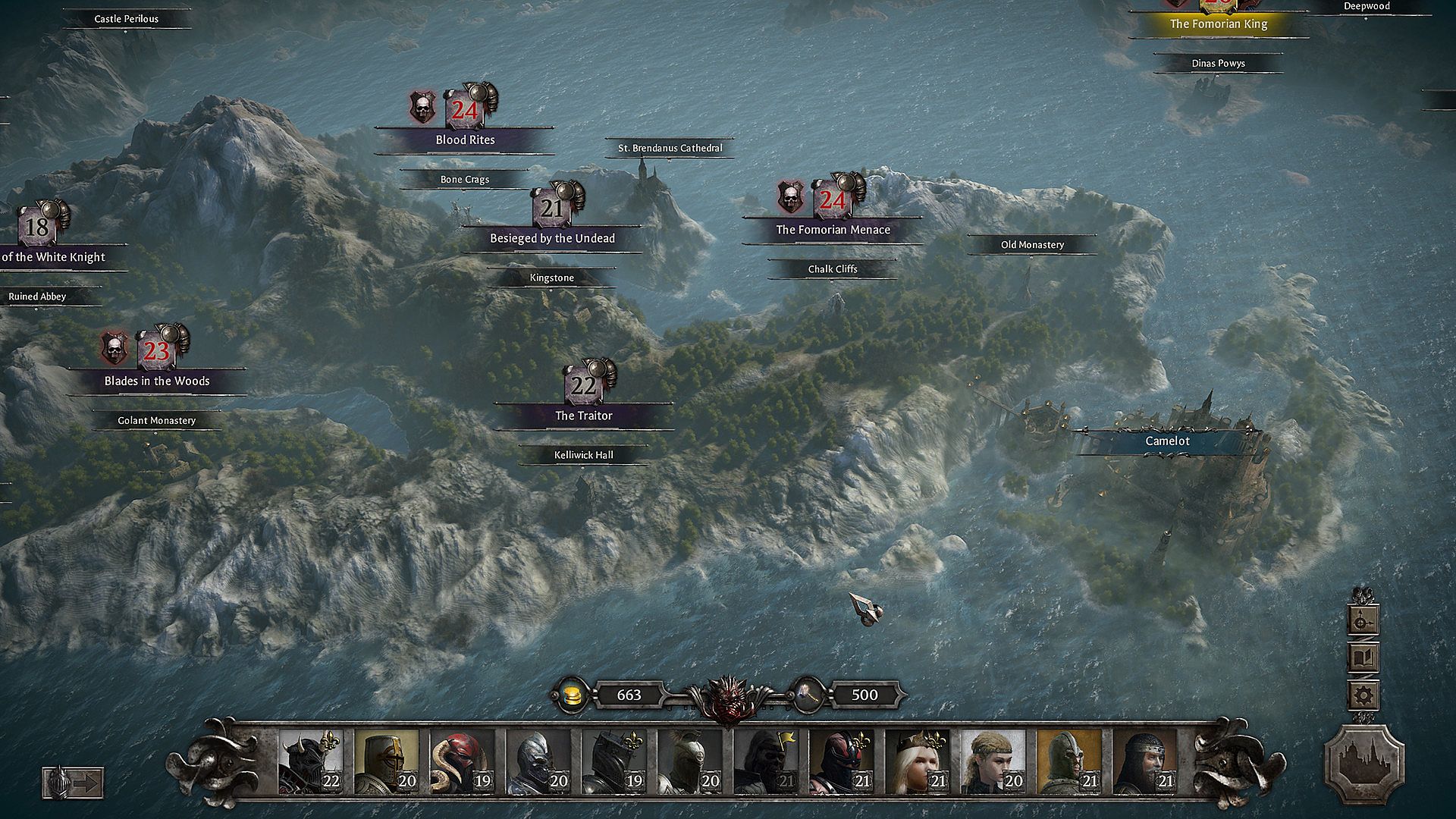
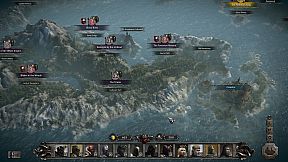
Between missions, players expand facilities for recovery, resolve rivalries among the knights, and weigh loyalty factors that can lead to heroes departing or turning hostile. Moral choices shift a two-axis Morality Chart tracking alignment between Christianity and the Old Faith as well as Tyranny and Righteousness. These shifts alter available options, narrative branches, and certain combat or progression mechanics without forcing a single path.
Game Modes
The main campaign supports multiple playthroughs with branching stories driven by decisions made in both combat and dialogue. Four difficulty settings range from relaxed narrative focus to punishing tactical challenges. Roguelite Mode removes manual saves during missions, forcing players to accept consequences from every choice and combat action while still allowing story variation across runs.
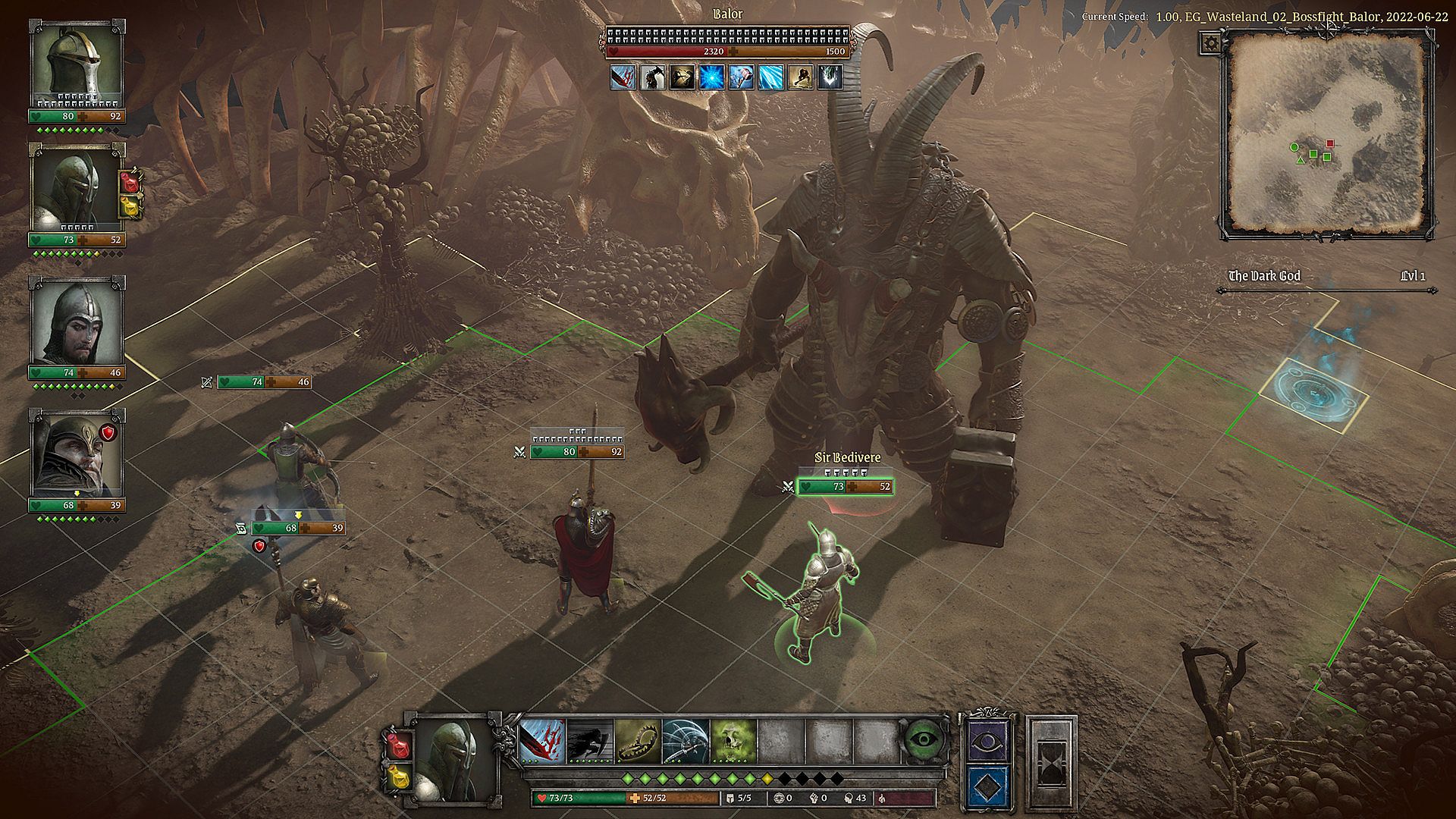
After completing the campaign, an endgame phase unlocks additional map challenges, mythic boss encounters, random quests, and further character progression aimed at confronting Balor, the god-king of the Fomorians. These layers extend playtime for those seeking repeated tactical engagements and deeper hero customization.
Hero Management and Loyalty
Knights function as distinct individuals rather than interchangeable units. Each carries unique traits, skills, and interpersonal bonds that provide combat bonuses when compatible heroes fight together. Players must balance mission assignments with personality preferences, settle disputes, and grant favors to maintain team cohesion. Poor management risks losing valuable assets permanently, which in turn affects available strategies for future missions.
Base-building elements tie directly into this system. Upgrading Camelot facilities speeds recovery from curses, diseases, and wounds, allowing more heroes to stay combat-ready. Resource allocation between facilities, equipment, and new recruits shapes long-term viability across the campaign.
Is It Worth Playing?
Overall user reviews on the primary distribution platform stand at Very Positive, reflecting appreciation for the tactical combat depth and the dark fantasy atmosphere. The game suits players who enjoy deliberate party management, grid-based battles, and systems where choices carry lasting weight. Those seeking fast-paced action or large-scale real-time strategy may find the deliberate pace and occasional repetition less appealing. The full campaign plus endgame content provides substantial single-player hours for fans of the genre, with no ongoing seasonal content or multiplayer features required. Recent review trends show continued stability for the established experience.