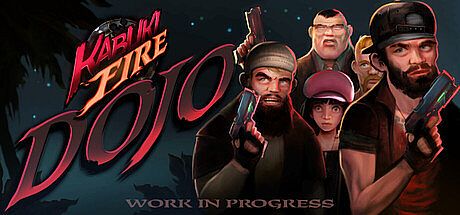



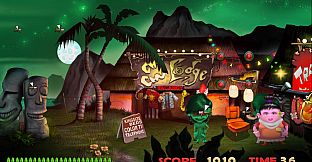
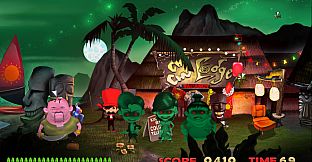
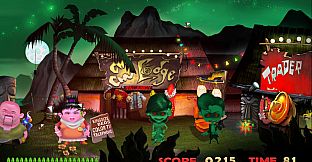
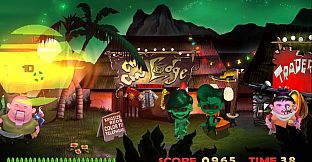
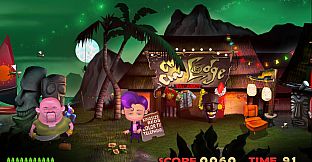
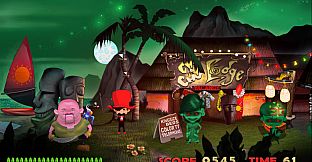
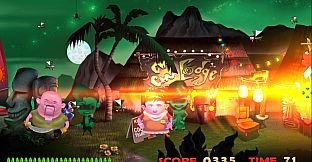
KABUKI FIRE: DOJO is an action game built around short, focused shooting sessions in a single arena. Players step into a practice shooting gallery where the goal centers on clearing robotic targets as efficiently as possible within a strict time limit. The premise frames the action as preparation for a larger tournament, yet the experience stays self-contained and approachable for anyone interested in arcade-style shooting without high-stakes pressure.
Gameplay
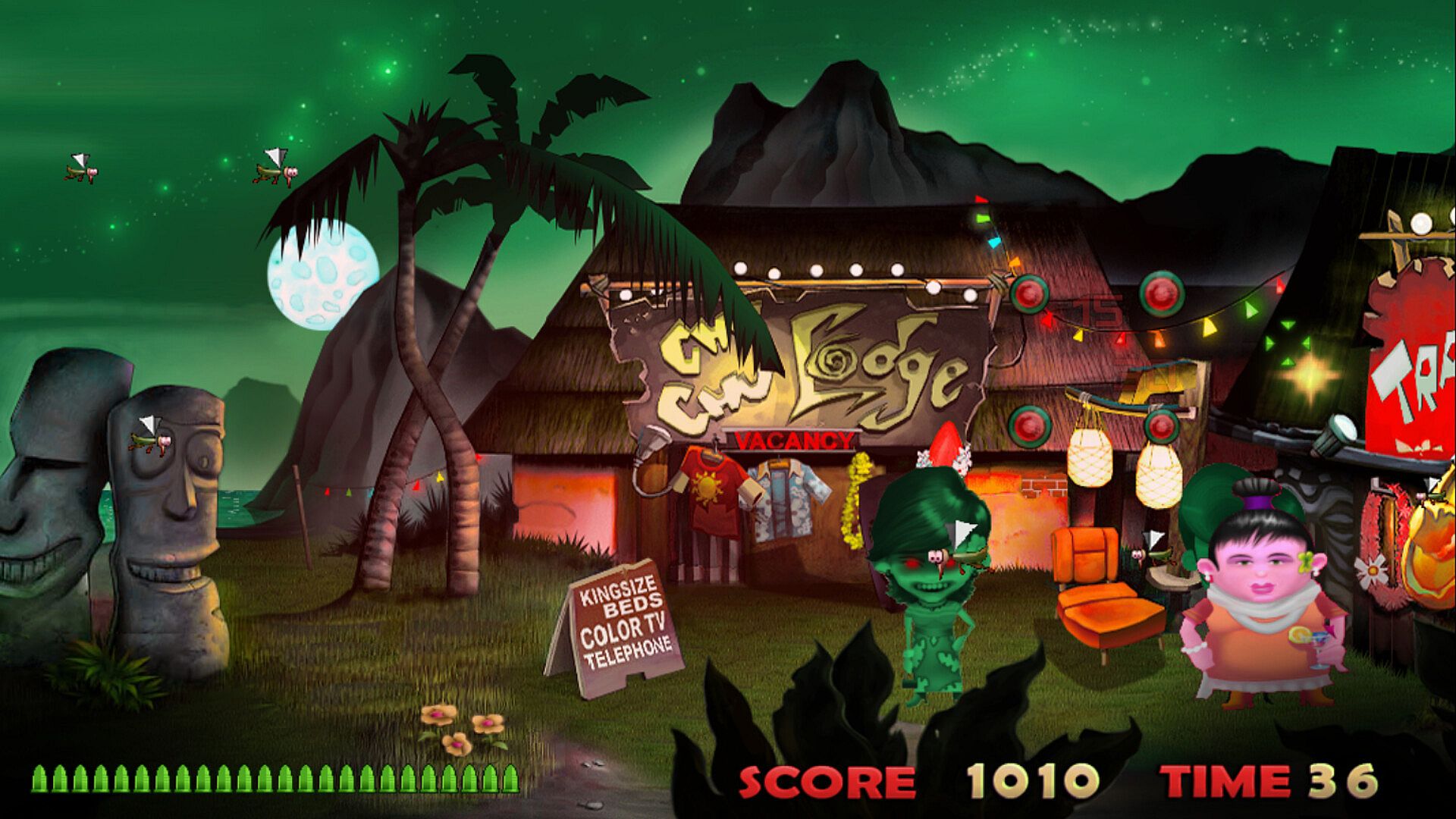
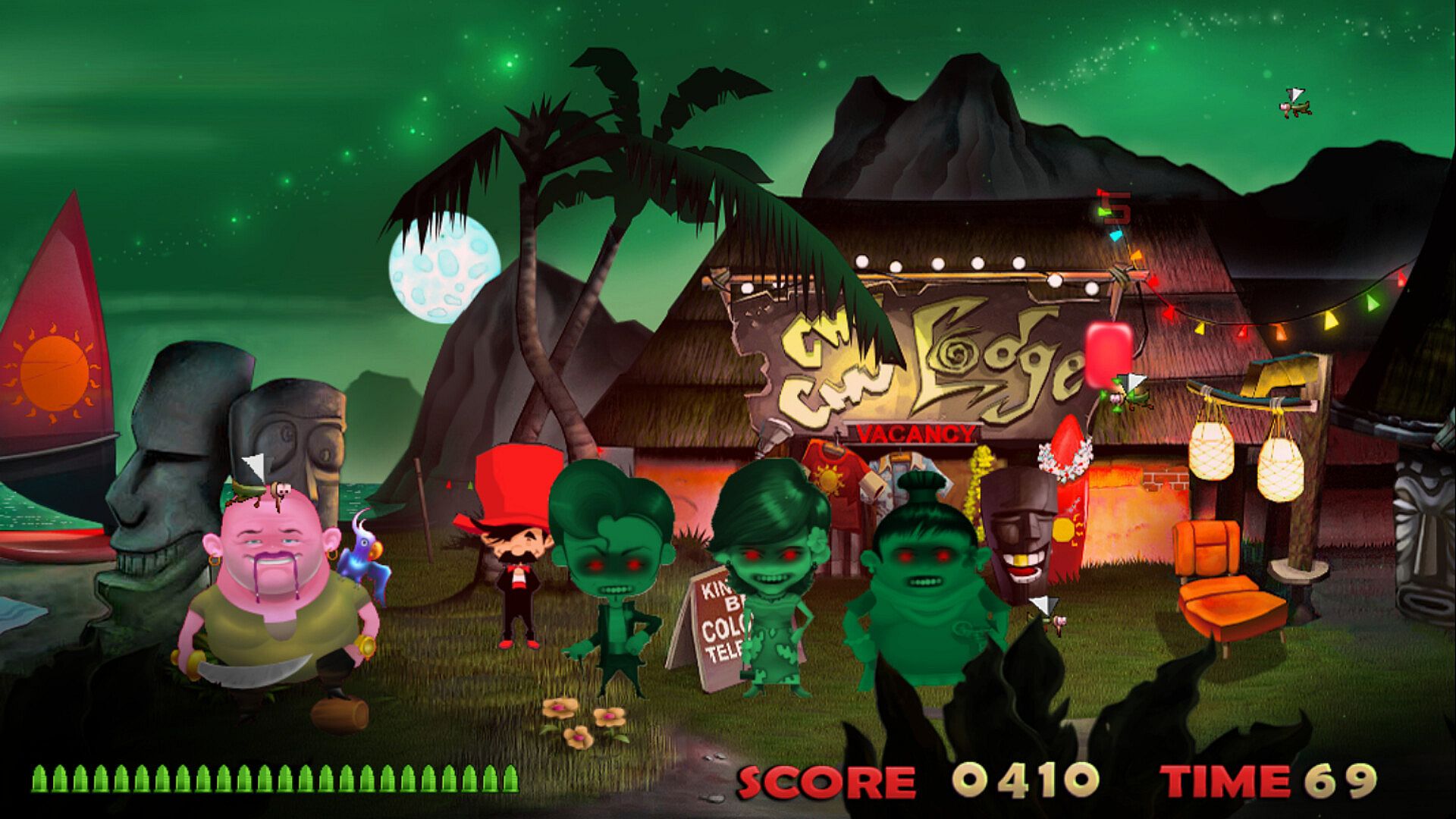
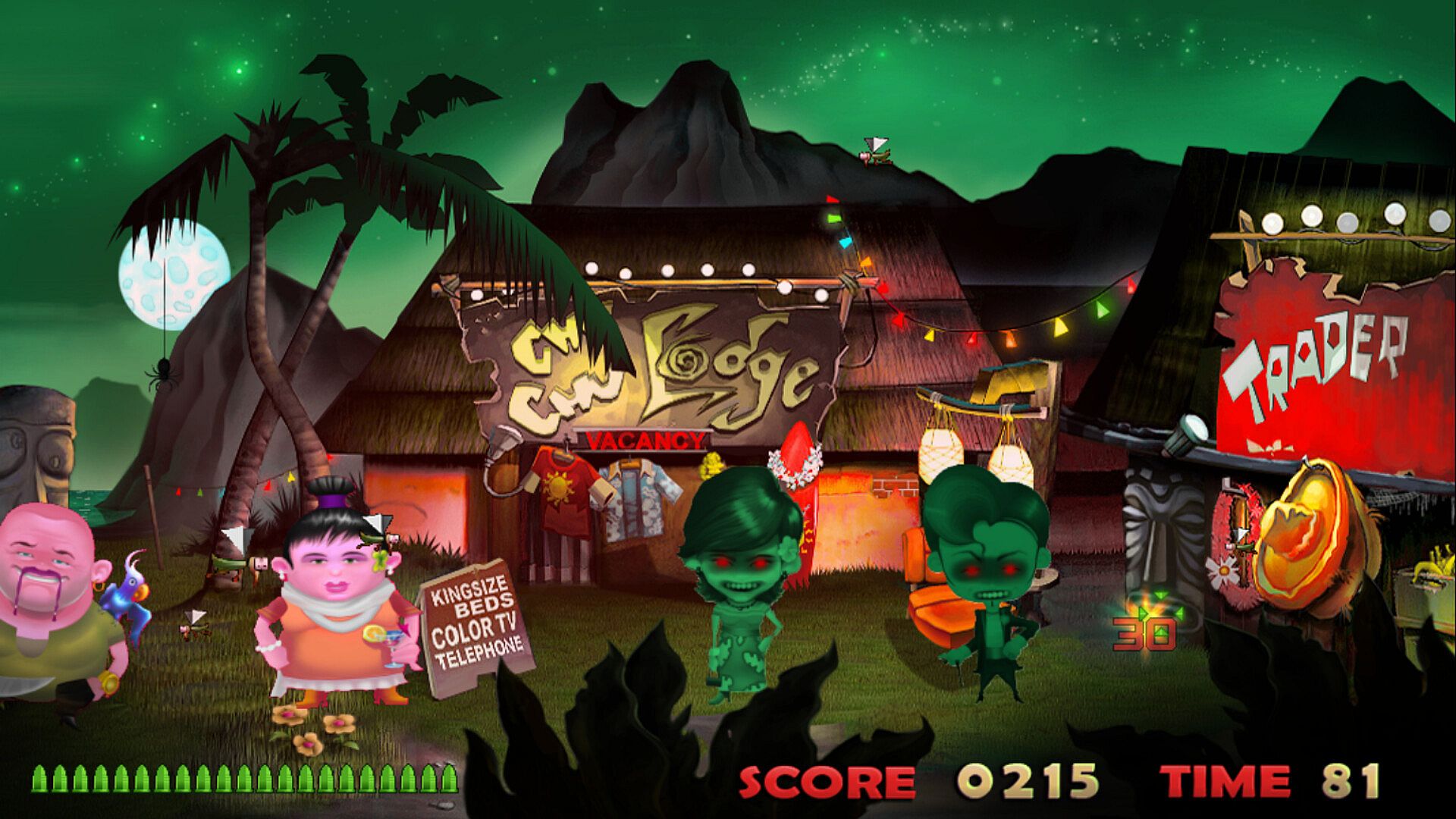
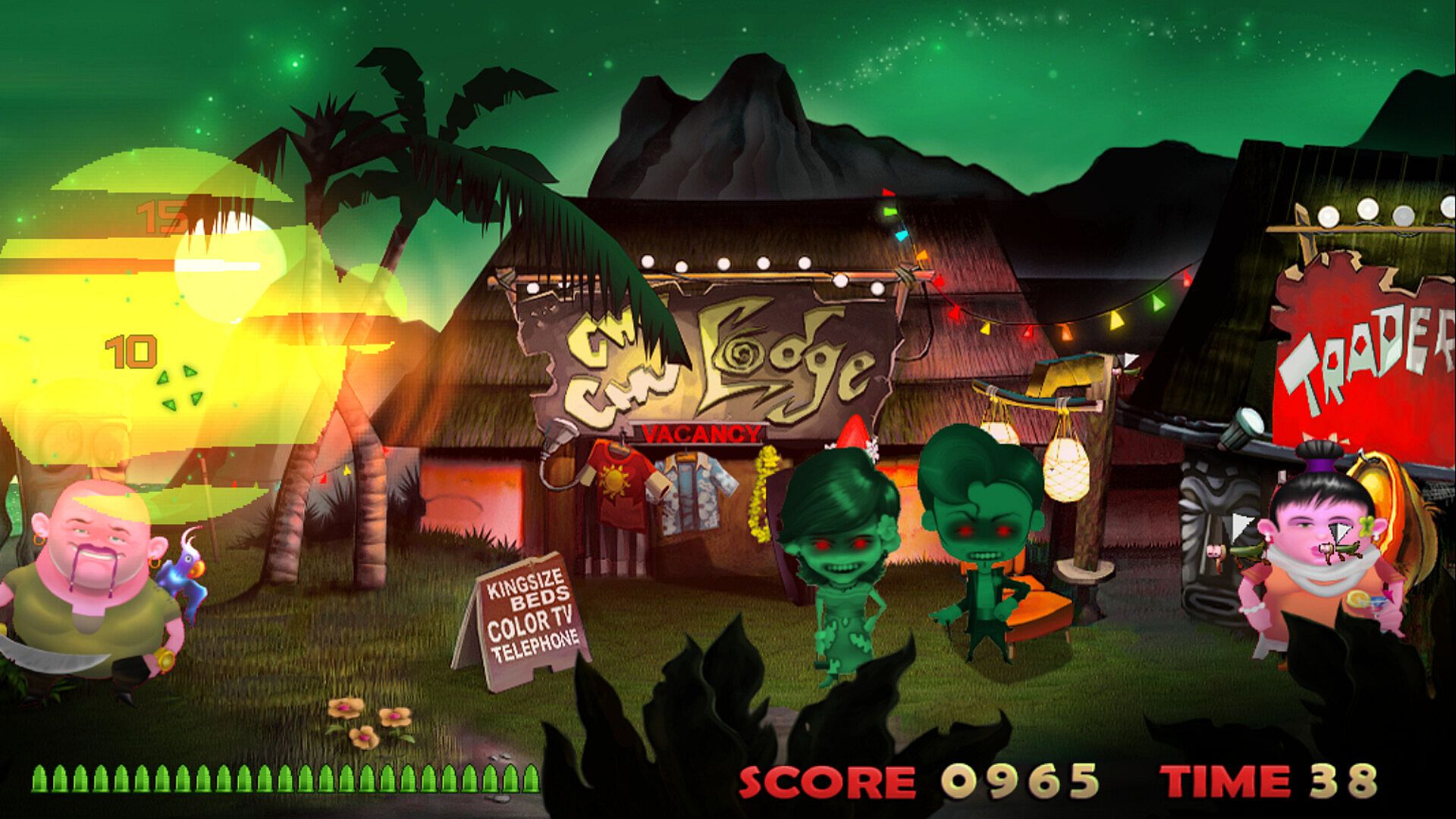
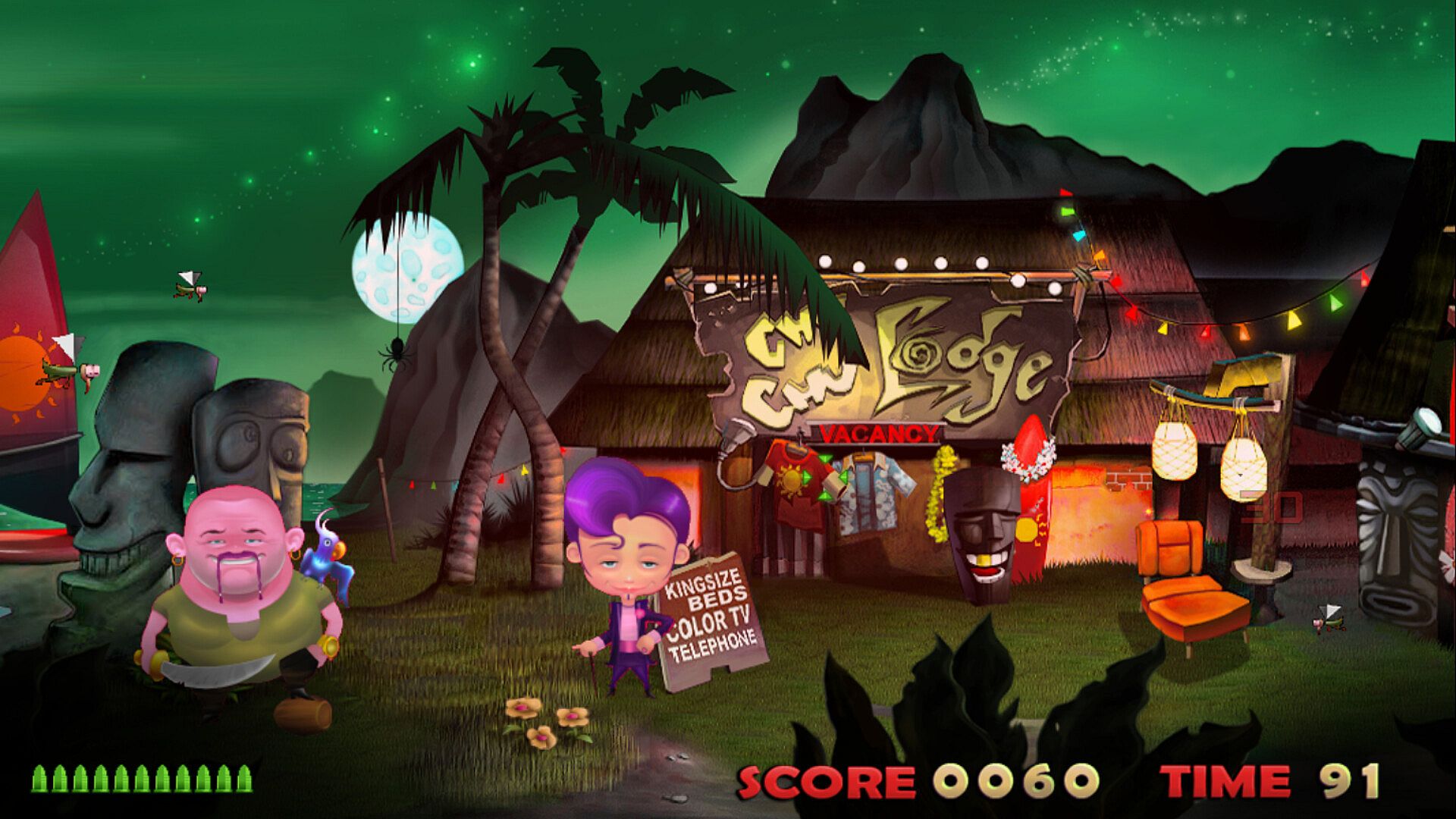
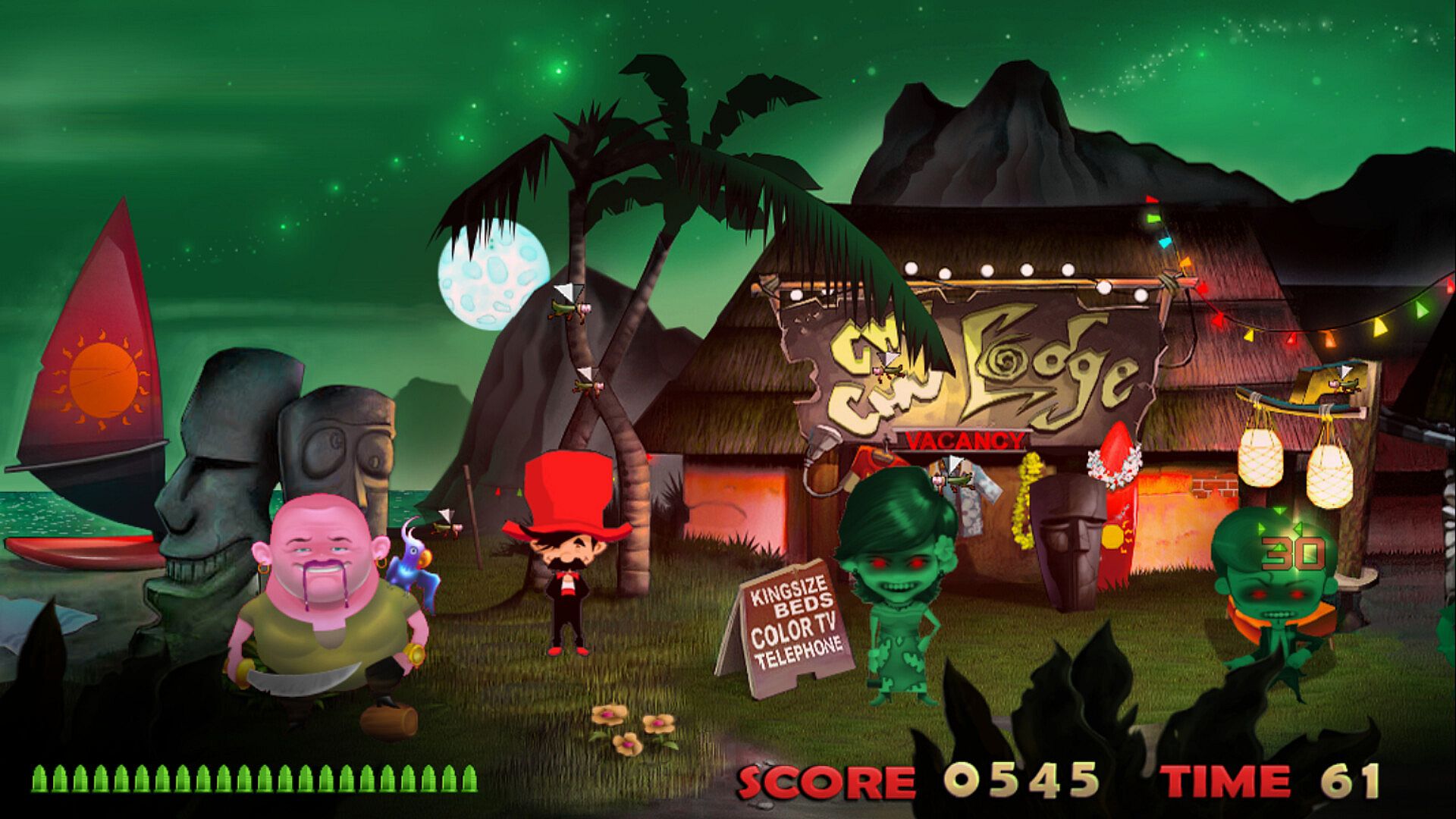
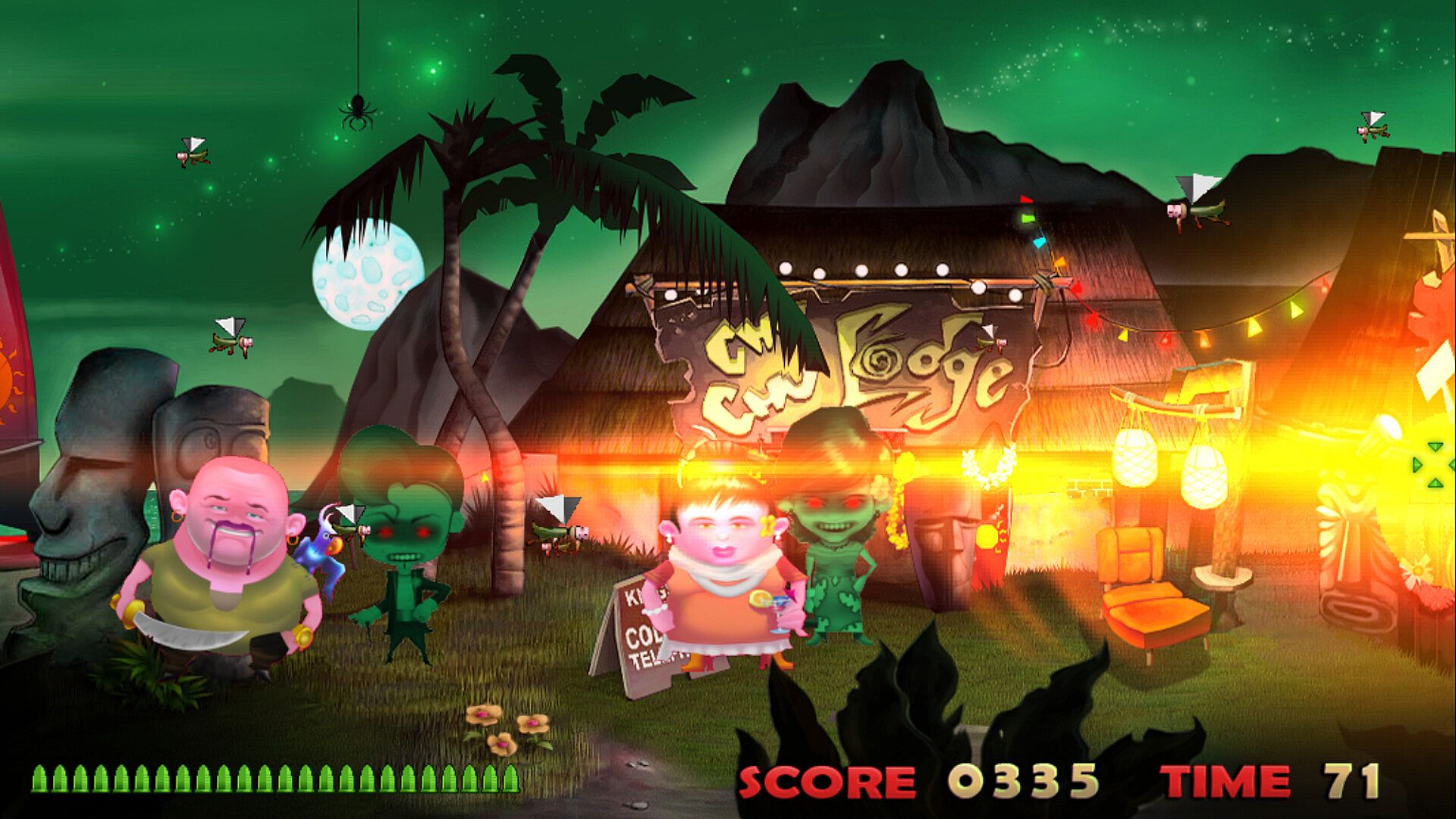
The core loop revolves around a ninety-second timer. During each run, waves of robotic critters appear across the arena, and the player aims to eliminate as many as possible while chaining shots for higher scores. All targets register as harmless training devices, which keeps the tone light even as the pace quickens. Precision matters because missed opportunities directly reduce the final tally, and the short duration forces quick decisions on target priority and positioning. The single arena contains numerous visual details that reward repeated visits, as players learn spawn patterns and optimal firing angles. Reflex training forms a natural part of the experience, since successful runs depend on consistent accuracy under the ticking clock.
Game Modes
The game offers one primary mode built around the timed scoring challenge. Each session lasts exactly ninety seconds, with the explicit objective of setting a new personal or world high score. Leaderboards track global results, allowing players to compare their best runs against others. Achievements provide additional goals beyond raw points, such as specific elimination counts or accuracy thresholds. No separate competitive or story-driven modes exist; the design keeps every session centered on the same core scoring system in the single arena. This structure suits quick practice sessions or longer attempts to improve rankings.
Art Style and Atmosphere
A unique hand-painted cartoon aesthetic defines the visual presentation. The arena features layered details that create an inviting yet detailed environment without overwhelming the screen. The style supports the relaxed tone of the spin-off, contrasting with the more intense original game while maintaining clear readability of targets and movement. Sound and environmental cues reinforce the immersive practice-hall setting, where the focus remains on steady improvement rather than spectacle. The overall presentation works for extended play without visual fatigue.
Is It Worth Playing?
KABUKI FIRE: DOJO targets players who enjoy arcade shooting but prefer a lower-intensity alternative to the main tournament experience. Its single-player format, combined with achievements and leaderboards, provides measurable progress without requiring multiplayer coordination. The design accommodates all ages and skill levels through adjustable pacing and forgiving failure states. Because the game remains in a pre-release state with no user reviews available, the decision to play hinges on interest in short, repeatable scoring runs rather than expansive content. Those seeking a focused way to sharpen reflexes and precision in a cartoon setting will find the described systems align directly with that goal. The emphasis on one well-detailed arena and a consistent ninety-second loop makes it a straightforward choice for casual or dedicated practice sessions.