











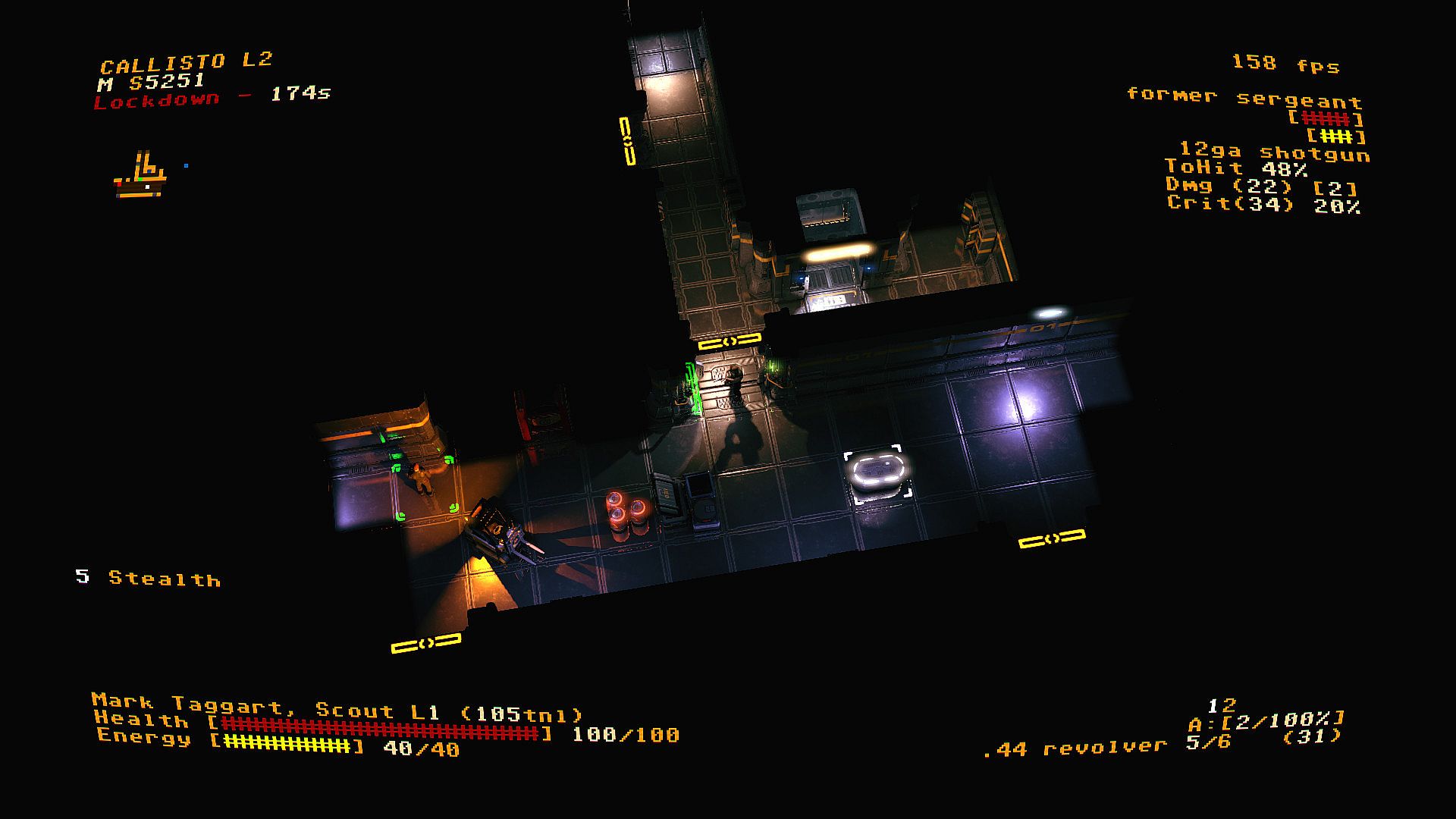
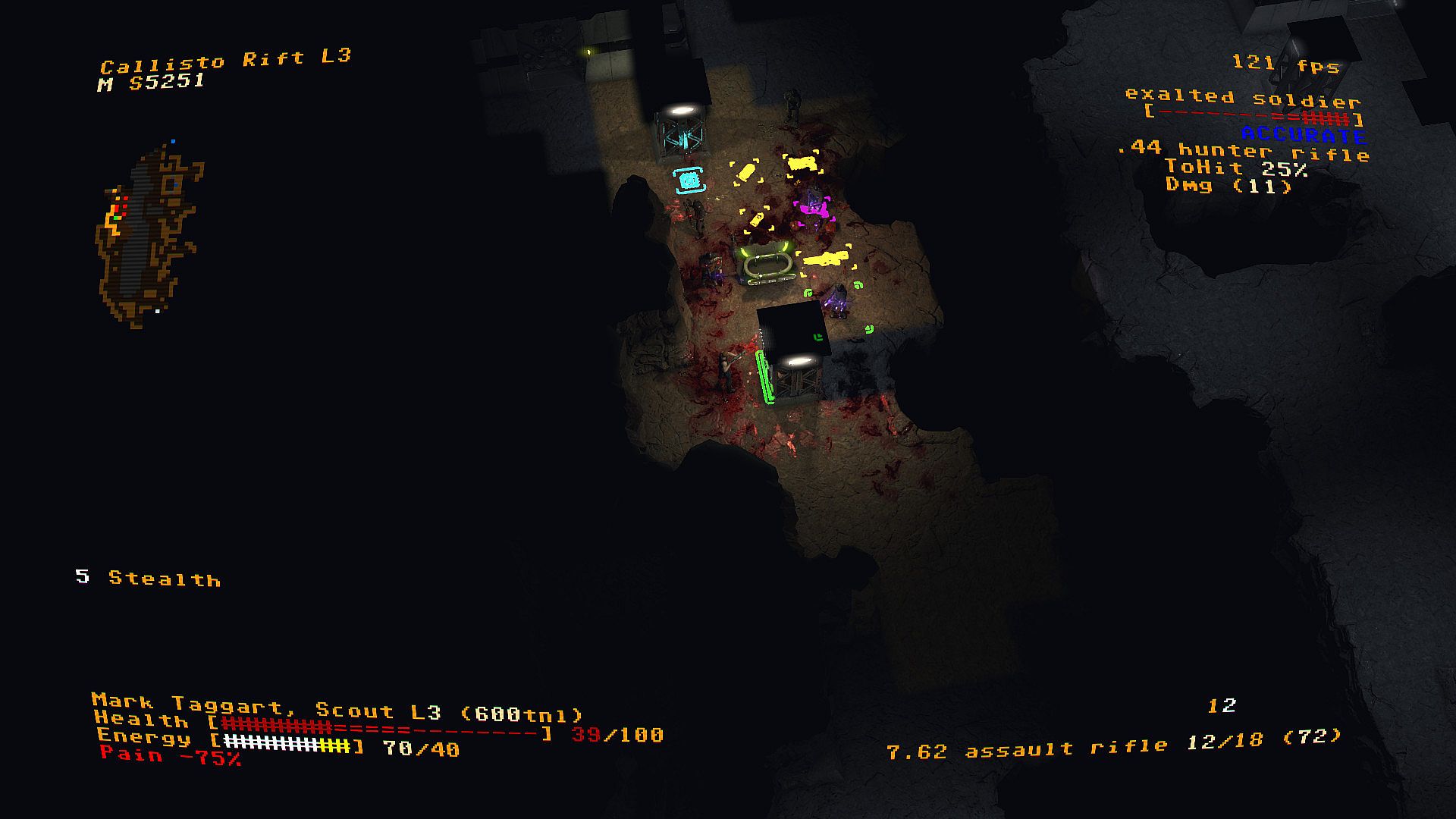
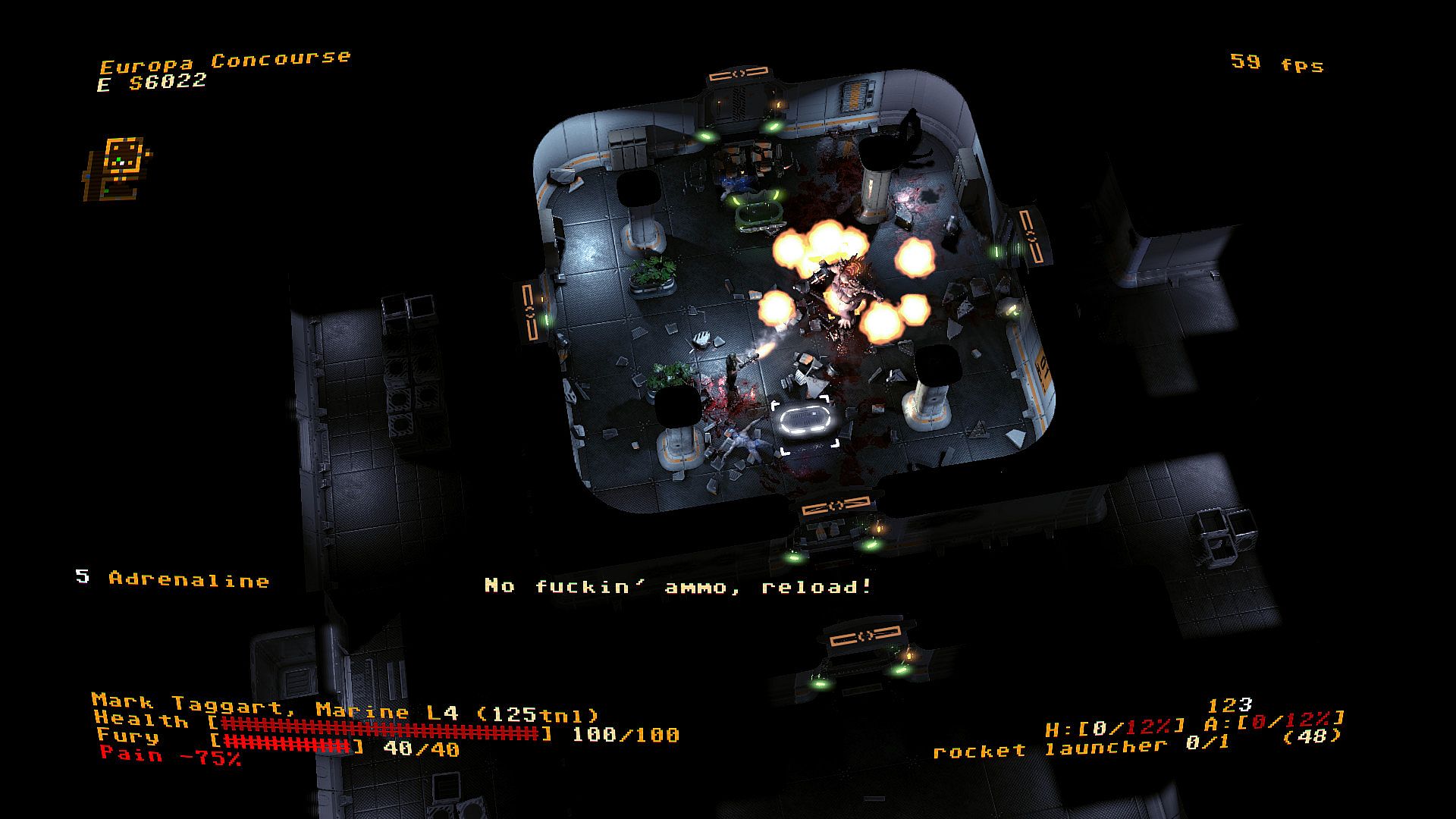
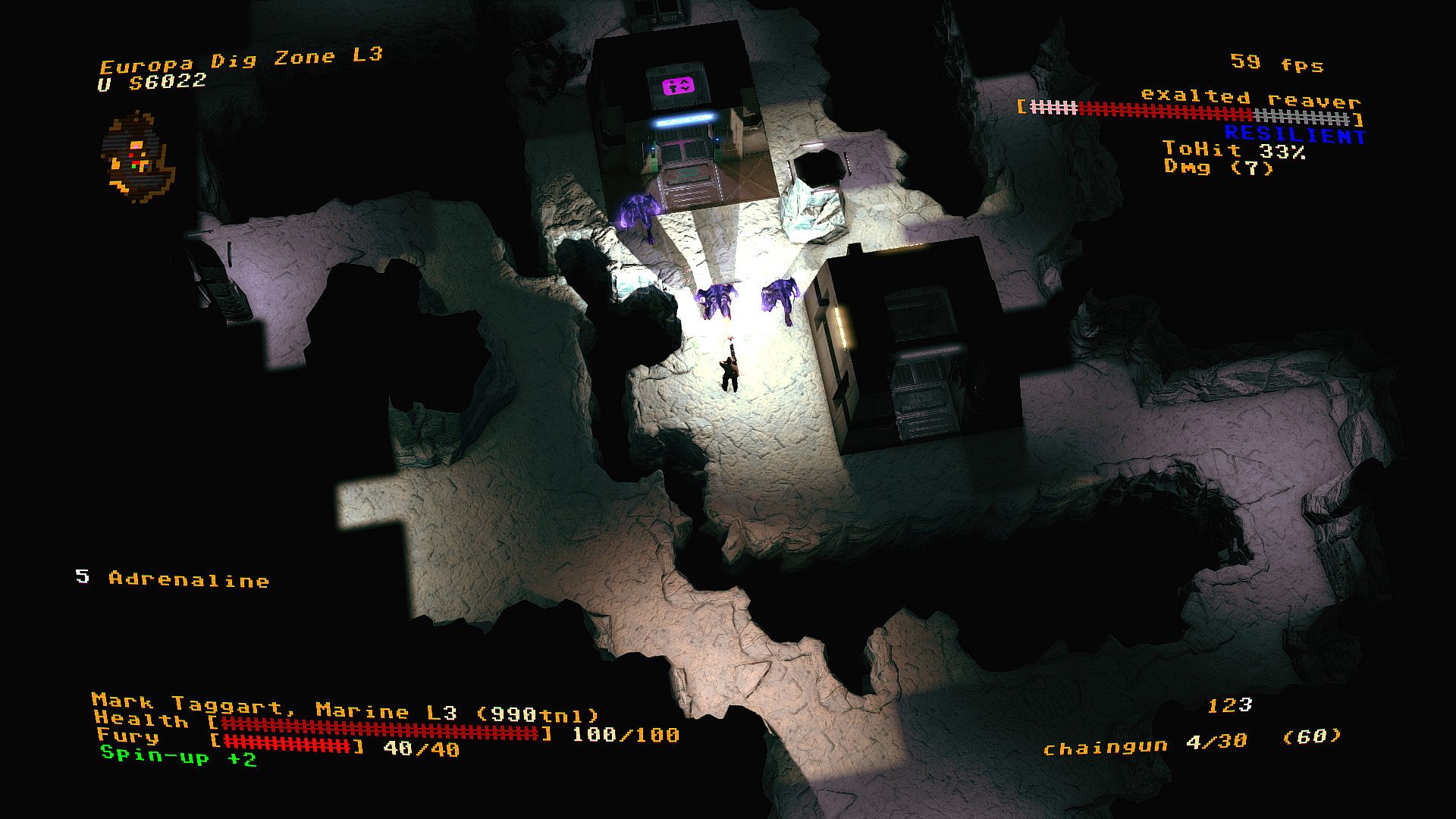
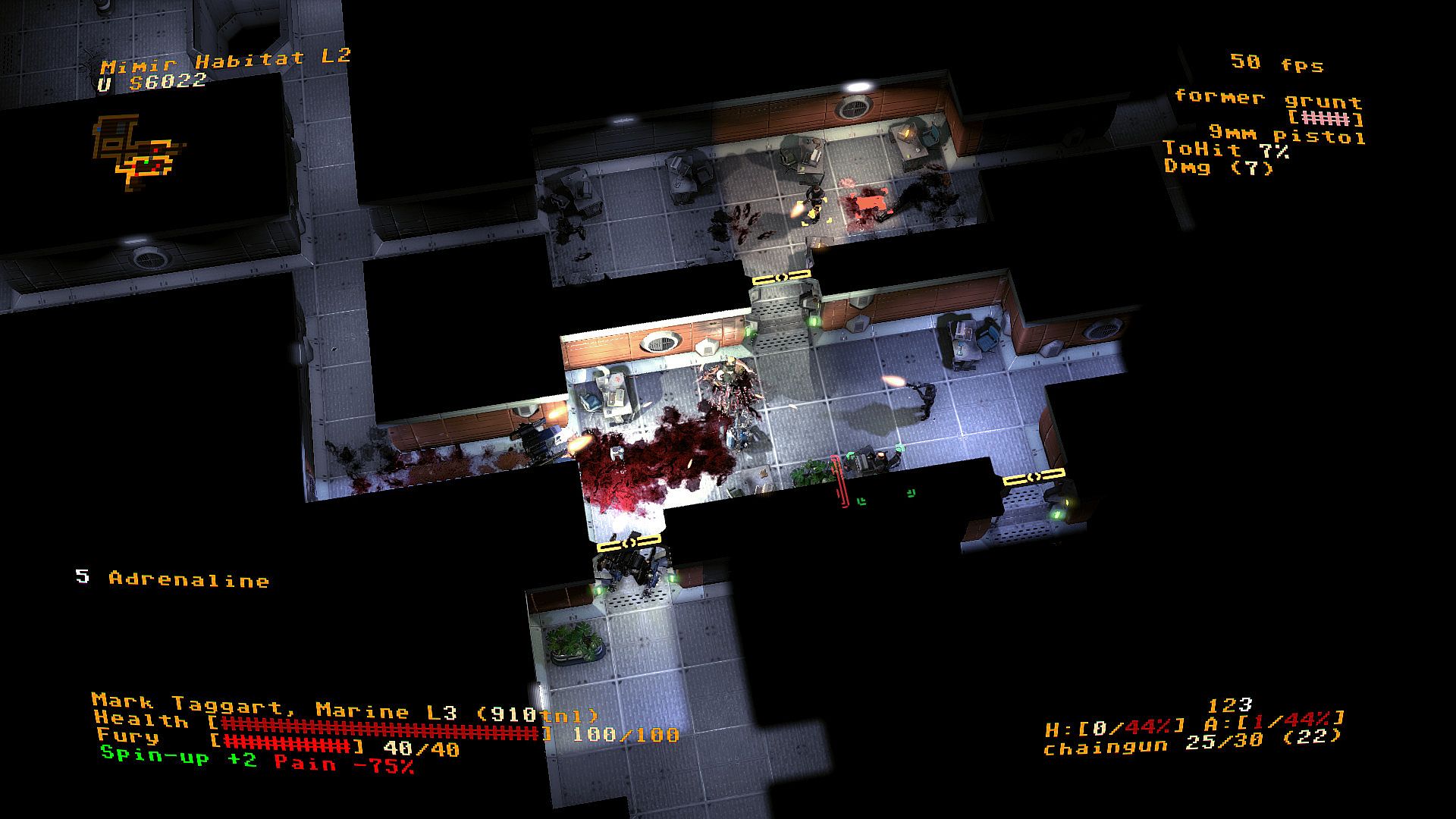
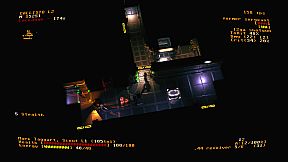
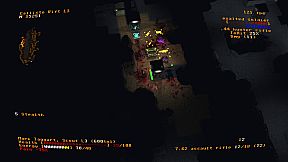
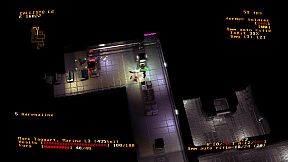
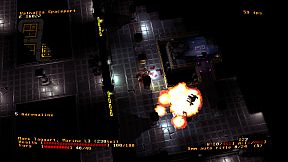
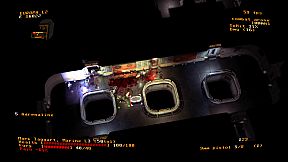
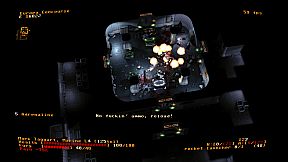
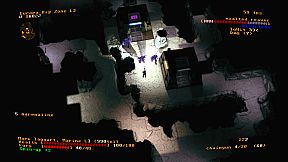
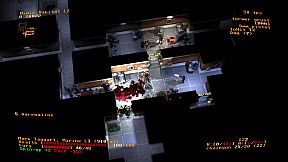
Jupiter Hell is a turn-based roguelike that blends strategy, indie development, and RPG progression in a single-player experience set on the PC platform. Players take control of a lone space marine fighting demonic and alien threats in a retro-inspired sci-fi setting on the moons of Jupiter. The game emphasizes tactical decision-making in a top-down, tile-based world where every action carries weight and permanent consequences.
Gameplay
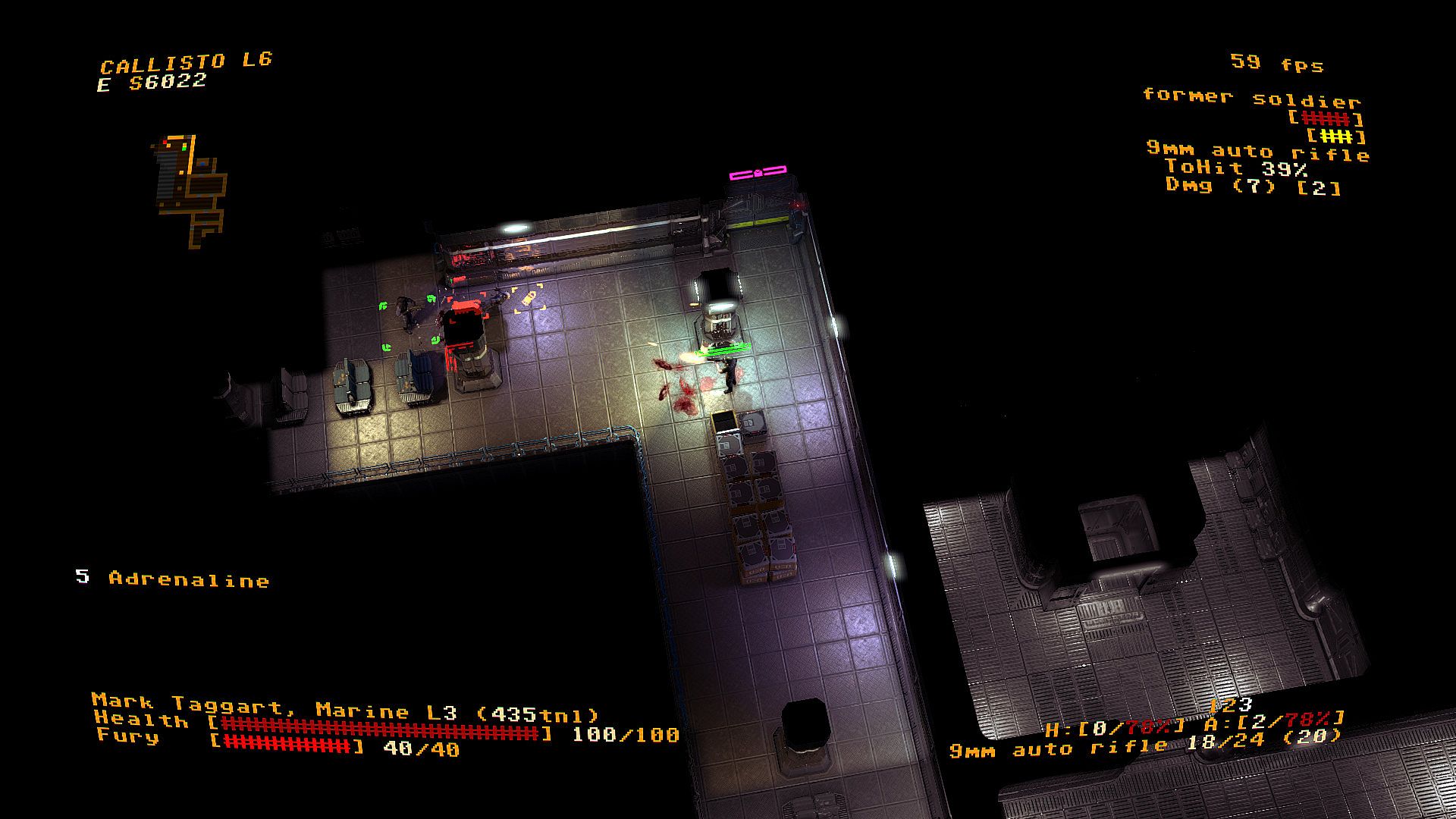
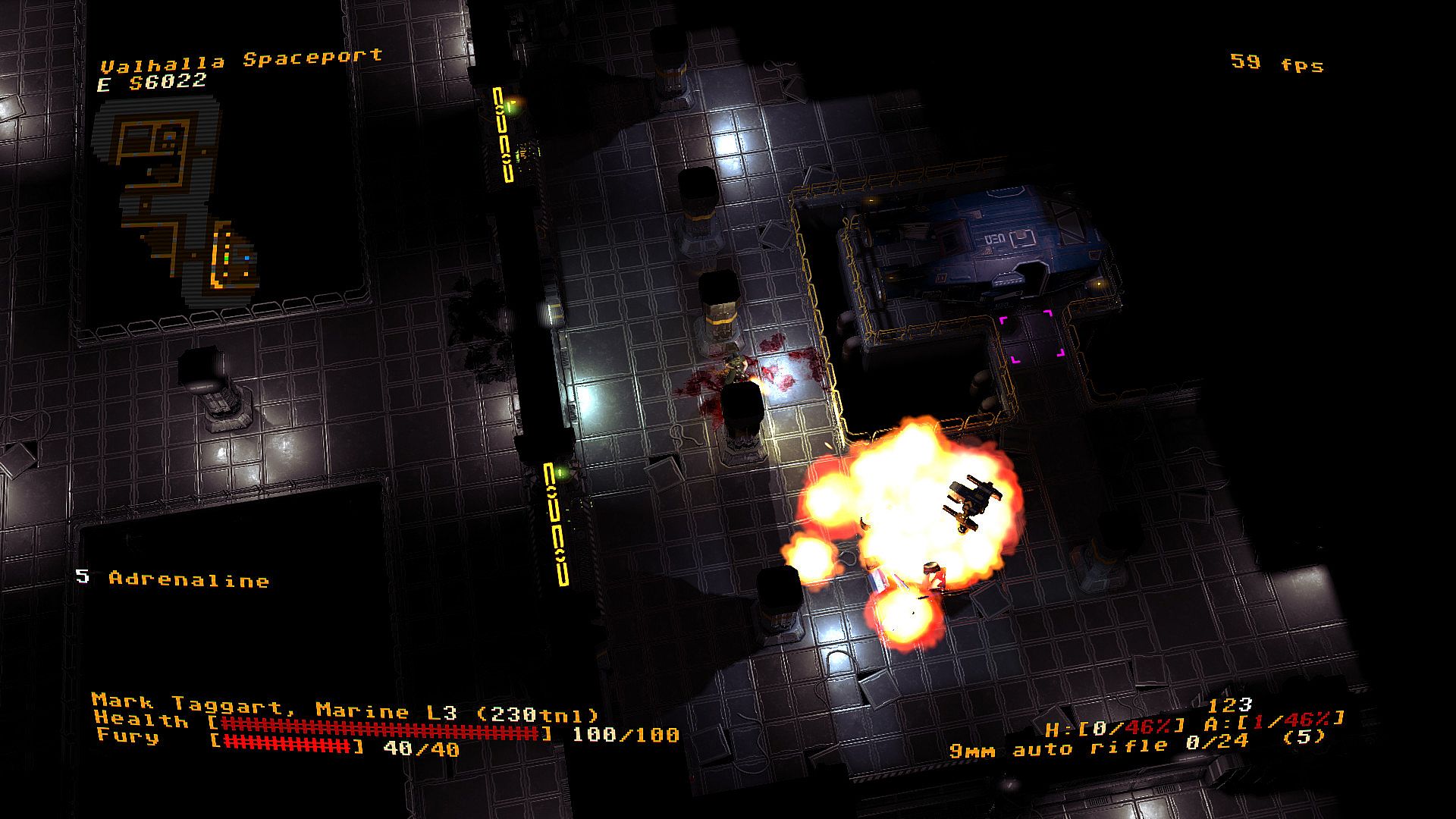
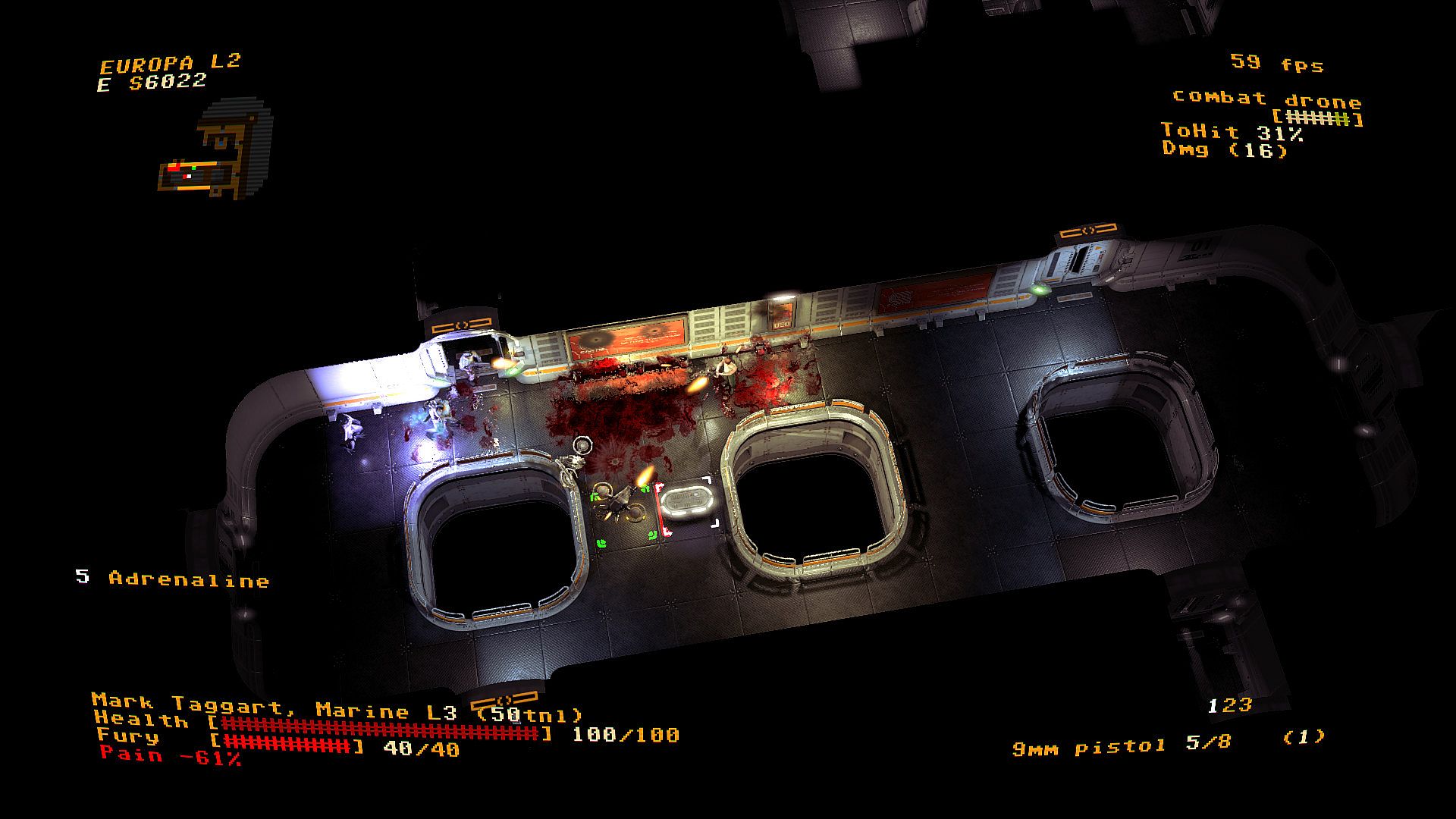
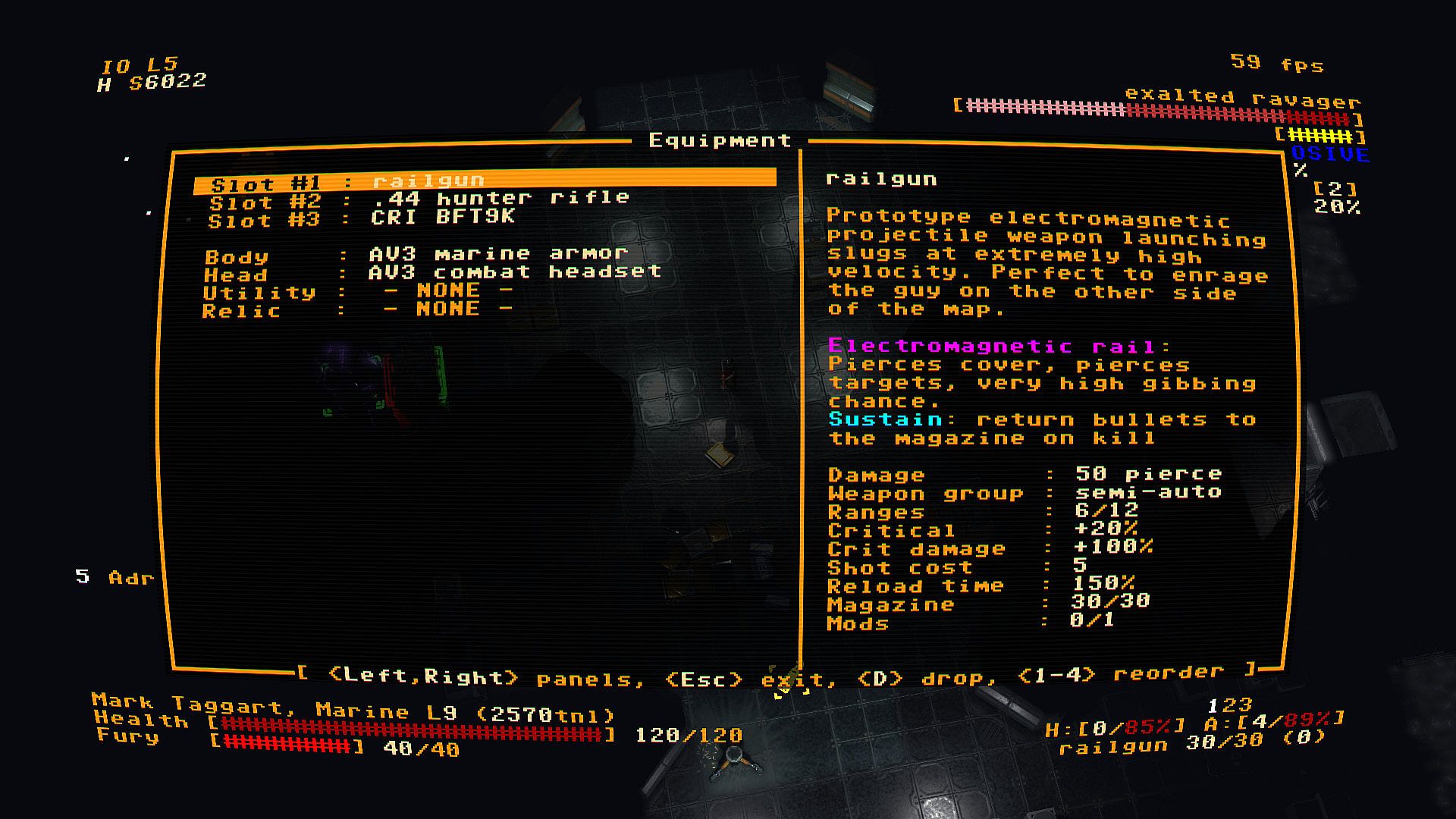
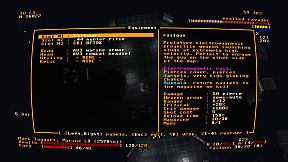
Core gameplay revolves around a strict turn-based system where movement and attacks advance both the player and enemies in an action queue. Each choice, from firing a weapon to reloading or repositioning, consumes time that determines the next opportunity to act. This creates tense encounters where positioning and timing matter more than raw speed. Weapons such as shotguns, chainguns, railguns, and chainsaws offer distinct trade-offs in damage, range, accuracy, and ammunition use, encouraging players to adapt loadouts to the situation at hand.
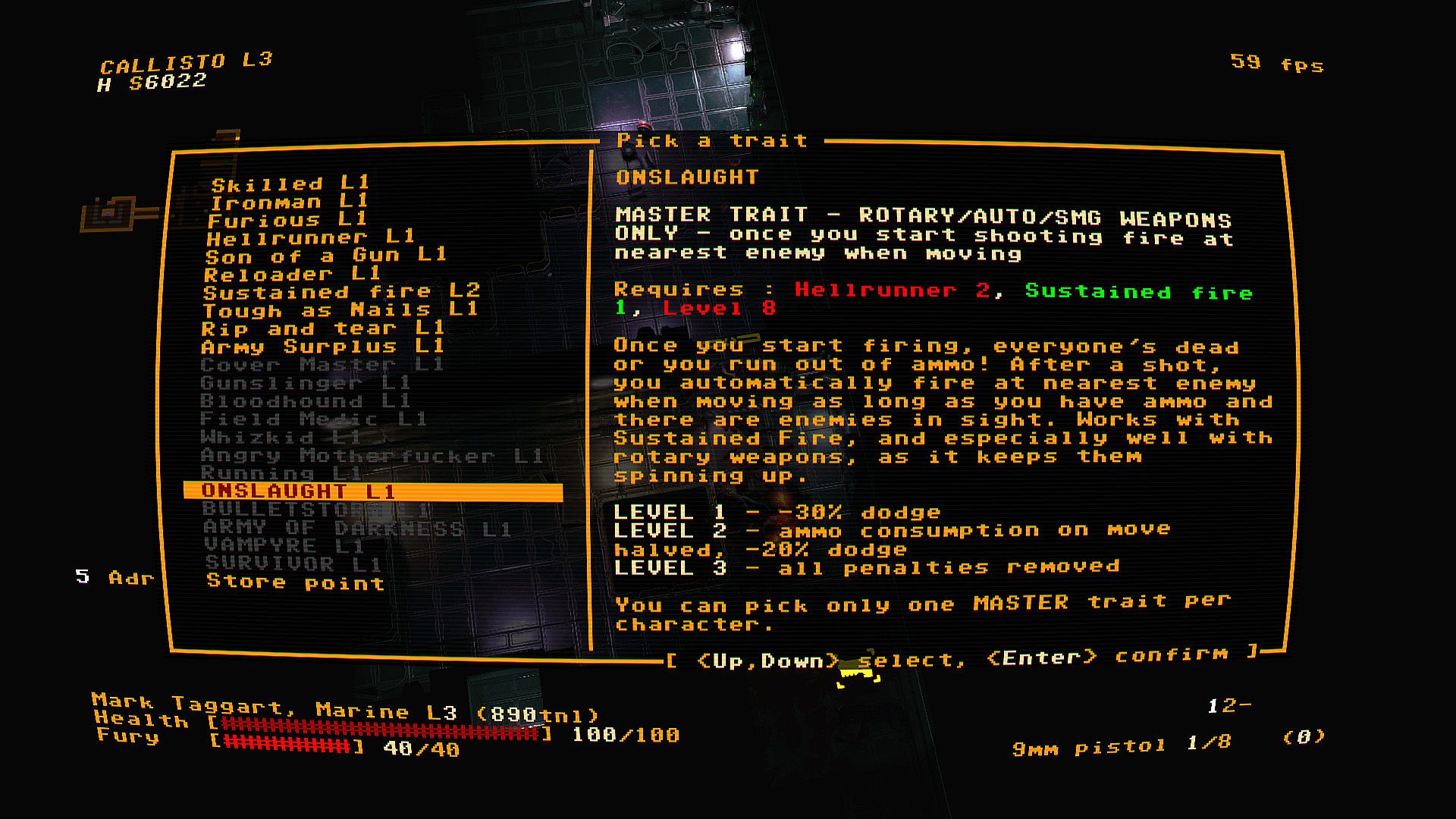
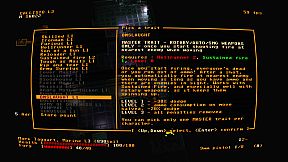
Levels generate procedurally on each run, ensuring varied layouts filled with cover opportunities and environmental hazards. Players select from character classes like marine, technician, or scout, then customize further through skill trees and perks earned during play. These systems support multiple builds focused on different playstyles, from aggressive close-range combat to careful long-range tactics. Permadeath means every mistake ends the run, heightening the stakes and rewarding careful planning over repeated attempts.
Progression involves unlocking new challenges after successful runs, which increase difficulty and introduce fresh obstacles. The emphasis remains on surviving hordes of zombies, demons, and other monstrosities without any hand-holding mechanics or frequent saves.
Game Modes
Jupiter Hell operates as a single-player roguelike with no multiplayer components. The primary experience consists of full runs through procedurally generated facilities, where the goal is to progress as far as possible before death resets progress. Each attempt tests different builds and strategies against escalating threats.
After completing a run, players gain access to additional challenges that modify the ruleset for subsequent attempts. These serve as harder variations rather than separate campaigns or modes, maintaining the core loop of tactical survival while adding variety through increased enemy density or altered starting conditions. The structure stays focused on individual, self-contained runs rather than persistent worlds or cooperative play.
Character Progression and Builds
Character development centers on a combination of class selection and perk acquisition. Early choices influence available weapons and abilities, while later perks allow refinement of specific strengths such as improved accuracy, faster reloads, or enhanced defensive options. Multiple viable paths exist for different weapon preferences and risk tolerances, supporting experimentation across runs.
Itemization plays a key role, with exotic weapons and equipment appearing in later stages to reward exploration. Players manage limited inventory space and must decide which tools to carry forward, adding another layer of tactical resource management to the roguelike formula.
Is It Worth Playing?
Jupiter Hell appeals directly to players who enjoy challenging turn-based roguelikes with strong tactical elements and no safety nets. Its permadeath and procedural structure deliver high replayability for those comfortable with repeated failures leading to eventual mastery. The game receives consistent praise for its faithful adaptation of classic shooter themes into a grid-based format, supported by ongoing updates that include new perks, stations, and modding tools through version 1.7 and beyond.
Reception highlights the satisfying combat loop and atmospheric presentation for fans of the genre. It suits individuals seeking a deliberate, unforgiving experience rather than fast-paced action or narrative-driven campaigns. Availability on PC makes it accessible for those ready to invest time in learning its systems and overcoming its steep difficulty curve.