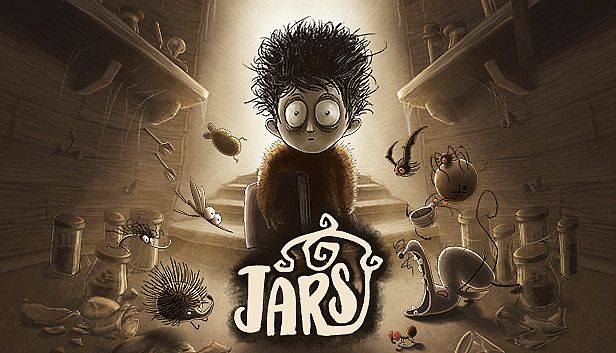






















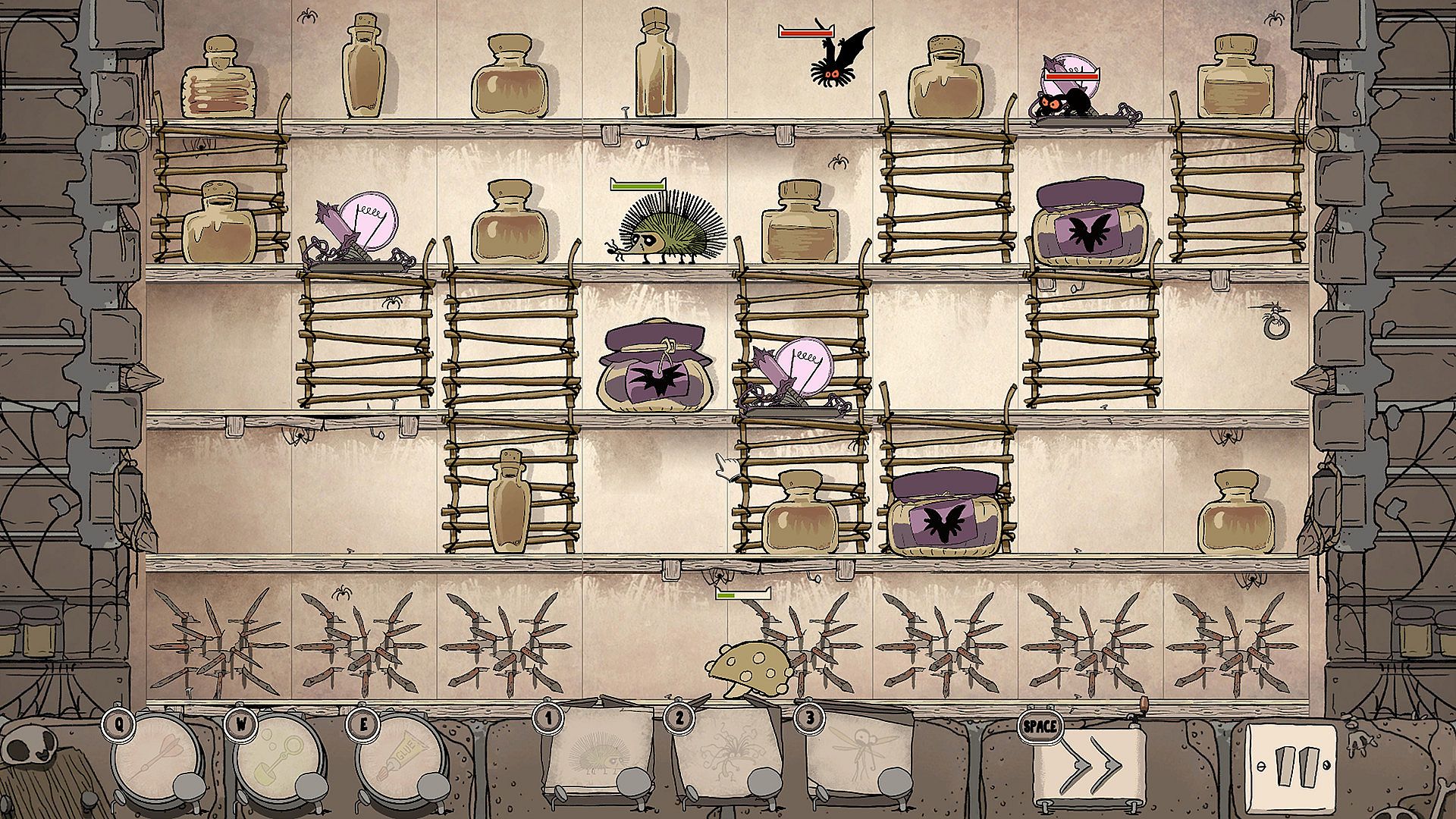
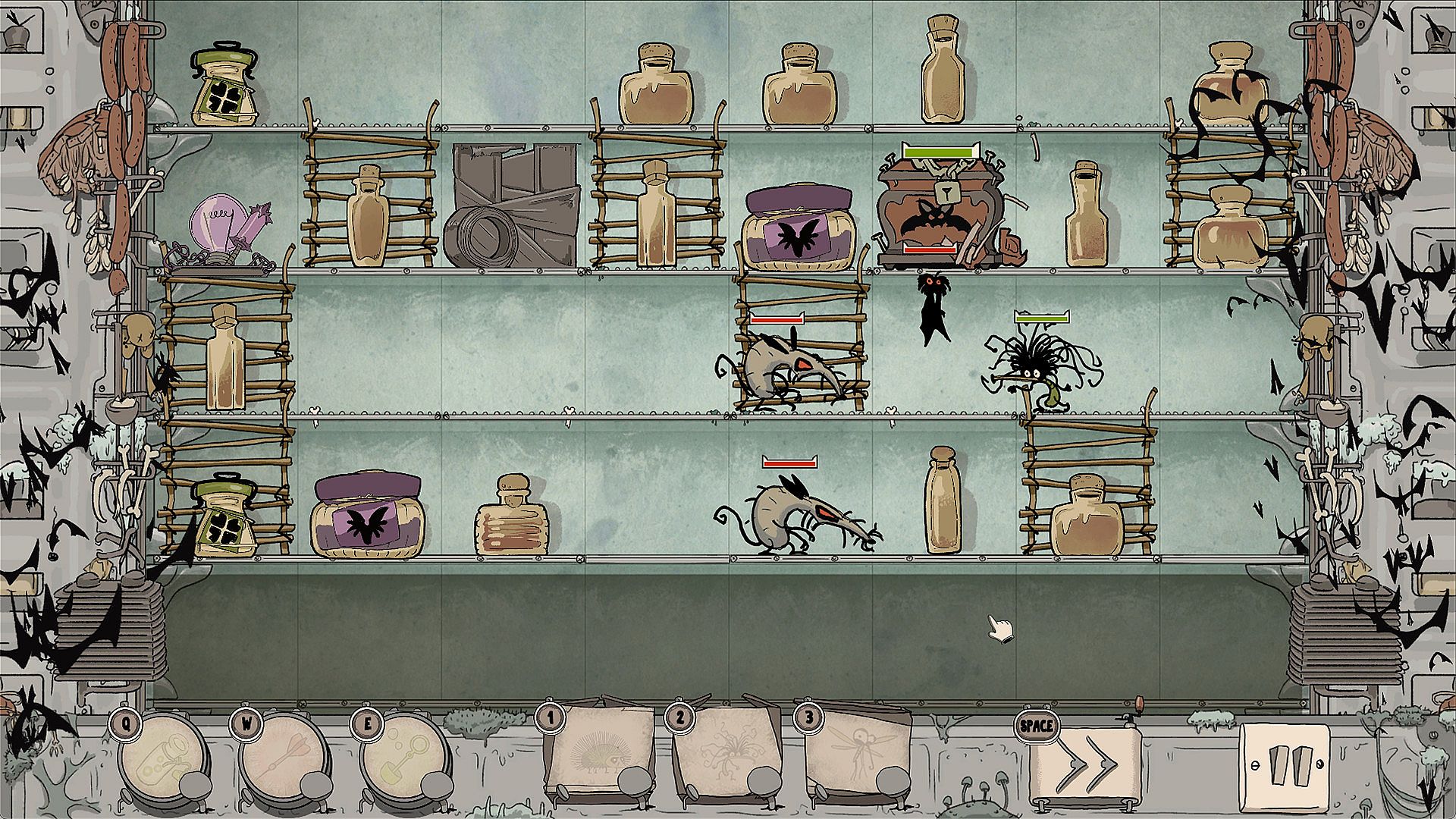
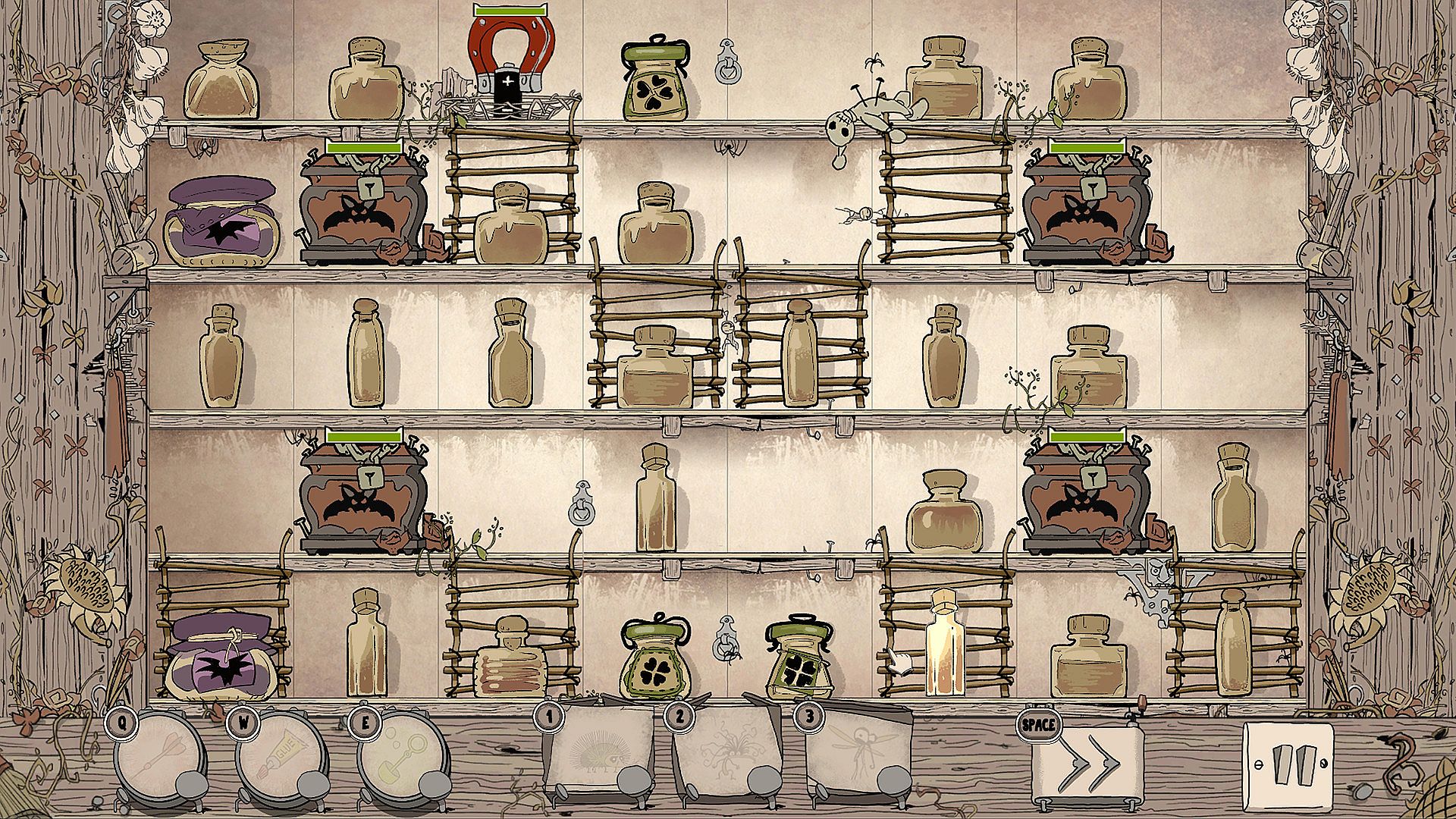
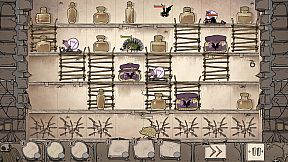
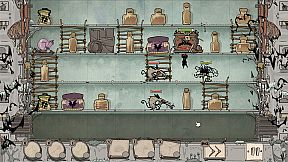
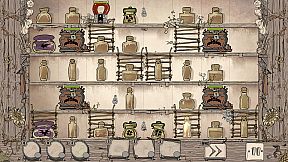
JARS is an indie strategy game that blends puzzle solving with tower defense mechanics on PC. Players take control of Victor in a quirky basement setting filled with hidden dangers and supernatural surprises. The core loop revolves around breaking jars to eliminate threats while safeguarding a central Sarcophagus from emerging enemies known as nasties.
Gameplay
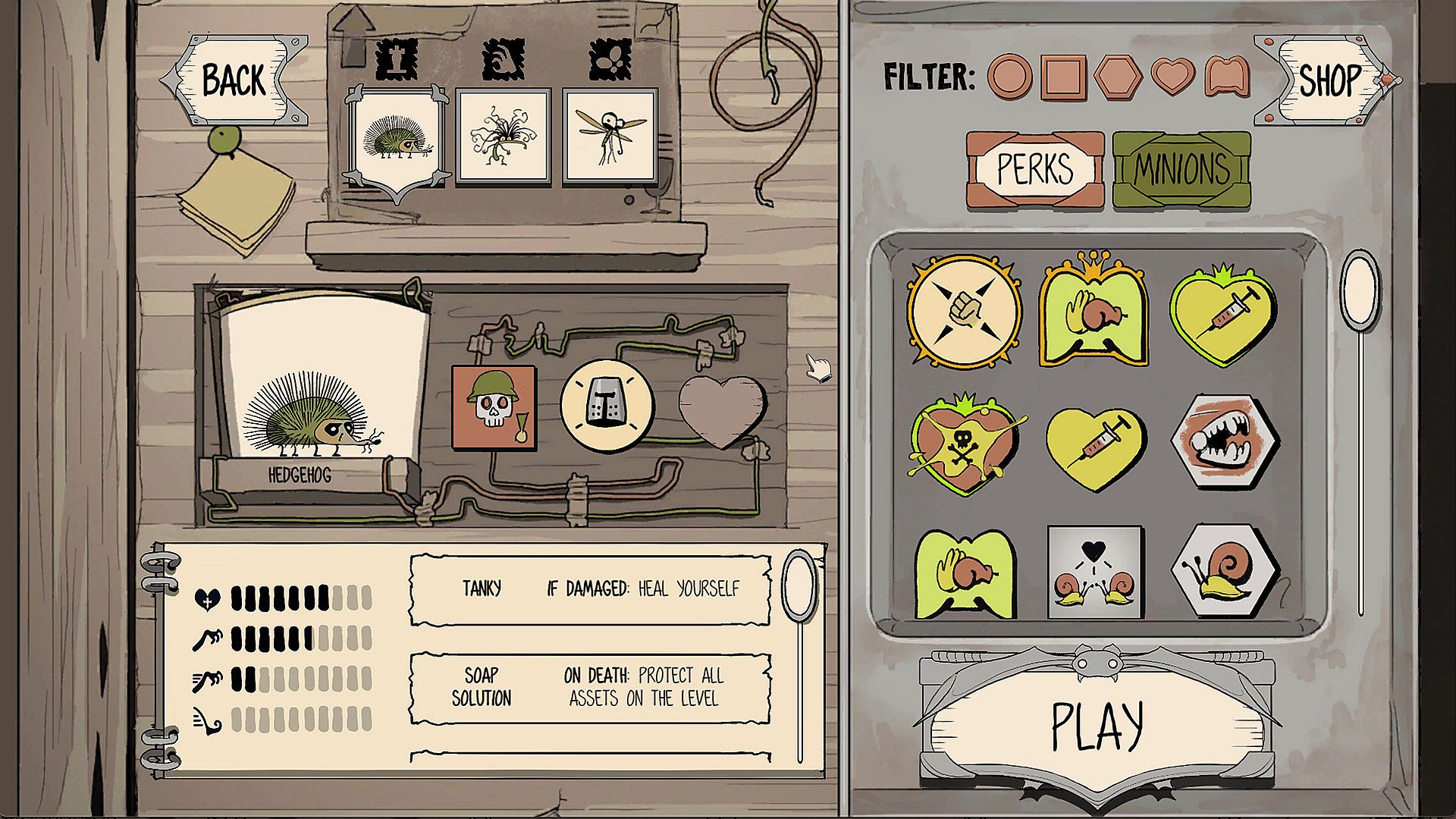
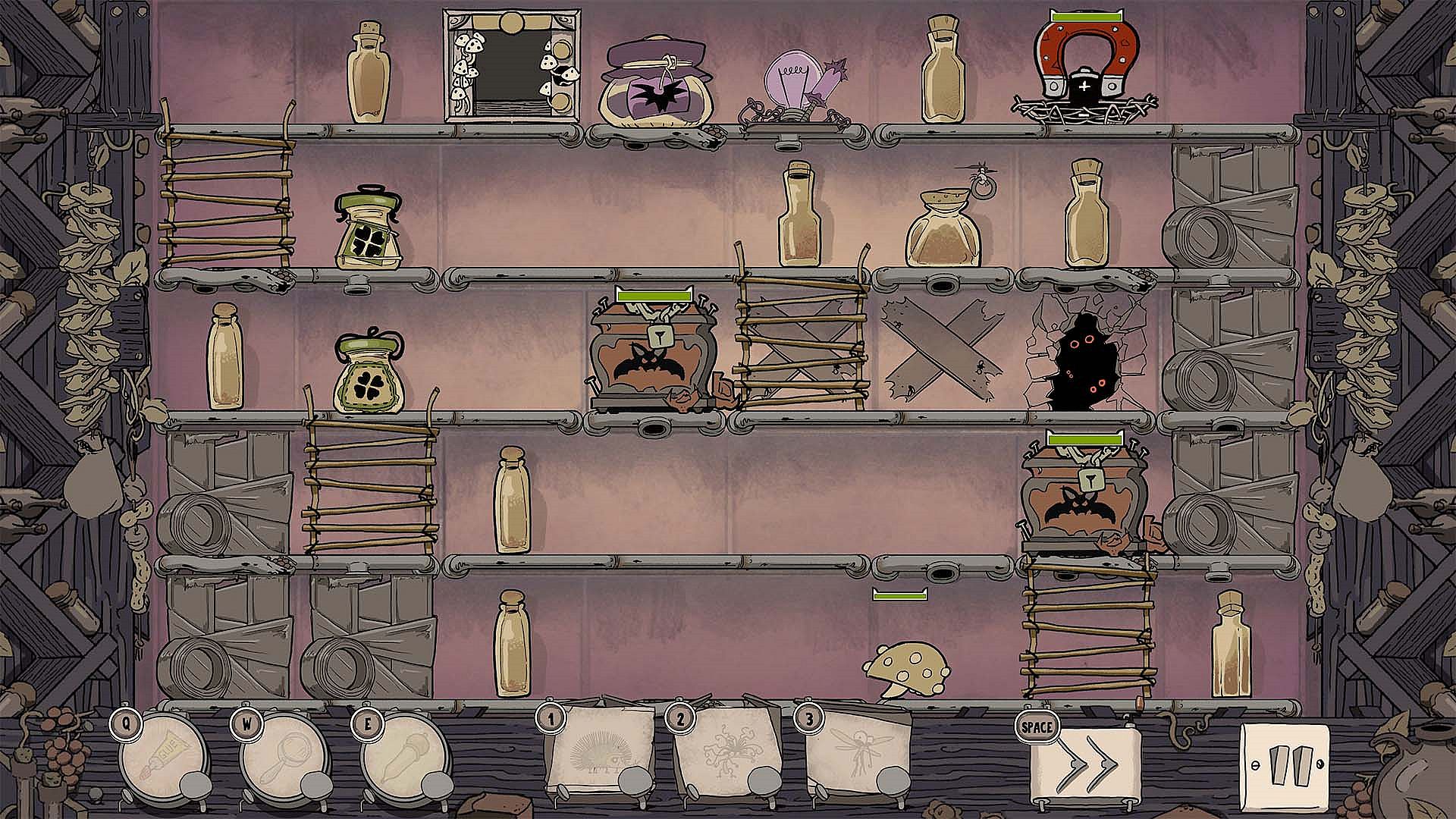
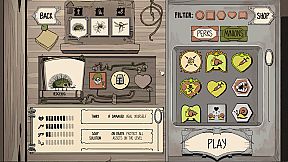
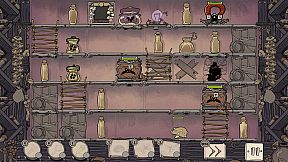
The experience centers on strategic placement and quick decisions across a series of levels set in a dimly lit cellar environment. Each stage presents a mix of known and unknown elements, as most jars hold random contents that can spawn helpful minions or hostile creatures. Players select from available minions and abilities at the start of a level, then position them to intercept threats and clear objectives. Randomization keeps every run fresh, forcing adaptation to whatever emerges from the jars.
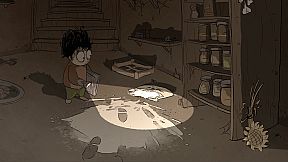
Hand-drawn visuals capture a spooky yet humorous tone, with detailed backgrounds that evoke an old, cluttered basement complete with shadows and unexpected details. The art style draws from classic influences while adding a layer of dark comedy to the proceedings. Puzzles integrate directly into the defense setup, requiring players to think ahead about jar reveals and minion synergies to handle shifting situations efficiently.
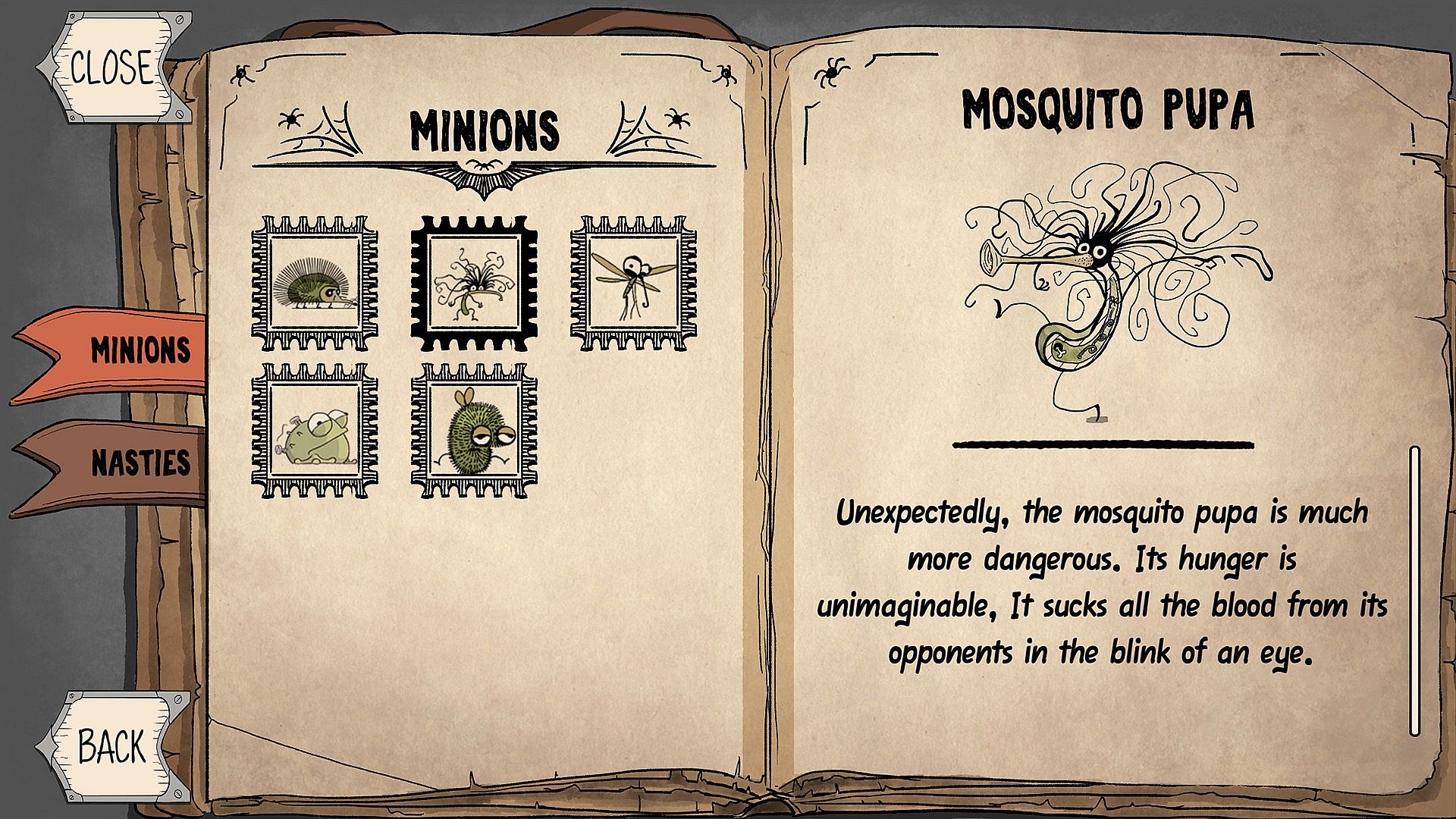
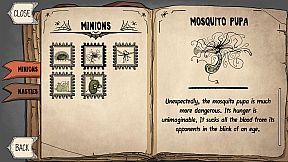
Minions serve as the primary tools for both offense and protection, with different types suited to specific roles like area control or direct confrontation. Planning involves weighing risks, since unidentified jars can introduce new mechanics or enemies mid-level. This system rewards foresight and flexibility rather than rigid strategies.
Game Modes
Progression unfolds through a campaign of individual levels, each with tailored objectives that evolve beyond simple jar destruction. Early stages focus on clearing all containers and defeating spawned threats, while later ones introduce variations such as activating light sources, defending specific objects like mushrooms, or surviving for a set duration.
Hero mode provides a distinct approach by allowing direct control of a single minion for more hands-on navigation and combat within the level. This shifts the perspective from overhead planning to active participation, adding variety to how players tackle challenges. Objectives remain level-specific and change to maintain engagement across the full sequence.
No separate multiplayer or endless variants appear in the design. The structure emphasizes single-player progression with built-in surprises through randomization, ensuring each level demands fresh tactical adjustments.
Art and Atmosphere
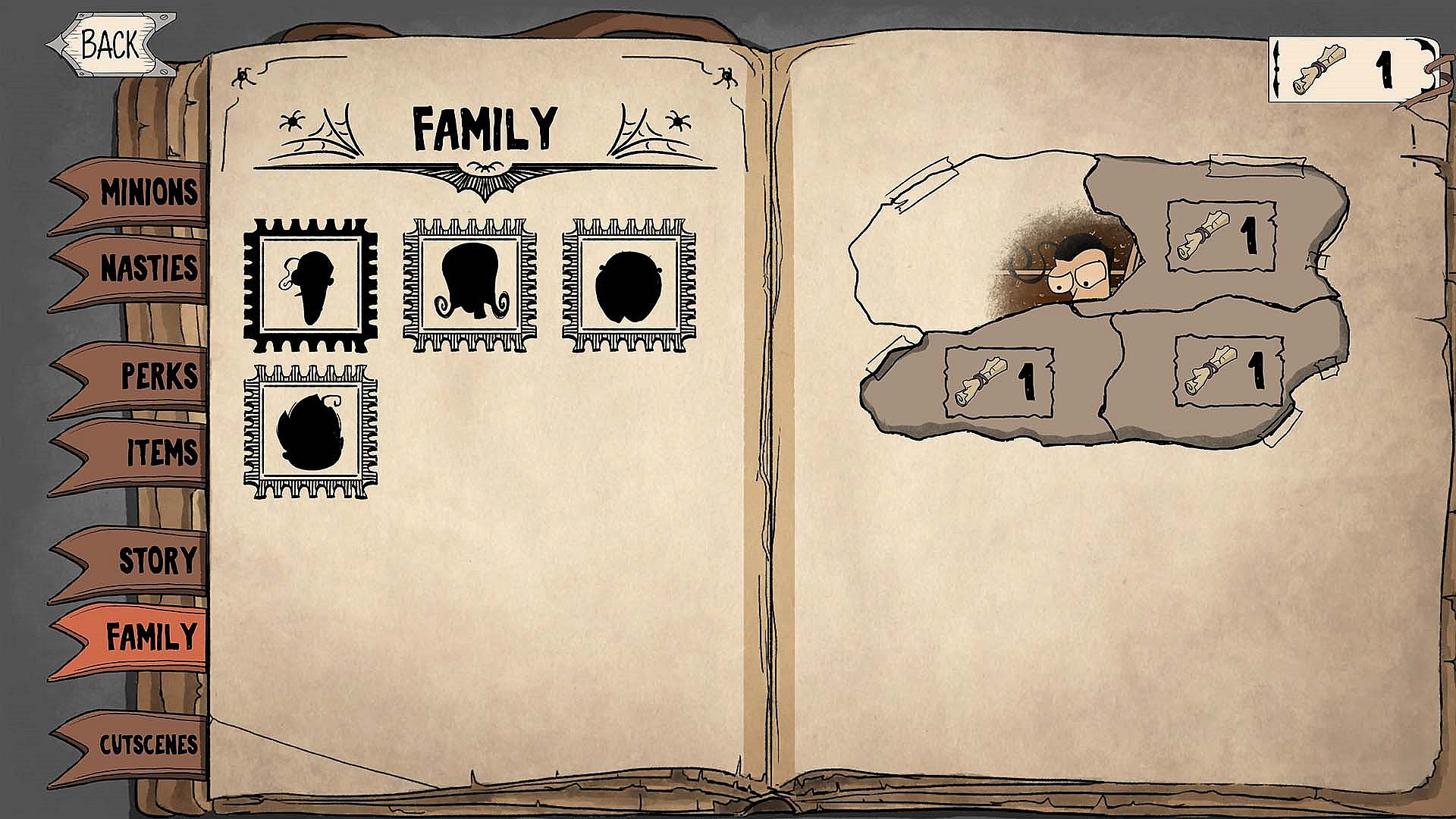
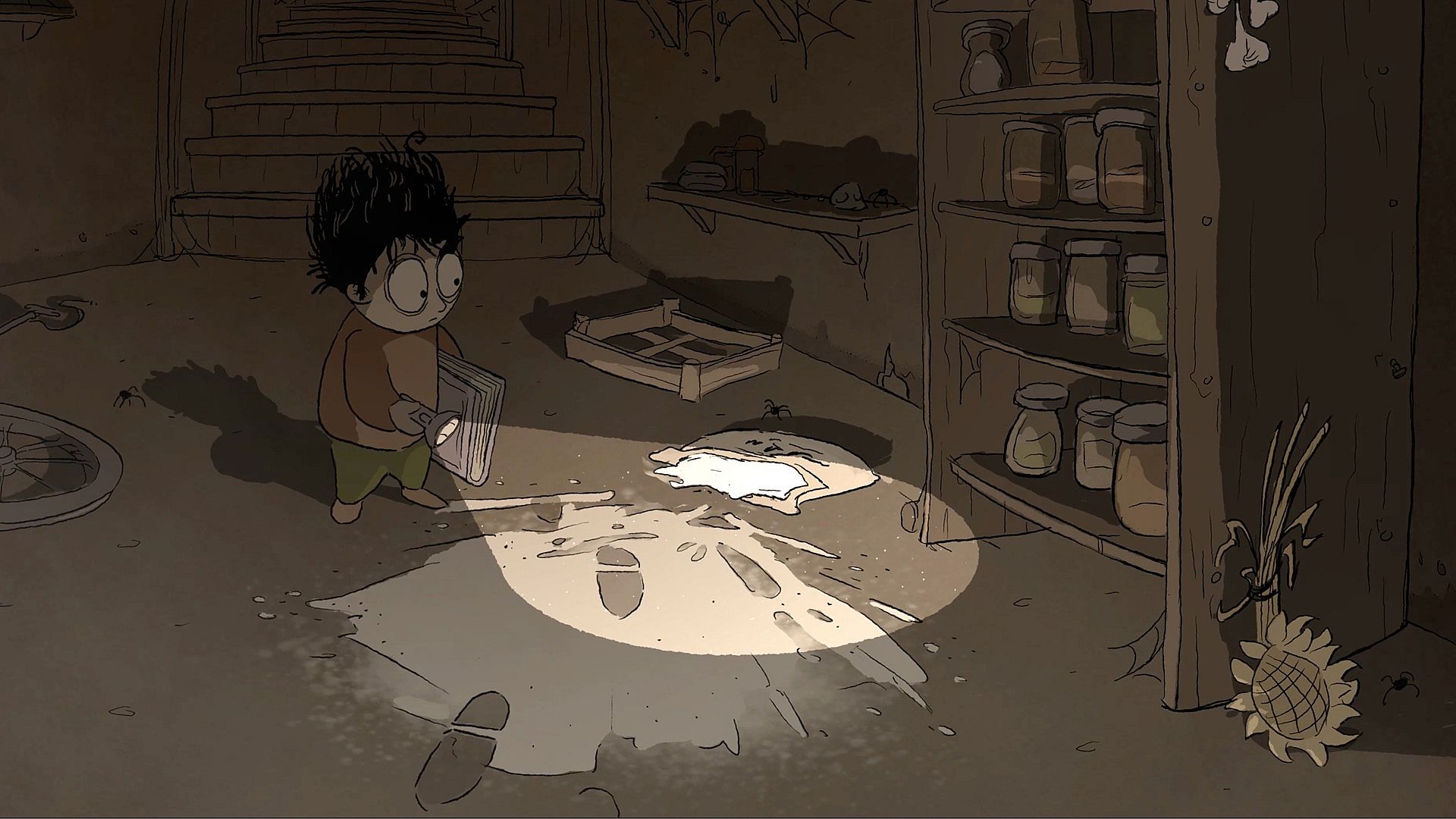
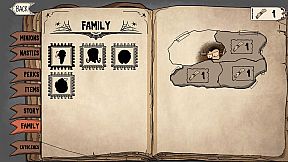
Visuals stand out for their hand-drawn quality that mixes grim cellar details with playful elements. The style supports the narrative involving Victor's family secrets, missing book pages, and unexpected basement inhabitants like a Dracula figure. Cutscenes and environmental storytelling enhance the quirky tone without overshadowing the core mechanics.
Sound design complements the atmosphere with fitting music and effects that underscore the tension of jar reveals and minion encounters. The overall presentation creates an immersive yet lighthearted world that fits the strategy focus.
Is It Worth Playing?
JARS suits players who enjoy thoughtful strategy combined with puzzle elements and tower defense foundations. The randomization and adaptation requirements deliver consistent variety, while the basement theme and minion management provide a distinctive hook. Reviews highlight the charming presentation, engaging story beats, and satisfying strategic depth as strengths that make the game rewarding for those who appreciate short, replayable sessions.
Controls receive occasional notes for feeling somewhat clunky, yet the level design allows most challenges to be overcome through experimentation. As a complete single-player title with no ongoing seasonal content or expansions confirmed, it offers a self-contained experience ideal for fans of indie strategy games seeking something offbeat. Those drawn to hybrid puzzle-defense gameplay with strong visual personality will find it a solid choice without unnecessary complexity.