









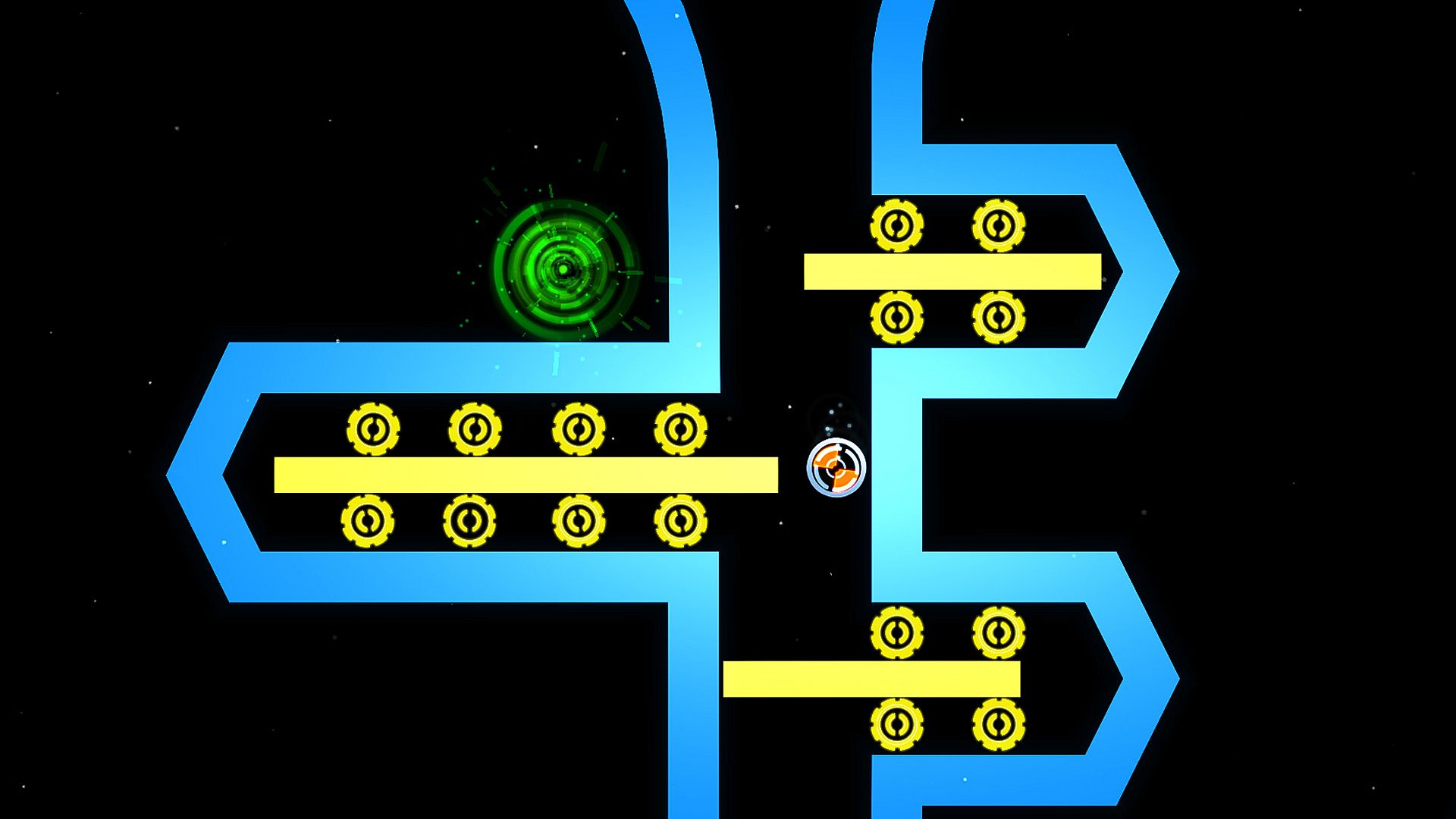
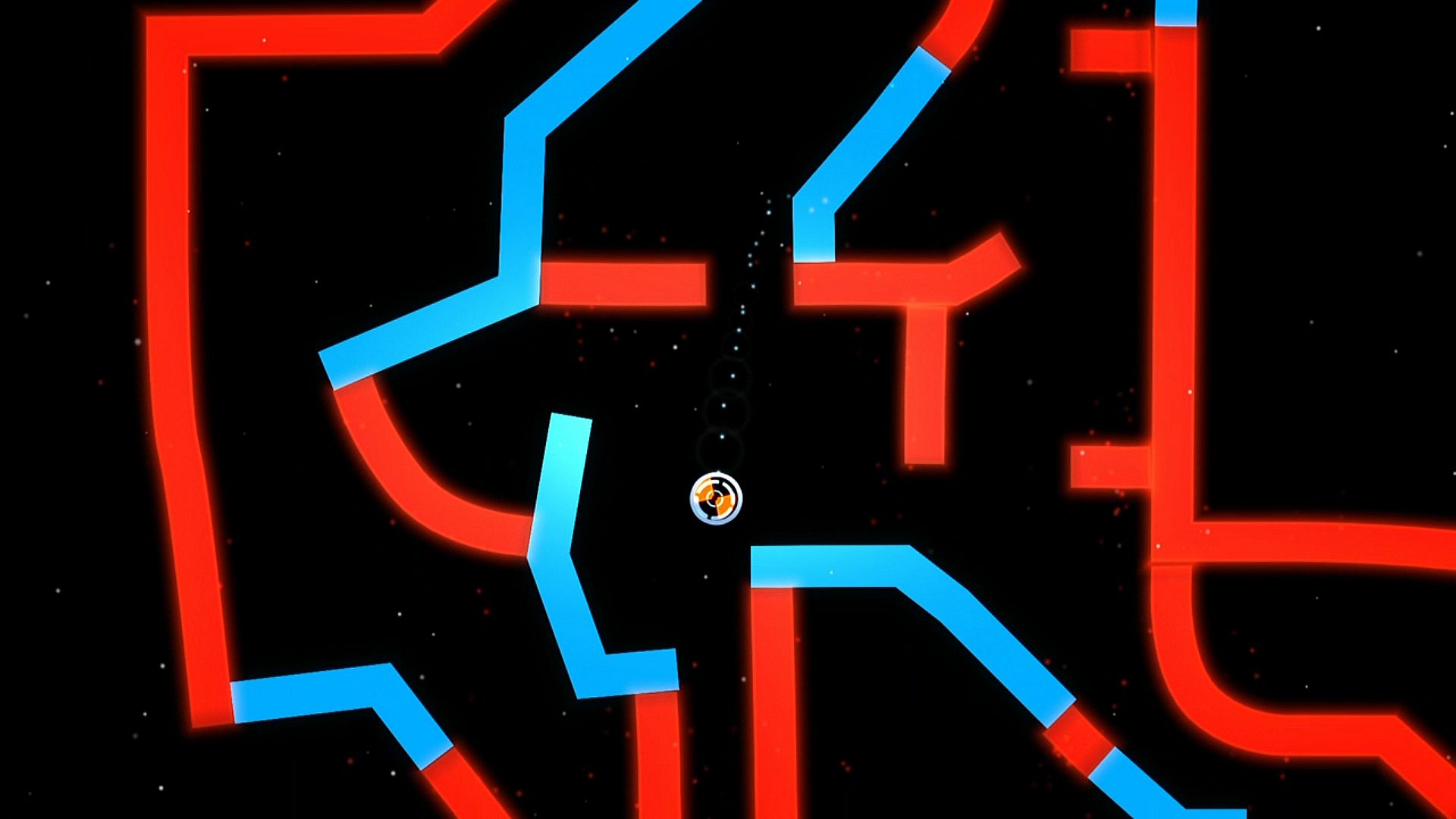
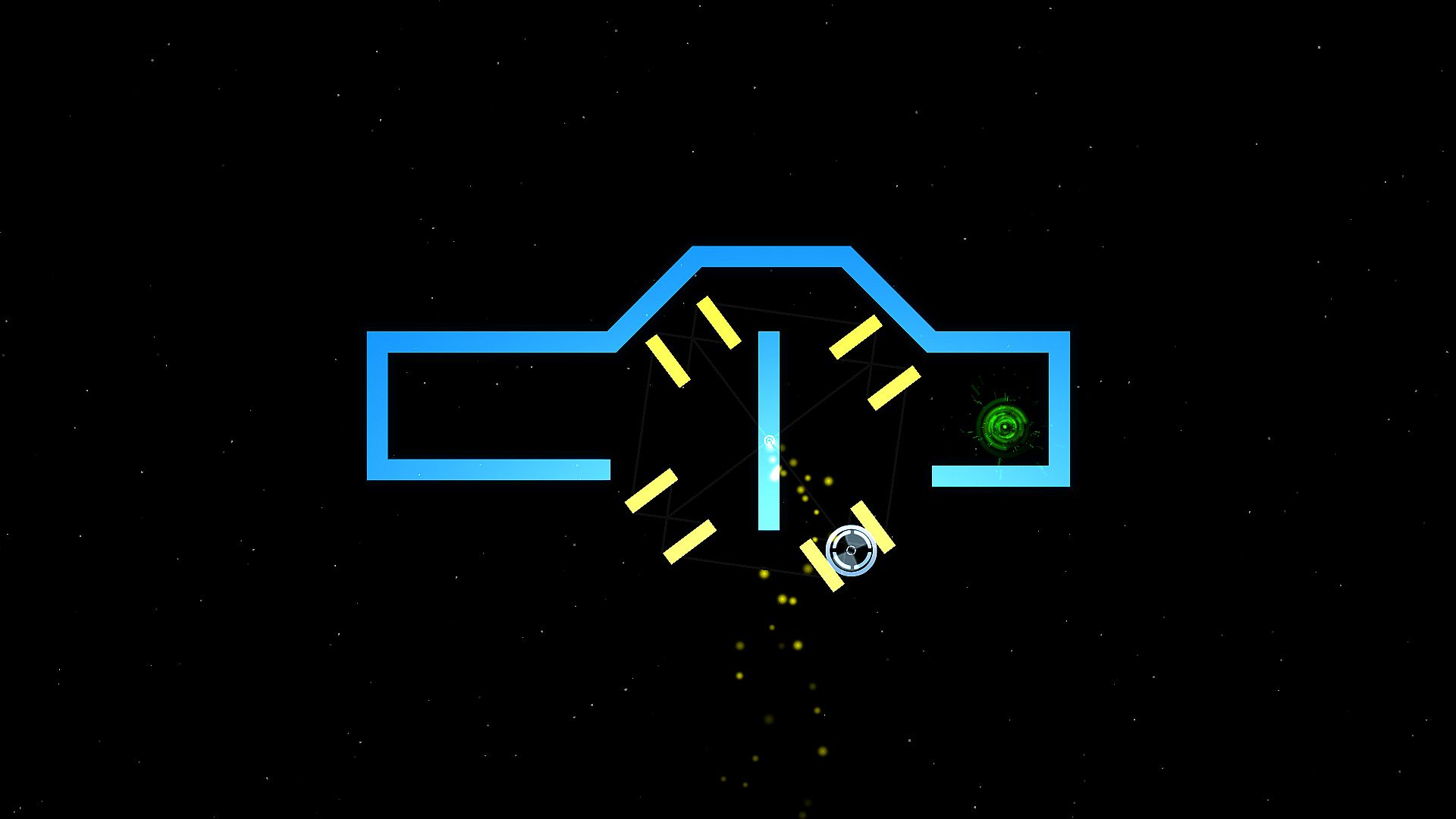
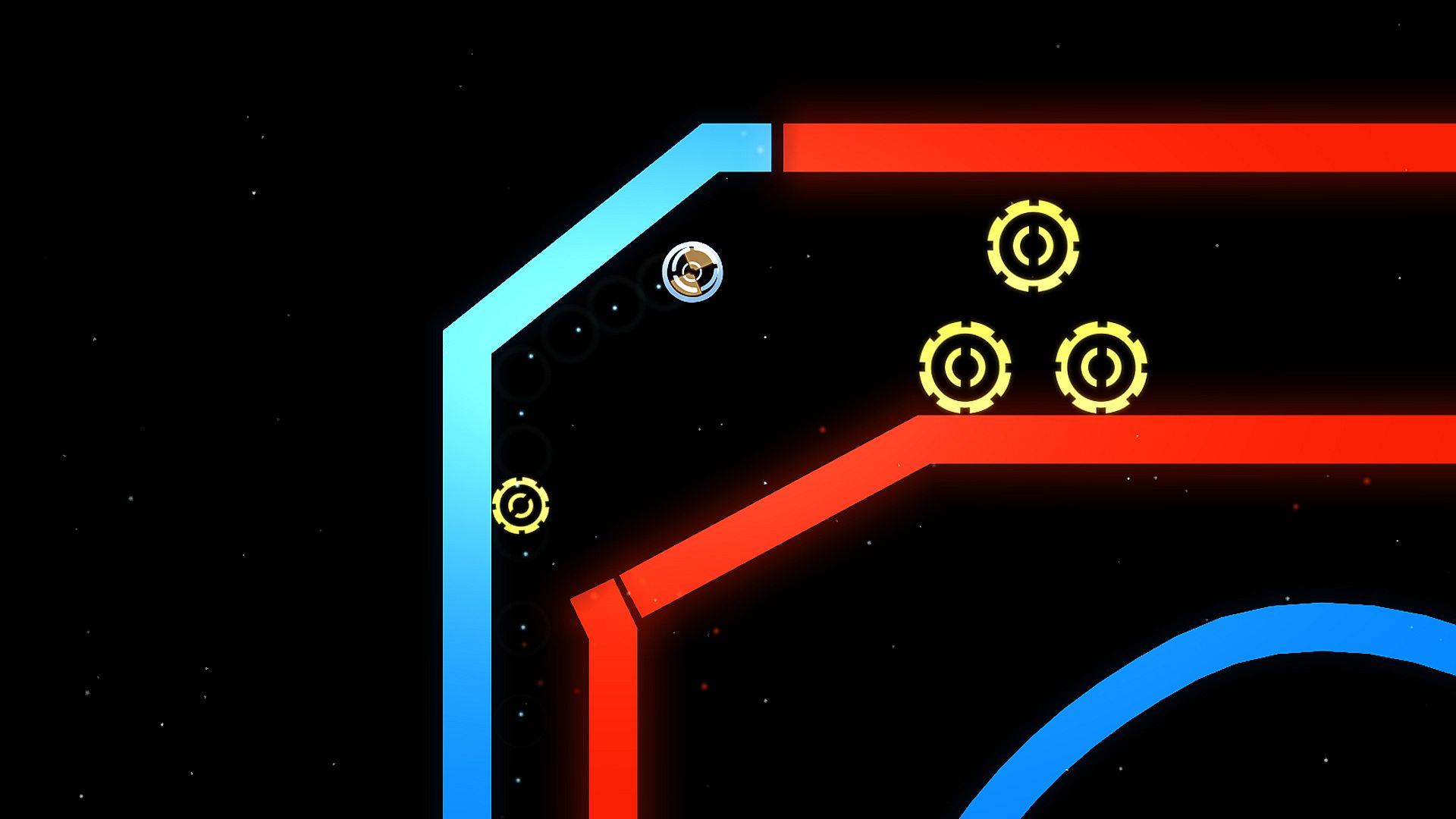
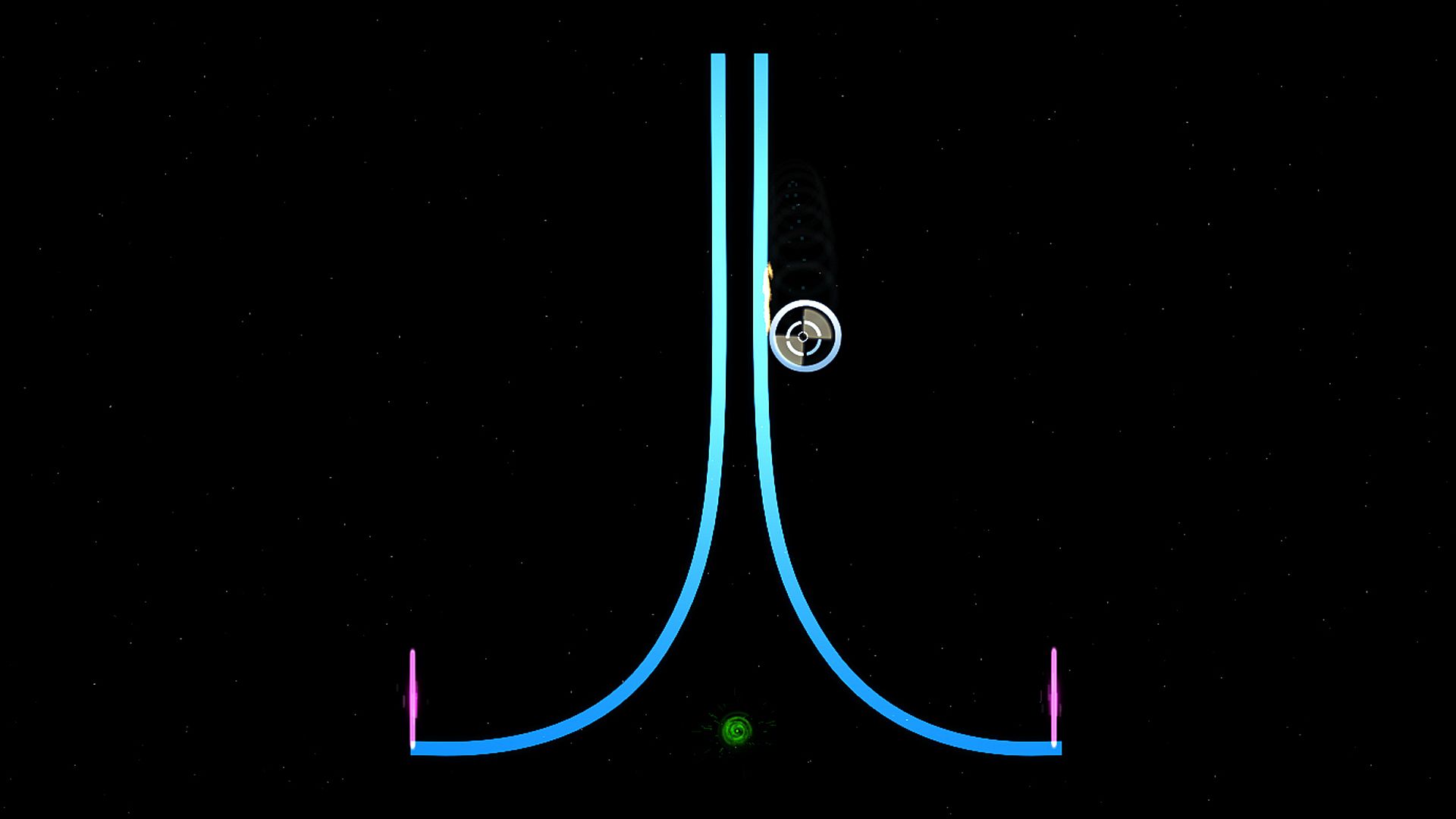

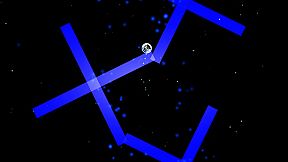
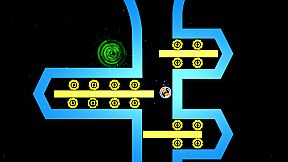
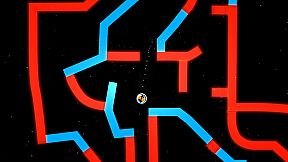
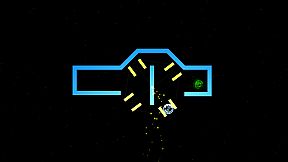
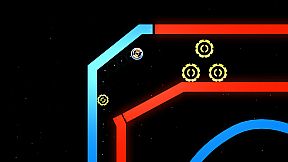

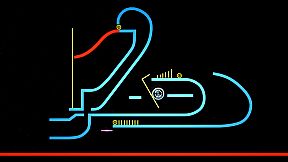

iO is a physics platformer that puts players in control of a ball navigating through a series of intricate environments. The core loop revolves around adjusting the ball's size to alter its speed and weight, which directly impacts momentum and how it interacts with the surroundings. This mechanic encourages experimentation with physics principles to build velocity, clear obstacles, and reach the exit in the shortest time possible. The game blends action elements with puzzle-solving, appealing to those who enjoy precision timing and creative problem-solving in an indie package that also incorporates racing-style competition through time-based challenges.
Gameplay
Players guide the ball by expanding or contracting its size at key moments. A larger ball gains more weight for stability on certain surfaces but moves slower, while a smaller version accelerates quickly yet risks instability on slopes or gaps. Momentum plays a central role, as players must chain movements to carry speed across gaps or up inclines without losing control. The physics system responds realistically to these changes, requiring careful planning to avoid getting stuck or overshooting targets. Dual stick controller support enhances precision, allowing one stick for movement direction and the other for size adjustments during play.
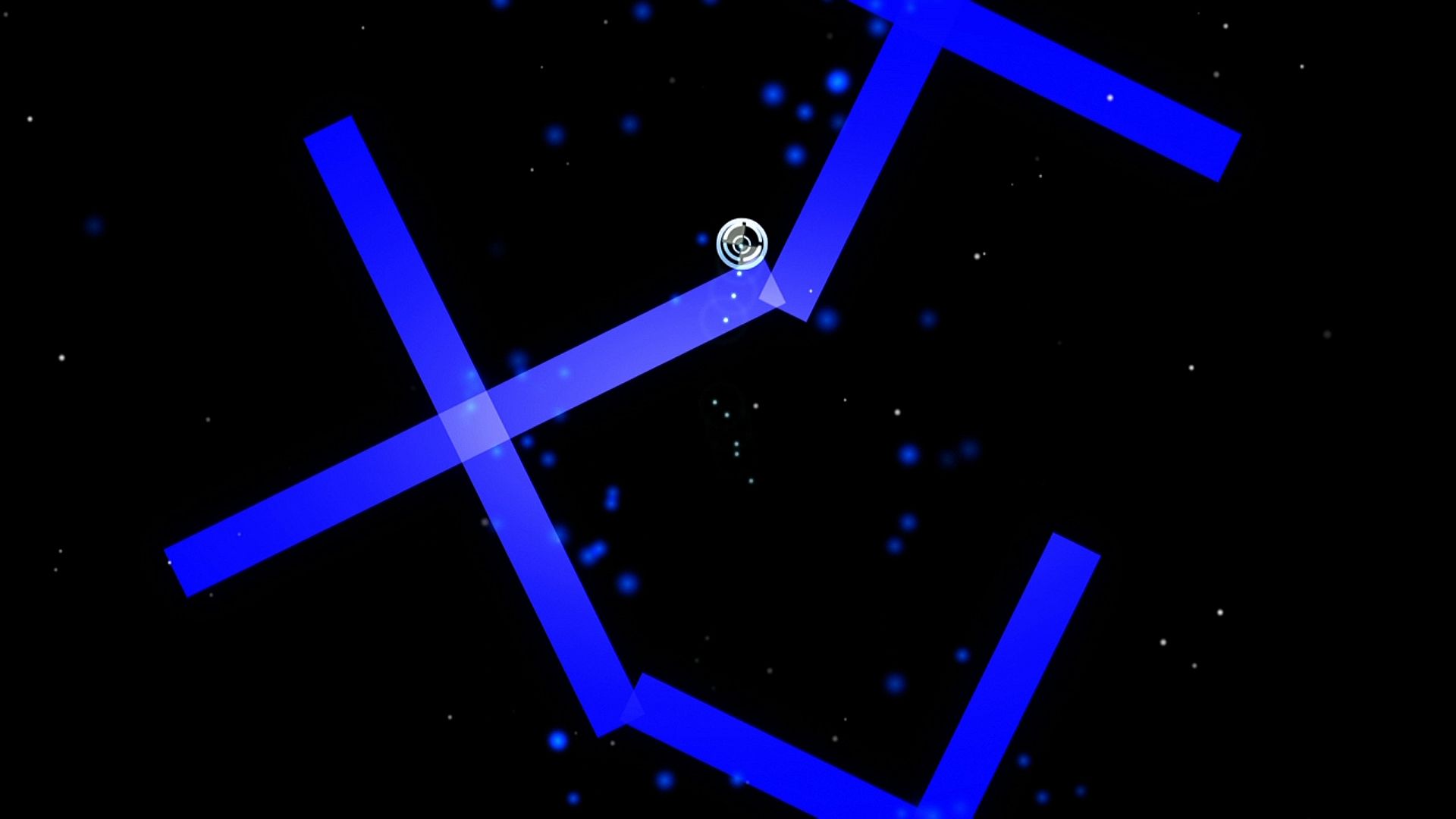
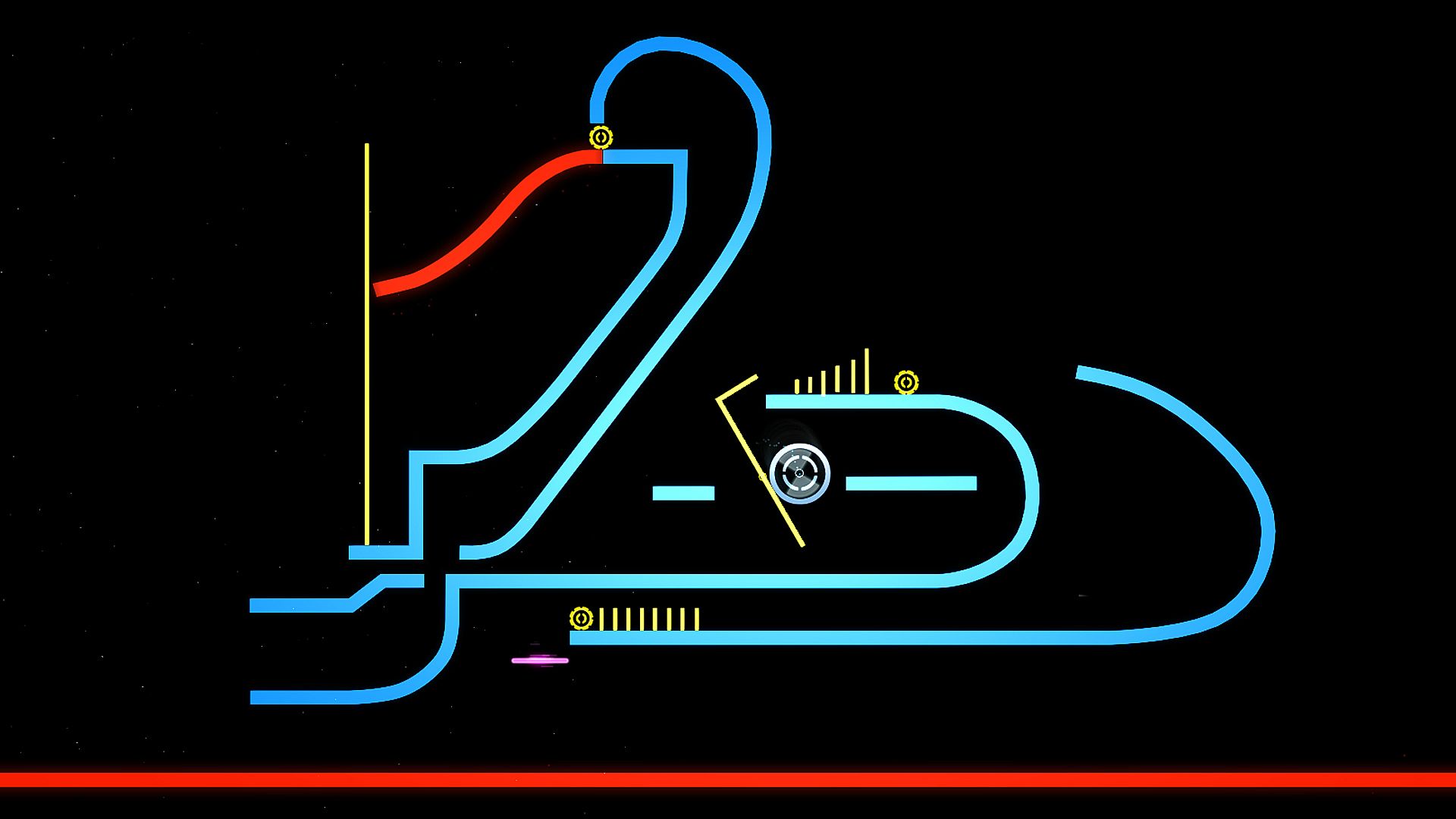
Levels incorporate environmental interactions that test these adjustments repeatedly. Players encounter surfaces that demand specific sizes for traction or clearance, and the need to maintain forward progress without unnecessary stops adds tension to each attempt. Trial and error forms a natural part of progression, as failed runs reveal better paths or timing windows. The emphasis stays on single-player mastery, with no external elements like enemies or timers beyond personal performance goals.
Game Modes
The primary experience consists of progressing through a collection of levels that increase in complexity. Each level presents a unique layout designed around the ball's size-changing ability, pushing players to solve spatial puzzles while optimizing speed. Leaderboards attached to every level introduce a competitive layer, where individuals can compare completion times against others or friends. This setup turns standard level clears into personal races, encouraging multiple attempts to improve rankings.
Medals serve as performance benchmarks within the levels. Earning bronze, silver, or gold requires meeting specific time thresholds, which rewards consistent improvement and deeper understanding of the physics interactions. No separate multiplayer sessions exist, keeping the focus on solitary runs that feed into the shared leaderboard system for indirect competition.
Level Design and Challenges
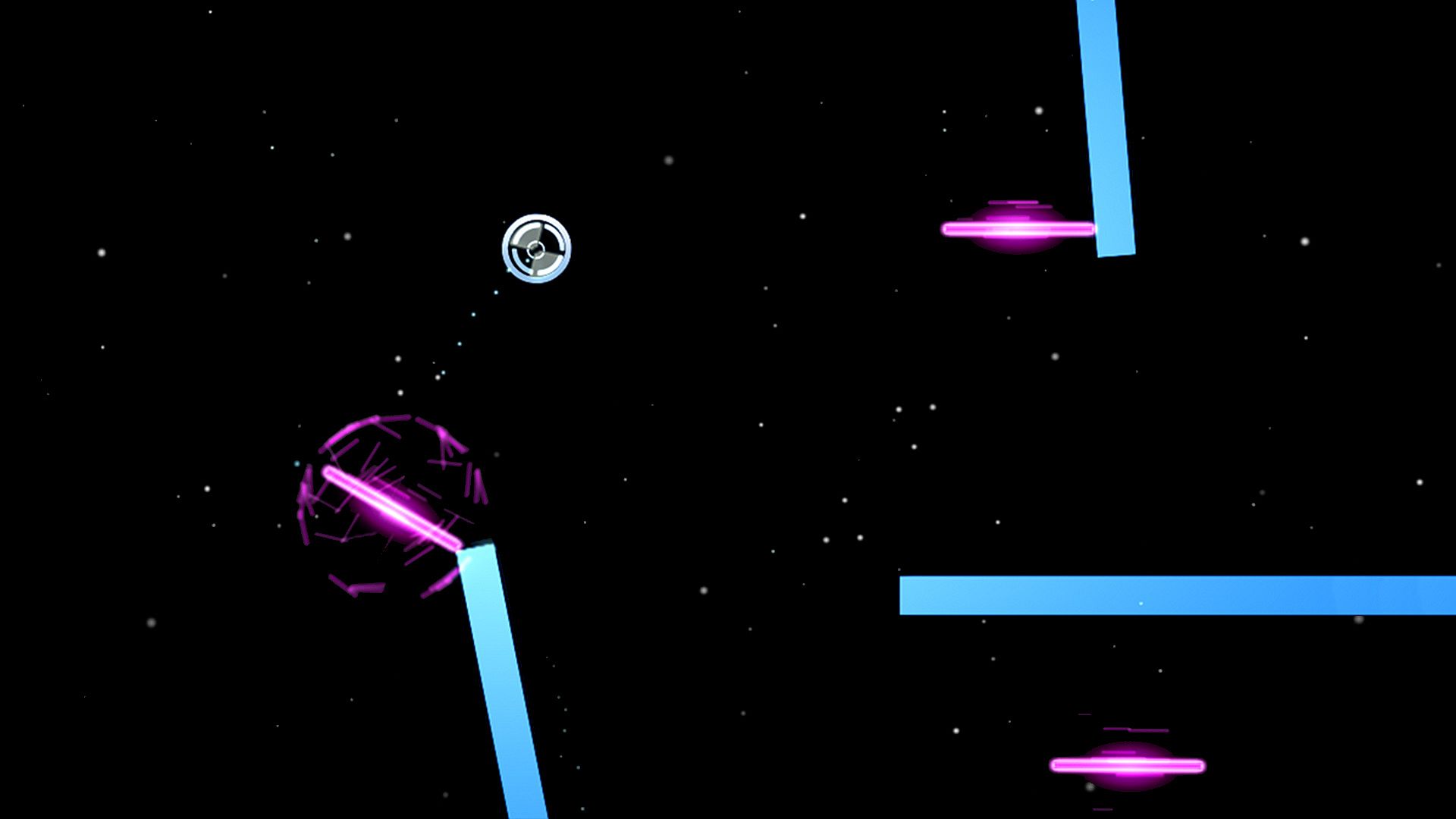
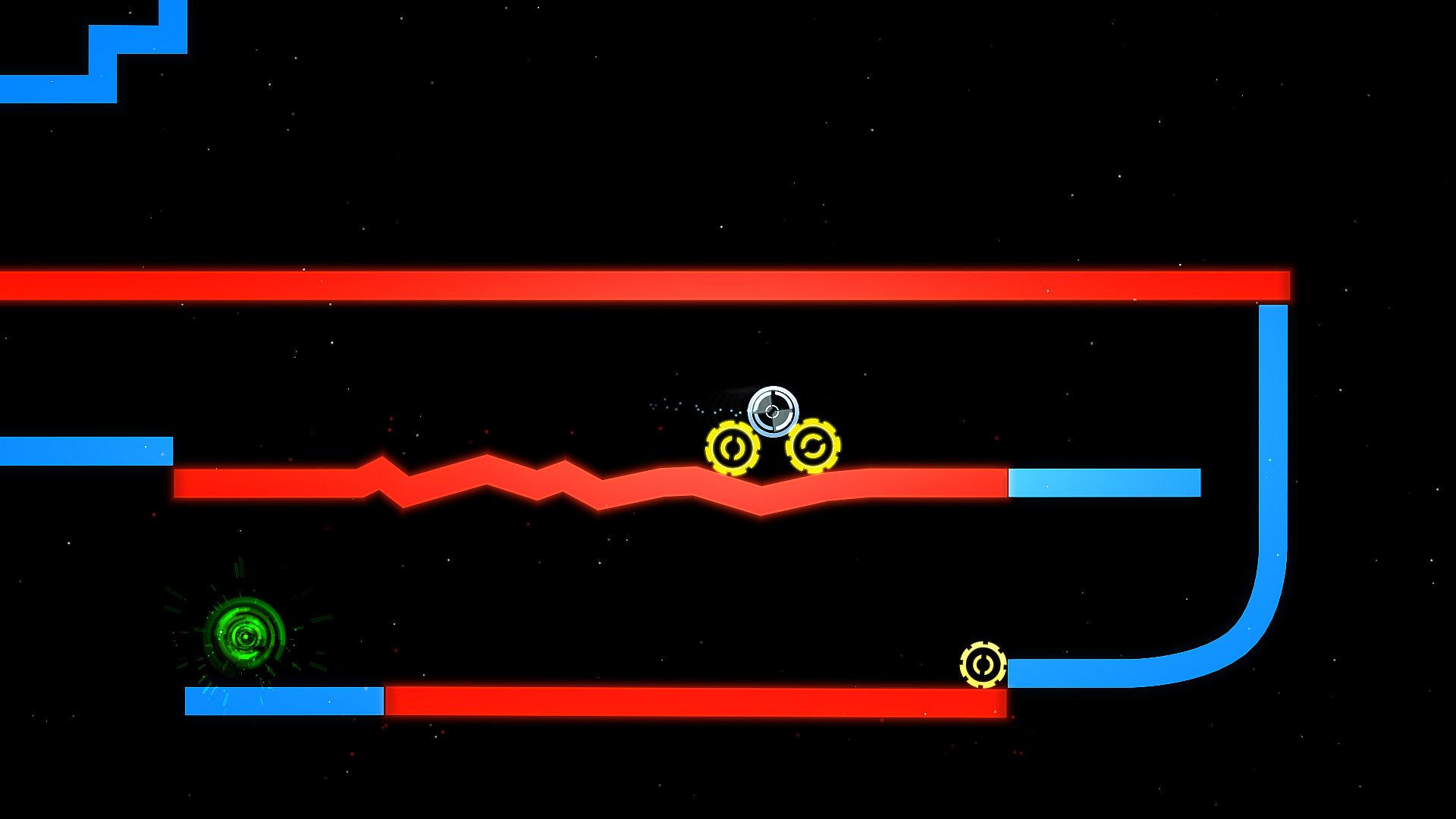
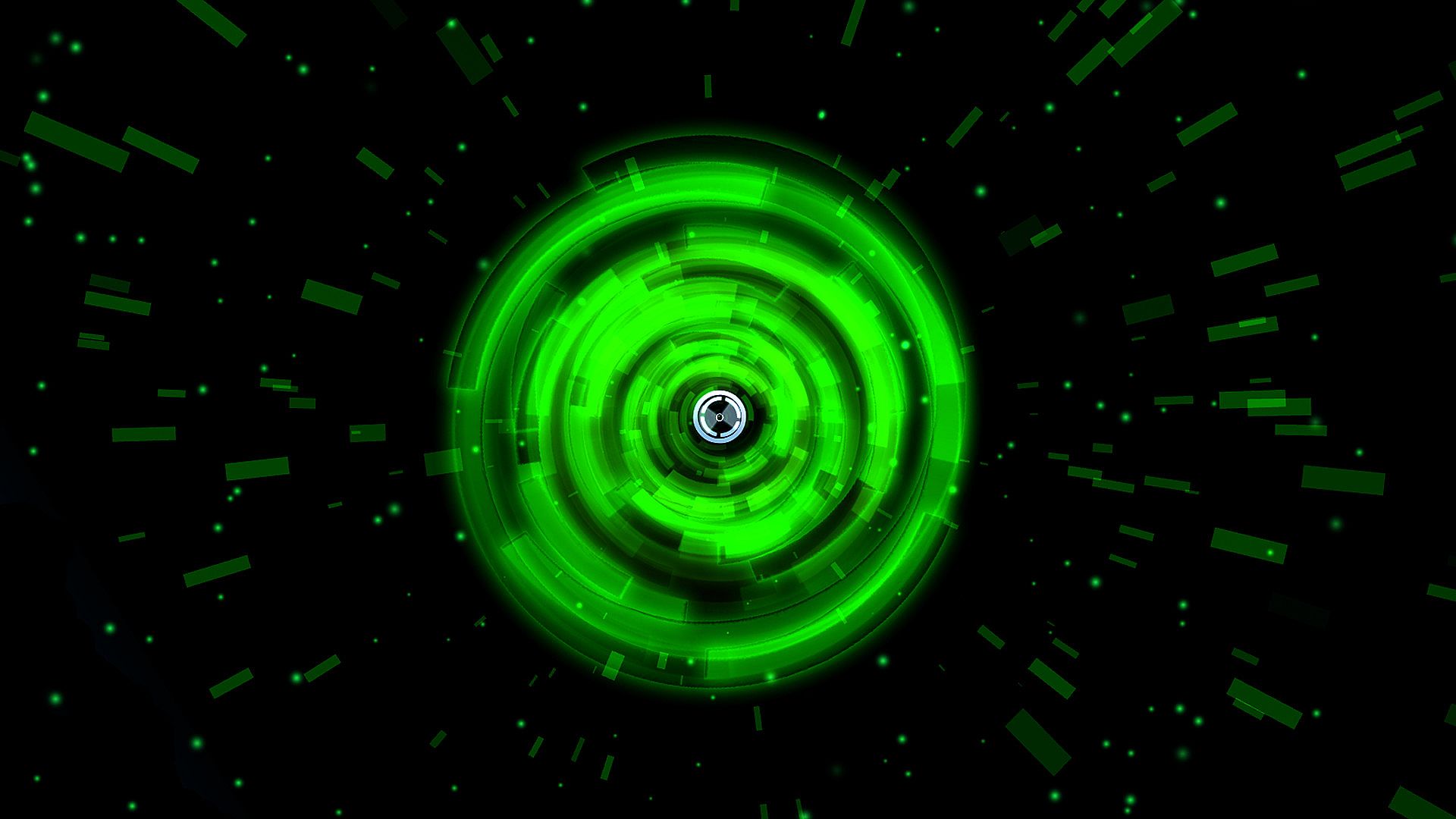
With 225 levels available, the game offers substantial content that spans standard challenges and a dedicated set of extra-difficult Impossiball stages. These tougher variants demand tighter execution of momentum builds and size shifts, often layering multiple mechanics at once. Crafty elements such as inverted gravity zones flip expectations about up and down, forcing players to rethink navigation entirely. Portals allow instant repositioning that must align with momentum carries, while tricycles and movable objects introduce dynamic obstacles that react to the ball's weight and speed.
Progression rewards patience and observation, as many solutions emerge only after observing how objects respond to different ball sizes. The design avoids filler, with each stage introducing or combining mechanics in fresh ways to maintain engagement across the full roster. Impossiball levels in particular highlight the upper limits of the system, serving as optional tests for those seeking greater mastery.
Is It Worth Playing?
iO suits players who appreciate deliberate, physics-driven platformers that reward experimentation over reflex alone. Its focused mechanics and extensive level count provide hours of engagement for those comfortable with trial-and-error approaches to puzzles. The leaderboard system adds replay value for competitive spirits without requiring online sessions or matches. Positive player feedback highlights its addictive quality and the satisfaction of overcoming tough stages through smart adjustments rather than brute force.
Those seeking fast-paced action or extensive multiplayer options may find the solitary focus limiting, yet the core loop delivers consistent challenge for fans of indie puzzle-platformers. The game remains available on PC with its original feature set intact, making it a solid choice for anyone drawn to momentum-based navigation and medal-chasing completionism. Dual stick controls further improve accessibility for controller users looking for precise handling.