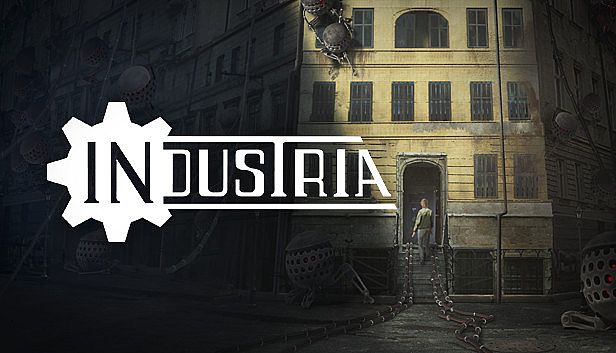














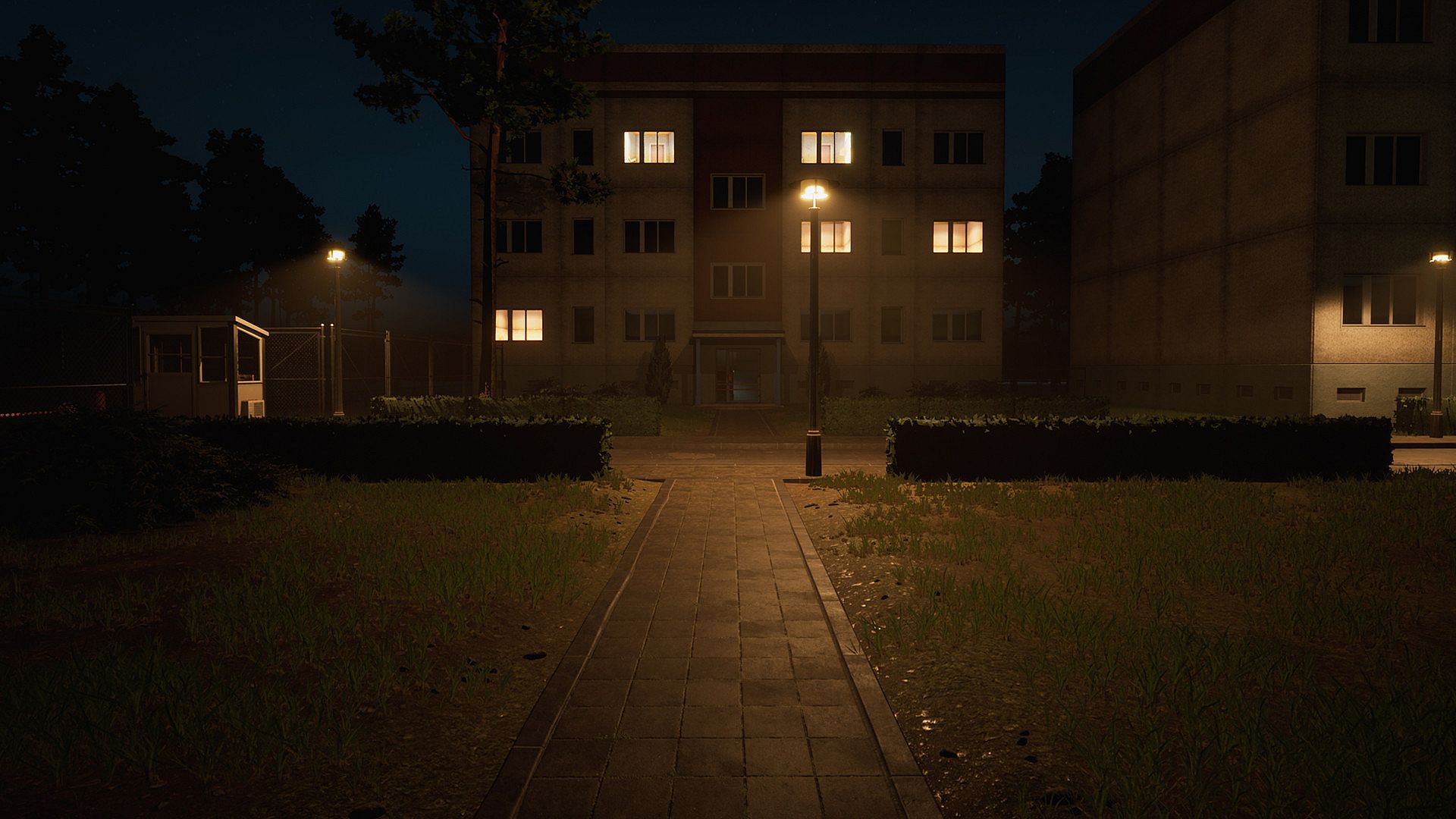
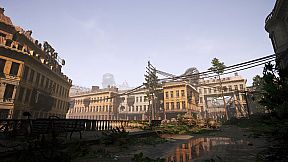
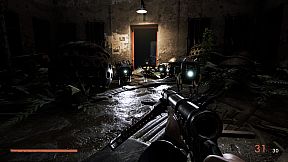
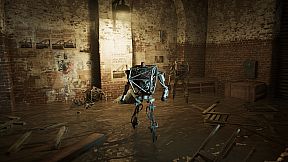
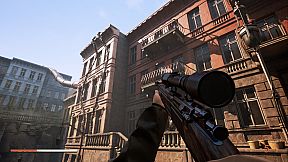
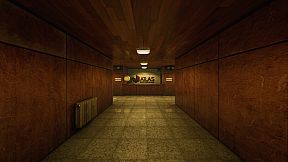
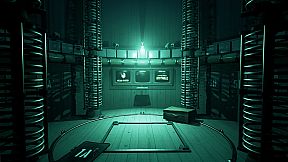
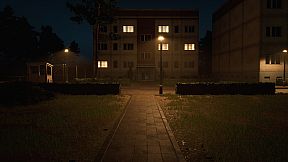
INDUSTRIA is a story-driven first-person shooter developed as an indie title for PC. The game places players in the role of Nora, a young woman who enters a parallel dimension on the evening of November 9, 1989, the night the Berlin Wall falls. Her goal is to locate her missing colleague Walter after he vanishes from a secret research facility near East Berlin.
Gameplay
The core loop centers on exploration and combat within a compact campaign that lasts roughly four hours. Players navigate linear environments that mix real-world locations from divided Berlin with layers of a surreal, industrialized alternate reality. Movement follows standard first-person shooter conventions, with emphasis on careful progression through checkpoints, abandoned complexes, and shifting time layers where the environment itself feels unstable.
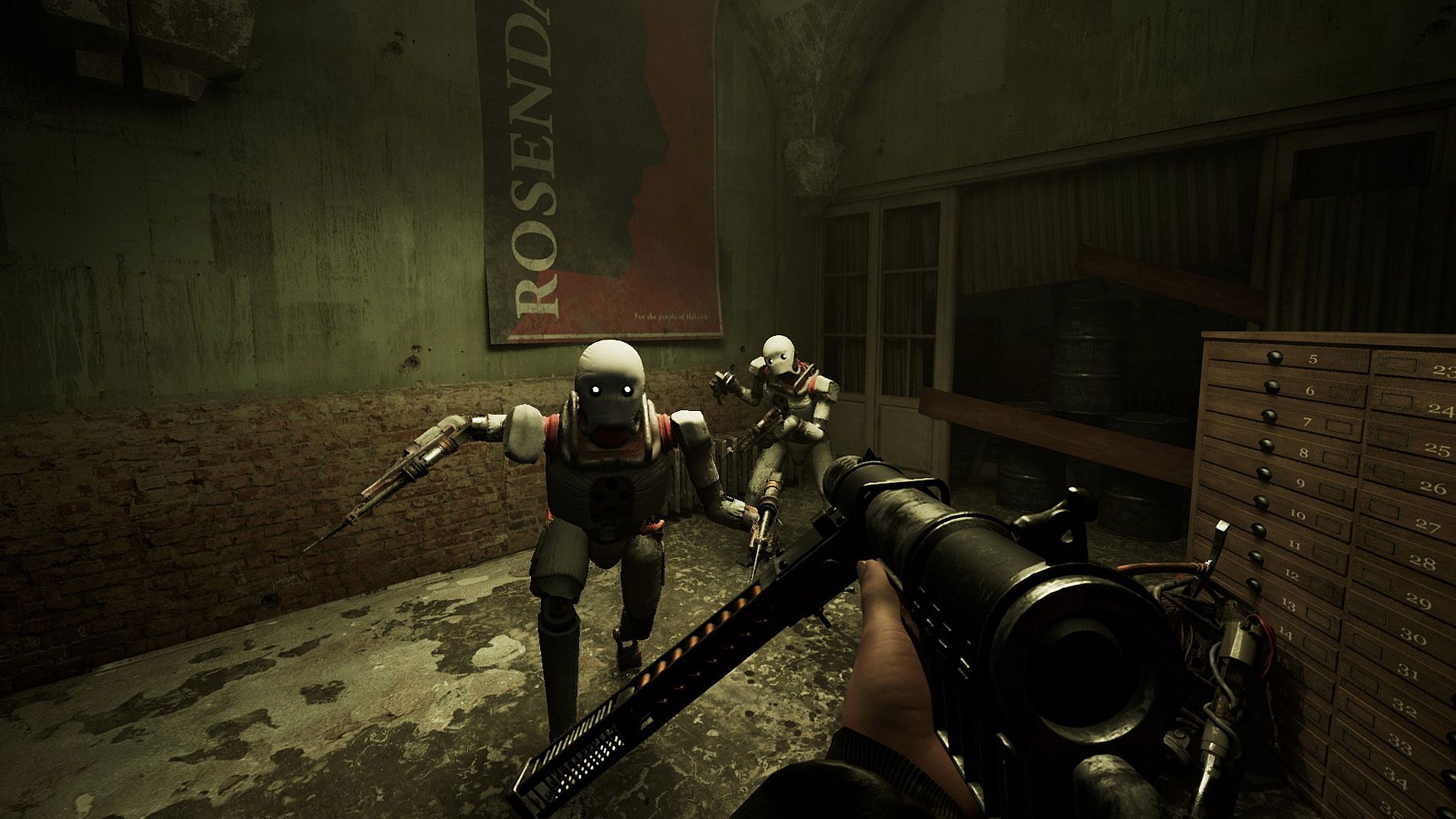
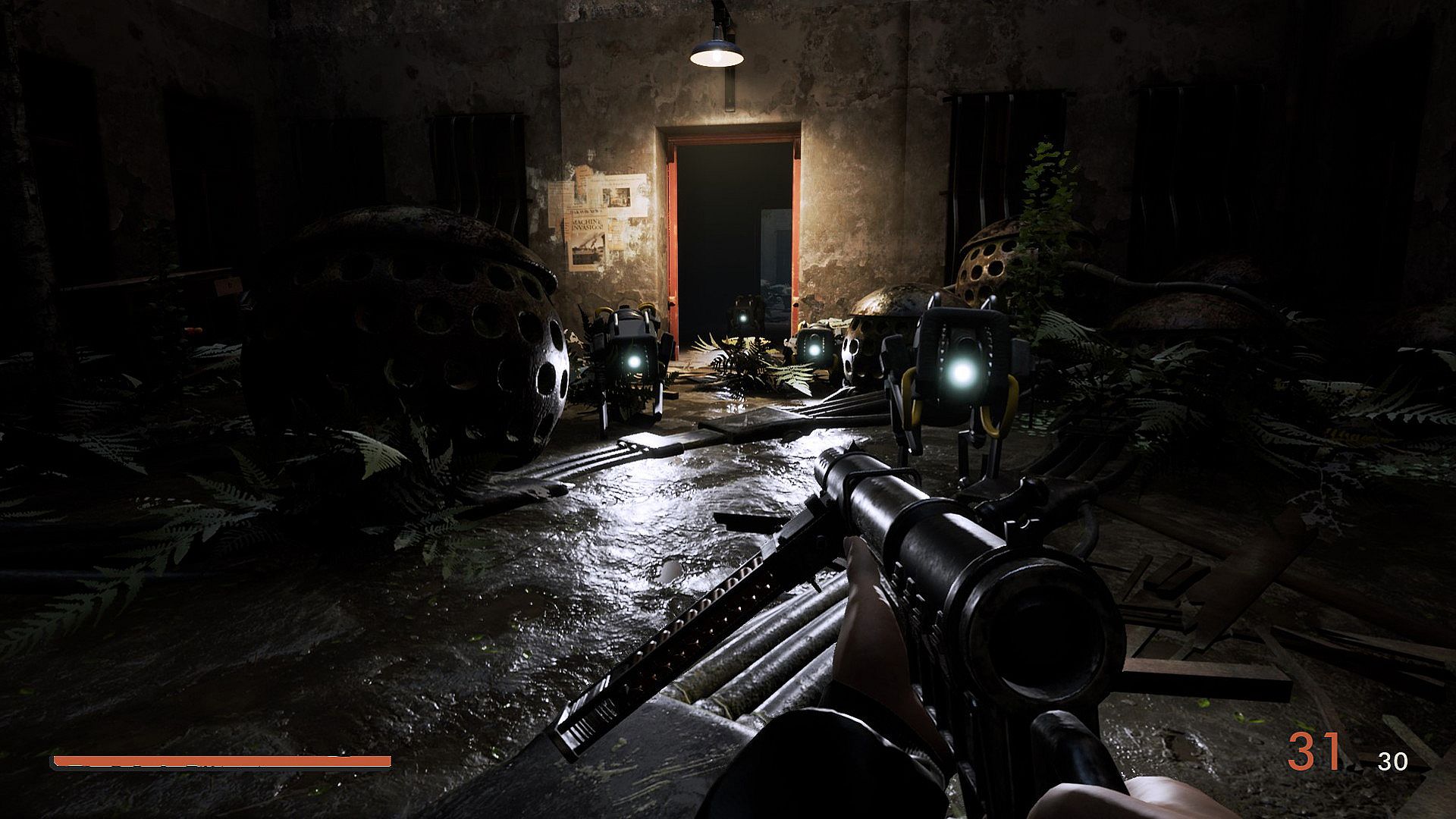
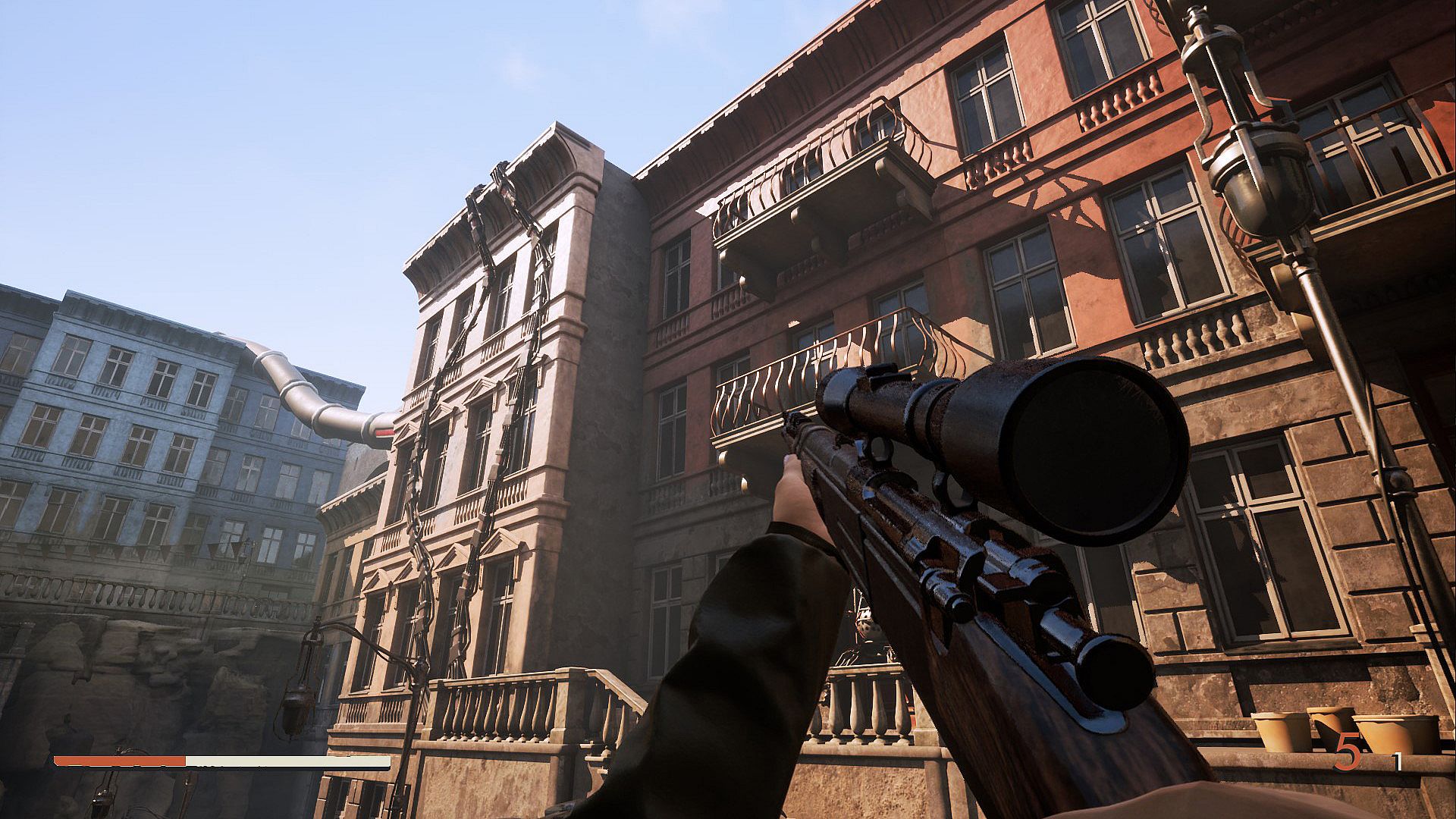
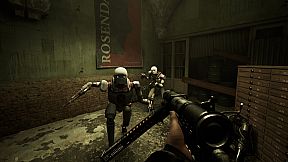
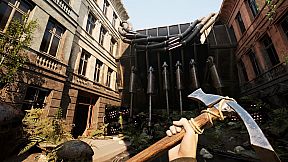
Combat involves five distinct weapons that players acquire and use to handle threats that appear throughout the facility and beyond. Enemies position themselves in ways that require attention to positioning and resource management rather than large-scale battles. The design favors tension over constant action, with stretches of investigation punctuated by defensive encounters.
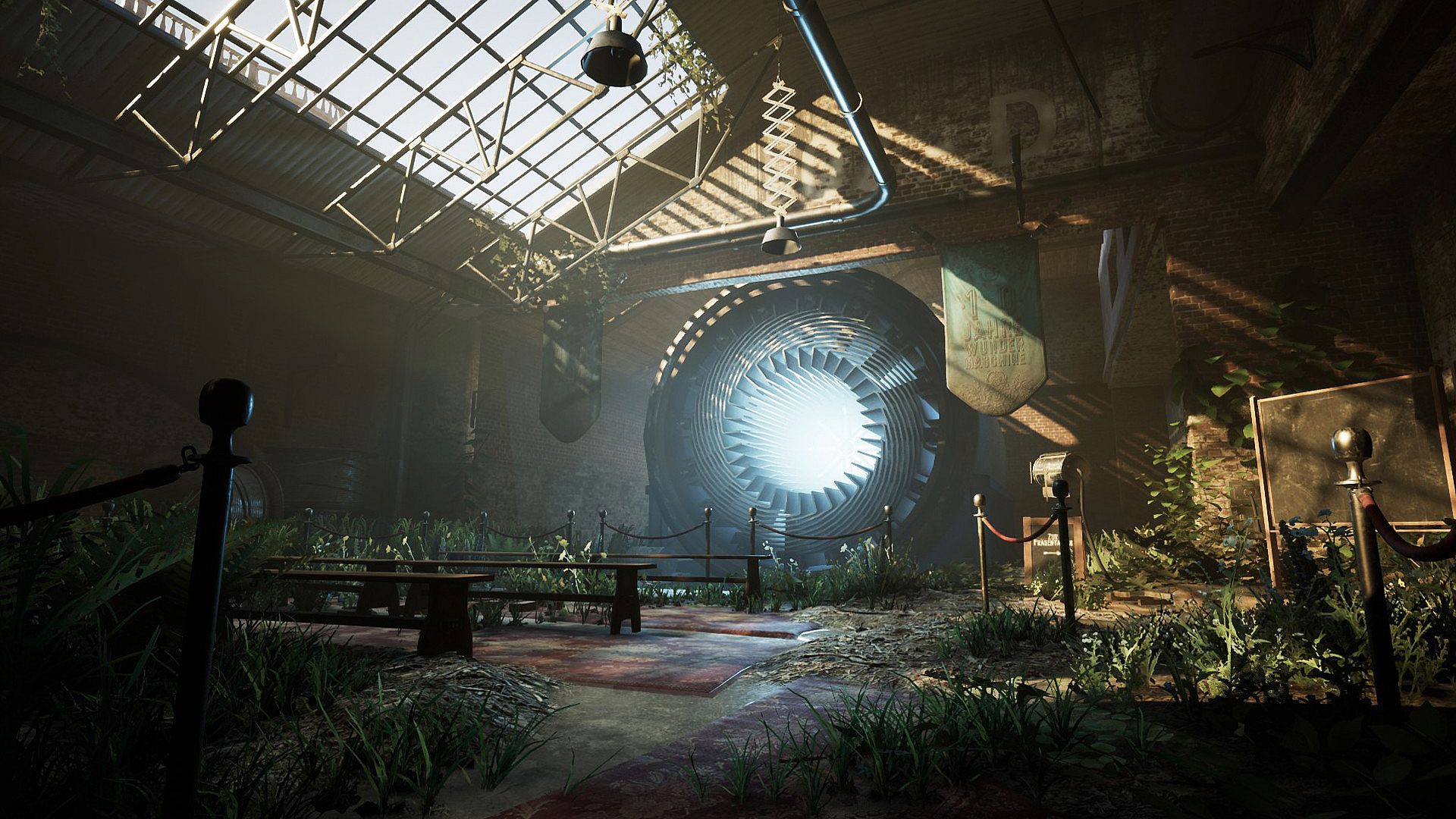
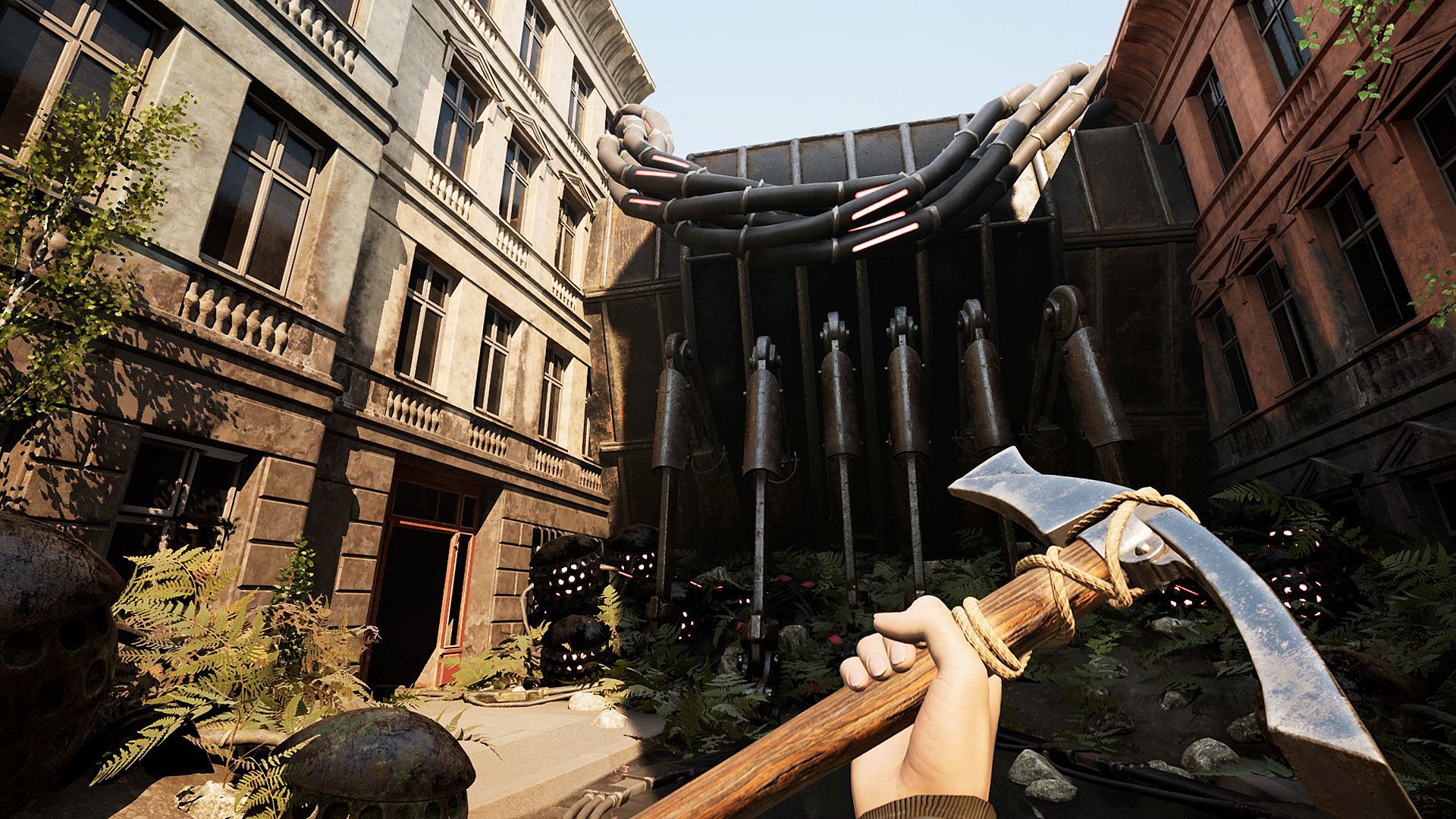
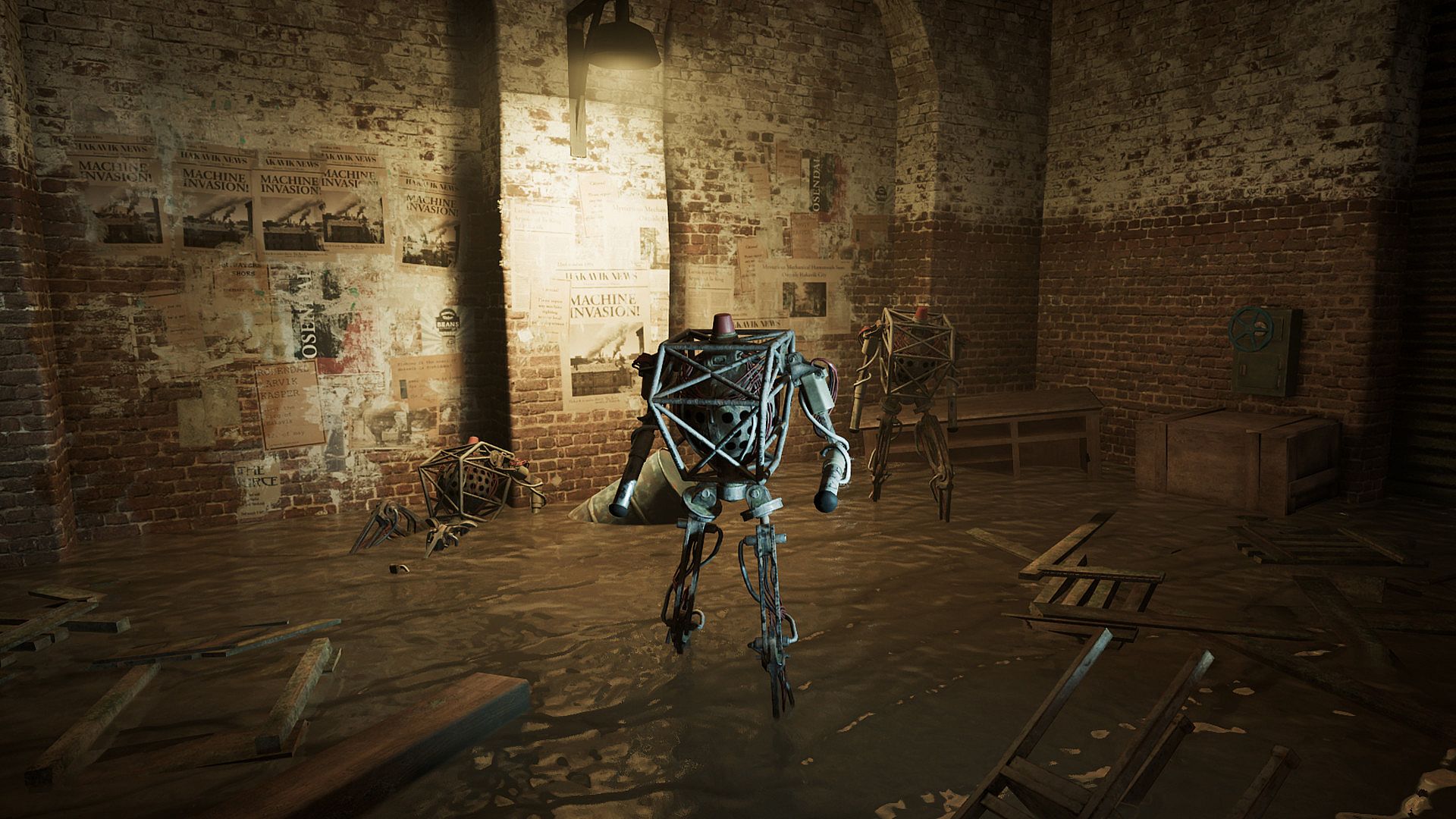
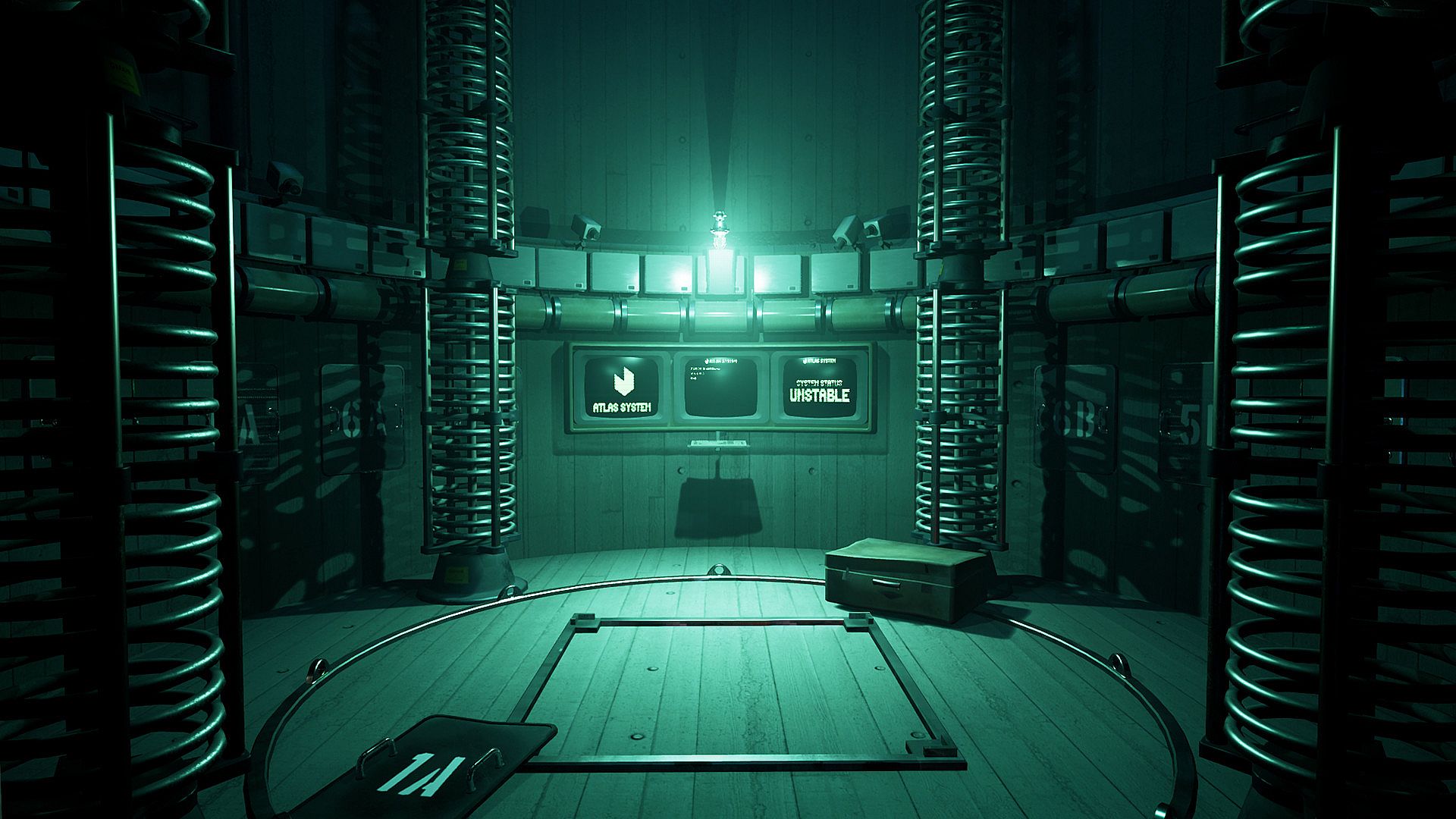
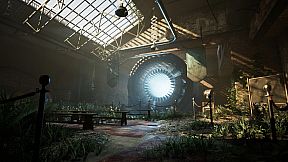
Atmosphere plays a central role. The world combines the historical chaos of crowds crossing the inner-German border with an eerie, Lynch-inspired surreality that includes distorted architecture and lingering mysteries. Time appears to behave differently in certain areas, creating a sense of isolation as Nora delves deeper into the research complex.
Game Modes
The experience consists of a single, continuous single-player campaign. There are no separate difficulty modes, challenge runs, or multiplayer components described in the available information. Progression follows the narrative sequence from the initial disappearance through the heart of the facility and into the parallel layers, with no branching paths or optional side activities noted.
Story and Setting
The plot begins amid the historic opening of the Berlin Wall. Thousands of vehicles cross the border while Nora receives a late message from Walter. She returns to the office only to find State Security has erased records of the project. From there the search leads into the deserted facility, uncovering a dark secret tied to responsibility and existence across dimensions.
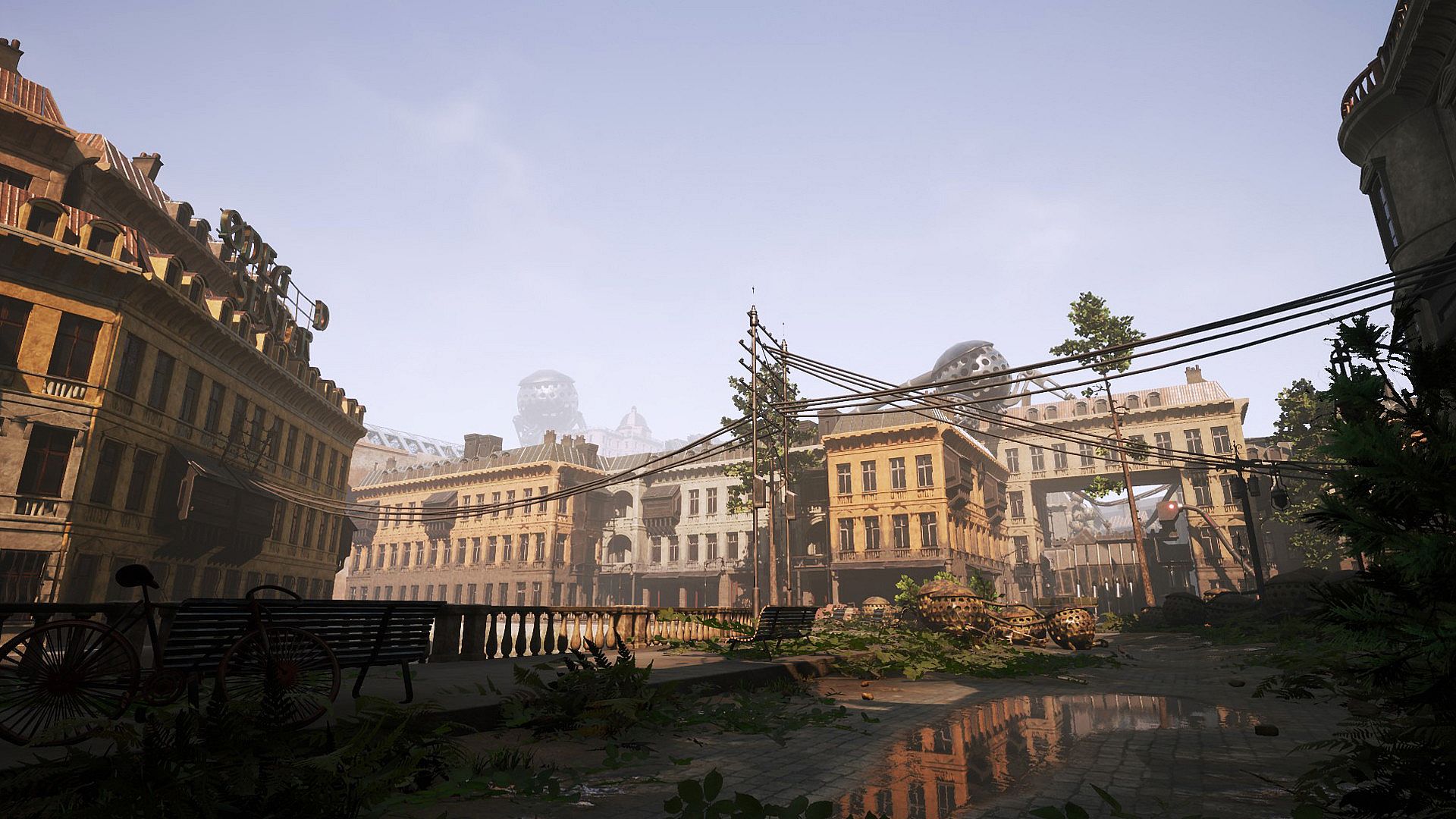
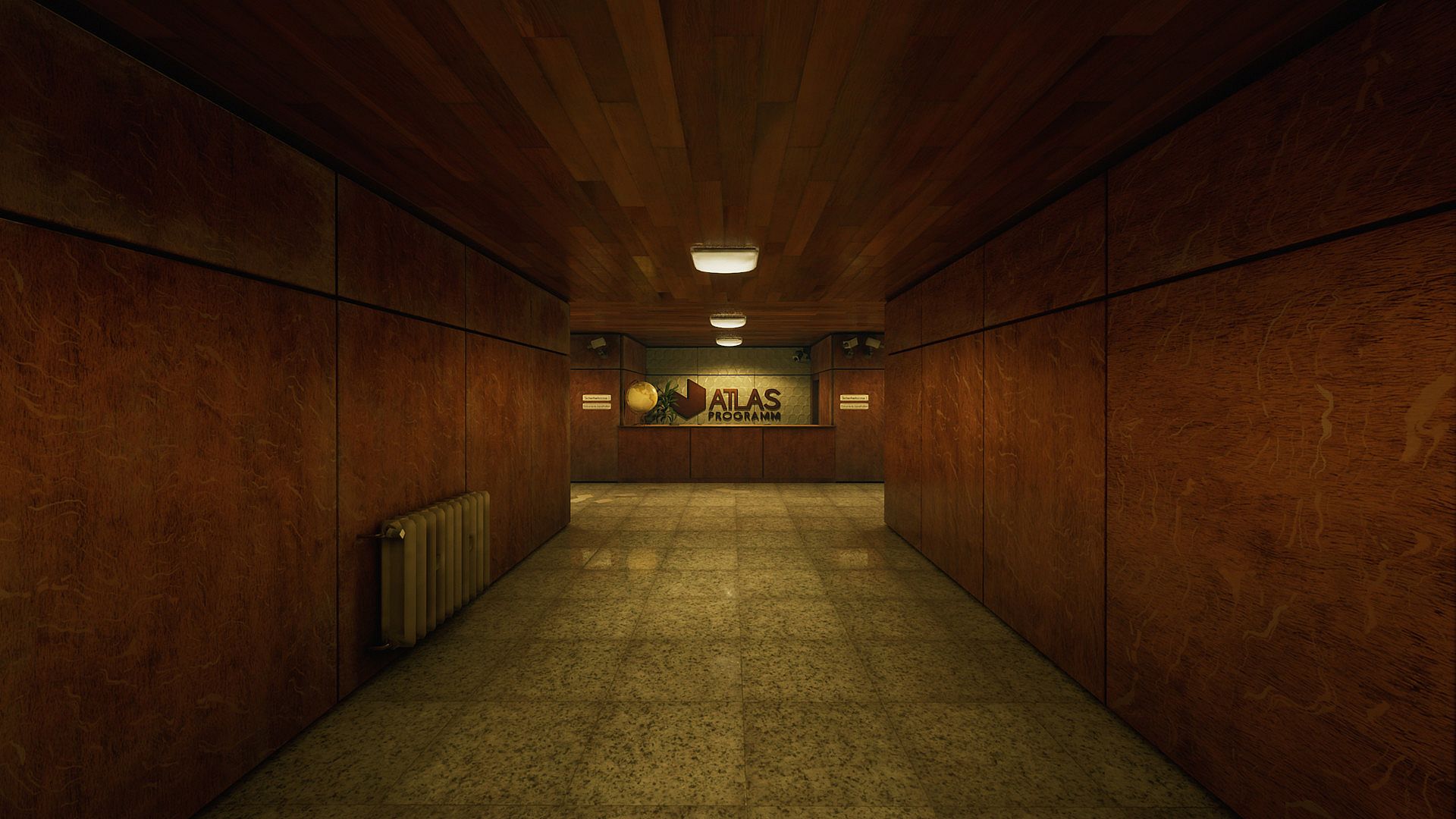
The setting merges documented events of 1989 East Berlin with an unknown fate in a parallel industrialized city. Checkpoints overrun by crowds give way to empty corridors and surreal zones where time stands still. The narrative builds toward revelations that pull the player further into the strange yet familiar world.
Soundtrack and Presentation
An experimental score blends synthesizers, acoustic instruments, and melancholic vocals to underscore the shifting moods. The audio design supports the tight, atmospheric focus rather than serving as background filler. Visuals emphasize a lovingly crafted environment that rewards close attention to detail in both the historical and surreal sections.
Is It Worth Playing?
INDUSTRIA suits players who prefer focused, narrative-driven first-person shooters with a short playtime and strong emphasis on atmosphere over expansive systems. The combination of real historical context and surreal elements creates a distinctive experience for those interested in story-heavy indie titles. With its linear structure and limited scope, the game delivers a self-contained journey that does not require ongoing updates or additional content to complete. Those seeking longer campaigns or competitive elements may find the four-hour length and single-player focus limiting, while fans of introspective shooters with mystery at their core will likely appreciate the deliberate pacing and thematic weight.