

















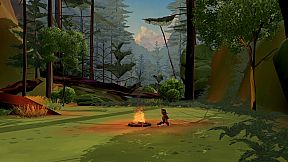
I Mother is a single-player action-adventure game set in a prehistoric world where players guide a solitary Neanderthal woman on a journey of survival and discovery. The experience emphasizes instinct over technology and symbols over spoken words, placing the focus on exploration, emotional connection, and gradual understanding of an ancient environment. Released on PC, the title draws from real archaeological research to create a narrative about early human evolution and the roots of communication.
Gameplay
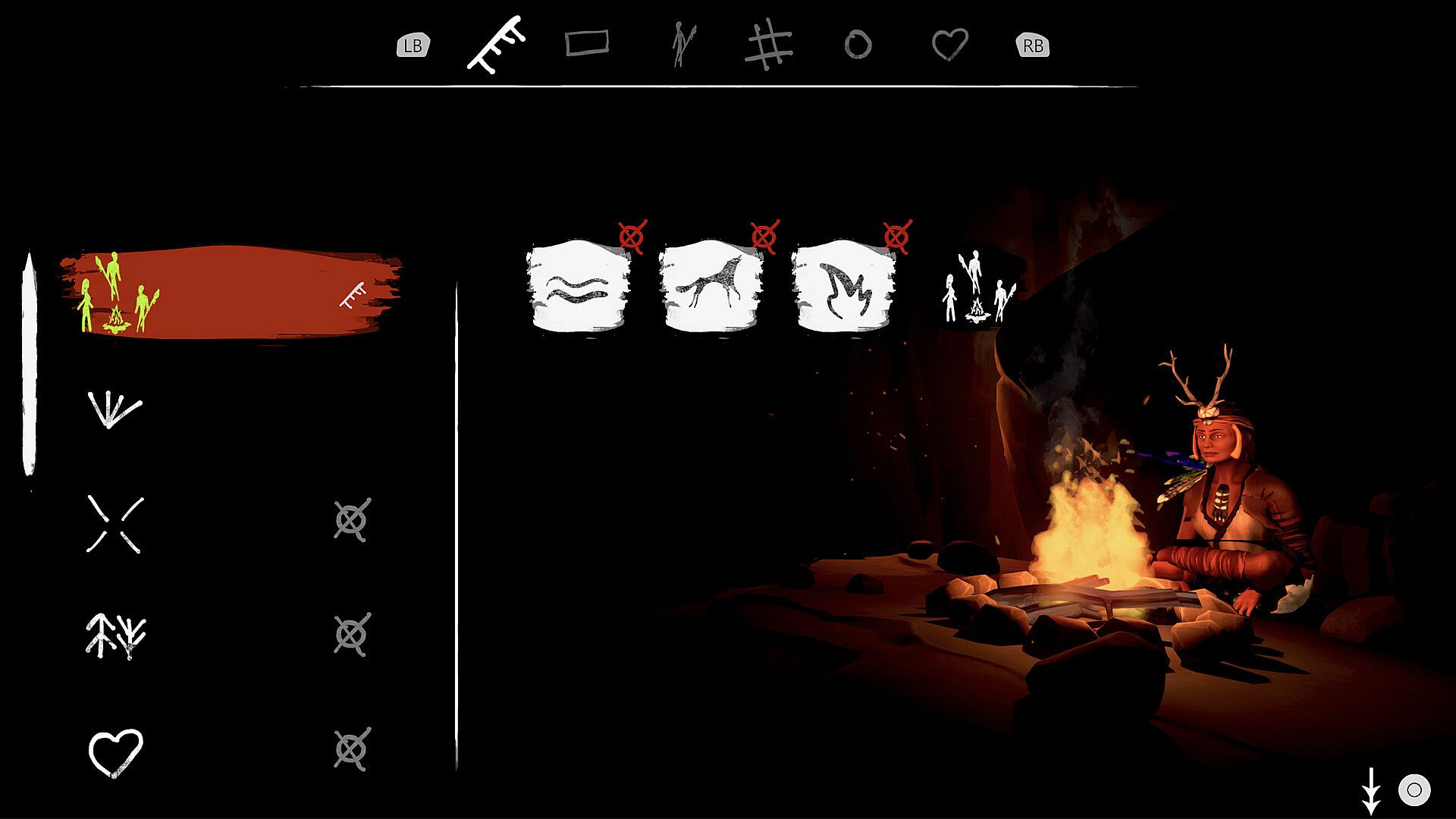
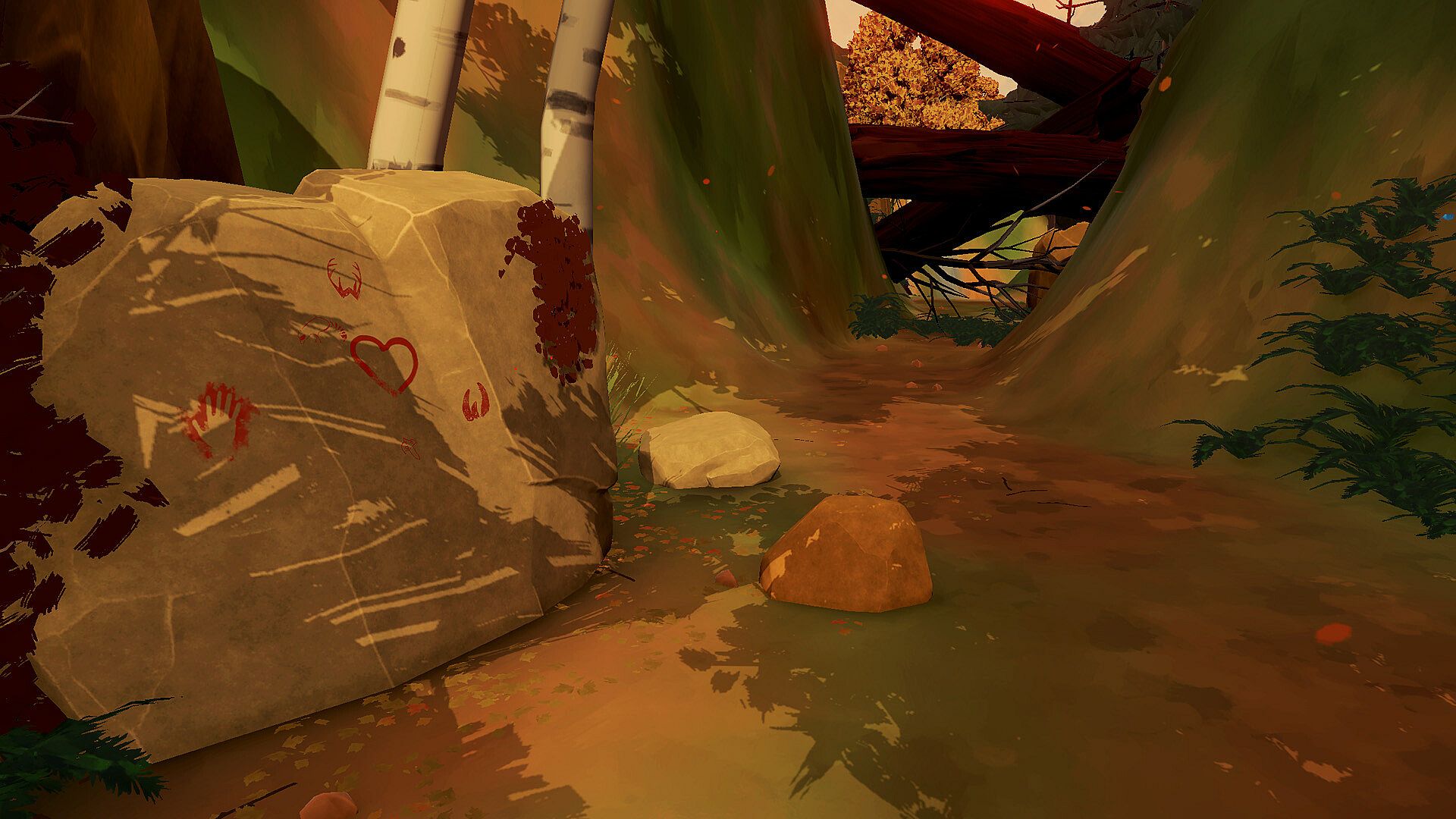
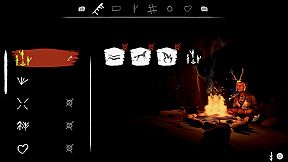
Core gameplay revolves around navigating a vast landscape without traditional tools like maps or text-based interfaces. All objectives, inventory management, and interactions rely on prehistoric symbols drawn from archaeological sites between 35,000 and 10,000 BCE. Players learn these symbols through context and repetition, building meaning as they progress and rewarding careful observation of the surroundings.
Navigation depends entirely on the protagonist's senses. Sight, sound, smell, and memory direct movement toward resources or threats, simulating how early humans might have oriented themselves in nature. This system encourages players to pay attention to environmental cues rather than relying on on-screen indicators.
Survival involves hunting small animals for sustenance while avoiding or outmaneuvering larger predators. The approach avoids combat as a primary focus, instead highlighting stealth, evasion, and the delicate balance of the ecosystem. Optional platforming sections and puzzle challenges appear in hidden areas, offering brief physical tests that reward exploration with collectible prehistoric art pieces.
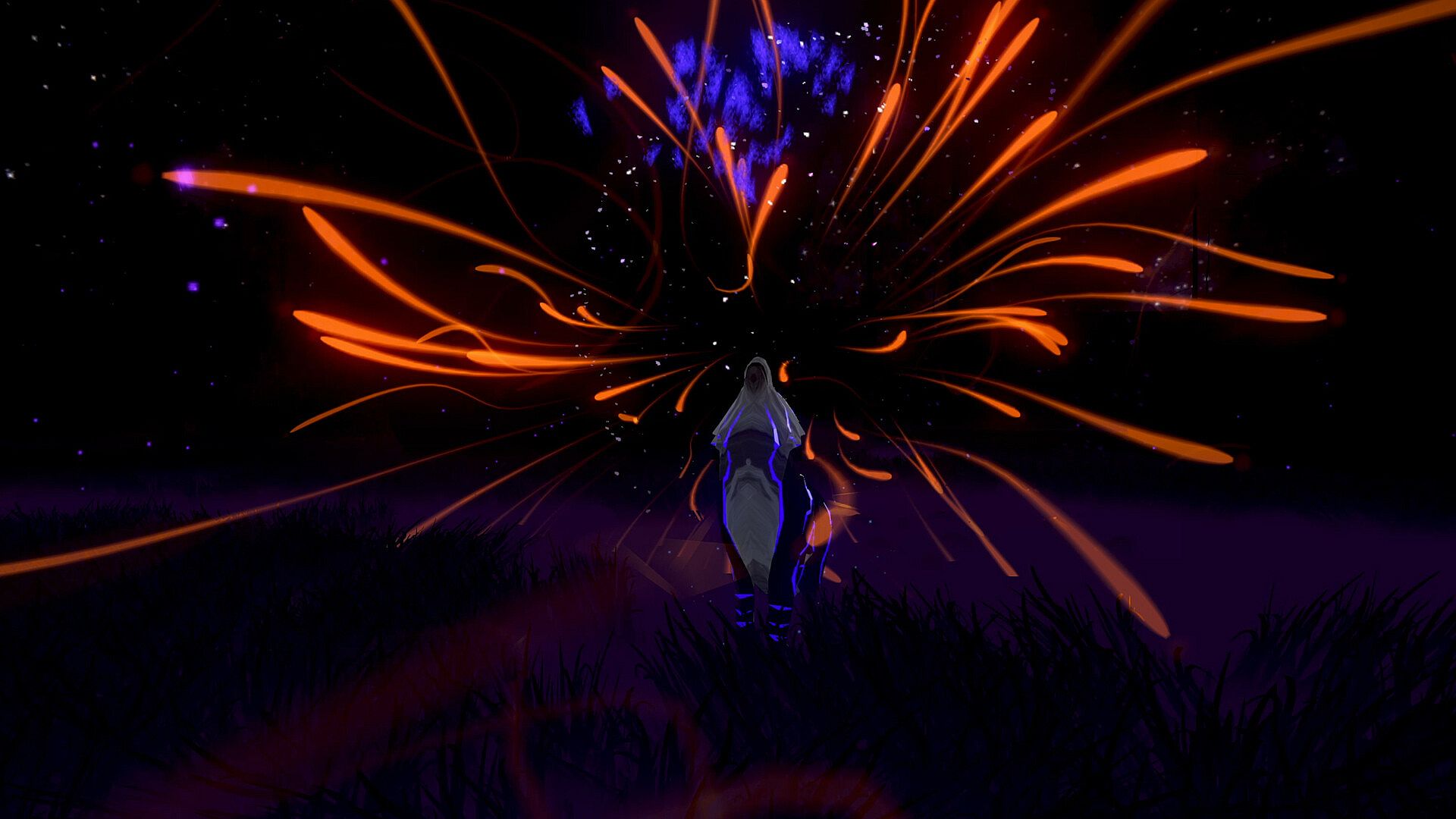
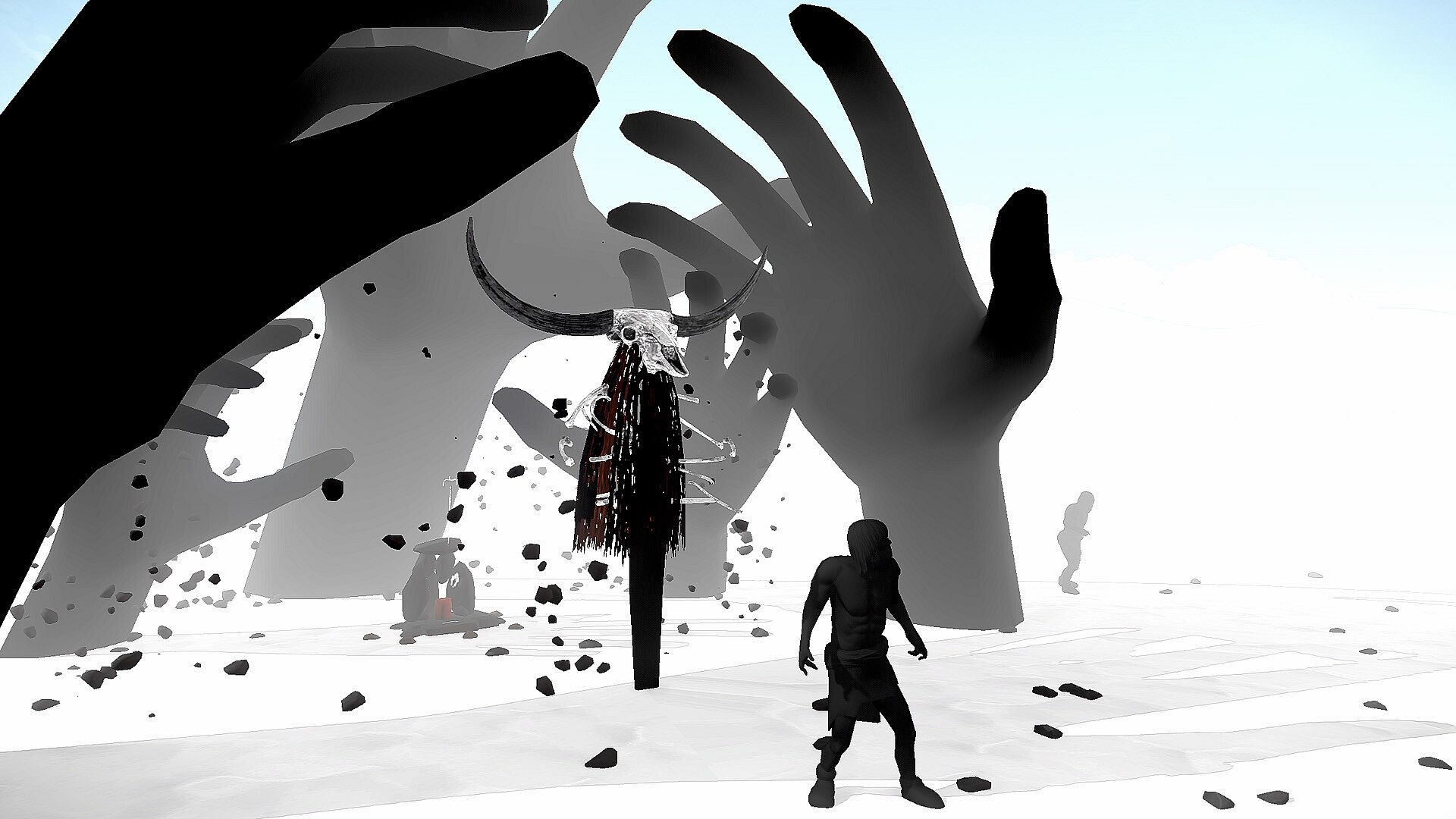
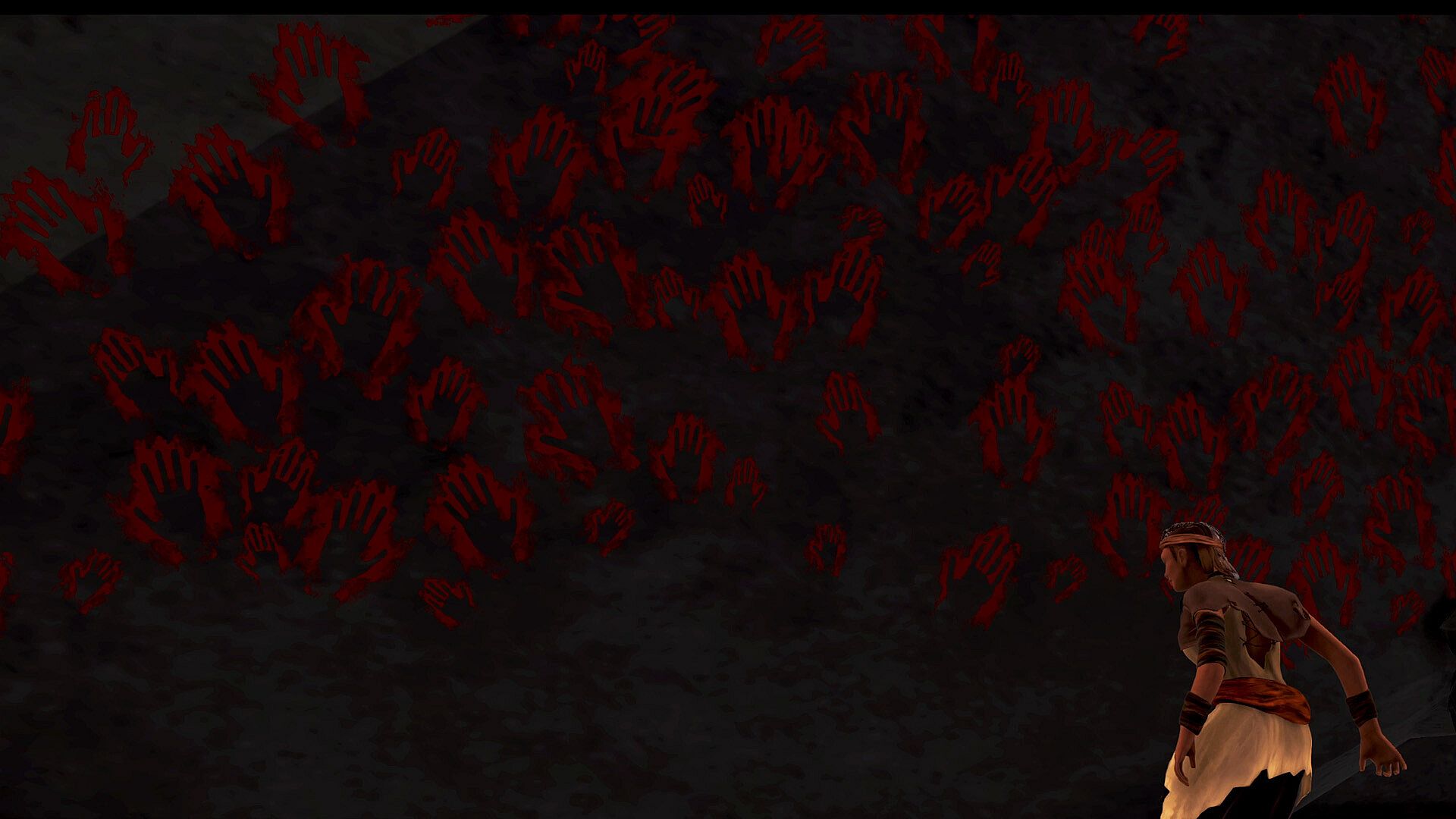
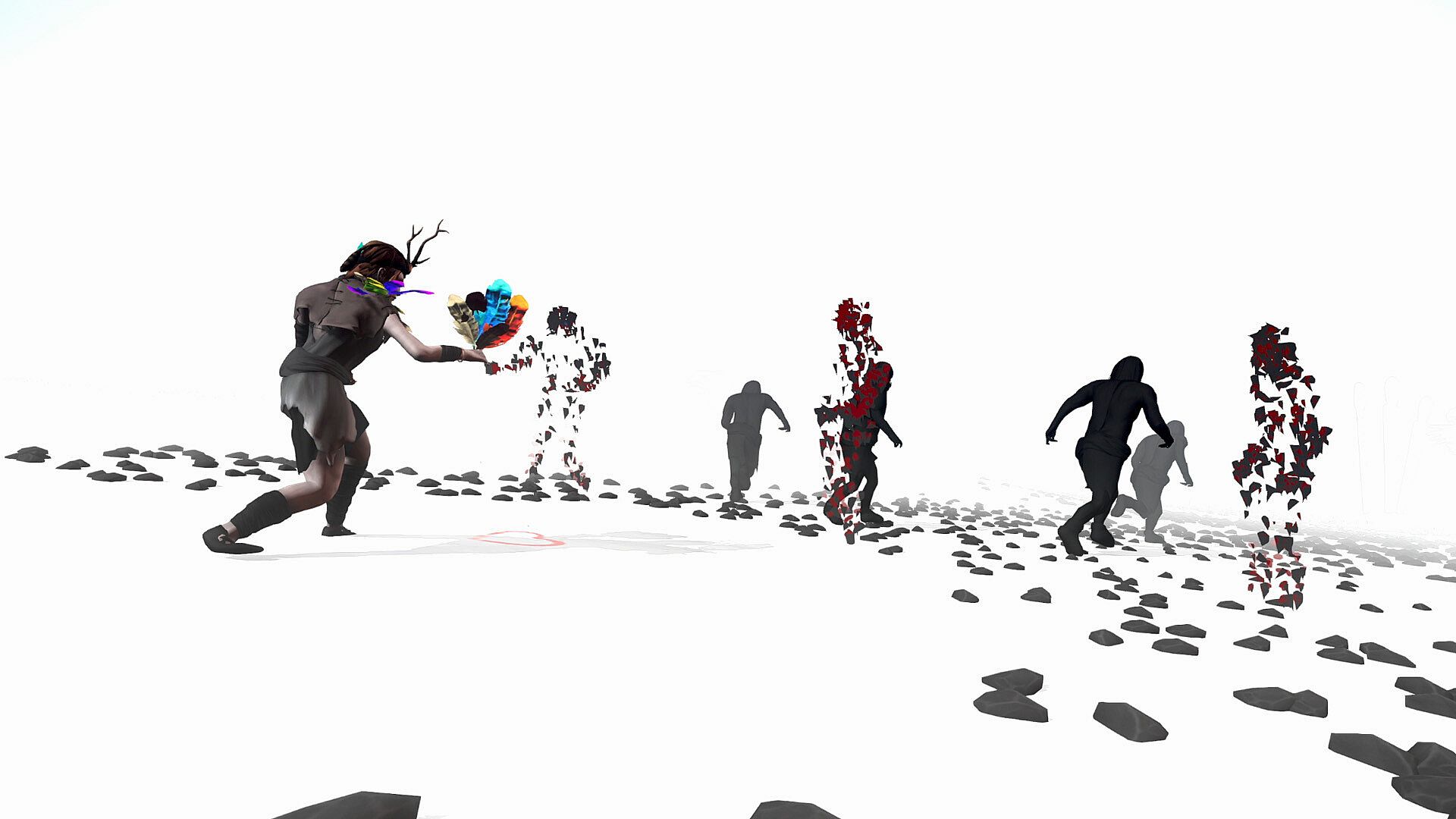
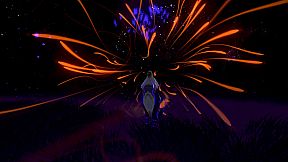
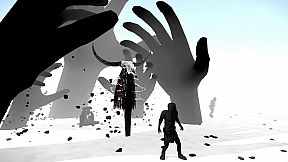
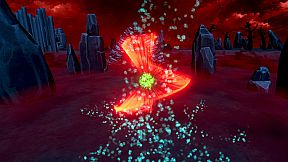
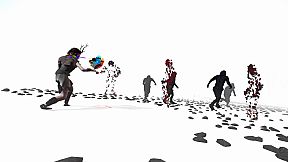
Emotional states shape the experience. The character expresses fear, hunger, joy, or sorrow through vocalizations and body language, and these feelings influence interactions with the world. Dreams at night extend this system, presenting surreal visual metaphors that reflect daily events without providing direct answers.
Game Modes
The game operates as a unified single-player campaign with no separate competitive or cooperative modes. Progress unfolds through open exploration of the prehistoric setting, where players piece together the story via symbols, sensory navigation, and emotional responses. Optional challenges integrate into the main journey for those seeking additional physical or intellectual tests amid the emphasis on stillness and observation.
Achievements track various aspects of discovery and survival, providing structured goals within the otherwise freeform adventure. The structure supports replay through different approaches to symbol interpretation and route choices, though the core path remains a personal, introspective trek back to the tribe.
Atmosphere and Narrative
The story centers on a Neanderthal woman's separation from her group and her efforts to reconnect while uncovering the origins of written language. It ties into broader themes of human evolution, noting the genetic legacy that persists in modern populations. No spoken dialogue appears; instead, the narrative advances through visual symbols, emotional cues, and environmental storytelling.
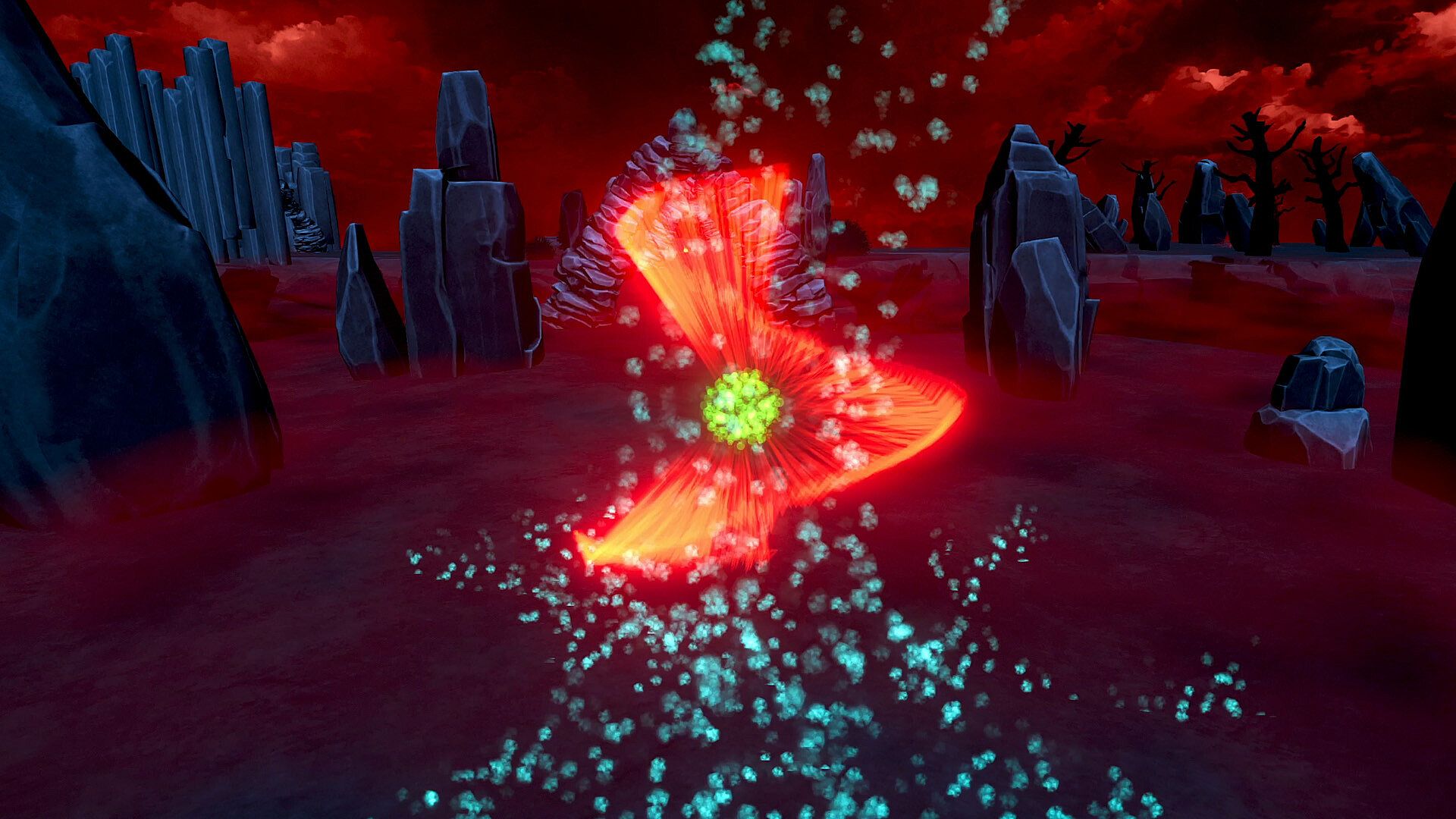
Dream sequences add layers of interpretation, turning personal experiences into symbolic imagery that players must decode. This method keeps the focus on intuition and context rather than explicit exposition, mirroring the game's central idea of language emerging from shared understanding.
Sound Design and Presentation
The soundtrack features dark ambient compositions that incorporate tribal drums, ancient instruments, and ritualistic vocals. These elements underscore the raw, primal quality of the setting and heighten the sense of isolation and instinctual living. Sound effects reinforce the sensory navigation system, making audio cues essential for locating points of interest.
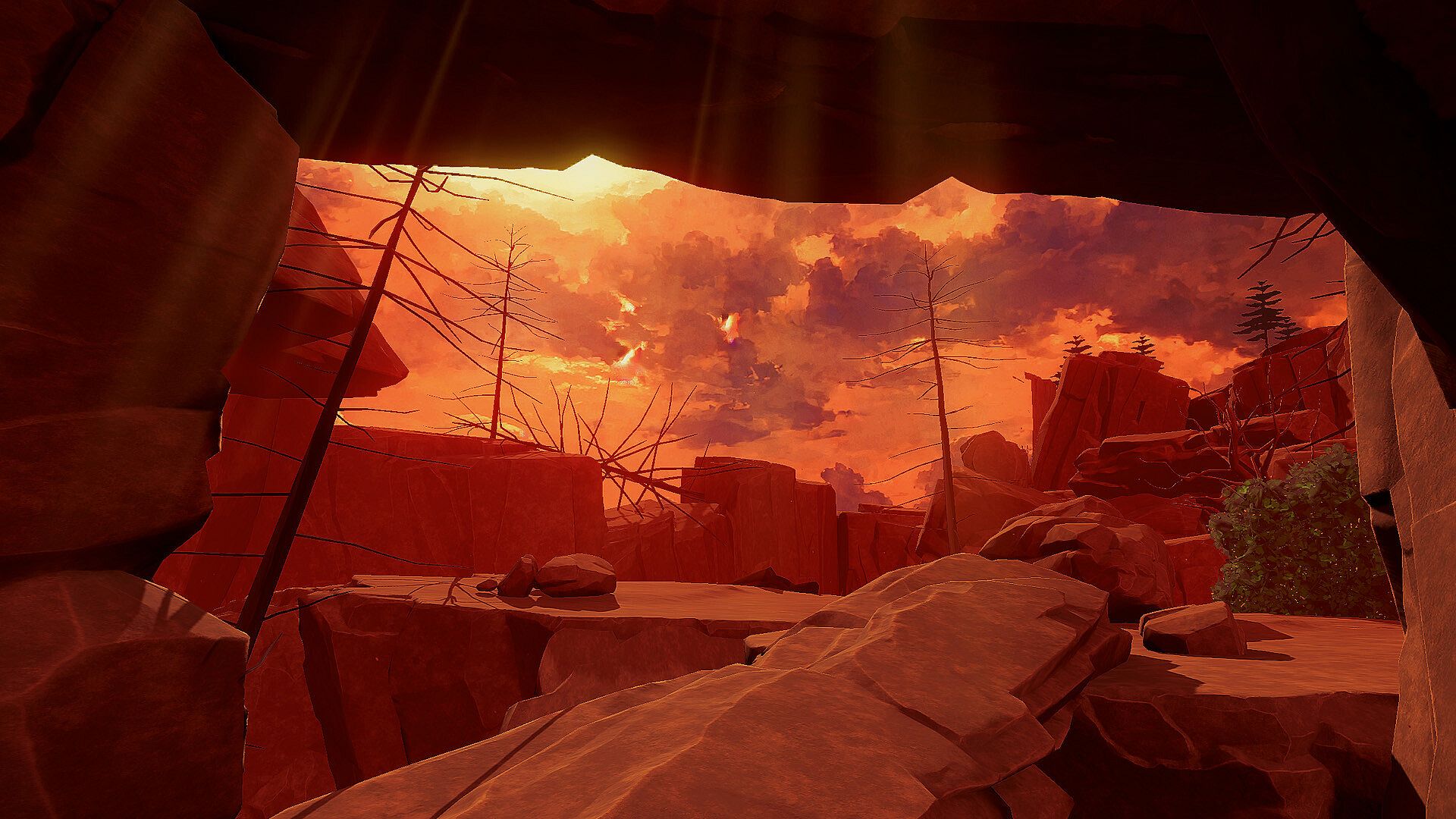
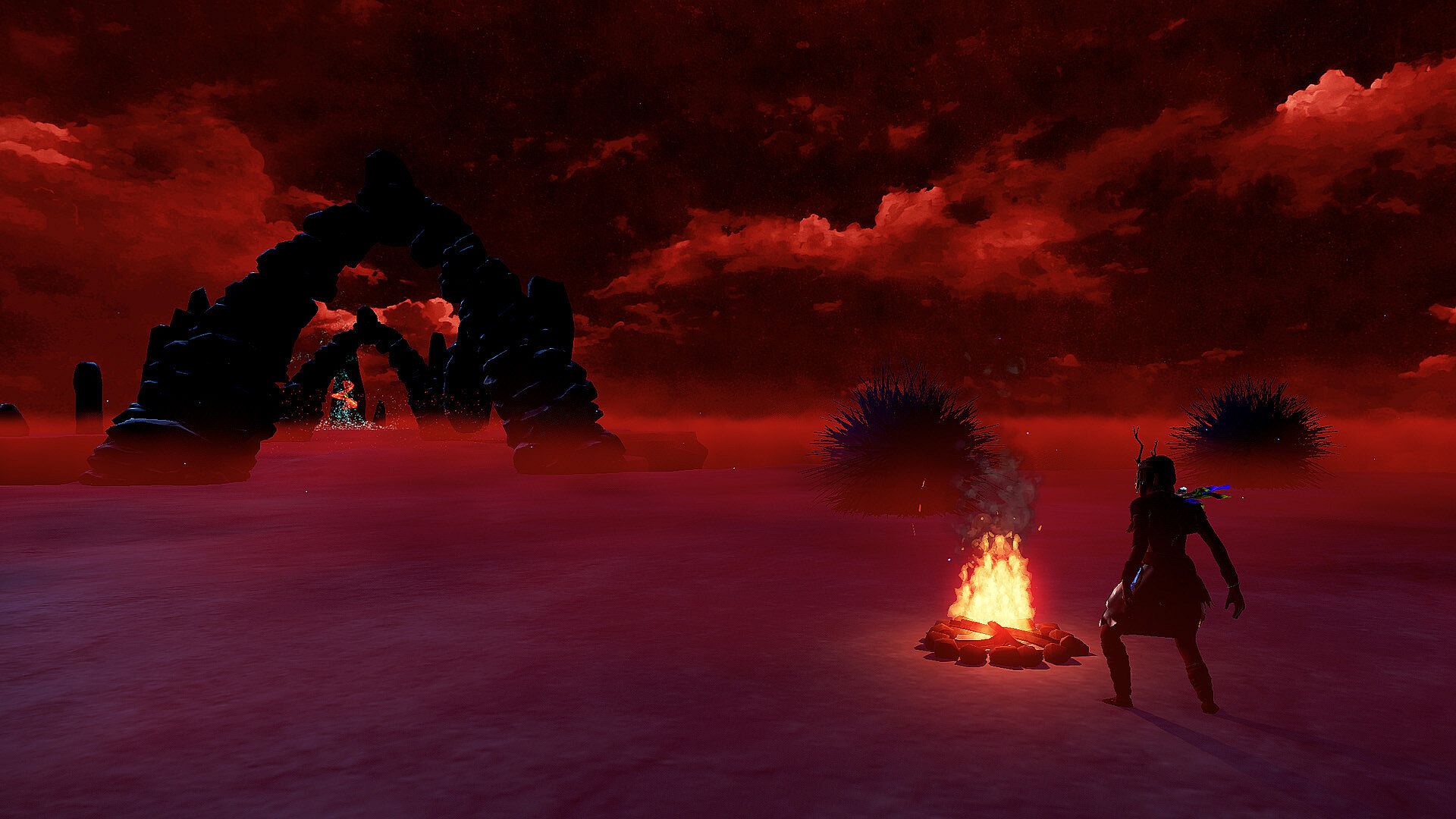
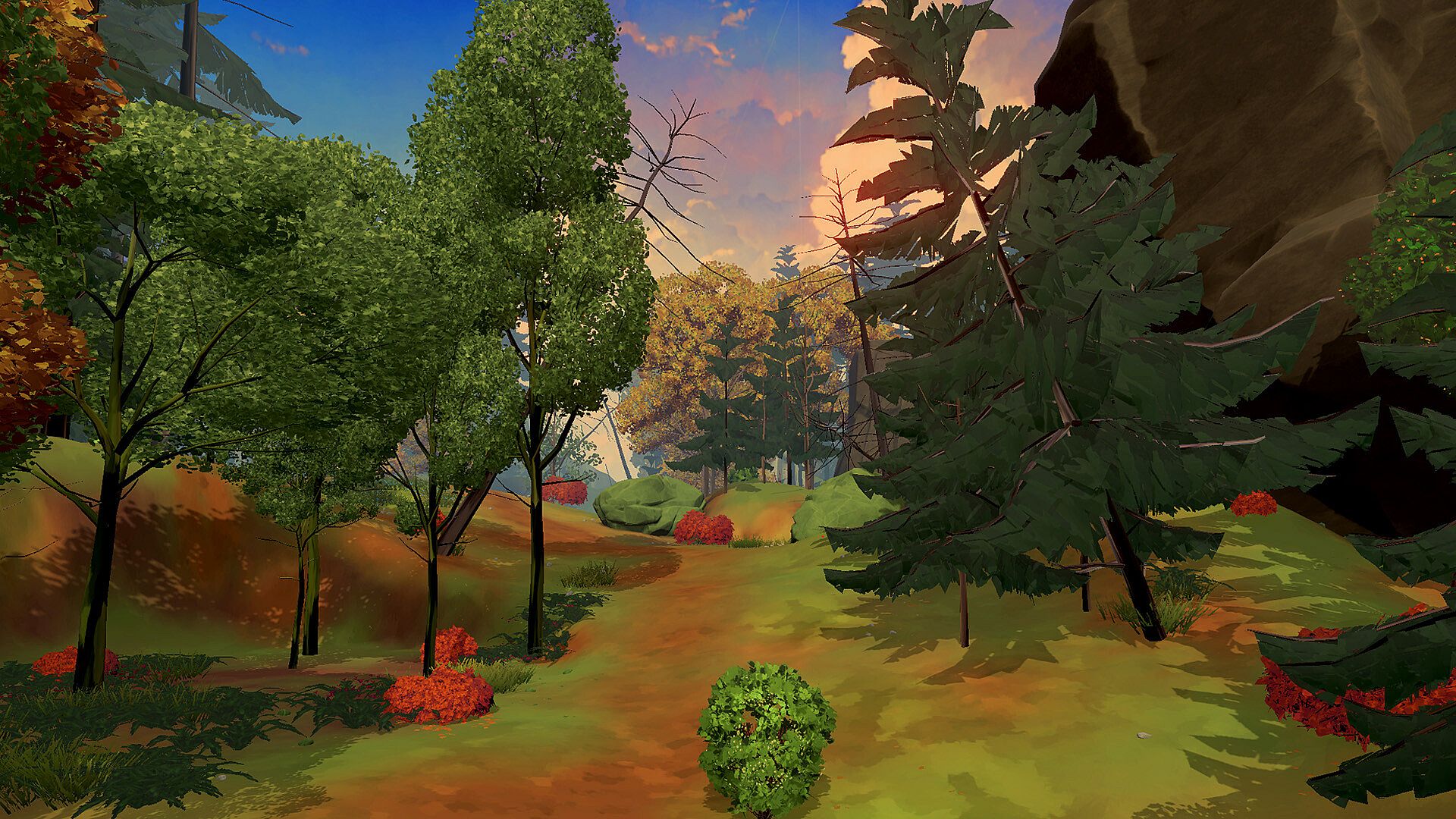
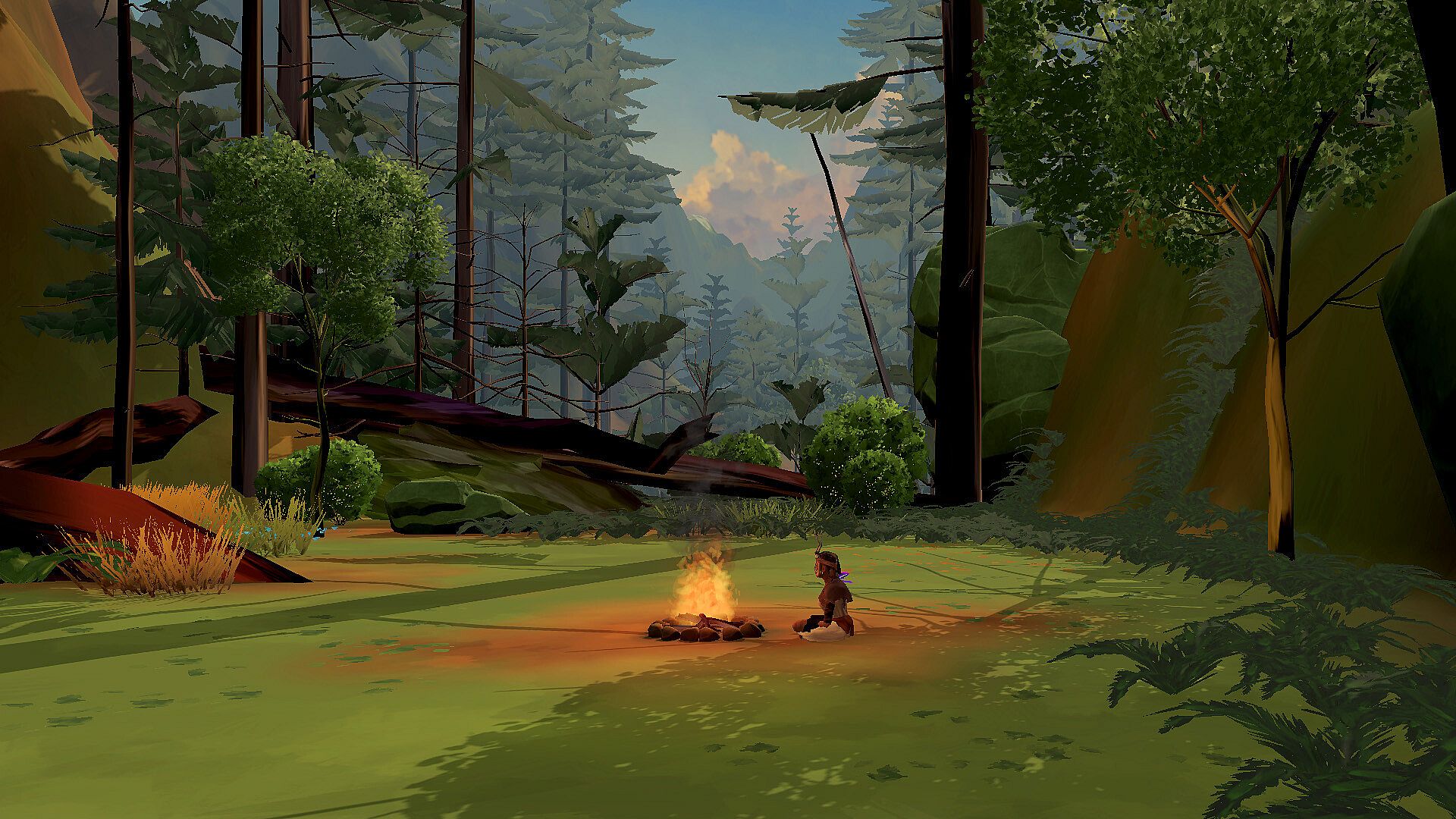
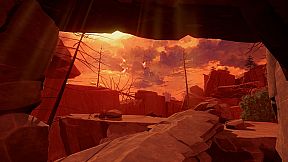
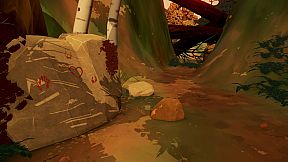
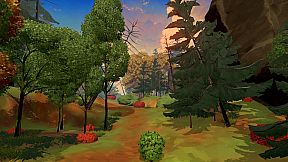
Visuals maintain a grounded, atmospheric style suited to the prehistoric theme, with environments that reward close attention to details like tracks, scents, and landmarks. The absence of modern UI elements keeps the immersion intact throughout the journey.
Is It Worth Playing?
Players who enjoy atmospheric single-player adventures with unconventional mechanics will find strong appeal here. The game delivers a focused experience built around symbol deciphering, sensory navigation, and emotional progression rather than action or combat loops. With a 94 percent positive rating from early user feedback, reception highlights its unique approach to storytelling and world-building.
Those seeking fast-paced challenges or multiplayer elements may find the deliberate pace and lack of violence less engaging. The title suits individuals interested in thoughtful exploration and historical inspiration, particularly if they appreciate games that prioritize observation and interpretation over direct confrontation. Availability on PC supports straightforward access for compatible systems meeting the listed requirements.