


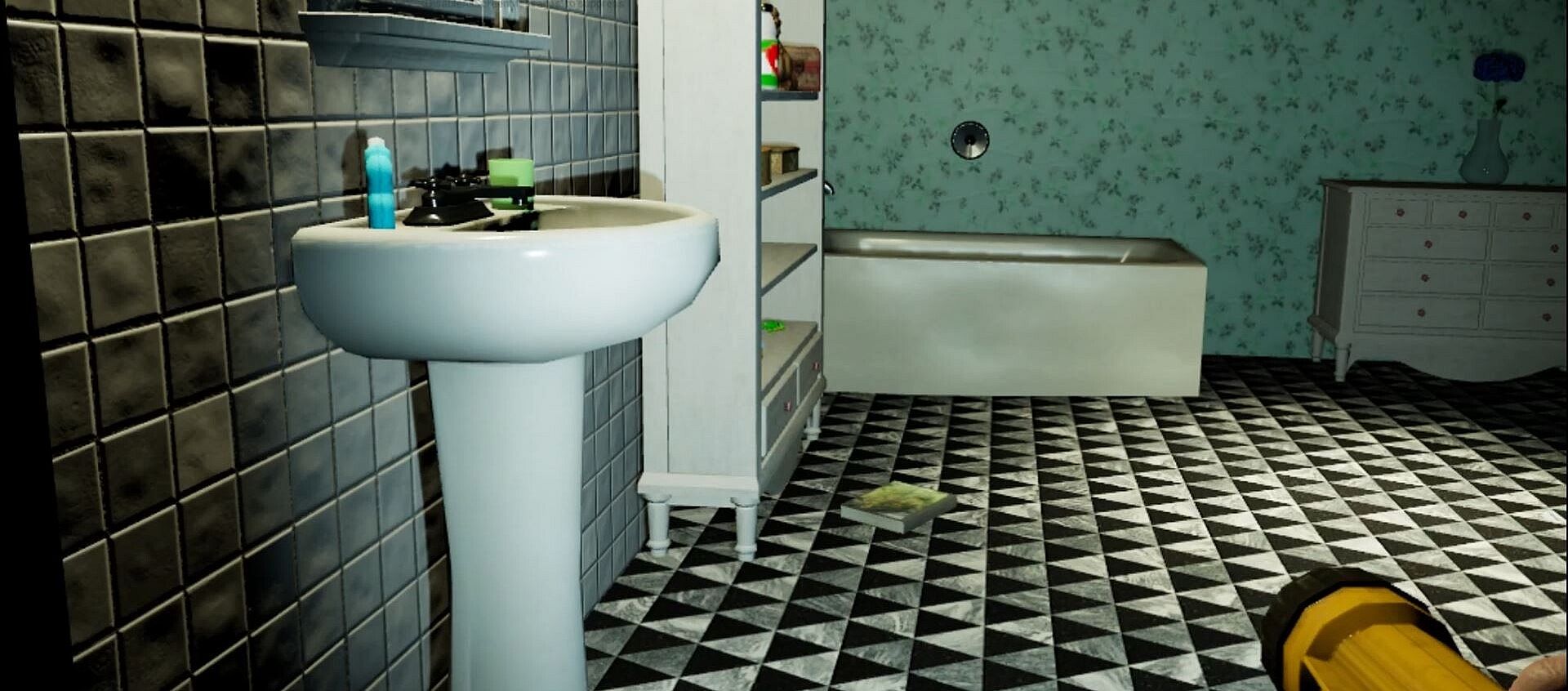
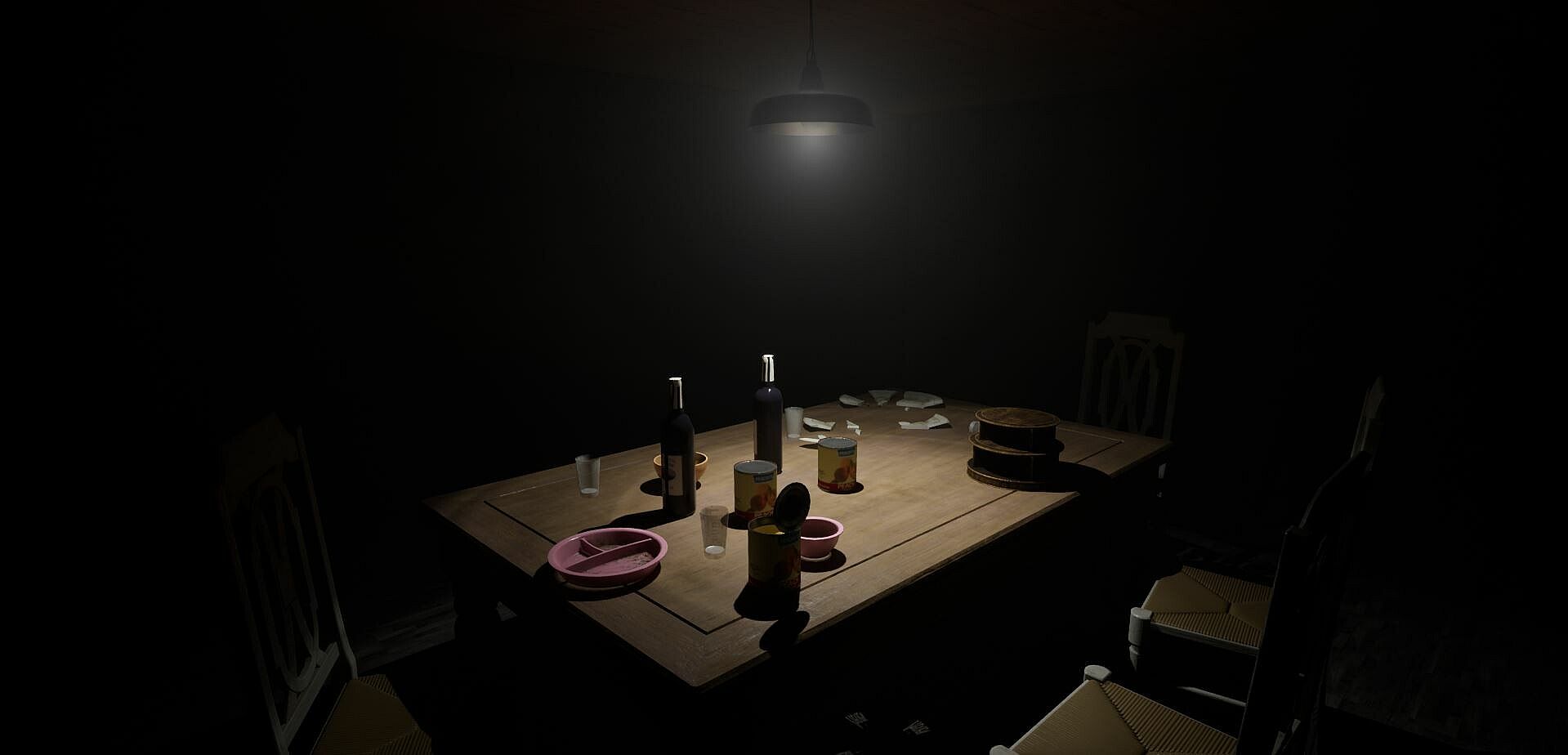
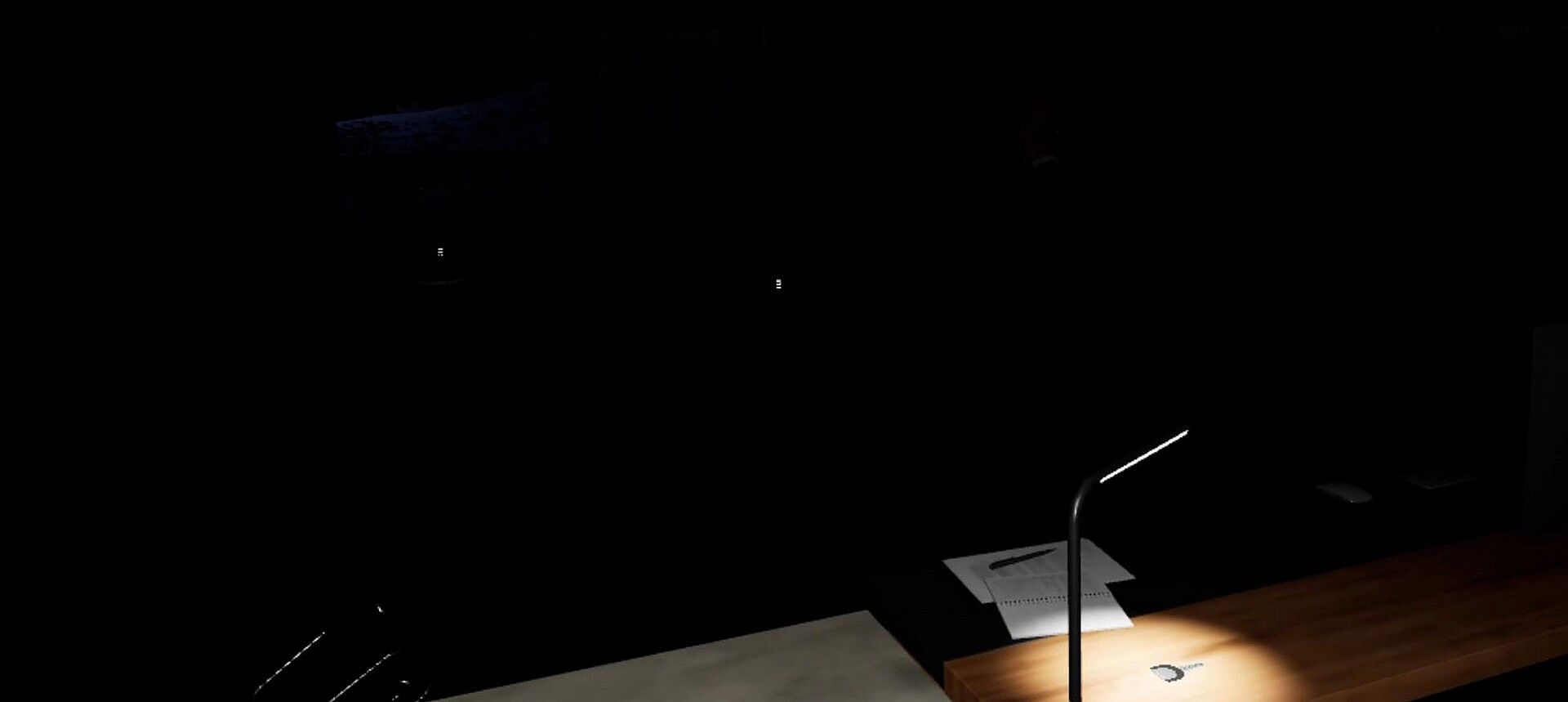

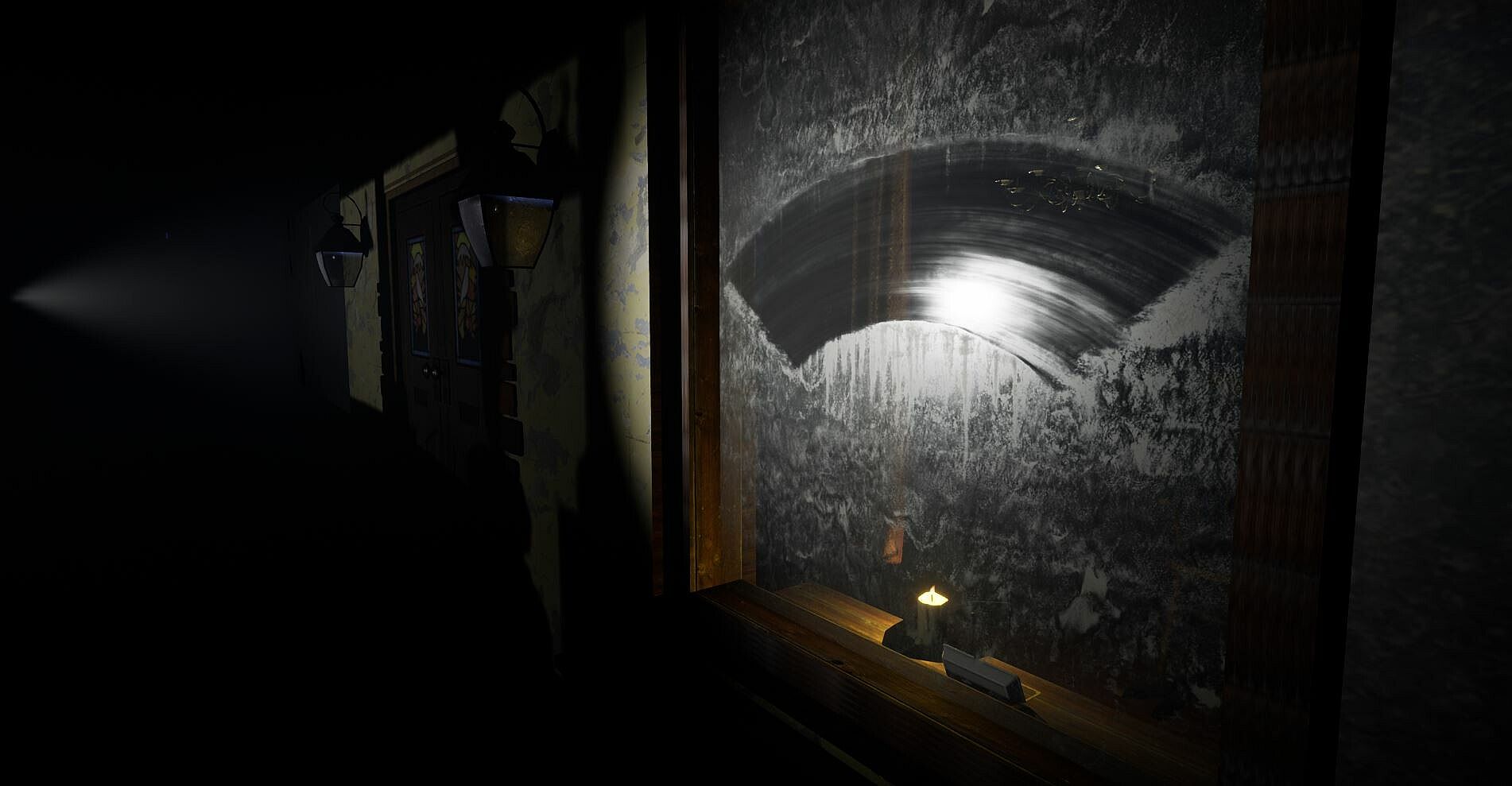
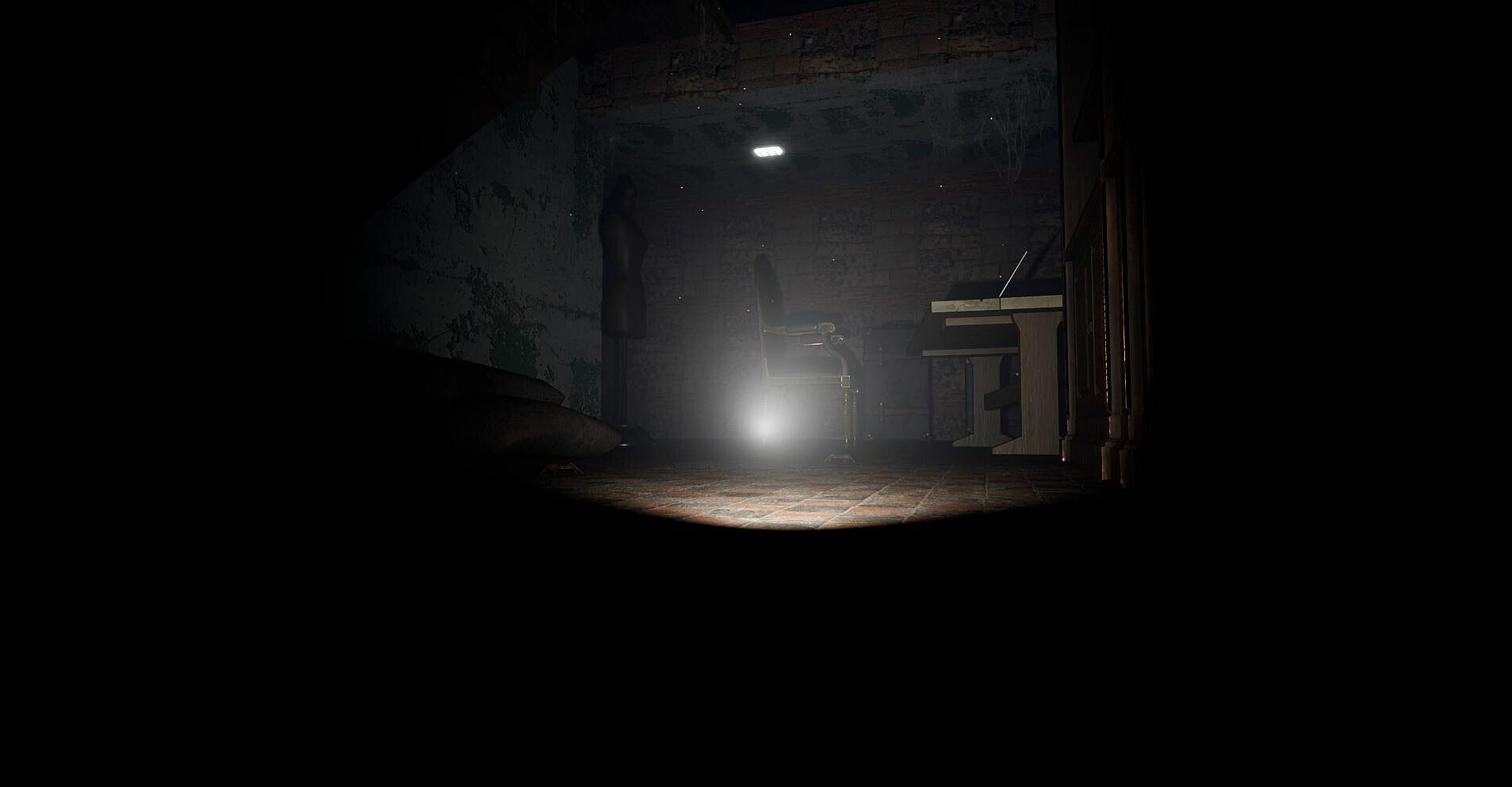
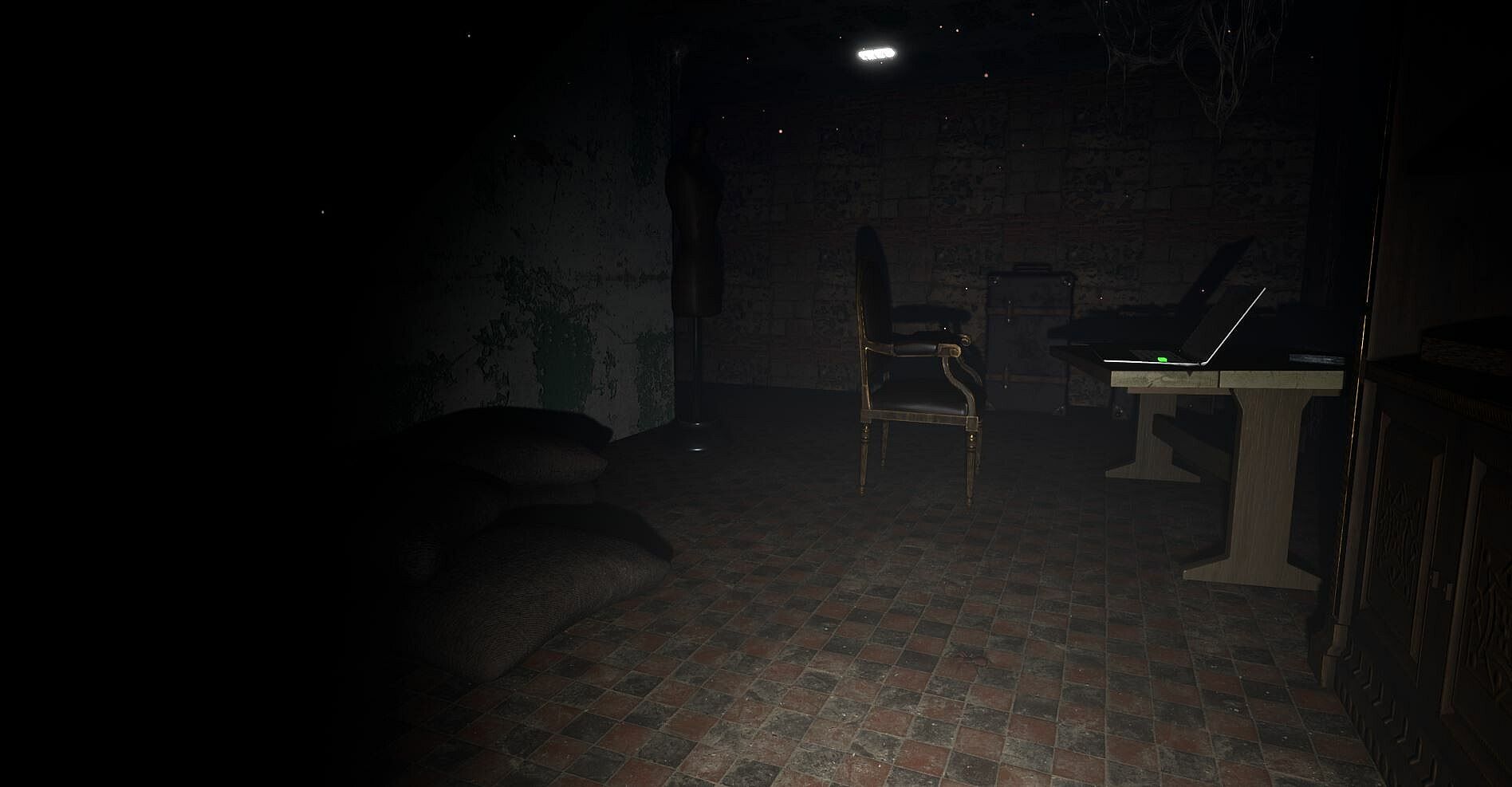
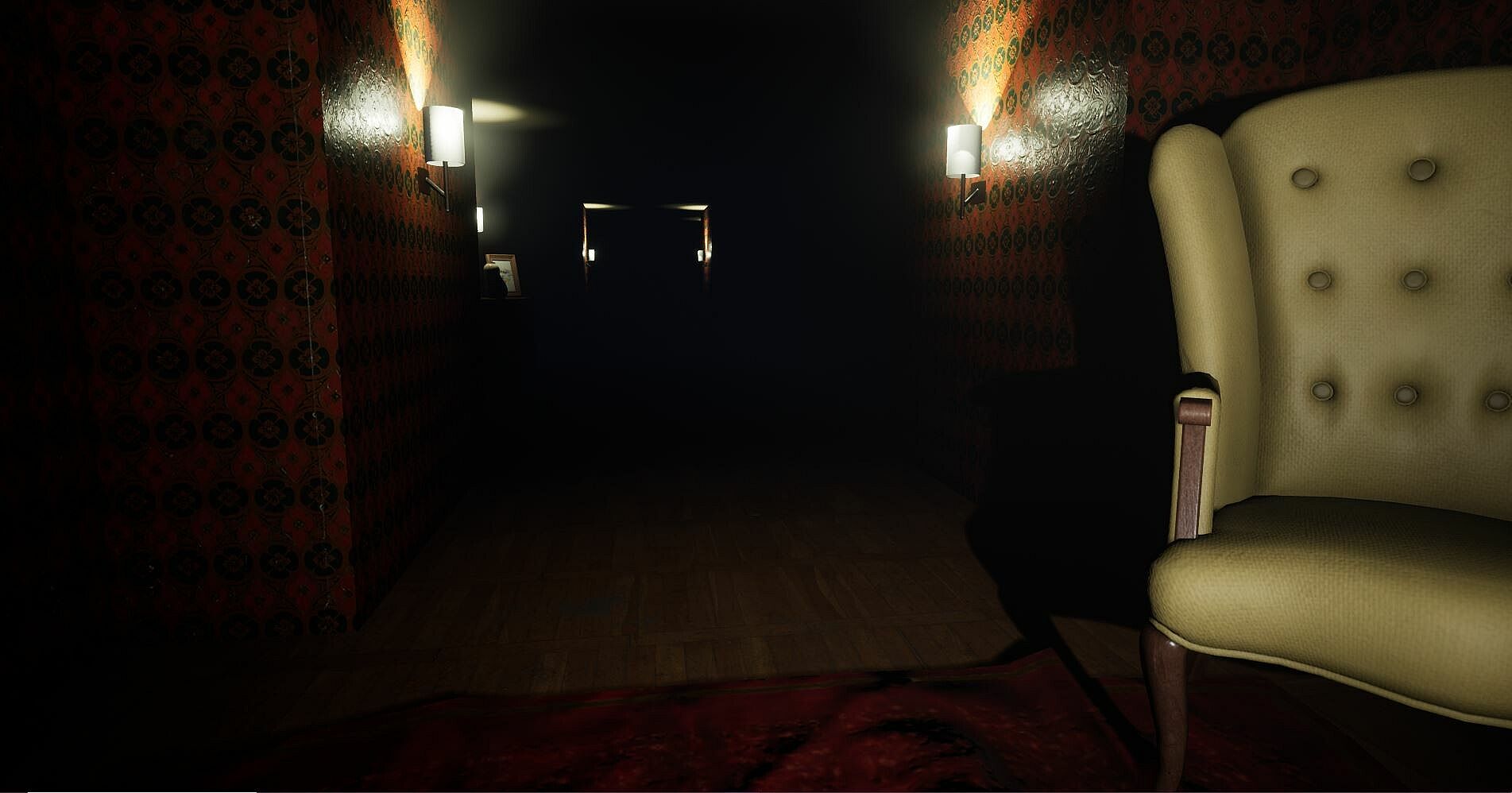

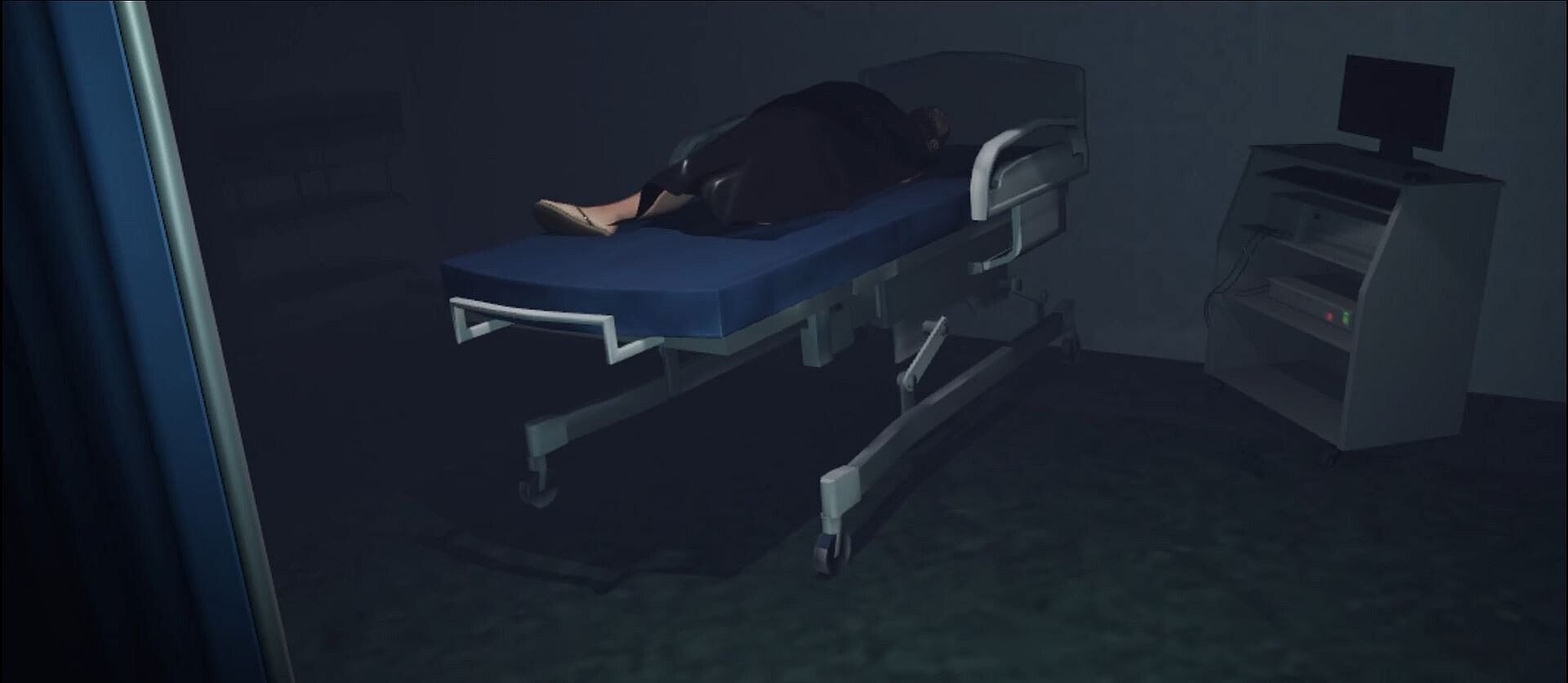
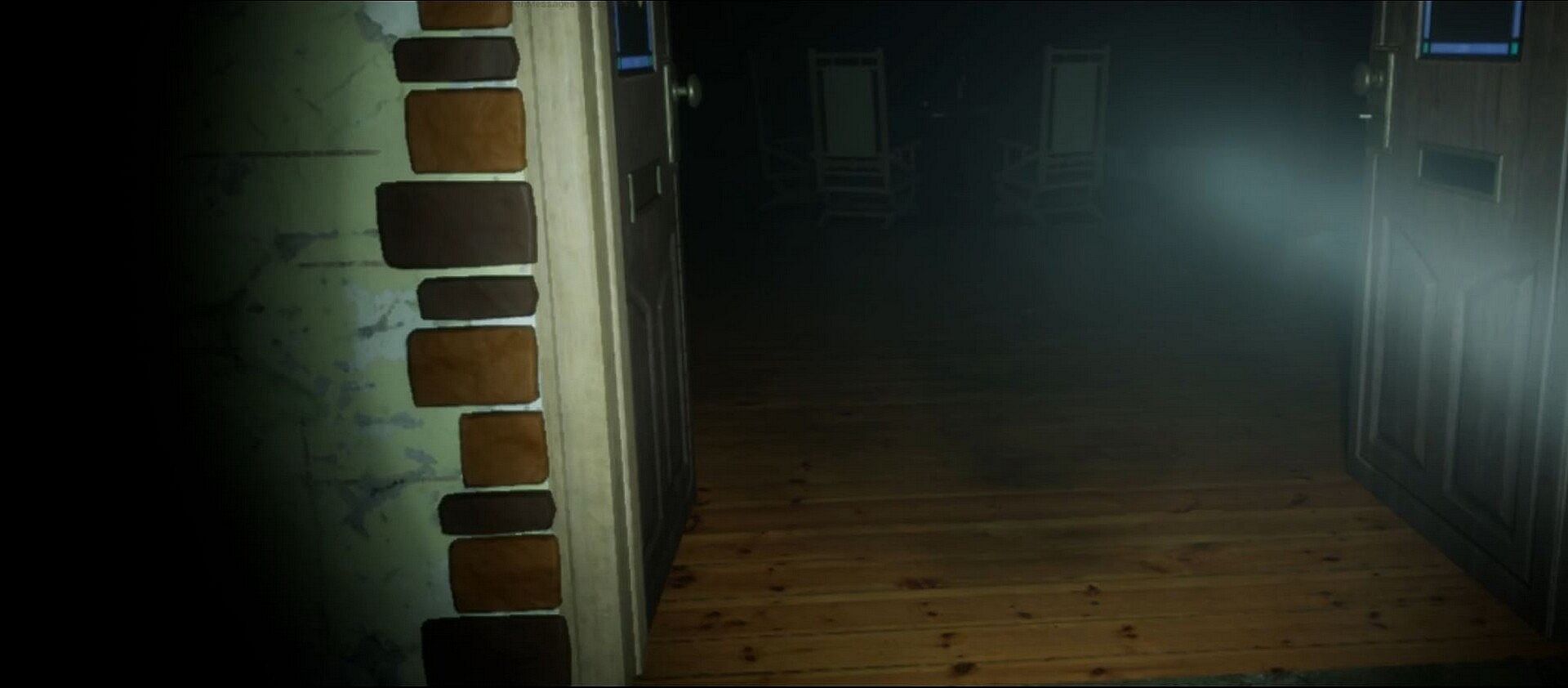



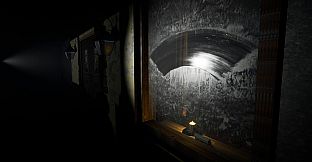
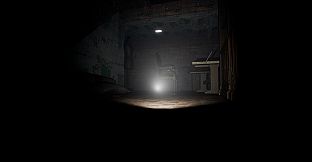
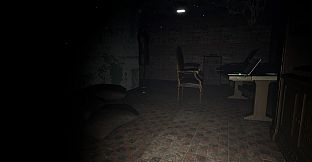
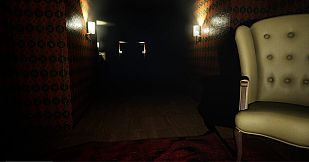




I Hope You Die! stands out as a VR horror adventure game that drops you into a tense, single-player experience on PC. You step into the role of Sydney, an archaeologist driven to rescue her missing brother from a cursed mansion riddled with secrets and threats. This indie title blends action and exploration in a way that demands careful navigation through shadowy halls, where every corner could hide a deadly surprise. Released in early 2026, it captures the essence of survival horror through its focus on personal stakes and environmental dangers, making it a fresh entry for fans of immersive VR storytelling.
Gameplay
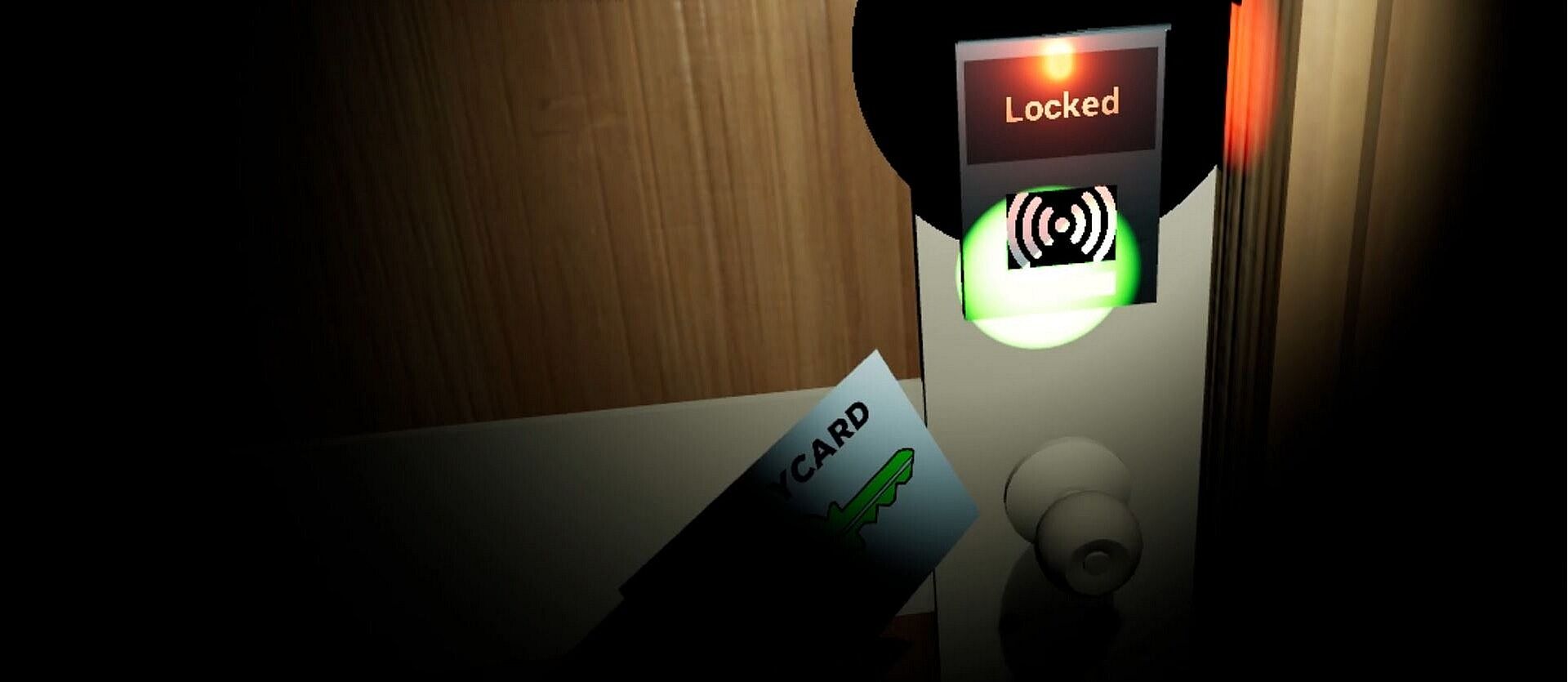
In I Hope You Die!, the core loop revolves around exploration, puzzle-solving, and survival elements within the confines of a sprawling, cursed mansion. As Sydney, you move through dimly lit rooms and corridors, using basic mechanics like climbing to access hidden areas and managing an inventory to handle items essential for progress. Combat comes into play when facing off against terrifying enemies, requiring quick reflexes to fend them off or escape. Puzzles often tie into the environment, challenging you to manipulate objects or decipher clues while avoiding traps that can end your run abruptly. The VR setup enhances this by allowing natural interactions, such as physically reaching for items or peering around corners, which heightens the sense of vulnerability. Save points provide checkpoints, and the user interface keeps track of your status without pulling you out of the immersion.
Balancing acts as a key mechanic, where you must weigh risks like triggering alarms or disturbing hidden horrors. Movement feels fluid in VR, with options like smooth-turning to accommodate different play styles. The game encourages replaying sections to master layouts and optimize paths, especially since some traps demand precise timing. Overall, it builds tension through a mix of deliberate pacing and sudden action bursts, rewarding players who pay close attention to the mansion's details.
Game Modes
I Hope You Die! focuses exclusively on a single-player mode, designed for solo adventurers who prefer a narrative-driven horror experience without multiplayer distractions. This mode lets you tackle the mansion's challenges at your own pace, diving deep into Sydney's story without external interference. It's VR-only, ensuring every session feels personal and intense, with no options for cooperative play or competitive elements.
Story and Atmosphere
The narrative in I Hope You Die! centers on Sydney's quest to uncover her brother's fate, weaving in emotional threads from her past that connect to the mansion's dark history. As you progress, revelations about curses and hidden truths emerge, driving the plot forward amid escalating horrors. The atmosphere relies on menacing environments, from creaking floors to flickering lights, creating a constant undercurrent of dread. Sound design amplifies this, with eerie noises signaling approaching dangers or puzzle hints.
Technical features support the immersion, including support for various VR headsets like Meta Quest and Valve Index. The game's early access status means some elements, such as enemy behaviors and tutorial guidance, are still being refined based on player input.
Is It Worth Playing?
For those drawn to VR horror adventures with a strong emphasis on puzzles and survival, I Hope You Die! offers a compelling case in its current early access form. The playable core provides a solid foundation, with ongoing updates incorporating community feedback to improve balancing and add depth. If you enjoy games that test your nerves through exploration and quick thinking in a solo setting, this title fits well, especially on PC VR setups. However, if you seek multiplayer options or fully polished experiences right away, waiting for the full release around late 2027 might suit better. Its focus on a gripping personal story and interactive challenges makes it a worthwhile pick for horror enthusiasts ready to embrace an evolving game.
- Early access allows involvement in shaping the final product through feedback.
- VR immersion heightens the horror without relying on jump scares alone.
- Narrative ties exploration to emotional stakes, adding replay value.