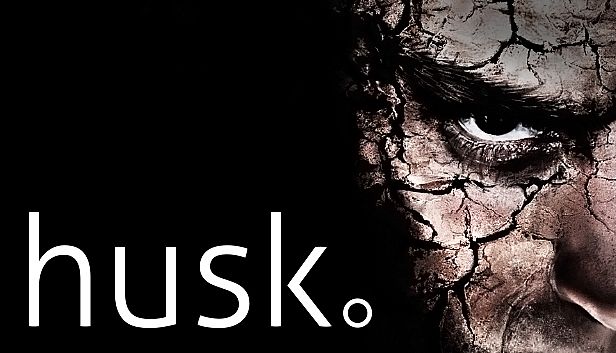




















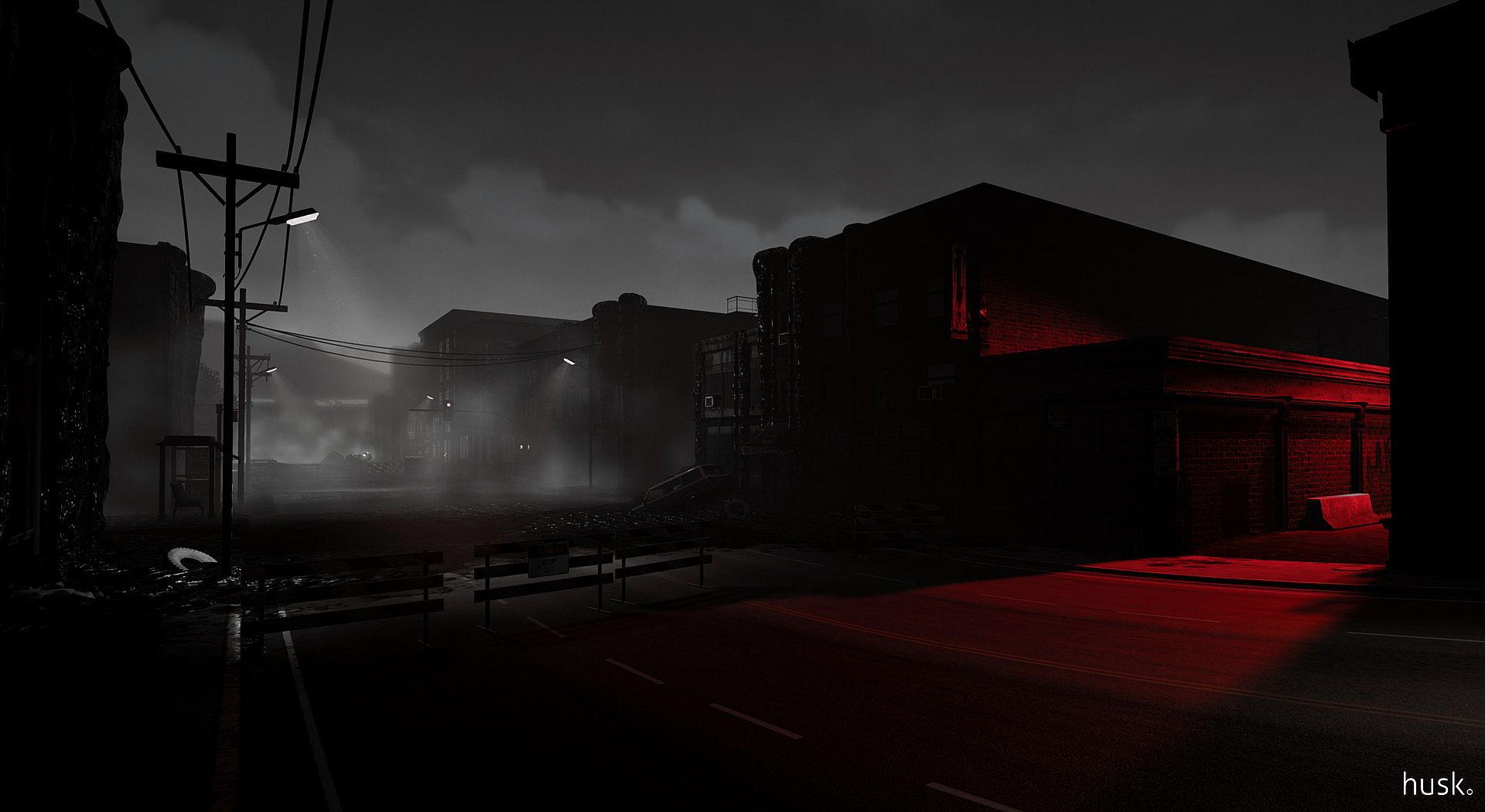
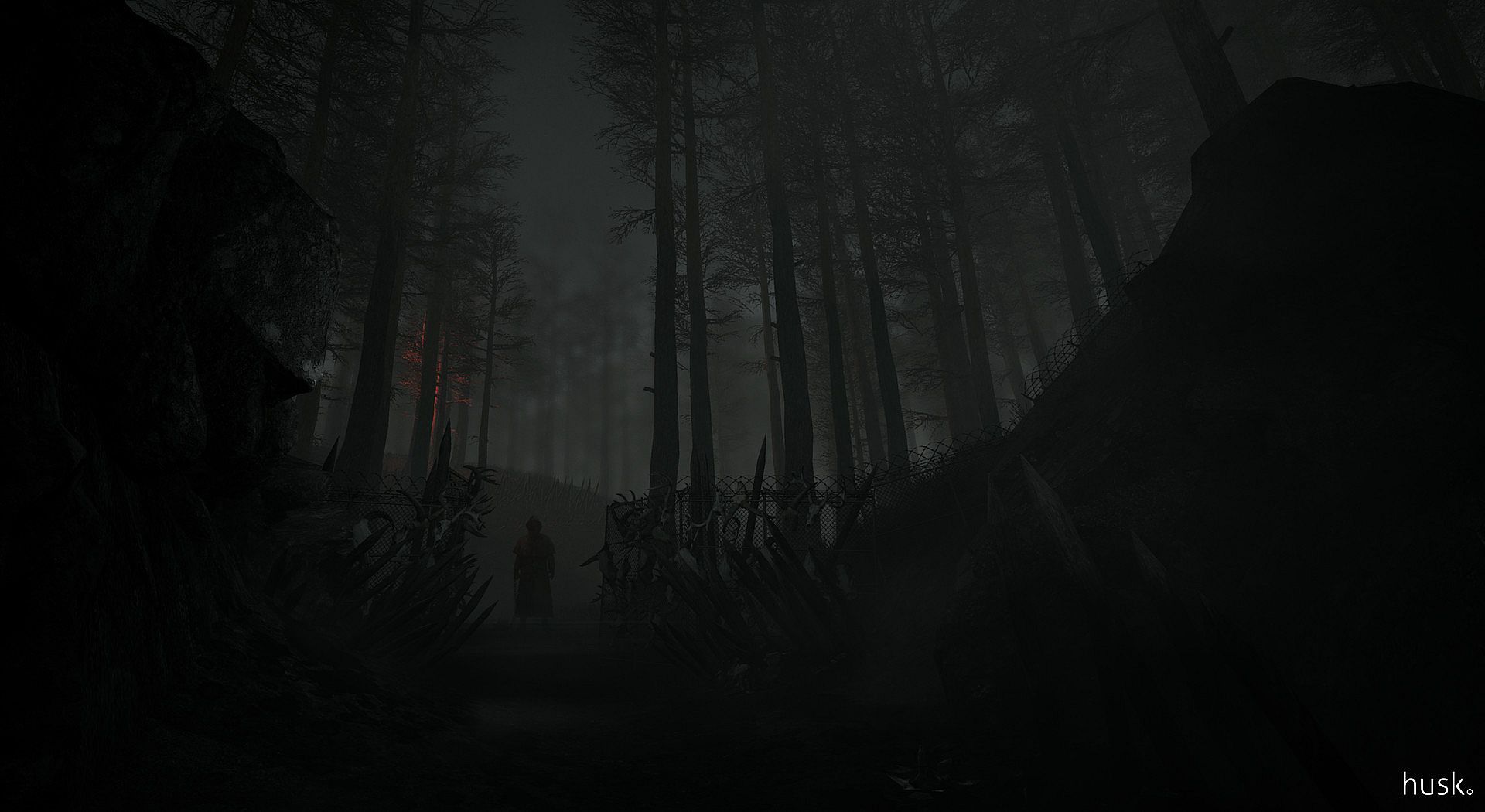
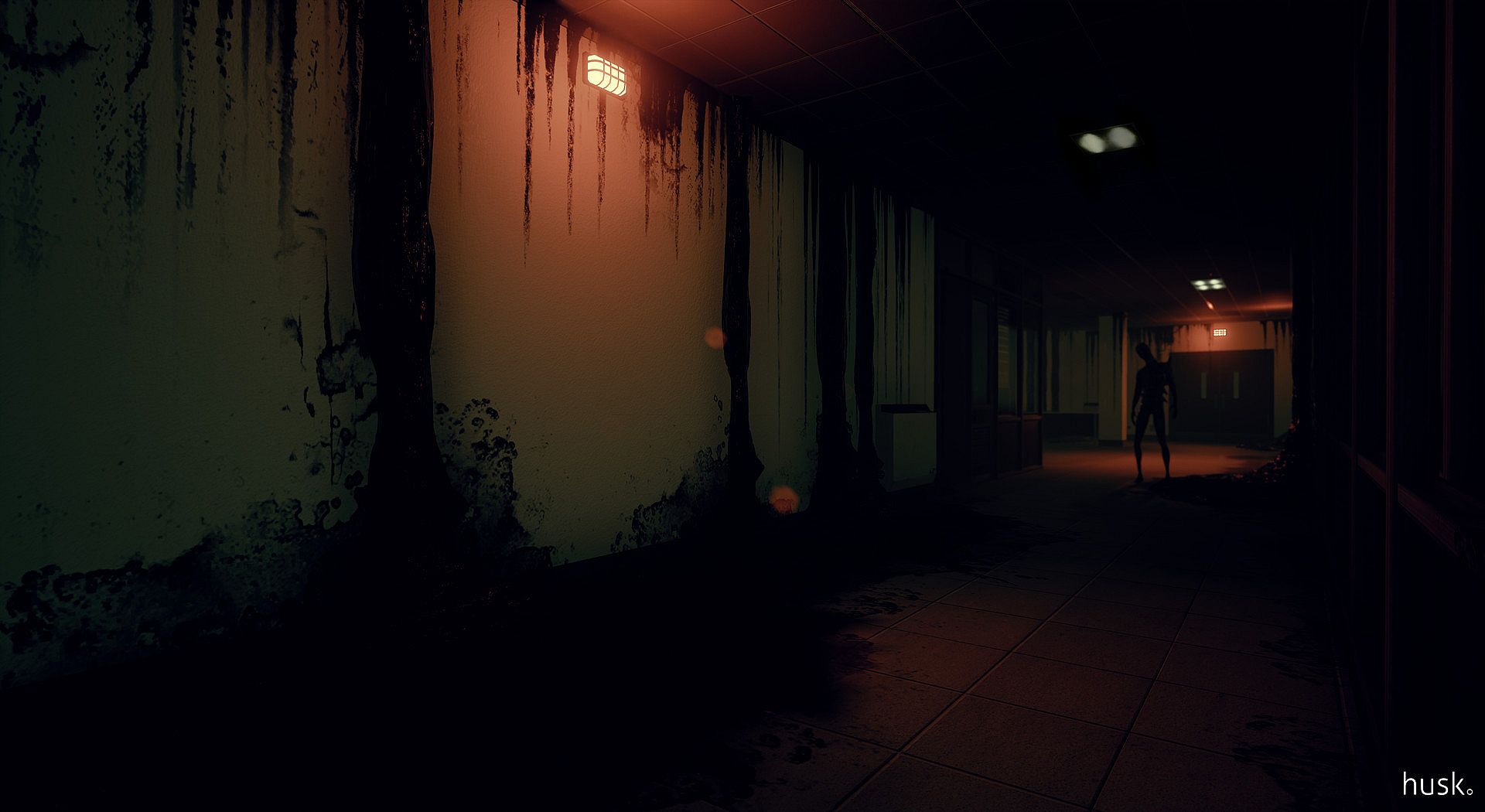
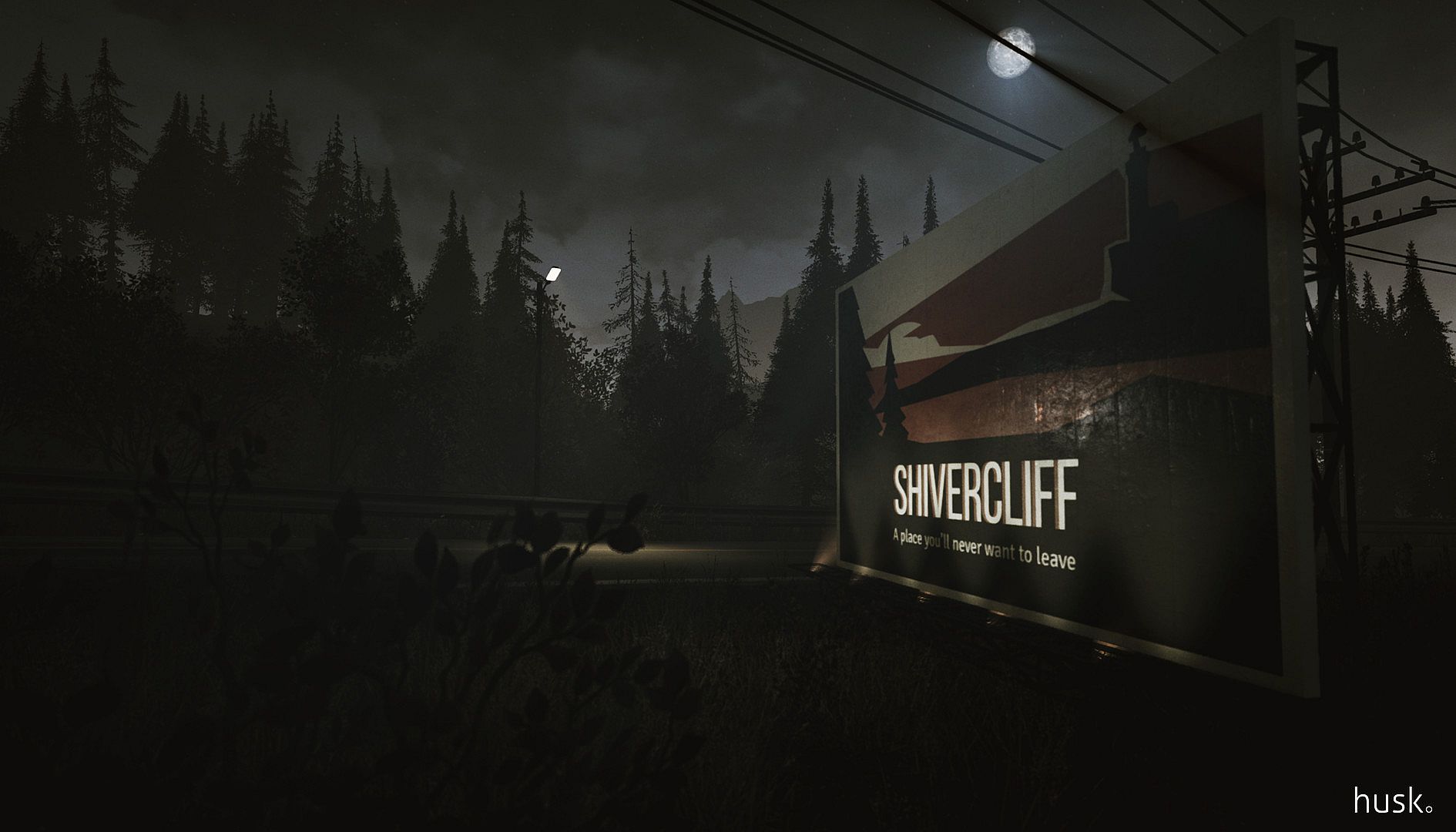
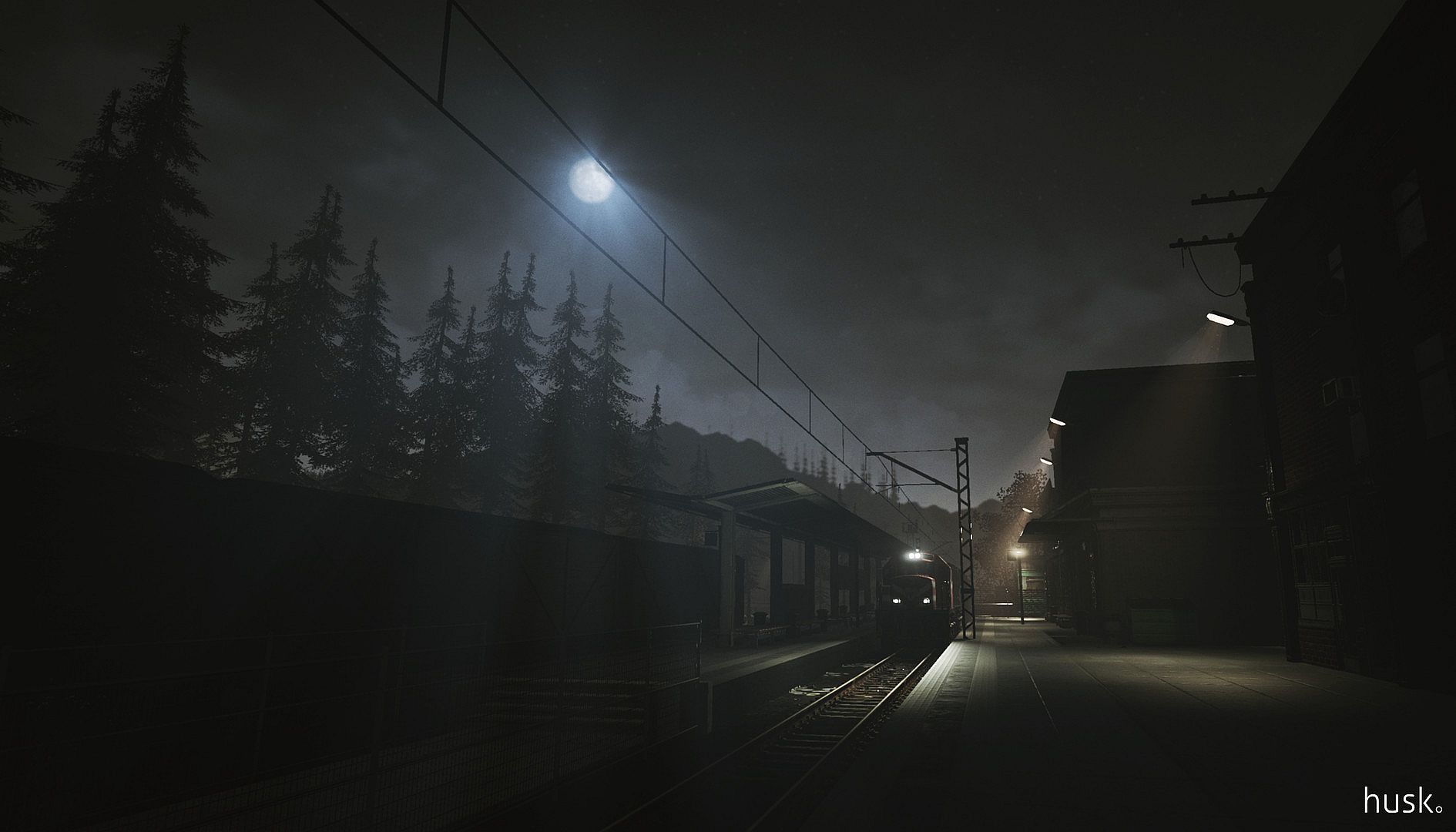
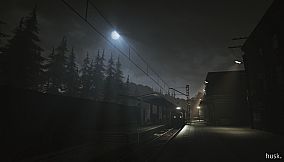
Husk is a first-person survival horror game set in a remote, fog-shrouded town. Players take on the role of Matthew Palmer, a man searching for his missing wife and daughter after surviving a train derailment in 1995. The experience blends exploration, combat against grotesque creatures, and a narrative focused on personal trauma, violence, and addiction.
Gameplay
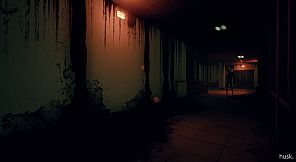
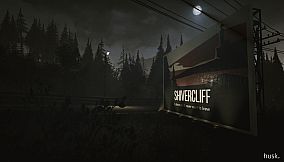
The core loop centers on navigating the abandoned settlement of Shivercliff and its surrounding areas. Movement feels deliberate, with emphasis on careful progression through dimly lit streets, buildings, and wilderness paths. Combat involves limited resources and encounters with various hostile entities that require timing and positioning to overcome. Boss encounters introduce larger threats that demand pattern recognition and resource management. Puzzles and environmental storytelling guide the player forward while revealing fragments of the protagonist's past. The game runs on Unreal Engine 4, supporting a consistent visual style rooted in the mid-1990s aesthetic with period-appropriate details and lighting.
Game Modes
Husk offers a single continuous campaign with no separate multiplayer or alternative modes. The entire experience unfolds as one linear narrative journey lasting approximately four to five hours. There are no co-operative elements, competitive options, or post-campaign challenges listed in the game's features.
Story and Setting
The plot unfolds in real time as Matthew awakens amid wreckage and begins his search. Shivercliff serves as more than a backdrop; its empty houses, overgrown roads, and eerie landmarks reflect the town's unexplained abandonment. Themes of harm, pain, and forgiveness drive the narrative, drawing on the protagonist's struggles with alcohol and family conflict. References to 1990s culture appear through objects, music cues, and environmental details that ground the horror in a specific era.
Atmosphere and Presentation
Sound design plays a central role, with an original score composed by Arkadiusz Reikowski that underscores tension during exploration and combat. Different monster types vary in behavior and appearance, contributing to a sense of escalating dread. The game avoids jump-scare reliance in favor of psychological pressure and isolation. Locations range from residential zones to industrial outskirts, each with distinct layouts that encourage thorough investigation.
Is It Worth Playing?
Husk delivers a compact, focused survival horror experience that may appeal to players who enjoy short, story-driven titles inspired by classic entries in the genre. Its mixed reception stems from a concise runtime and straightforward mechanics that some find effective while others consider underdeveloped. The game remains available as a standalone purchase with no ongoing updates or seasonal content. Those seeking a brief, atmospheric single-player adventure centered on personal redemption and supernatural threats will find its strengths in narrative delivery and creature variety. Players preferring longer campaigns or more refined systems may want to approach with tempered expectations.