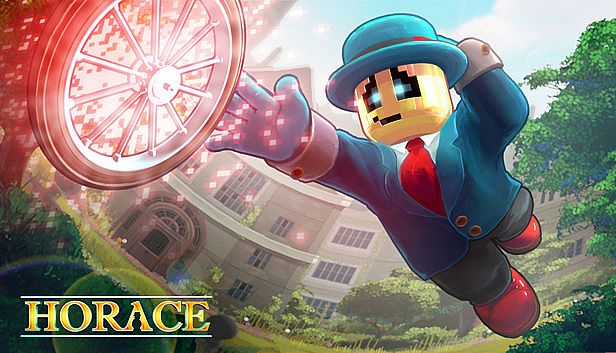


























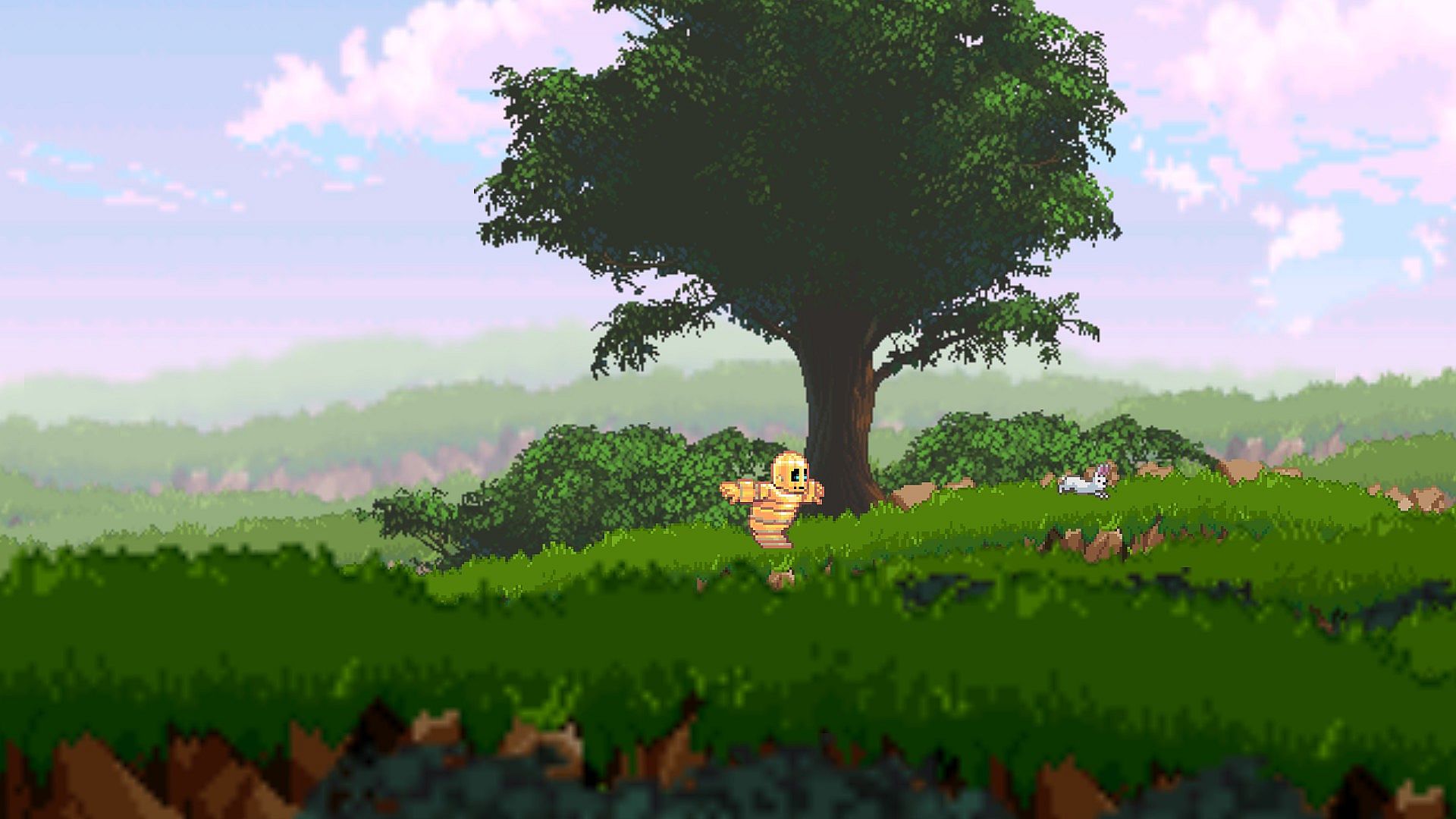



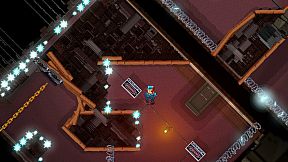
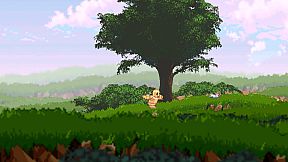
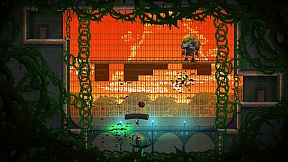
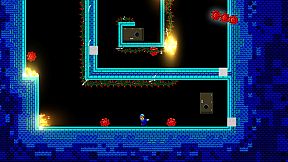
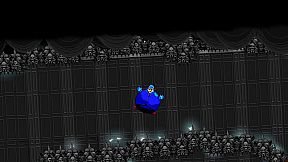
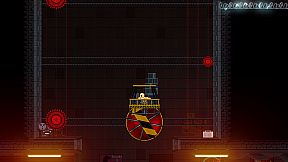

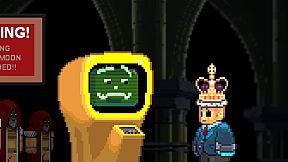
Horace stands out as a single-player 2D platformer that blends action and adventure elements in a pixel-art style. Developed by a two-person team, the game follows a small robot named Horace as he awakens in a post-apocalyptic setting and embarks on a journey of self-discovery while searching for his adopted family. The experience mixes precise platforming with narrative progression across hand-crafted levels filled with nostalgic references to classic video game eras.
Gameplay
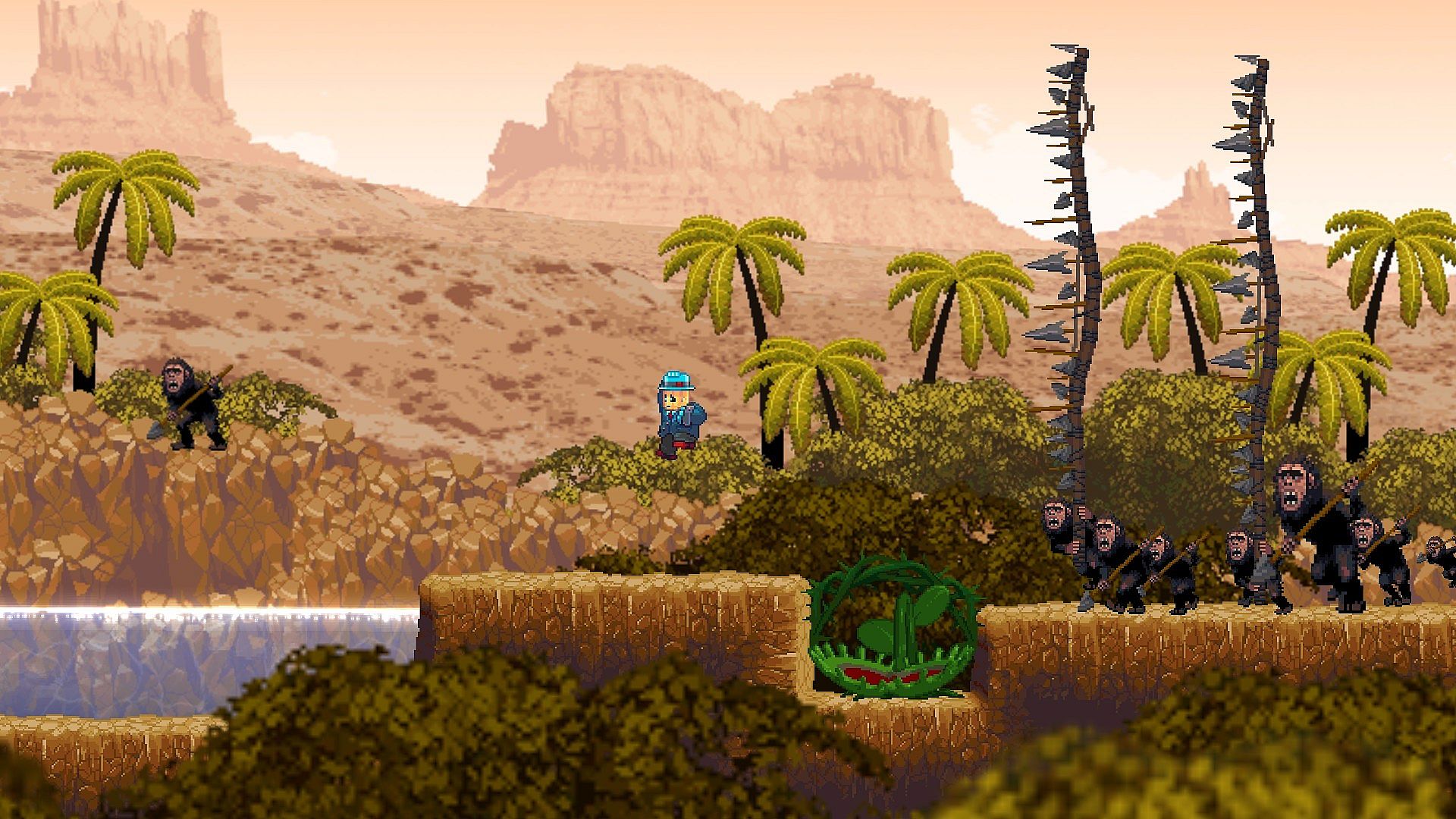
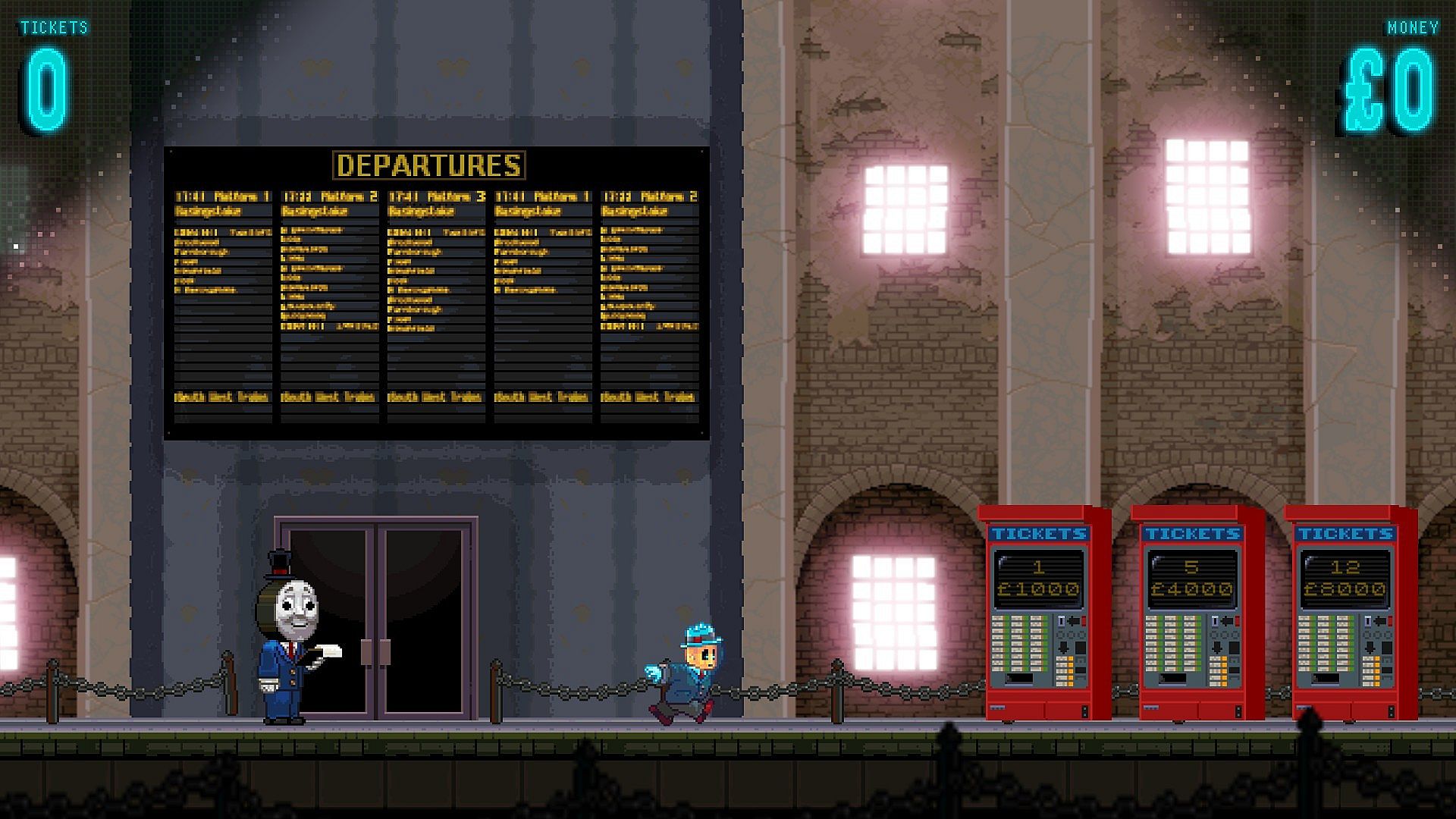
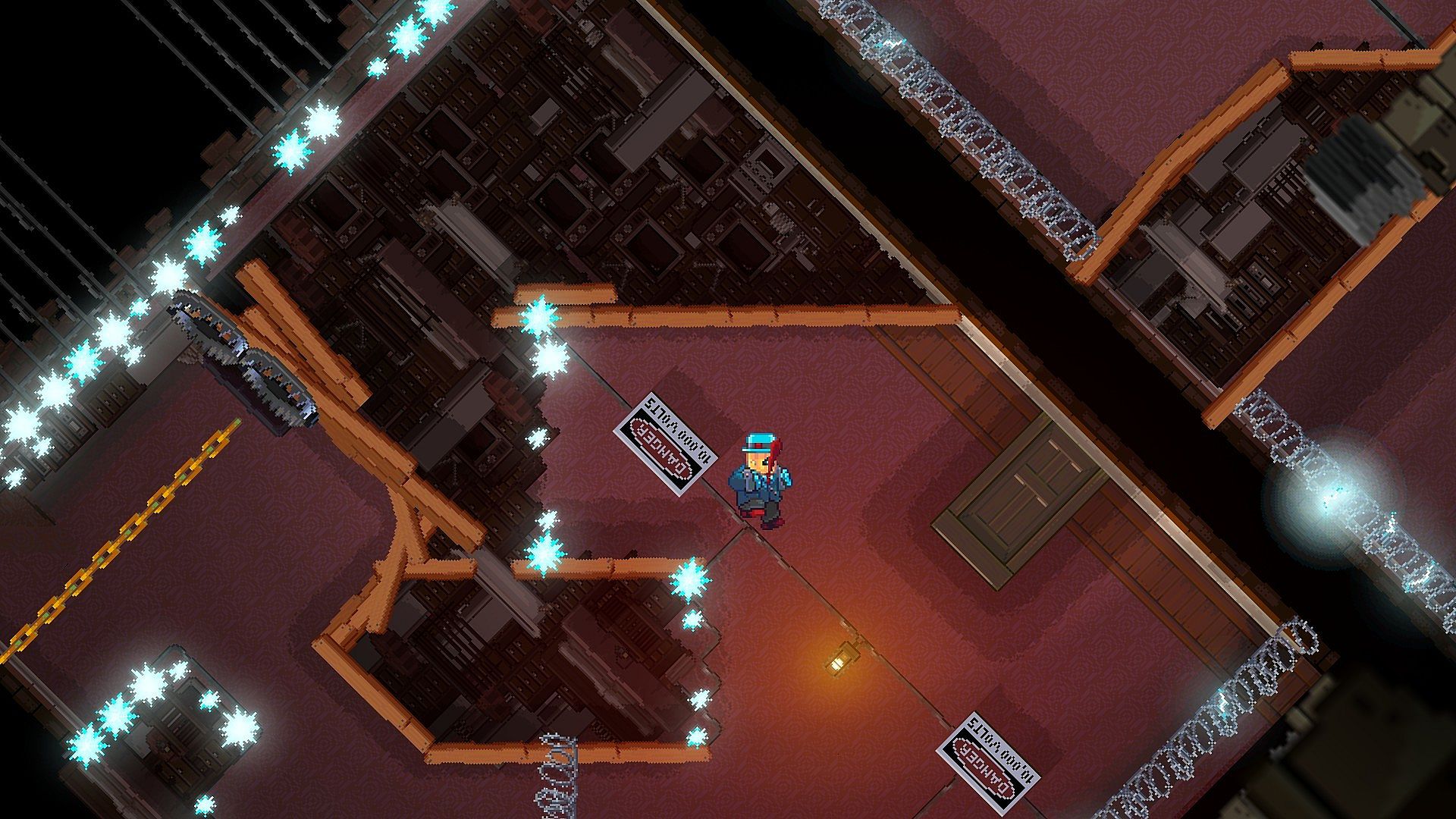
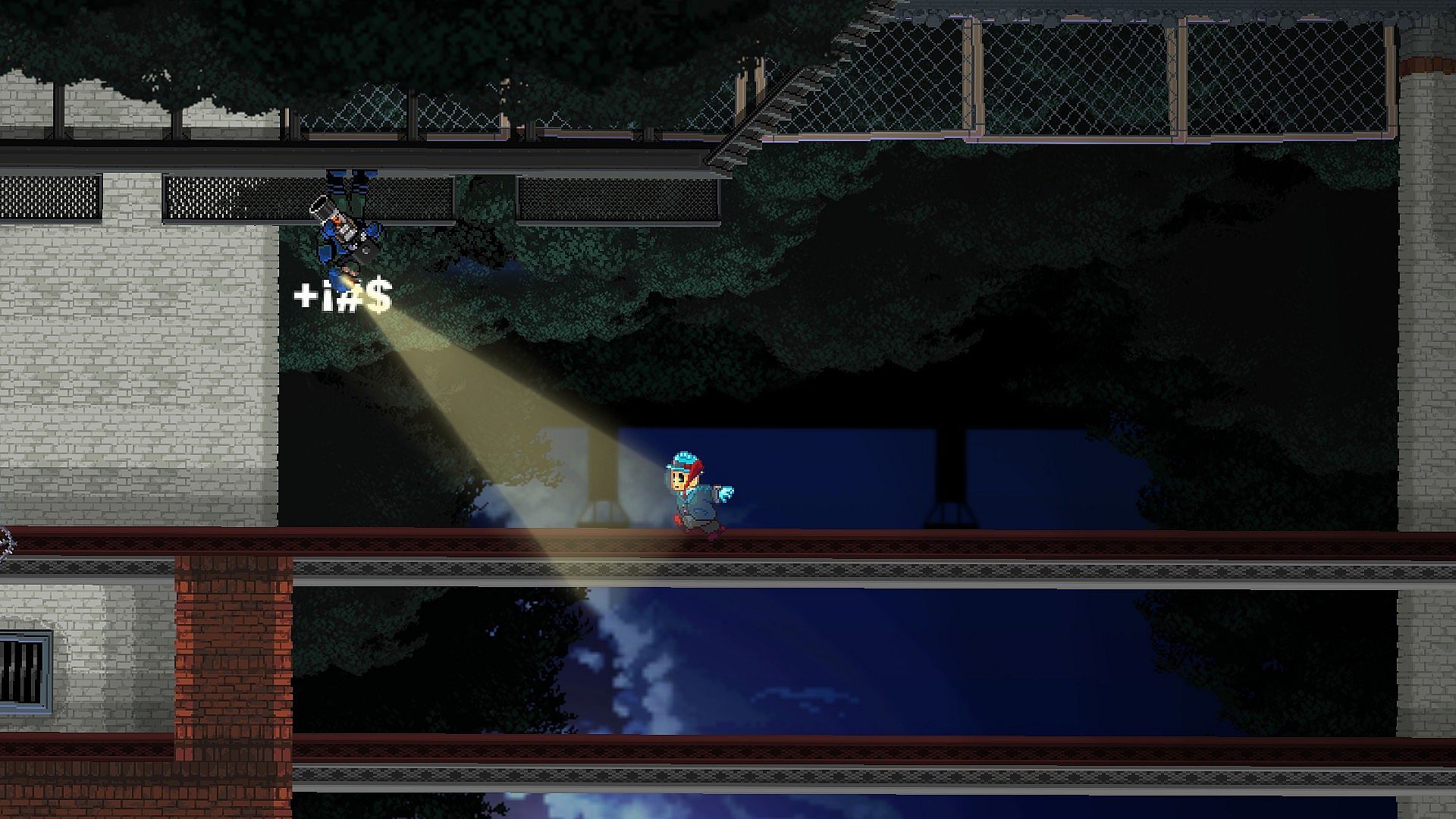
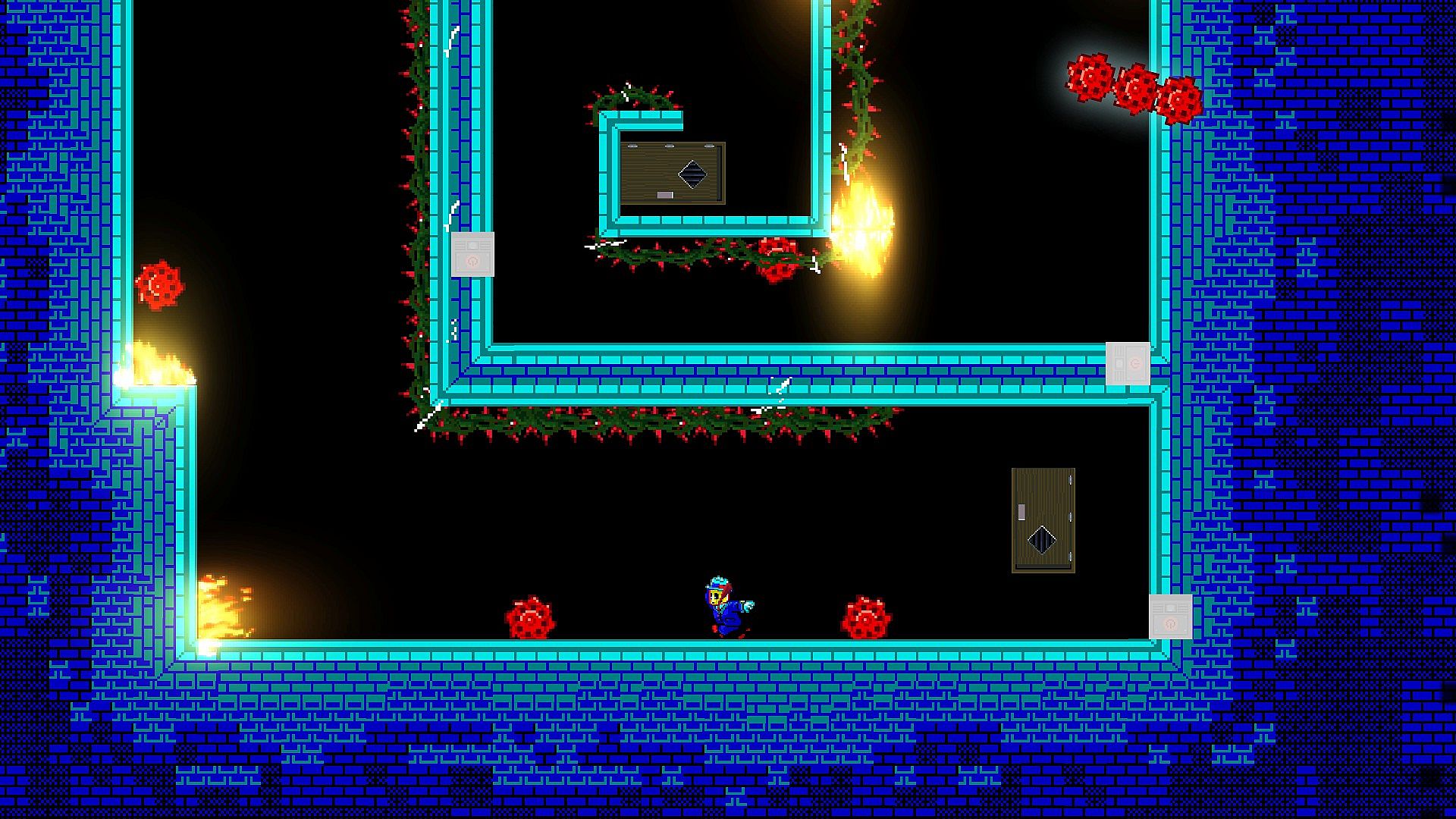
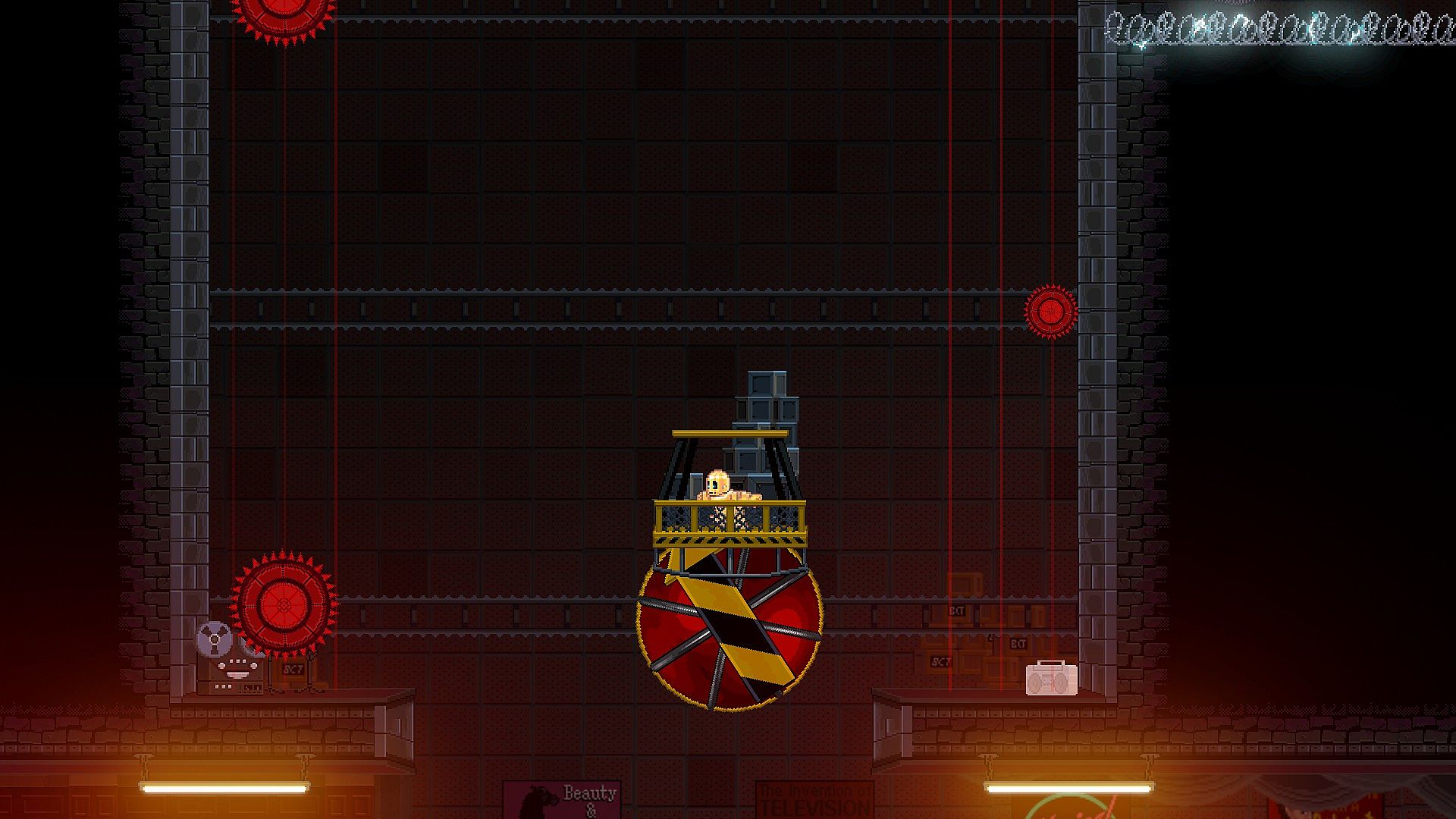
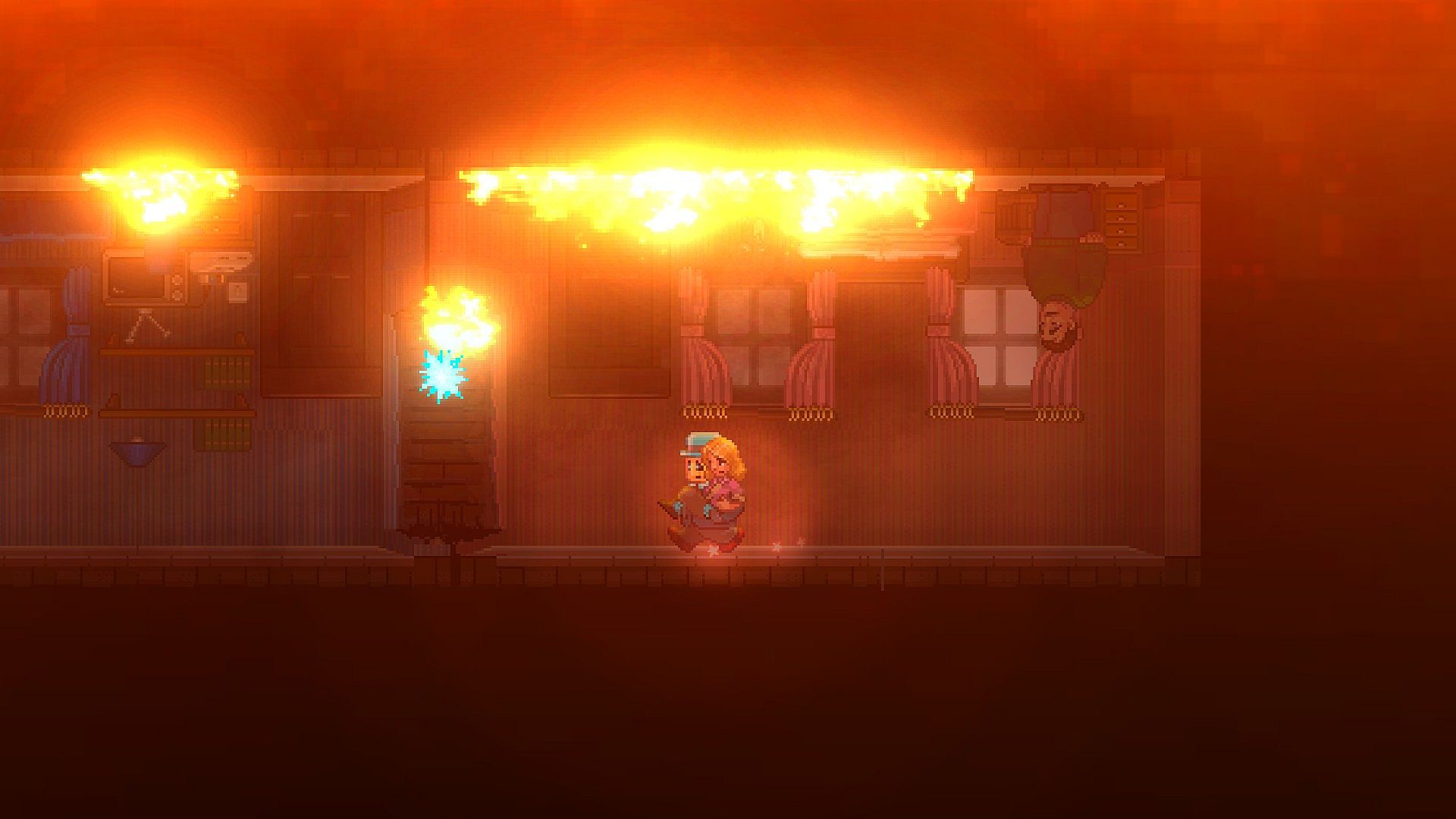
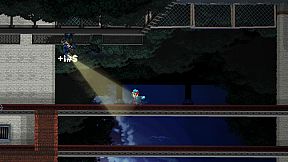
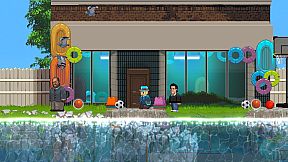
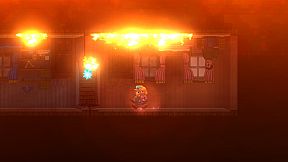
Players control Horace through side-scrolling environments that demand careful timing and responsive controls for running, jumping, and avoiding hazards such as spikes and traps. Early sections focus on basic movement, but progression introduces ability upgrades that expand exploration options in a Metroidvania-inspired manner. These upgrades allow access to previously unreachable areas and add layers to puzzle-solving and traversal.
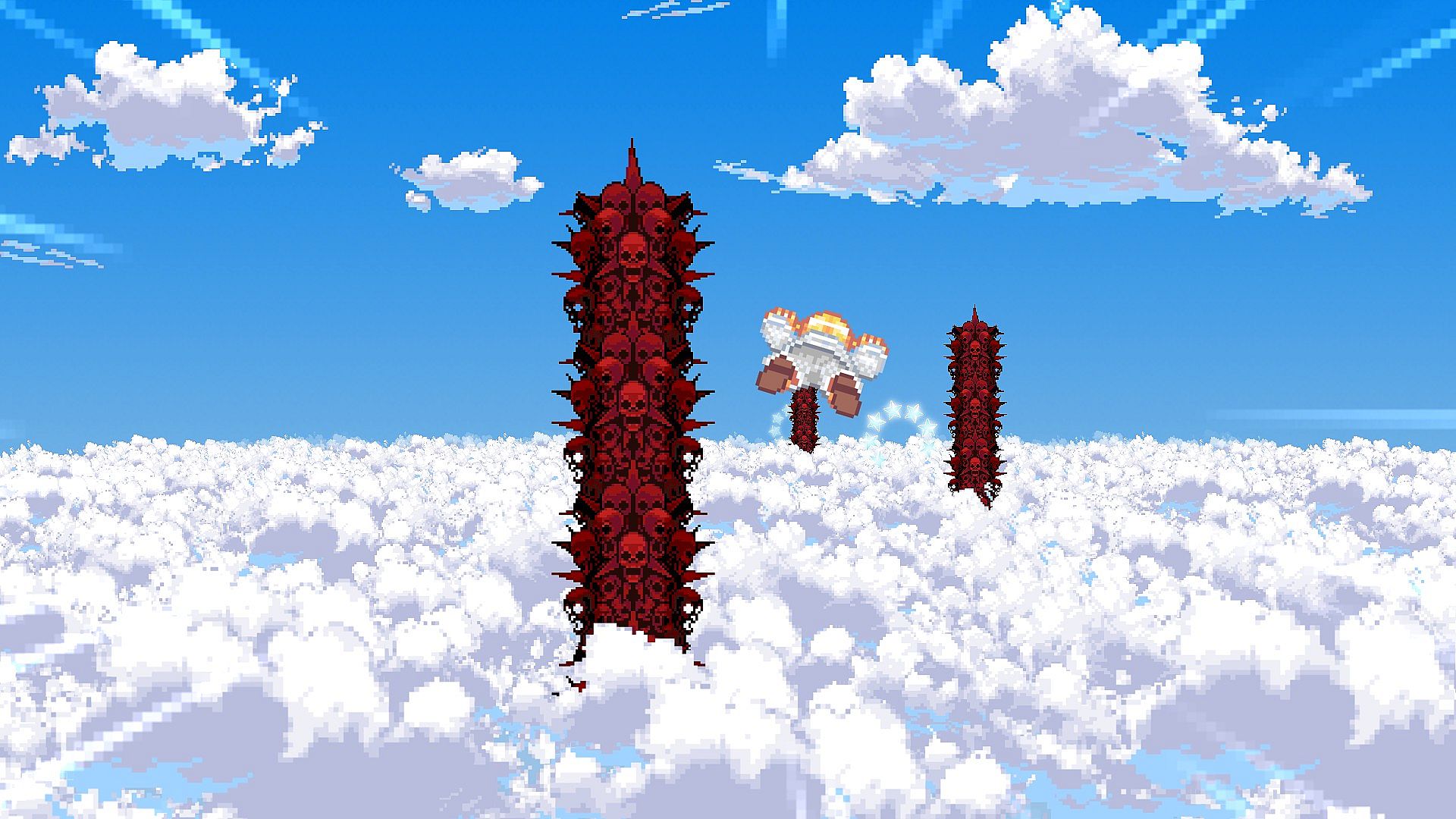
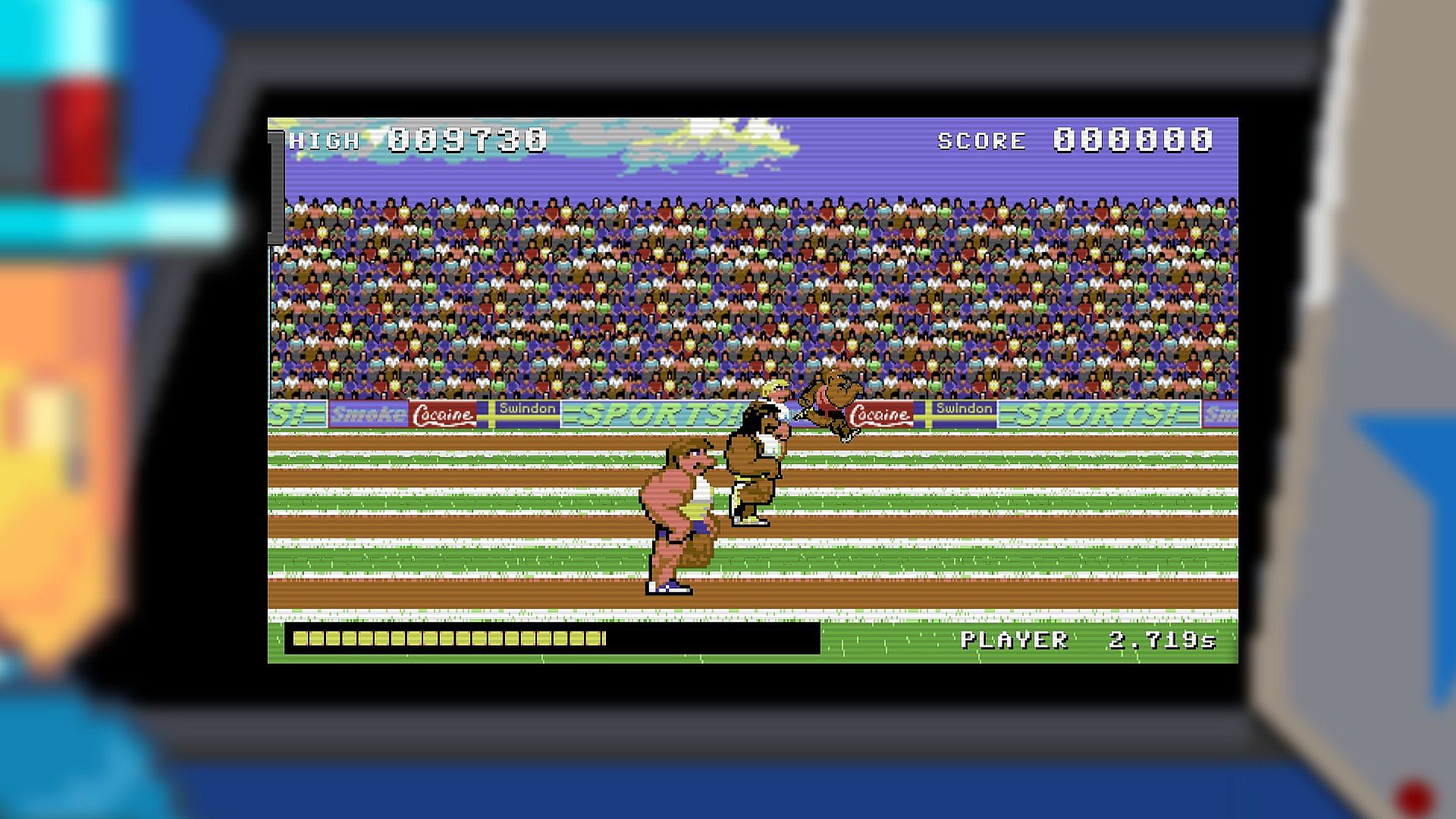
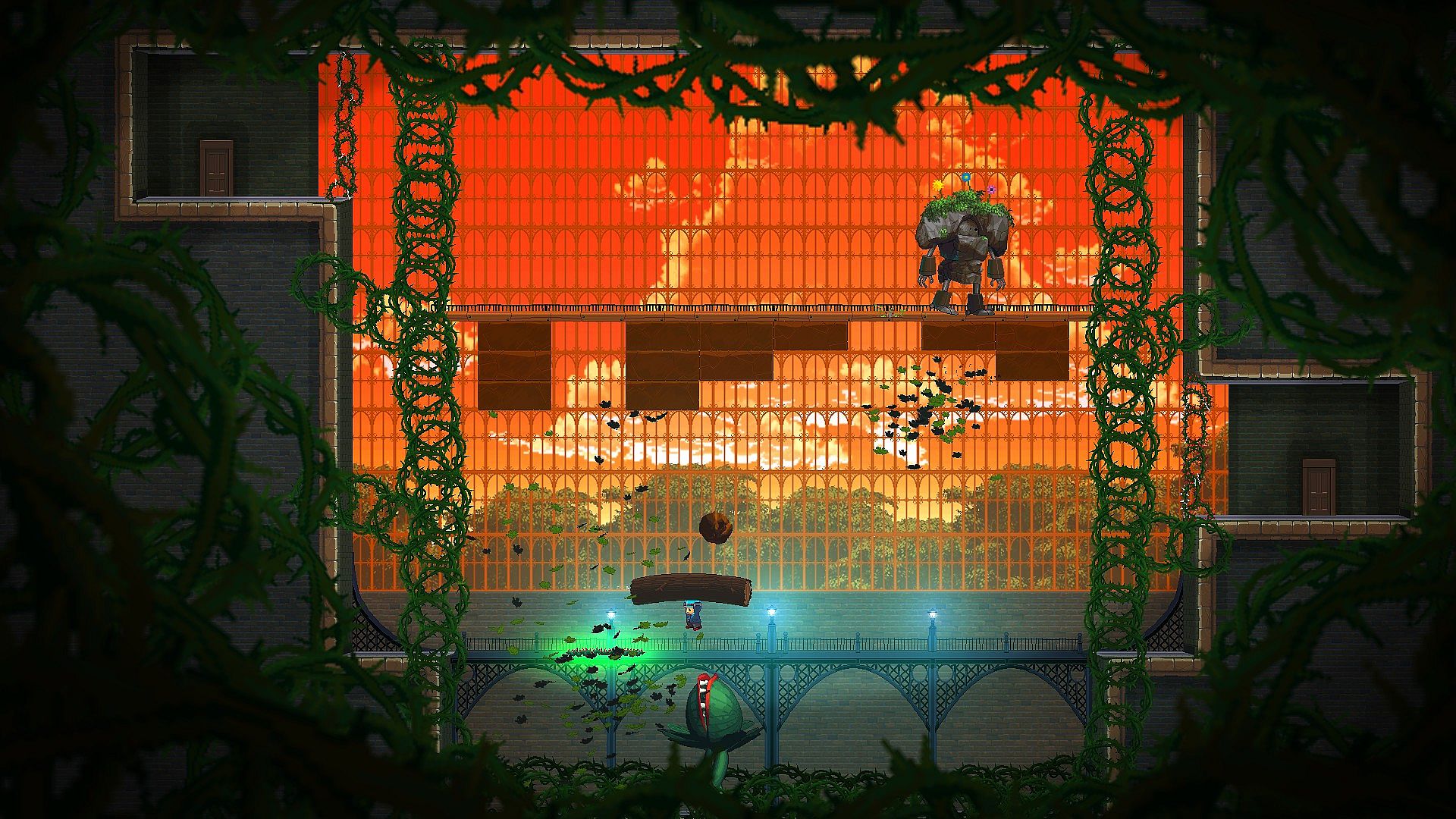
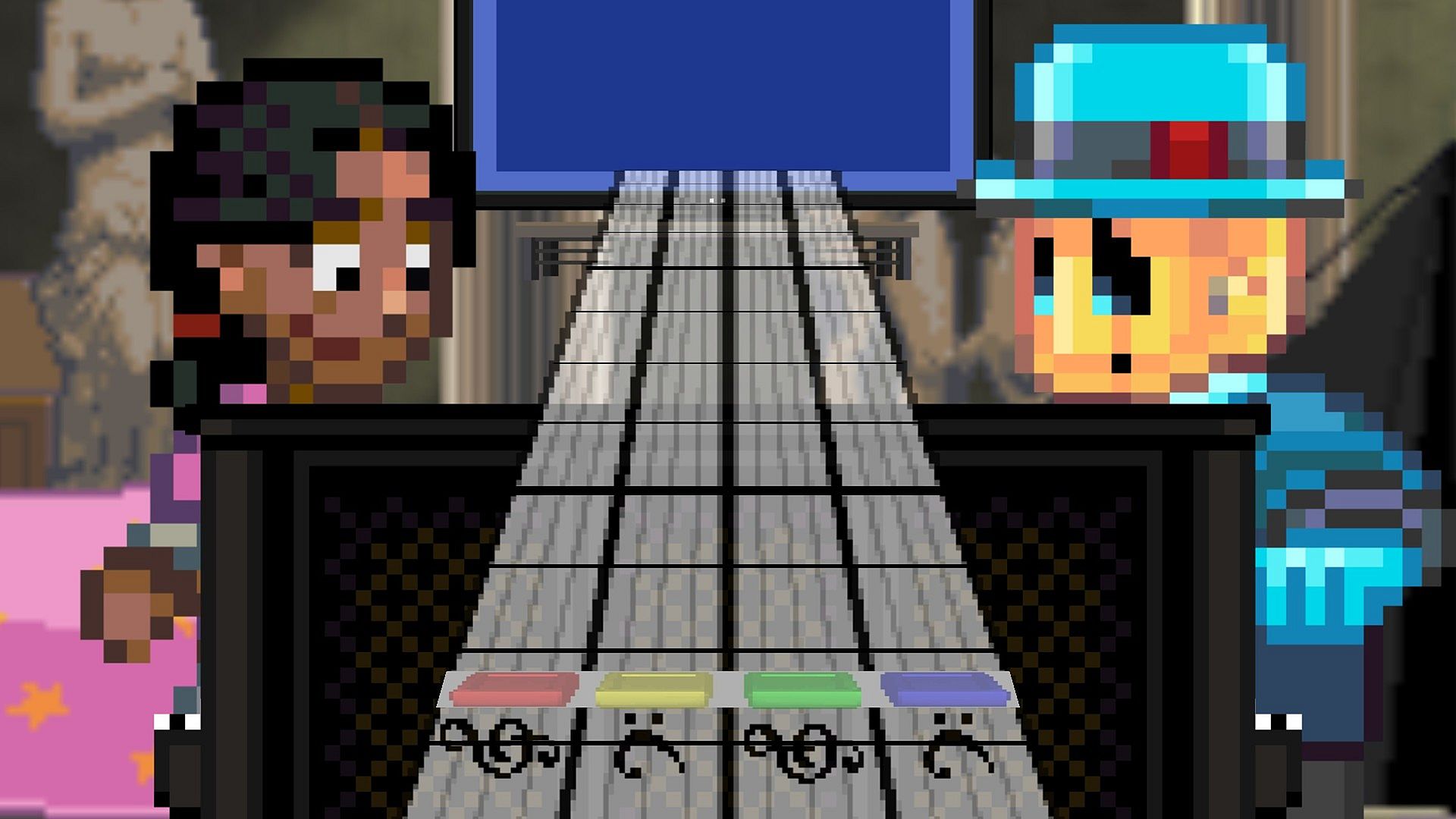
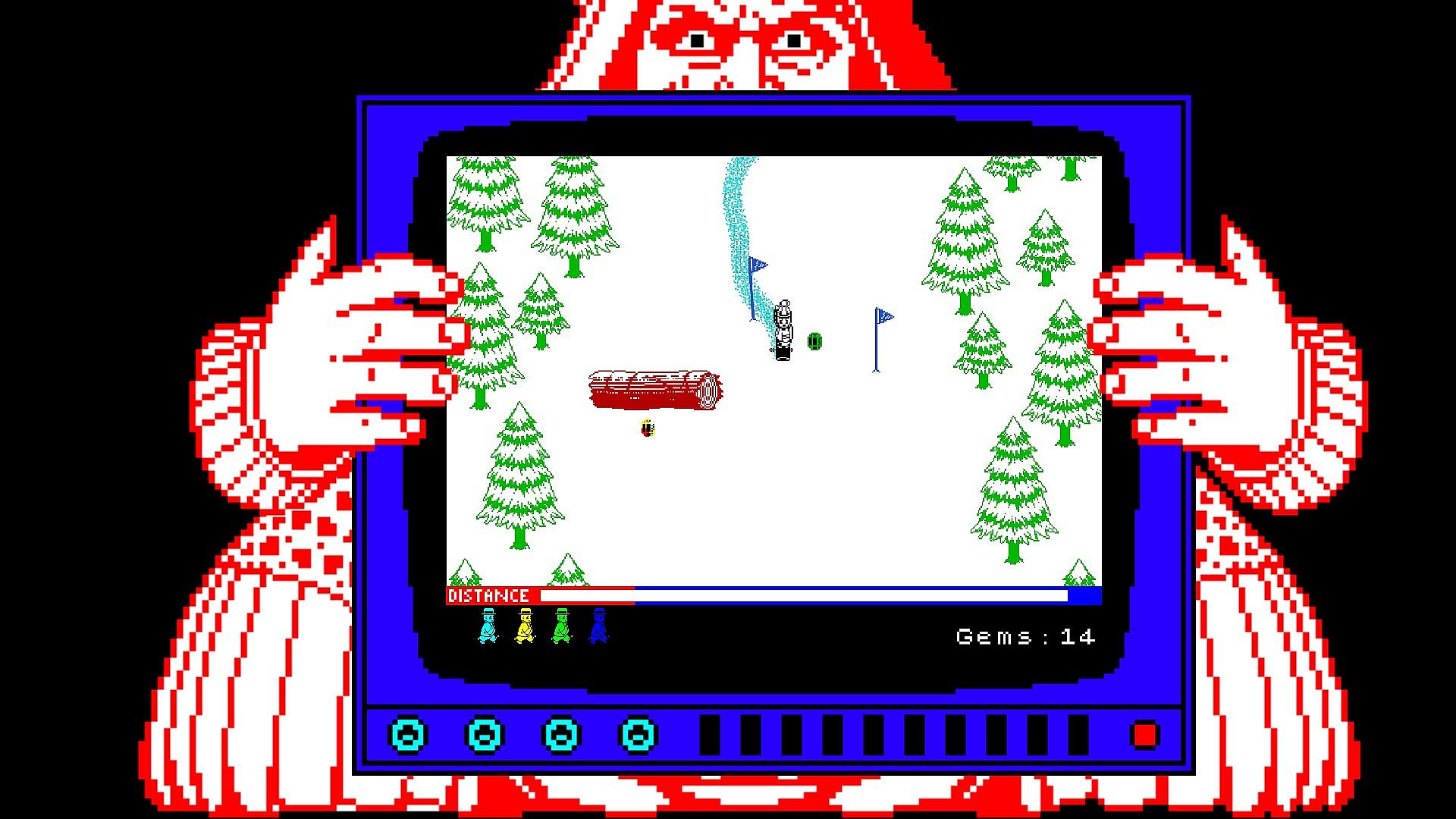
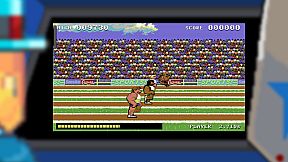
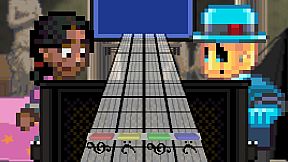
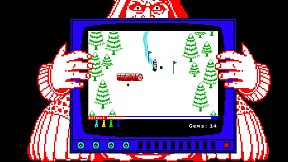
Combat and challenges evolve with boss encounters that require pattern recognition and adaptive strategies rather than repetitive patterns. The game incorporates retro-inspired mini-games woven into the story, shifting temporarily into racing or fighting sequences that break up the core platforming. Checkpoints and collectible shields provide leniency, with the game adjusting difficulty by offering extra protection after repeated failures in tough sections. The full campaign delivers around fifteen hours of varied challenges across detailed pixel worlds.
Game Modes
Horace operates entirely as a single-player experience centered on its story campaign. There are no separate multiplayer options or competitive modes. The structure combines linear narrative beats with guided non-linear exploration, where ability unlocks open new paths and encourage backtracking through interconnected areas. Mini-games appear as integrated segments that support the main progression without forming standalone modes.
Difficulty adjustments happen dynamically based on player performance, ensuring the focus remains on completing the robot's adventure rather than external competition. All content ties directly into the single narrative thread of family reunion and personal growth.
Narrative and World
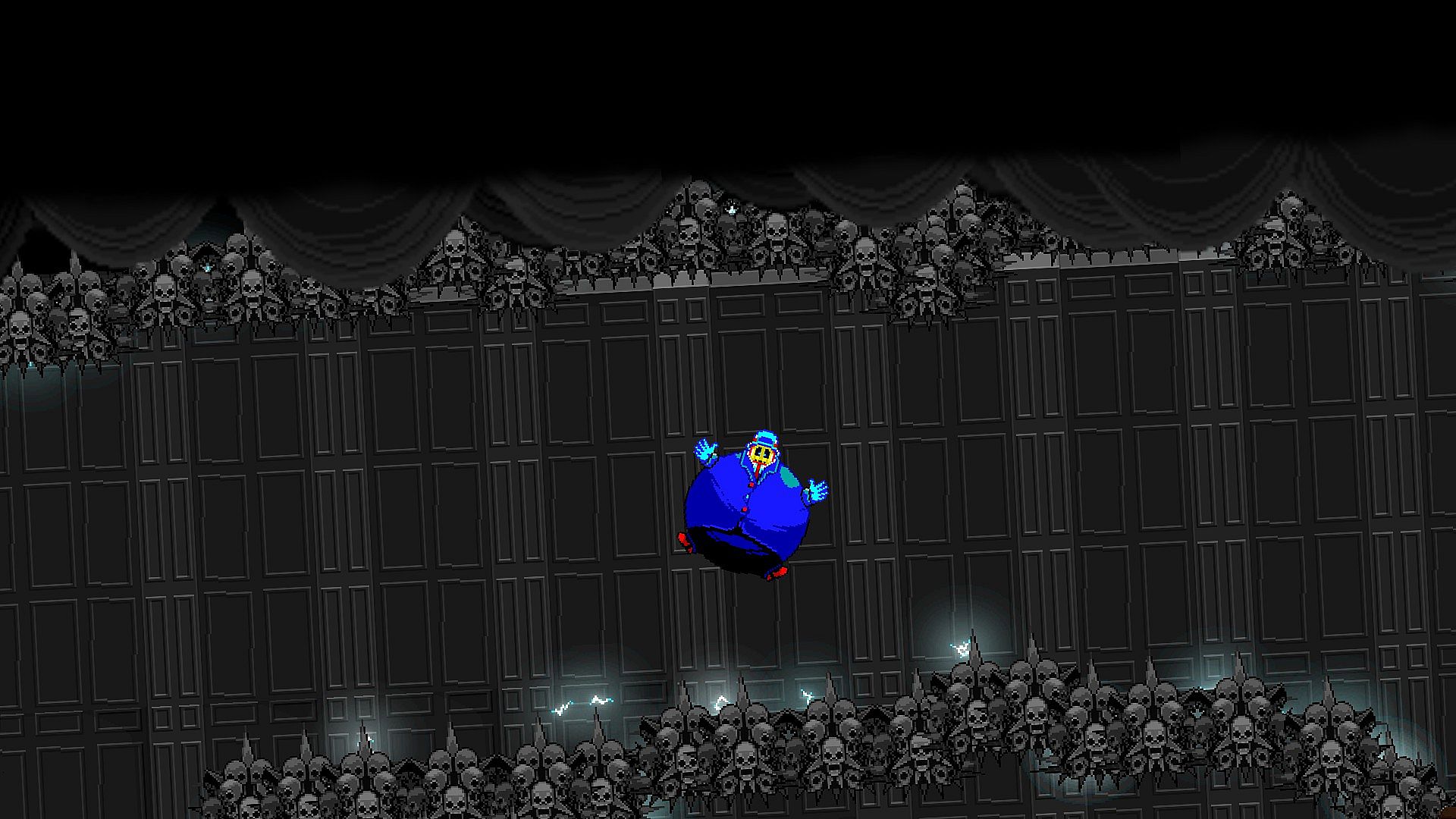
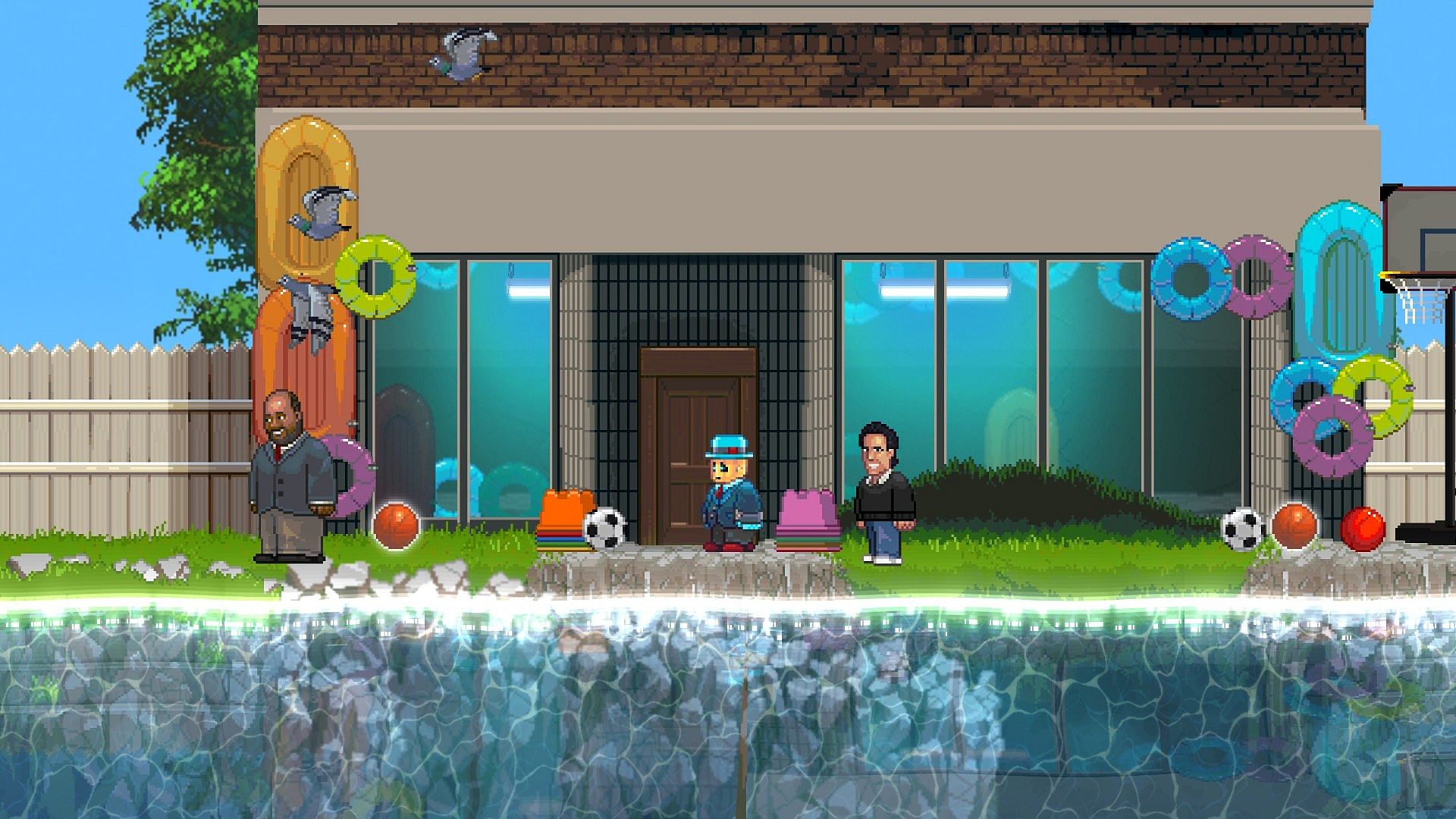
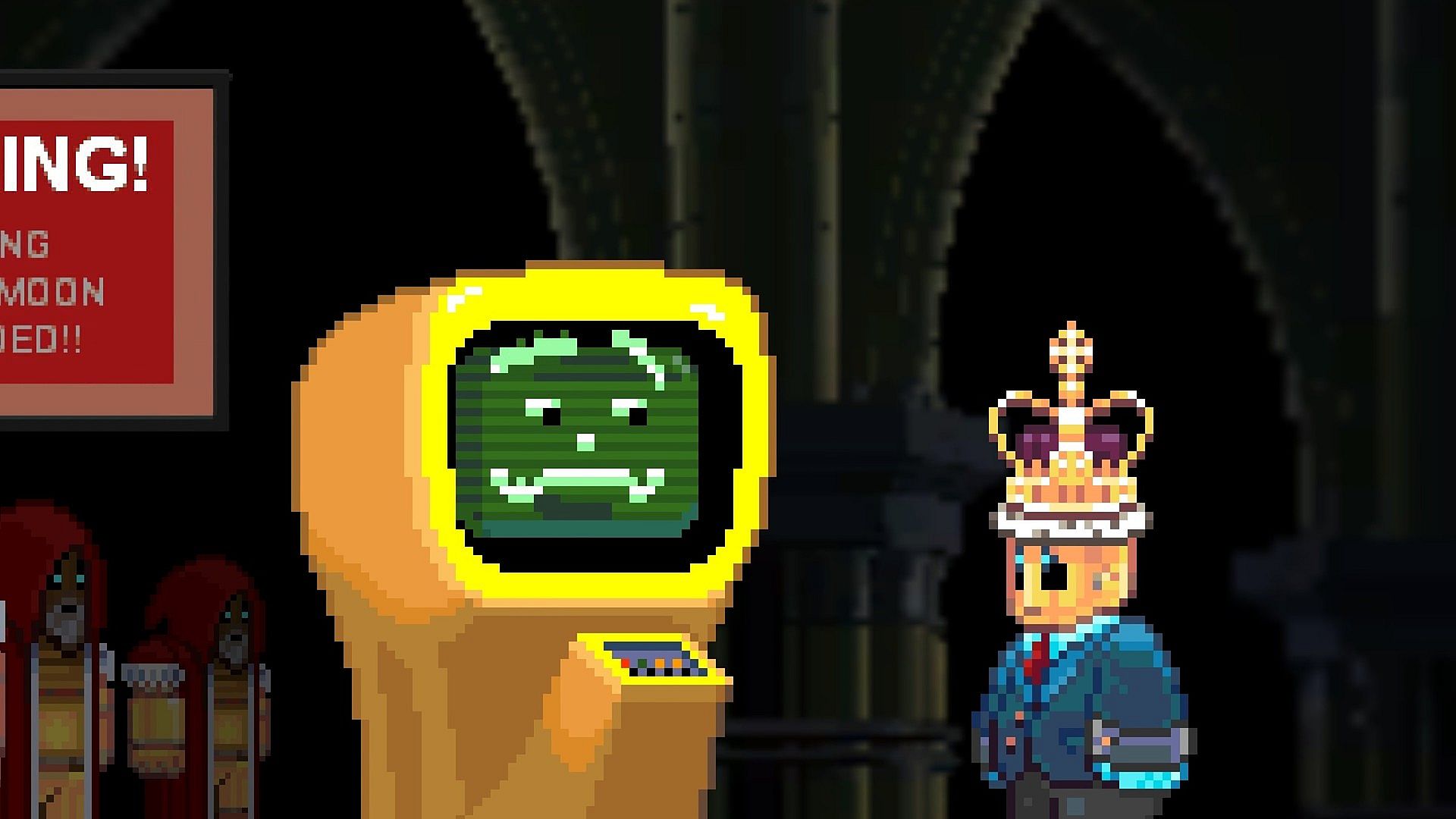
The story unfolds through cinematic sequences and environmental storytelling as Horace interacts with a cast of quirky characters in a war-torn world. Themes of identity and belonging drive the emotional core, supported by pixel-art visuals that evoke the golden age of British game development. Dozens of unique inhabitants populate the levels, each contributing to the robot's understanding of life beyond his initial programming.
Exploration reveals layers of the setting through collectibles and hidden details, reinforcing the sense of discovery without relying on external lore dumps. The hand-crafted environments maintain visual consistency while introducing fresh mechanics and aesthetics as the journey advances.
Is It Worth Playing?
Horace appeals to players who enjoy challenging 2D platformers with strong narrative focus and mechanical variety. Its single-player campaign delivers consistent progression through platforming, ability upgrades, and integrated mini-games that keep sessions engaging over multiple hours. The game's design rewards persistence with meaningful exploration and boss variety that feels distinct from standard genre entries.
Those seeking pure action without story emphasis may find the pacing slower in dialogue-heavy sections, while fans of Metroidvania-style growth and retro homages will appreciate the depth. The title remains available on PC with no ongoing live-service elements, making it a complete package suited for dedicated playthroughs rather than repeated sessions. Positive critical and player feedback highlights its charm and execution as reasons to consider it for the indie platformer category.