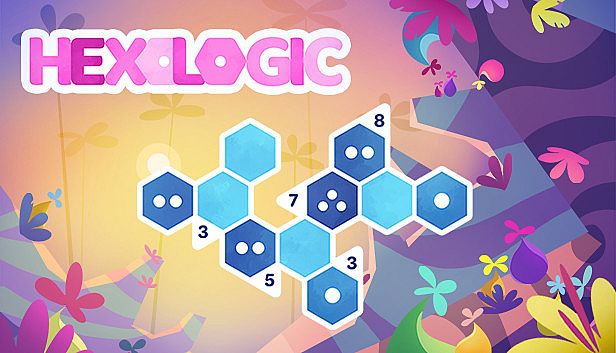












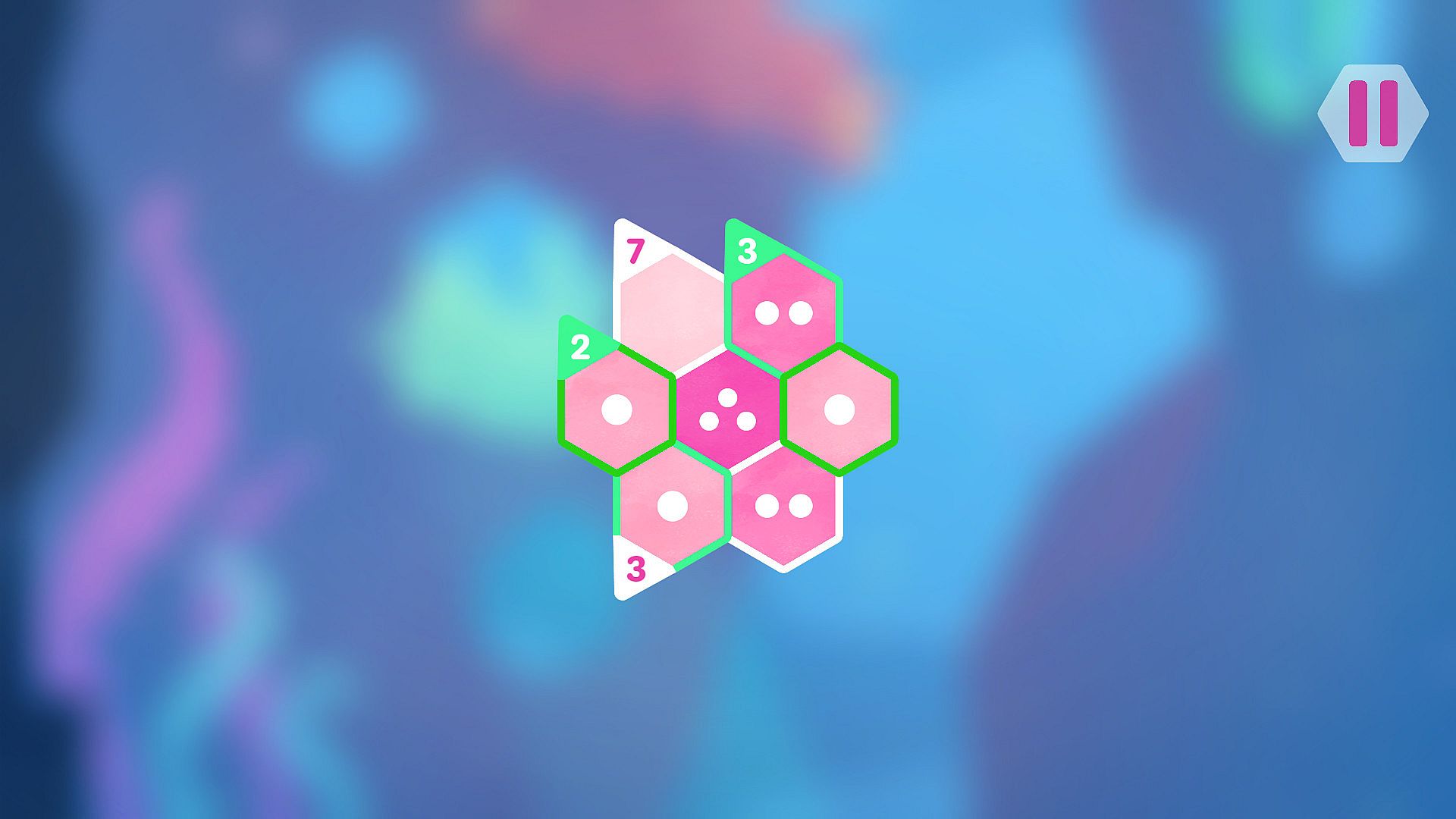


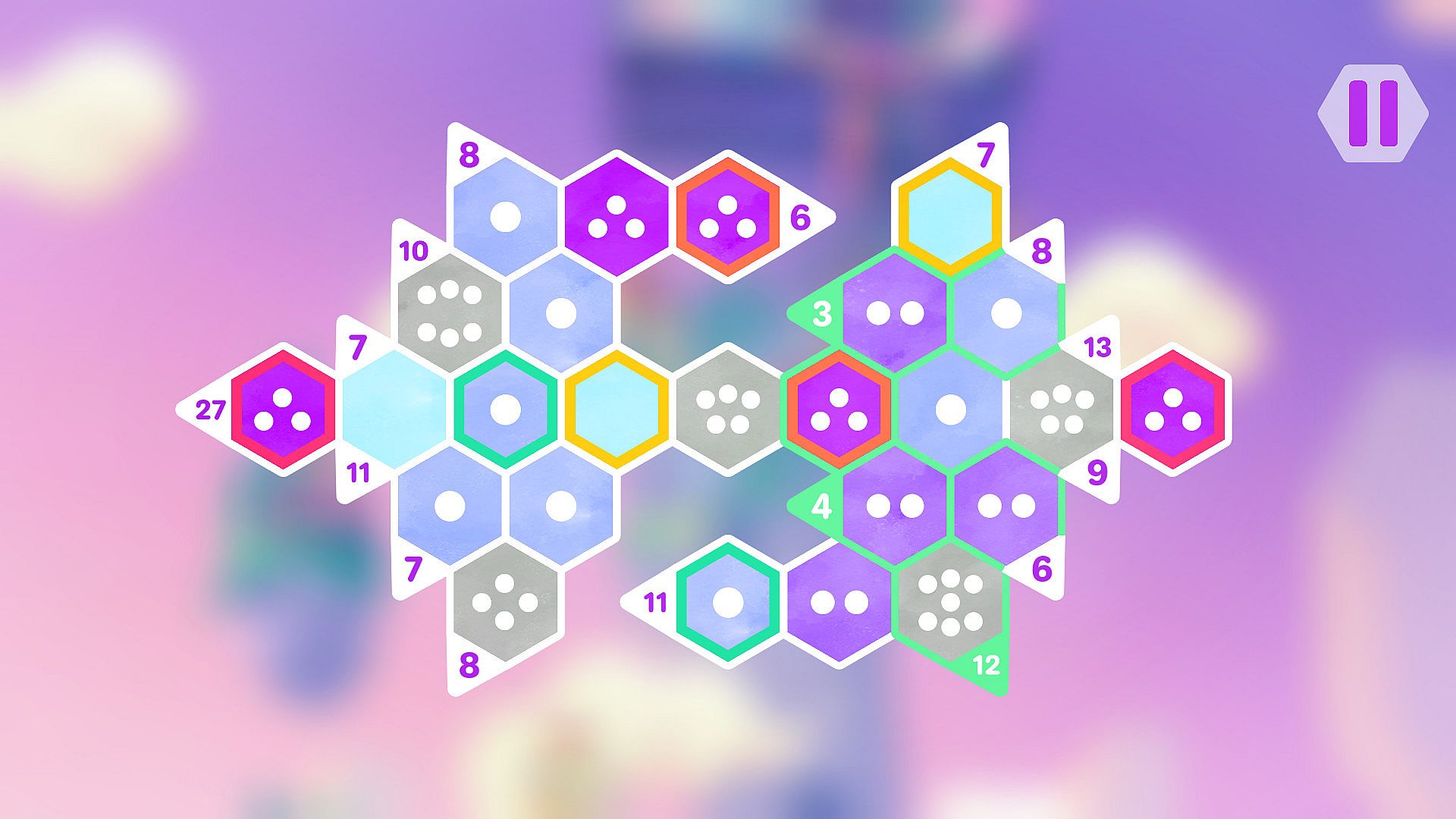

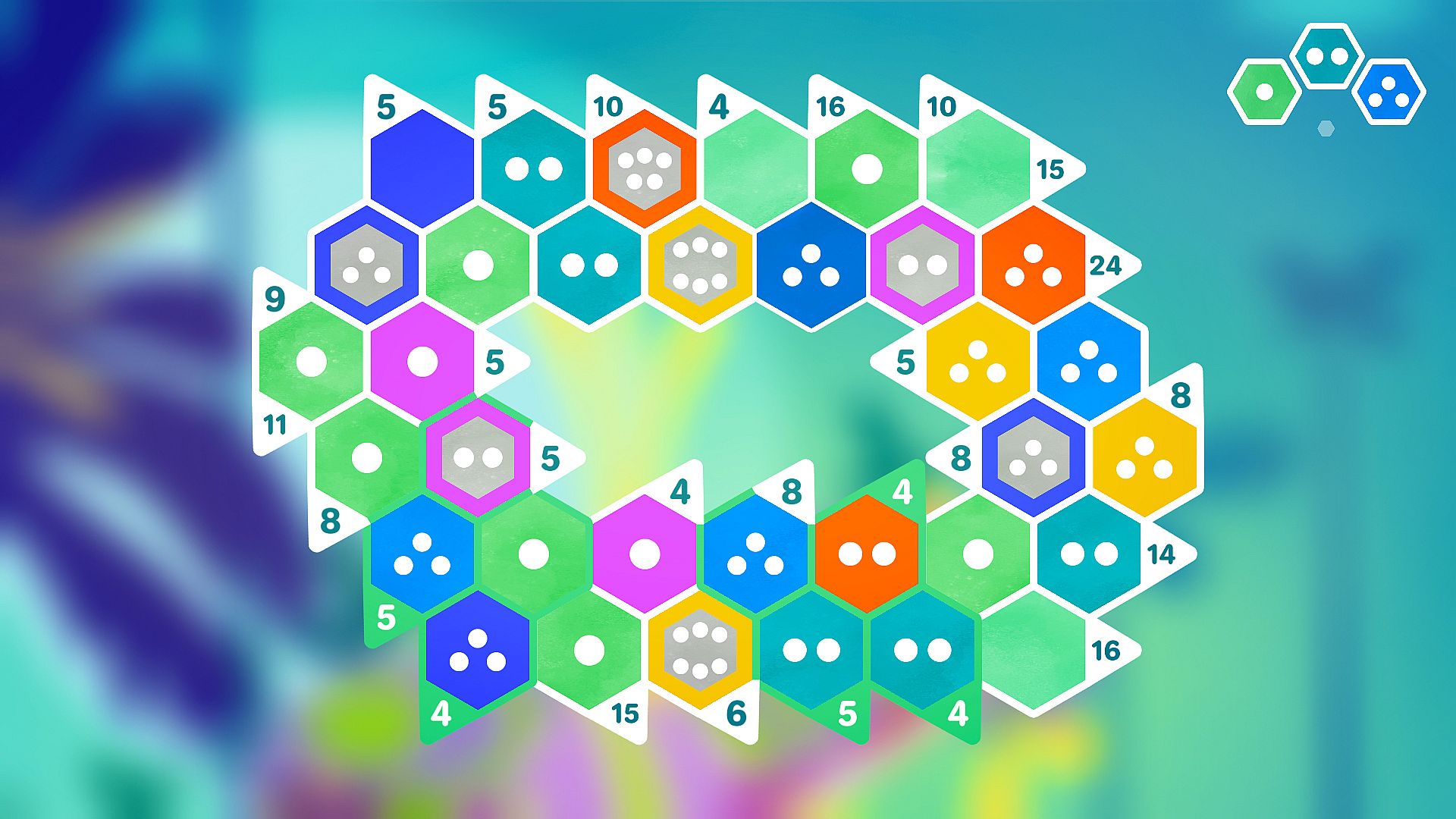
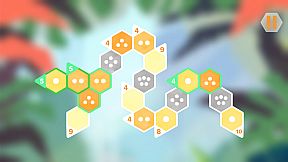

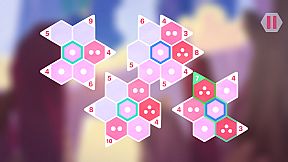

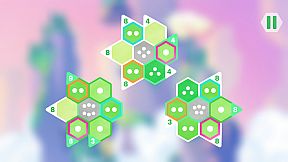

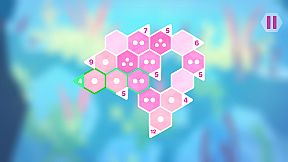
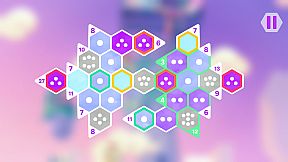

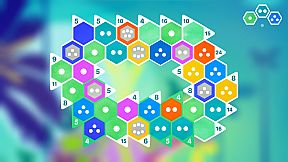
Hexologic is a casual strategy indie logic puzzle game built around hexagonal grids. It takes the familiar number placement rules of Sudoku and adapts them to a three-directional summing system on hex tiles. Players fill empty hexes with dots so that the totals in each of the three possible lines match the target numbers shown on the edges. The result is a relaxing yet mentally engaging experience available on PC.
Gameplay
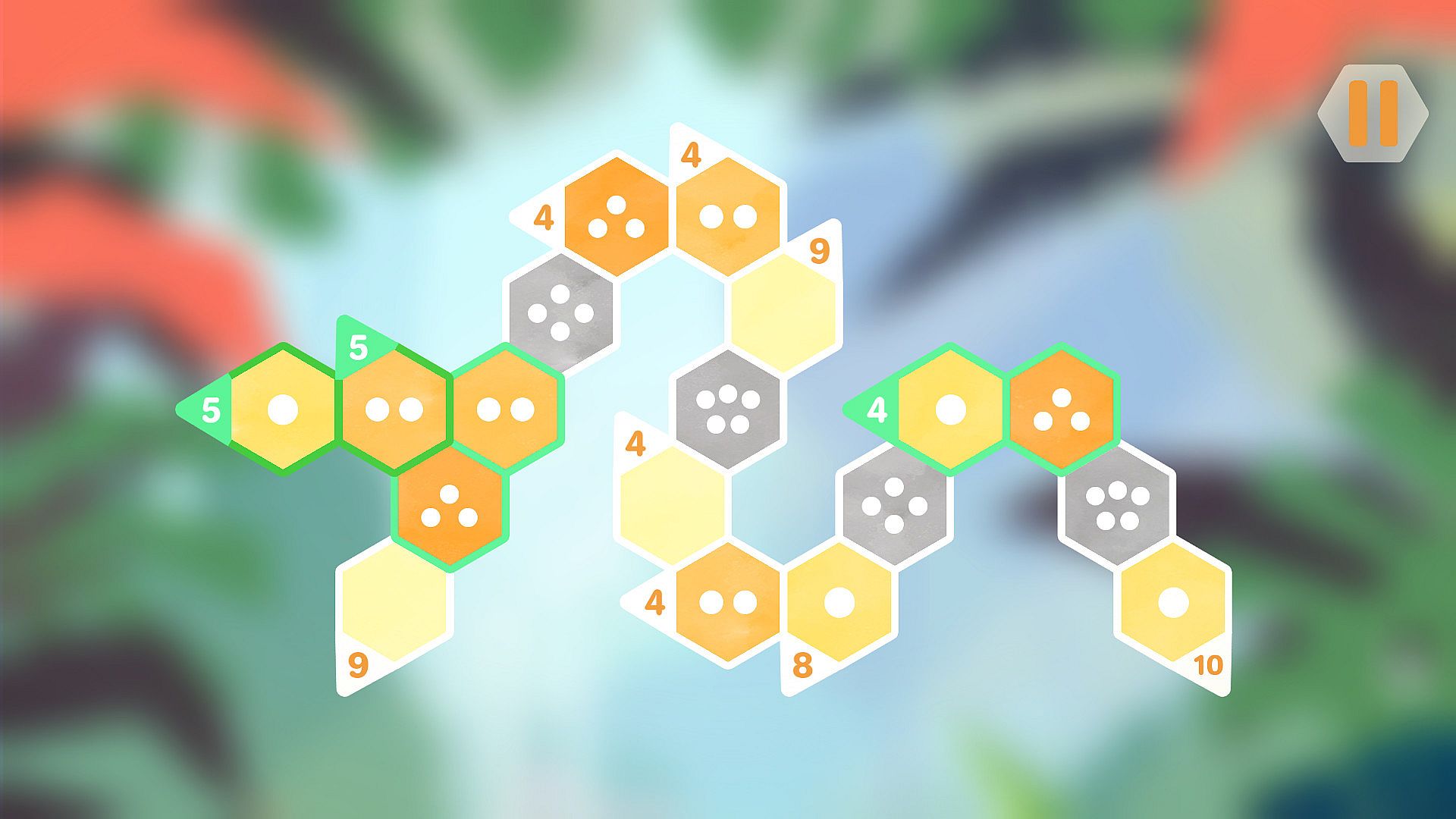
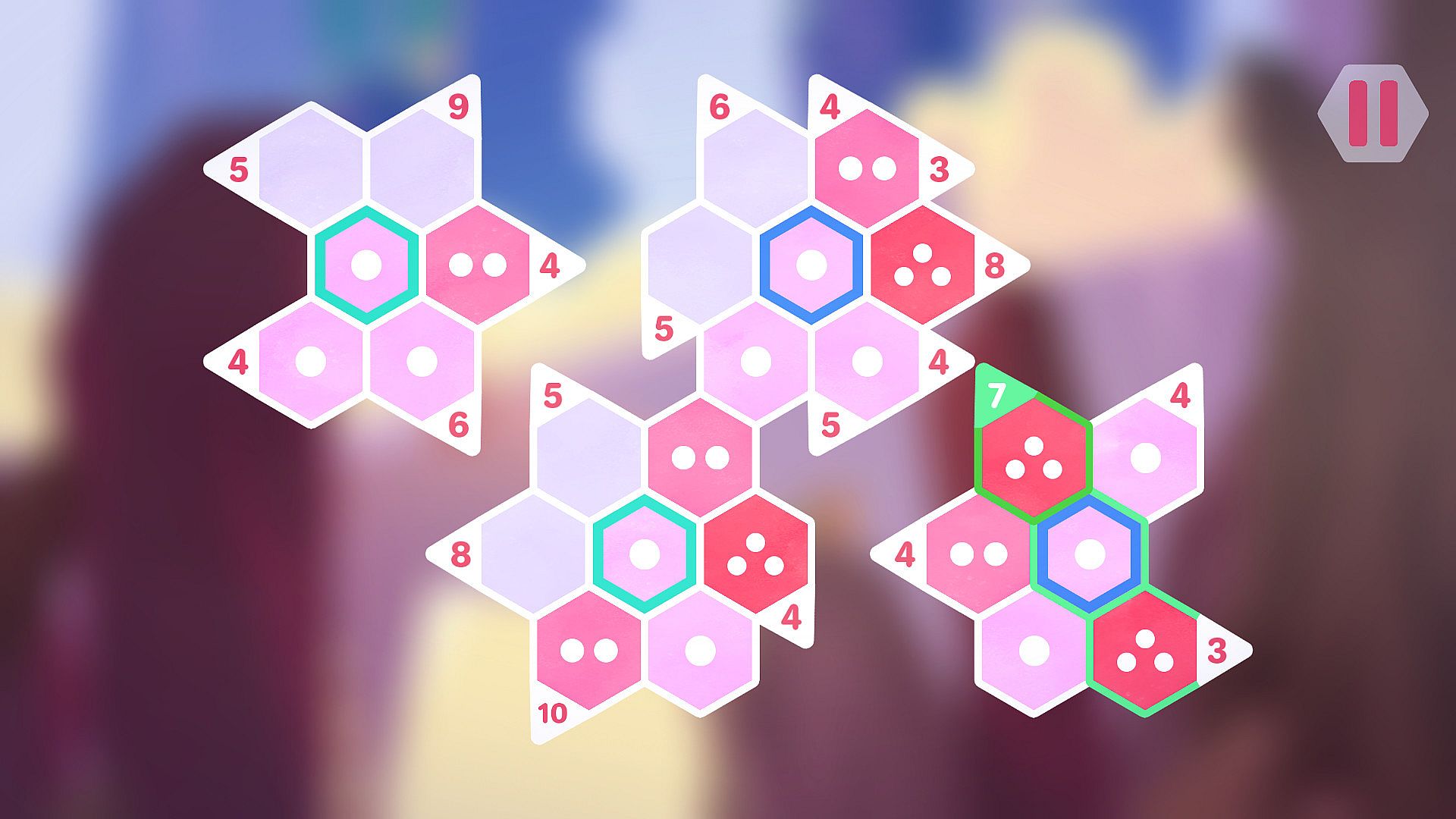
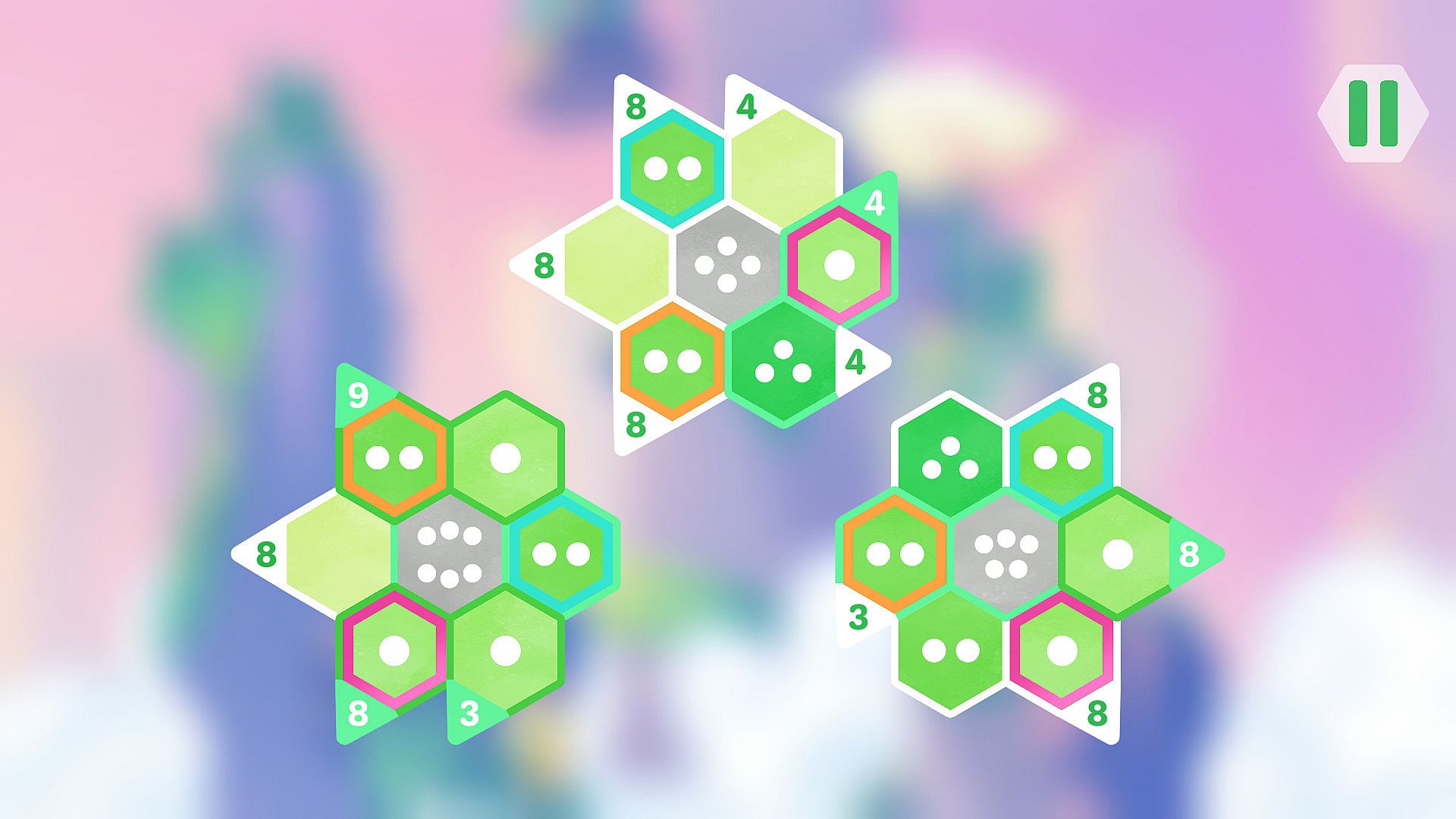
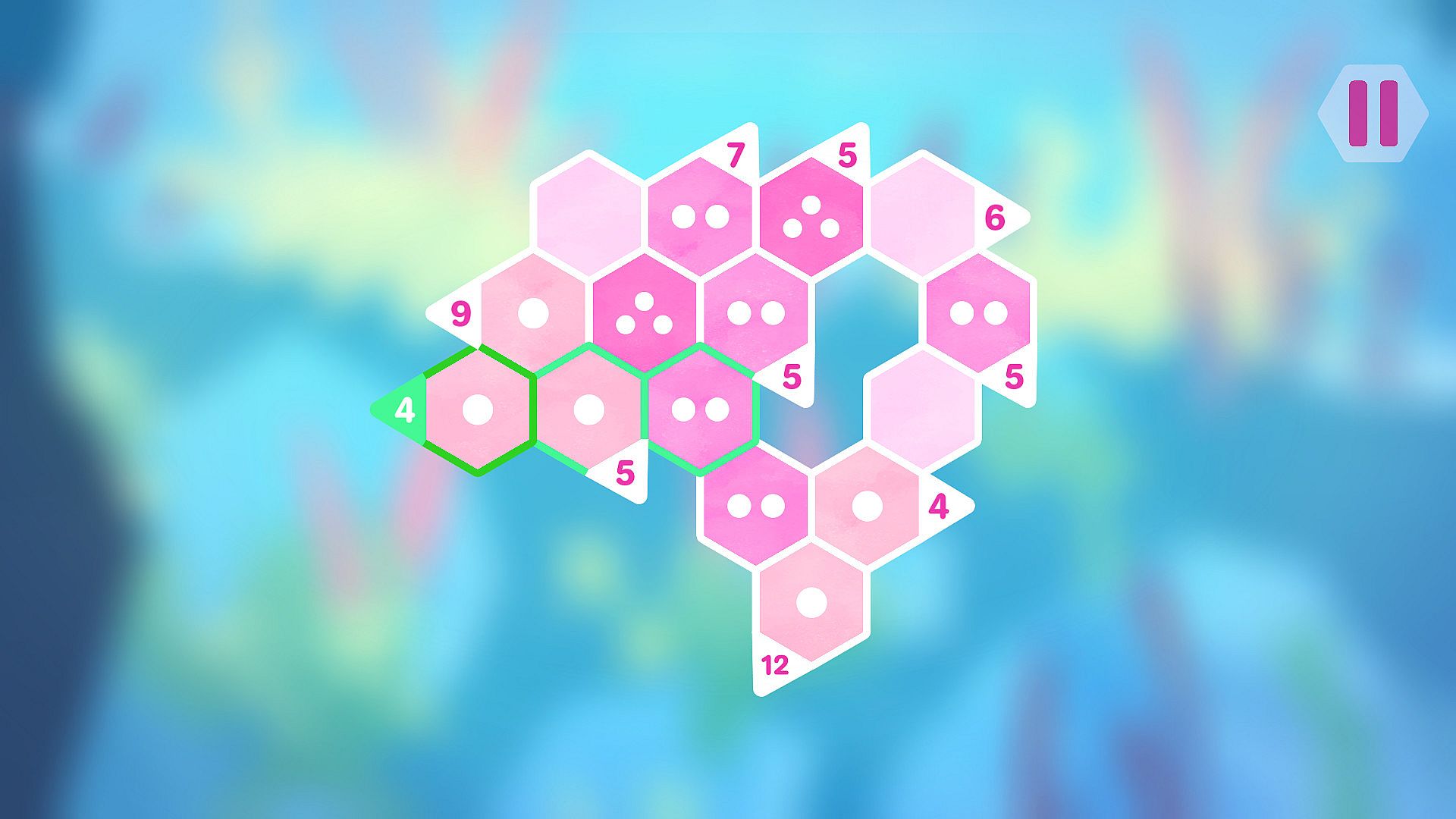
The core loop centers on logical deduction rather than trial and error. Each puzzle presents a grid of hexagons, some already containing dots and others blank. Edge indicators specify the required sum for every row, column, and diagonal line that passes through the hexes. Players add or remove dots from the empty spaces until every line satisfies its target. Early puzzles introduce the basic summing mechanic with small grids and few constraints. Later stages layer in additional rules that alter how dots interact or how lines are evaluated.
Progression feels steady because new mechanics appear gradually. A player solves several straightforward examples before the next variation appears, allowing time to internalize the change. The hexagonal layout creates overlapping lines in three directions, which increases the number of constraints compared with traditional square grids and rewards careful cross-checking. Visual feedback remains clear, with color and placement cues helping players track which lines still need attention.
Sound design supports the deliberate pace. A calm soundtrack plays throughout, and the absence of timers or penalties encourages thoughtful play rather than speed. The game remains entirely language-independent, relying on numbers and symbols alone.
Game Modes
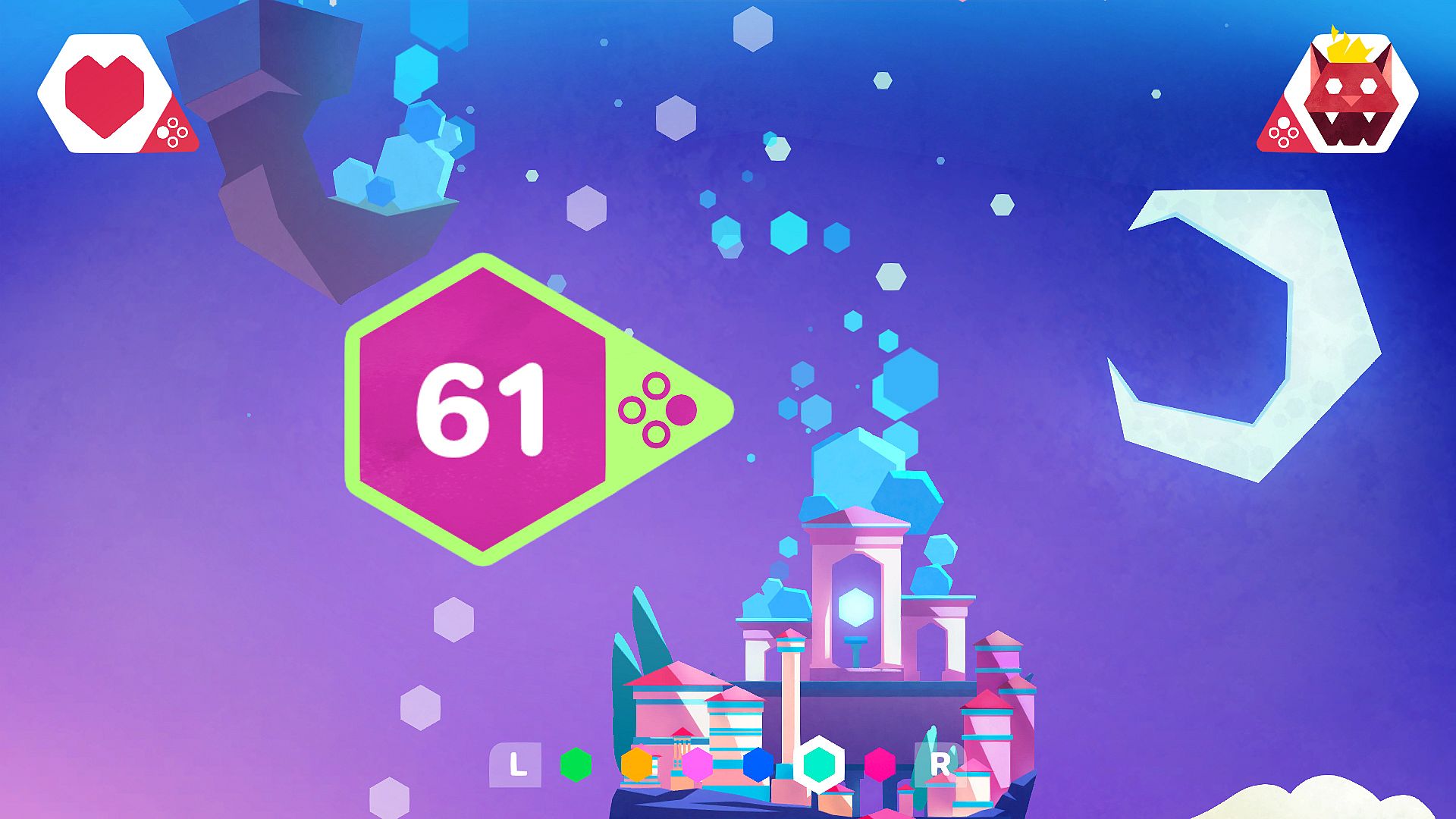
Hexologic offers a single-player campaign divided across six distinct worlds. Each world introduces its own set of mechanical twists while preserving the central summing rule. The campaign contains more than ninety hand-crafted levels that increase in size and complexity. Special levels appear as optional challenges unlocked through the level select screen; these often feature tighter constraints or unusual layouts.
Hard mode provides an additional layer of difficulty for players who want stricter conditions on the same grids. Completing every level in this mode unlocks associated achievements. A built-in level editor lets users create and share their own puzzles, extending play beyond the official content. No multiplayer or competitive modes exist; the focus stays on solo puzzle solving.
Worlds and Progression
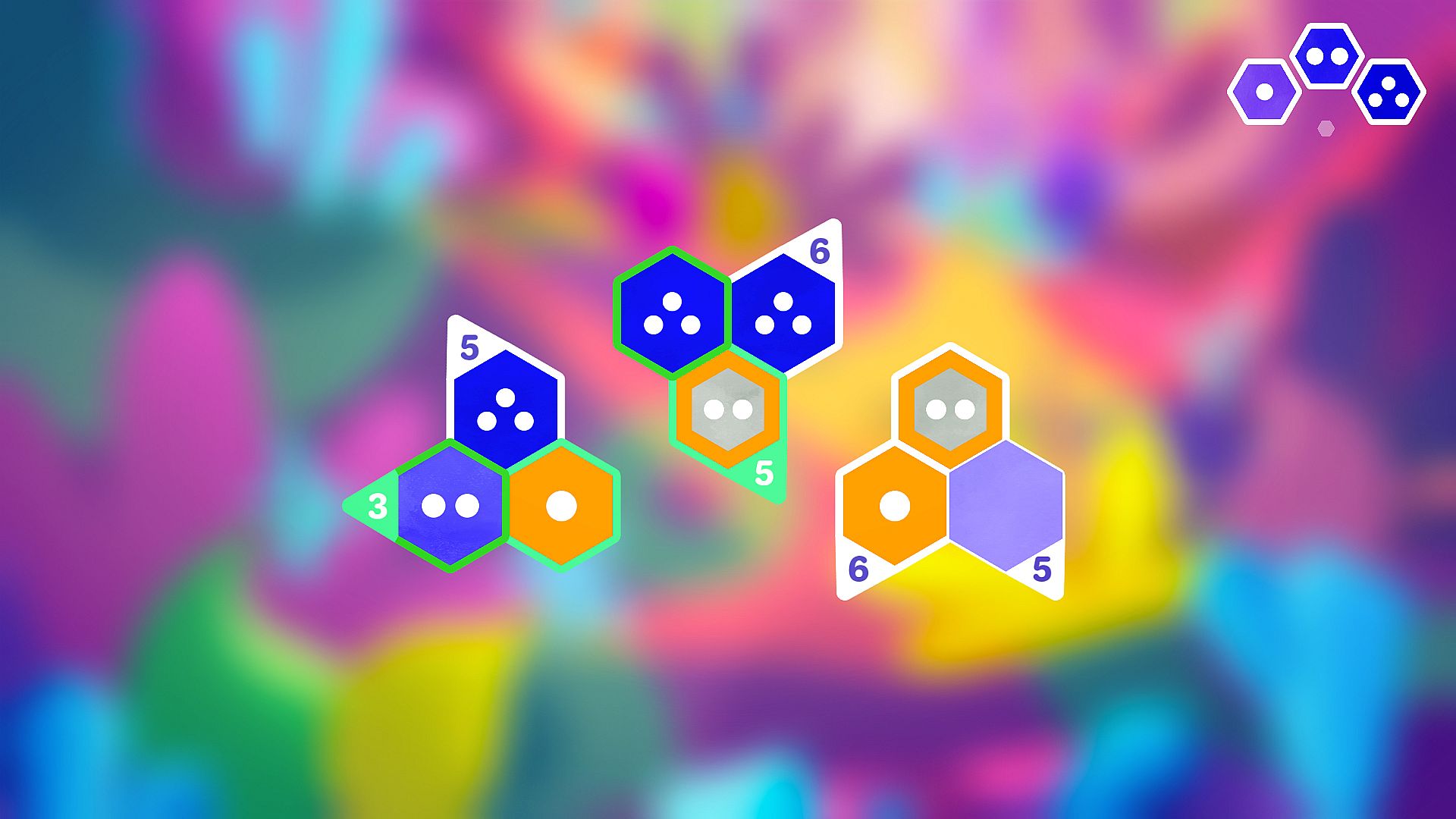
The six worlds each carry a unique visual theme and introduce fresh gameplay mechanics that build on the base rules. Early worlds emphasize straightforward summing, while later ones add elements such as restricted placement zones or lines that behave differently. This structure keeps the experience varied without overwhelming newcomers. Levels within each world are designed with attention to pacing, so players encounter easier examples before facing the more demanding ones.
Completion tracking encourages full clears. Many players return to earlier worlds after learning advanced techniques to optimize solutions or attempt hard mode. The level editor further supports experimentation, allowing creators to test new combinations of mechanics on custom grids.
Is It Worth Playing?
Hexologic suits players who enjoy number-based logic puzzles and prefer a calm, focused session over fast action. Its accessible entry point makes it suitable for newcomers to the genre, while the growing complexity across the campaign provides enough depth for experienced puzzle solvers. The overwhelmingly positive reception, with 96 percent of reviews favorable, reflects consistent praise for the clean presentation and satisfying deduction loops.
The game runs well on modest hardware and requires no ongoing updates or seasonal content. Those seeking a self-contained puzzle experience that can be completed in several sittings will find it rewarding. Players who prefer high-stakes competition or lengthy campaigns with narrative elements may find the scope limited, but the core loop delivers exactly what it promises: steady, satisfying logic challenges on hexagonal grids.