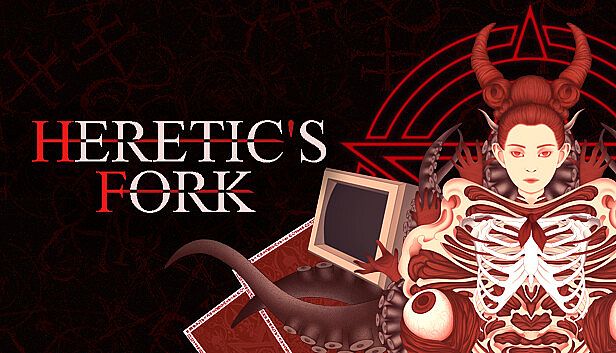
















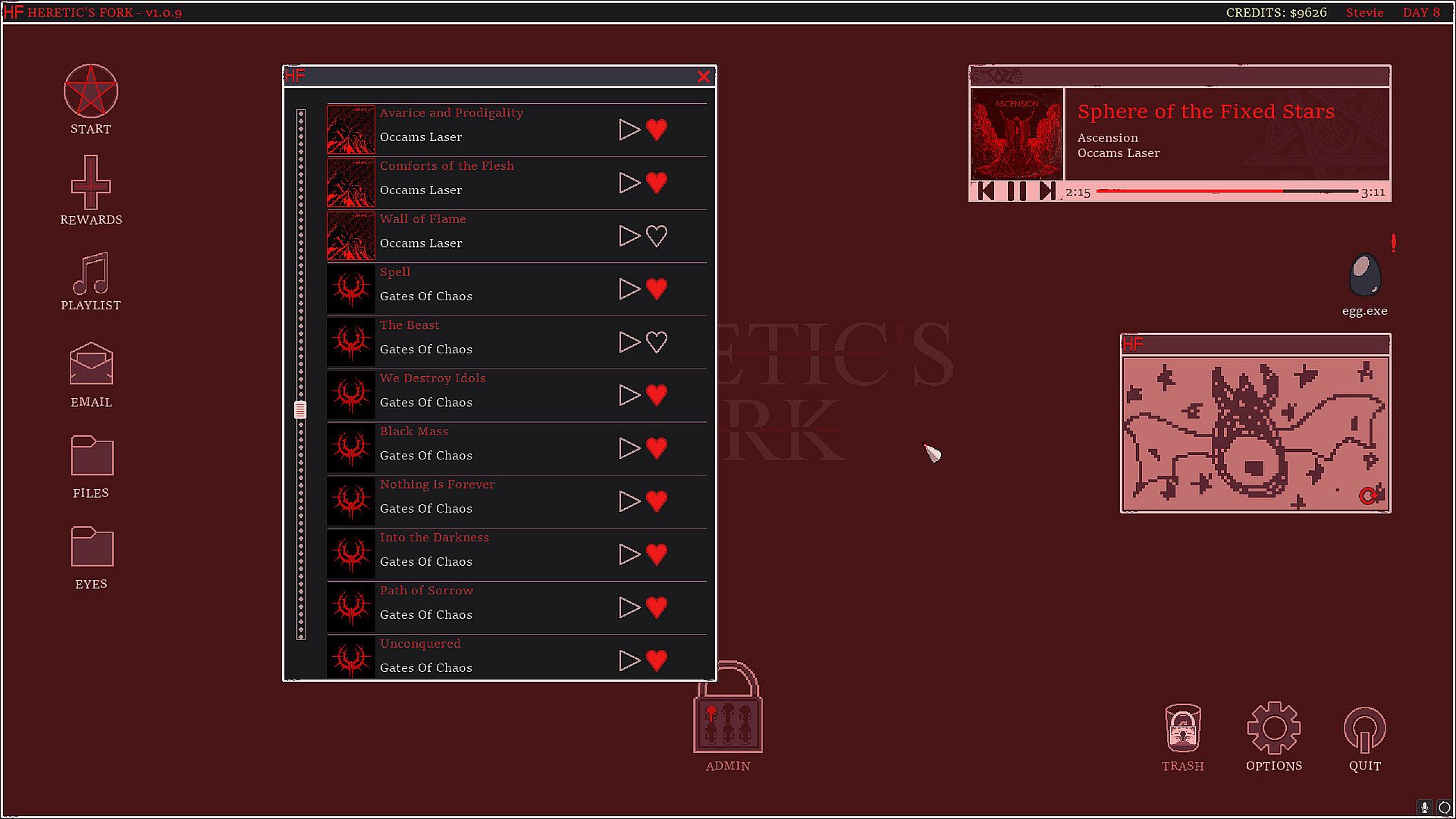
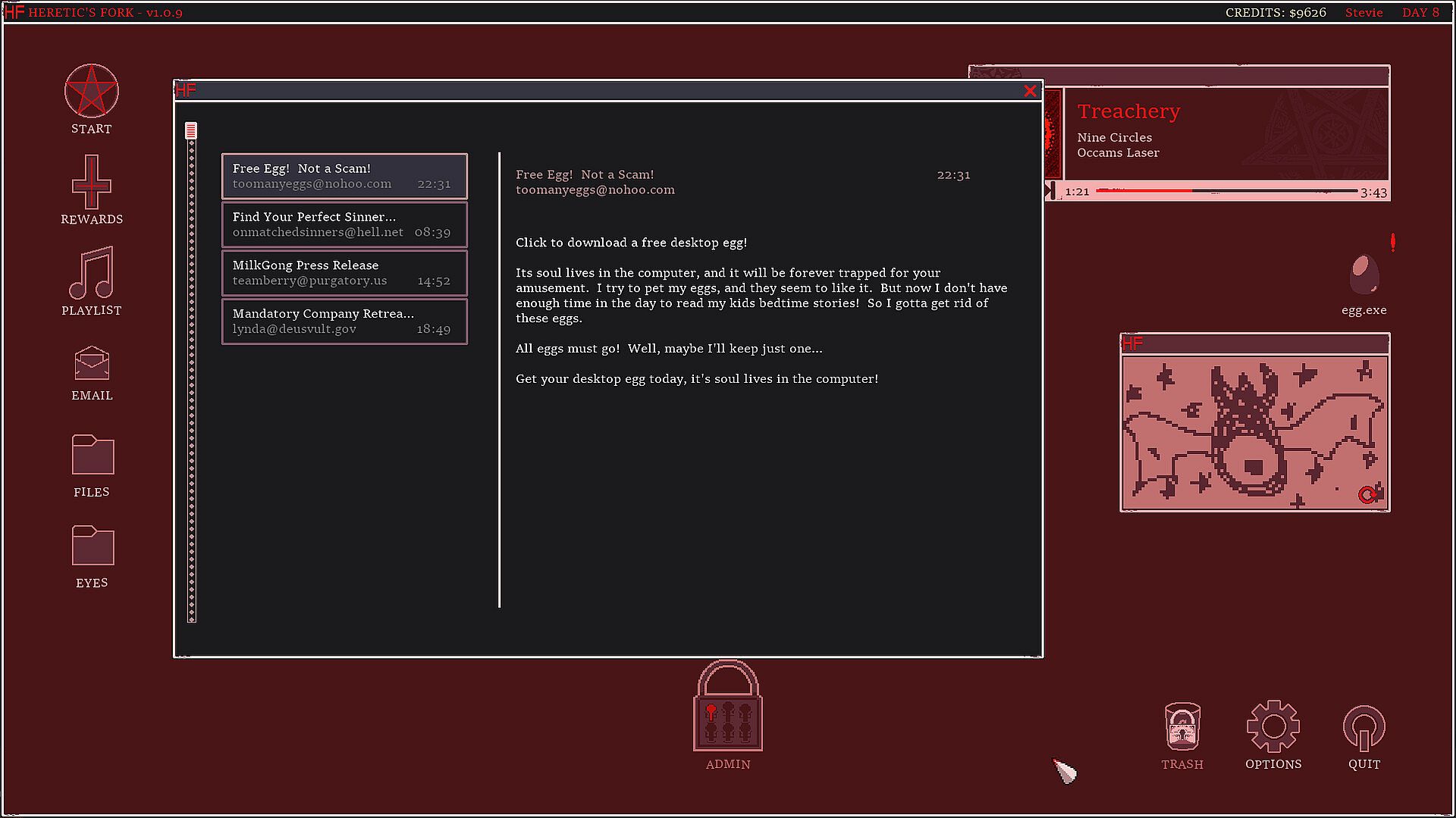
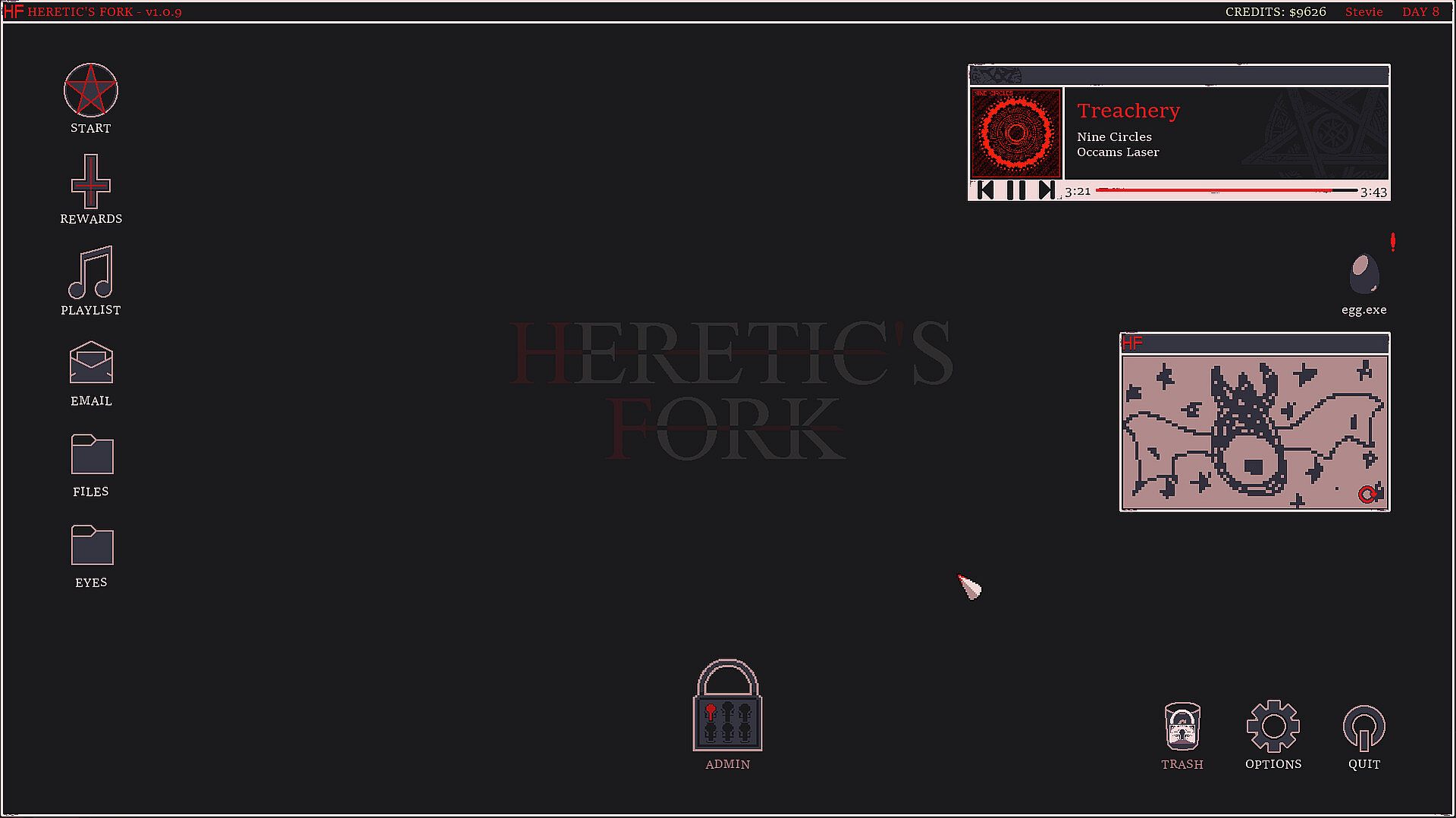
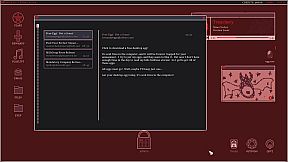
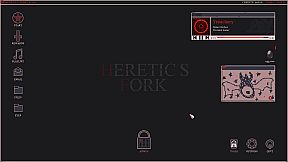
Heretic's Fork is an action strategy game that blends tower defense with roguelike deck building. Players take on the role of Hell's Manager, using a specialized computer system to oversee operations in the underworld. The core experience centers on single player runs where strategic placement and card management determine success against waves of escaping sinners.
Gameplay
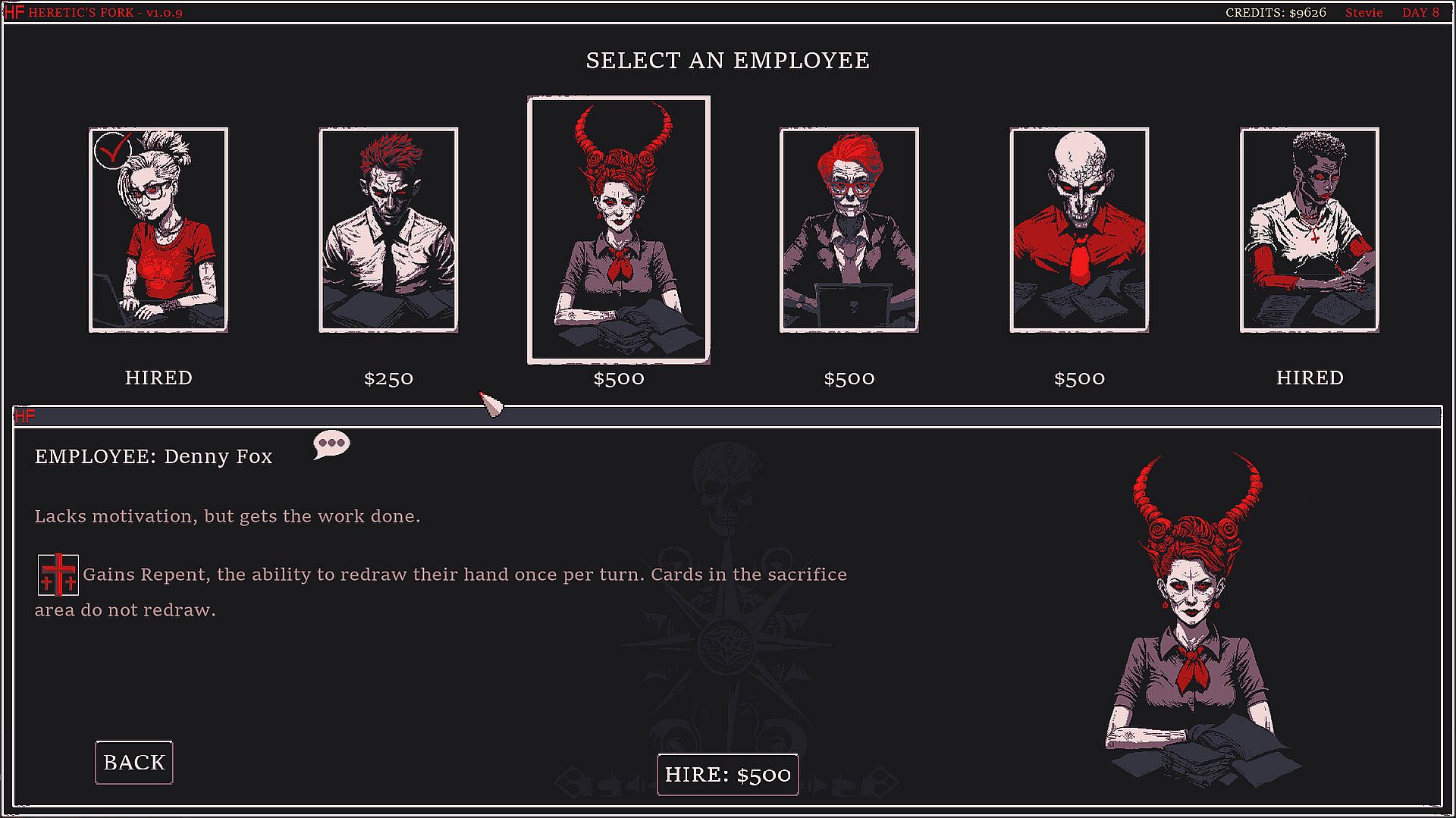
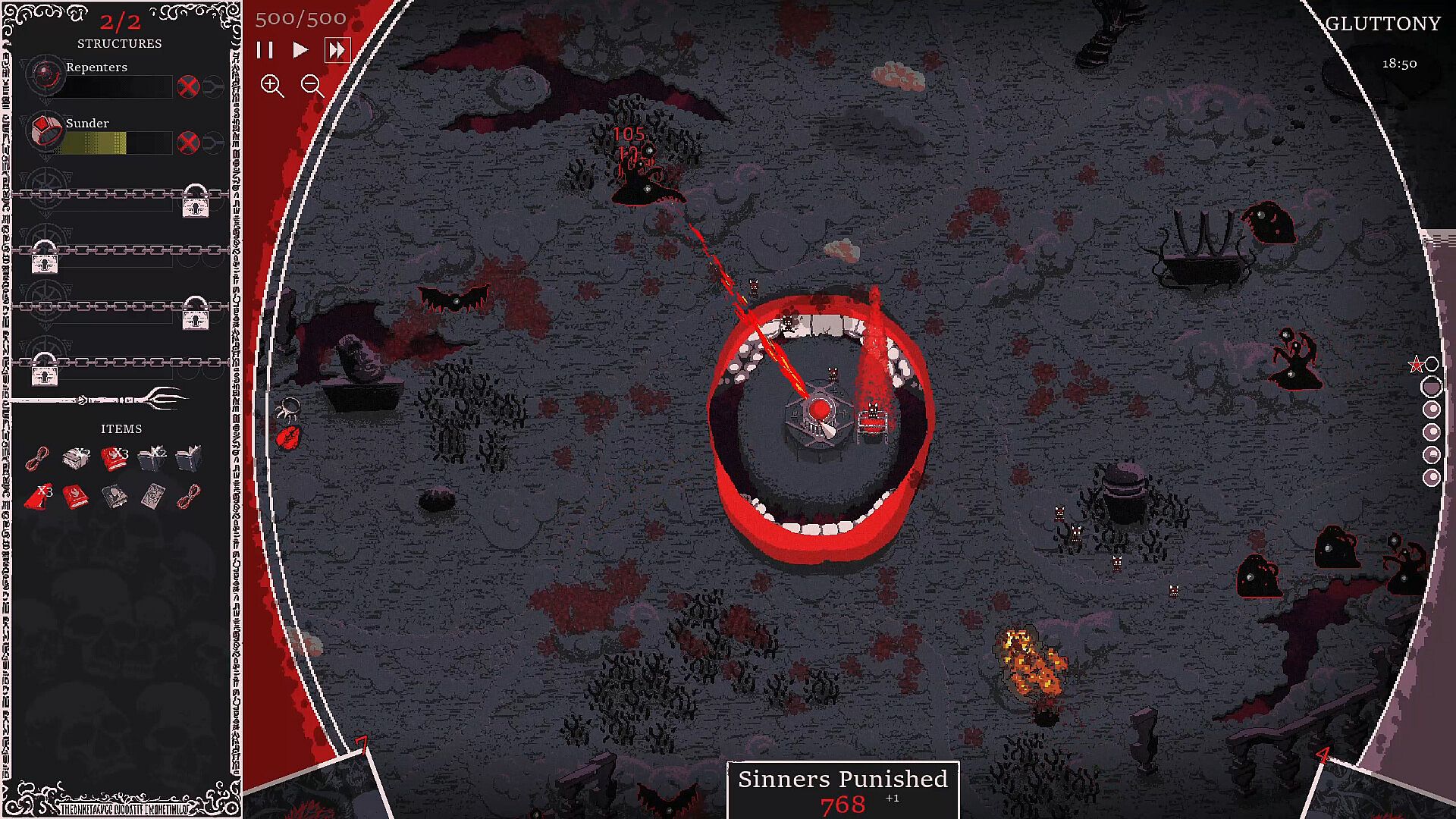
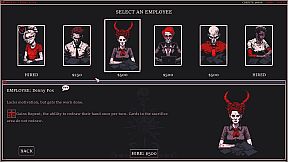
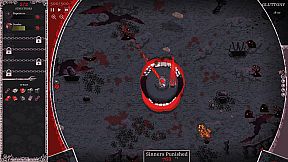
The central loop involves selecting a demon subordinate at the start of each shift to handle site operations. This choice influences available options and playstyle throughout the run. Sinners attempt to cross a rift between Hell and Earth, and the objective requires stopping them before they reach the exit point.
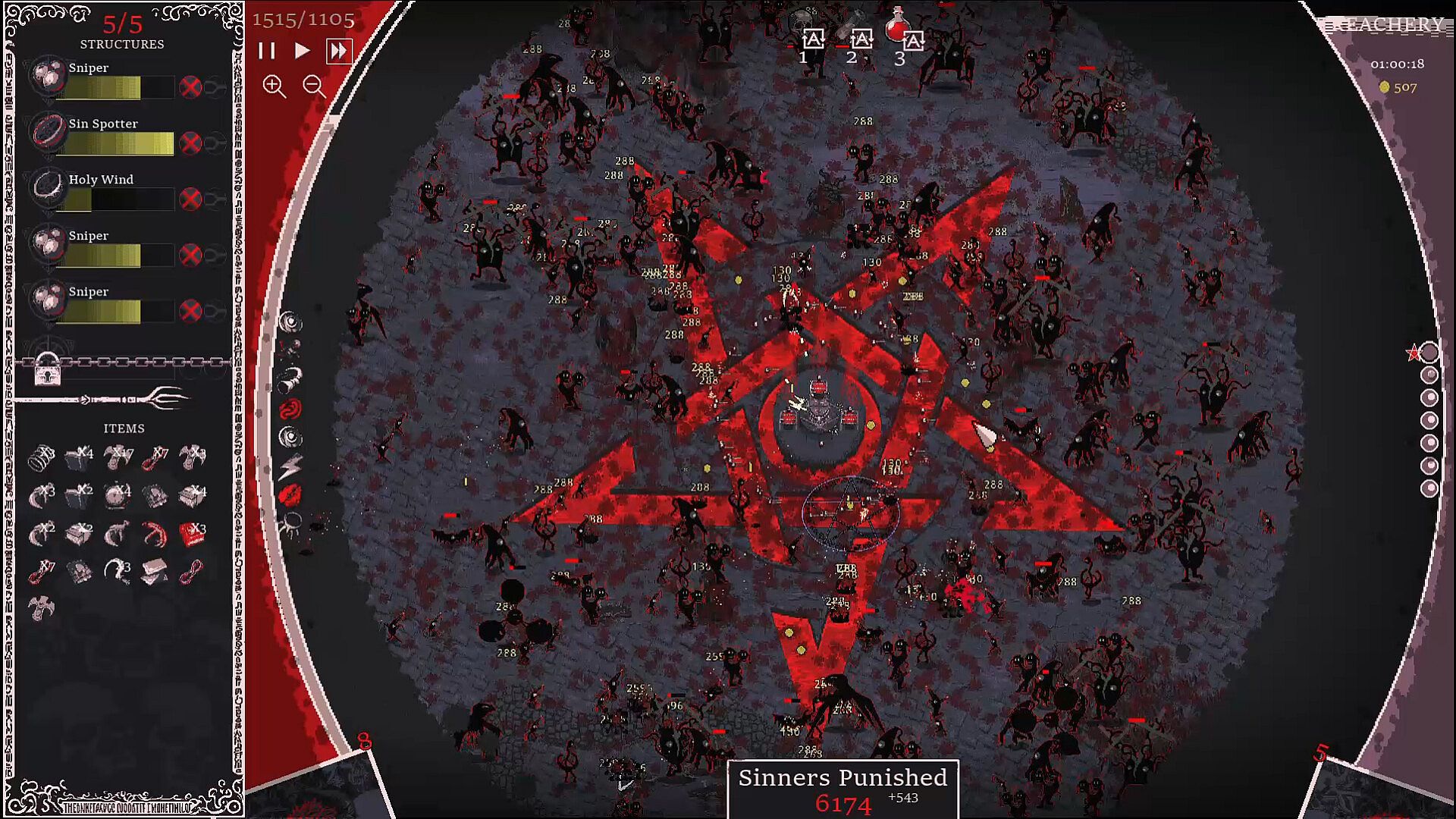
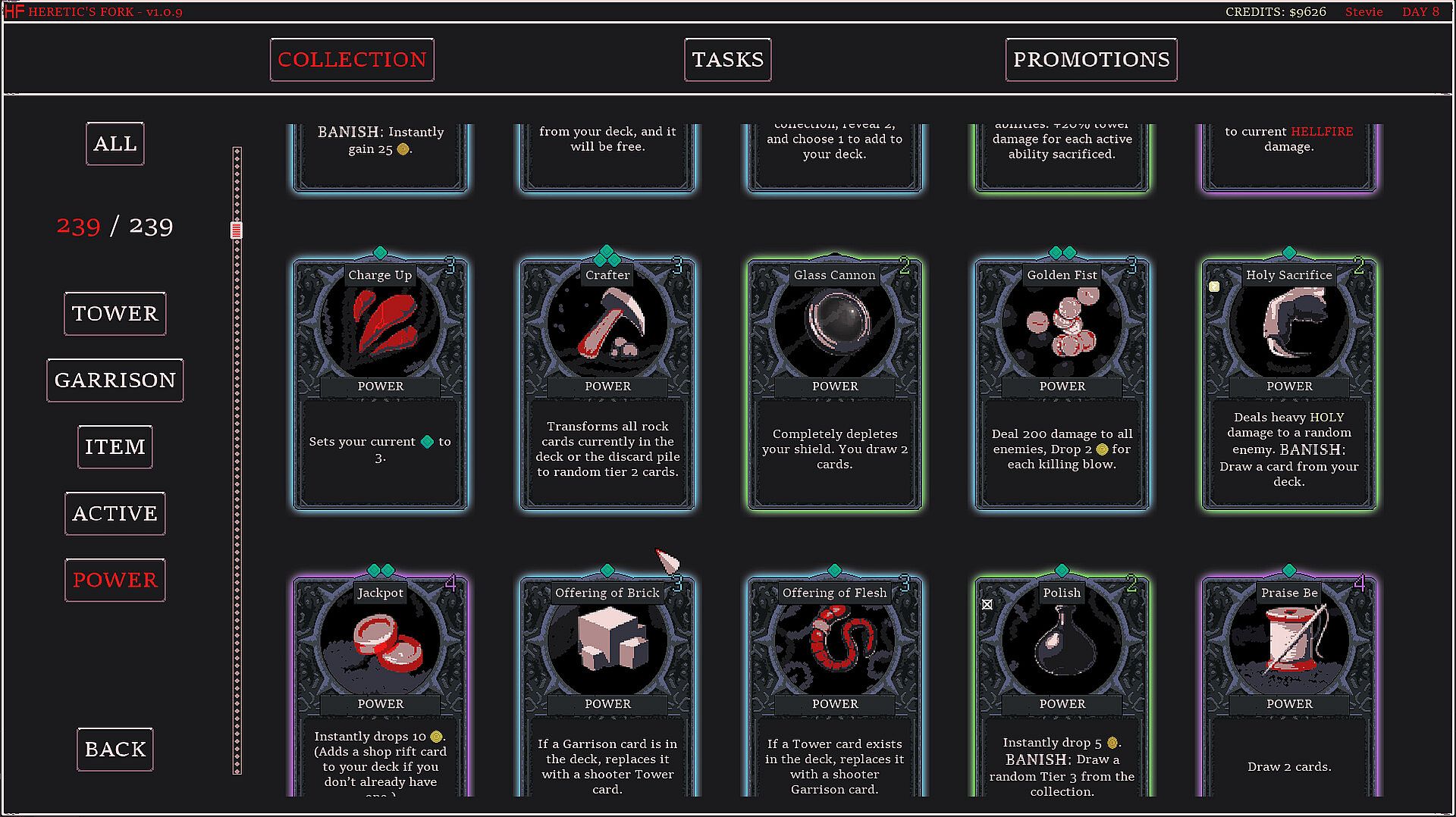
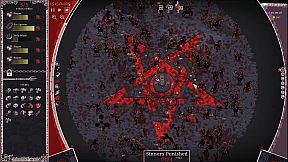
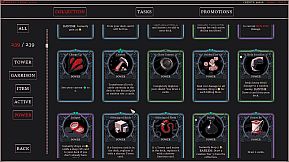
Towers form the primary defense. These structures deal damage of three distinct types: Holy, Unholy, or Hellfire. Each type interacts differently with enemy resistances, encouraging players to adapt builds around synergies. Garrison cards add supportive structures that provide additional effects or area control. Active cards allow manual interventions on cooldown, while power cards deliver immediate effects when played.
Deck building occurs progressively. Strong performance in a stage grants additional cards, expanding options for future stages. The roguelike structure means each run ends upon failure, with permanent loss of the current deck. Players experiment with combinations across multiple attempts to discover effective strategies. Different departments, each tied to a circle of Hell, introduce varied objectives and enemy compositions that require adjusted approaches.
Resource management ties directly to performance. Wages depend on the number of sinners punished, reinforcing the focus on efficient defense. The system rewards careful planning over reactive play, as towers operate automatically once placed.
Game Modes
Heretic's Fork structures its content around sequential shifts managed through different departments. Each department presents unique challenges that alter enemy behavior and map layouts. Success in one shift unlocks further opportunities in subsequent ones, creating a progression system within individual runs.
The roguelike format means every attempt functions as a self-contained experience. Players build decks across stages within a single shift, with no carryover between failed runs. This setup emphasizes experimentation and adaptation rather than long-term character progression.
Difficulty scales through internal systems such as increased enemy density or additional constraints in later stages. Torment variants appear in community discussions as higher challenge options, though the base experience remains accessible through standard department rotations.
Key Mechanics and Progression
Card acquisition drives long-term engagement. Completing stages with high sinner counts yields rewards that expand the overall card pool available across runs. With hundreds of cards in the full collection, variety supports numerous build paths focused on damage types or utility effects.
Enemy waves follow predictable patterns but increase in complexity. Heretics and sinners exhibit different movement speeds and resistances, requiring players to position towers and garrisons to cover multiple paths effectively. The top-down perspective aids in monitoring the entire battlefield at once.
Cooperation with departments adds flavor to the strategy layer. Each circle of Hell imposes specific rules or bonuses that interact with the deck-building system. This encourages players to rotate between departments to experience diverse tactical demands.
Is It Worth Playing?
Heretic's Fork delivers a focused single player strategy experience that combines automatic tower defense with deliberate deck construction. The roguelike structure provides repeated attempts at refinement without requiring extended time commitments per session.
Reception on Steam stands at Very Positive across thousands of reviews, with players noting the satisfying progression from basic setups to complex synergies. Recent reviews remain Mostly Positive, indicating ongoing appeal after the 2023 release.
The game suits those who enjoy tower defense paired with card game elements in a compact package. Its pixel art style and dark humor align with the theme without overshadowing the mechanical depth. Availability on PC makes it straightforward to try, and the absence of multiplayer keeps the focus entirely on personal strategy development.
Updates following launch introduced additional content such as new modes and characters, extending the lifespan for those who complete initial runs. Overall, it offers consistent value for strategy fans seeking a blend of planning and adaptation in short to medium sessions.