

















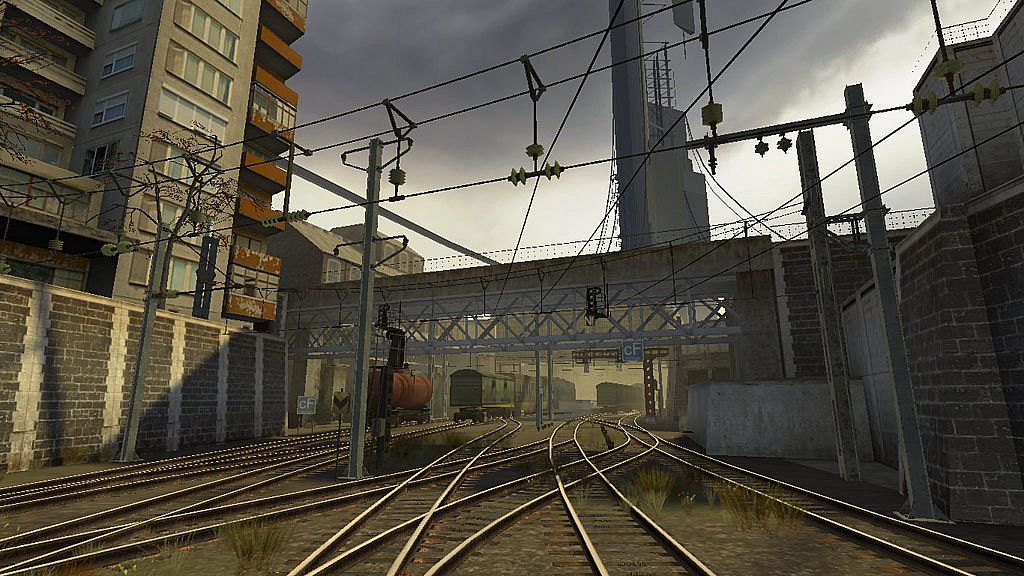
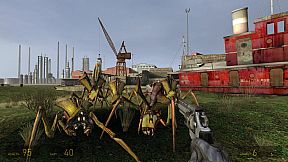
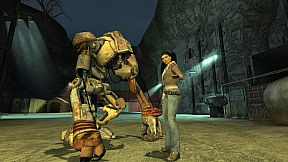
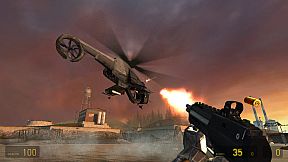
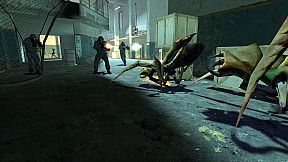

Half-Life 2 stands as a defining first-person shooter that blends intense action with narrative depth. Released in 2004 by Valve, this PC title casts players as Gordon Freeman, a silent protagonist and scientist caught in a dystopian world overrun by the alien Combine empire. Following the catastrophic Black Mesa incident from the original game, Earth has fallen after the brief Seven Hour War, leaving humanity under oppressive rule in places like City 17. Freeman emerges from stasis to join the human Resistance, wielding his iconic crowbar and an array of weapons to fight back. The game emphasizes physics-driven interactions, puzzle-solving, and vehicular sequences, all wrapped in a story of rebellion and survival.
Gameplay
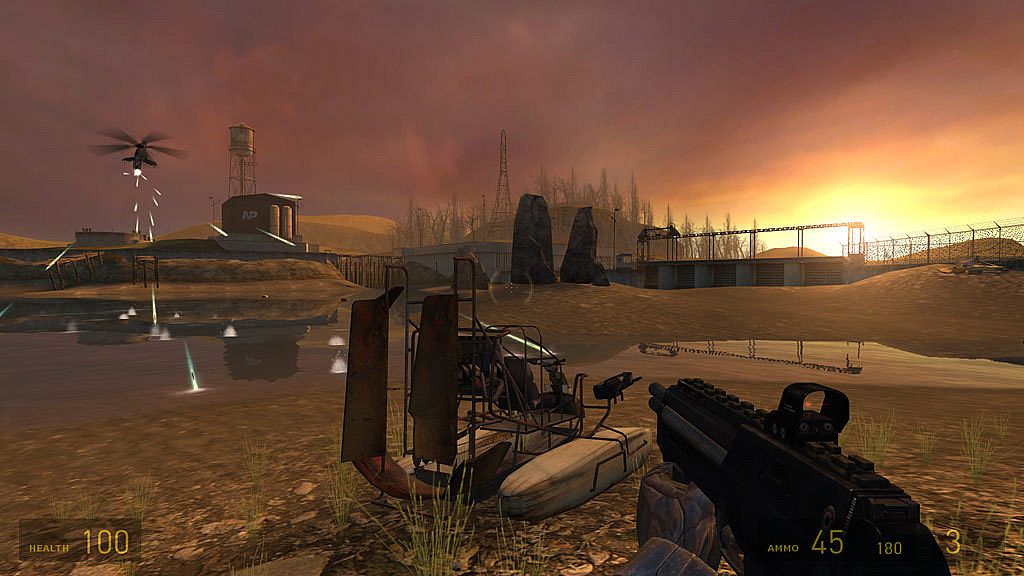
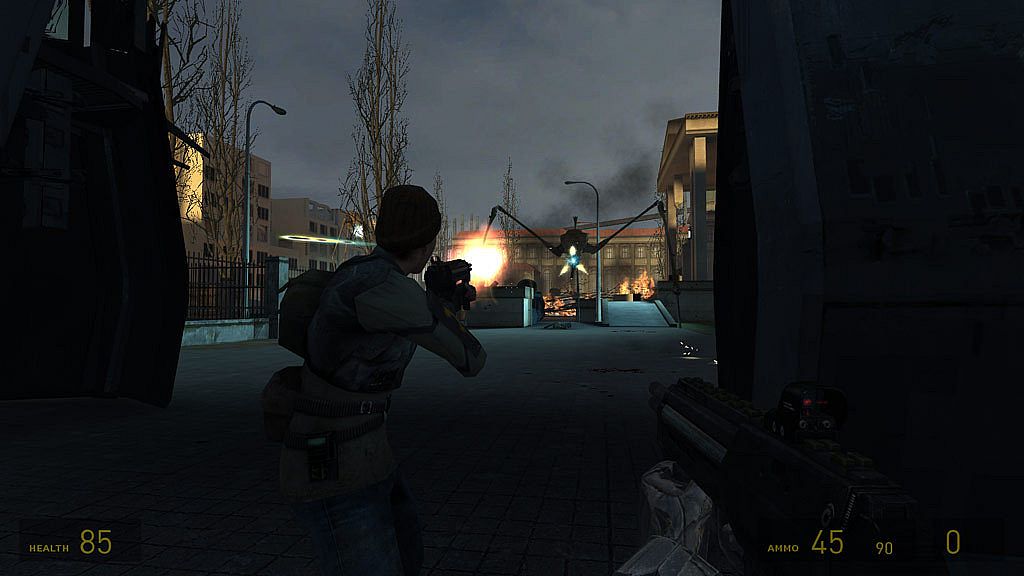
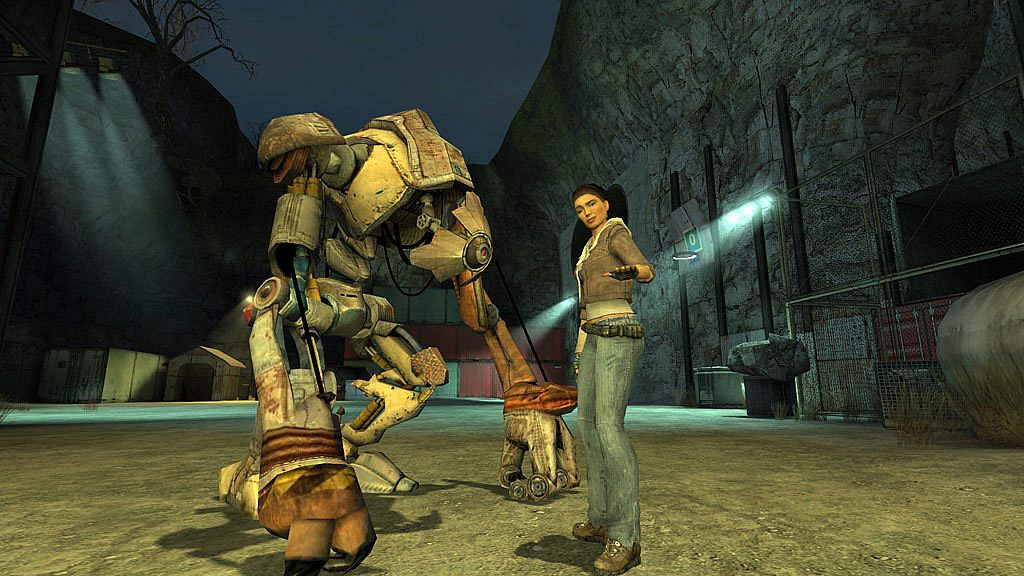
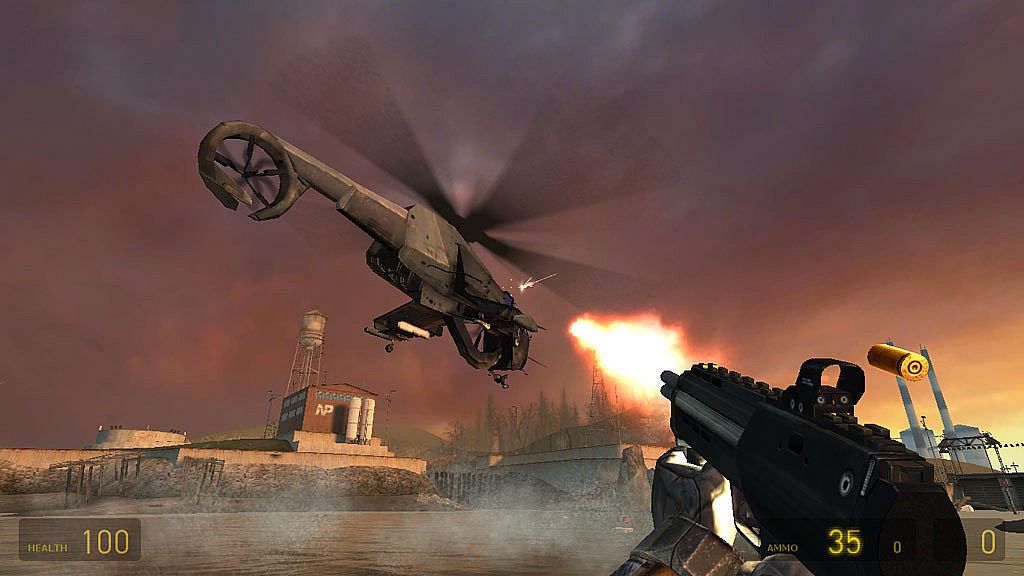
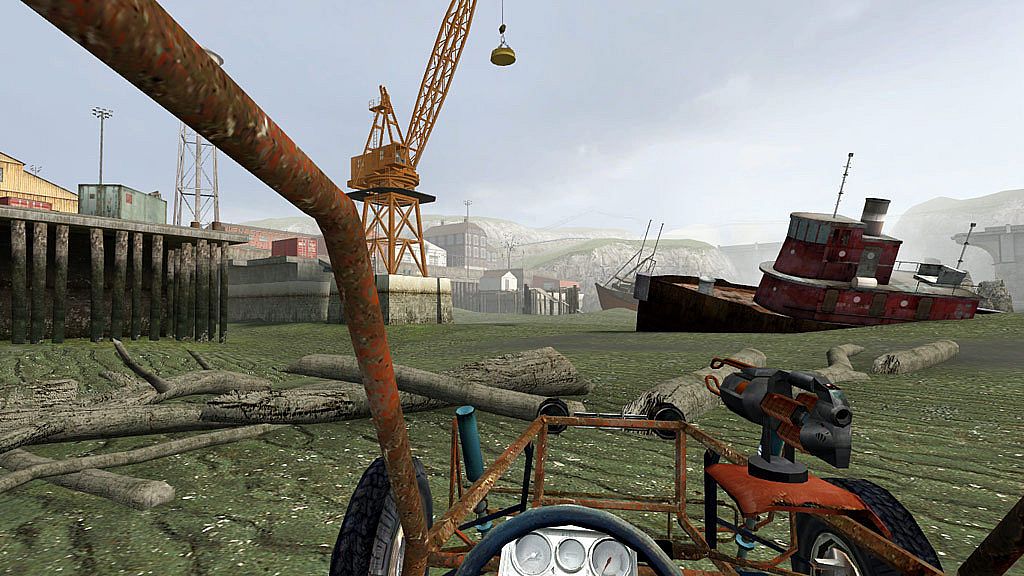
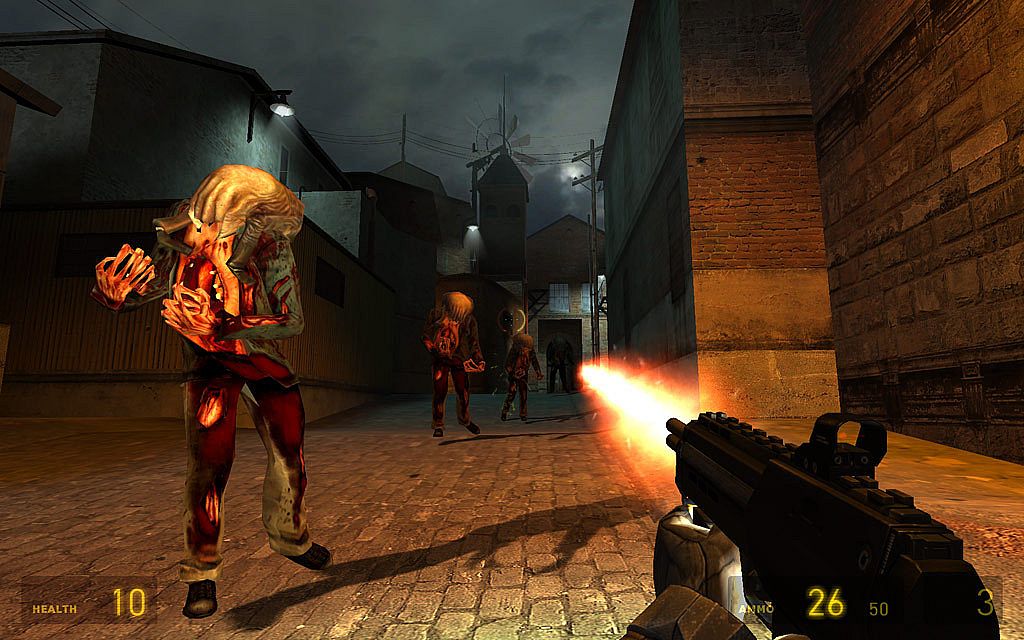
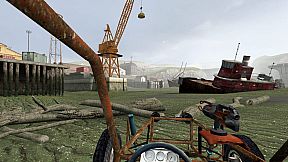
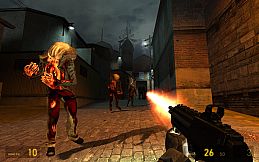
In Half-Life 2, the core experience revolves around first-person combat and exploration in a linear yet immersive environment. Players navigate through detailed levels, engaging enemies with firearms, grenades, and improvised tools enhanced by the Source engine's physics system. This allows for realistic object manipulation, such as stacking crates to solve puzzles or hurling debris at foes during fights. Vehicle sections introduce driving mechanics, where you control boats or buggies to traverse hazardous terrains while fending off attacks. The gameplay integrates storytelling seamlessly, with no cutscenes interrupting the flow; instead, events unfold in real-time around the player. Allies like Alyx Vance provide support in battles, adding layers to cooperative-feeling encounters without traditional multiplayer elements in the main campaign.
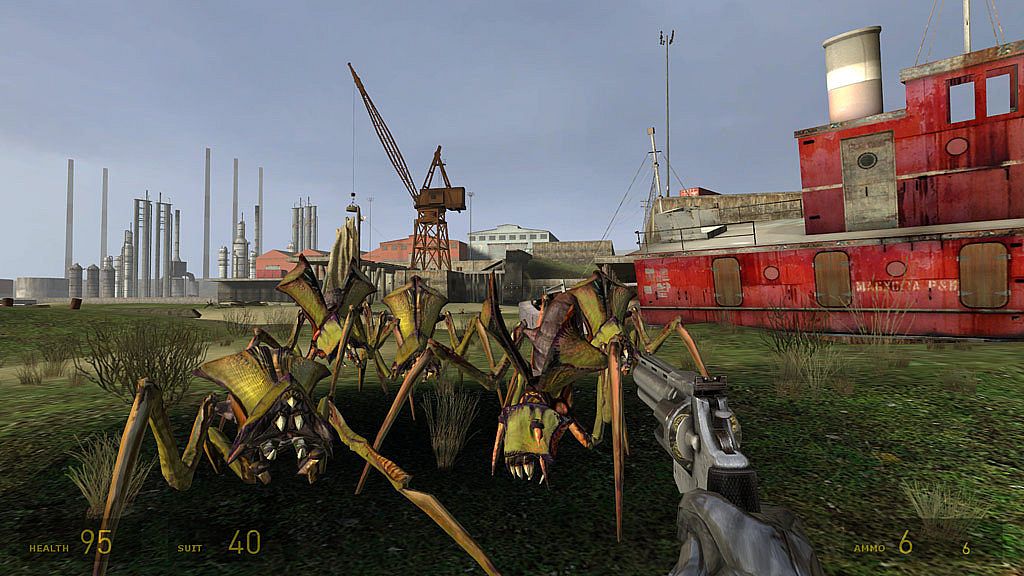
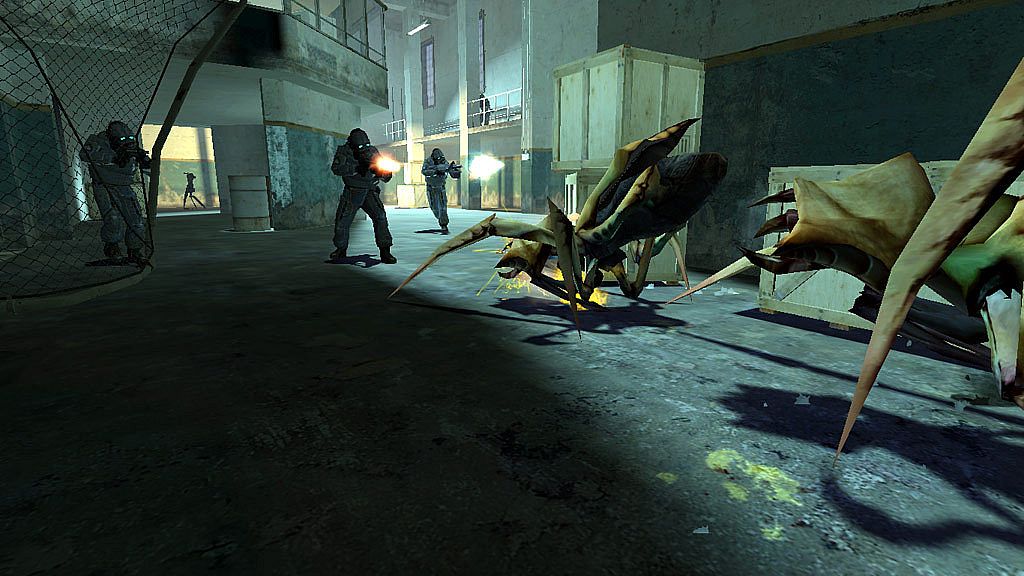
Mechanics focus on resource management and environmental interaction. Ammo scarcity encourages strategic use of the gravity gun, a device that lets you grab and launch objects or enemies. Factions play into this, with Combine soldiers using advanced tech like energy orbs, while Resistance fighters rely on guerrilla tactics. The game's pacing mixes high-octane shootouts with quieter moments of puzzle-solving, such as rerouting antlion swarms or bypassing security systems.
Game Modes
Half-Life 2 offers a single-player campaign as its primary mode, where you progress through the main story and its expansions, Episode One and Episode Two. These episodes extend the narrative, picking up right after the base game's events and introducing new challenges like underground escapes and large-scale battles. Each segment builds on the last, with automatic progression between them from the main menu.
For multiplayer, the game includes Half-Life 2: Deathmatch, a fast-paced option set in the same universe. Here, players can engage in straight deathmatch or team-based play as Combine versus Resistance. The physics system enhances these matches, allowing creative kills with environmental objects, such as throwing toilets or explosive barrels.
Community Features
The Steam Workshop integration lets players access community-created content, including custom campaigns, weapon replacements, and UI modifications. This extends replayability beyond the official content, with users sharing entire story mods or enemy tweaks.
Is It Worth Playing?
Half-Life 2 maintains strong appeal in 2026, thanks to its enduring design and positive reception. On Steam, it holds an Overwhelmingly Positive rating from 195,251 reviews, with 97% approval, and a Metacritic score of 96 indicating universal acclaim. Players praise its innovative physics, compelling story, and tight combat, though some note the controls feel dated compared to modern shooters. The game receives occasional updates to ensure compatibility, keeping it playable on current systems without major issues.
If you enjoy story-driven first-person shooters with puzzle elements and don't mind a linear structure, Half-Life 2 remains a solid choice. It's particularly suited for those interested in gaming history, as its mechanics influenced countless titles. With included expansions and multiplayer, it offers substantial content for the price, making it worthwhile for newcomers seeking a classic experience.