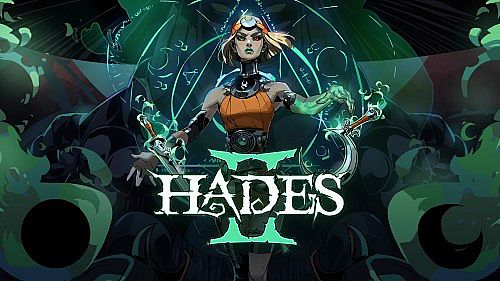



Hades II is an action RPG roguelike dungeon crawler developed by Supergiant Games and released on Nintendo Switch. Players take control of Melinoë, a witch of the underworld, in a fight against Chronos, the Titan of Time. The game expands on the core loop of its predecessor with new combat options, resource management, and branching paths through mythological realms.
Gameplay
The core loop centers on repeated runs through procedurally arranged regions where players battle enemies using a combination of melee attacks, special abilities, dashes, and a new cast system that pins foes in place. A dedicated magick bar powers enhanced moves and recharges through combat. Weapons feature primary attacks, secondary specials, and omega variants that players can upgrade mid-run.
Boons from Olympian gods modify these abilities with elemental effects and synergies. The Daedalus Hammer provides targeted enhancements to specific weapon functions. Runs progress along either an underworld route through areas like Erebus, Oceanus, the Fields of Mourning, and Tartarus or a surface route that includes the City of Ephyra, the Rift of Thessaly, Mount Olympus, and the Summit. Each path unlocks new regions after clearing prior ones.
Support comes from figures such as Hecate, Arachne, Narcissus, Echo, Medea, Circe, and Icarus, who offer additional tools or narrative context. The single-player structure emphasizes mastery of timing, positioning, and build crafting across successive attempts.
Game Modes
Hades II operates entirely in a single-player roguelike format. Each session consists of a run that begins in the underworld hub and branches into one of two distinct paths. The underworld path focuses on deeper descent through infernal biomes, while the surface path shifts emphasis to ascent and confrontation with different environmental challenges.
Progress carries over between runs through persistent upgrades and story advancement. No separate multiplayer or competitive modes exist. The experience remains consistent across platforms, including the Nintendo Switch version that supports both handheld and docked play.
Key Mechanics and Features
Combat revolves around managing the magick resource alongside standard health and ability cooldowns. The cast mechanic introduces crowd control by freezing enemies temporarily, altering engagement patterns compared to pure melee focus. Omega moves require charged inputs and deliver higher impact at the cost of magick.
Region variety encourages adaptation, as underworld encounters lean toward dense enemy groups and surface sections introduce different terrain hazards. Upgrades from boons and hammers create layered build possibilities without altering the fundamental run-based structure.
Current State and Availability
The game reached its full version 1.0 release on September 25, 2025, across PC and Nintendo Switch platforms. Post-launch support continues with the established roguelike framework intact. The Nintendo Switch edition allows portable sessions that maintain the same combat precision and visual clarity as other versions.
Is It Worth Playing?
Hades II suits players who enjoy precise action combat, incremental build experimentation, and repeated runs that reward pattern recognition. Its single-player roguelike design delivers consistent tension through resource management and path selection. Those drawn to Greek mythology themes and witch-themed abilities will find the protagonist and supporting cast engaging. The full release on Nintendo Switch makes it accessible for on-the-go play without compromising core systems. Fans of tight, replayable action RPGs will likely appreciate the depth available from the start of each run onward.