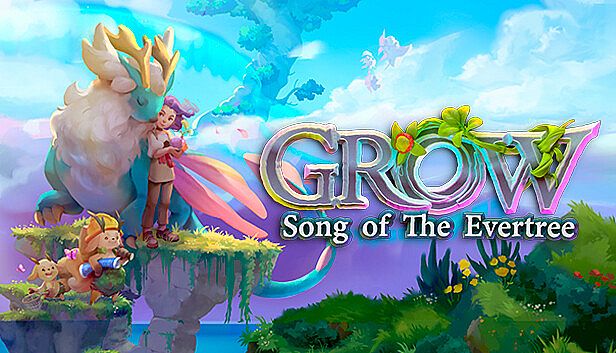





























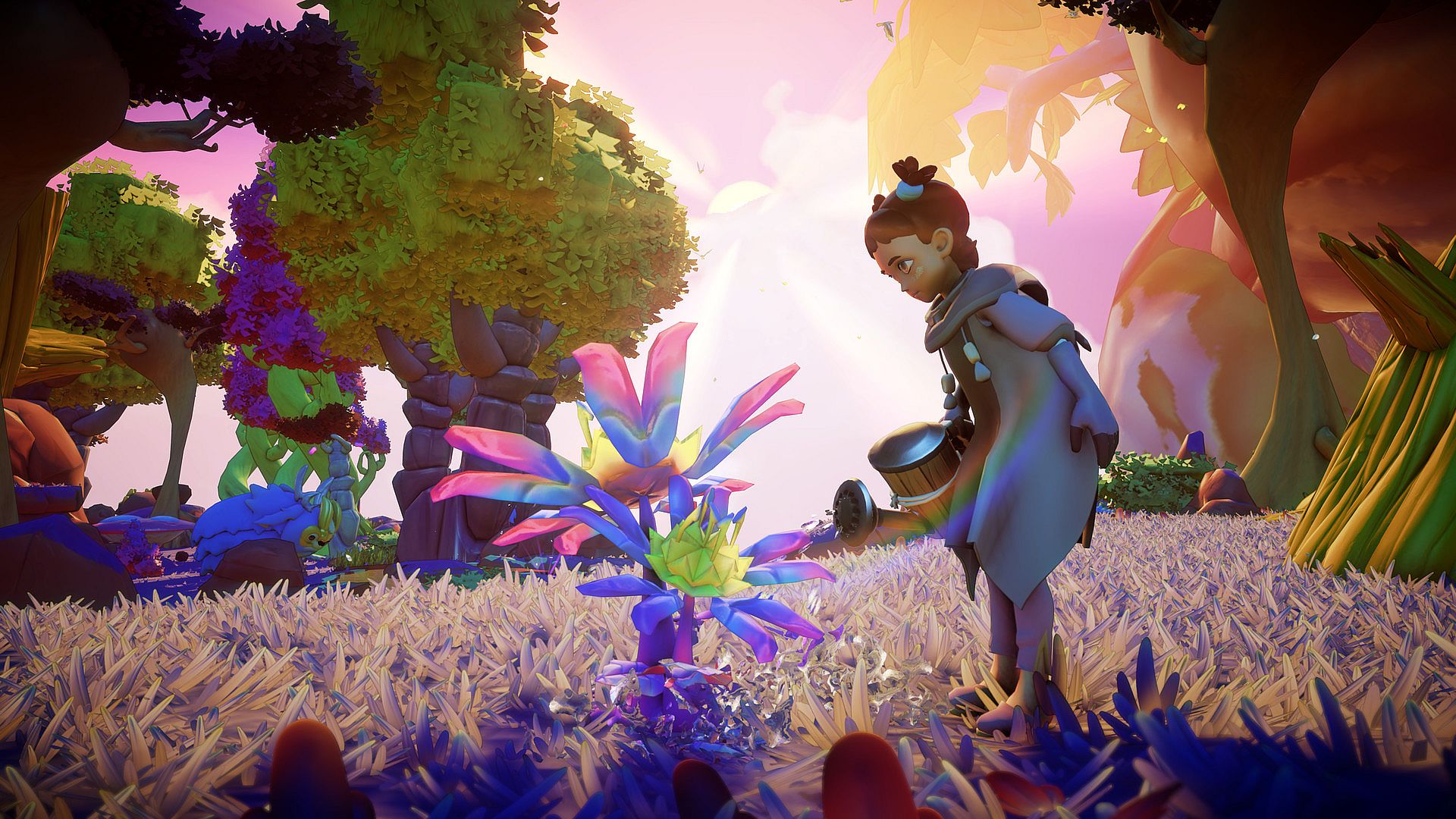
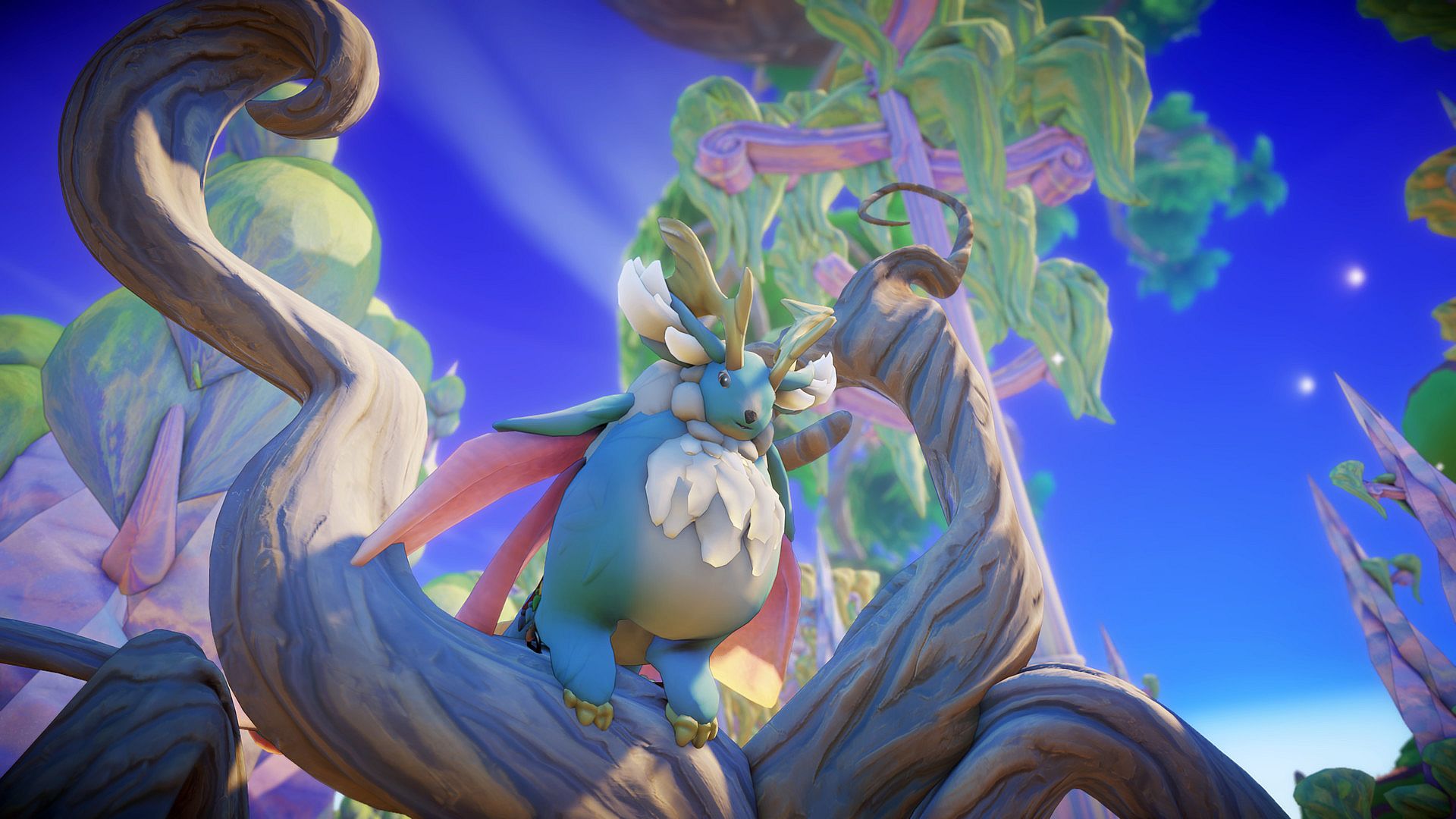
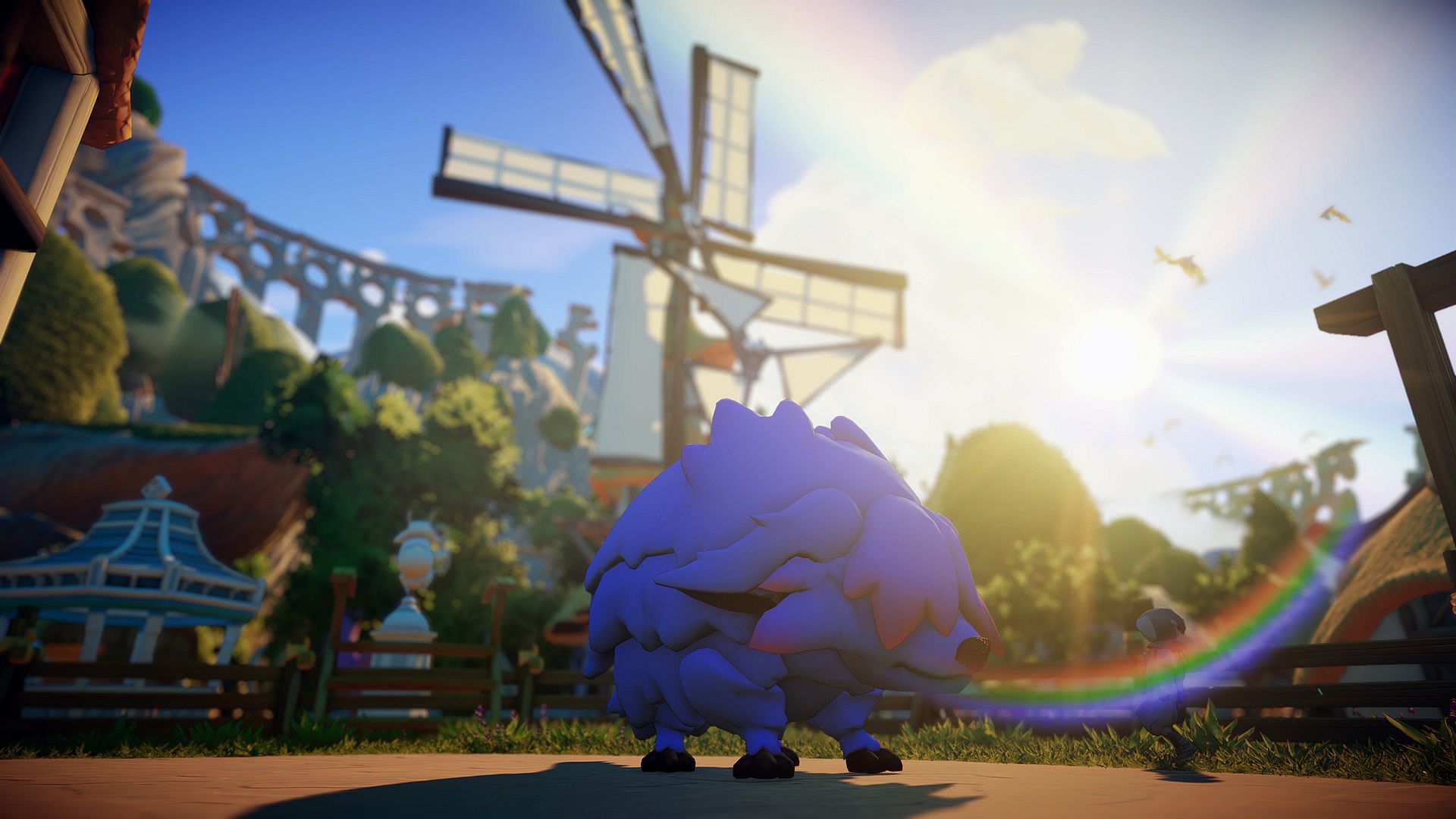
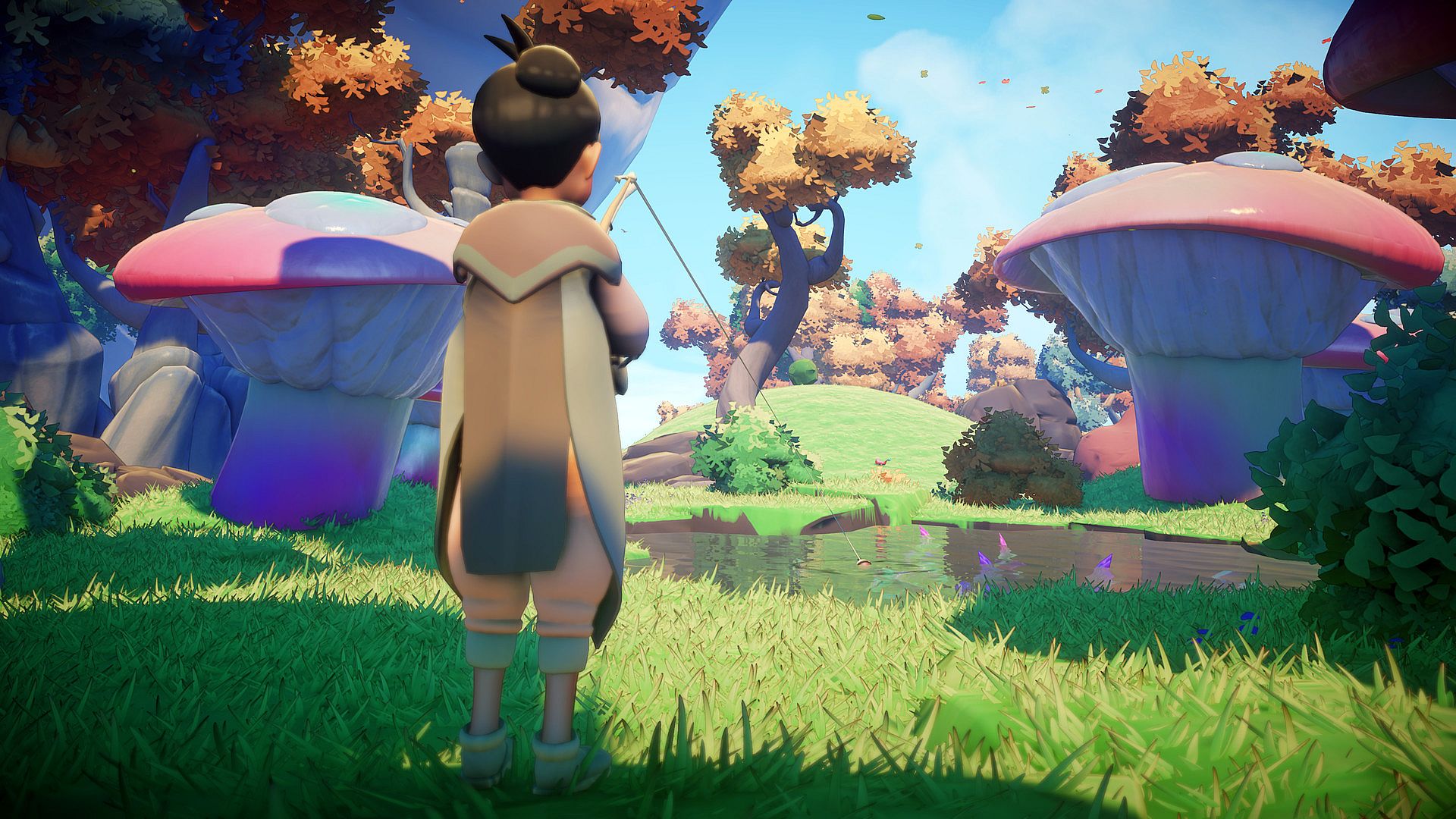
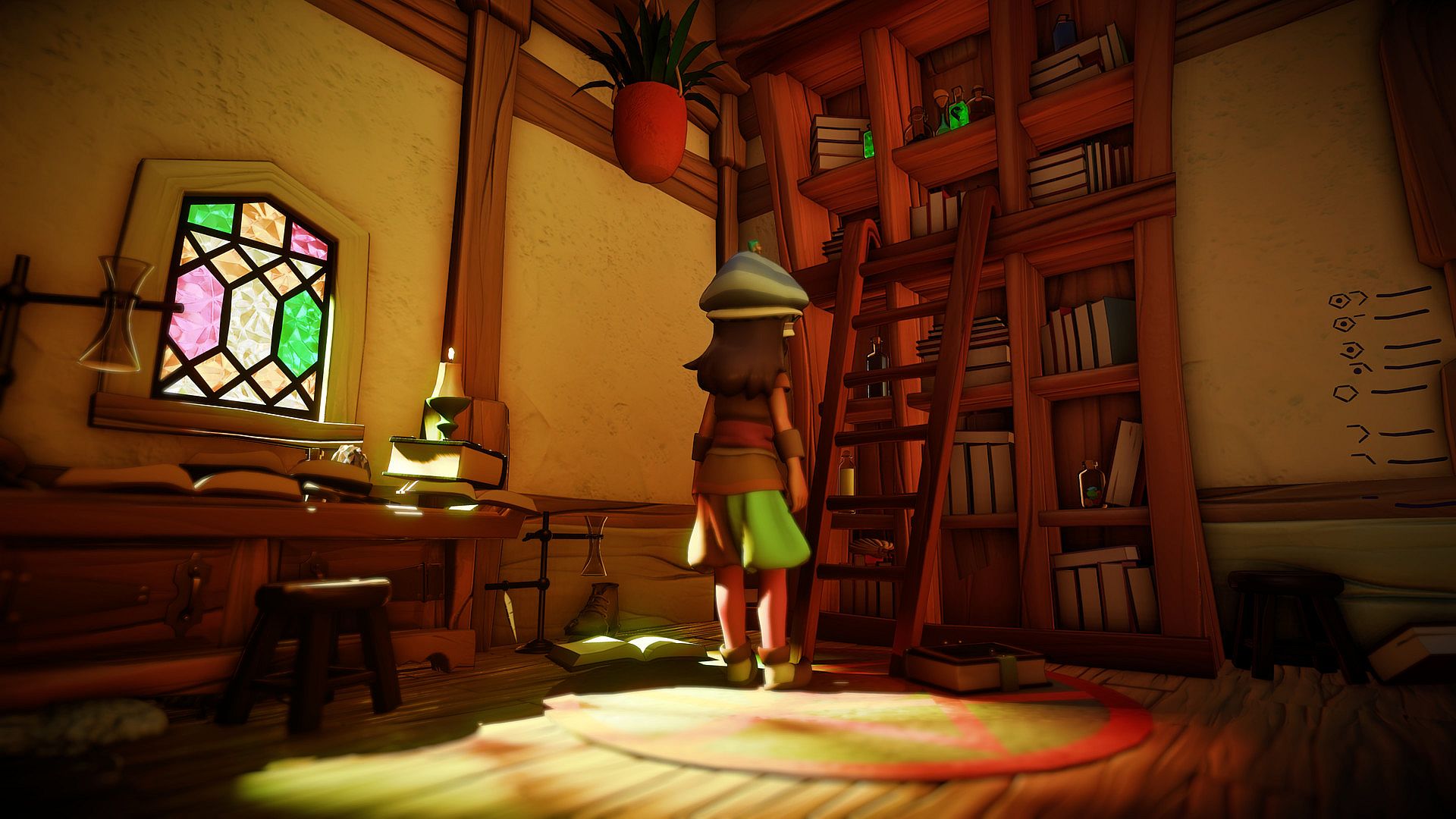
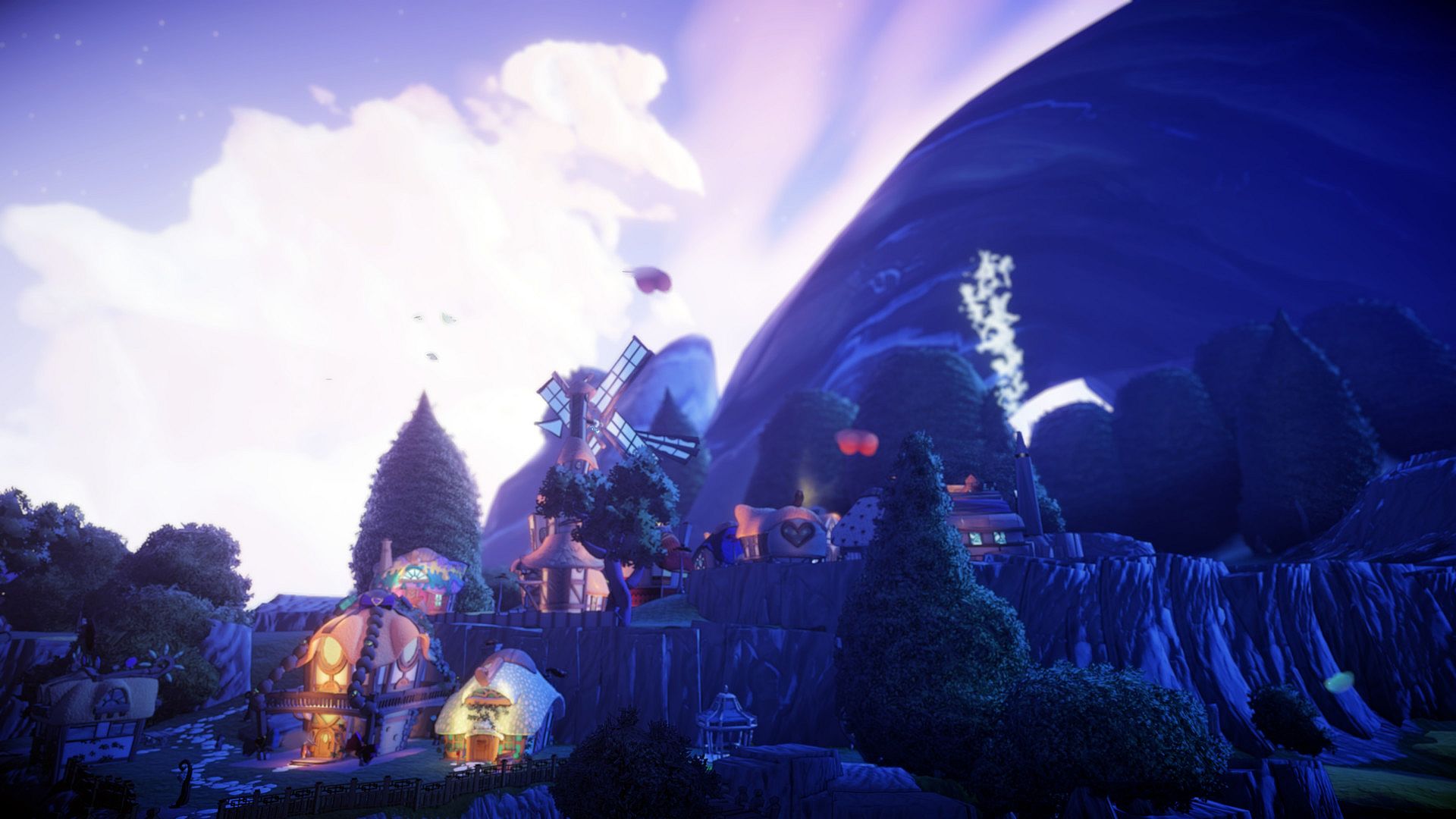
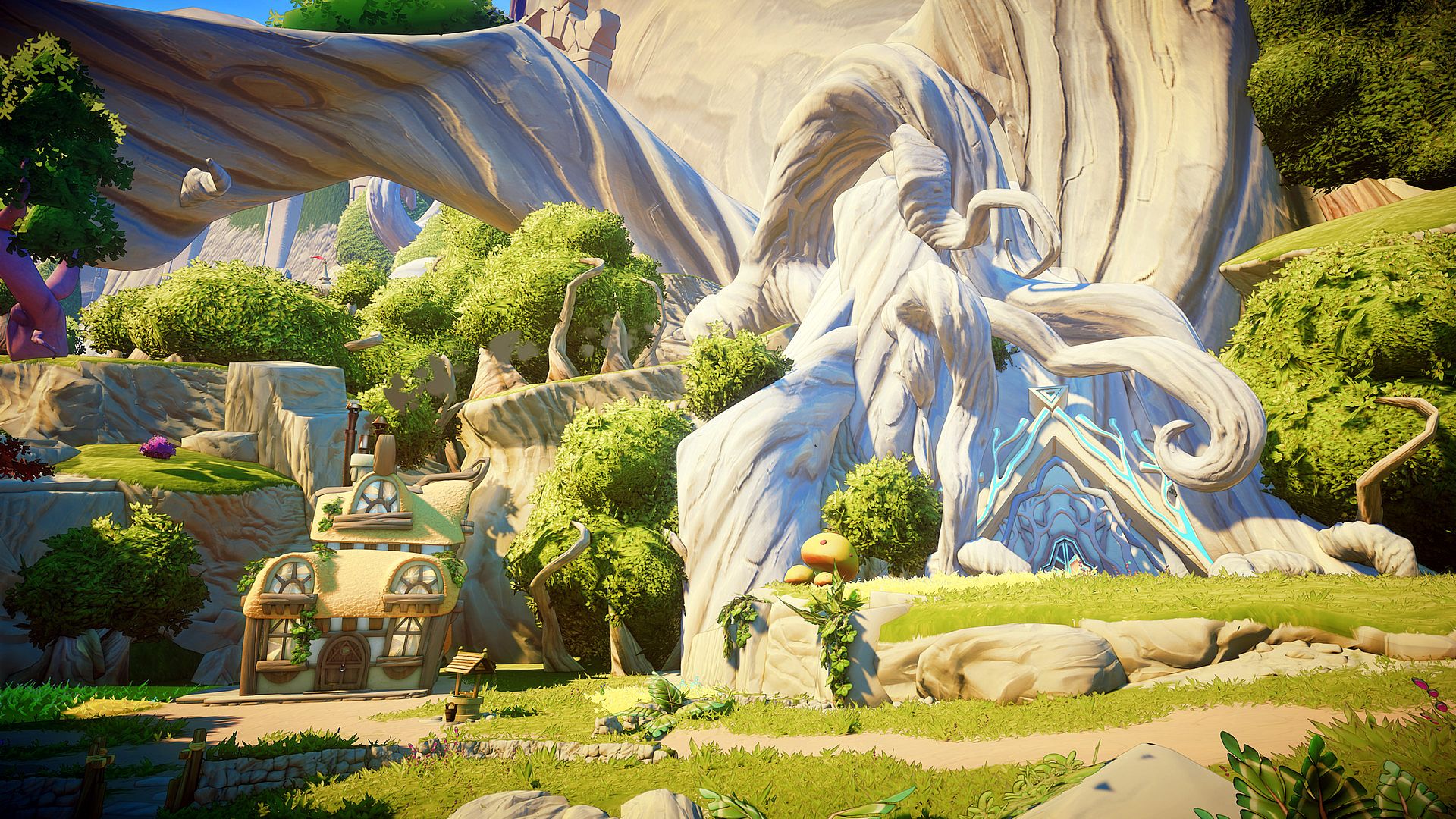
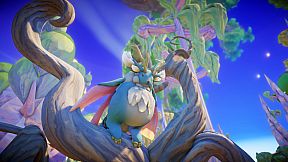
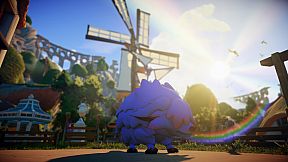
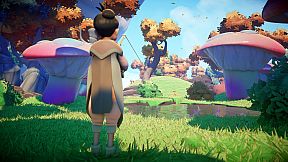
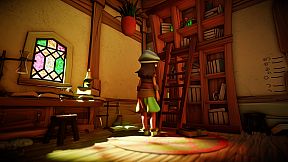
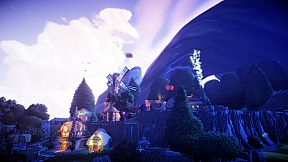
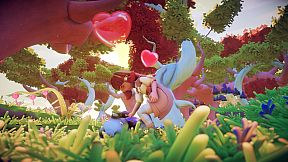
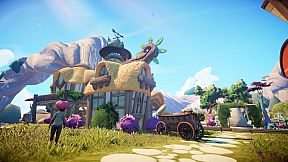
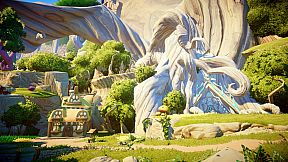
Grow: Song of the Evertree is a single-player casual adventure game centered on world-building and restoration. Players step into the role of the last Everheart Alchemist tasked with reviving the Evertree, a once-mighty structure that housed multiple worlds on its branches. The faded realms of Alaria serve as the backdrop for a deliberate pace of discovery where players shape new environments through alchemy while tending to existing ones.
Gameplay
The core loop revolves around alchemy to craft World Seeds that generate fresh landscapes complete with their own traits. These seeds produce meadows, deserts, or frozen regions, and some yield unexpected results that alter the terrain in distinctive ways. Players then nurture these worlds by managing resources and observing how properties shift over time.
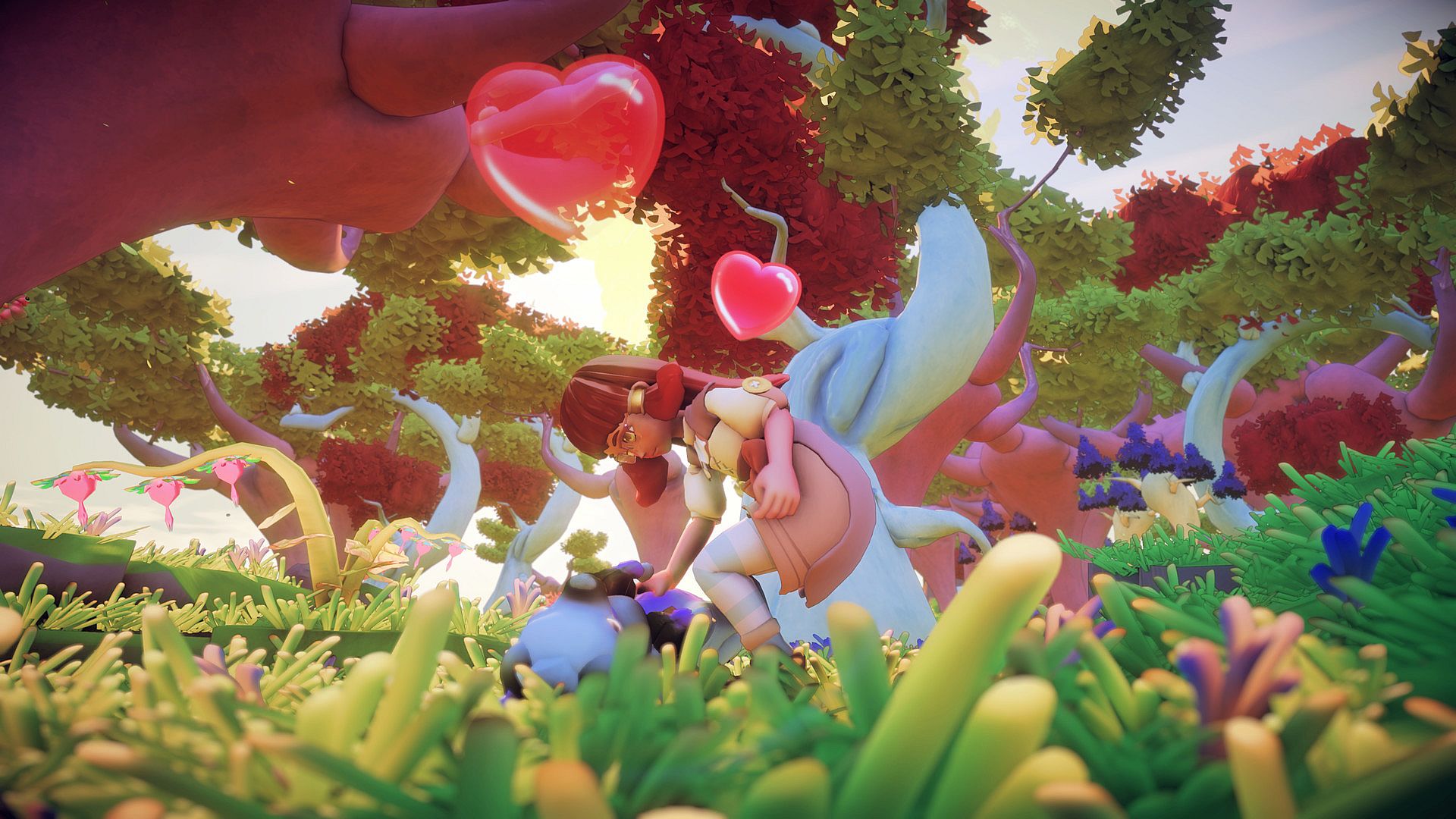
Exploration forms another key pillar. Players investigate caves, solve environmental puzzles, gather minerals and flowers, fish in available waters, and capture insects. The game encourages free-form movement across vibrant areas filled with unique fauna and flora, allowing individuals to decide how much time to allocate to each activity.
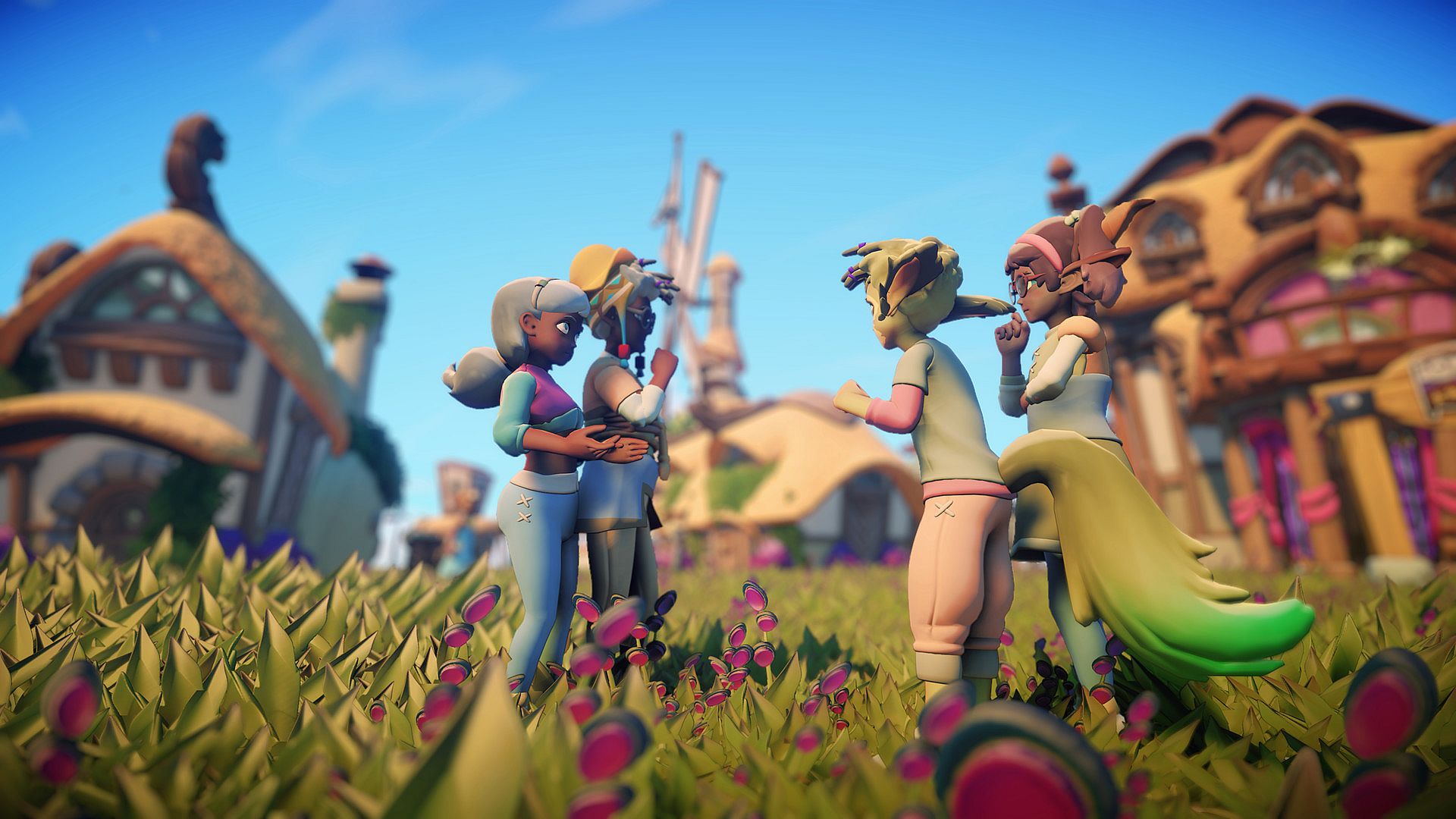
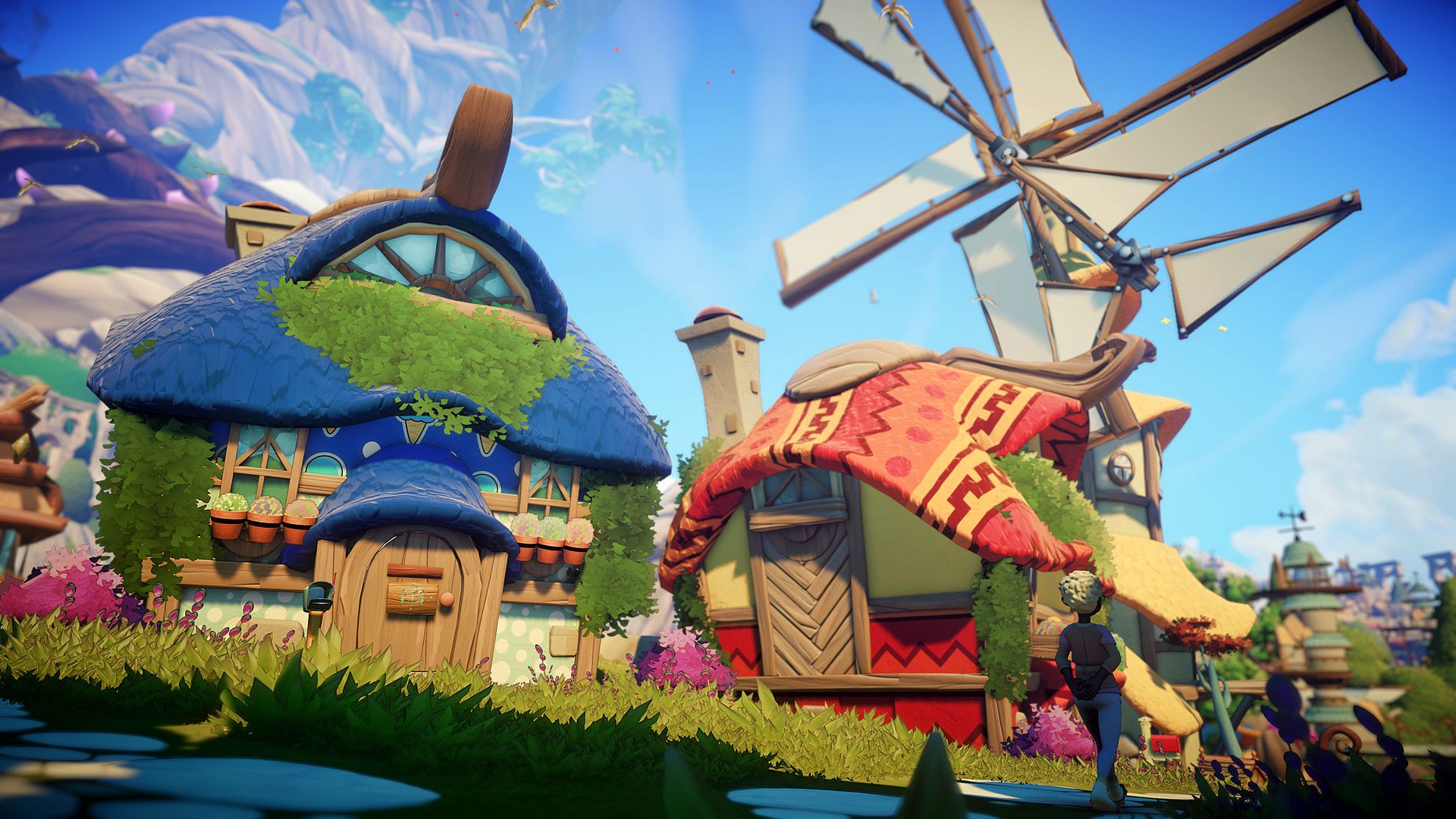
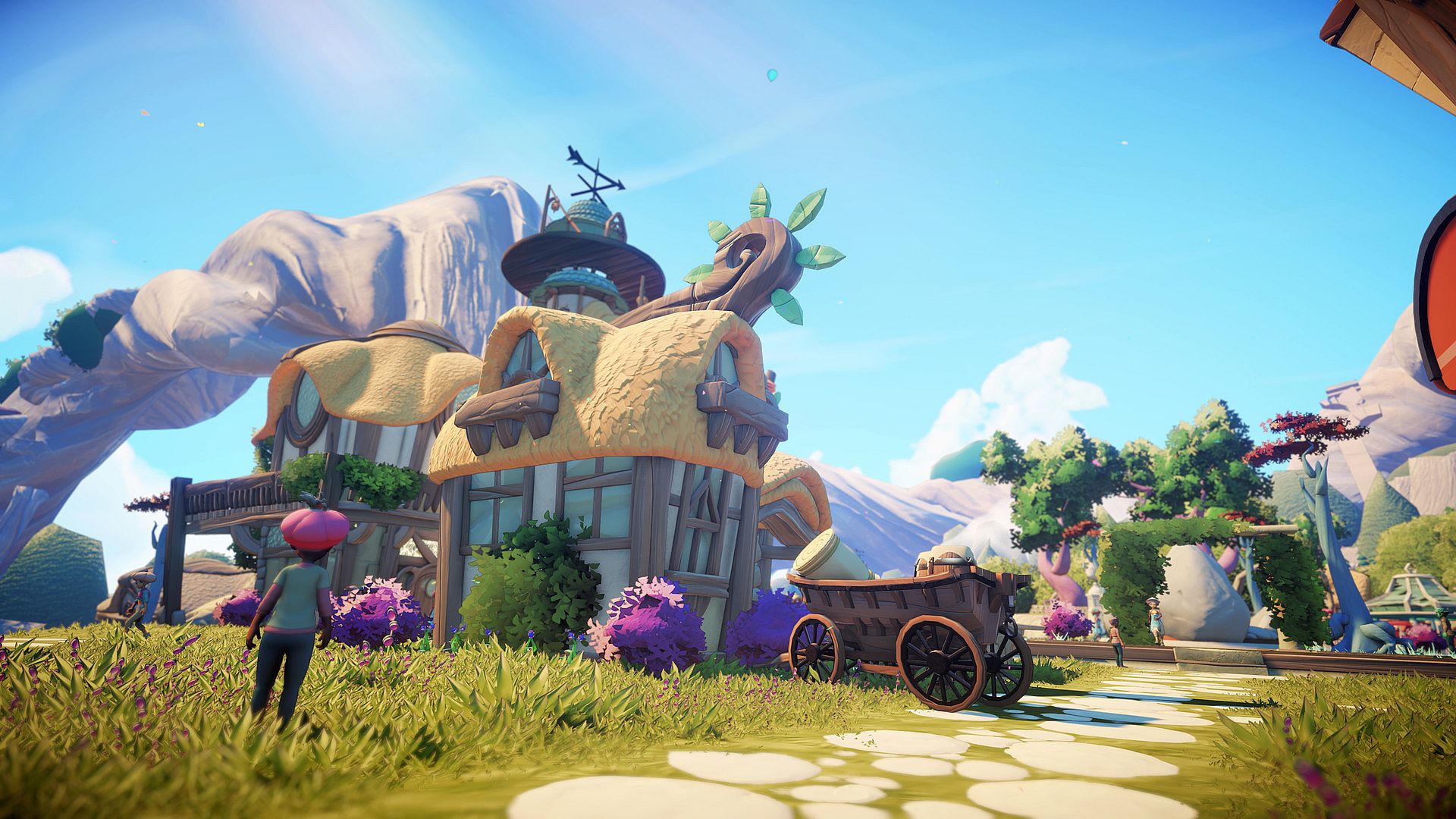
Town development adds a layer of customization. An extensive selection of structures and buildings can be placed without restrictions to form a personalized settlement. Players also interact with residents by listening to their stories, fulfilling requests such as securing housing or employment, and offering decorative items to increase satisfaction.
The soundtrack, composed by Kevin Penkin, accompanies these activities with a fitting atmospheric score that enhances the sense of quiet progress.
Game Modes
Grow: Song of the Evertree operates entirely as a single-player experience without separate competitive or cooperative modes. All progress occurs within one continuous world where players alternate between seed creation, world tending, exploration, and community support at their own rhythm. The absence of structured multiplayer keeps the focus on personal pacing and creative decisions rather than external competition.
Activities such as resource collection, puzzle solving, and building serve as flexible avenues for engagement. Some players emphasize rapid world generation and observation of changes, while others prioritize town expansion or character interactions. This unified structure supports varied approaches without requiring mode selection.
Exploration and World Restoration
Restoring the Evertree involves uncovering lost knowledge hidden in ruins and secret areas. Accessing the tree's heart reveals fragments of its history and mechanics. Each generated world contributes to this overarching goal by demonstrating how new environments interact with the central structure.
Creatures encountered during travels can be befriended, adding companions that assist in daily tasks. These elements integrate with the broader restoration effort, turning routine exploration into meaningful contributions toward the Evertree's growth.
Is It Worth Playing?
The game suits players who enjoy relaxed single-player experiences focused on creative building and gentle discovery. Its open structure rewards consistent small actions over long sessions, with systems that visibly respond to player input through evolving worlds and towns.
Reception on aggregate sites places it in the generally favorable range, with appreciation for its visual style, soundtrack, and freedom of choice. No ongoing seasonal content or major post-launch updates have altered the core experience since its 2021 release, leaving the full package available as a complete title.
Those drawn to alchemy-driven creation, NPC relationships, and unhurried exploration will find substantial depth. Individuals seeking fast-paced action or multiplayer elements may prefer other options. The title delivers a cohesive package for its intended audience without requiring additional purchases for the main content.