
















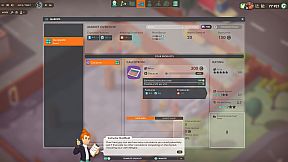

Good Company stands out as a strategy indie simulation game focused on constructing and scaling a technology corporation from modest origins. Players step into the role of an entrepreneur tasked with transforming a simple garage operation into a dominant force in a competitive market. The experience emphasizes meticulous planning of manufacturing processes, workforce coordination, and market adaptation to achieve sustained growth.
Gameplay
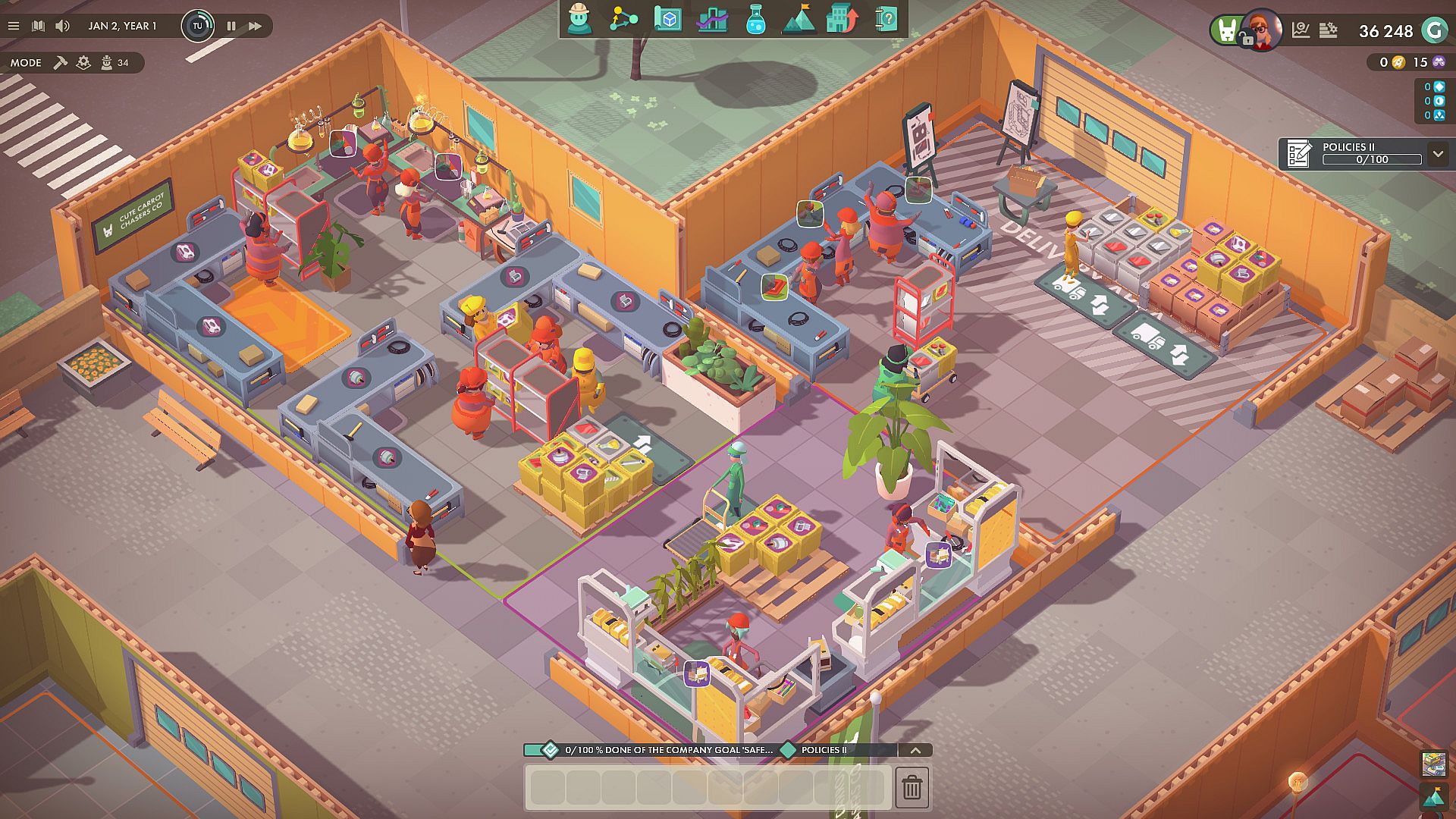
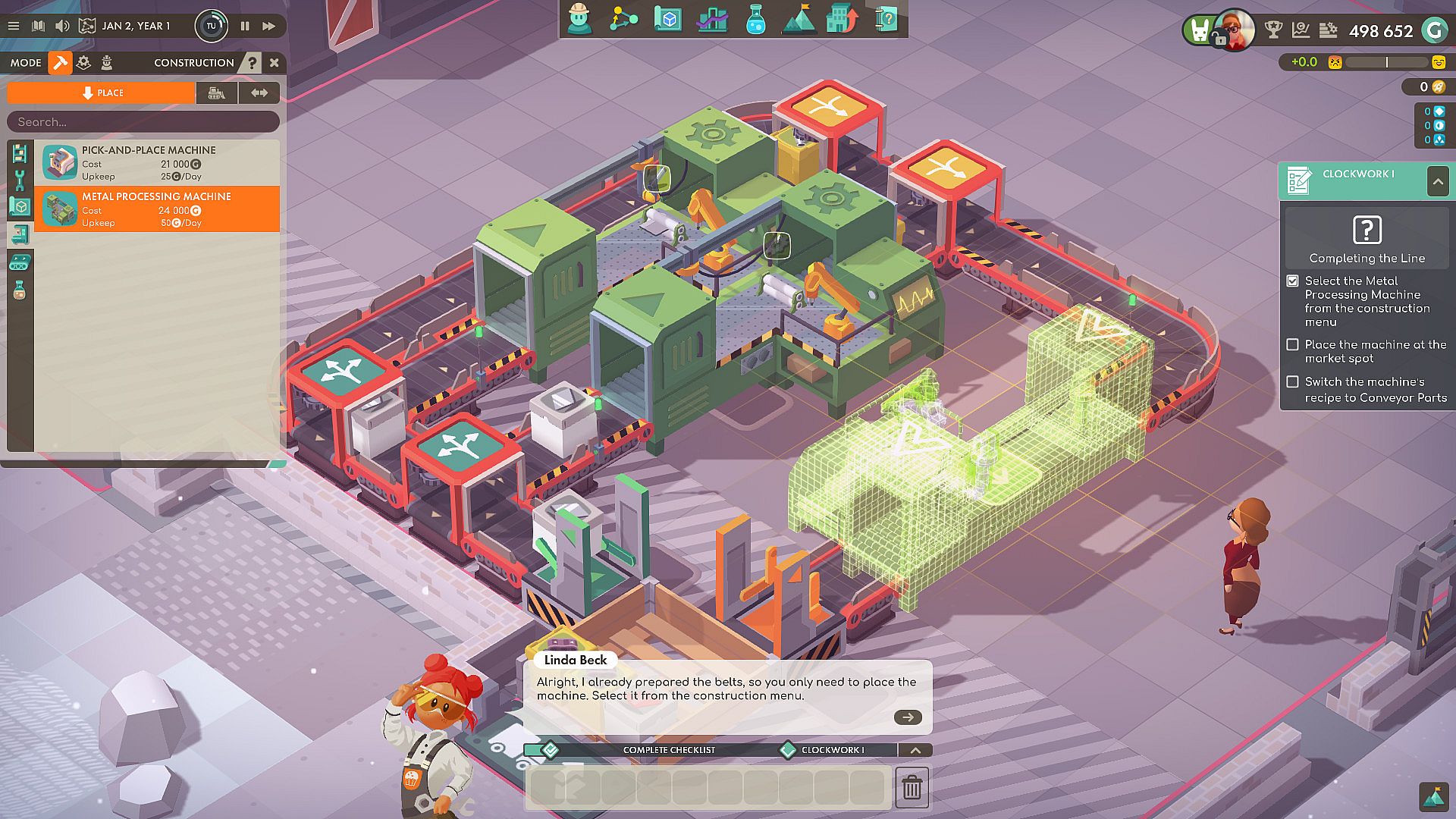
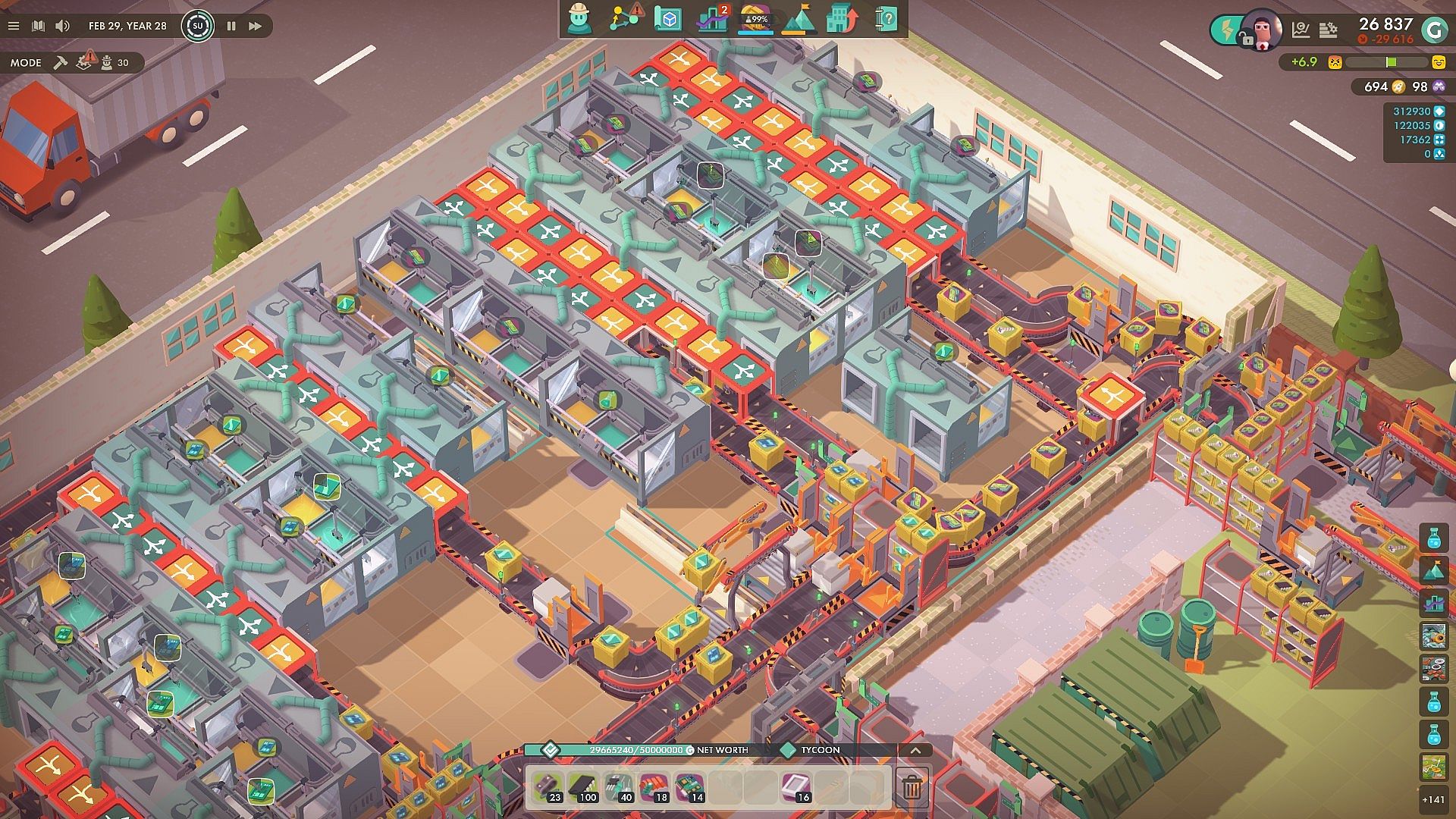
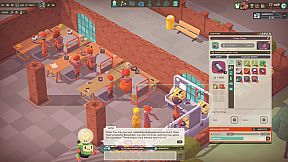
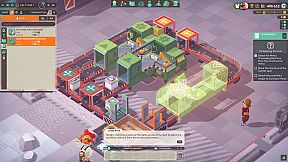
The core loop revolves around designing efficient production chains that transform raw materials into finished tech goods. Players purchase components, assign tasks to staff, and refine workflows to maintain steady output without bottlenecks. Logistics tools allow for intricate routing of items across facilities, incorporating conveyor systems and automated equipment to handle repetitive steps.
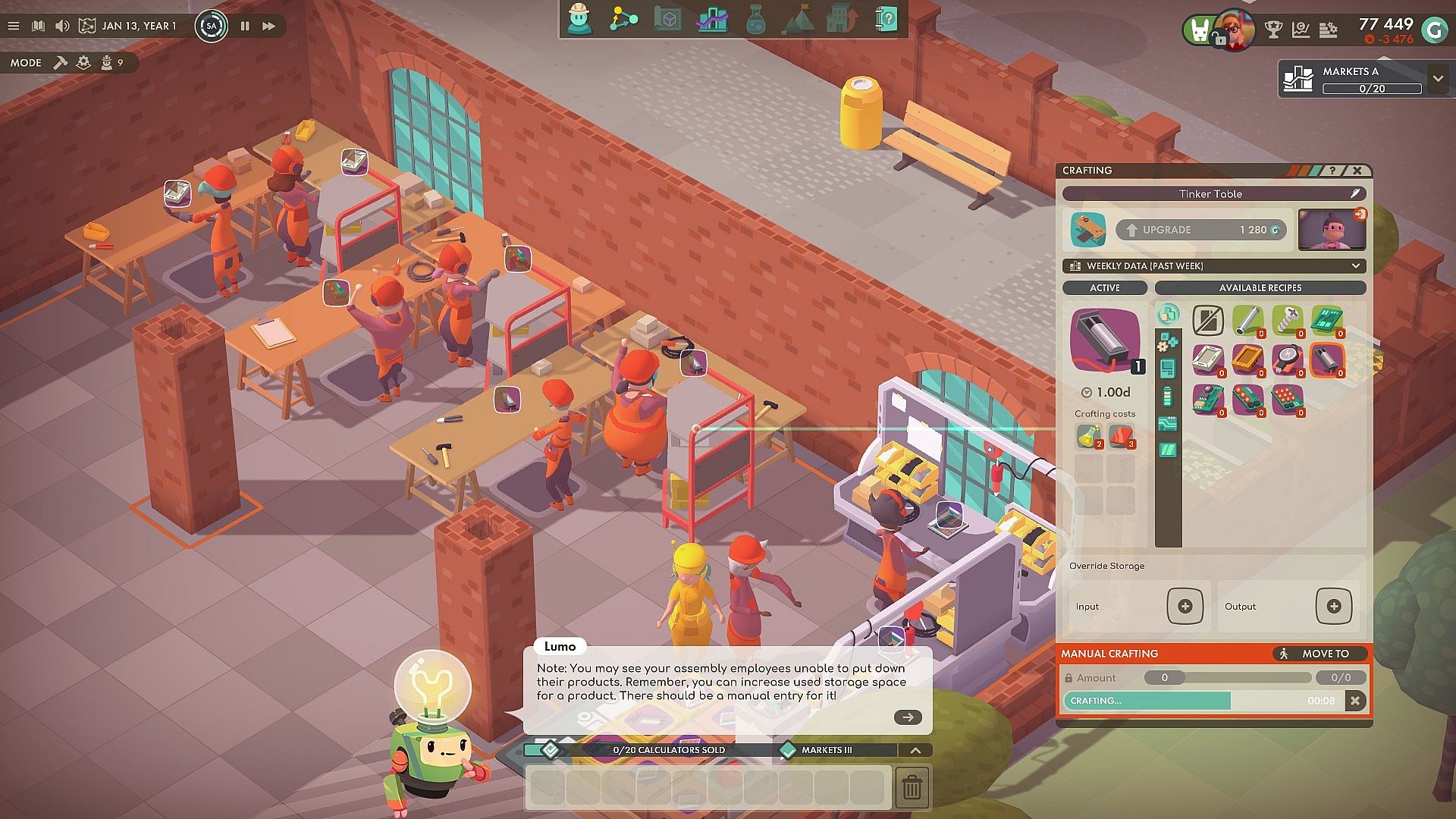
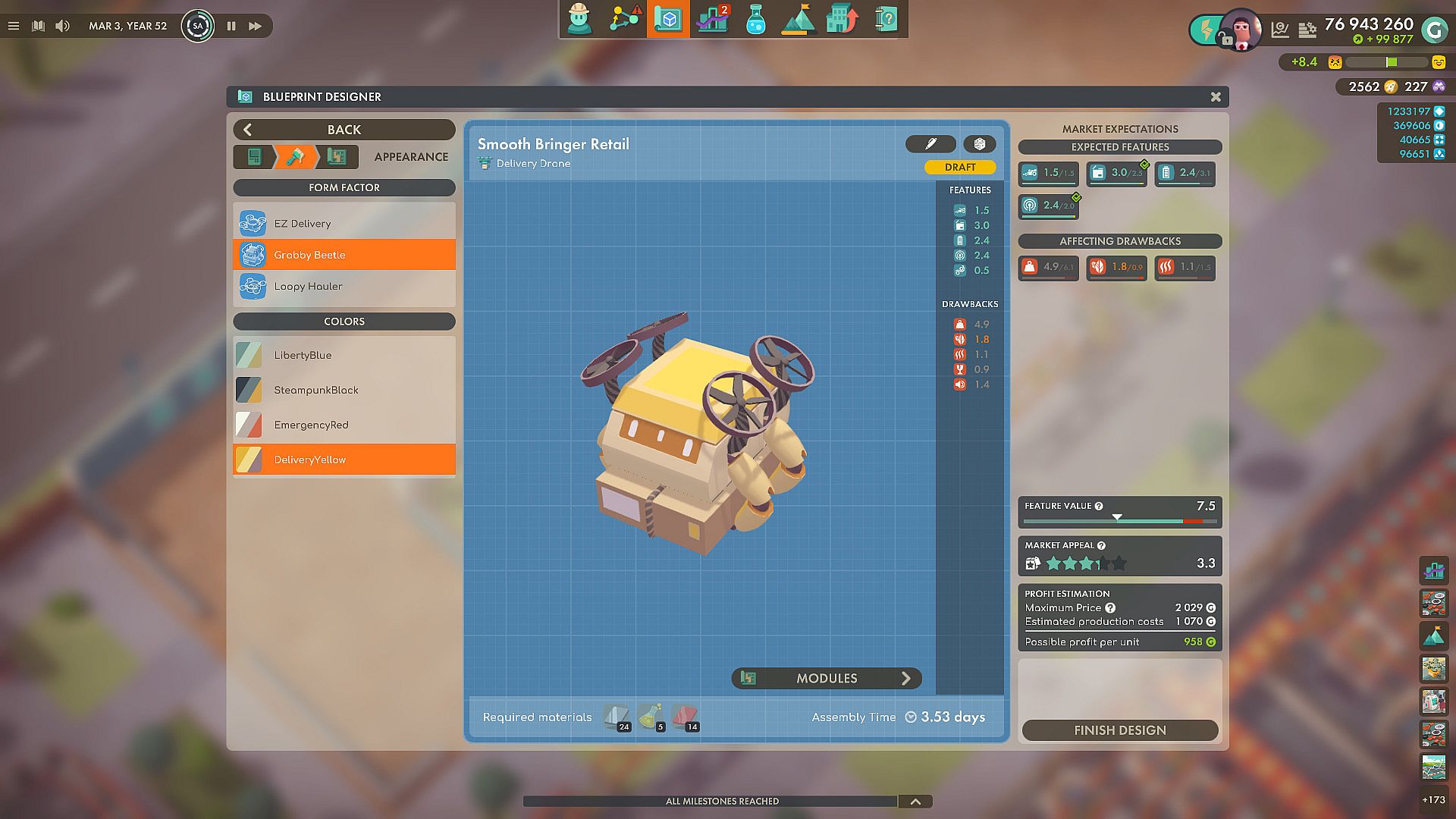
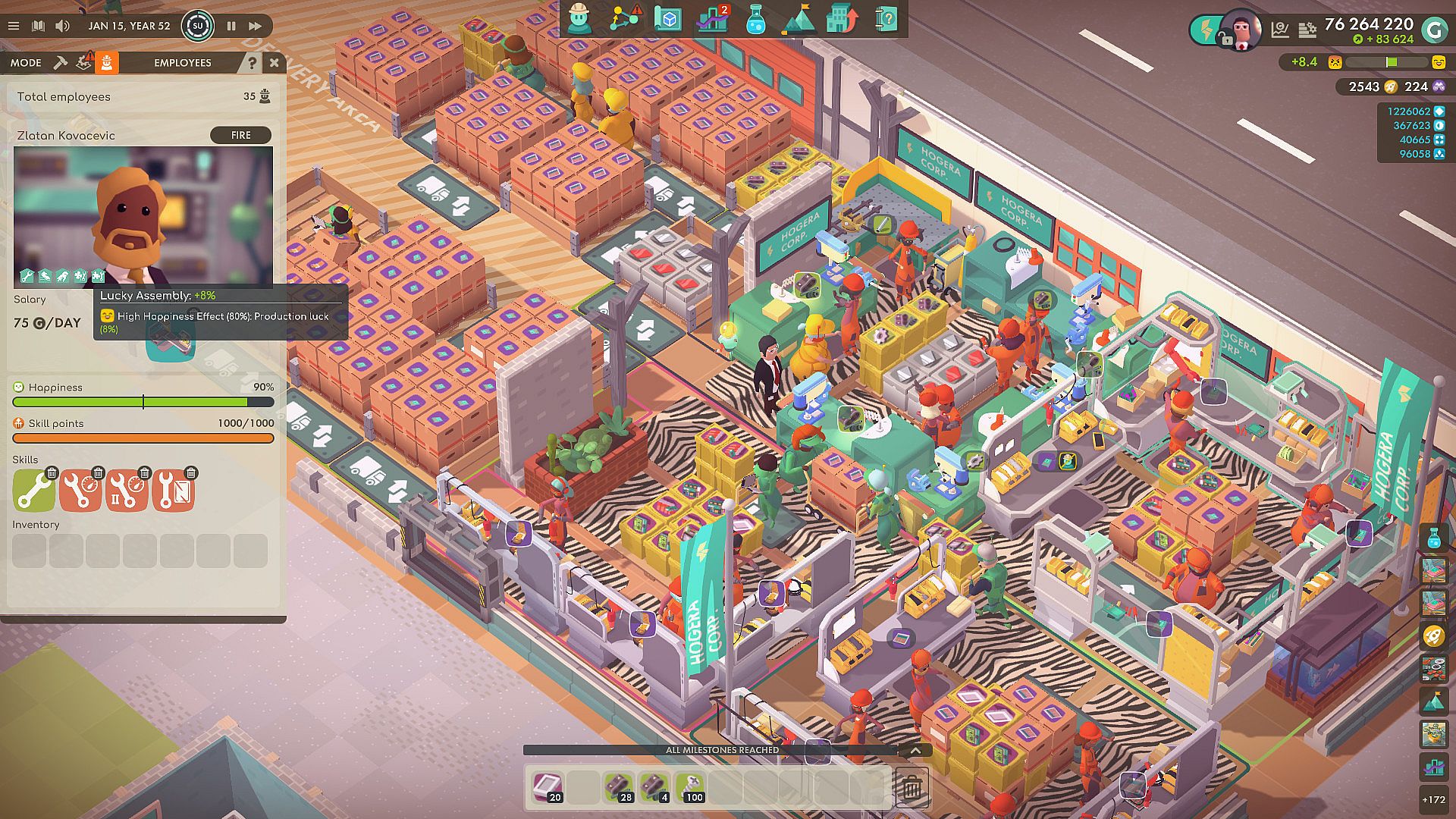
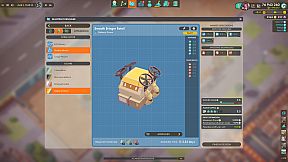
Employee management adds depth through hiring, training, and policy adjustments that influence productivity and morale. Research options enable the creation of new products tailored to shifting demands, balancing quality against profit margins. Expansion involves acquiring additional structures and investing in advancements that support larger-scale operations, such as advanced robotics manufacturing.
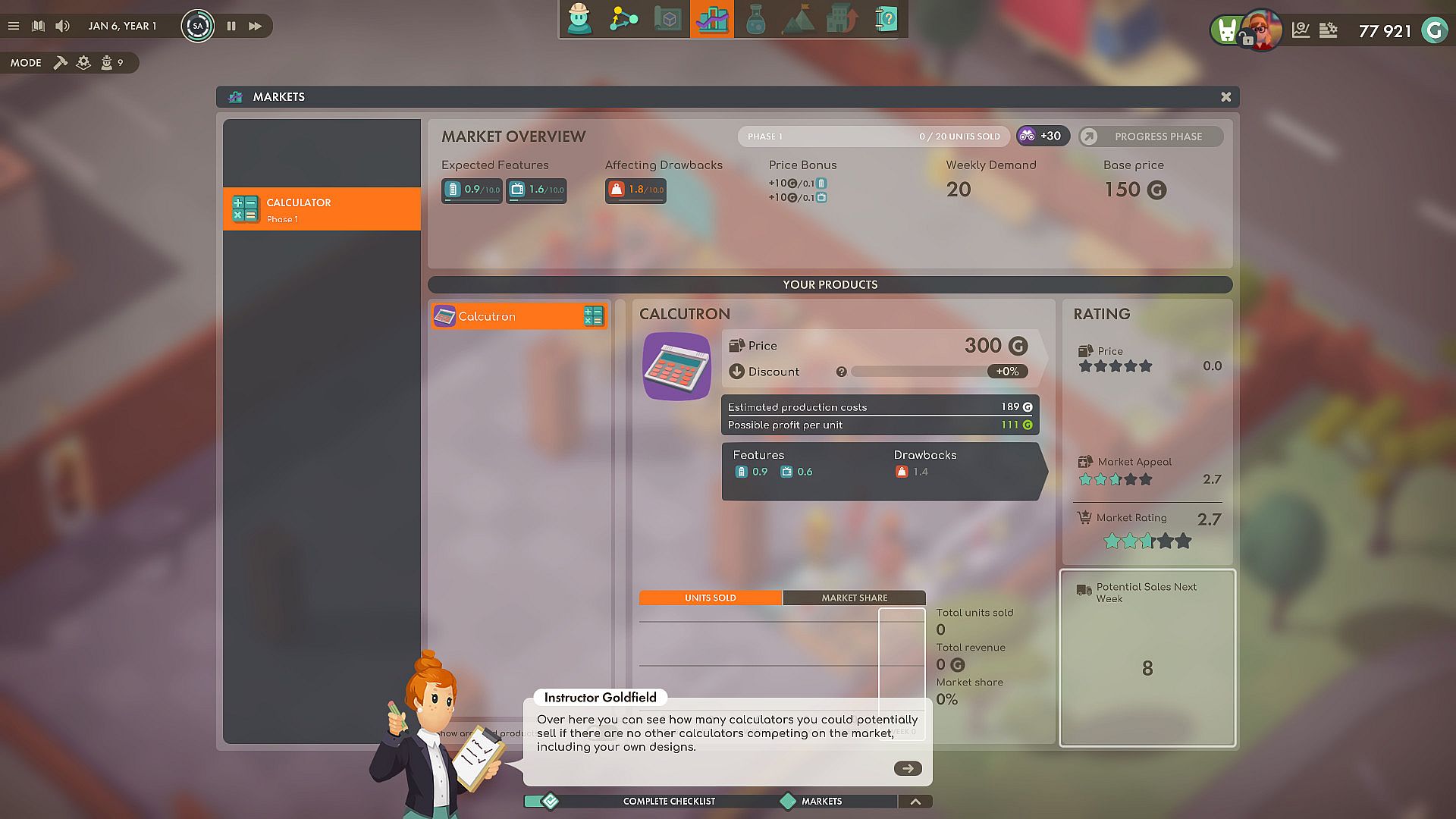
Market dynamics require ongoing attention, as selling strategies must respond to evolving consumer preferences and rival activity. Company goals provide structure for progress, while assignments offer targeted opportunities for rewards. The simulation rewards optimization, where small adjustments to zones or work rules can significantly boost overall performance.
Game Modes
Campaign mode delivers a structured single-player narrative centered on revitalizing a local economy through successive missions. Completing objectives with strong performance unlocks further challenges that test refined strategies under tighter constraints.
Freeplay mode provides an open-ended sandbox for endless experimentation without narrative limits. Players can pursue personal objectives, scale operations freely, and iterate on designs indefinitely.
Co-op multiplayer supports up to four participants collaborating in Freeplay sessions, with cross-platform functionality enabling mixed-device groups. This setup facilitates shared responsibility for production scaling and decision-making in a joint corporate venture.
Building and Automation Systems
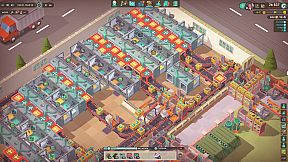
Facilities grow through strategic placement of production modules and support infrastructure. Zone management streamlines operations by grouping related activities, while policies introduce trade-offs that can enhance efficiency or address specific bottlenecks. Automated machines reduce manual oversight once loops stabilize, freeing attention for higher-level planning.
Stock management ensures consistent material availability, preventing disruptions in the supply chain. Skill development for workers ties directly into output quality and speed, encouraging balanced investment in both human and mechanical resources. Rival competition adds pressure to maintain market share through timely innovations and competitive pricing.
Is It Worth Playing?
Good Company appeals primarily to enthusiasts of detailed management simulations and factory-style optimization. Its systems deliver satisfying complexity in production design and logistics, rewarding patient refinement of processes. The verified Steam reception stands at Mostly Positive based on over 1,400 reviews, reflecting appreciation for the depth among players who enjoy these mechanics.
Those seeking a focused single-player story will find value in the campaign and its challenge tiers. Groups interested in cooperative building benefit from the multiplayer options. The game maintains a stable state with no ongoing seasonal content, making it suitable for players ready to engage with its complete feature set at their own pace. Individuals drawn to indie strategy titles that prioritize efficiency and expansion will likely find it a strong match.