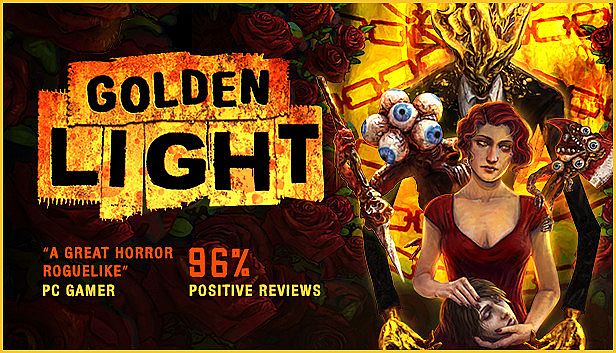













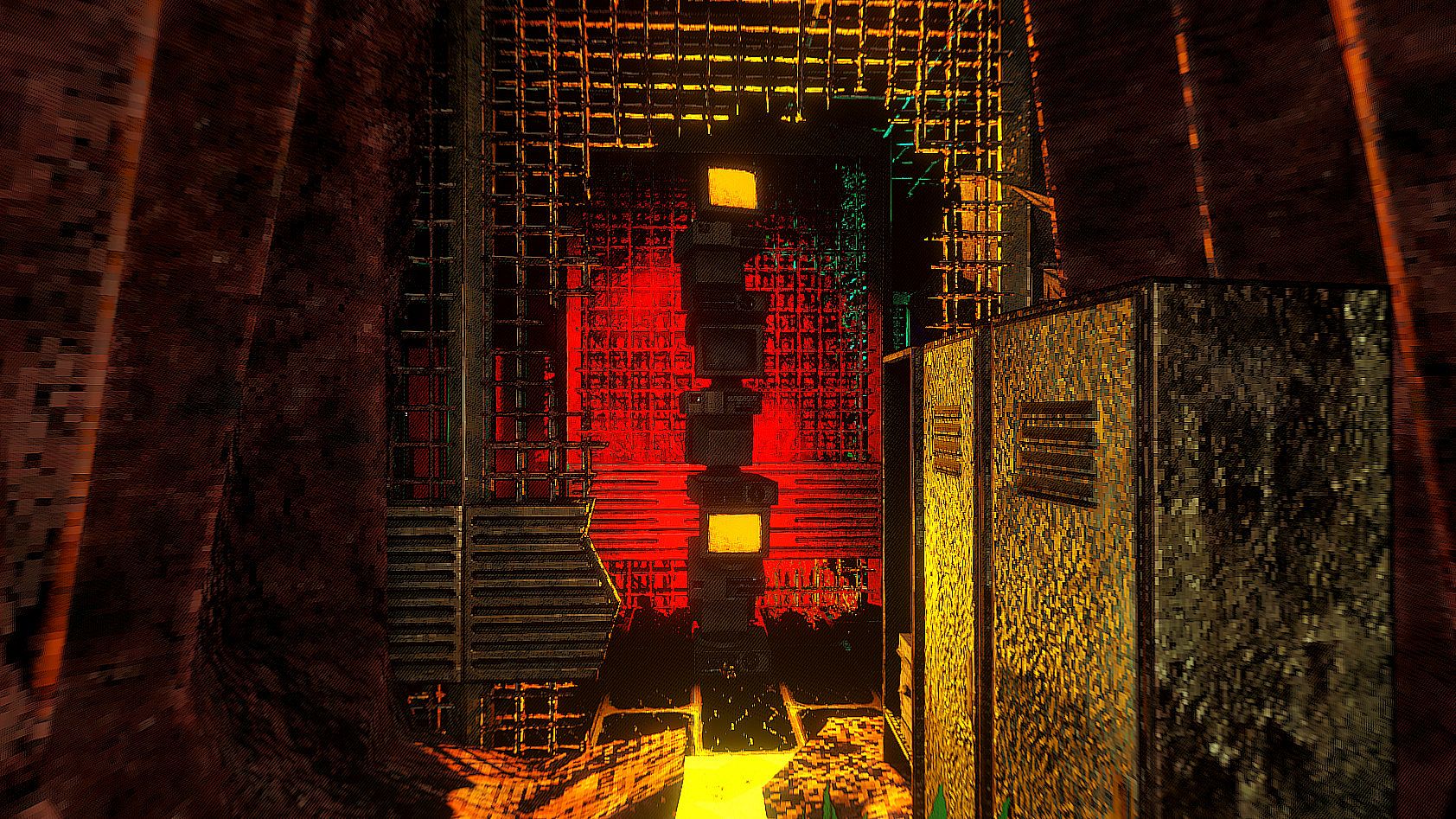

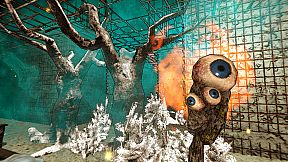
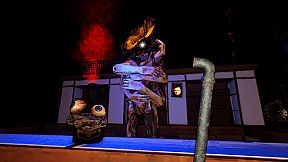
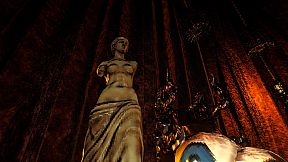
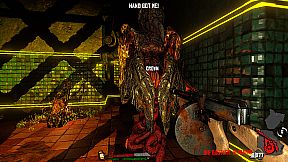
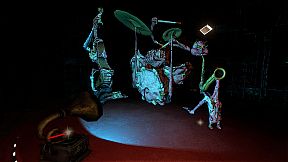
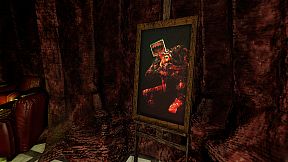
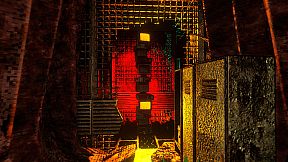
Golden Light stands out as a survival-horror first-person shooter roguelike that blends procedural generation with dark comedy and grotesque themes centered on meat and the bizarre. Players navigate a fleshy underworld known as the Gut, where the goal centers on rescuing a loved one amid constant threats from the environment itself. The experience emphasizes exploration through randomly assembled corridors and rooms filled with unsettling surprises, all while managing limited resources in a first-person perspective.
Gameplay
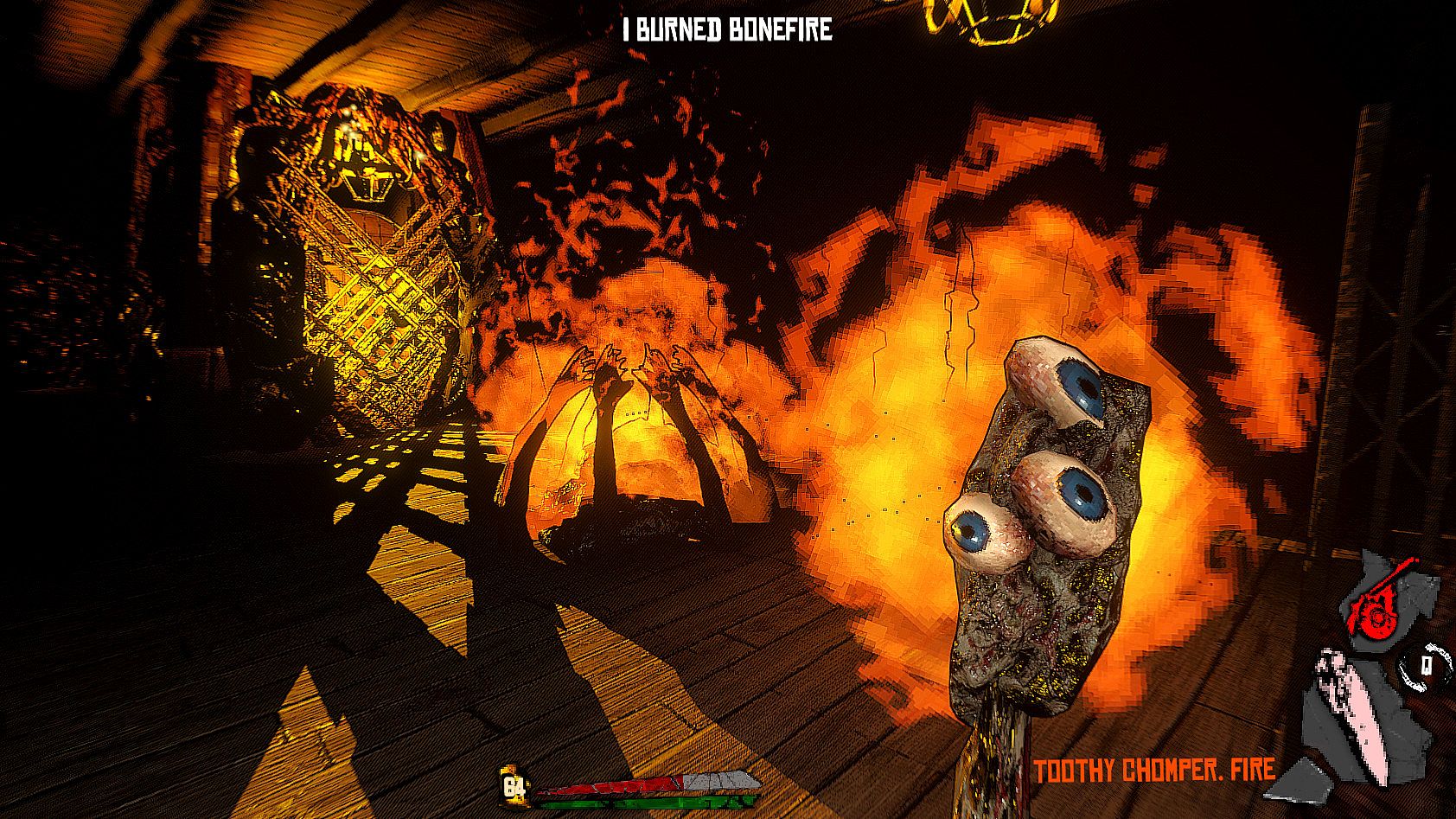
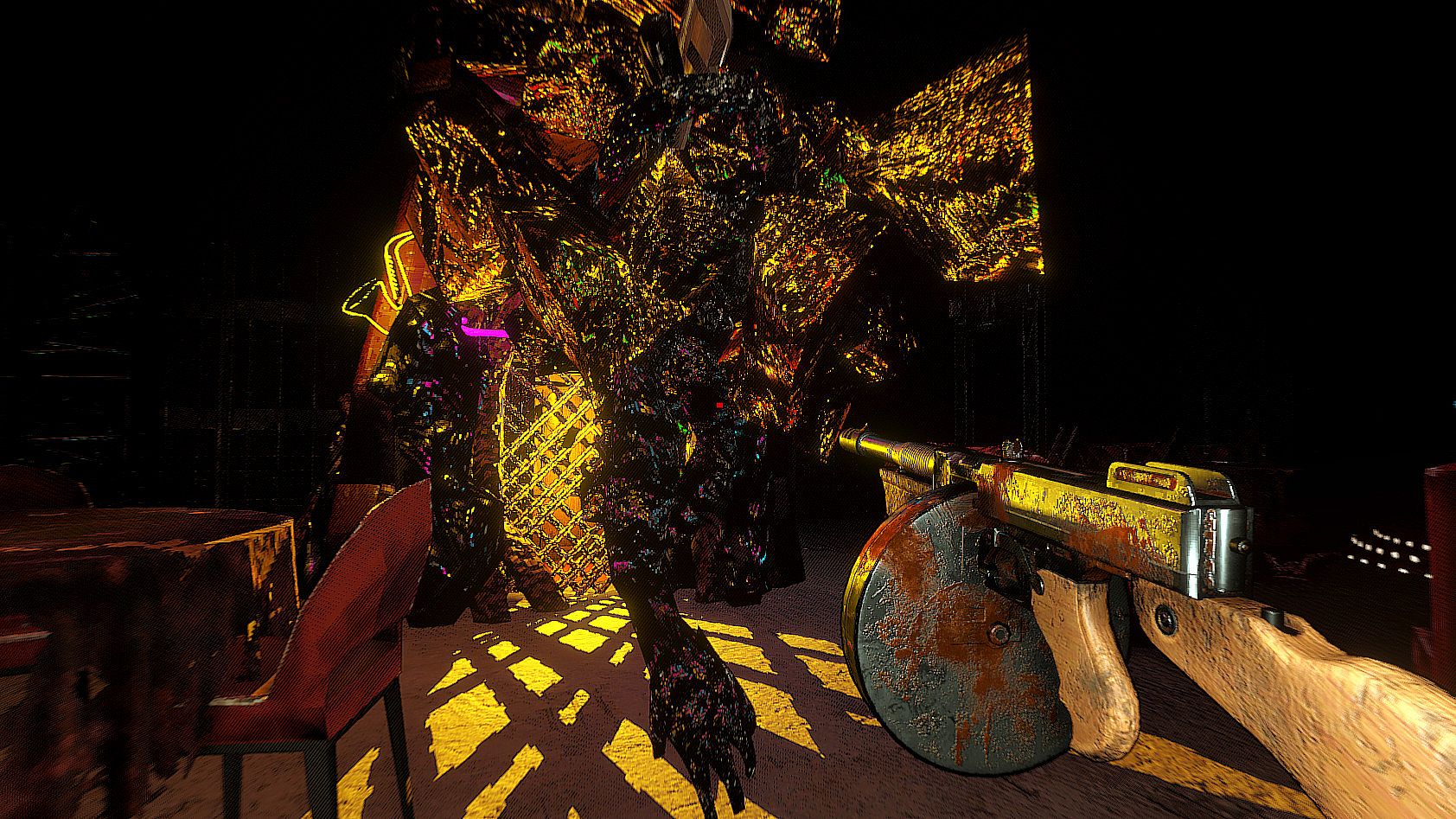
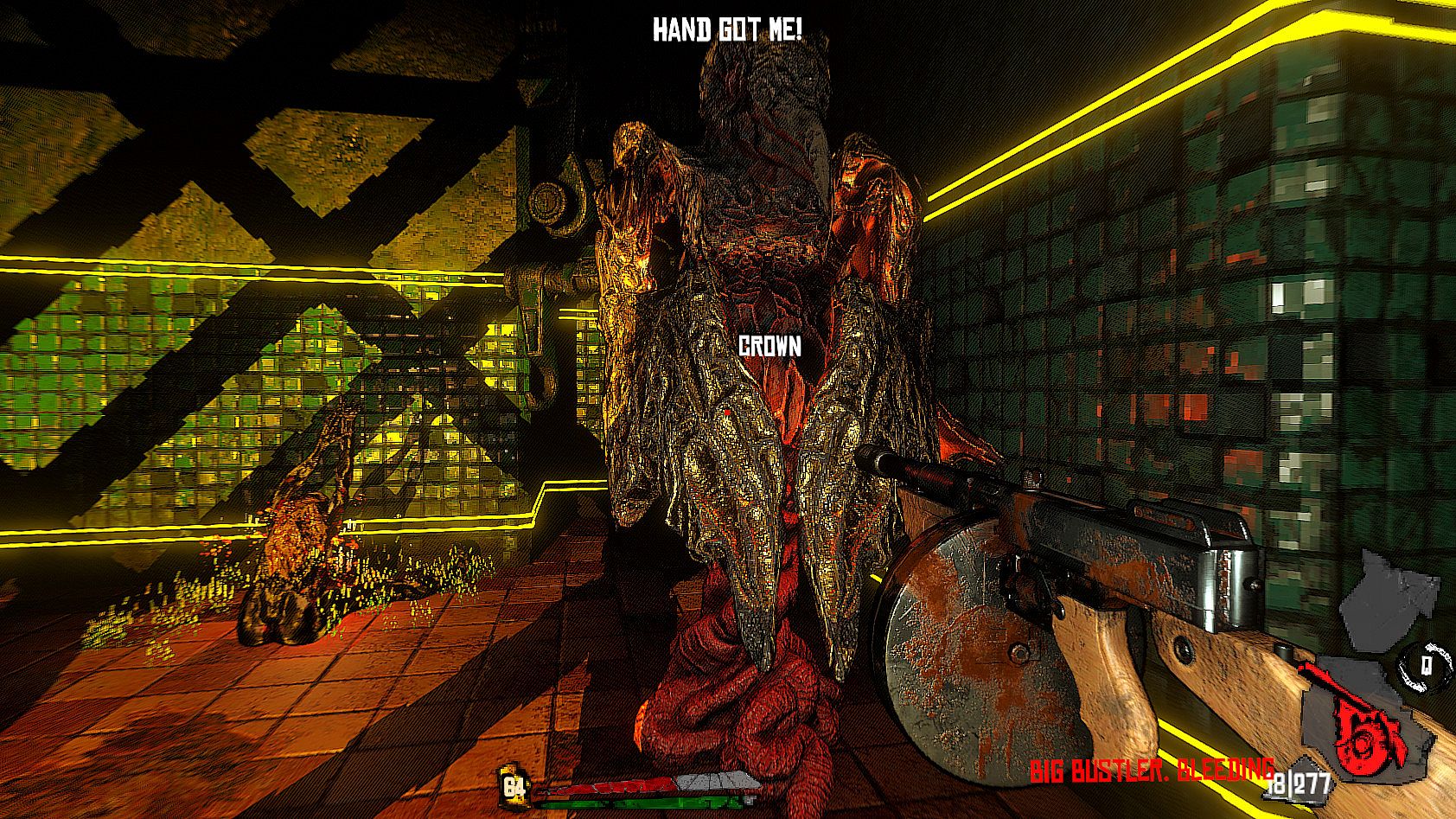
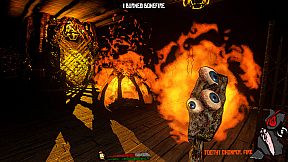
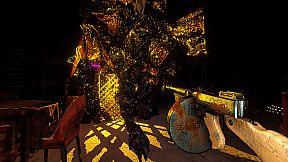
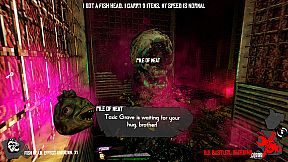
The core loop revolves around descending deeper into procedurally generated levels filled with hazards and odd encounters. Combat takes the form of an FPS where weapons appear at random and often serve dual purposes as both tools for defense and items that can be consumed for effects. Movement and interaction focus on scavenging what the environment provides, including walls that watch and objects that react unexpectedly. Resource management plays a key role, as players decide whether to use found items for attacks, throw them at threats, or eat them to gain temporary advantages or sustain themselves during longer runs.
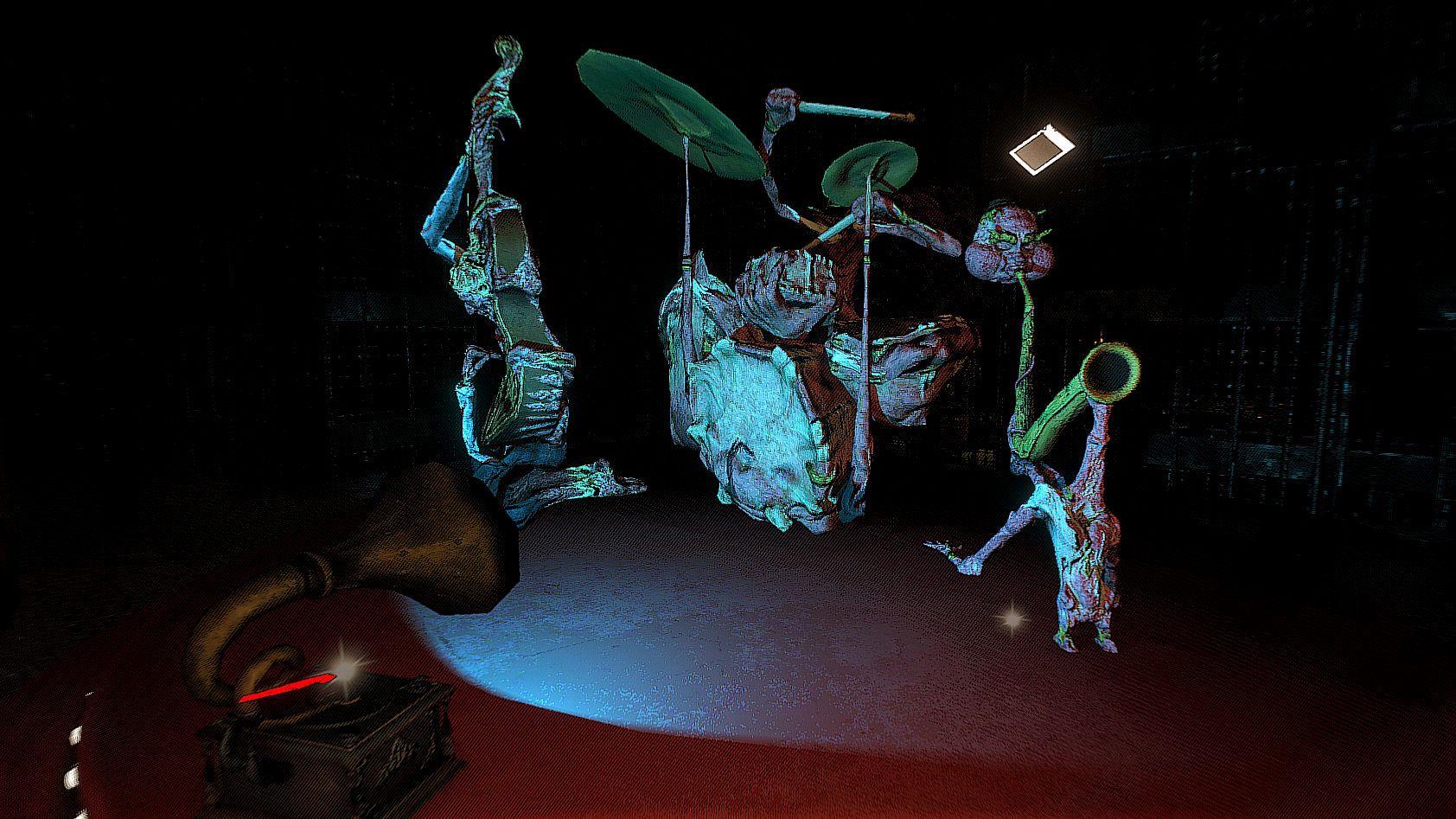
Horror elements mix with humor through encounters that include talking objects and absurd situations, creating tension that shifts into uneasy laughter. Stealth options exist alongside direct confrontation, though the emphasis remains on adapting to each run's unique layout and item spawns. The roguelike structure means each attempt starts fresh with new configurations, encouraging experimentation with different approaches to survival and progression.
Game Modes
Golden Light operates primarily through its single-player roguelike framework, where each session involves pushing further into the Gut's depths until death resets the run with fresh procedural elements. No separate competitive or cooperative modes appear in the design, keeping the focus on solitary navigation and survival against the environment's hostile features. The inverted prop hunt concept integrates directly into this structure, turning everyday objects into active pursuers rather than passive hiding spots.
Procedural spooks and randomized weapons ensure variety across attempts, while the core descent mechanic ties everything together into repeated cycles of exploration, combat, and resource decisions. This setup suits players who enjoy replaying a single evolving challenge rather than switching between distinct playlists or team-based scenarios.
Unique Features
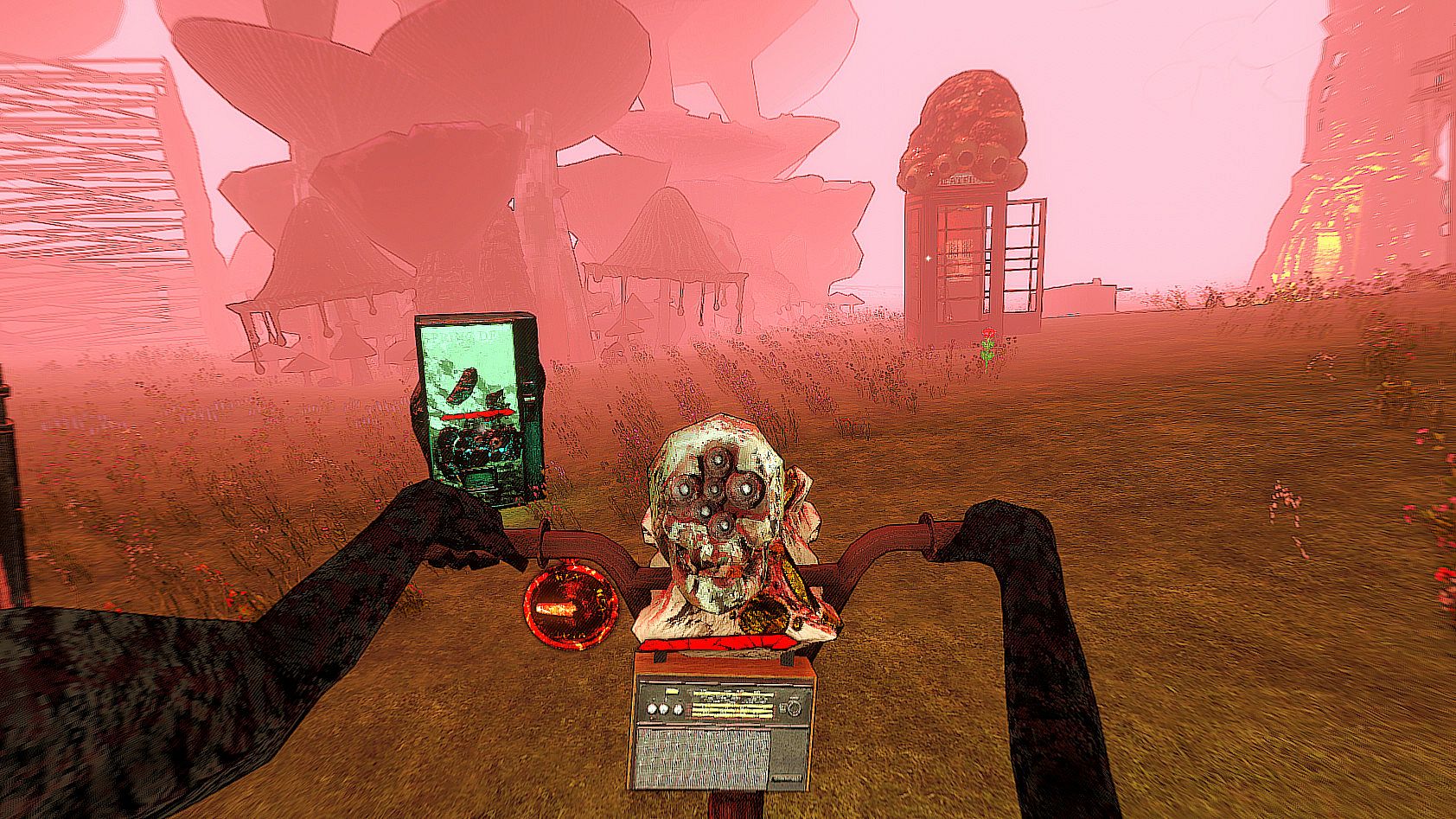
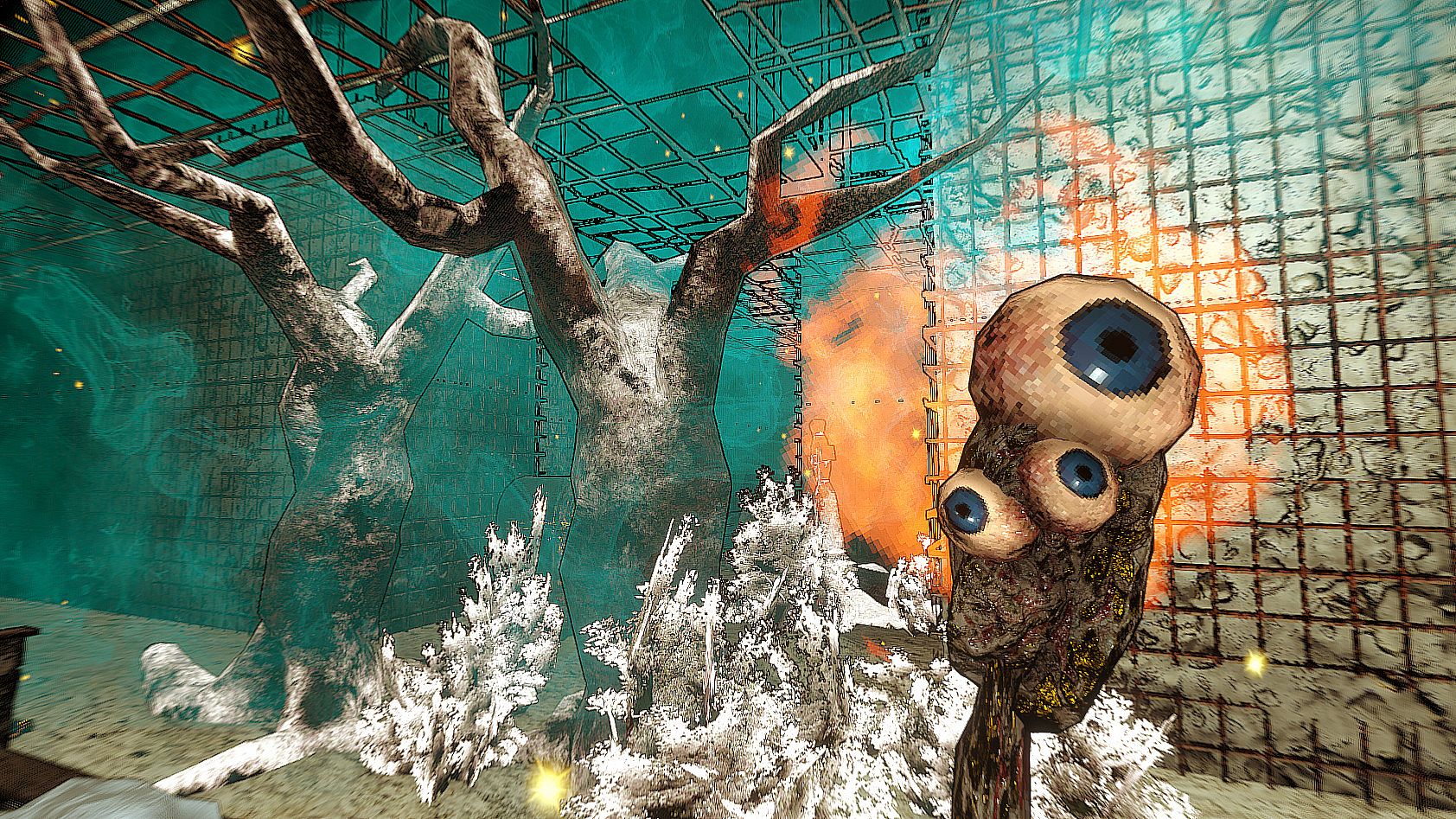
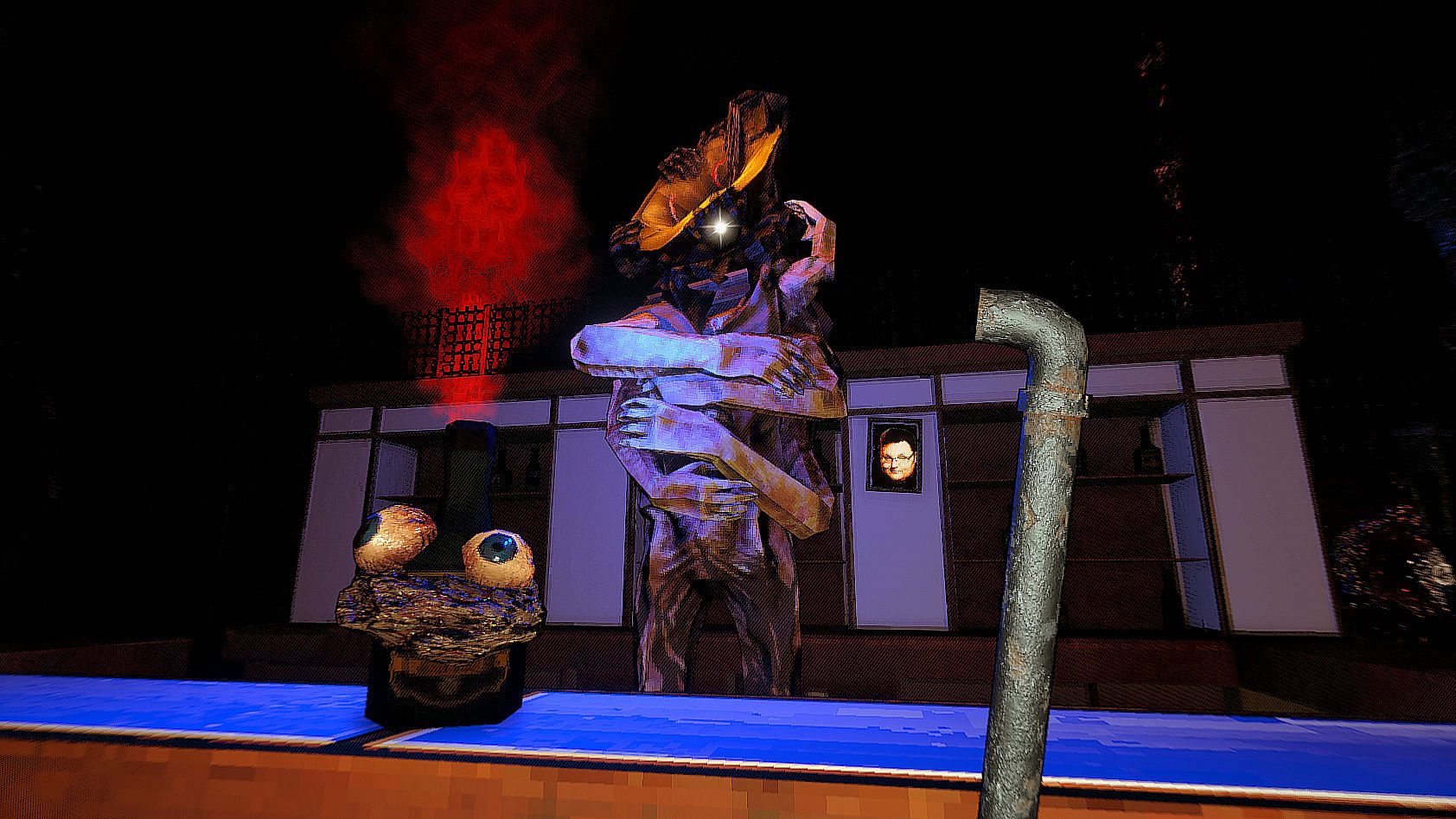
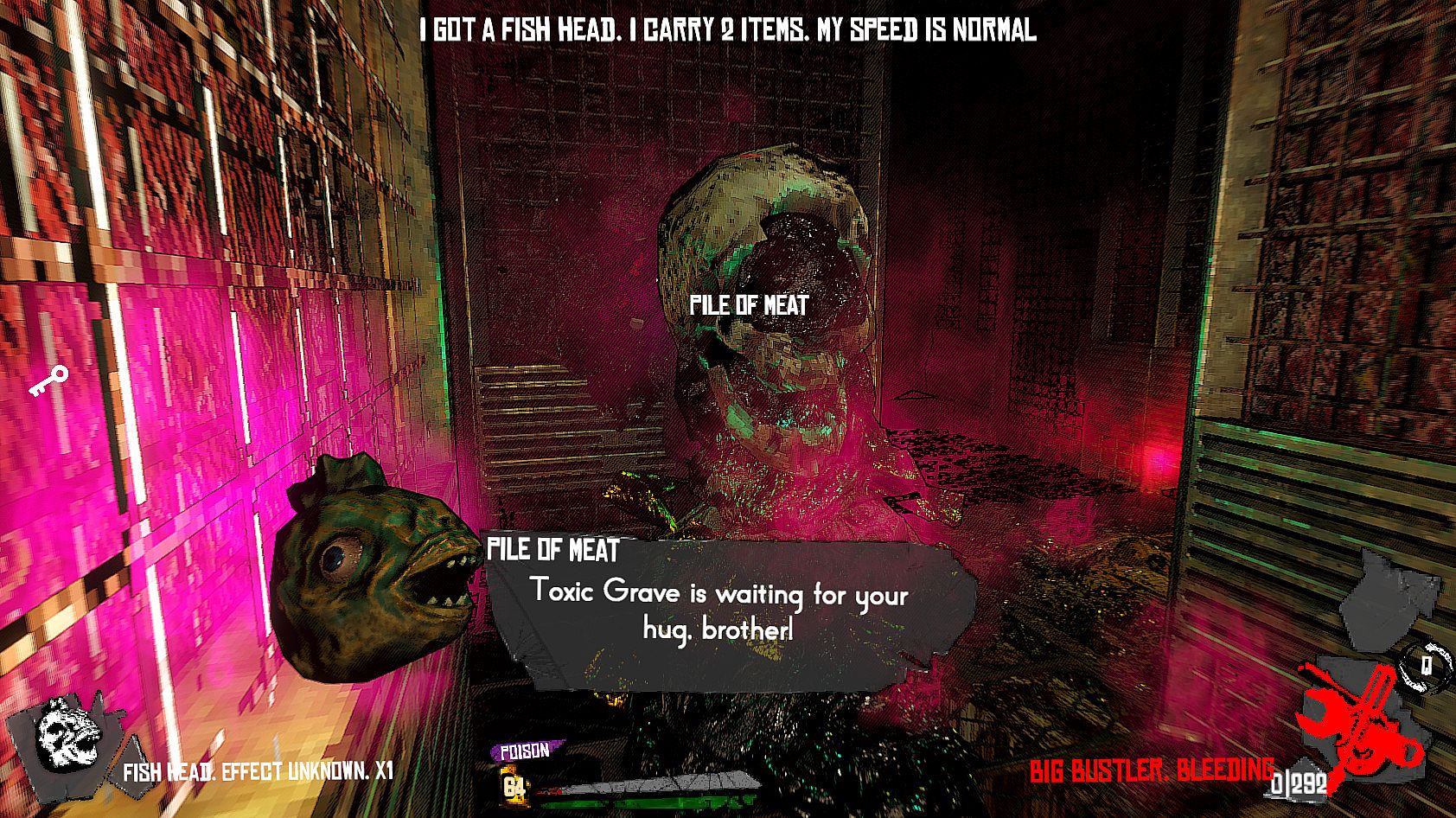
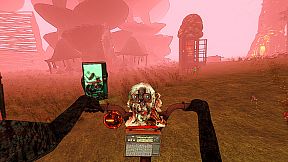
Several standout mechanics define the game's identity beyond standard horror tropes. Edible and throwable items range from bat heads and corrupted fetuses to fish heads, fat lips, and meat apples, each offering different interactions that tie into the meat-themed world. Environmental oddities include a talking bicycle and a talking figure in the toilet, which add layers of surreal dialogue and distraction during tense moments.
Randomized weapons encourage creative use, as many double as consumables that alter player capabilities mid-run. The procedural generation extends to level layouts, enemy placements, and atmospheric details, making every descent feel distinct while maintaining the eerie, fleshy aesthetic of the Gut. These elements combine to reward curiosity and quick thinking over rigid strategies.
Is It Worth Playing?
Golden Light holds a Very Positive rating from nearly two thousand user reviews, reflecting appreciation for its unconventional mix of horror, humor, and roguelike replayability. The game received updates as recently as early 2025 that introduced new weapons, enemies, a mushroom village area, and cutscene improvements, showing ongoing support for the title years after its full release.
This experience appeals most to players who seek weird, atmospheric single-player horror with procedural variety and a willingness to embrace absurdity. Those drawn to roguelikes that prioritize atmosphere and resource improvisation over polished gunplay will find the most satisfaction here. The low current player counts outside promotional periods suggest it works best as a focused solo dive rather than a bustling online community game. Recent free promotions have helped introduce new players to its distinctive style, confirming its niche appeal remains strong for the right audience.