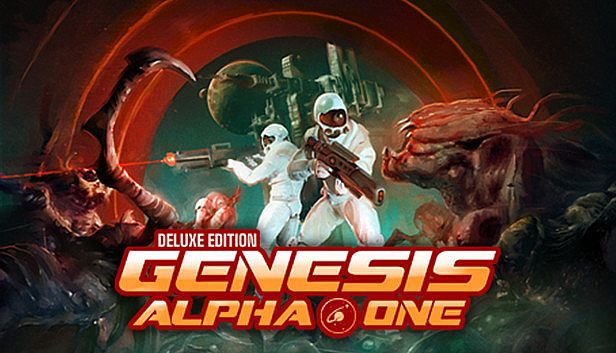























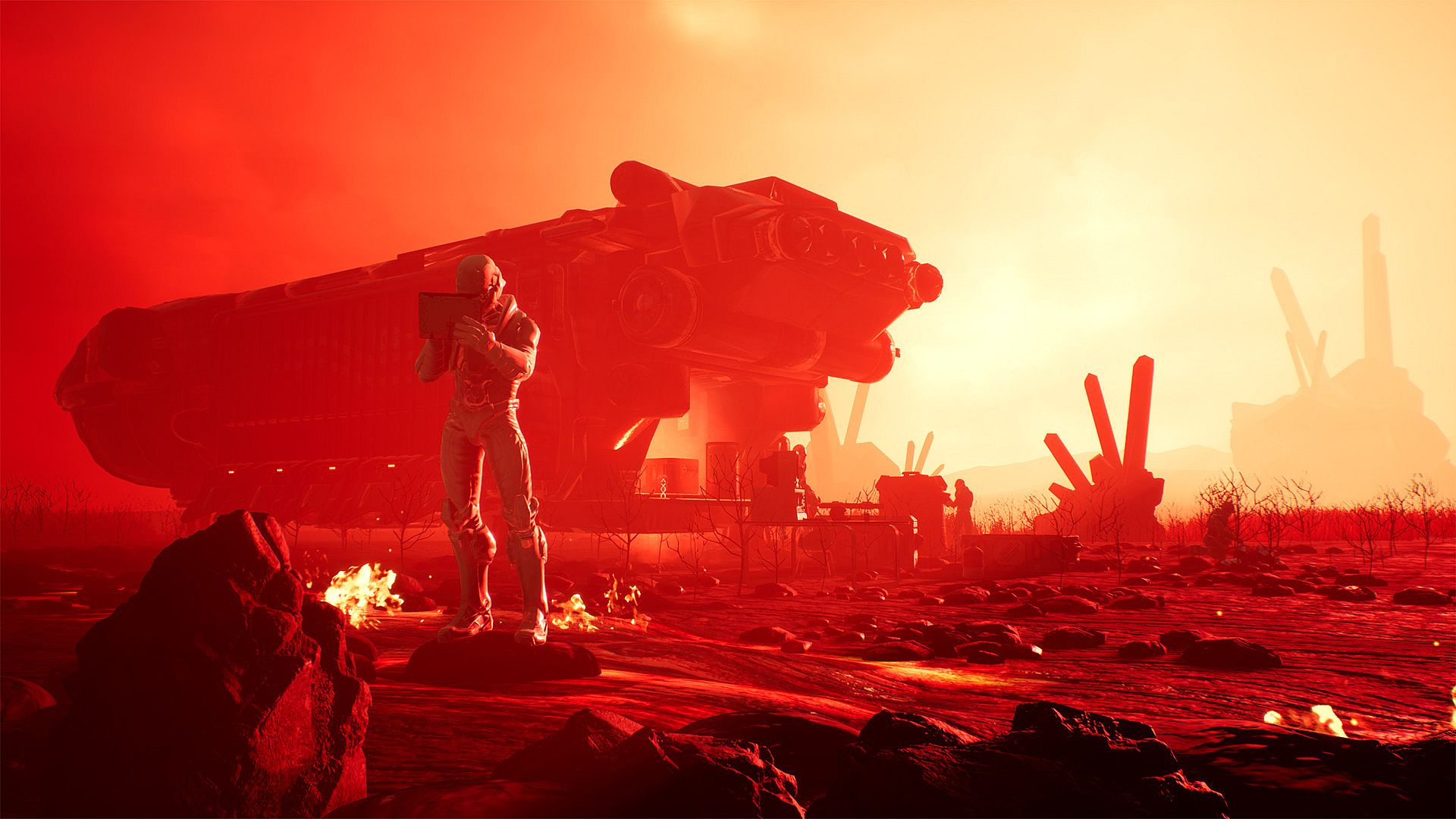
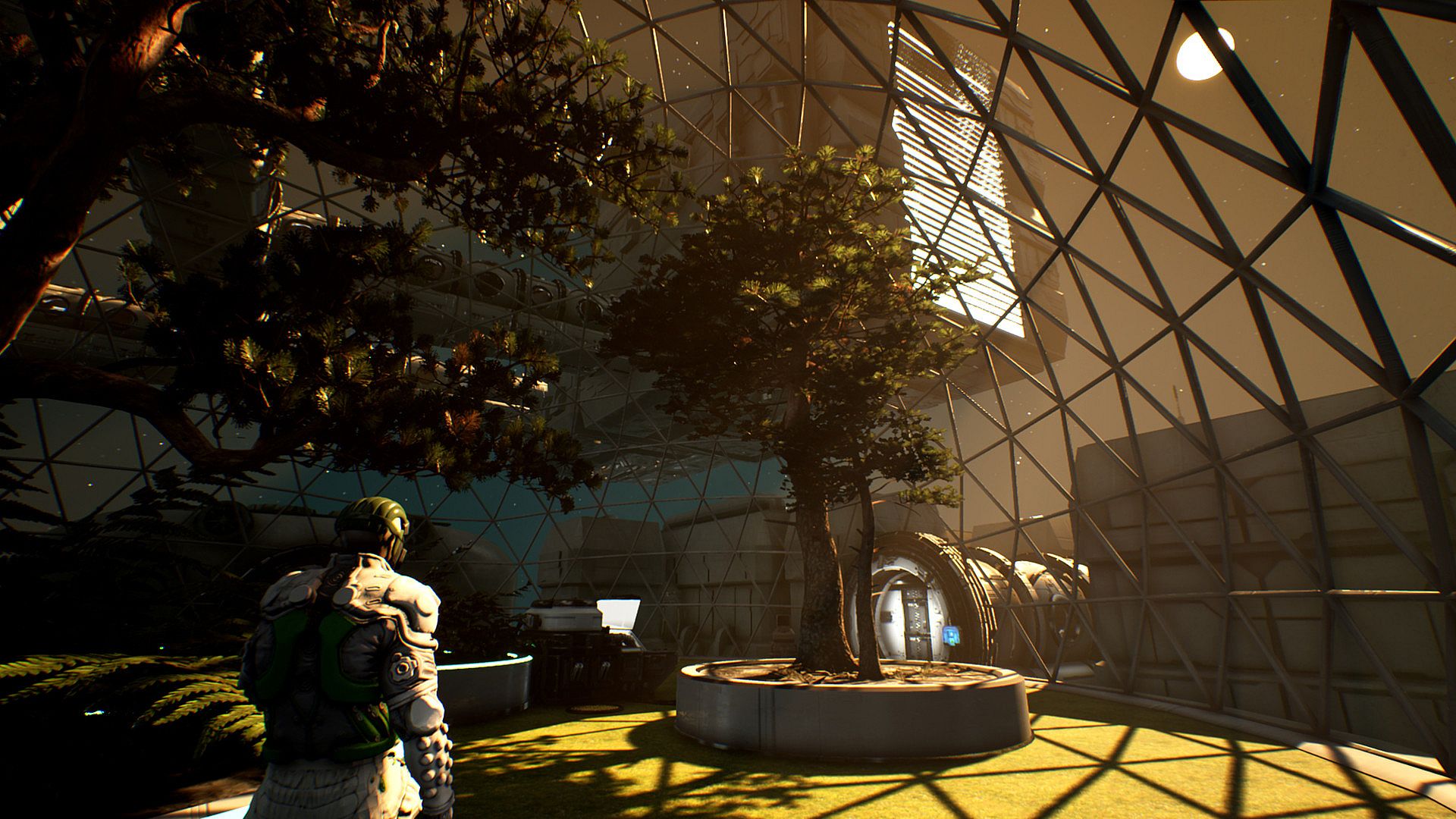
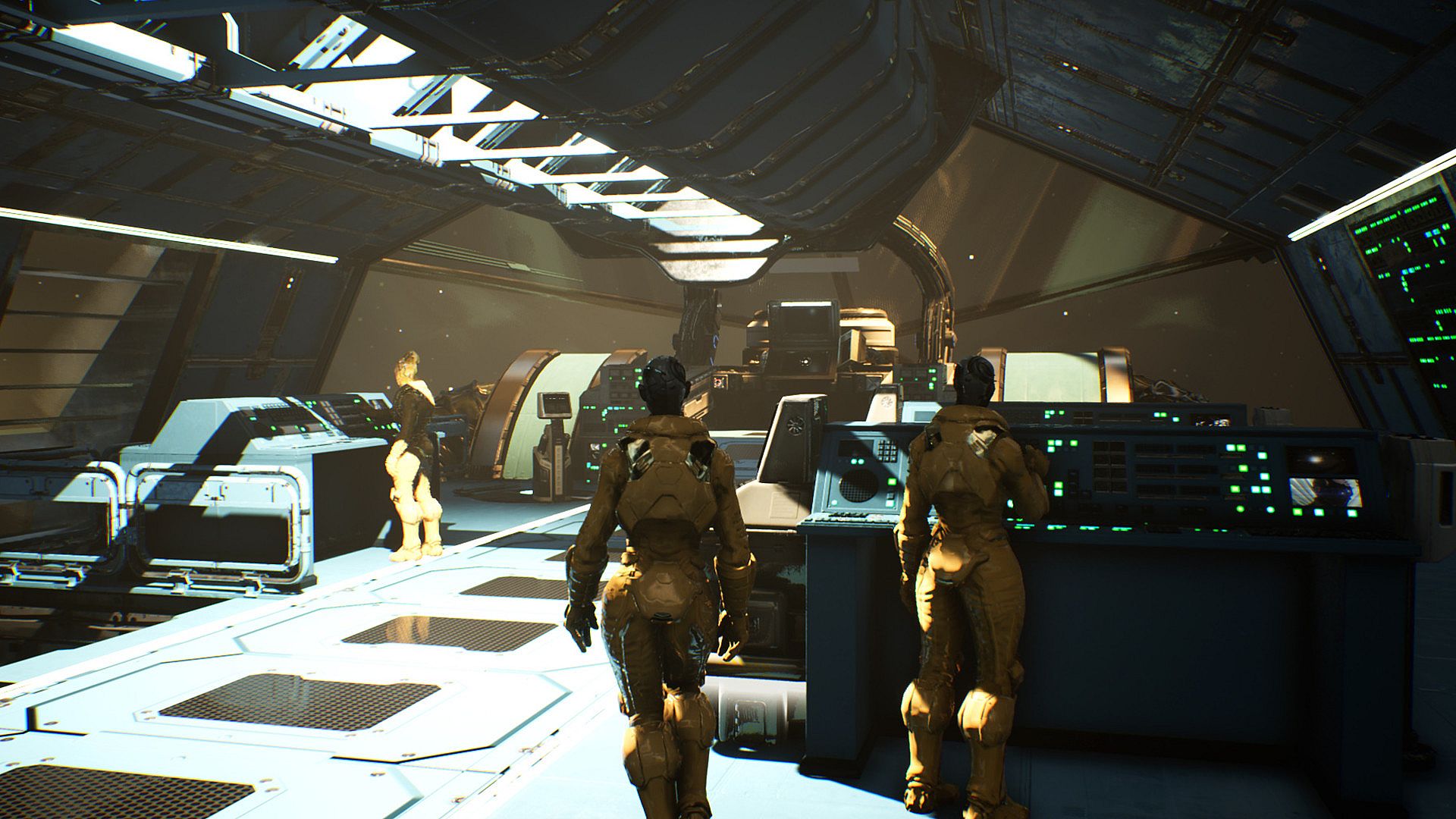
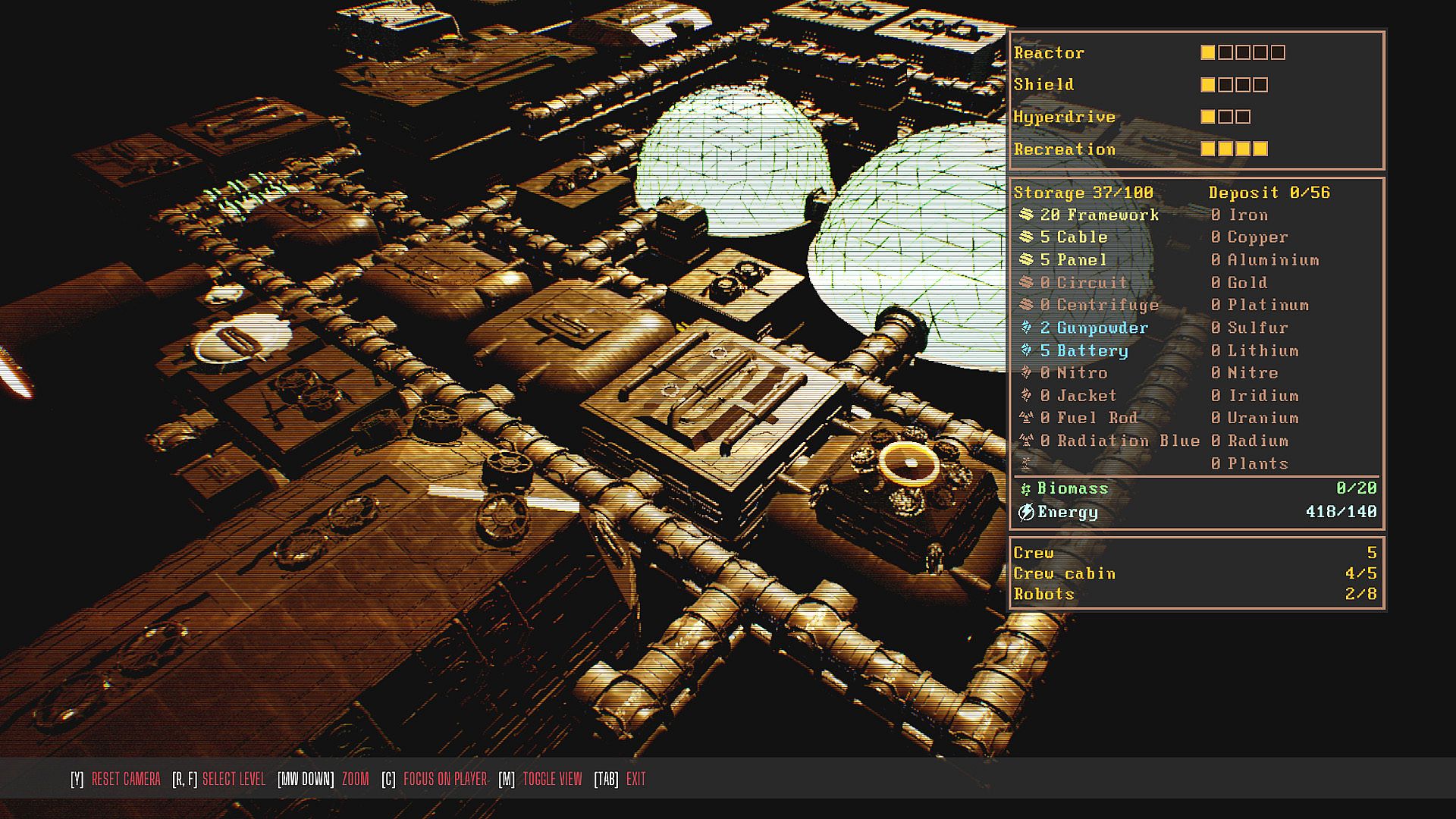
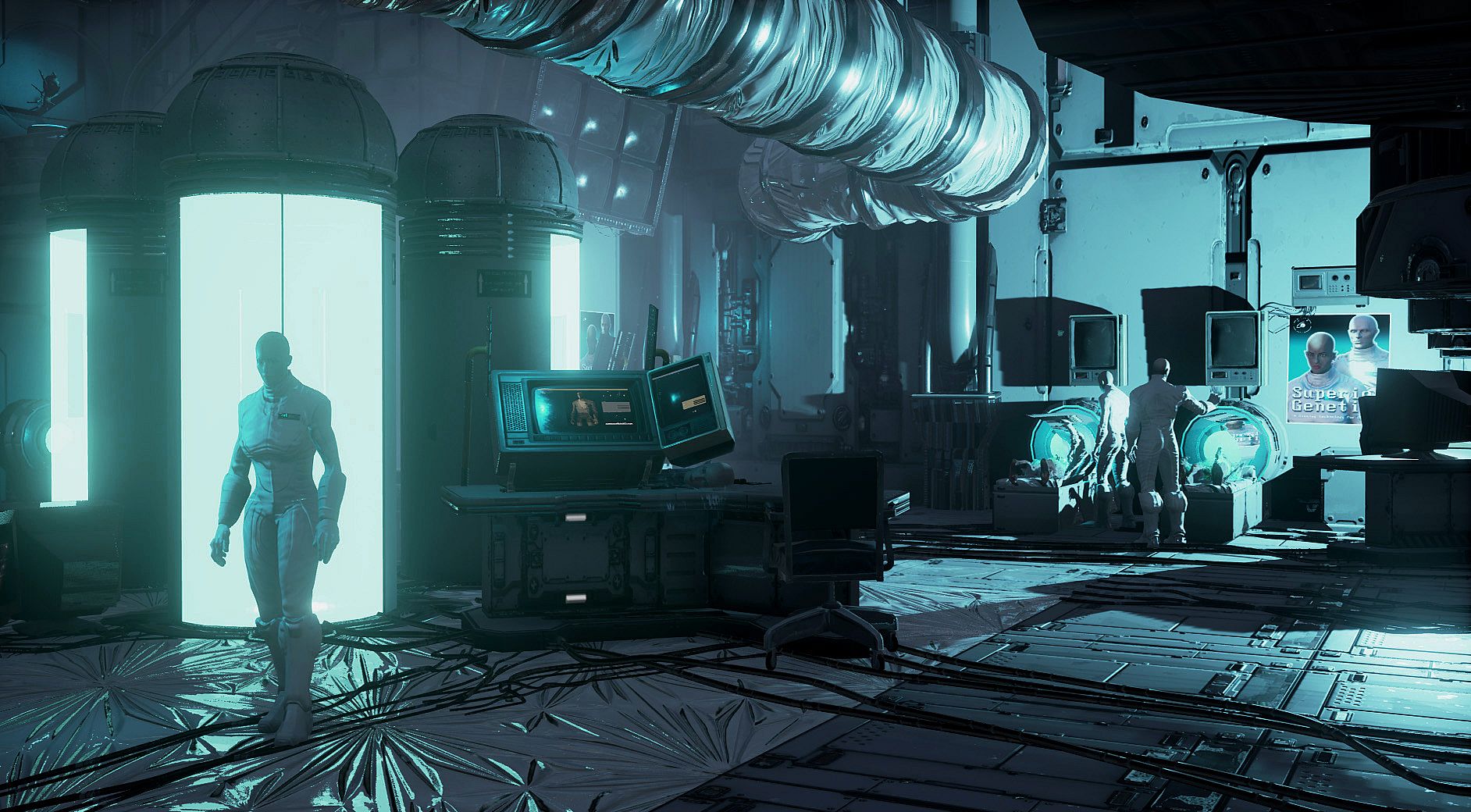
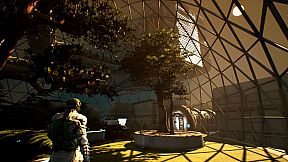
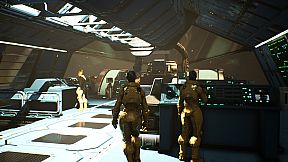
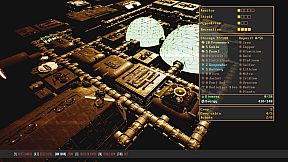
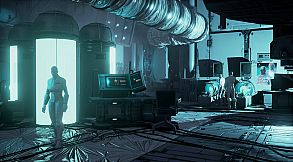
Genesis Alpha One is a single-player roguelike that blends action, simulation, RPG, and adventure elements on PC. Players take command of a starship in a post-apocalyptic setting where corporations launch the Genesis program to preserve humanity amid wars and environmental collapse. The core experience centers on constructing and operating an interstellar vessel while navigating a procedurally generated universe filled with hazards and opportunities.
Gameplay
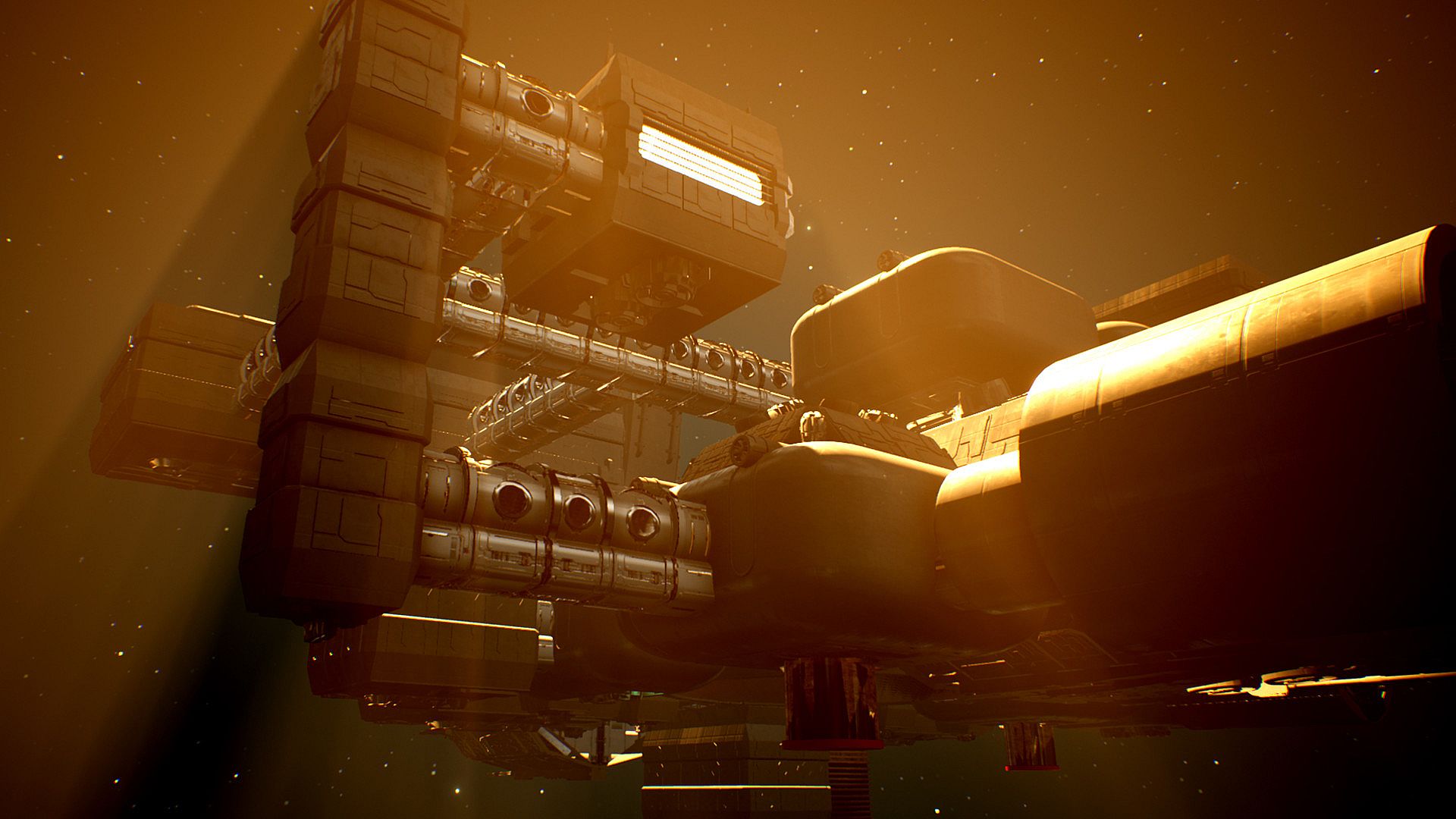
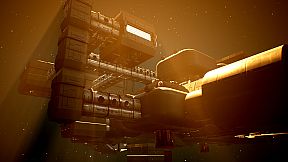
The gameplay loop revolves around ship construction, resource gathering, crew management, and direct confrontation with threats. Starting with a basic hull, captains assemble modules such as crew quarters, workshops, hangars, clone labs, and greenhouses using an intuitive snap-together system. These additions support expansion, production, and defense as the vessel grows across multiple floors.
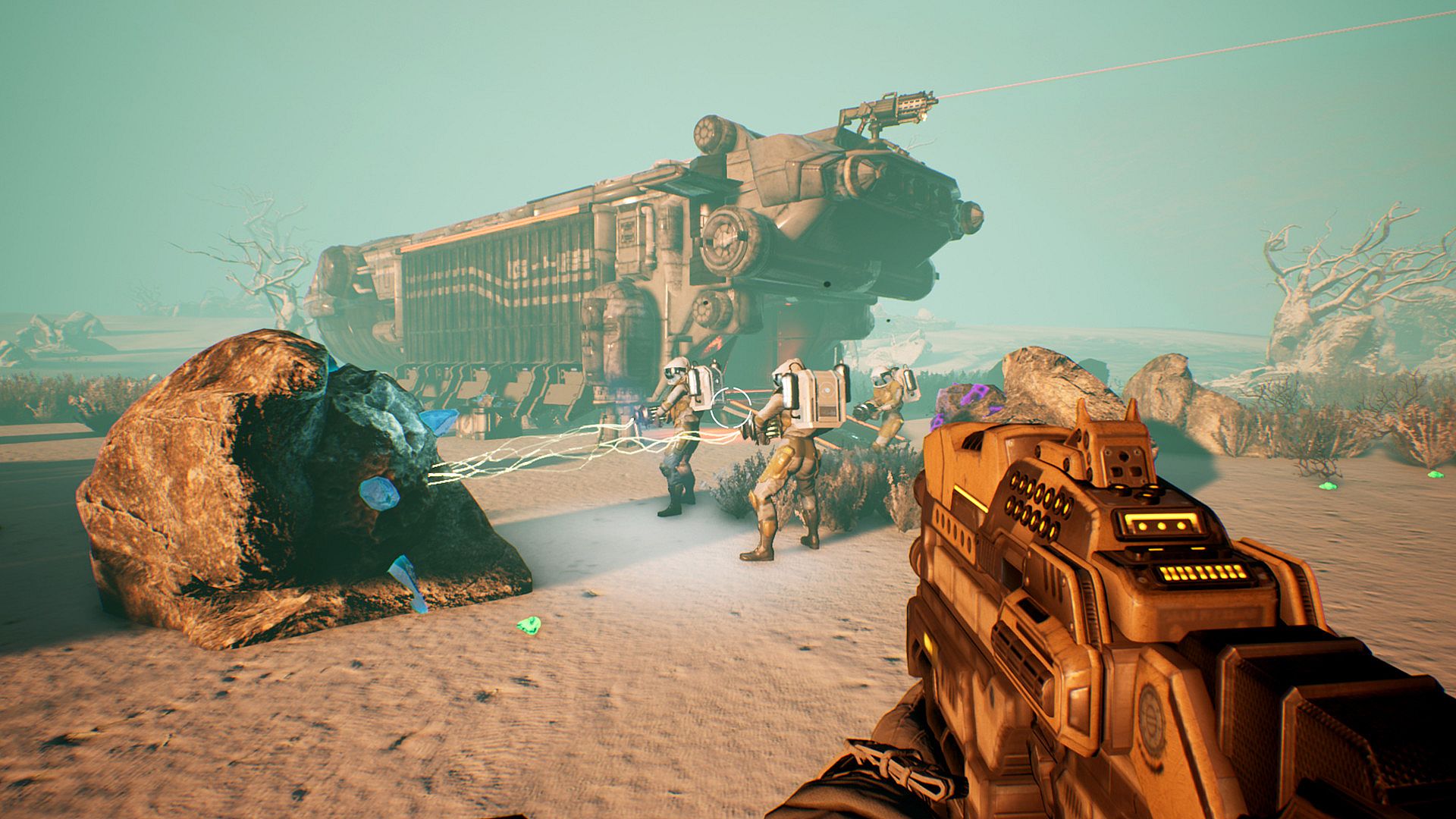
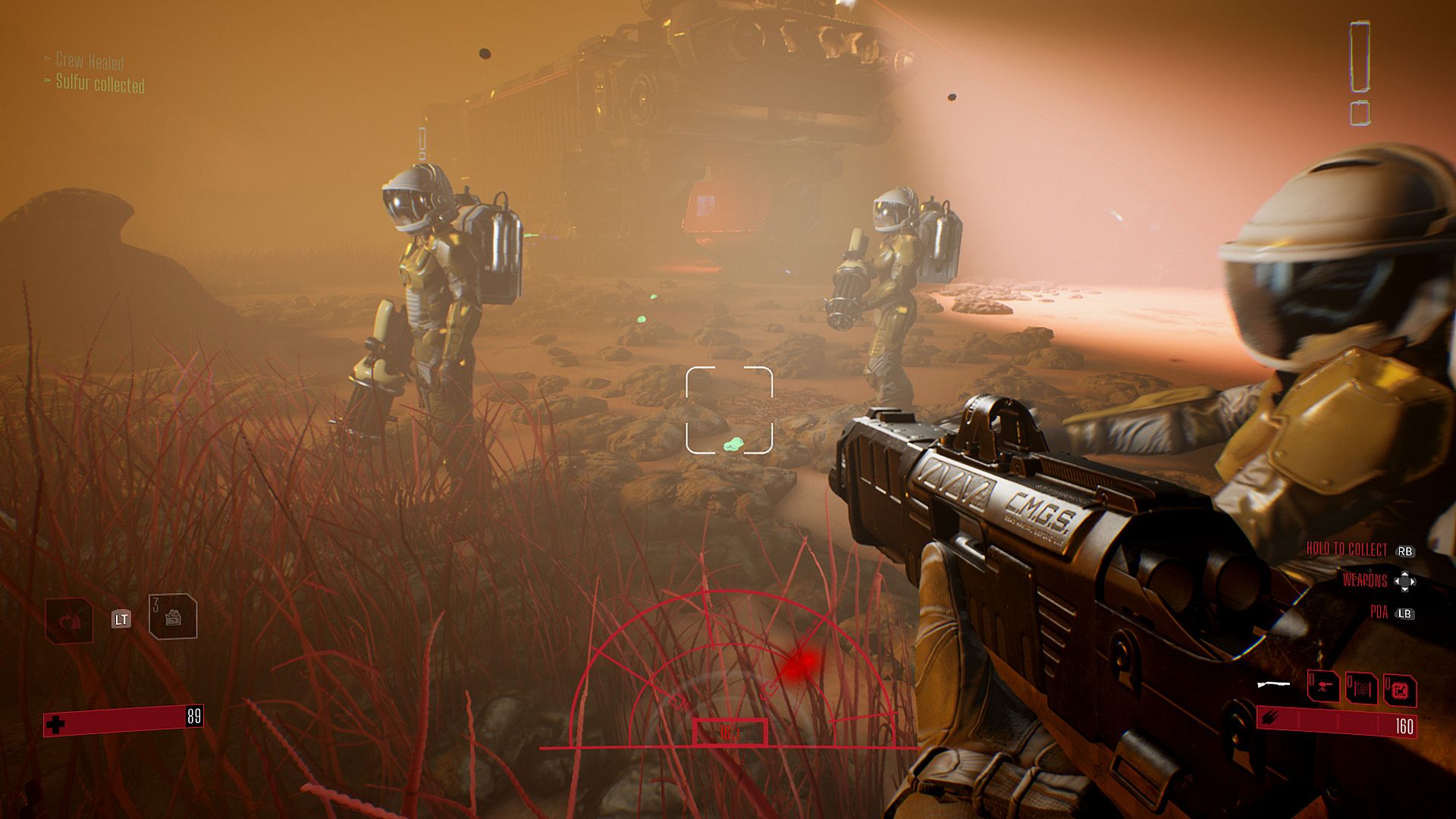
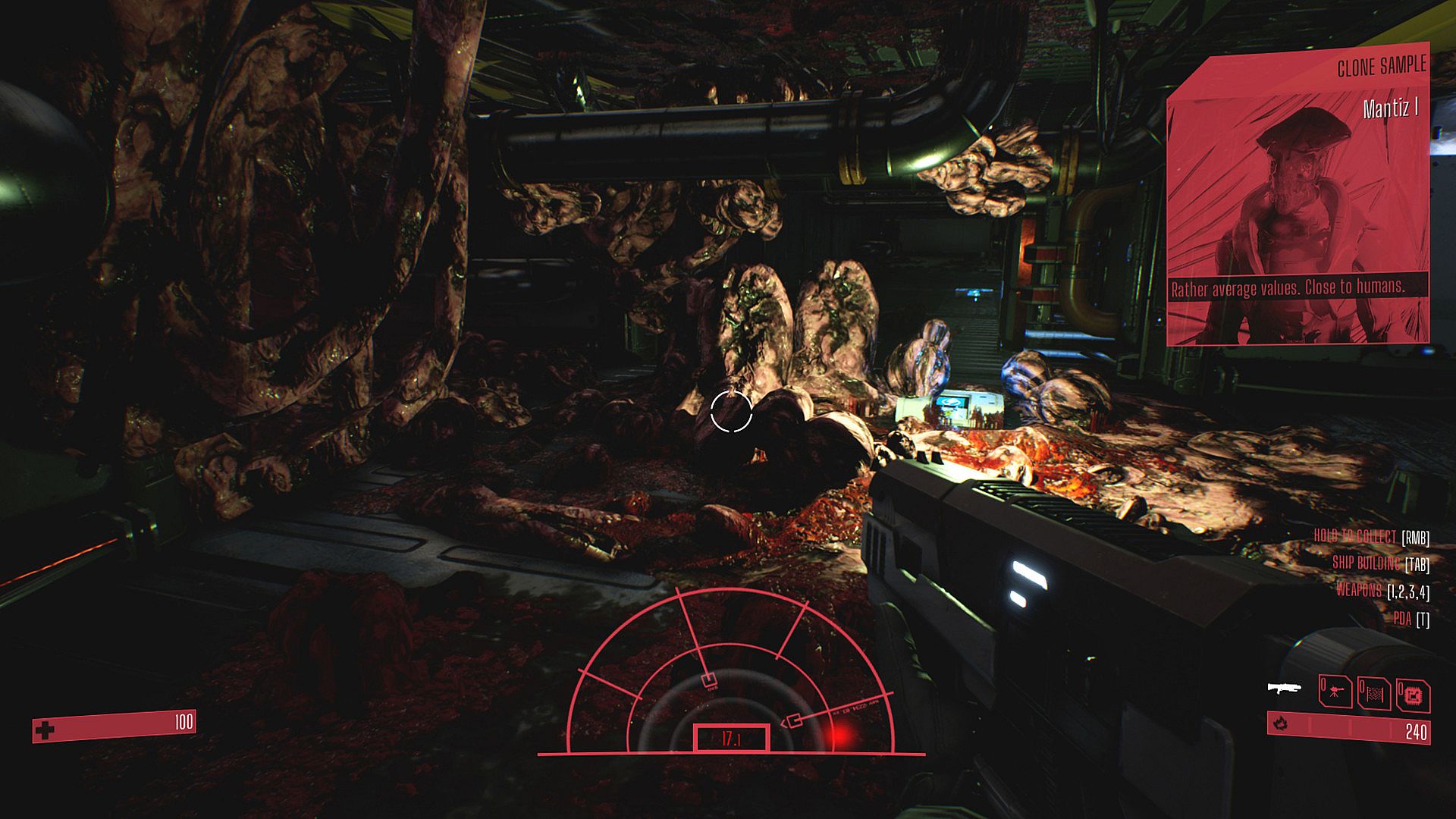
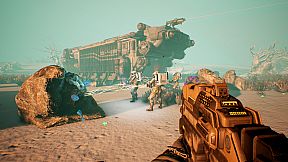
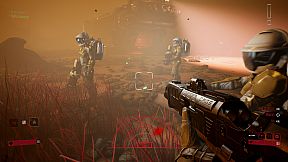
Exploration takes place in first-person view once the ship is built. Crew members expand through cloning technology, and DNA samples collected from encountered aliens can be spliced into new lifeforms to grant enhanced abilities. Planets offer raw materials including copper and uranium, along with plants for sustenance and occasional alien artifacts or data from prior expeditions.
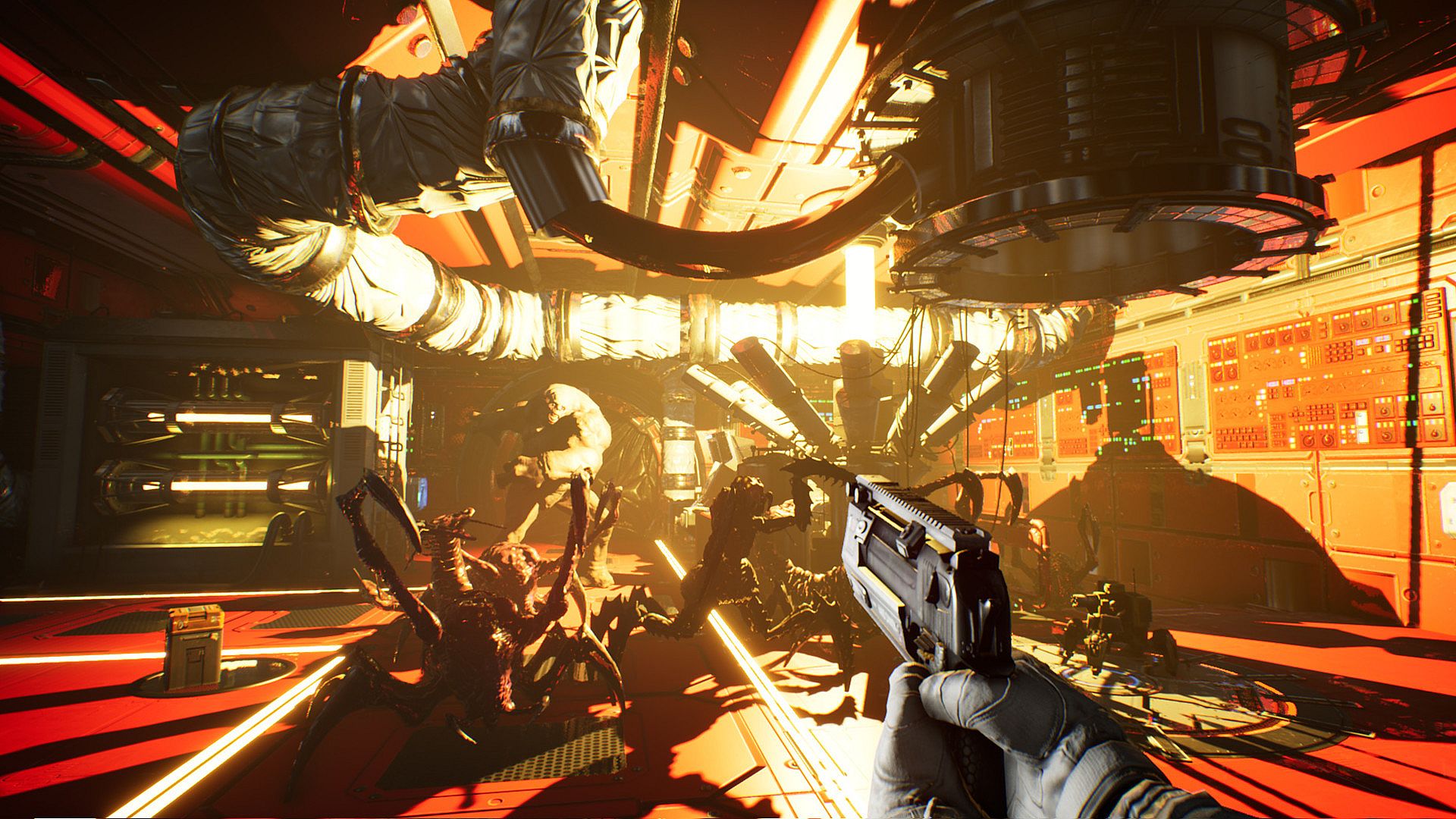
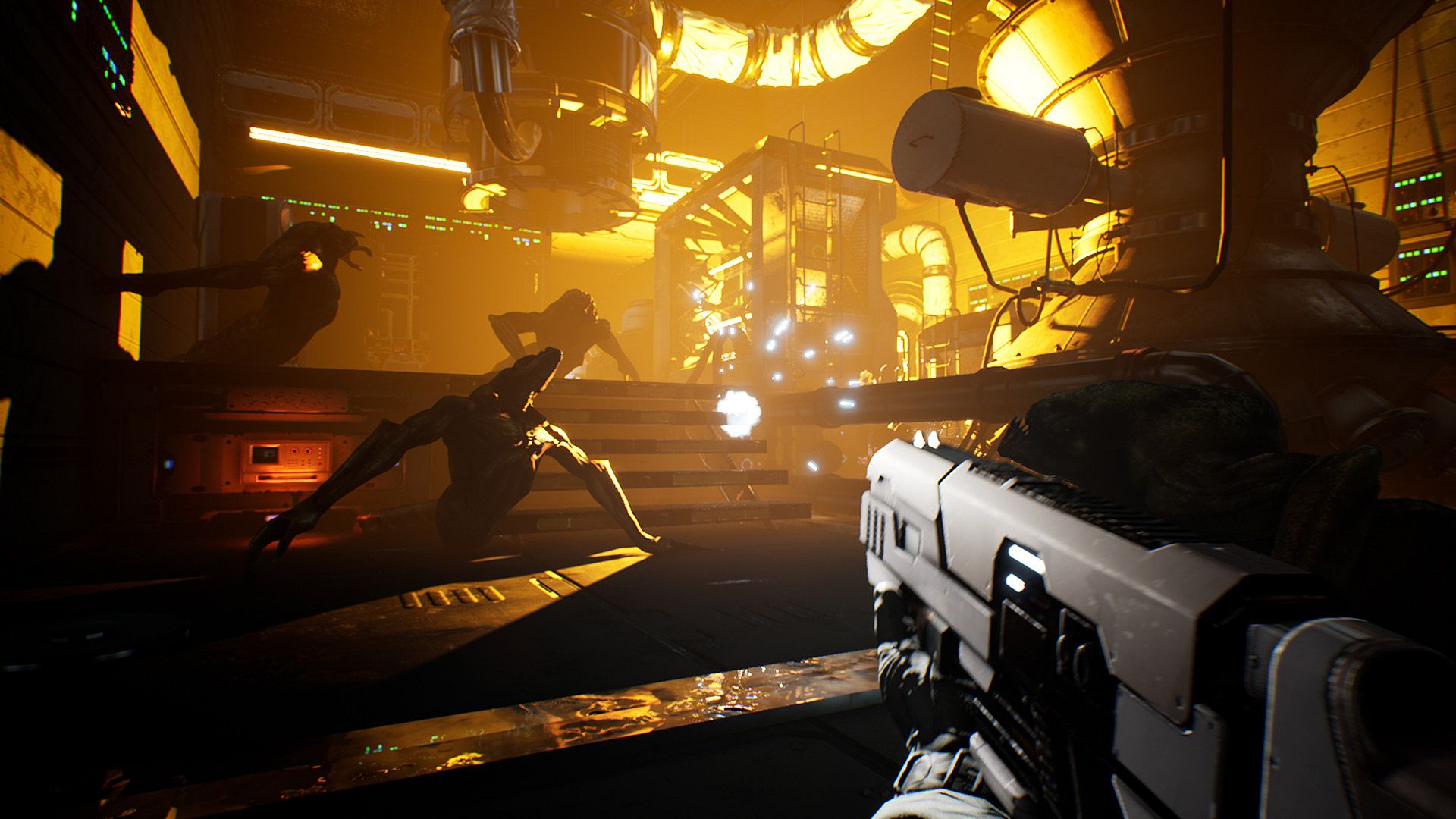
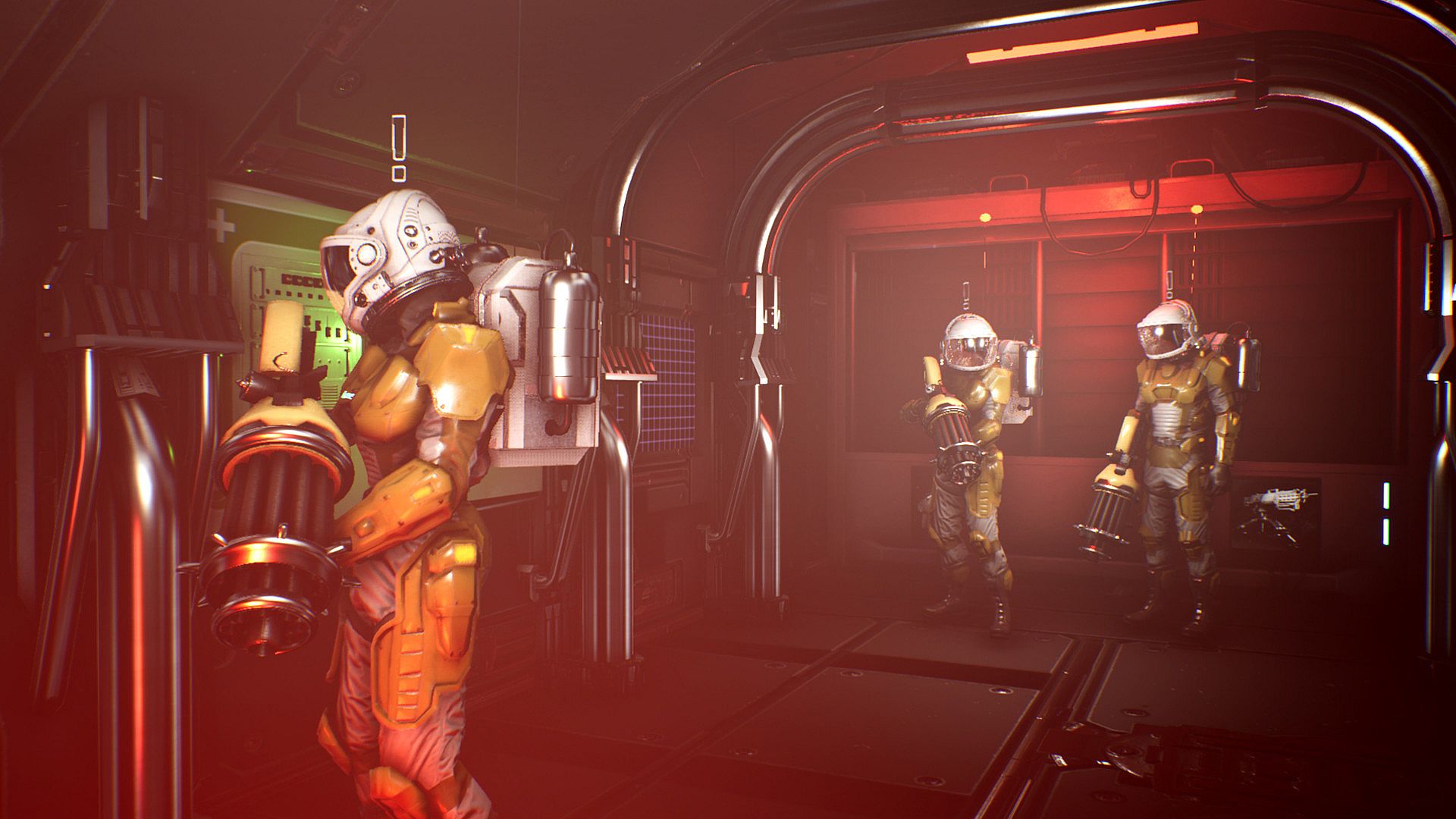
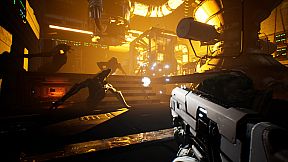
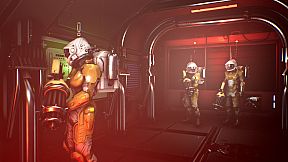
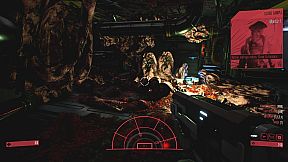
Alien infestations pose a constant risk, spreading through the ship and requiring rapid response with researched weapons, defensive systems, disease treatments, and deployable warbots. Encounters with space pirates known as the Mechanics and Framen add another layer, as these factions board vessels to eliminate the crew and seize control.
Game Modes
Three difficulty settings allow players to adjust the challenge level from the outset. A Custom Game Mode provides further flexibility for tailoring parameters to individual preferences. Each run unfolds in a unique, randomized galaxy where asteroid fields, new planets, and pirate ambushes appear differently every time.
Progression carries forward across attempts through collected artifacts and unlocked corporations that alter starting resources and equipment. This structure supports repeated playthroughs without resetting all advancements, though the loss of all clones ends the current mission permanently.
Building, Upgrading, and Resource Management
Module placement determines the ship's capabilities and vulnerabilities. Workshops enable research into new technologies, while greenhouses and clone labs sustain and grow the population. Resource runs to dangerous planets become essential for scaling operations, and careful layout planning helps contain infestations or repel boarders effectively.
Upgrades improve module efficiency and unlock advanced options, encouraging experimentation with different configurations. The first-person perspective lets captains inspect and navigate their creations directly, revealing how spatial decisions affect daily operations and combat readiness.
Is It Worth Playing?
Reception has been mixed since the game's 2019 release, with praise for its atmospheric tension, interconnected systems, and high replay value through randomization and persistent unlocks. Critics and players often highlight the blend of ship-building strategy and first-person action as distinctive, though some note limitations in crew AI and occasional technical or pacing issues.
The title suits those interested in roguelike survival with management depth and procedural exploration. It offers a focused single-player experience without multiplayer components. Availability on PC remains straightforward, and the core loop delivers consistent challenge for players who enjoy iterative runs and system experimentation. Those seeking polished production values or extensive post-launch content may find the experience less refined compared to more recent titles in the genre.