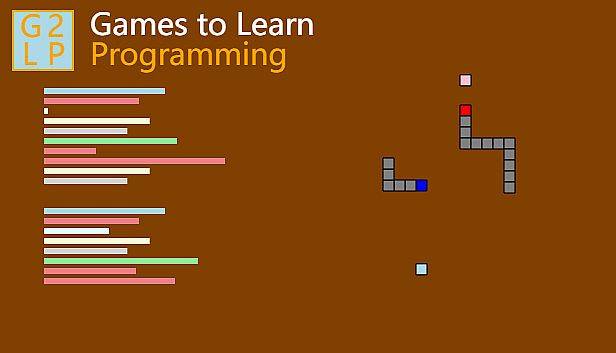



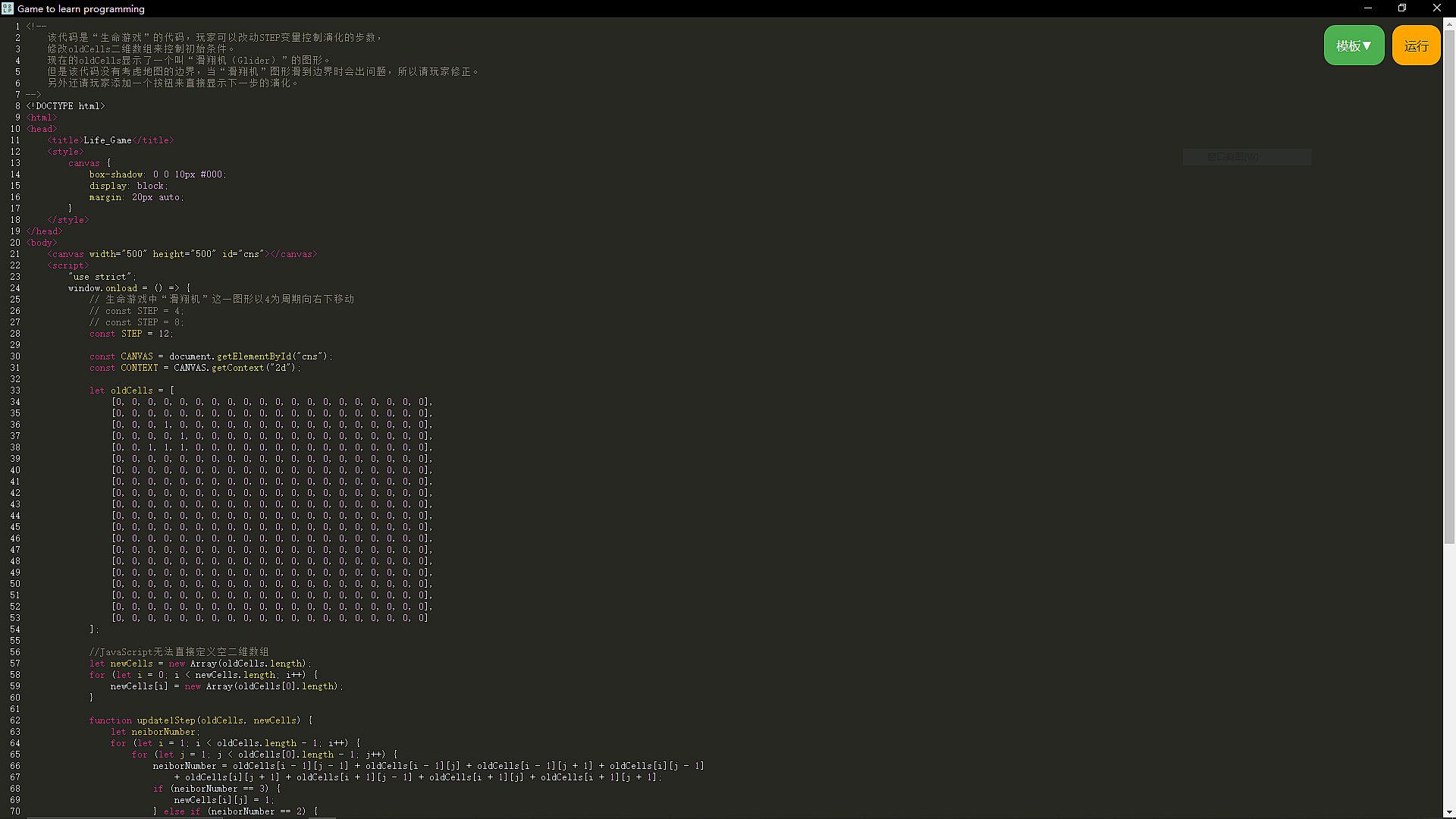
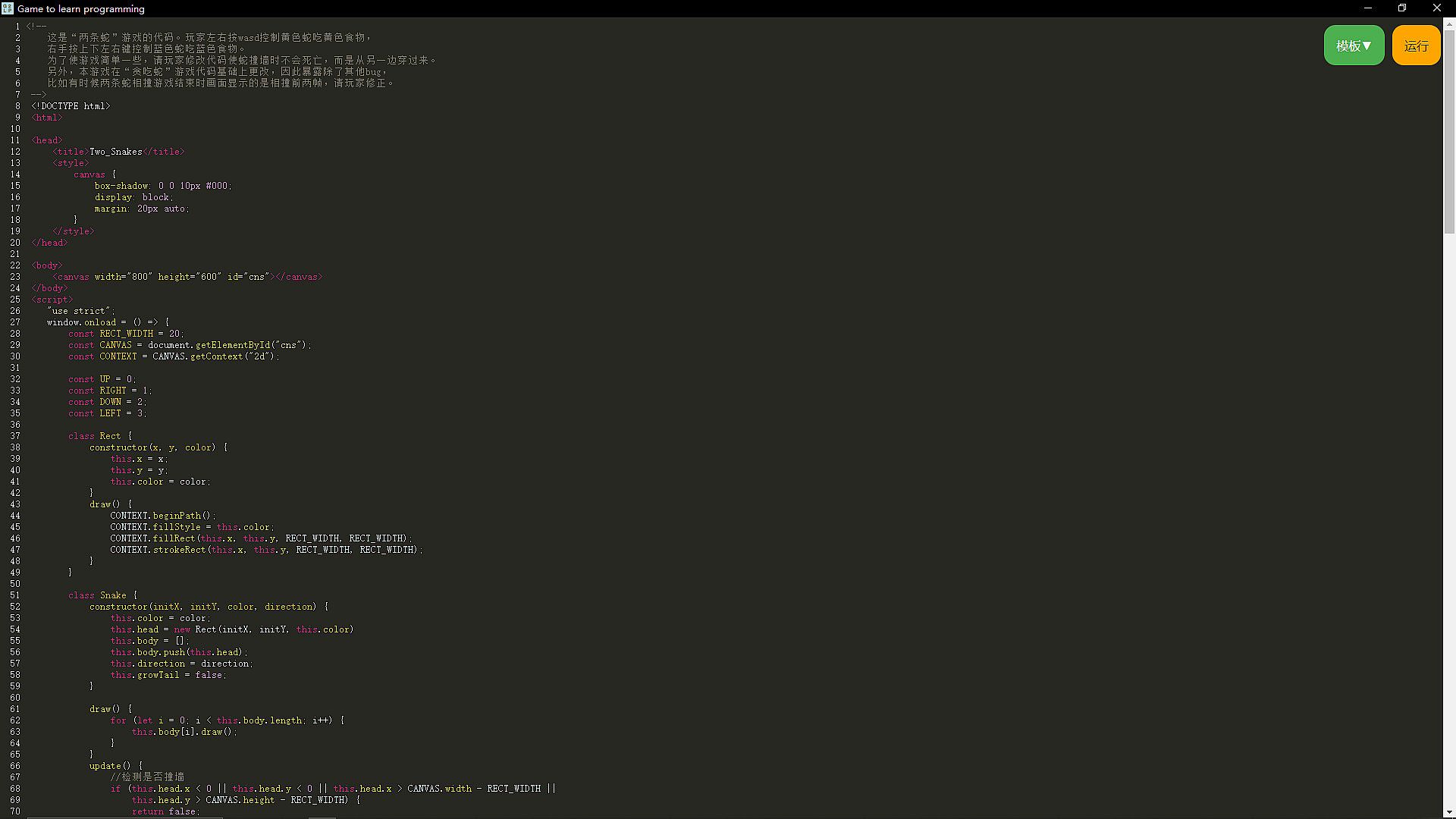
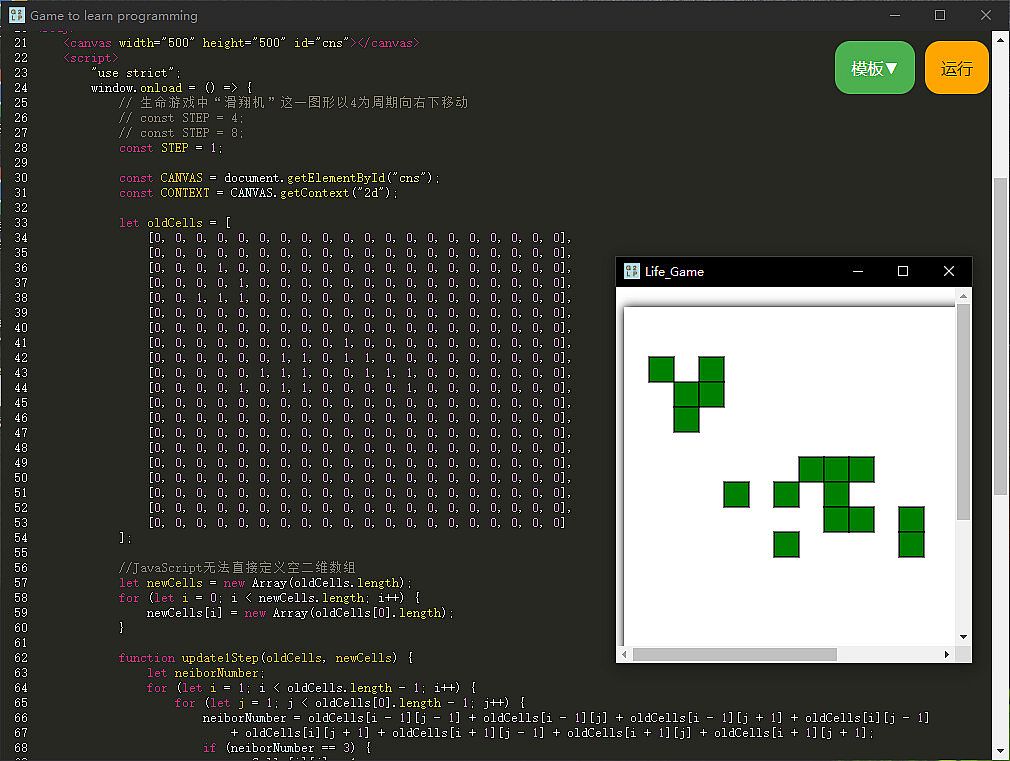
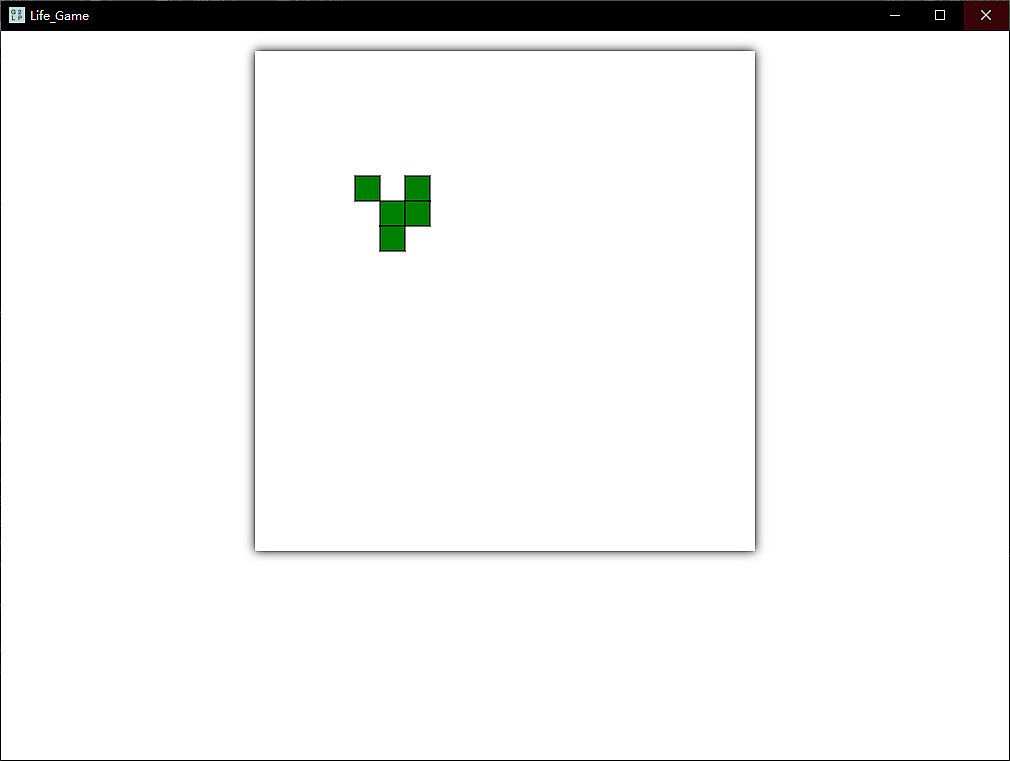
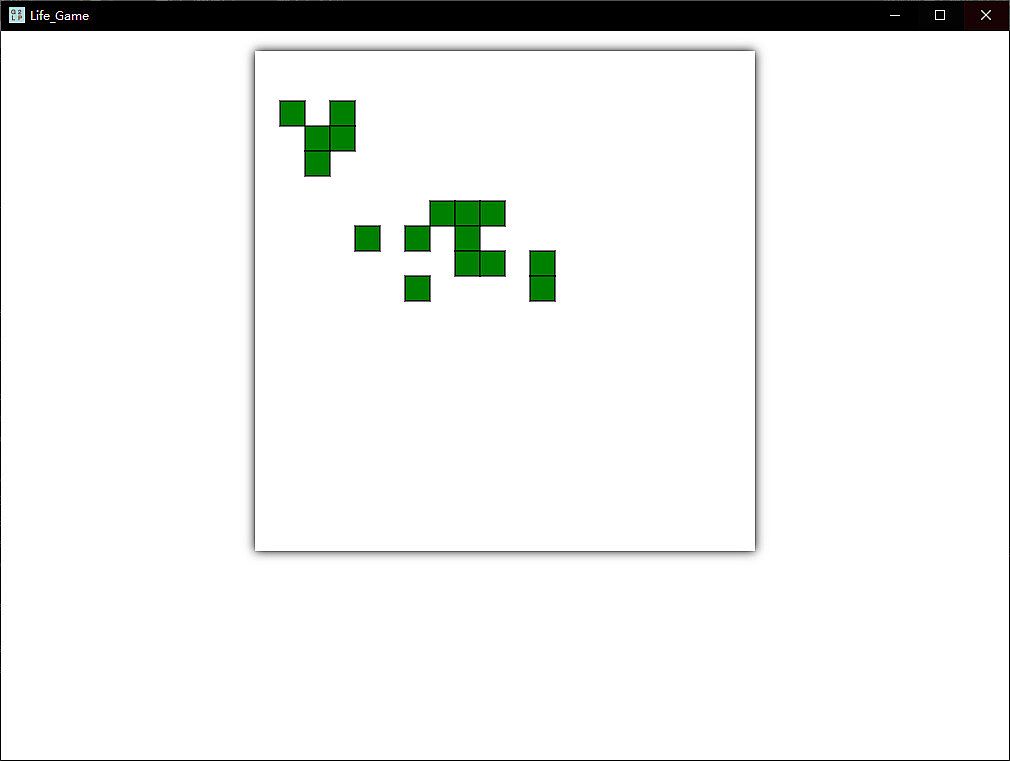
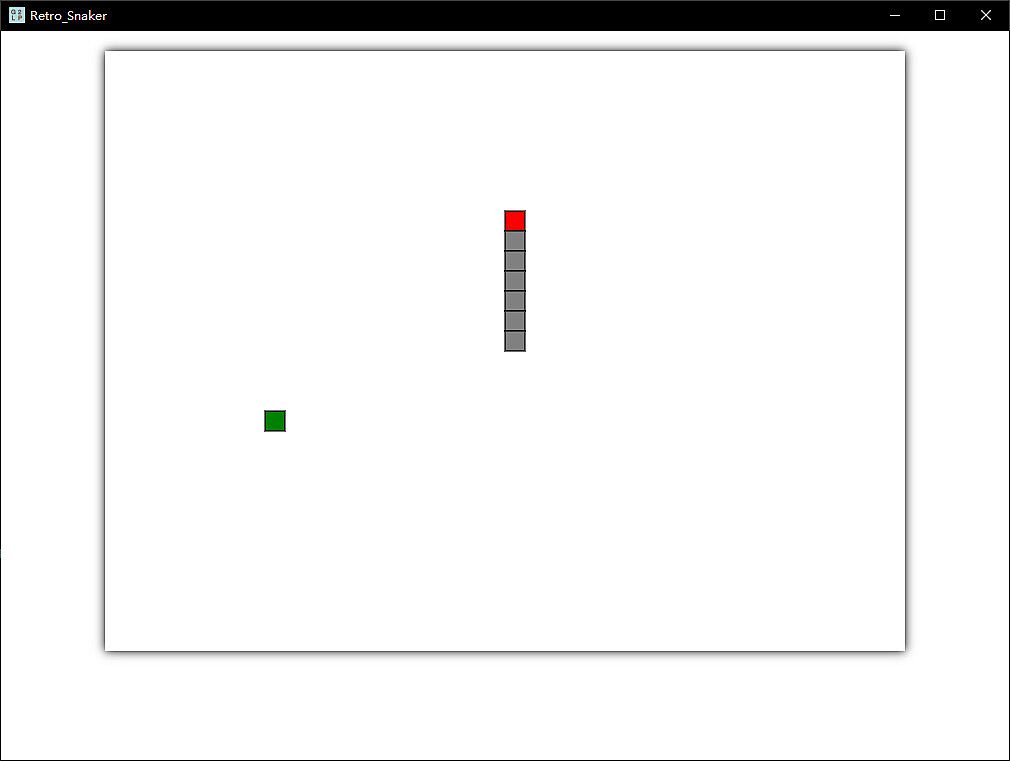

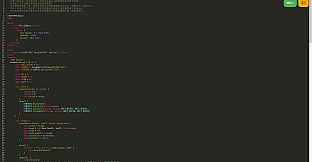
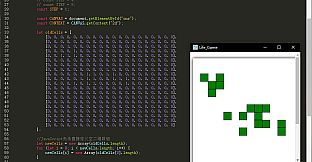

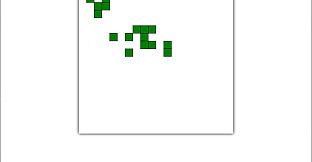

Games to Learn Programming is a strategy simulation game designed for PC players who want to pick up coding skills in an interactive way. This title turns the process of learning programming into a hands-on experience by guiding users through creating their own classic games from the ground up.
Gameplay
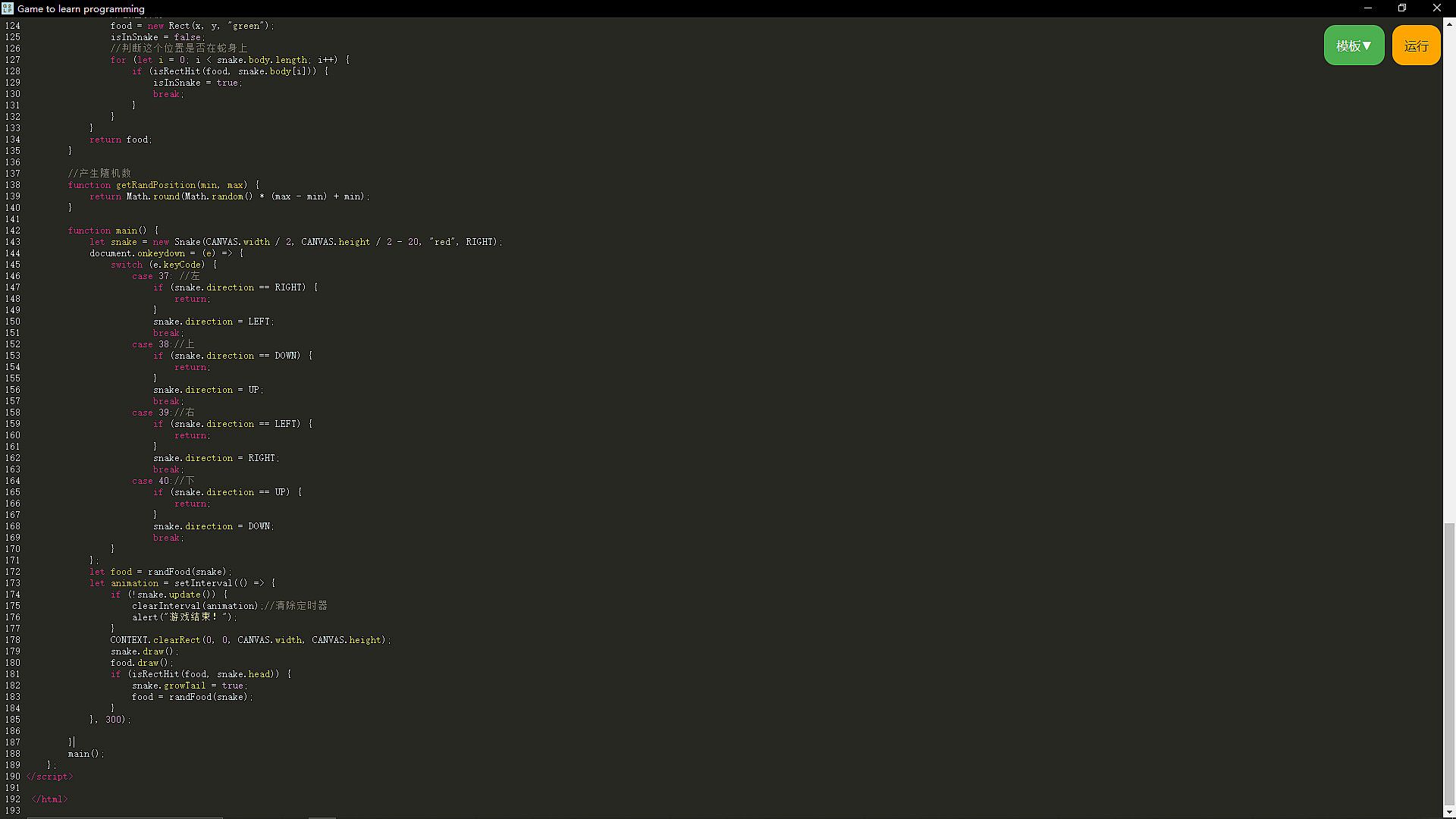
In this game, the core loop revolves around building and modifying code to create functional games. Players start with basic templates and follow step-by-step tips to understand programming concepts. The focus is on practical application, where you edit code to bring simple projects to life, gradually increasing in complexity.
Mechanics emphasize trial and error, with built-in hints that explain how changes in the code affect the game's behavior. For instance, you begin with straightforward recreations of well-known concepts, then move to variations that require more logic and control structures.
Game Modes
The game structures its content around progressive projects rather than traditional modes. You tackle individual challenges, each centered on developing a specific game, which serves as a module for learning different programming elements.
These projects include starting from scratch with classics and advancing to ones that involve multiple inputs or automated behaviors, encouraging experimentation within a guided framework.
Learning Features
Built-in code templates provide a foundation, allowing players to focus on key modifications without getting overwhelmed by setup. Tips appear as you progress, covering fundamentals like variables, loops, and conditionals through real examples.
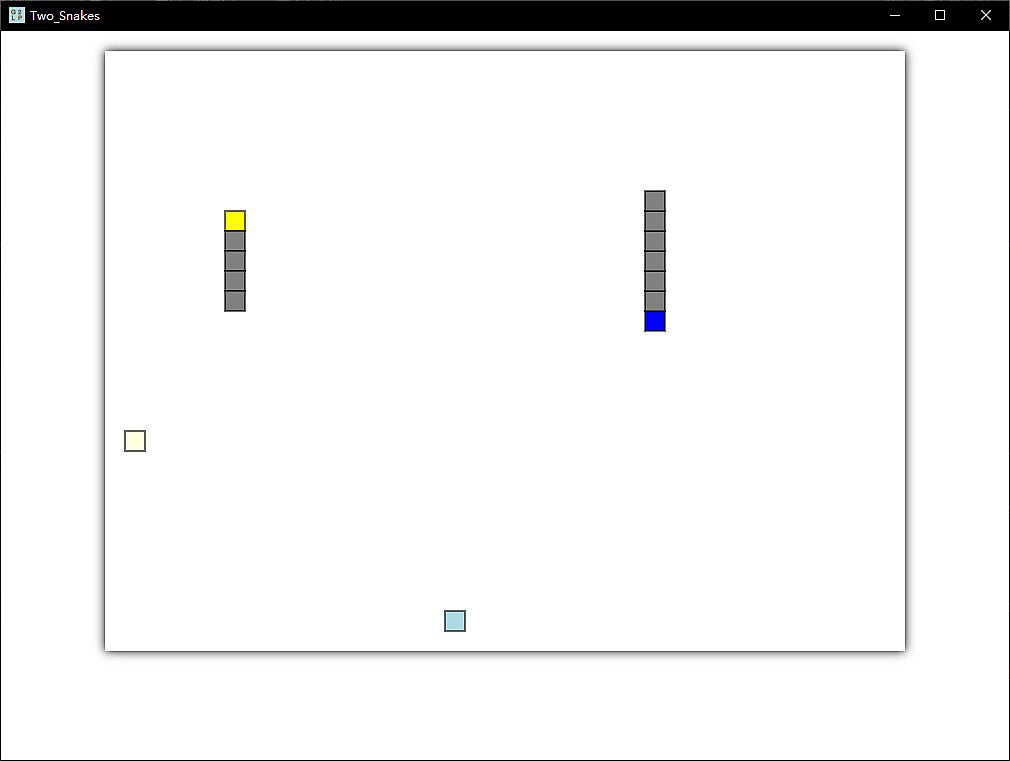
One notable project involves creating a game that can be controlled with two hands or by implementing an AI opponent, which introduces concepts like input handling and basic algorithms.
Is It Worth Playing?
If you're new to programming and enjoy strategy or simulation elements, this game offers a structured way to learn by doing. It's particularly suited for those interested in game development as a pathway to coding skills.
The hands-on approach can make abstract concepts more tangible, though it requires patience for debugging and iteration. For beginners seeking an alternative to traditional tutorials, it provides value in blending education with creative output.